Recent Traveler Mania
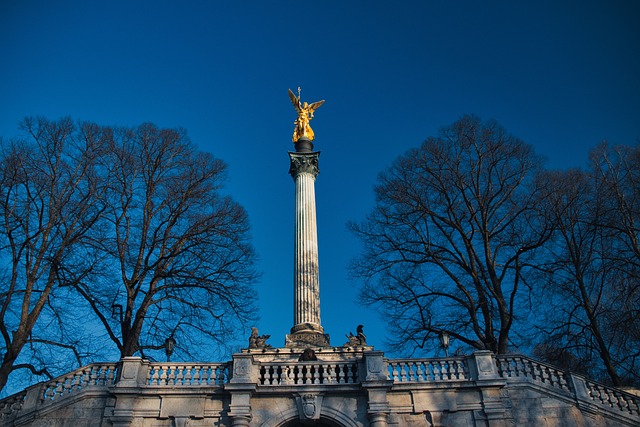
Munich Sightseeing, District by District
Munich’s landmarks cluster into districts that each deserve a morning. Treat the city as five small neighbourhoods and you will walk less, queue less and see more.
Altstadt: towers, churches and a palace Marienplatz is the centre. The New Town Hall facade stretches about 100 metres, and its tower lift (85 metres up) costs from €7 in timed 20-minute slots from 10:00 to 20:00. Ticket details...
read more
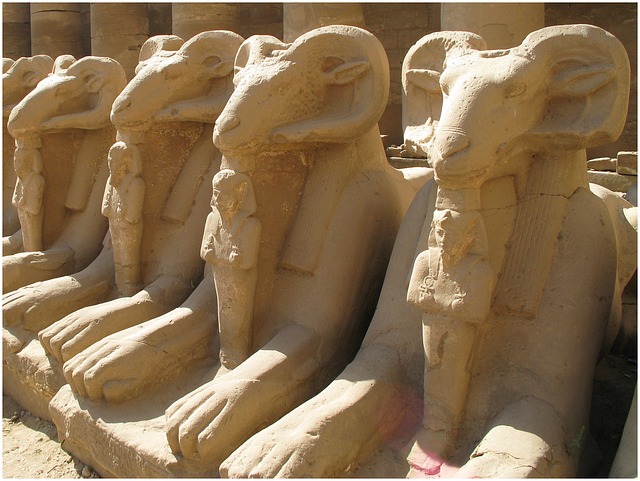
Luxor Walks by Effort: Easy to Long
Luxor looks compact on a map and then punishes anyone who treats it that way. The east bank rewards a walk, the west bank does not, and the right length depends on how much heat and effort you want to spend. Three levels follow.
Easy: under an hour Start on the corniche, the paved riverside esplanade. It is free, flat and best near sunset, when felucca sails cross the water against the Theban...
read more
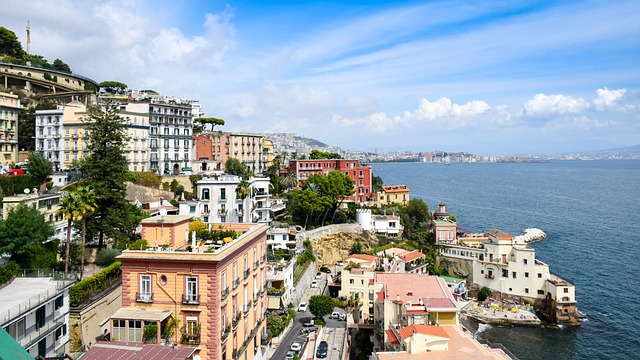
Naples Walks: Flat, Hilly and Steep
Naples walks come in three grades. The old centre and the waterfront are flat, the Vomero and Posillipo slopes are hilly, and a few outings beyond the city are properly steep. Match the grade to your legs and the weather, and wear shoes with grip, because the cobbles are uneven.
Flat: the old centre and the seafront Spaccanapoli and the decumani. The straight Greco-Roman lines of Spaccanapoli and...
read more
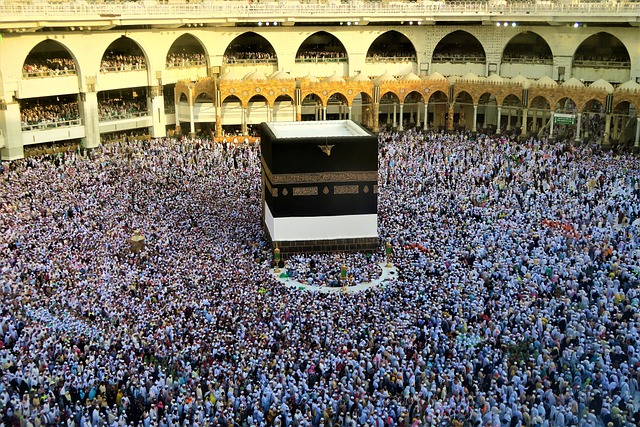
Couples and Mecca: Your Questions Answered
Travel advisory: American advice is to reconsider travel to Saudi Arabia because of regional conflict, and Houthi missiles and drones have reached Saudi cities. UK warnings apply to the Yemen border zone and the Abha and Khamis Mushait area; Mecca is not covered. Consult travel.state.gov and the FCDO’s Saudi page first.
Mecca does not have a couples’ trip to offer, and it is better to...
read more
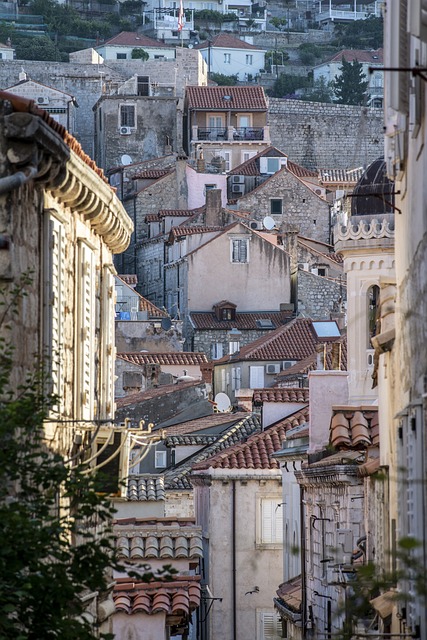
Dubrovnik Sightseeing: Rain, Heat and Wind
Dubrovnik Sightseeing, Whatever the Weather The Walls are an exposed stone ring with almost no shade, the cable car stops in high wind, and the Old Town lanes get slick when wet. Dubrovnik rewards a plan that changes with the sky, so here is what to do under each kind of weather.
Rain Indoor stops are plentiful, and the best are all within a few minutes of Stradun.
Rector’s Palace: €15 for...
read more
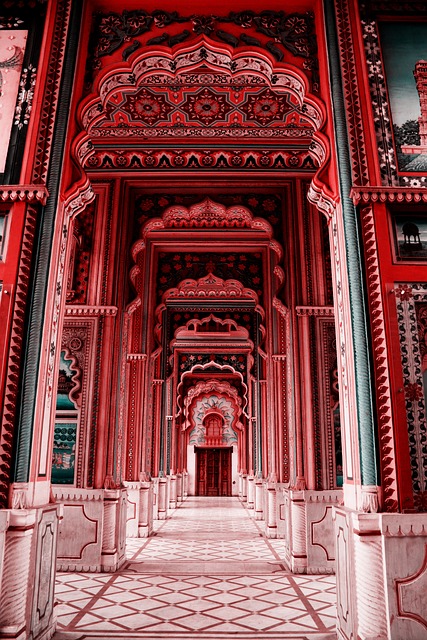
Jaipur Walking Tours by Length
You can walk Jaipur in forty-five minutes or in half a day. Pick the length that matches your energy.
Forty-five minutes: dawn at Hawa Mahal Be on Badi Chaupar by 06:30, before the shops open. The morning sun strikes the 953 honeycomb windows of Hawa Mahal, and the street is nearly empty. Photograph the front from the pavement, then climb to a rooftop cafe for quiet chai. Walking the front costs...
read more
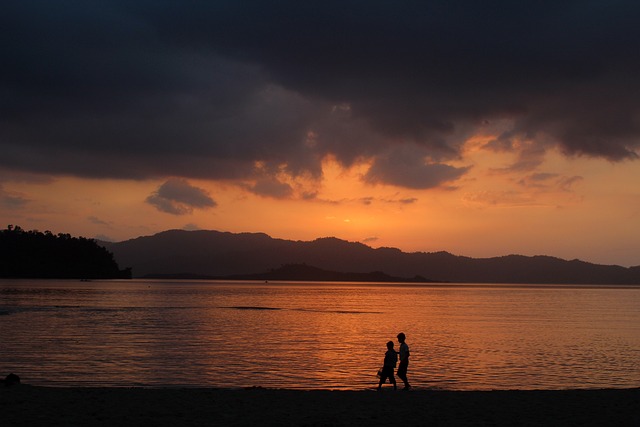
Philippines Sights by Time Needed
Philippines sights by time needed Sightseeing in the Philippines is a scheduling puzzle. A cone volcano can be seen in ten minutes from a hotel window, while rice terraces eat two days once you add the bus. Grouping the sights by the time they really take makes it easier to choose, so here they are from a quick look to a proper journey.
A few hours or less Tagaytay and Taal, from Manila.
read more
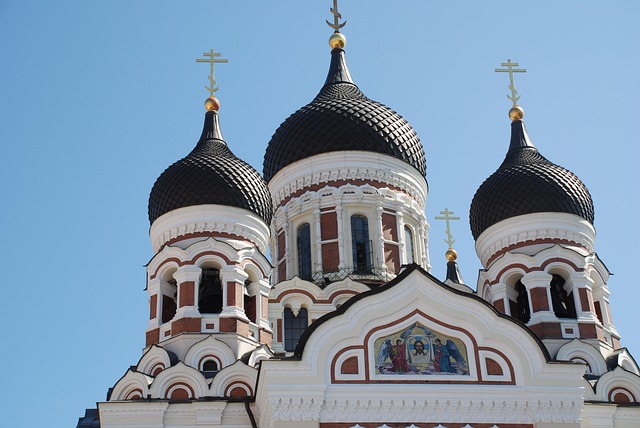
Tallinn on Foot: Flat, Steep and Stepped
Tallinn on Foot: Flat, Steep and Stepped Tallinn walks very differently depending on where you stand. Kalamaja and the seafront are flat, Toompea is a hill, and the towers add stairs. If you know your legs and your shoes, you can plan routes by effort instead of by sight.
Flat walks Kalamaja is lined with 1920s wooden houses and leads into Telliskivi Creative City, a free walk through a converted...
read more
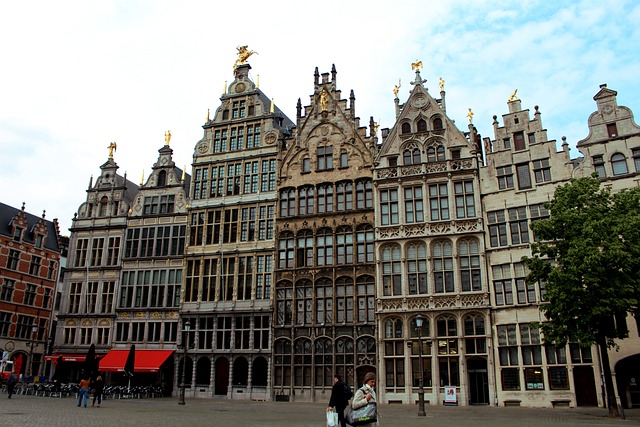
Antwerp Sights: First Visit or Return
Antwerp Sights: First Visit or Return What counts as essential Antwerp depends on whether you have been before. First-time visitors want the postcard core in a day; returnees can skip it and look at the outer districts. Both routes are below.
First visit: the central loop Begin in the Grote Markt, a triangle of 16th-century guild houses with stepped gables. The Stadhuis, finished in 1564 by...
read more

Walking Panama City: Flat to Steep Routes
Panama City is a walkable city only in pieces. Some stretches are flat and shaded by colonial balconies; others climb a rainforest hill in tropical heat. Ranking routes from flat to steep lets you pick by energy rather than by map.
Flat: Casco Viejo The restored quarter is the easiest and most rewarding walk. Link Plaza Mayor, Plaza de Francia, Plaza Bolivar and Plaza Herrera, then follow the...
read more
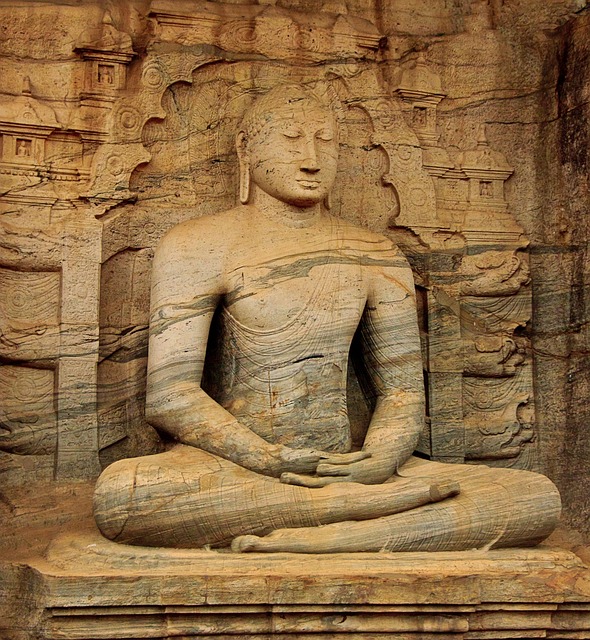
Sri Lanka Sights: Sacred, Colonial, Wild
Sri Lanka’s sights fall into three families, and each one wants a different kind of day: still and respectful, wandering and shaded, or early and outdoors.
Sacred sites Buddhist temples and stupas are active places of worship. Wear clothing covering shoulders and knees, remove shoes and hats, and walk clockwise around stupas.
Dambulla. Five rock-cut caves hold 157 gilded statues and about...
read more

New Orleans Sightseeing in 2, 4 or 8 Hours
Two hours, half a day or a full one: each gets a different New Orleans. The city is compact enough that the order of stops matters more than the number. Here is what fits in each window and how to move between them.
Two hours: Jackson Square and the river Start at Jackson Square and look at St. Louis Cathedral, founded in 1789 and the oldest continuously active Roman Catholic cathedral in the...
read more
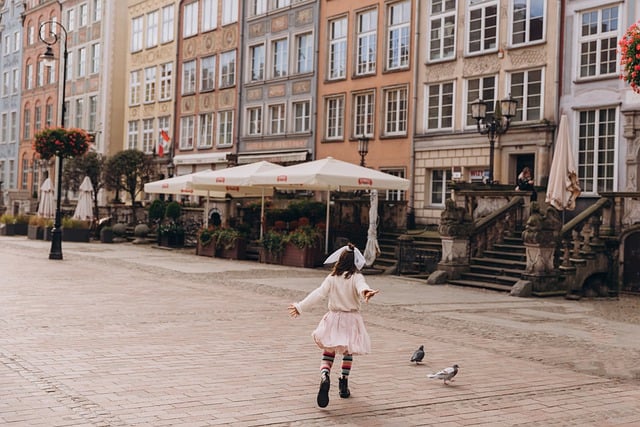
Gdańsk Sightseeing: First Visit, Return Trip
On a first visit Gdańsk is one street. On a second it becomes half a dozen districts, each with its own rooms and views. Plan the two trips differently and neither feels repeated.
First visit: the core in a day Start at the Upland Gate and follow the Royal Way, about 2.5 km and 2 hours on foot, free and open at any hour. It passes the Golden Gate, runs along Długa and opens into Długi Targ, where...
read more
Panama City Sights: First Trip, Return Trip
First-time visitors to Panama City need the canal, the old town and the Gehry building. Return visitors have seen those and want the ruins, the rainforest and the islands. Sorting the sights this way avoids repeats and keeps each day full.
First trip: the three essentials Miraflores Locks come first. They open daily 08:00 to 18:00, the ticket office closes at 17:00, and tiers run from $7.22 to...
read more

Reykjavik Sights: First Visit and Return
A first morning in Reykjavik needs few tickets. Most landmarks sit within a short walk of each other and cost nothing, and the extras are saved for the second day or the second trip.
First visit: five landmarks in a loop Begin at Hallgrímskirkja, a 74.5 m Lutheran church designed by Guðjón Samúelsson to echo basalt columns. Its organ has 5,275 pipes. The nave is free outside services, and the...
read more
Jaipur Sightseeing by Effort Level
Some Jaipur sights ask for a sit-down and a camera. Others ask for good shoes and a water bottle. Sorting by effort lets you spend your energy where it counts.
Low effort: flat, short and shady Hawa Mahal is best admired from the street or a rooftop cafe on Badi Chaupar, which costs nothing. The sandstone front, designed in 1799 by Lal Chand Ustad in the form of Krishna’s crown, has 953...
read more

Ghana Walking Tours by Time of Day
Walking tours in Ghana, by time of day Walking in Ghana is shaped by heat and traffic, so the hour you start counts as much as the route. Mornings suit the fishing harbour and the markets, midday suits shaded or indoor stops, and evenings suit Osu. Prices are in Ghana cedis (GH₵), about 11.7 to the US dollar in early October 2026, and they move.
Morning: Jamestown harbour, Accra Jamestown is the...
read more
Ghana Sights for First and Return Visits
Sightseeing in Ghana, for a first or a return visit Ghana’s landmarks split neatly in two. A first visit tends to cover the capital’s civic monuments, the coastal forts and the Ashanti capital; a return visit has time for the late-opening memorial park and the savannah. Prices are in Ghana cedis (GH₵), about 11.7 to the US dollar in early October 2026, and they move.
First visit:...
read more
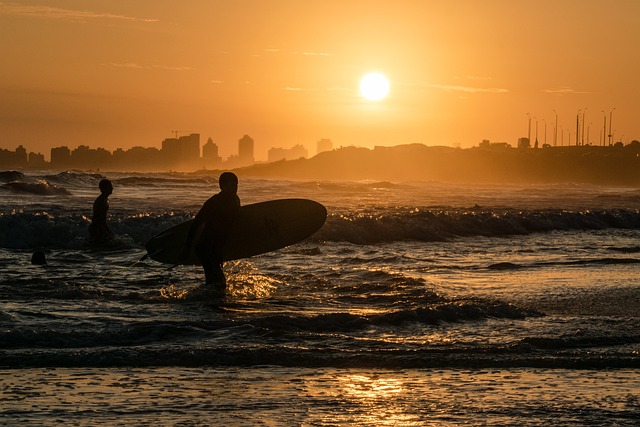
Uruguay Walking Tours by Length of Walk
Uruguay is flat enough that nearly every walk is easy, so the real choice is how long you want to be out. Here are the routes, from a stroll before dinner to a day on foot.
About an hour: Colonia and the Punta del Este peninsula The Barrio Histórico of Colonia del Sacramento can be crossed in an hour at a slow pace. Go in through the Portón de Campo and its drawbridge, follow the Calle de los...
read more
Romantic Munich: First Date to Anniversary
A gondola on a palace canal is a better opening move than any reservation. Munich suits romance at every stage, from a free first coffee to an anniversary dinner, so here are ideas by occasion.
A first date: coffee, stalls and a gondola Sit on a bench under the lime trees around the Diana Temple in the Hofgarten, with coffee from a nearby bakery and street violinists for company. Then wander...
read more
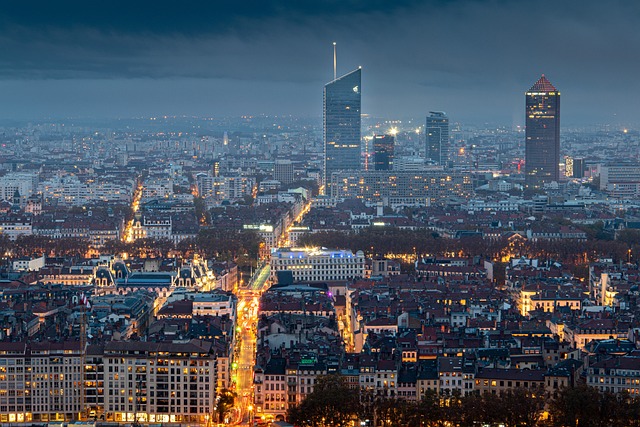
Lyon Sightseeing by Effort Level
Lyon Sightseeing by Effort Level Lyon’s sights sit on two hills and a flat peninsula, so the same list can be a stroll or a workout. Sort by effort and you can pick the right day for your legs, your shoes and the weather.
Easy: flat and mostly free The Presqu’île is the level core between the two rivers. Place Bellecour is among Europe’s largest open squares, with the equestrian...
read more

Bulgaria Walking Tours by Time Available
The best Bulgarian walk depends on how many hours you have. Here are routes sorted from one hour to a full day, all self-guided, with costs in euros.
One hour Nessebar’s old town sits on a narrow peninsula, and the whole loop takes about an hour. Street access is free, and the route passes wooden windmills and some of the roughly 15 surviving medieval churches, around five of which charge...
read more
Ghana for Couples by Trip Length
Romantic getaways in Ghana, by trip length Ghana is not a resort-island country, and the honest list of romantic options is short. Matching it to the days you have makes planning easier: a day, a weekend or a week. Prices are in Ghana cedis (GH₵), about 11.7 to the US dollar in early October 2026, and they move.
One day: Aburi’s hill gardens Aburi Botanical Gardens lie on the cooler Akuapem...
read more
Luxor Sightseeing: First and Return Visit
The first trip to Luxor and the second are different trips. The first time, the four giants take every hour you have. The second time, you can finally slow down for the smaller places that tour buses skip, and you may enjoy them more.
First visit: the four giants Karnak (EGP 600) comes first, at gate opening. Walk the great Hypostyle Hall, where 134 sandstone columns crowd overhead, then find...
read more
Ghana With Kids by Length of Outing
Family activities in Ghana, by length of outing Ghana has fewer purpose-built family attractions than many countries, so the realistic list is short and mostly outdoors. Below, each outing is sorted by how long it takes, which matters with young children and heat. Prices are in Ghana cedis (GH₵), about 11.7 to the US dollar in early October 2026, and they move.
About two hours: gardens and a...
read more

Taiwan Walks: Flat Strolls to Stair Climbs
Walking in Taiwan ranges from a flat stroll past tea merchants to a few hundred stone steps in the heat. Sorting routes by effort tells you quickly which ones suit your legs, your shoes and the day.
Easy: flat streets and riverside Dadaocheng and Dihua Street in Taipei is the gentlest. This old river-port district has 19th-century red-brick tea merchants, herbal medicine shops, fabric markets and...
read more
Naples Sightseeing in 1, 2 or 3 Days
One day in Naples is enough to see why people fall for it, two lets you add a Roman town, and three gives the city room to breathe. The order matters more than the length, because two of the best indoor sights close on Tuesday.
One day: the old city and the museums Start at the Cappella Sansevero for a booked morning slot. The Veiled Christ (1753) is here, not in the Duomo.
read more

Tanzania Walking Tours by Effort Level
Travel advisory: Walkers should consult the official notices before setting out. The US advises reconsidering travel to Tanzania, and the UK advises against all but essential travel within 20 km of the Mozambique (Cabo Delgado) border. None of the walks below lie near it. Check the US State Department and UK FCDO pages.
Tanzania rewards slow movement, and how far you walk is a matter of choice....
read more
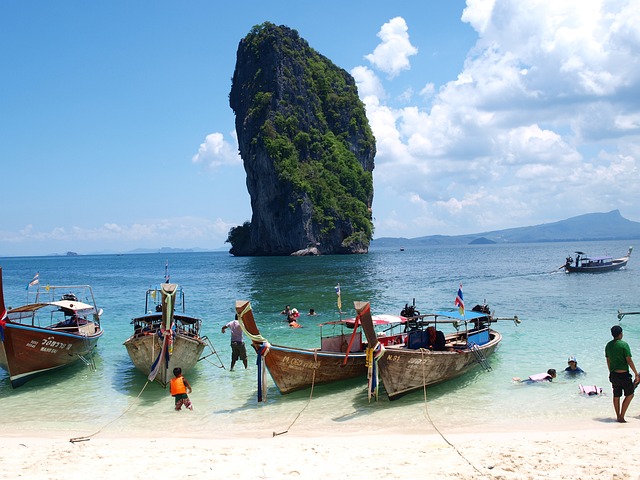
Romantic Krabi From Dawn to Dusk
Krabi’s romance runs on a clock: the pale hour before the longtails start, the golden hour at Phra Nang, and the long quiet dusk on the north coast. The options are few but strong, so this plan follows one day from dawn to dark. Dinner at the end is the only real splurge.
Dawn: a paddle before the engines The water is calmest early. Stand-up paddleboarding at sunrise in Ao Nang or off Railay...
read more
Ghana Day Trips by Transport Type
Day trips in Ghana, by how you travel In Ghana the way you travel matters more than the destination. A private driver gives you a flexible, early start. An intercity coach is cheap but follows a timetable. A flight changes the map entirely. Prices are in Ghana cedis (GH₵), about 11.7 to the US dollar in early October 2026, and they move.
With a private car and driver Within about an hour of Accra,...
read more
Ghana Attraction Tours by Budget
Attraction tours in Ghana, by budget Ghana’s best made-by-hand attractions are cheap by international standards, and a clear budget tells you which ones fit your days. Three bands follow, starting with the lightest on the wallet. Prices are in Ghana cedis (GH₵), about 11.7 to the US dollar in early October 2026, and they move, so treat them as a guide and agree the fee before you start....
read more
Dubrovnik for Couples: Quiet or Lively
Dubrovnik for Two, at Your Pace Some couples want an empty street at 06:30 and a quiet table. Others want music, a bar on the rocks and a late finish. Dubrovnik handles both, and the choice mostly comes down to the hour of the day and the time of year.
The quiet version Stradun at dawn. Before the first delivery vans and tour groups, the limestone is almost empty and the church bells carry.
read more

Kenya Walks: One Hour to a Full Day
Kenya is a driving country, yet a surprising amount of it opens up on foot, from a lunchtime city loop to a gorge that takes all day. The easiest way to choose a walk is by the time you have.
One hour: central Nairobi Marabou storks roost in the acacias along Kenyatta Avenue and Parliament Road, and the walk is free. City Market has flower and spice stalls, and Jamia Mosque is a short stroll away.
read more
Mecca Umrah Trips: First Visit or Return
Travel advisory: The US State Department says to reconsider travel to Saudi Arabia, citing regional conflict, and Houthi missiles and drones have been aimed at Saudi cities. The UK’s advice concerns the Yemen border area plus Abha and Khamis Mushait only, which leaves out Mecca, Medina and Jeddah. Look at US travel advice and UK FCDO guidance when you set dates.
A first Umrah wants a simple...
read more
Ghana Activities by Effort Level
Things to do in Ghana, from easy to demanding Ghana’s best activities ask for very different amounts of effort, from an afternoon among market stalls to a two-leg journey for elephants. Sorting them by workload makes it easier to fit a few of each into a long weekend or a fortnight. Prices are in Ghana cedis (GH₵), about 11.7 to the US dollar in early October 2026, and they move.
read more
Sri Lanka Romantic Getaways by Occasion
A romantic Sri Lanka trip looks different for an anniversary, a honeymoon and a couple who would rather hike, so pick the plan by occasion.
Anniversary: three nights on the south coast Stay in one villa and let the evenings do the work. From November to April the south coast is dry with calm seas.
Choose a villa near Tangalle or Mirissa, set back from the main beach strip. Compare south coast...
read more
Romantic New Orleans at Three Budgets
Romance in New Orleans costs whatever you decide it costs. A $2 ferry ride at dusk and a long Creole dinner both end with a skyline and a band playing somewhere nearby. Here is how an evening for two stacks up at three budgets.
Under $15 each The Canal Street ferry to Algiers Point is $2 for a pedestrian and crosses every 30 minutes, with the last departures in the evening around 20:45 Sunday to...
read more
Philippines for Couples, by Budget Tier
Philippines for couples, by budget tier A candlelit table on sand costs very little in the Philippines, and a private island costs a lot, so the sensible way to plan a couples trip is by budget. Each tier below is built from real options. Prices are rough guides in pesos, and island Philippines runs on cash.
Tier one: free to about ₱2,500 A sunset sail on Boracay. A paraw is a double-outrigger...
read more
Romantic Antwerp Through the Seasons
Romantic Antwerp Through the Seasons Antwerp romance follows the light. In June the sun sets late and the rooftops stay open past midnight; in December the lamps come on before five and the old alleys do the work. Plan the same city differently depending on when you arrive.
Spring: Art Nouveau on foot Walk Cogels-Osylei in Zurenborg together. The street holds some 170 protected facades from 1894...
read more
Tallinn Sightseeing: First Visit and Return
Tallinn Sightseeing: First Visit and Return The flag on the Pikk Hermann tower goes up at sunrise to the national anthem, and that is a fair start to a first visit. A return trip needs a different list, because the central sights are covered and the rest of the city is where the new material is. Here are both lists.
First visit: the Old Town and Toompea Begin at Raekoja plats.
read more
Romantic Naples by Funicular and Ferry
Naples becomes romantic when you leave the street level. Climb a funicular at dusk, walk the seafront as Vesuvius turns pink, then take a hydrofoil to an island where nobody is in a hurry. Choose the way you travel and the evening follows.
By funicular: Vomero at dusk Board the Montesanto funicular, which takes a single ANM ticket (EUR1.30), and ride up to Vomero. At the top, the Certosa di San...
read more
Reykjavik for Two: A 48-Hour Plan
This 48-hour plan gives a couple the rhythm of the city: warm water, long walks and a late dinner. The plan below starts on arrival evening and ends with a lagoon before the flight home. Prices are in ISK, and cards work nearly everywhere.
Friday evening: harbour and dinner Drop the bags and walk the Sæbraut promenade to the Sun Voyager, a steel ship sculpture that catches the low sun. In June it...
read more
Romantic Lyon in Every Season
Romantic Lyon in Every Season Lyon suits couples all year, but the best evening changes with the calendar. Spring wants a terrace, summer wants late light on the hill, autumn wants a vineyard, and December wants candles in the streets. Here is a plan for each.
Spring: golden hour on Fourvière Take the funicular from Vieux Lyon to the basilica esplanade and watch the roofs turn amber. The esplanade...
read more
Gdańsk for Couples by Budget
The best romantic hours in Gdańsk cost nothing: the lamps coming on along Mariacka, and the Crane reflected in the Motława. Add a little money and the evening deepens, and a lot more buys a night by the sea in Sopot.
Free: dusk on foot Ulica Mariacka drops from the back of St Mary’s Basilica to a Gothic gate on the river. Raised stone terraces called przedproża front the houses, carved...
read more
Tanzania Romantic Getaways: Slow or Active
Travel advisory: Plan the romance after the paperwork. The US advises reconsidering travel to Tanzania, and the UK advises against all but essential travel within 20 km of the Mozambique frontier at Cabo Delgado, far from the lodges and beaches below. Read the latest on travel.state.gov and the UK foreign travel advice .
Some couples want a hammock and a book, and others want a reef at dawn....
read more
Romantic Panama City: Free to Splurge
Panama City has no resort strip, yet a handful of evenings here rival anywhere on the Pacific: the skyline catching fire across the bay, a restored old quarter glowing after dark, a car-free island an hour away. The list is short, so here it is by budget, from free to a proper splurge.
Free Walk to the Paseo Esteban Huertas sea wall or Plaza de Francia in Casco Viejo an hour before sunset.
read more
Uruguay Sightseeing Planned by Time of Day
In Uruguay the clock matters as much as the map. Some sights open only for a few hours, some are better when the light is low, and the best view in the country belongs to sunset. Here is the day, hour by hour.
Early morning: Rambla and the plaza Walk the Rambla before the heat. The waterfront path runs about 22 km along the river, and early joggers and mate drinkers share it.
read more
Kenya Sightseeing by Landscape
Kilimanjaro rising behind a line of elephants is the picture most people have of Kenya, but the country offers four distinct landscapes within a few days of each other. Choosing by landscape keeps the route short and the photographs varied.
Open savannah The Maasai Mara is the place for golden grassland, lions, cheetahs and the wider Big Five. Non-resident adults pay US$100 a day from January to...
read more
Bulgaria Sightseeing Through the Ages
Bulgaria’s sights make most sense in time order. Walking from the Thracians to the twentieth century gives the trip a thread, and nearly every stop below can be done in a day from its nearest city.
Thracians: gold and a replica The Thracian tomb at Kazanlak is closed to visitors, so a full-scale replica in Tyulbeto Park serves instead, at about €5 for adults. The best Thracian objects are in...
read more
Mecca Family Travel by Age Group
Travel advisory: Saudi Arabia is under a US “reconsider travel” advisory because of regional conflict, and Houthi missiles and drones have been fired at Saudi cities. Britain’s FCDO cautions only about the Yemen border area and the Abha and Khamis Mushait districts, not Mecca. Families should check travel.state.gov and the FCDO page before paying deposits.
The right Mecca plan...
read more