Recent Traveler Mania
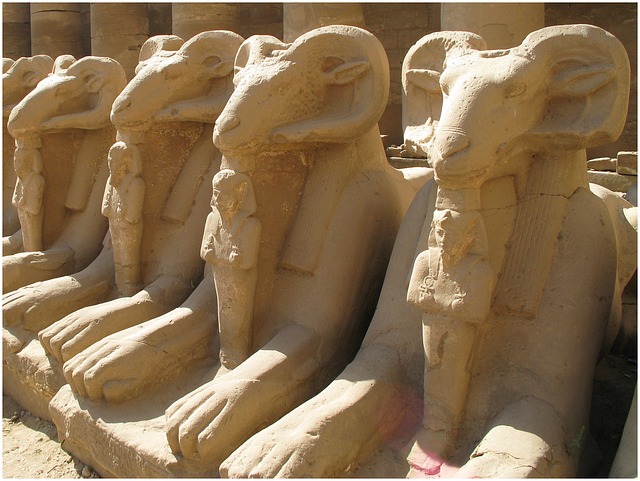
Luxor Day Trips: Winter and Summer Plans
A day trip from Luxor in January and one in July are two different jobs. In winter the question is which temple to add, and in summer the question is how early you can leave and how much of the day the car’s air conditioning will carry.
Winter days, October to April Temperatures stay comfortable, so the long northern run suits this season. Dendera, with its colourful astronomical ceiling,...
read more
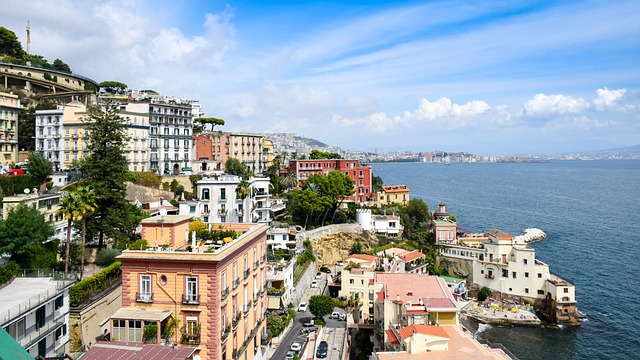
Naples Day Trips Ranked by Journey Time
Rank Naples day trips by the clock and a clear order appears: 20 minutes to Herculaneum, 35 to Pompeii, about 50 across the water to Capri. Each journey leaves from one of two places, so the real planning is knowing which station or quay you need.
20 minutes: Herculaneum Take the Circumvesuviana from Napoli Garibaldi, the lower level of Napoli Centrale, to Ercolano Scavi. A one-way fare is EUR2.60...
read more
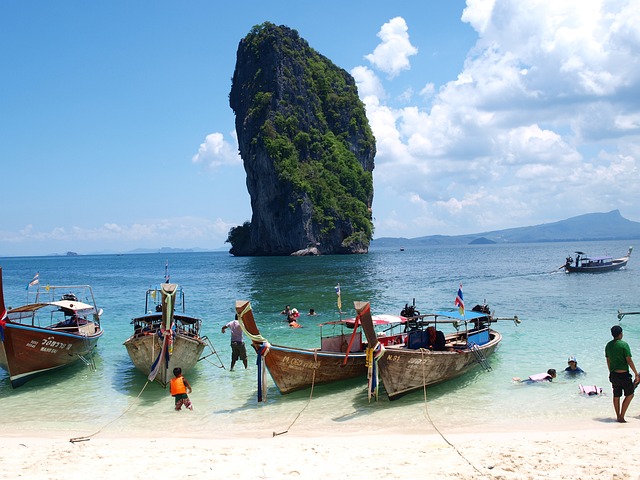
Krabi Day Trips for First and Second Visits
Krabi sells three different island days that people often mix up: Four Islands, Hong, and Phi Phi. Choosing between them gets easier once you know whether this is your first trip or your second. The first visit rewards the short, easy circuit, and the return visit can take on the longer, rougher boats.
First visit: the Four Islands circuit This is the classic starter. A traditional longtail boat...
read more

Reykjavik Day Trips by Season and Daylight
The same day trip feels like a different outing in July and in January. Light, wind and road conditions set the pace, and an 8-hour loop in summer can be squeezed into the short window of winter twilight. The routes below follow the year.
Late May to August: long light Around the solstice daylight lasts nearly all night, so you can start a South Coast drive after breakfast and still see...
read more
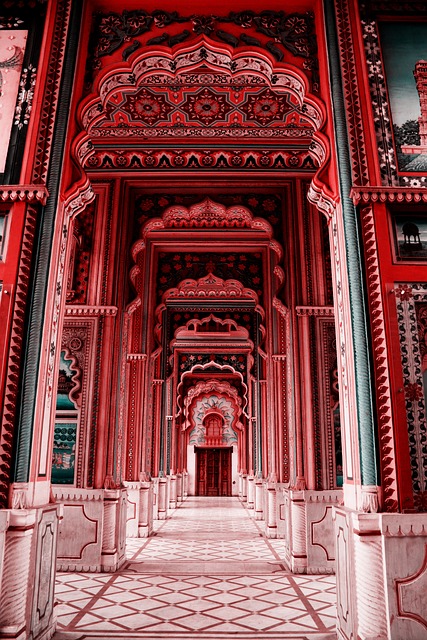
Jaipur Day Trips by Interest
Pick the day trip by what makes you stop and stare, and the drive time takes care of itself.
If you love stone and symmetry: Abhaneri Chand Baori is a stepwell about 85-95 km east of Jaipur, roughly two hours by road. It drops 13 levels, with about 3,500 narrow steps in geometric patterns that plunge around 20 metres. Foreign visitors pay about INR 300 at the gate, or INR 250 online, and it opens...
read more
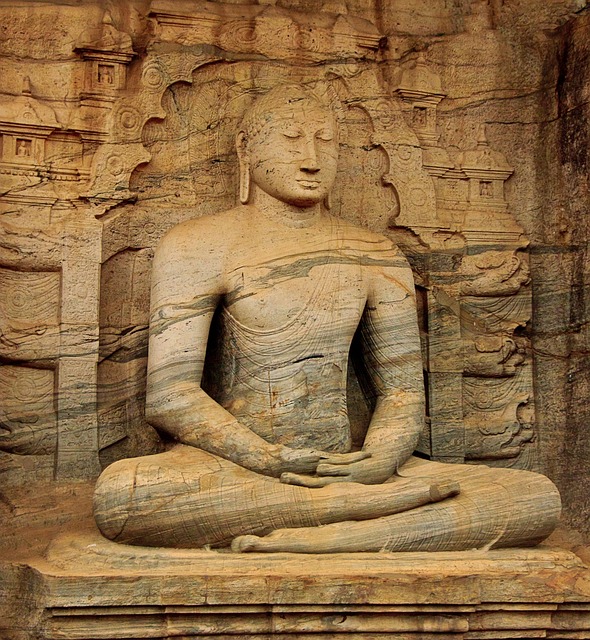
Sri Lanka Day Trips: Hills, Ruins, Coast
Sri Lanka is small, but each region has its own weather, so choose the day trip by region first and by calendar second.
Hill country Weather here turns wet during the southwest monsoon, May to September, and again in the inter-monsoon rain of October to December. Start early whatever the month.
Horton Plains. The park opens at 06:00 and its 9.5 km World’s End loop is best finished before the...
read more
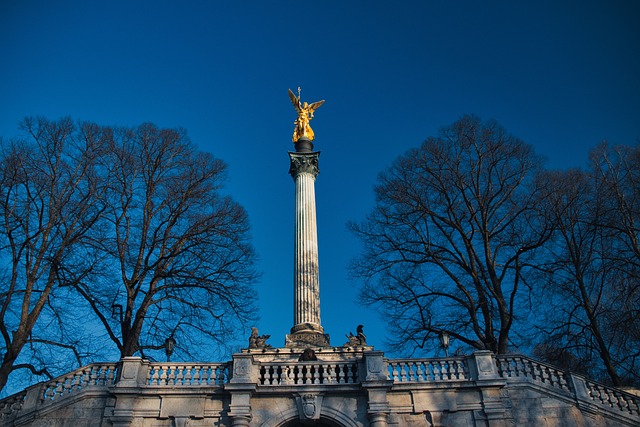
Munich Day Trips From Easy to Long Days
Some Munich day trips fit between breakfast and a late lunch, and others eat the whole day. Sorting them by effort helps you pick one that matches your energy and your train times.
Low effort: under an hour from the centre Dachau lies about 20 km north-west of Munich, roughly 45 minutes door to door. Take the S2 to Dachau station (about 25 minutes), then bus 726 to the memorial entrance.
read more
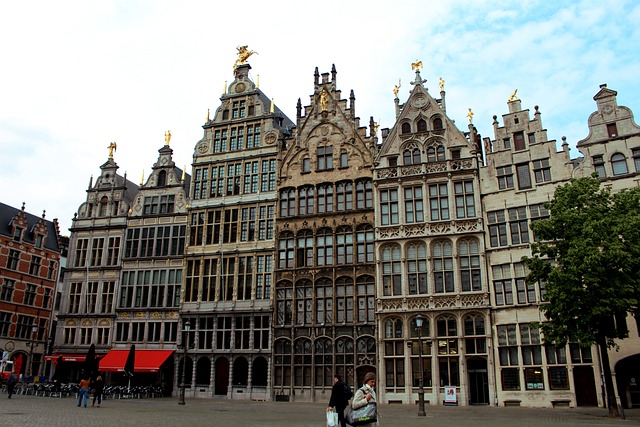
Antwerp Day Trips for Sun or Rain
Antwerp Day Trips for Sun or Rain The best Belgian day trip depends on the sky. Every town below is a direct train from Antwerpen-Centraal, and the same train that takes you to a rainy-day museum also takes you to a sunny-day canal, so the choice can wait until you see the forecast at breakfast.
Dry and clear Mechelen is the shortest hop, 17 to 20 minutes with trains every 10 to 15 minutes and a...
read more

Gdańsk Day Trips by Season
A day trip from Gdańsk in July and the same trip in November are two different outings. Prices, boats and opening hours all follow the season, so pick the trip by the month.
Spring and summer, April to September Malbork Castle is at its fullest. The 2026 spring-summer tariff ran from 25 April to 30 September, with a Historical route at 80 PLN regular and 60 PLN reduced and a Grounds route at 35...
read more
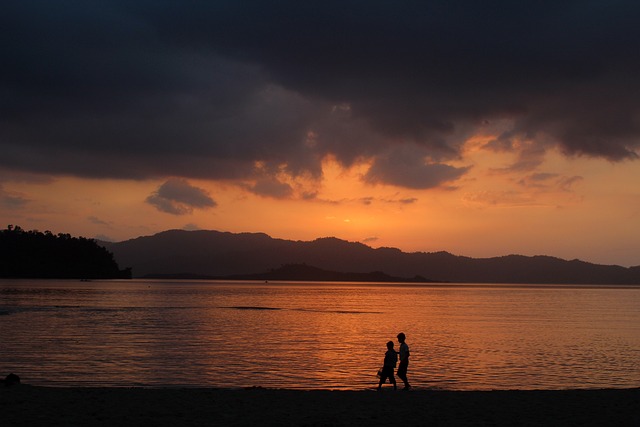
Philippine Day Outings by Travel Time
Philippine day outings by travel time Most places that look close on a Philippine map are not. Roads are slow, boats follow tides and weather, and the islands are separate, so a good out-and-back day is measured in hours door to door. The list below runs from the shortest outing to the longest, with the hub you start from.
About two hours each way Tagaytay ridge, from Manila. About 60 km south by...
read more
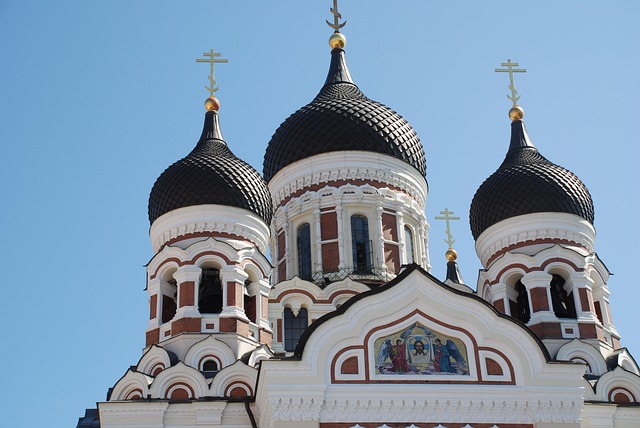
Tallinn Day Trips by Ferry, Coach, Car
Tallinn Day Trips by Ferry, Coach and Car How you leave town decides which day trip works. A ferry takes you across the Gulf of Finland, a coach carries you to the coast, and a car or guided tour is the practical way into the forests east of the city. Pick the transport first, then the destination.
By sea Helsinki is two hours away by high-speed ferry. Tallink’s MyStar is the quickest at...
read more

Tanzania Day Trips by Travel Time
Travel advisory: Check two official notices first. The US advises reconsidering travel to Tanzania. The UK advises against all but essential travel within 20 km of the Mozambique border at Cabo Delgado, a long way from the places below. Find the latest text on the US State Department site and at UK FCDO .
A day trip works when the driving takes less than a quarter of the day. Measure outings by...
read more

Bulgaria With Kids: Sofia, Rila and Coast
Children in Bulgaria are best served by picking a base and sticking to it. The three regions below each have a clear family highlight, and none of them needs a long drive.
Sofia: zoo and science centre Sofia Zoo charges adults about €5 after the 2026 price rise, and the Muzeiko children’s science centre suits rainy afternoons. Check Muzeiko’s current ticket prices on its own website,...
read more

New Orleans Day Trips by Effort and Drive
Some New Orleans day trips need nothing more than a car key and an hour. Others need an alarm at six and a full tank. Sorting them by effort makes the choice simple, and the drive time is the part that matters most.
Easy: about 35 minutes south Barataria Preserve, part of Jean Lafitte National Historical Park, sits roughly 35 minutes from the city. Boardwalk trails cross freshwater swamp and bayou...
read more

Dubrovnik Day Trips by Time Available
Dubrovnik Day Trips, Matched to Your Hours A half day gets you onto a boat. A full day gets you to a peninsula or a national park. A very long day gets you into another country and back, with a passport check each way. Match the trip to the hours you actually have.
Half a day Lokrum. The boat from the Old Port takes about 15 minutes, and the €30 ticket includes the return crossing and reserve...
read more

Taiwan Day Trips for Every Kind of Sky
A day trip in Taiwan is easier to plan from the sky than from the map. Four places sit within about an hour of Taipei, and each one rewards a different kind of weather. Check the forecast at cwa.gov.tw the evening before and choose from the list below.
Clear sky: coast and summit Yehliu Geopark lies about an hour north of Taipei on the coast. Sea erosion has carved mushroom-shaped rocks there, and...
read more

Kenya Day Trips Ranked by Drive Time
Kenya’s day trips sort themselves by the clock. A lion with city towers behind it is 20 minutes from downtown Nairobi, a volcano rim is about 1.5 hours out, and the famous reserves are too far for one day.
20 minutes: Nairobi National Park Non-resident adults pay US$80 and children US$40, prepaid on eCitizen . Lions, rhinos and giraffes graze within sight of the skyline. A private 4x4 with a...
read more
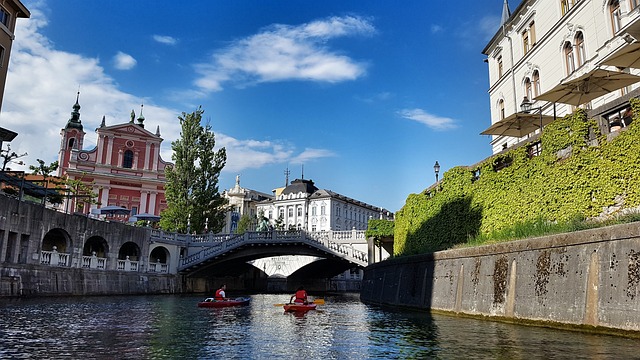
Ljubljana With Kids, Age by Age
Ljubljana With Kids, Age by Age A four-year-old and a fourteen-year-old want different days, and Ljubljana can give both without leaving the pedestrian centre. Children can run ahead on car-free streets, which makes the city easy for small ones. This plan sorts the options by age.
Under 5: short and sweet The castle funicular takes about a minute and has a glass cabin that small children enjoy. A...
read more
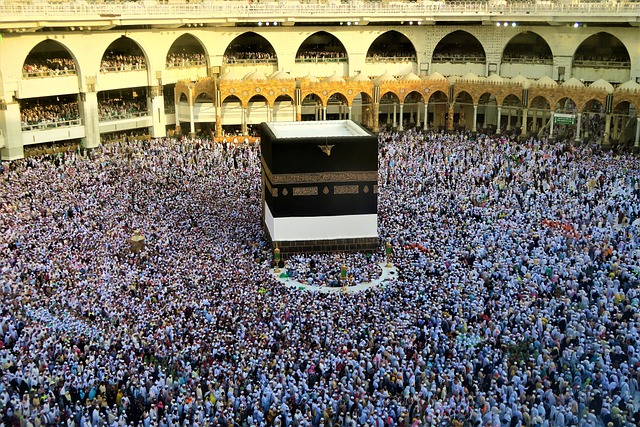
Mecca by the Hijri Calendar: Umrah and Hajj
Travel advisory: Washington advises reconsidering travel to Saudi Arabia while regional conflict continues, and Houthi missiles and drones have been aimed at Saudi cities. London’s restrictions cover the Yemen border strip plus Abha and Khamis Mushait, which excludes Mecca. Read the US State Department and UK FCDO pages before you commit to dates.
Mecca runs on the Hijri calendar, and the...
read more
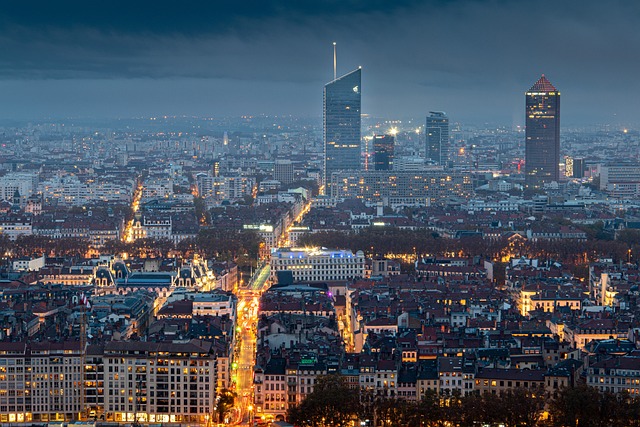
Lyon Day Trips Through the Year
Lyon Day Trips Through the Year Day trips from Lyon change character with the calendar. A vineyard village that glows in September can feel empty in January, and an alpine lake that suits August needs a coat in March. Match the trip to the month and you get far more from the train ticket.
Spring: Vienne and Pérouges Spring suits walking between ruins and village lanes. Vienne sits on the Rhône, 15...
read more
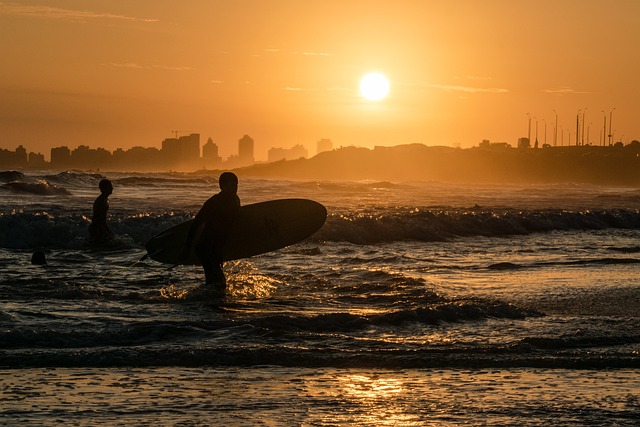
Uruguay Day Trips: Summer Coast or Winter
Uruguay turns the calendar upside down for northern visitors. The coast is a December to February place, and June to August belongs to the city, the vineyards and the old towns. Pick the day trip by the month.
Summer, December to February: the coast From Montevideo, coaches from Terminal Tres Cruces reach Punta del Este in about two hours. Make it a full day: La Mano on Playa Brava, the port, and...
read more
New Orleans Tours for First and Repeat Trips
A first-time visitor and a returning one want different things from a New Orleans tour, and mixing them up wastes the most expensive hours of a trip. The first visit rewards the famous anchors. The second is the time for the specialist tours that the anchors crowd out.
First visit: the five anchors Steamboat Natchez. The sternwheeler leaves the Toulouse Street Wharf daily, with a daytime...
read more
Kenya Attractions: Book Ahead or Walk In
Kenya’s best-known attractions split into two kinds: the ones that sell out and the ones you walk into. Sorting your list that way saves a wasted morning in Nairobi.
Book ahead: the Sheldrick elephant orphanage The David Sheldrick Wildlife Trust opens its nursery to the public for one hour, 11:00 to 12:00 daily except 25 December. Visits are arranged by advance request to the Trust, up to 3...
read more
Taiwan Attractions: First and Return Visits
Most visitors to Taiwan see the same five sights on a first trip, and the return trip opens a different country. Sorting attractions by which visit they suit helps you avoid repeating the queue at the tower while skipping the quieter places that repay a second look.
First visit: the anchors in Taipei Start with the National Palace Museum in Shilin. It holds nearly 700,000 imperial Chinese...
read more
Ljubljana Day Trips by Season
Day Trips From Ljubljana, Month by Month Slovenia’s day trips change character with the calendar. Gorges and alpine lakes belong to spring and summer, and caves hold steady at any time of year. Pick the trip by season and the weather rarely spoils it.
Spring: April and May Vintgar Gorge opens in April and runs through October. Entry is €10 for adults and €5 for children. The €15 all-in-one...
read more
Lyon Attractions: Book Ahead or Walk In
Lyon Attractions: What to Book and What to Walk Into Most of Lyon’s big sights take no reservation at all. A handful reward booking, and a few save money only if you buy in a certain order. Here is the sort, from fully free to worth planning ahead.
Walk in, pay nothing The Fourvière basilica, the Cathédrale Saint-Jean and the Roman theatres on the hill are free. The theatres open 07:00 to...
read more

Panama City Tours: Guided or On Your Own
A lock gate swinging shut on a 950-foot ship needs no narrator, but a canal cruise, a river village and a Caribbean fort day do. Panama City splits cleanly between attractions you can handle alone and ones where a guide or operator earns the money.
Go on your own Miraflores Locks sell tickets at the gate, open daily 08:00 to 18:00 and price by tier from $7.22 to $17.22; the official Visit Canal de...
read more
Luxor Attractions by Budget Tier
Luxor’s best free sight costs nothing, and its dearest tomb ticket costs about EGP 2,000. Between those two ends sits a ladder of attractions, so the useful question is how much you want to spend and what each step buys.
EGP 0: the free tier The twin Colossi of Memnon stand by the roadside on the west bank and need no ticket for a photo stop. On the east bank, the paved corniche is free at...
read more
Jaipur Attractions: First Visit and Return
The first trip to Jaipur is about the big five. The second is about the rooms nobody queued for.
First visit: the five anchors Amber Fort is the headline, at about INR 1,000 for foreign adults. The Sheesh Mahal, a hall of mirrored tiles, glows most when the courtyards are empty, so arrive at opening time. Walk up the ramp through the Sun Gate or share a jeep shuttle. Elephant rides up the hill do...
read more
Sri Lanka Attractions by Budget Tier
Sri Lanka’s best-known attractions range from free to US$35 a head, and the price rarely tracks the payoff. Here they are from cheapest up.
Free Galle Fort ramparts. Dutch-era walls with Triton Bastion, Sun Bastion and Flag Rock, where local divers leap at sunset. Nine Arches Bridge, Ella. Walk the forest path from town and watch a train cross the stone viaduct from the tea slope. Beaches...
read more
Munich Tours for First-Timers and Returners
The same palace ticket looks different on a first trip and on a third one. Munich’s guided and ticketed attractions split neatly into the ones every newcomer books and the ones that reward a second visit.
First visit: the Residenz The Munich Residenz is the palace of the Wittelsbach rulers, with around 130 rooms, the Renaissance Antiquarium hall and a Treasury of royal insignia. Tickets are...
read more
Krabi Attraction Tours and Gate Fees
Krabi’s best attractions are cheap to enter and expensive to reach, so the real budget question is how the fee and the transport fit together. A gate ticket is paid in cash at the entrance, a tour price covers the vehicle or boat, and the two are separate. Knowing which is which keeps surprises off the day.
The fee at the gate Fees are tiered, with a lower rate for children, and the sums...
read more
Naples Attractions Through the Year
Naples runs on a calendar. The Vesuvius trail changes its hours month by month, Pompeii swaps slot systems in mid October, and one patron saint liquefies his blood on three separate dates. Pick the season first and the attractions sort themselves.
Spring: the courtyards open May brings the Maggio dei Monumenti, a month of free guided visits that opens private courtyards, crypts and palaces. The...
read more
Reykjavik Attractions: What to Book Ahead
Missing a slot is the usual way to lose a day in Reykjavik. Some attractions are sold out weeks ahead, some only need a few hours of notice, and a few cannot be reserved at all. Sorting the list by lead time keeps the plan simple, and everything is priced in ISK with cards accepted.
Weeks ahead The Blue Lagoon admits visitors only by timed, pre-booked slot, and walk-ups are turned away.
read more
Gdańsk Attractions: Book Ahead or Walk In
Gdańsk’s attractions fall into two groups: the ones where a booked slot spares you a queue, and the ones where you simply walk up and pay. Sorting them before you arrive keeps a short stay from filling with waiting.
Book ahead Malbork Castle is the clearest case. The castle admits about 500 people an hour, and tickets are sold online at the official Malbork Castle site . From 25 April to 30...
read more
Philippine Attractions by Booking Lead Time
Philippine attractions by booking lead time Some attractions in the Philippines need a reservation weeks ahead, some need a ticket the same morning, and a few simply need you to turn up. Sorting by lead time keeps the cash and calendar straight, especially when a single island chain has all three kinds.
Book before you leave home Puerto Princesa Underground River, Palawan. The park at Sabang takes...
read more
Tallinn Attractions Near and Far
Tallinn Attractions by Distance From the Old Town Most of Tallinn’s big attractions sit in one of three rings around the Old Town, and the ticket you buy depends on which ring you are in. Inside the walls the attractions are small and close together, so you can fit three in a morning. Out past the harbour and the park, each stop is a half day.
Inside the walls Kiek in de Kök is a...
read more
Bulgaria Day Trips by Budget From Sofia
A day trip from Sofia can cost the price of a train ticket or the price of a private charter. Sorting the options by what you spend shows which ones fit your wallet and your day.
Under €10 on the ground Plovdiv is the budget winner. The state railway runs Sofia to Plovdiv in about two and a half hours for roughly €5 to €8 one way, and coaches take around 1h40 to 2h20 at a higher fare.
read more
Antwerp Attractions: What to Book Ahead
Antwerp Attractions: What to Book Ahead Some Antwerp sights sell out of timed slots, others take anyone at the door. Sorting your list by how far ahead you need to act saves a wasted queue, especially on a short stay.
Reserve first: timed slots KMSKA (Royal Museum of Fine Arts, Het Zuid) charges €20 for adults, €10 for under-26s and nothing for under-18s, and everyone needs a free timed slot,...
read more
Kenya Activities by Season and Month
The same Mara gate ticket costs US$100 in May and US$200 in October, and the herds only add to the drama in the second half of the year. In Kenya the calendar sets the budget, so it helps to pick the month before you pick the activities.
January to June: the lower fee months Non-resident adults pay US$100 a day at the Maasai Mara from January to June, and ages 9 to 17 pay US$50.
read more
Tanzania Attraction Tours by Budget Tier
Travel advisory: Costs are only half of the planning. The US government advises reconsidering travel to Tanzania, and the UK government advises against all but essential travel within 20 km of the Cabo Delgado border with Mozambique. Read the current notices at travel.state.gov and the UK foreign travel advice before paying deposits.
Tanzania’s headline attractions span a price range from...
read more
Uruguay Attraction Tours by Price Tier
Uruguay prices its attractions in pesos, and the spread is wide: one famous theatre is free on a weekday, while a winery lunch costs more than a night in a hostel. Sorting by tier makes the choices easier.
Free Teatro Solís in Montevideo, opened in 1856, runs guided tours that cost nothing on Wednesdays. Tours run Tuesday to Friday at 11:00, 12:00 and 16:00, and Saturday and Sunday at 15:00 and...
read more
Dubrovnik Attractions: First Visit, Return
Dubrovnik Attractions: First Visit and Second Look Most people spend their first Dubrovnik day on the Walls and wish they had started earlier. The queue at Pile Gate grows through the morning, so the best plan for a first trip is to be there at opening and leave the second tier of attractions for later in the stay, or for a return.
First visit: three tickets that matter The City Walls.
read more
Ljubljana Attractions by Budget Tier
Ljubljana Attractions, Ranked by Cost Ljubljana’s best attraction costs nothing. The Old Town squares, the Plečnik bridges and the path up Castle Hill are all free, so a tight budget barely limits a first visit. The list below runs from zero to about €60.
Free (€0) The pedestrian streets of Mestni trg, Stari trg and Gornji trg, with Robba Fountain outside Town Hall. Triple Bridge, Dragon...
read more
Uruguay Activities, Nearest to Farthest
Most visitors land in Montevideo, so the useful question is how far from the capital you are willing to go. Uruguay is small, and its best activities fall into four rings of travel time.
Under an hour: Montevideo and Canelones Start free. The Rambla is a continuous waterfront path of about 22 km along the Río de la Plata, and locals walk it with a mate gourd and a thermos. Teatro Solís runs guided...
read more
New Orleans Activities Hour by Hour
Café du Monde opens at 7:15 a.m., and the hour before the tour buses arrive is the best one the Quarter offers. New Orleans runs on a different clock from most cities: mornings are for river air and sugar, afternoons for museums out of the heat, and the real programme starts after dark. Plan by hour and the city falls into place.
7:00 to 10:00, riverfront and beignets Café du Monde on Decatur...
read more
Lyon Activities by Neighbourhood
Lyon Activities, One Neighbourhood at a Time Lyon rewards people who stay put for a few hours. Each district has its own thing to do, and crossing the city between them wastes the best part of the day. Pick one area per half day and let it fill the time.
Part-Dieu: the covered market Les Halles de Lyon Paul Bocuse stands at 102 cours Lafayette, a short walk from Part-Dieu station.
read more
Panama City by the Clock: Beat the Heat
By 11:00 the pavement in Panama City is hot enough to flatten any plan, so the smart day follows the sun instead of a checklist. Everything below is priced in US dollars; balboa coins match US coins in size and value, and paper money is all US notes.
06:00 to 09:30: forest and locks The Parque Natural Metropolitano opens at 06:00 and charges foreign adults $4. Seven trails add up to about 5 km,...
read more
Bulgaria Attractions by Region
Bulgaria’s best attractions sit in three clusters, and each one calls for a different kind of day. Group your tickets by region and you spend less time on the road.
The mountains: Rila and Pirin Rila Monastery lies about 117 km south of Sofia, a two-hour drive up a forested canyon. The courtyard and main church are free to enter. The Church-History Museum is ticketed at about €4 for adults,...
read more
Luxor Activities by Time of Day
Luxor runs on two clocks. Before 09:30 the monuments are cool and nearly empty, and after 17:00 the riverfront fills with life again. The hours between belong to shade, lunch and a long drink. Build the day around that rhythm and almost everything gets easier.
Before sunrise: the balloon Dawn flights lift off from the west bank and drift over the farmland, the cliffs and the temples as the light...
read more