Recent Traveler Mania
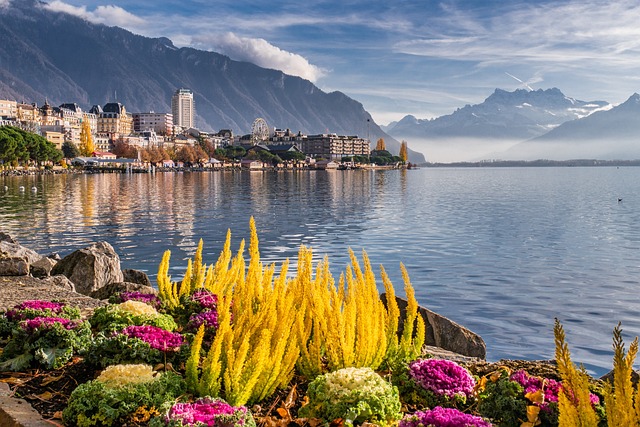
Geneva's Top Sights and Their Cost
Geneva’s headline sights sit within a short walk of each other, and every one of them has a specific price attached, which beats guessing at the ticket window.
Jet d’Eau Free to view from any harbor quay, and free to walk toward along the Jetée des Eaux-Vives pier when conditions allow. The fountain throws 500 liters a second to 140 meters at 200 km/h, and shuts down automatically in a...
read more
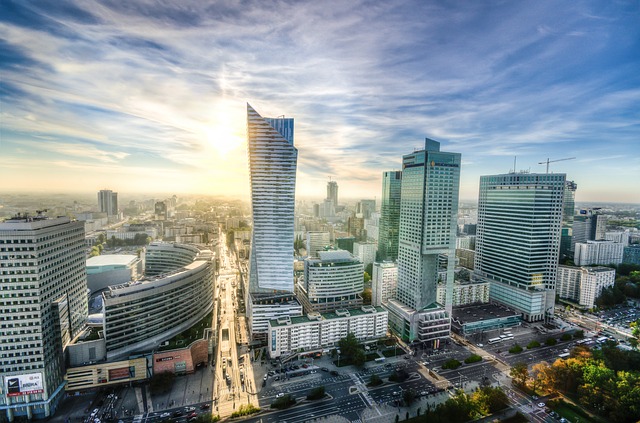
Slow Warsaw: A Weekend for Two
Warsaw’s romance doesn’t announce itself with gondolas or fireworks. It’s quieter than that, built around live piano, a river at dusk, and dinner that takes its time.
Sunday afternoons at Łazienki From mid-May to late September, world-class pianists play free open-air Chopin recitals every Sunday at noon and 4pm, right by the Chopin Monument under the weeping willows. Bring a...
read more
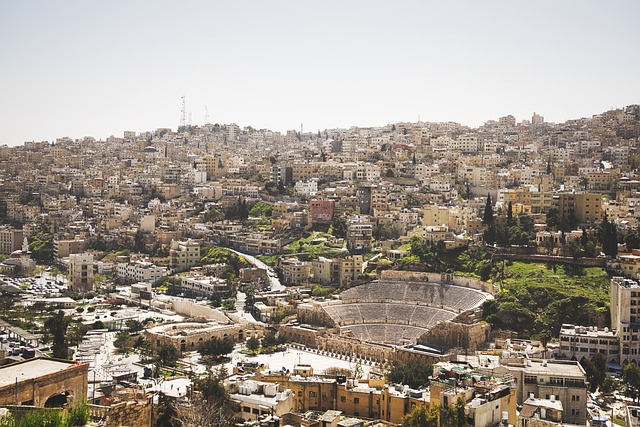
Amman to Petra: The Multi-Day Plan
Petra is 235 km south of Amman, 3 to 3.5 hours each way on the highway. Do the math and a round trip alone eats 6 to 7 hours before you’ve set foot in the Siq, which is exactly why every route worth taking south builds in at least one night rather than racing there and back.
The Golden Triangle, 3 to 4 days Day one runs Amman to Wadi Musa (Petra town) via Mount Nebo and Madaba on the...
read more
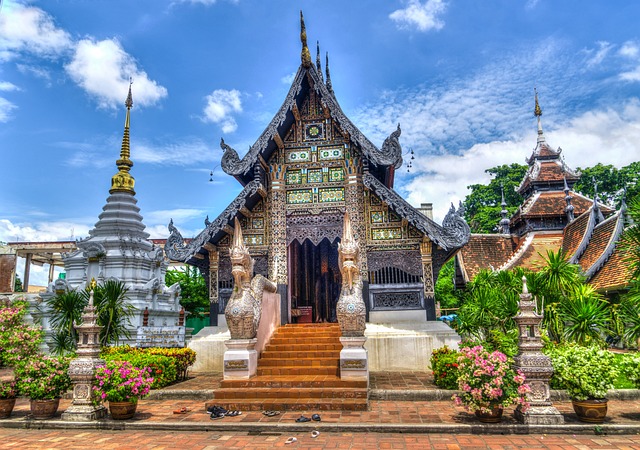
Chiang Mai Road Trips: 3 Days to 5
Two multi-day routes actually earn a spot on the itinerary here, and they are built for very different travelers. One stays close to the city and covers the province’s headline sights properly; the other is a full mountain road expedition that eats the better part of a week.
3 days: Old City, elephants, and the roof of Thailand Day one is the walking-tour version of the Old City: Wat Chedi...
read more
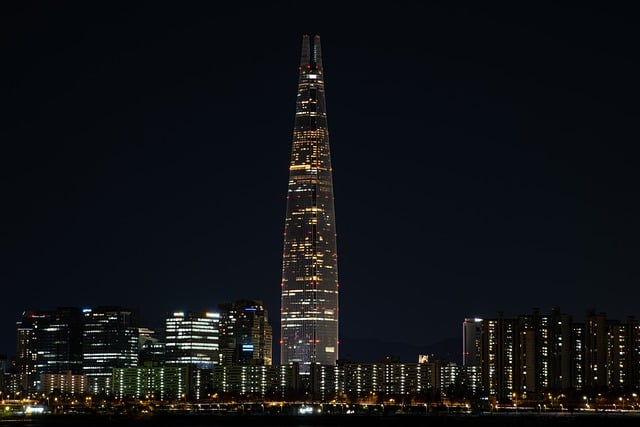
Seoul Date Nights: Towers to Rivers
Private cars and taxis are banned from driving up Namsan, which is exactly what makes the cable car ride to the top feel like the start of a date rather than a commute.
Namsan and the Love Lock Terraces Walk 10 minutes from Myeongdong Station Exit 3 to the Namsan Ormi outdoor elevator, then ride the Namsan Cable Car up for a round-trip fare of roughly KRW 17,000 adult, or take Namsan Sunhwan...
read more
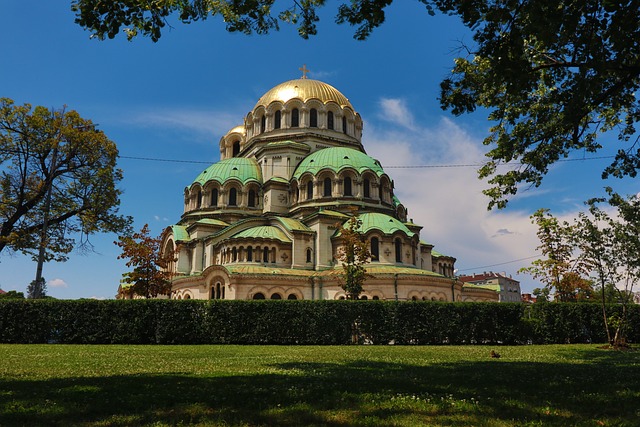
Sofia Date Night and Romantic Spots
Sofia does romance quietly: a rooftop over golden domes, a 20th-century spa town twenty minutes out, and a chef pairing local wine with reworked family recipes. None of it needs planning weeks in advance.
Watch the sun set over the domes Two rooftops give you the same golden-hour payoff in different registers. The View Restaurant, on the 24th floor of the Millennium Center at bul. Vitosha 89B,...
read more
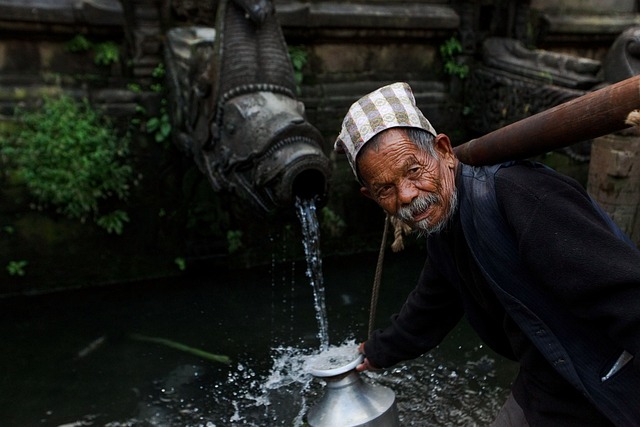
Where Kathmandu Gets Quiet
Kathmandu’s streets are loud, dusty and constantly moving, and that’s exactly why its quiet pockets hit so hard. Skip the idea of finding romance out among the traffic and instead pick your walled garden, your ridge-top window, or your rooftop table facing a glowing stupa. One paid experience, one free one, and the chaos outside stops mattering entirely.
The Garden of Dreams turns...
read more
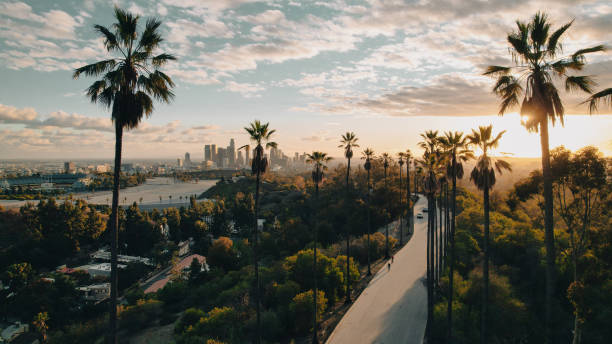
Four Great Walks Through Los Angeles
Discover Los Angeles on Foot
LA is a driving city, but that’s exactly why its walkable pockets punch above their weight: pick the right neighborhood and you can cover a genuine slice of the city without ever touching a freeway. Here are four routes that each stay inside one walkable bubble.
Downtown: Historic Core to Bunker Hill (2.5 miles) Start at Union Station’s 1939 Mission Moderne...
read more
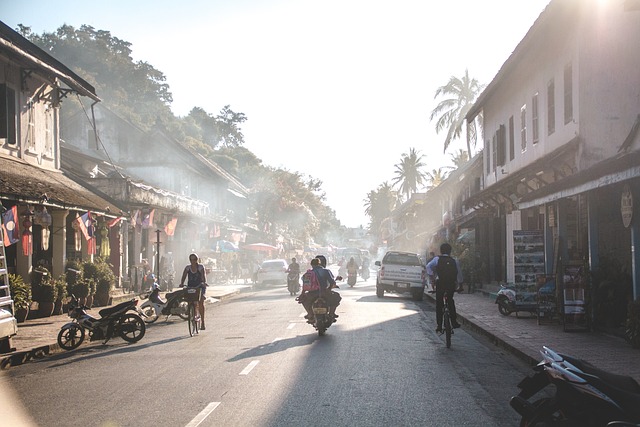
Luang Prabang's Best Nights for Two
The whole town shuts down by 11:30pm, which sounds like a limitation until you realize it forces every romantic evening here toward candlelight, river water, and quiet conversation instead of a bar crawl. Four things carry the night in Luang Prabang, and they stack together into one very good evening.
Sunset cocktails on the Mekong Traditional wooden riverboats push off from the pier in the late...
read more
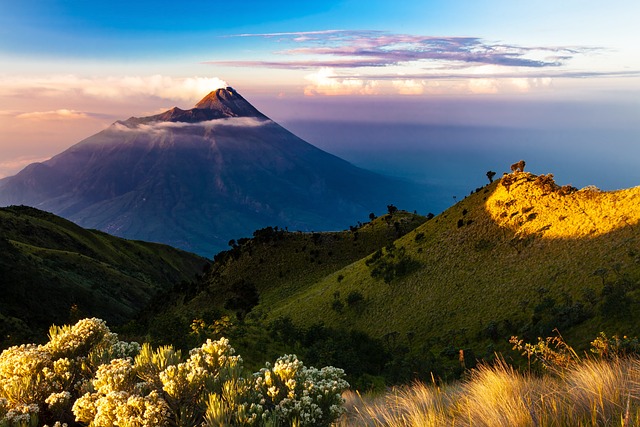
Where Couples Fall for Indonesia
Bare feet in warm sand, a table for two, and nowhere to be for the rest of the night: Indonesia’s romantic side moves at a much quieter pace than its jeep convoys and dive boats. Here is where to spend it.
Dinner on the sand at Jimbaran Bay Hundreds of candlelit tables line Jimbaran’s Pantai Muaya and Pantai Kedonganan beaches after dark, with acoustic guitar duos working the crowd and...
read more
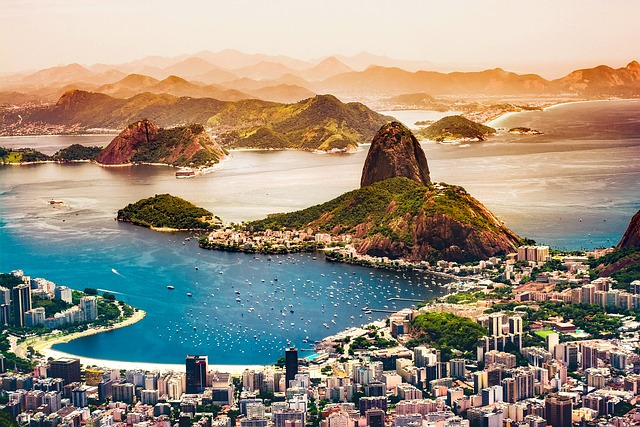
On Foot Through Rio de Janeiro
Rio rewards walkers more than most cities its size: the terrain changes character every few blocks, from flat oceanfront mosaic to steep colonial cobblestone to rainforest canopy, often within a single afternoon.
Little Africa and the Valongo Wharf Start at Largo da Prainha and follow Rua Sacadura Cabral through Pedra do Sal, the birthplace of urban samba, to the excavated stone paving of Cais do...
read more
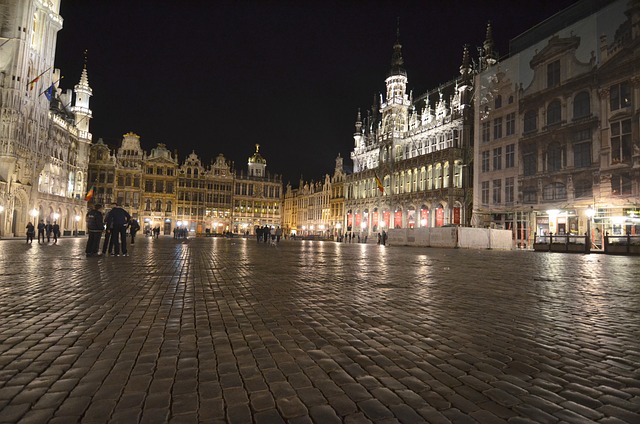
Self-Guided Walks Through Brussels
Lace up something with real grip, because Brussels’ historic streets are laid in uneven cobblestone and it catches out more visitors than any hill does. Once you’re wearing the right shoes, three routes cover almost everything worth seeing on foot.
Route 1: the Pentagon core and the comic murals Start at the Grand-Place, then work through Rue au Beurre past St. Nicholas Church, the...
read more
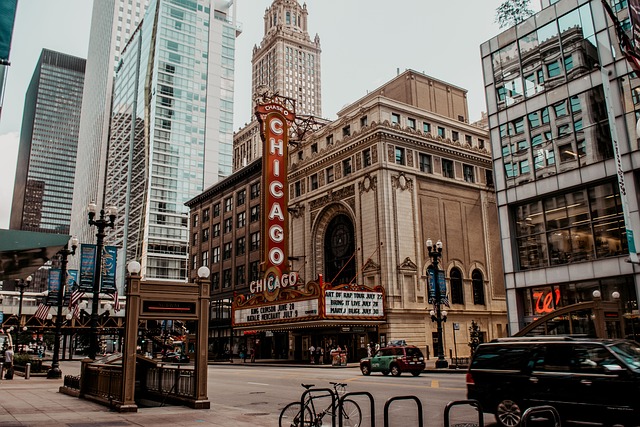
Chicago Date Night, Turned Up
A skyline that lights up at dusk, a river that reflects it back, and a cocktail bar 94 floors above the lake: Chicago does not do quiet, understated romance, and it does not need to. Build a night around the timing and the city does most of the work.
Time the boat for sunset, not noon The Chicago Architecture Center’s Twilight Cruise aboard Chicago’s First Lady departs at 7:30 pm from...
read more
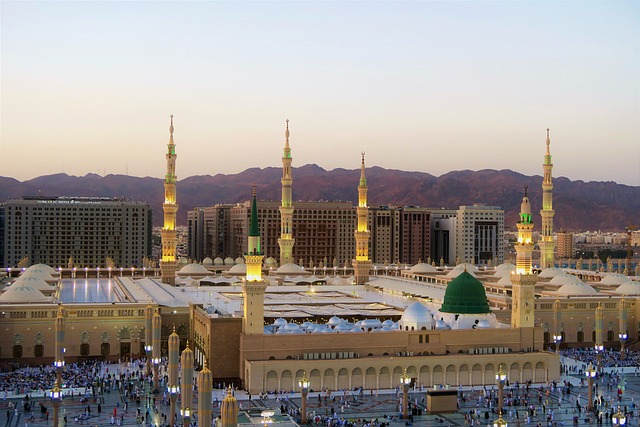
A Halal Trip to Medina for Two
Medina is not a resort city, and couples planning a trip here should set expectations accordingly. There are no waterfront dinners, no bars, no nightclubs and no public affection: Saudi decency law bars holding hands or kissing in public, and that applies with particular weight around the mosque. What Medina does offer married Muslim couples is a genuinely different kind of trip, built around...
read more
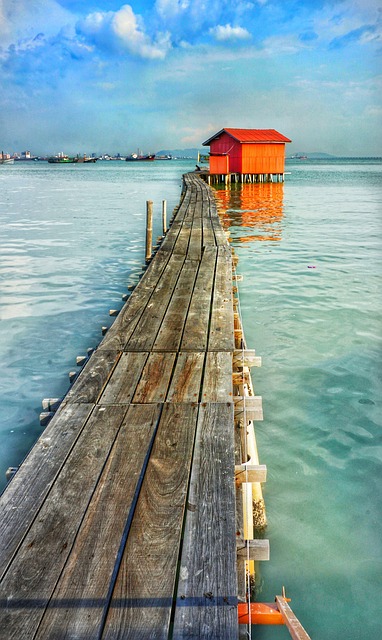
Penang Romance, Hilltop to Harbor
Start a Penang romance high up, not on the beach. Ride the funicular 833 meters to the summit of Penang Hill, Malaysia’s oldest colonial hill station, dating back to 1788, and book a table at David Brown’s Restaurant on Strawberry Hill for beef Wellington and evening gin cocktails as George Town lights up below across the Penang Strait. The funicular takes five minutes; a Fast Lane...
read more
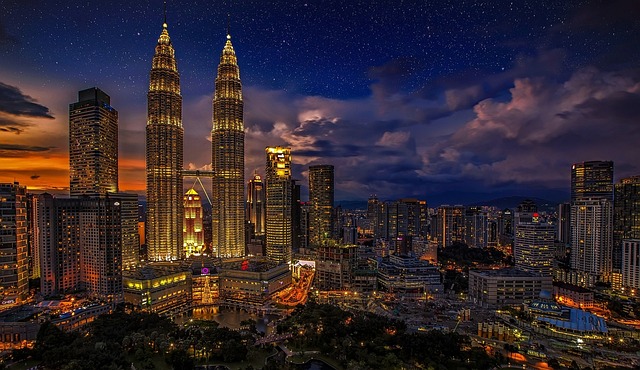
Three Epic Walks Through KL
KL rewards walking more than most Southeast Asian capitals give it credit for, as long as you pick routes that actually work on foot instead of fighting sidewalks that dead-end into expressways. These three do, each one under 3km and each one built around a real destination at the end, not just a loop.
Route 1: colonial core to Chinatown (2.5-3 hours, 3km) Start at MRT/LRT Pasar Seni station and...
read more
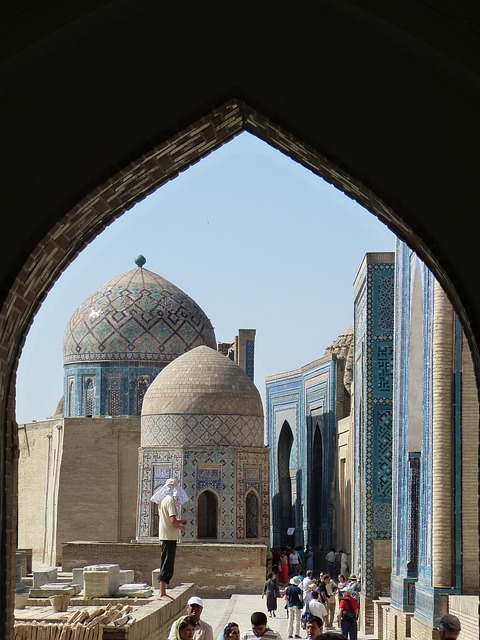
A Samarkand Evening for Two
The daytime crowds at Registan are relentless, but come back after sunset and the whole square changes character: amber, gold, and turquoise floodlights wash the facades until 23:00, and the public amphitheater steps clear out enough for two people to sit in near silence under a genuinely dark desert sky. Same goes for Gur-e-Amir’s ribbed dome a short walk away. Neither costs a som to see...
read more
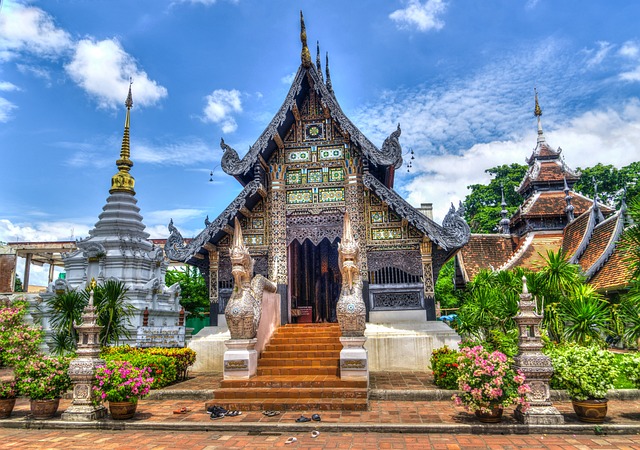
Chiang Mai Date Nights Worth Planning
Chiang Mai’s romance isn’t about a beach or a rooftop bar; it’s about doing something together with your hands, then unwinding slowly in the evening. Here’s what actually fills a couple’s day well here.
Cook together before you eat together Most of Chiang Mai’s cooking schools start with a shared morning market run, learning to pick out galangal, kaffir lime,...
read more

Panama City Landmarks and Beyond
Panama’s landmarks are spread across the isthmus in ways that rarely fit one trip: Panama City’s colonial and canal-era core, the Bocas del Toro archipelago, the Pacific dive coast around Santa Catalina and Coiba, and the Chiriquí highlands. Casco Viejo and Panamá Viejo alone are worth a dedicated day.
Casco Antiguo and Panamá Viejo Founded in 1673 and now a UNESCO World Heritage Site,...
read more
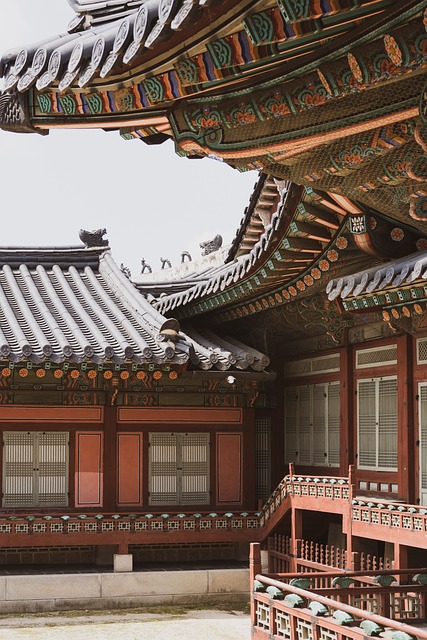
Romantic Escapes Across South Korea
Forget the beach-resort postcard version of romance. Korea does couples’ trips through skylines, rivers and quiet hanok courtyards, and it does them well.
Sunset locks 480 meters up N Seoul Tower sits atop Namsan Mountain, reached by the Namsan Cable Car from Hoehyeon (15,000 won round trip) or the 01A/01B electric shuttle from Myeongdong for 1,400 won. The tower’s roof terraces are...
read more
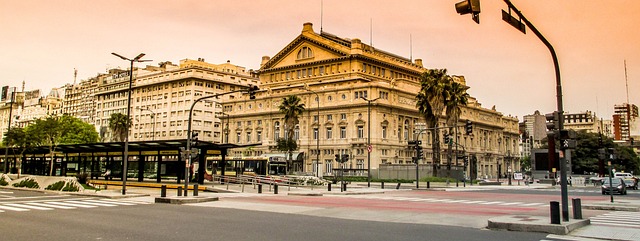
Five Days Deep in Buenos Aires
Five days is enough to do Buenos Aires properly and still get out of the city twice, as long as you don’t try to squeeze in a province that’s a thousand kilometers away. Here’s a route that stays geographically honest.
Days 1-2: the city itself Start in Microcentro: Plaza de Mayo, the pink Casa Rosada, the 67.5-meter Obelisco at Corrientes and Av. 9 de Julio. Walk Avenida de Mayo...
read more
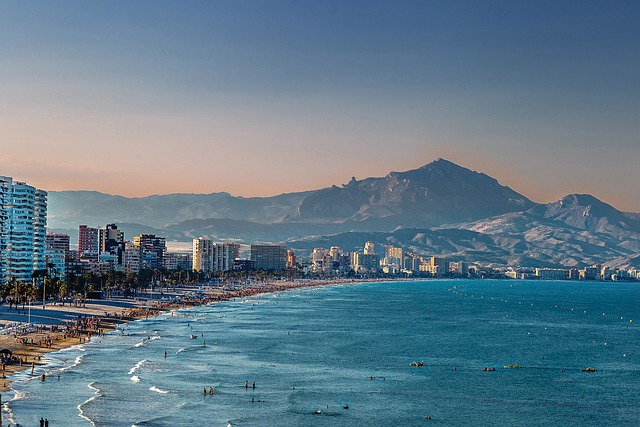
Four Walking Routes Through Alicante
Alicante rises 166 meters from its own marina in under two kilometers, which means a short walk here can also be a real climb, and the city has four distinct routes built around that fact.
The fortress ramparts and Santa Cruz climb Start at Plaza Puerta del Mar and take the winding pine paths of Parque de la Ereta up toward the rock. The route threads through the whitewashed alleys of Barrio de...
read more
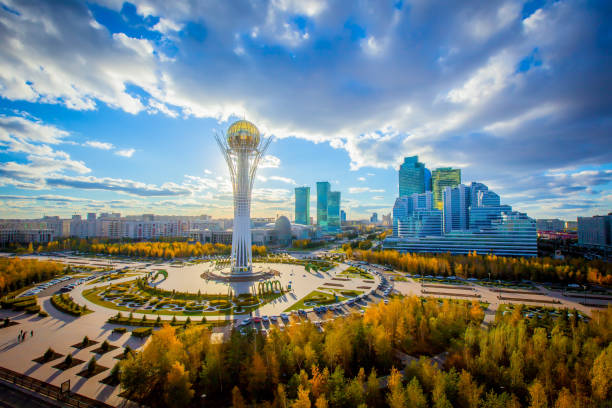
Kazakhstan for Couples: Best Picks
Forget beach resorts. Kazakhstan does romance through altitude and open sky, and Almaty puts nearly every one of the best options within a couple hours’ reach.
Chase golden hour to Talgar Pass Time the Medeu-Shymbulak gondola for late afternoon, when the light turns the snow across the Zailiyskiy Alatau range gold, then keep going on the Combi lifts to Talgar Pass at 3,200 meters. Bar3200,...
read more
Pokhara on Foot: Four Routes
Lakeside is what visitors picture when they think of Pokhara, but the town’s oldest streets sit two kilometers north of the water, in a bazaar most tourists never walk through at all.
Old Pokhara bazaar and temple heritage walk (2.5 hours) Start at Bindhyabasini Temple, an 18th-century pagoda dedicated to Goddess Durga on a hillock in Miruwa in the historic northern quarter, not on an island...
read more
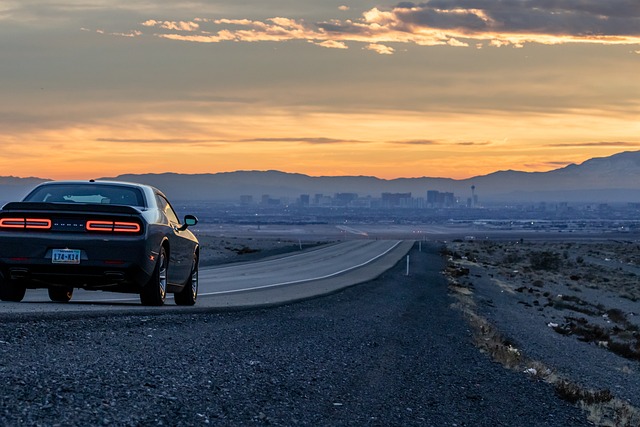
Romance in Vegas, After the Sun Sets
Las Vegas after dark, away from the slot machines, is a genuinely romantic city, the lights, the fountains, the views from 550 feet up all work harder once the sun goes down. Here’s how to build an evening around two people instead of a crowd.
Ride the High Roller after dark The 550-foot observation wheel at The LINQ Promenade takes 30 minutes for a full rotation in a climate-controlled...
read more

A Romantic San Francisco Weekend
The best romantic evenings in San Francisco happen at the edges: fog lifting off a hilltop, lights coming on across the bay, a small table tucked away from the crowds at Fisherman’s Wharf. Build a couple of days around a handful of these and you’ll have something the postcards can’t quite capture.
Start with sunset on the water. Adventure Cat’s catamaran sunset sails depart...
read more
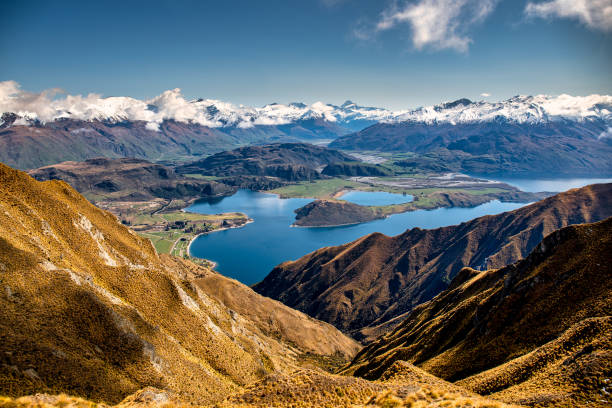
New Zealand Great Walks and Road Trips
Multiple days in New Zealand means one of two things: a booked spot on a Great Walk hut, or a self-driven circuit around one island, because there is no cheap intercity rail here to hop between towns on a whim.
The Great Walks system DOC manages ten Great Walks, with bookings opening annually in May or July on bookings.doc.govt.nz; the popular tracks can sell out within 15 to 45 minutes of...
read more
Top Los Angeles Sights to Hit First
Sightseeing in Los Angeles
An Art Deco observatory, a hilltop modernist campus, and a Peter Zumthor-designed art museum that only opened its doors this spring: LA’s headline sights change faster than most cities’ postcards, so check the numbers before you build a day around them.
Griffith Observatory Free to enter, free to explore, with lawn telescopes and Tesla coil demos included....
read more
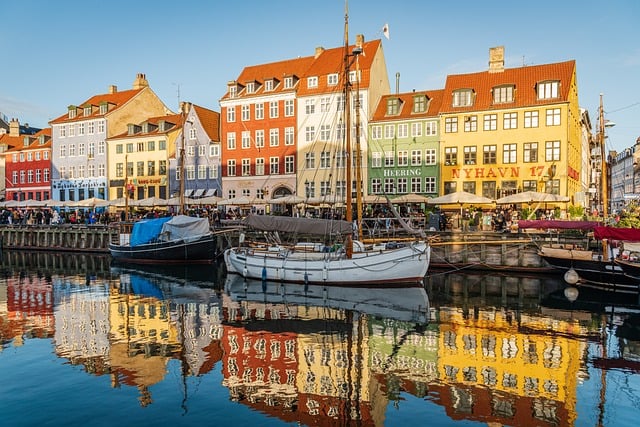
4 Days in Copenhagen, Full Throttle
Four days in Copenhagen is enough to hit the royal sights, get out on the water, and still make it to a regional castle without ever backtracking across town. Here’s a pace that keeps every day moving instead of stacking queues on top of queues.
Day 1: royal spine and Tivoli by lantern light Start at Rådhuspladsen and walk the pedestrianized Strøget to Kongens Nytorv. Climb the Round...
read more
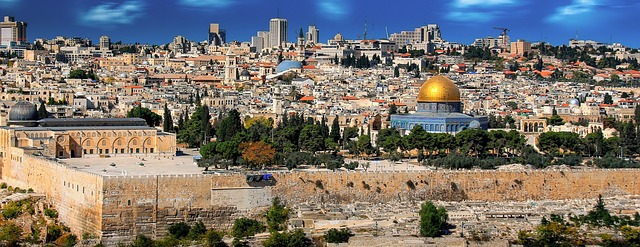
Multi-Day Jerusalem Trip Plans
Travel advisory: the situation in Israel and the West Bank can shift with little notice, and governments word their guidance differently. Check your own government’s current advisory, such as the US State Department or UK FCDO , before booking a longer stay, and note advice differs for the West Bank and areas near Gaza.
Jerusalem doesn’t hand you a ready-made multi-day itinerary the...
read more
A Romantic Evening in Geneva
Geneva doesn’t hand you one grand monument to build a romantic evening around, but four specific spots, taken together, make a genuinely good one, and none of them needs an invented backstory to earn its place.
Start at Carouge, before the sun drops South across the Arve, Carouge keeps its own 18th-century Italianate character, laid out by the House of Savoy: shaded courtyards, small...
read more
Chasing Rio de Janeiro's Best Views
Rio’s skyline does not sit still for a single photo. Every summit, staircase and overlook here hands you a different slice of it, and getting the timing and the ticket right matters as much as picking the right spot.
Christ the Redeemer, by cog train The 38-metre Art Deco statue crowns Corcovado’s 710m granite summit inside Tijuca National Park, and the classic way up is the historic...
read more
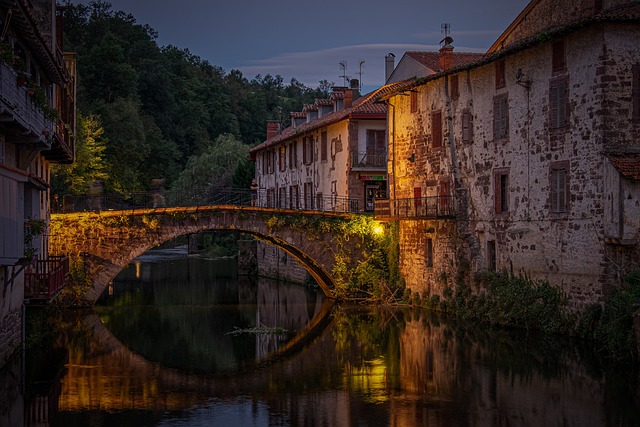
Santiago Romance: Vineyards to Rooftops
Santiago’s romance runs three directions at once: into the vineyards south of the city, up into the Andes for hot springs, and through one cobblestone neighborhood built for an evening of wandering. Pick your pace.
Sleep inside a vineyard Book into Hotel Casa Real, the former 19th-century summer residence at Viña Santa Rita in Alto Jahuel, set inside a 40-hectare private heritage park...
read more
Warsaw as Your Poland Home Base
Warsaw sits at the center of Poland’s rail network, which makes it a genuinely good base for stringing together three or four days elsewhere without repacking your whole bag. Here’s where the trains actually go.
Kraków and Wieliczka, 3-4 days The classic first-timer route: a Pendolino or EIP train covers the 2h20m south to Kraków, where Wawel Castle, the UNESCO Old Town and the...
read more
Launching Treks From Kathmandu
For a huge share of visitors, Kathmandu serves as the launch pad rather than the destination itself. This is where multi-day treks to Everest, Annapurna, Langtang and Manaslu get permitted and outfitted before a short flight out, and it’s where you land back for a hot shower and a real bed once the mountains are done with you.
The mandatory-guide rule changed everything in 2023 Since 1 April...
read more
Multi-Day Sofia Trip Itineraries
Sofia is a launchpad, not just a destination. Rent a car or catch the right trains and buses, and you can string together entire regions of Bulgaria in two, three, or four days without repeating a road.
2 days: Plovdiv and the Rhodope foothills Day one, train or drive to Plovdiv and spend the day at the Roman amphitheater, the Roman Stadium, and the Revival-era Old Town, finishing dinner in the...
read more
Big Multi-Day Routes Across Indonesia
The trips worth clearing extra days for in Indonesia are the ones that cross something real: a strait, a caldera rim, a tectonic boundary. Here are the three that reward it most.
Java overland: rail and two volcanoes, 7-10 days Start in Jakarta and take the Whoosh high-speed line to Bandung in 30-45 minutes at 350 km/h, tickets from around IDR 150,000 in premium economy. Executive trains then...
read more
KL's Towers, Temples and Skyline
KL’s skyline is the headline act, but the sightseeing here is a mix of record-breaking towers, Moorish colonial architecture, and a couple of free shows worth timing your evening around. Here’s what’s actually worth the climb.
Petronas Twin Towers: get the floor numbers right The 88-storey towers, at 451.9m, were designed by César Pelli around an Islamic geometric eight-pointed...
read more
Seoul's KTX Trips to Gyeongju and Busan
Seoul Station is less a train stop than a launchpad, and once you’re through the gates, most of the Korean peninsula is a KTX ride of two to three hours away.
Gyeongju: The Museum Without Walls KTX runs from Seoul Station to Singyeongju Station in about 2 hours 5 minutes for roughly KRW 49,300 one way; local bus 50, 51, or 700 covers the last 20 minutes into downtown Gyeongju. Give it two...
read more
Longer Stays Built Around Medina
Two multi-day routes actually make sense out of Medina, and they pull in different directions: one south to Makkah for Umrah, the other north into the Hejaz for history and desert landscape. Building a longer stay usually means picking one of these rather than trying to compress both.
The Twin Holy Cities Umrah circuit, 4 to 5 days Days 1 and 2 stay in Medina. Non-Muslims can visit the city, its...
read more
Chicago Multi-Day Trips: Galena to Dunes
Chicago itself is a three- or four-day city on its own; the Loop, the museum campus, the lakefront trail, and a couple of neighborhood nights will fill that easily. A genuine multi-day trip out of Chicago means going far enough that a single day doesn’t work, and there are really only a couple of honest options.
Galena and Wisconsin Dells earn the overnight Galena sits about 160 miles west...
read more
Romance in Panama, City to Coast
Panama makes romance easy because it gives couples two totally different paces to choose from: an electric evening in Casco Viejo’s plazas and rooftop bars, or a slower few days on the water in Bocas del Toro. Pick one, or better yet, string both together.
Casco Viejo after dark The old town’s cobblestone plazas and boutique hotel rooftops, Tantalo, CasaCasco, Salvaje, look out across...
read more
Your Penang Itinerary, Day by Day
Three to four days is the honest minimum for Penang, and three days lets you cover the island’s core without racing the clock. Base yourself in George Town’s heritage quarter, Muntri Street or Love Lane, and everything below is a short Grab ride or walk away.
Day 1 stays inside George Town. Start with an 08:00 street art walk along Armenian and Ah Quee streets before the heat sets in,...
read more
Go Big: Multi-Day Trips From Chiang Mai
Some of Chiang Mai’s best territory simply won’t compress into a day trip, and trying to force it just means hours in a van for a photo stop. These three routes are built to be slept on, not rushed through.
The Mae Hong Son Loop This is one of Southeast Asia’s legendary road trips: 600km round-trip on Routes 108 and 1095, threading through 1,864 hairpin bends across mist-covered...
read more
Luang Prabang's Multi-Day Departures
Luang Prabang is not just a stop, it is the launch point for four genuinely distinct multi-day routes into northern Laos, by river, rail, or trail. Pick the one that matches your pace, because they do not overlap much.
The 2-day Mekong slow boat from Huay Xai The classic route runs the opposite direction from most itineraries: a traditional wooden slow boat, the Ruea Cha, carries you down the...
read more
Multi-Day Korea Trips by Bullet Train
Korea’s bullet trains make it possible to string together radically different regions in one trip without wasting a single day on transit. Three routes cover most of what’s worth the extra nights.
The KTX Golden Triangle: Seoul, Gyeongju, Busan (5-7 days) This is the definitive Korea traverse. Spend days one through three in Seoul: Gyeongbokgung in a rented hanbok (free palace entry...
read more
Three to Five Days in Samarkand
Two days is the honest minimum for Samarkand’s monuments, artisans, and bazaars. Add a day for Shakhrisabz and you have a proper mountain excursion; add two more and you are riding the bullet train on to Bukhara.
Day 1: The monumental spine
Start 08:30 at Gur-e-Amir, when the fluted turquoise dome catches soft morning light and the crowds have not arrived. Walk past the 14th-century Ruhabad...
read more
Date Night Across Los Angeles
Romantic Getaways in Los Angeles
A $1 bench seat at the Hollywood Bowl with a bottle of wine you brought yourself beats most $300 dinners in this city, and that’s before you’ve even hiked down to a sea cave at sunset. LA does romance quietly and specifically rather than with a single obvious “date spot,” so it rewards a little planning.
Hollywood Bowl summer concerts Under...
read more
Multi-Day Kazakhstan: 3 Routes
Kazakhstan is the ninth-largest country on the planet, and its best material sits well past day-trip range. Give it three or four nights and three very different routes open up.
Route 1: the Zhetysu lakes circuit (3 days, 2 nights, from Almaty) Day 1 covers Charyn Canyon’s Valley of Castles hike, then a drive east to Saty village for a homestay dinner of beshbarmak. Day 2 starts with a 4WD...
read more
A Family Day Out in Amman
Leave the stroller at the hotel: Amman is built on seven steep hills, and the two attractions kids actually love here are both inside one park anyway. Build the day around that, and the terrain stops being a problem.
The Children’s Museum Jordan Founded by Queen Rania at Al Hussein Public Parks, this 8,000 m² museum runs over 180 hands-on exhibits covering human anatomy, physics, water...
read more