Recent Traveler Mania
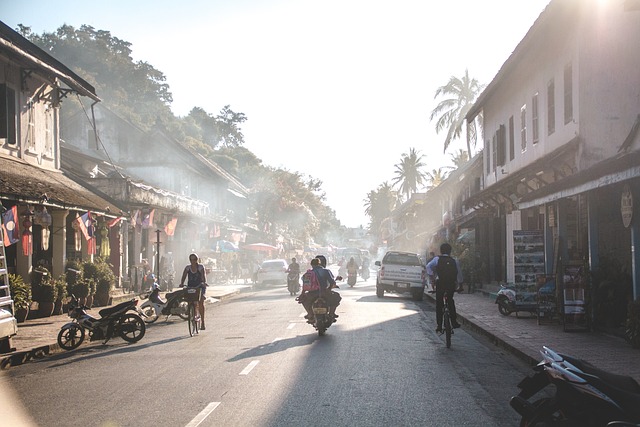
Luang Prabang With Kids, Hour by Hour
Flat streets, no traffic after 5:30pm, and a waterfall with a bear sanctuary at the gate. Luang Prabang is one of the easiest towns in Southeast Asia to bring kids to, once you know where the boundaries are.
Kuang Si Falls, boardwalks and lower pools only The turquoise, tiered pools at Kuang Si, 30 km southwest of town, are the day’s anchor. Kids can splash in the shallow, gentle lower...
read more
Santiago With Kids: Where to Take Them
Kids run out of patience for old churches fast, so Santiago’s family circuit leans hands-on: a science museum built for touching everything, a role-play city built for eight-year-olds to run, and a hilltop cable car that feels like a ride even though it’s really transit.
MIM (Museo Interactivo Mirador) Chile’s biggest hands-on science museum spans 7,000 square meters in La Granja...
read more
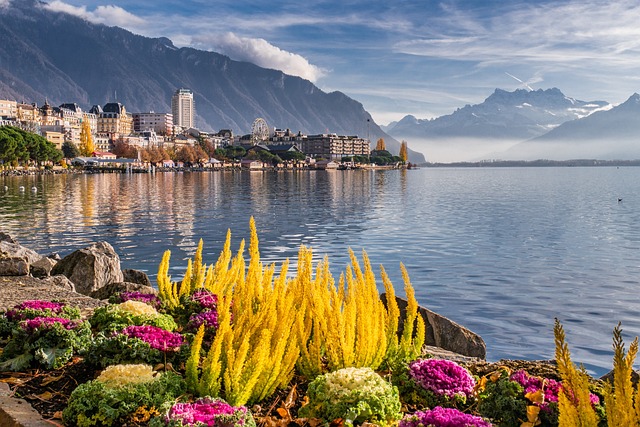
Escape Geneva for the Day
Geneva sits close enough to three mountain ranges and one very good lake that a single base can carry six different day trips. Here’s how to pick between them.
Lausanne and Lavaux, dead easy An SBB/CFF train leaves every 15 minutes and covers the 36-45 minutes to Lausanne, a round-trip fare in the approximate CHF 40s for a standard adult ticket and cheaper with a Half-Fare Card; check the...
read more
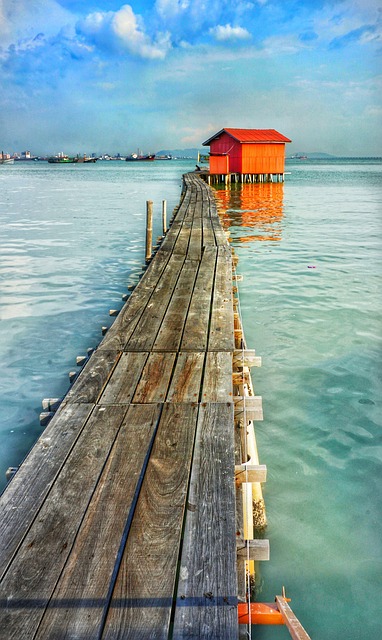
Escape Penang Island For a Day
George Town rewards a slow visit, but Penang beyond the city limits earns a full day too, and each of these four trips pulls in a different direction: rural, wild, coastal, or across the water entirely.
Balik Pulau, 45 minutes out by Grab or Rapid Penang bus 401E/502, is the antidote to the heritage core: durian orchards, the Ghee Hup Nutmeg Factory, paddy fields, and old Hakka villages down...
read more
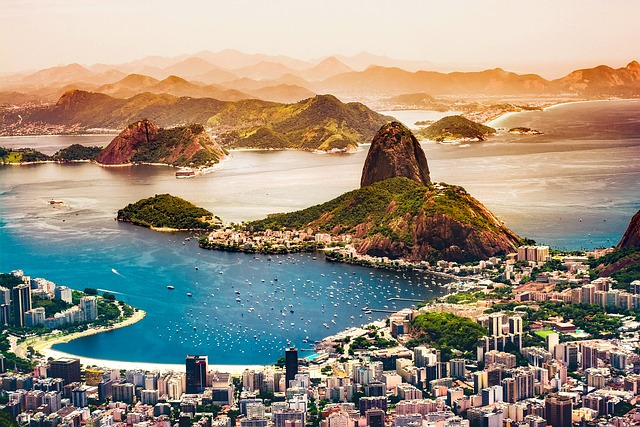
Rio de Janeiro Fun for the Kids
Rio’s energy is a lot for small legs, but the city has plenty of spots built for a slower pace, calmer water and things that live in tanks instead of open ocean.
Swim where the water actually behaves Most of Rio’s famous sand faces the open Atlantic, and Copacabana and Ipanema’s shorebreaks and undertows are not gentle enough for toddlers. Two spots buck the trend. Praia Vermelha...
read more
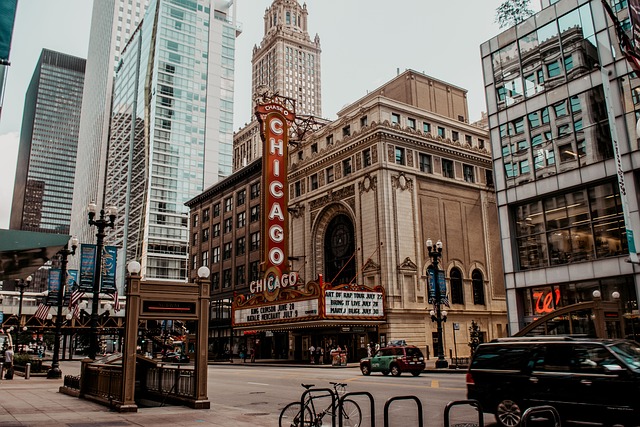
Chicago Day Trips: Go Big, Go Fast
Skip the rental car. Chicago sits on top of a rail network good enough to get you to a national park, a Frank Lloyd Wright district, and a second state’s biggest art museum, all before dinner.
Milwaukee, 89 minutes north Amtrak’s Hiawatha service runs Chicago Union Station straight to Milwaukee Intermodal Station, seven round trips a day Monday through Saturday, six on Sunday. One-way...
read more
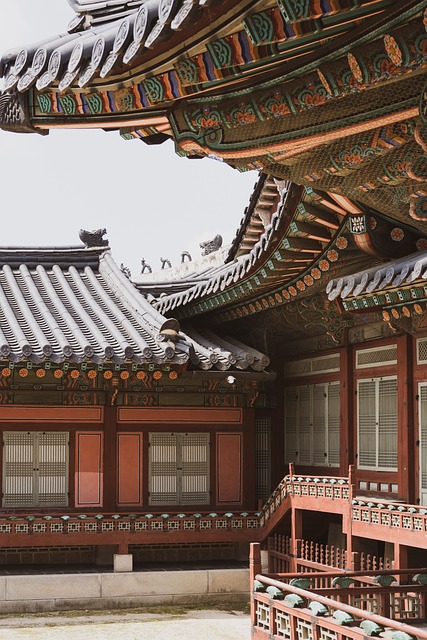
Epic Day Trips From Seoul and Busan
Korea’s rail network turns “day trip” into a genuinely honest label for most of the peninsula, as long as you pick destinations the trains can actually reach and back in daylight.
From Seoul: fortress, forest and gardens Suwon Hwaseong Fortress sits 30 km south of the capital, reachable in 45 minutes on Subway Line 1 (1,900 won) or half that by KTX. King Jeongjo’s...
read more
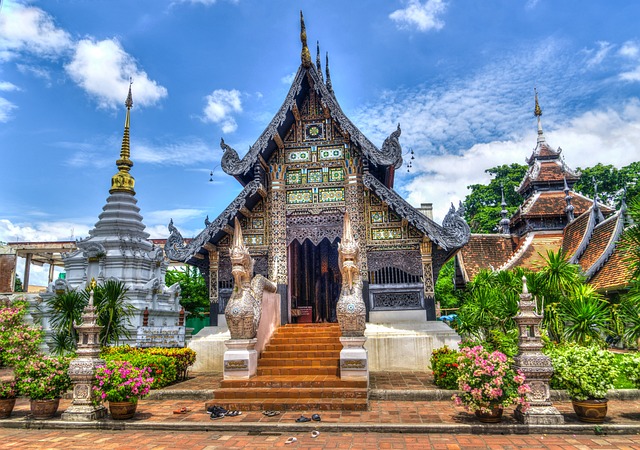
Escape Chiang Mai City for a Day
Chiang Mai’s mountains start where the city ends, which means a genuinely great day trip doesn’t cost you an early wake-up or a long haul. A few of the most-hyped ones, though, don’t actually fit in a day, so here’s the honest split.
Doi Inthanon: Thailand’s roof Thailand’s highest peak, at 2,565m, is 100km south and about 1.5-2 hours by road. The Ang Ka...
read more
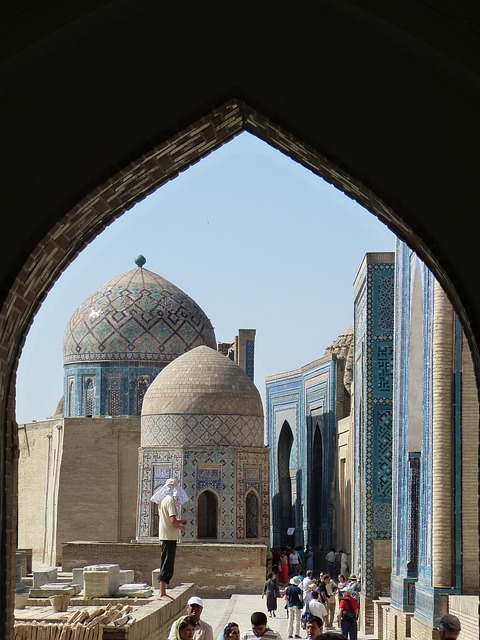
Three Day Trips Worth the Drive
Three drives leave Samarkand’s monumental core far enough behind to count as genuine day trips, and every one of them crosses a mountain pass, a border, or both.
Shakhrisabz, over the Takhta-Karacha Pass
Timur was born here, not in Samarkand, and the 85 km drive south takes 1 hour 45 minutes to 2 hours by private car or shared taxi over the 1,675-meter Takhta-Karacha Pass through the...
read more
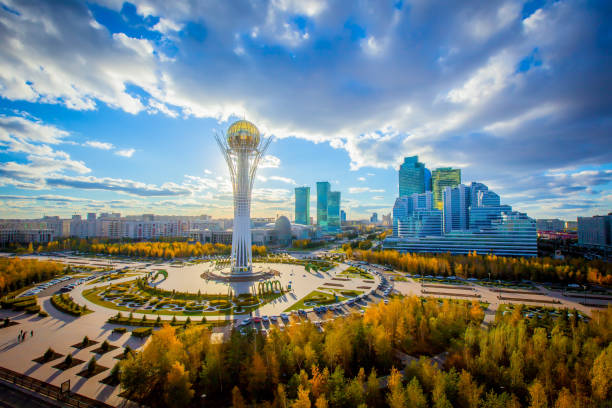
Kazakhstan Day Trips by the Hour
Nine time zones’ worth of country means a real day trip in Kazakhstan has to stay honest about distance. Everything below is a genuine there-and-back from Almaty or Astana; nothing here is secretly a two-day trip wearing a day-trip label.
Charyn Canyon: the big one Set the alarm early for this one. The Valley of Castles is 220 kilometers east of Almaty, about 3.5 hours via the Kulzha tract...
read more

Best Vegas Day Trips, Sorted by Time
The Strip is one square mile of Las Vegas. The rest of the map is desert, canyon and reservoir, and every one of the trips below gets you back to your hotel by dinner. Here’s what’s actually a day trip and what only pretends to be one.
Red Rock Canyon, 25 to 30 minutes The closest real wilderness to the Strip, built around a 13-mile scenic drive with trails like Calico Tanks and Ice...
read more
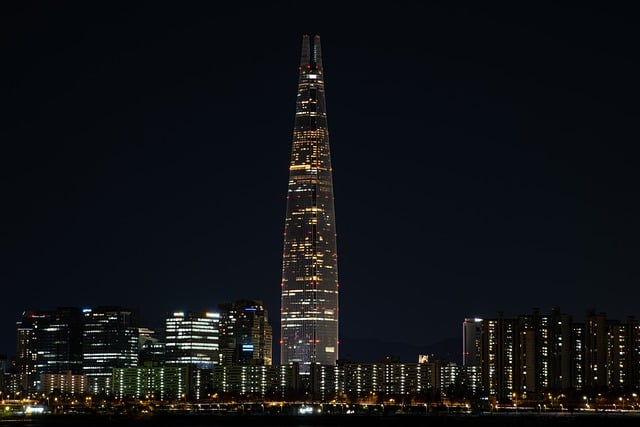
Seoul's Best Bus Tours and River Cruises
Two rival hop-on hop-off buses cover the same downtown palaces from opposite ends of the city, and picking the wrong departure point costs you twenty minutes of walking before you’ve even boarded.
Hop-On Hop-Off: Tiger Bus vs. Yellow Balloon Tiger Bus leaves from the Koreana Hotel ticket booth near Gwanghwamun (Line 5, Exit 6). Its Downtown Palace Namsan Course loops Gyeongbokgung,...
read more
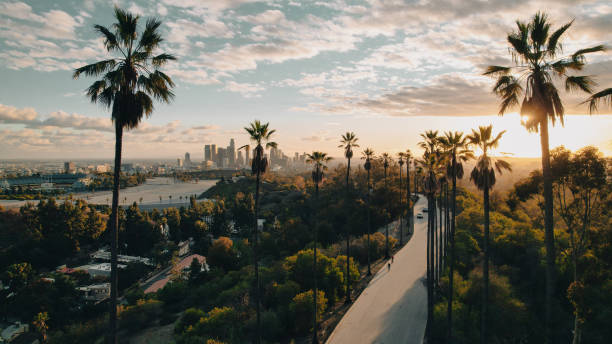
Escape LA: Day Trips Worth the Drive
Day Trips in Los Angeles
Get out of the basin and Southern California turns into four completely different landscapes within a couple of hours: a Mediterranean-feeling island, a wine-town coast, a mid-century desert resort, and a national park full of boulders. Pick a mode of transport as much as a destination, because two of these are genuinely easier without a car.
Catalina Island, 60 minutes by...
read more

Nice Sightseeing: 4 Sights Worth It
Four sights, four completely different sides of Nice, and once you know which one is which, planning your day gets a lot easier. Two painters, one foreign cathedral, and a hilltop that used to be a fortress and now isn’t anything but a view.
Musée Matisse, Cimiez Housed in a 17th-century red-ochre Genoese villa at 164 Avenue des Arènes de Cimiez, this is where you watch Henri Matisse’s...
read more
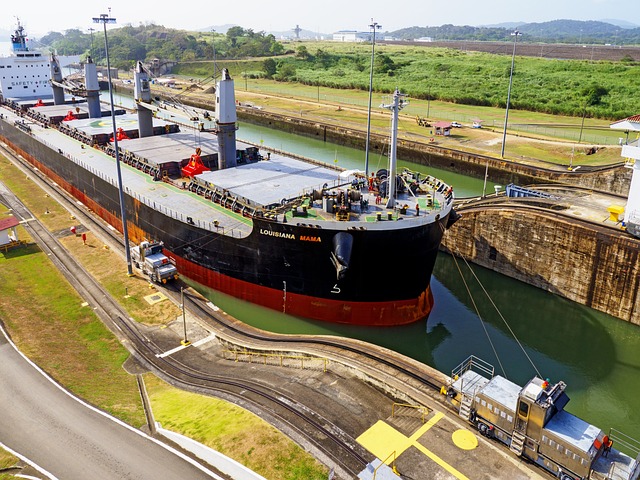
Panama City Day Trips: Canal to Islands
Bocas del Toro and Boquete land on a lot of “day trip” lists, but both sit 7+ hours from Panama City by road, so treat them as overnights instead. What genuinely fits inside a single day, out and back from the capital, is a shorter and much more satisfying list.
Taboga Island, a 30-minute hop The Taboga Express fast ferry leaves Balboa Yacht Club / Flamenco Marina on the Amador...
read more
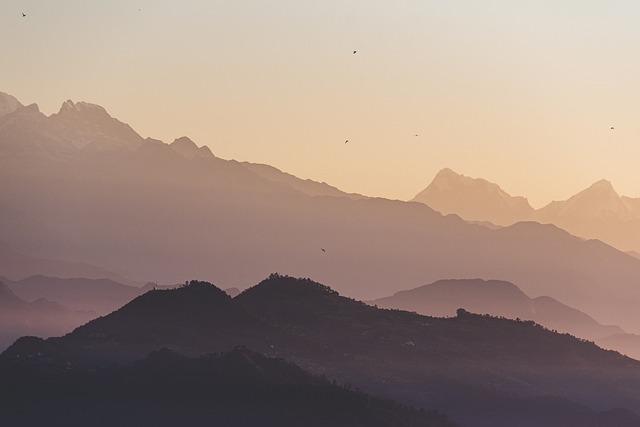
Day Trips That Start in Pokhara
Sarangkot and Davis Falls get called day trips constantly, but both sit 10 to 25 minutes from Lakeside; a genuine day trip out of Pokhara means picking a direction and committing to at least an hour each way, and the valley has four that reward it.
Closest: Begnas Lake and Rupa Lake (35 minutes) These sister lakes sit 15 km east of the city and see none of Phewa’s boat traffic.
read more
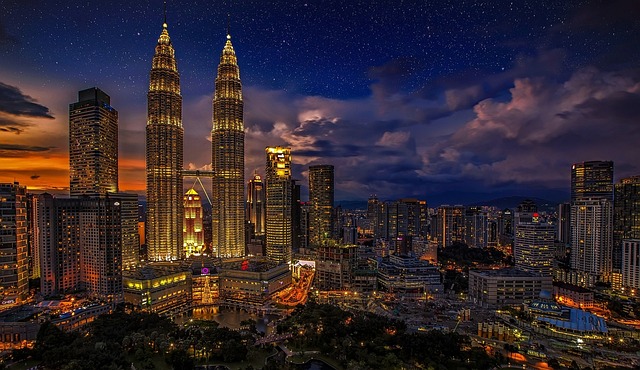
Five Day Trips Worth Taking From KL
KL Sentral is the launchpad for genuinely great days out, and the beauty of the rail network is that you can pick a trip by exactly how much time you’ve got. Some of these are back by lunch. One of them eats the whole day and is worth every minute of it.
Batu Caves: 30 minutes, half a day The essential trip, and the fastest one. A KTM Komuter train runs direct from KL Sentral to Batu Caves...
read more
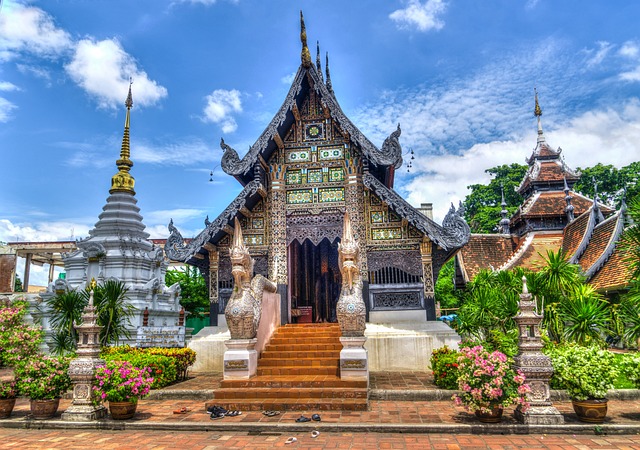
Chiang Mai Rapids, Ropes and Sticky Falls
Adrenaline in Chiang Mai Province means a granite canyon, a limestone waterfall you climb barefoot, and a canopy of steel cable strung across a forested valley. Confirm the outfitter’s current name directly with them before you book, since zipline branding in the province changes from year to year.
Mae Taeng whitewater The Mae Taeng River carves through a steep granite gorge at Sop Kai...
read more
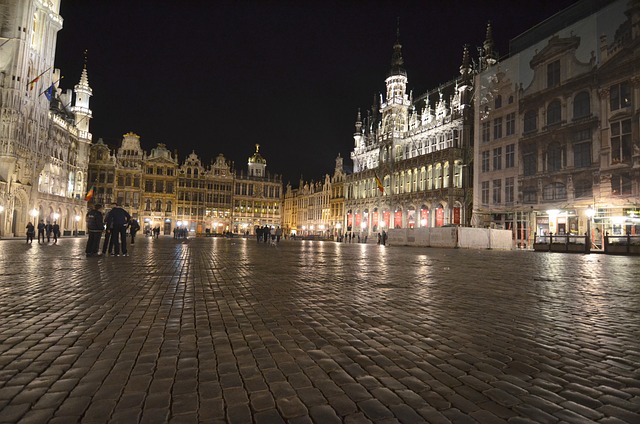
Kid-Friendly Brussels Adventures
Kids don’t care about Baroque guildhalls, but a room full of dinosaurs and a national railway museum with two dozen real locomotives will win them over fast. Brussels has both, plus a whole miniature continent to wander.
Go big with dinosaurs The Museum of Natural Sciences (Rue Vautier 29, Leopold Park) houses one of the largest dinosaur halls in Europe: 30 mounted Iguanodon bernissartensis...
read more
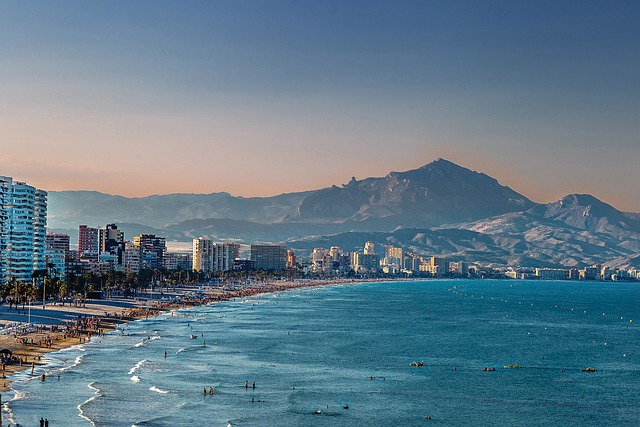
Alicante with Kids: Castle, Beach and Museum
A 200-meter tunnel bored straight into a mountain, ending in a high-speed lift that pops out onto castle battlements, is the kind of thing that makes an 8-year-old forget they are on a history trip at all.
Into the mountain, for free (mostly) That tunnel starts on Avenida Juan Bautista Lafora, directly opposite Postiguet Beach, and rises 166 meters through Mount Benacantil to Castillo de Santa...
read more
Escape Rio de Janeiro for a Day
Not every Rio escape needs a suitcase. A handful of destinations sit close enough to leave after breakfast and be back for a caipirinha at sunset, as long as you pick the right one.
Petrópolis, the Imperial City Dom Pedro II built his summer palace 68km north of Rio in the Serra dos Órgãos, and it still feels like an escape from the heat at 845m elevation. Skip anything that mentions a train: the...
read more
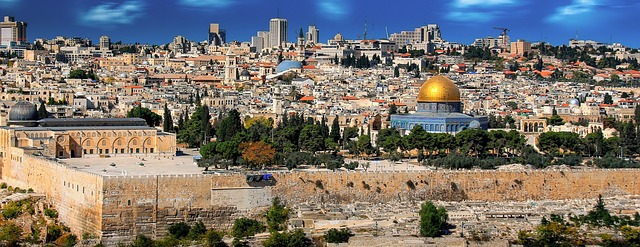
Jerusalem Attraction Tours, Explained
Travel advisory: Jerusalem’s security picture can move quickly, and governments word their advice differently. Check your own government’s current advisory, such as the US State Department or UK FCDO , before booking, and note advice differs for the West Bank and areas near Gaza.
“Attraction tours” in Jerusalem isn’t a category stuffed with dozens of competing...
read more
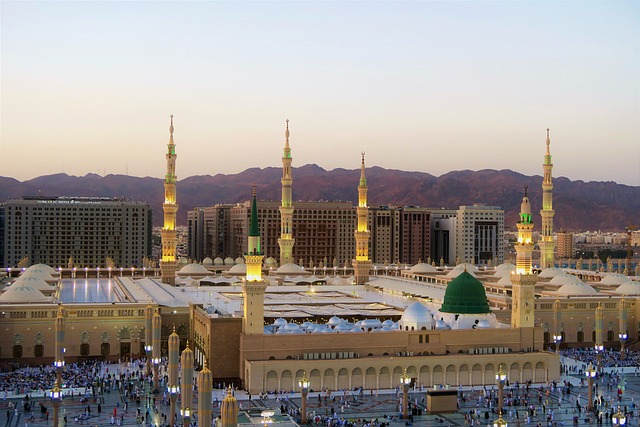
Tours and Tickets in Medina
Medina’s best paid attractions all sit just outside the Haram line, close enough to fold into a single morning, but each one runs on its own ticketing system, so it pays to know what needs booking ahead and what you can simply walk up to. Non-Muslims can visit every attraction listed here; the one exception in the city is Al-Masjid an-Nabawi and its surrounding marble courtyards, which stay...
read more
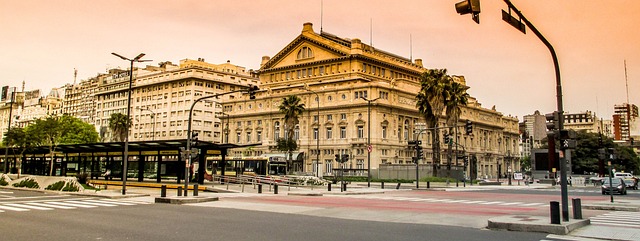
Boca, Colon, Barolo: BA Tour Picks
The four best guided tours in Buenos Aires don’t overlap with each other, which makes them easy to stack into a single trip: a stadium, an opera house, a literary skyscraper, and the city’s street art scene.
La Bombonera: the stadium that shakes Boca Juniors’ stadium (Brandsen 805, La Boca) earns its nickname, the vertical stands genuinely vibrate when the crowd chants, and even...
read more
Penang's Best Attractions Cost Nothing
Some of the best attraction-touring in Penang costs nothing and needs no guide. Ernest Zacharevic’s murals, commissioned for the 2012 George Town Festival, still anchor most first-time visits: “Kids on Bicycle” on Lebuh Armenian pairs a painted pair of laughing children with an actual mounted bicycle, “Boy on a Motorbike” on Lebuh Ah Quee puts a helmeted rider on a...
read more
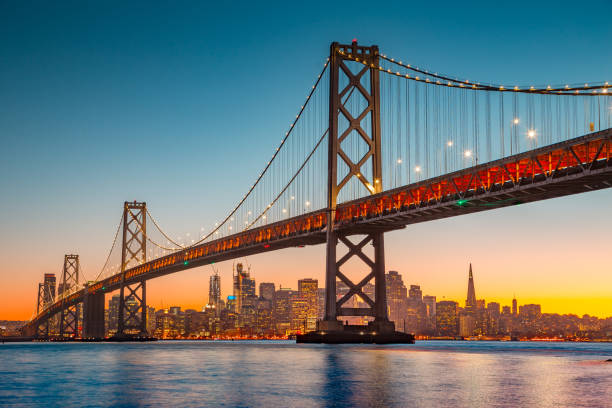
San Francisco Day Trips That Deliver
The Bay Area rewards anyone willing to rent a car for a day, and the payoff is huge: redwoods, wine country, and a rugged coastline all sit within about 90 minutes of the city. A real day trip means leaving San Francisco behind, so skip anything the guidebooks list that’s actually still inside the city limits.
Muir Woods tops the list, and it’s also the one trip where a missed detail...
read more
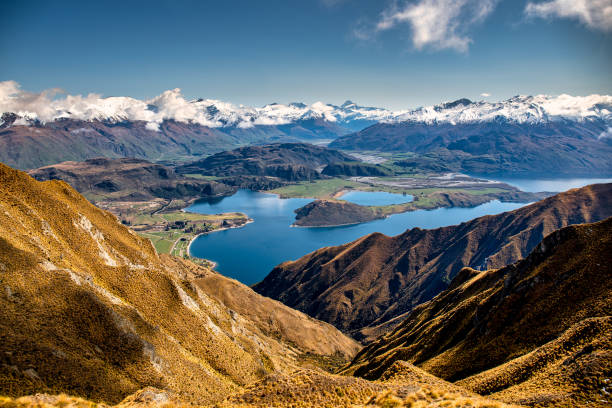
Top Ticketed Attractions in New Zealand
These are the attractions New Zealand built, ticketed and polished into an experience: purpose-made sites where the queue, the guide and the gift shop are part of the plan. Book them properly and each one earns its slot; wing it and you’ll be turned away at the gate.
Hobbiton, Matamata The 12-acre Lord of the Rings and Hobbit movie set at 501 Buckland Road runs a 2.5-hour walking tour from...
read more
Book Korea's Best Attraction Tours
Three vehicle-based tours cover most of what people actually want ticked off in Korea: the border, the coast, and the mountains. Here’s how each one actually runs.
The DMZ, minus the promises you shouldn’t believe Half-day tours leave central Seoul (usually Myeongdong or Hongdae) between 7 and 8am and head 50 km north along the Freedom Highway. The standard route hits Imjingak Peace...
read more
Chicago Attraction Tours Worth It
Three separate boat companies dock along the same half-mile of river, a bus loop stitches together twelve stops, and two observation decks fight over the skyline from opposite ends of downtown. Sort the Chicago tour landscape once and the rest of the trip runs itself.
The river cruise decision, made simple You have three real operators, not one generic “architecture cruise”:
Chicago...
read more
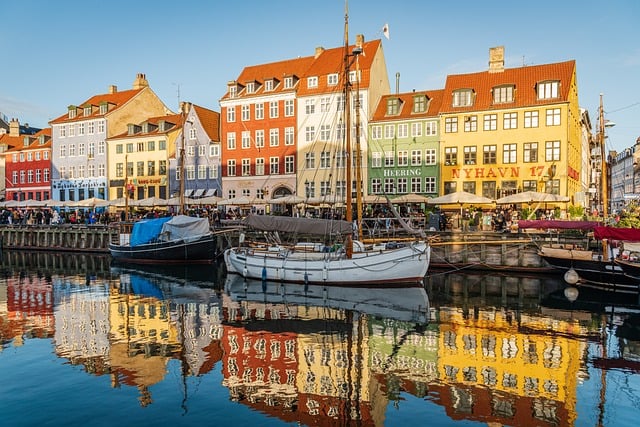
Copenhagen's Best-Value Paid Attractions
Copenhagen packs an outsized number of world-class ticketed sights into a walkable footprint, which means the real skill is not finding things to book, it’s picking the right handful and skipping the queue for the rest. Here’s what earns a ticket, and what to expect once you’re through the door.
Get on the water first A classic Stromma canal cruise departs Nyhavn or Ved Stranden...
read more
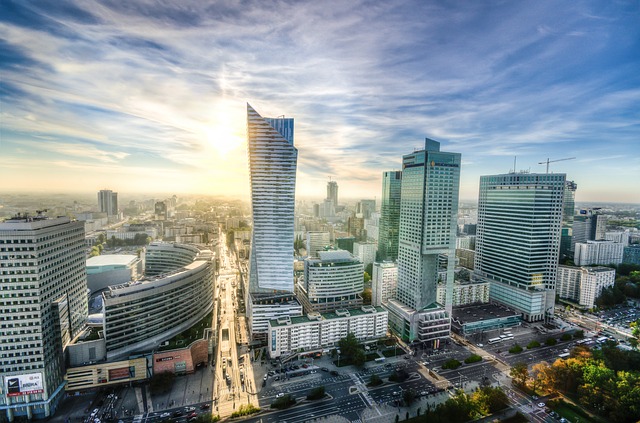
Guided Tours to Take in Warsaw
Forget the generic hop-on-hop-off pitch. Warsaw’s best guided experiences are specific: a Victorian-era photo machine, a Soviet-issue bus, and docents who can walk you through exactly how the city rebuilt itself twice.
A 1905 stereoscope you won’t find twice Fotoplastikon Warszawski hides in a courtyard off Al. Jerozolimskie 51, one of the last operating stereoscopic viewing theaters...
read more
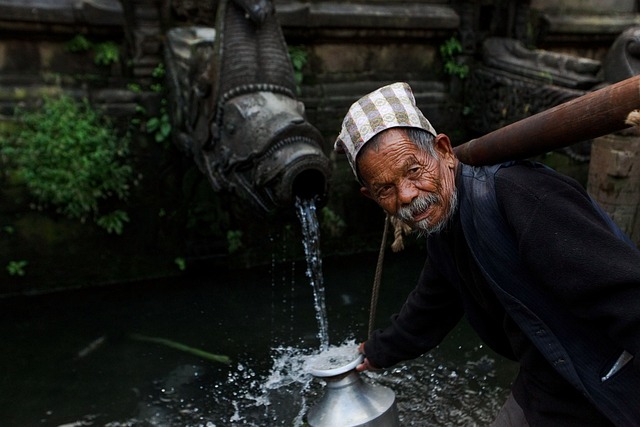
Kathmandu Valley Tours: Three Durbar Squares
A good guide earns their fee harder in Kathmandu than almost anywhere: Tantric Buddhist iconography, Newar wood-carving symbolism, and the layered politics of a Malla-era palace square are genuinely hard to crack alone from a phone screen. Pair that with a private car that dodges the worst of Kathmandu’s traffic corridors, and a guided day turns a slog into a highlight reel.
The...
read more
Luang Prabang's Top Icons to Tour
Show up to the Royal Palace Museum at noon and you will find the doors shut until 1:30pm. Luang Prabang’s headline attractions reward a bit of planning far more than most towns this size, and getting the order right saves you a wasted trip.
Wat Xieng Thong Founded in 1560, this is the temple that defines the Luang Prabang skyline: sweeping, multi-tiered roofs that sweep almost to the ground,...
read more
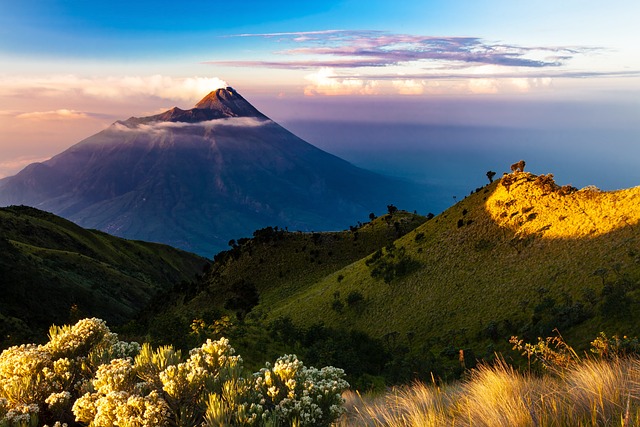
Rides You Cannot Do Alone in Indonesia
Some of the biggest things to do in Indonesia are physically impossible to do on your own: a national park regulation, a boat charter, or plain logistics puts a vehicle, a ranger, or a captain between you and the sight. Here are the four worth building a schedule around.
The midnight jeep run to Bromo Shared or private Toyota Land Cruiser “hardtops” leave Malang at 00:30 or Probolinggo...
read more
Santiago Day Trips: 4 Routes Out
Santiago sits in a valley with the ocean on one side and the high Andes on the other, both reachable before dinner. Four routes cover the range, and each one is a genuinely different day.
Valparaíso and Viña del Mar (Pacific coast) Valparaíso is 115 km northwest, about 90 minutes by coach, and it’s a UNESCO World Heritage port city built up steep hillside barrios like Cerro Alegre and Cerro...
read more
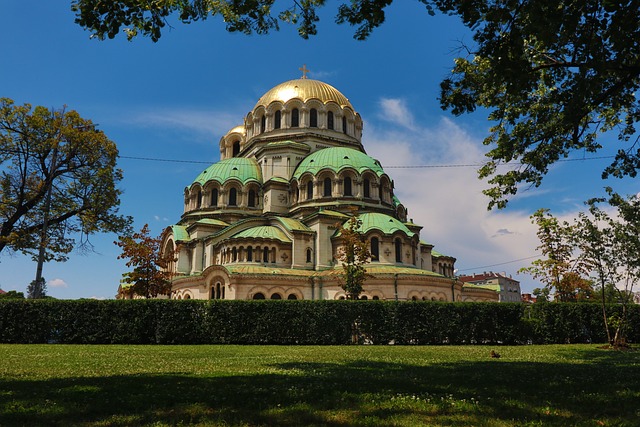
Sofia Attraction Tours: What to Book
Sofia’s paid attractions punch far above their price tags. Where a Western European opera house or a communist-era history exhibit can run you 80 euros or more, here the same experience often costs a third of that. Three are worth building an afternoon or evening around.
An opera or ballet at the Sofia National Opera The Sofia Opera and Ballet on ul. Vrabcha 1 stages Verdi, Puccini, and even...
read more
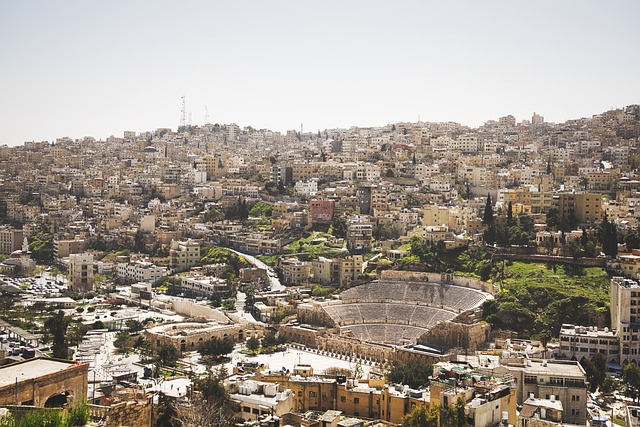
Amman Museum Day: 5 Stops Worth It
Plaster statues older than the pyramids, a real Mars rover prop, and six free villas of contemporary art, all reachable without leaving the city. Amman’s attraction tours stay inside the city limits; Petra and the Dead Sea are a different kind of day, covered elsewhere.
The Jordan Museum, first stop for good reason Ras Al-Ayn’s Jordan Museum holds two pieces that justify the trip on...
read more
Small-Group Tours Around Chiang Mai
Chiang Mai’s best guided half-days share a shape: a driver who knows the mountain roads, a shared minivan or songthaew, and one or two big stops rather than a rushed checklist. Here’s what actually shows up on these itineraries and what to expect at each one.
Doi Suthep and Doi Pui combined The classic morning run climbs to Wat Phra That Doi Suthep first (30 THB foreign admission,...
read more
Tours, Shows and Guides in Samarkand
Samarkand rewards a guide more than most cities, because half of what makes Registan remarkable is coded into tilework you will walk straight past on your own.
Licensed historians, not generic guides
Private walking tours of Registan, Gur-e-Amir, Bibi-Khanym, and Shah-i-Zinda run 3 to 6 hours with English-speaking guides certified by Uzbekistan’s Tourism Committee, priced 350,000 to 600,000...
read more
Booking Geneva's Top Attractions
Most of the big names in Geneva are guided-only or timed-entry, so turning up and hoping for the best rarely works. Four are worth locking down.
Palais des Nations, guided or not at all The UN’s European headquarters at Pregny has zero self-guided access; every visit is a scheduled tour booked at ungeneva.org . The price is CHF 25 for adults, CHF 22 for students, seniors and disabled...
read more
Chiang Mai Province Sightseeing Guide
Most of what people fly to Chiang Mai to actually see isn’t in Chiang Mai at all. It’s on a mountain, in a cave, or an hour’s drive into a district most visitors never learn the name of.
Doi Suthep, before you go Wat Phra That Doi Suthep sits at 1,073 meters, 15 km west of the city, founded in 1383 on the spot where legend says a relic-bearing white elephant climbed, trumpeted...
read more
Kazakhstan Attraction Tours: Two Cities
Book a guided attraction tour in Kazakhstan and you’re choosing one city, not a country-spanning loop. Almaty and Astana sit 1,200 kilometers apart, and no operator strings them together in a single day, so decide which skyline you’re chasing first.
Almaty’s landmark circuit A standard four-hour guided loop hits Panfilov Park, the 1907 wooden Zenkov Cathedral (built without a...
read more
Top Brussels Attraction Tours
Brussels has a palace buried under a city square. That alone should tell you the guided-tour options here go past the standard photo stops.
Make chocolate with your own hands Choco-Story Brussels (Rue de l’Étuve 41, fifty meters from Manneken Pis) runs live chocolate-making demonstrations with praline tastings, museum entry from €11-14 per adult. The upgrade worth doing is the hands-on...
read more
Vegas Attraction Tours That Deliver
Vegas rewards the traveler who goes past the casino doors, and the best attraction tours out of the city put a genuine engineering marvel or a canyon overlook within reach of a single afternoon. Here’s what each route actually delivers, so you book the one that fits your day.
Hoover Dam: pick your depth The dam sits 30 miles southeast, about a 45-minute drive. Walk the sidewalk on the Mike...
read more
Hollywood Studio Tours Compared
Los Angeles Attraction Tours
Four working studios in the LA basin let you onto the actual lot, not a themed replica, and they’re wildly different experiences depending on how many hours you have and how old the group is. Sort out the studio tours first, because getting the wrong one for your kids is the single most common attraction-tour mistake in this city.
Warner Bros. Studio Tour...
read more
KL Museums and a Free Currency Tunnel
Skip the observation decks for an afternoon and KL turns out to have some of Southeast Asia’s best museum collections, most of them nearly empty of crowds and several of them completely free. The city’s attraction-tour circuit is built on Islamic art, colonial architecture, and one seriously underrated currency tunnel, not just the towers.
Islamic Arts Museum Malaysia This is the...
read more
Pokhara's Best Guided Attraction Tours
Pokhara’s attractions are spread across a valley, not stacked in a walkable old town, which is exactly why a guided tour earns its keep here: Sarangkot, Davis Falls and the lake are 20 to 40 minutes apart by road, in different directions from Lakeside.
The valley highlights circuit The standard half-day loop covers Davis Falls (Patale Chhango), the Gupteshwor Mahadev cave across the road...
read more
Panama's Big Three Guided Tours
Three structured tours are worth building a Panama itinerary around: a canal transit, an Emberá river day in Chagres National Park, and a Boquete coffee circuit. Each runs on fixed logistics and a known price band, which is a lot more useful for planning than a scattershot attractions list.
Ride the locks yourself A canal transit by licensed vessel is the headline experience, and it comes in two...
read more
Alicante Day Trips by Ferry, Rail or Road
Alicante’s train station, tram terminus and ferry dock all sit within a ten-minute walk of each other, which is a genuinely unusual advantage: six distinct day trips, each reachable on a different mode of transport, none requiring a rental car.
Isla de Tabarca, by boat Spain’s smallest permanently inhabited island is 1,800 meters long, walled, and was founded by Carlos III as a refuge...
read more
Touring Rio de Janeiro's Top Sights
Rio does not hide its icons behind velvet ropes. Its best venue tours put you inside the locker room, on the tram tracks, or standing on an imperial pier, and most of them are built to be walked through, not just photographed.
Step onto the Maracanã pitch Tour Maracanã runs daily from 09:00 to 16:30, last entry 16:00, with entry from Portão A on Av. Presidente Castelo Branco, right by the Maracanã...
read more