Recent Traveler Mania
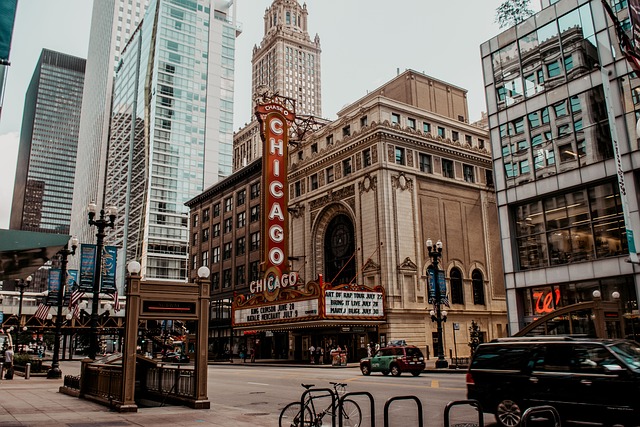
Chicago Activities to Dive Into Now
Grant Wood’s American Gothic, a 110-ton polished steel bean, and a zoo that has charged nothing at the gate since 1868: Chicago packs an absurd amount of high-caliber activity into one dense grid, and you can hit most of it without ever renting a car.
Start with the free stuff, because there is a lot of it Millennium Park is open daily from 6:00 am to 11:00 pm and costs nothing.
read more
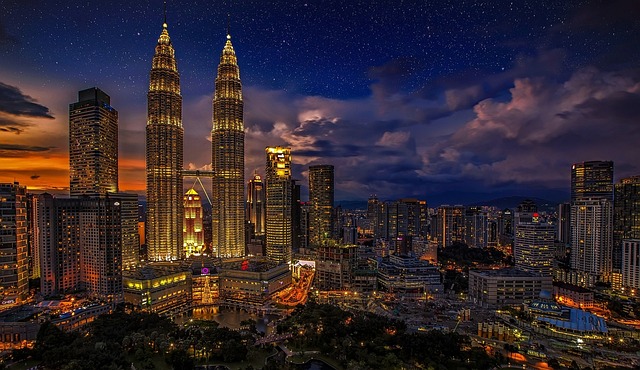
From Petaling Street to the Canopy
Step off the LRT at Pasar Seni and the city throws three centuries at you at once: a covered dragon-roofed market where the counter-offer game starts at half price, a virgin rainforest hanging over the skyline, and a night food strip that doesn’t slow down until sunrise. KL packs a genuinely wide range of things to do into a small, walkable core, and none of it requires booking a tour to...
read more
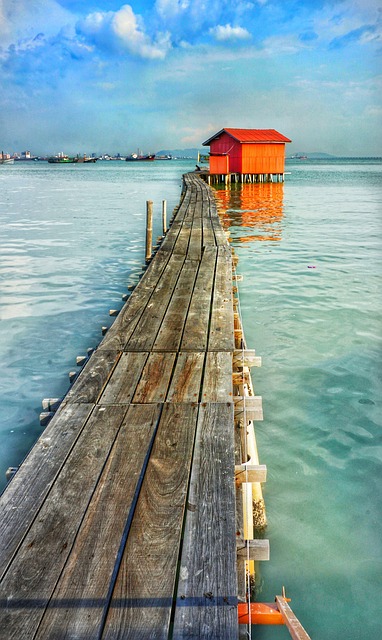
George Town by Fork and Footpath
Set your first evening in Penang aside for New Lane. Nothing else on the island competes with the rush of a hawker street hitting its stride at 16:00, plates of char kway teow and grilled stingray moving faster than you can order, and it stays lit until 23:00 (closed Wednesdays). This is the activity that anchors every other one on this list: Penang runs on food, and the best sightseeing here...
read more
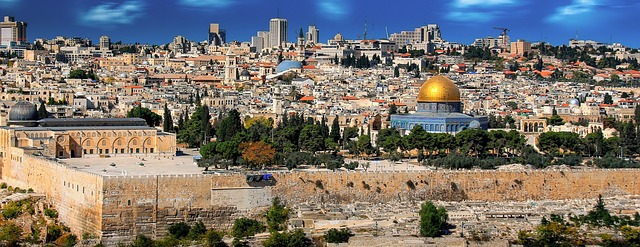
Jerusalem Activities: What to Book
Travel advisory: conditions in Israel and the West Bank shift faster than any single guide can track. Check your own government’s current advice, such as the US State Department or UK FCDO , before booking, and note that advice differs for the West Bank and areas near Gaza.
Jerusalem packs an enormous amount into a small footprint, and the trick is knowing which activities cost real money,...
read more
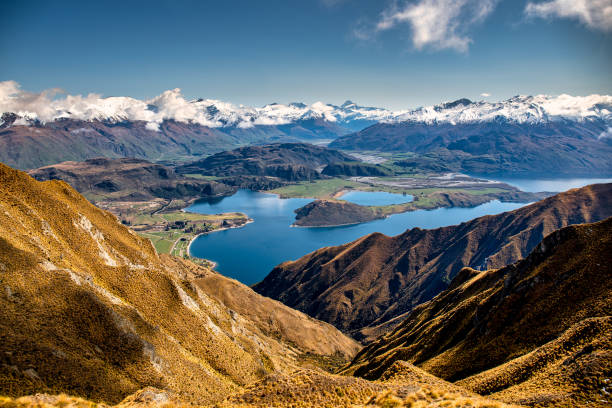
NZ Adventure Activities Bucket List
Strap in. New Zealand did not just add adventure sports to its tourism brochure, it invented commercial bungy jumping here, on the Kawarau Bridge outside Queenstown, and the country has been raising the stakes ever since. If you want one destination that delivers volcanoes, glowworm caves, jet boats and glacier-fed rivers within the same road trip, this is it.
The headline adrenaline hits Kawarau...
read more
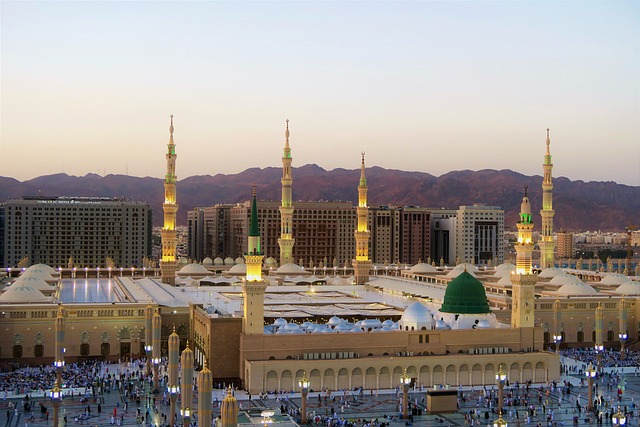
What Fills a Day in Medina
Five daily prayers set the pace of Medina more than any sightseeing list does, and most visitors plan around them rather than the other way round. At the center of the city, Al-Masjid an-Nabawi’s marble plazas are shaded by 250 automated Teflon-coated umbrellas that open at dawn and fold shut at night, with misting fans cutting the surface temperature by up to 10°C. Non-Muslims can visit...
read more
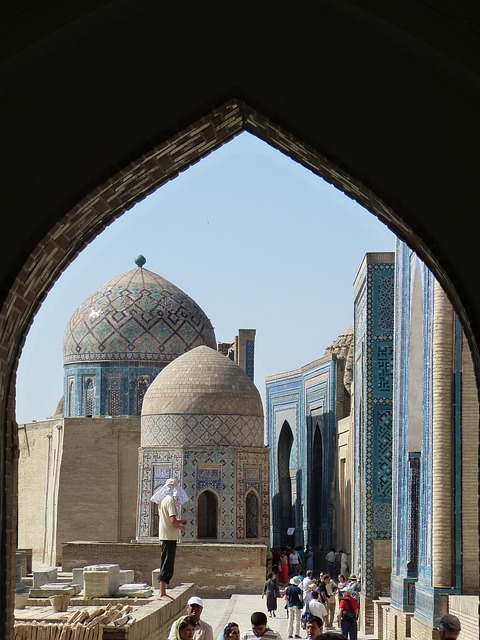
Where Samarkand Makes Things by Hand
Forget the souvenir shops. The activities that actually stick with you here happen at a watermill, a silk loom, and a red-hot clay oven, and every one of them still runs the way it did centuries ago.
A watermill that has pounded paper since the 8th century
At Konigil village, 7 km northeast of the center, the Meros workshop revived the papermaking process that Chinese prisoners of war brought to...
read more
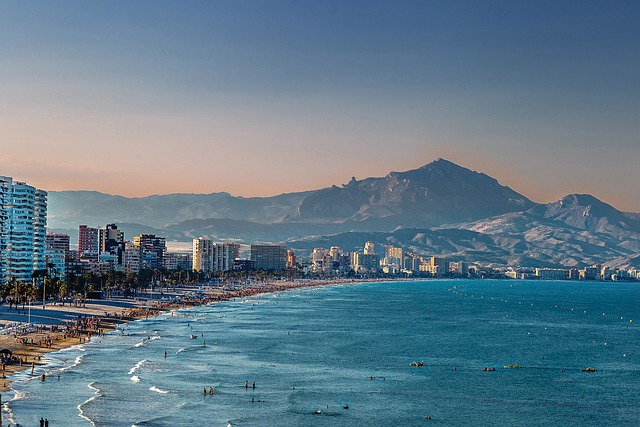
Alicante Activities Worth Your Time
A 166-meter limestone crag stands directly behind the beach here, and half of Alicante’s best activities are built around getting on, around or under it, the other half around the water at its foot.
On the water at Cabo de las Huertas The rocky headland northeast of Playa de San Juan hides a string of small coves, Cala Cantalar, Cala Palmera and Cala dels Jueus, cut into limestone shelves...
read more
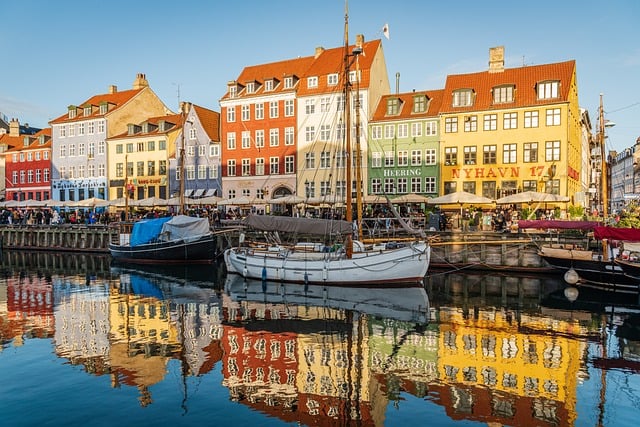
Copenhagen Activities That Get You Moving
A power plant with a ski slope on its roof. A picnic boat you steer yourself with no license. A harbor clean enough to swim in, right in the city center. Copenhagen’s best activities are not sit-back sightseeing, they are things you do with your own hands, and most of them cost less than a sit-down dinner.
Ski down a power plant CopenHill (Amager Bakke) at Vindmøllevej 6 is a working...
read more
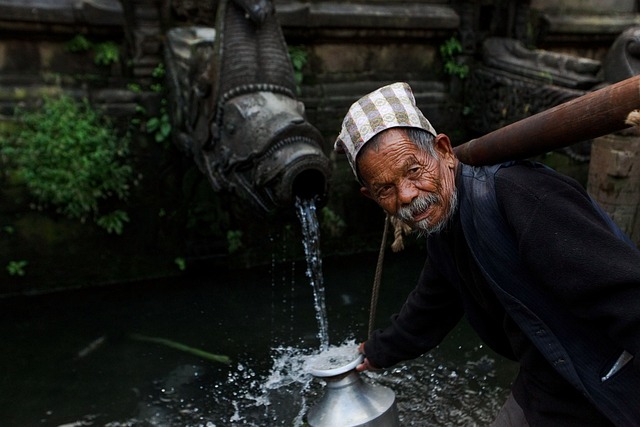
Kathmandu Valley: Where to Start
Get your bearings before you get moving: Kathmandu, Patan and Bhaktapur were three separate walled kingdoms competing for the finest carved temple right up until 1768, and the valley still behaves that way today. Each has its own royal square, its own ticket booth and its own version of a skyline. Treat them as three trips, not a single city with suburbs attached, and the whole valley opens up...
read more
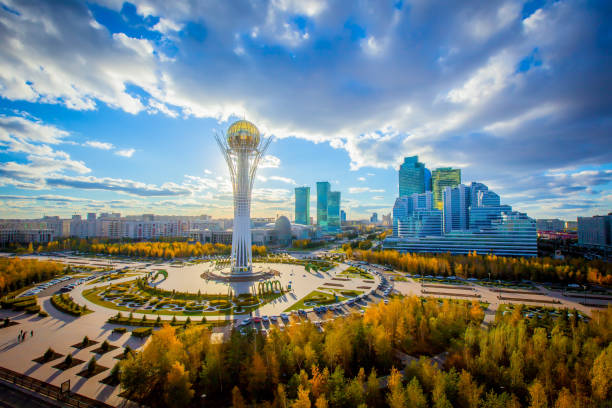
Kazakhstan Activities: Where to Start
Set foot in Kazakhstan and the scale hits you fast: a country nine times the size of Germany, with two headline cities sitting 1,200 kilometers apart across open steppe. Skip the fantasy of “doing it all in a week” and pick your hub. Here’s how the activity map actually breaks down.
Almaty: mountains on your doorstep This is the hub for altitude. Catch bus #12 from Dostyk Avenue...
read more

LA Activities Beyond the Theme Parks
Activities in Los Angeles
Pedal an illuminated swan boat across Echo Park Lake at night, ride the shortest railway in the world up Bunker Hill, and watch a 60-year-old ice cream tradition close out a marionette show. LA’s best activities aren’t the theme parks, they’re the small, specific, slightly odd things scattered across a city that’s actually 88 separate cities...
read more
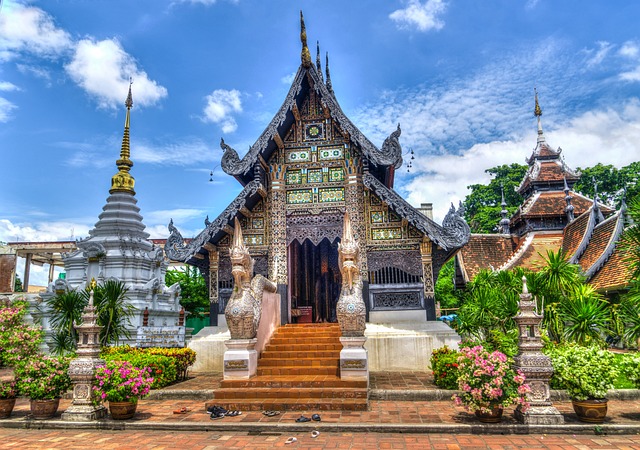
Lanna Crafts and Farms of Chiang Mai
Skip the checklist temples for a morning and go make something with your hands instead. Chiang Mai Province’s real activities are its craft villages and organic farms, and they reward slowing down more than any museum stop ever will.
Bo Sang: paper, bamboo, and paint Nine kilometers east on Highway 1006, Bo Sang Umbrella Making Centre is where artisans still soak and beat mulberry bark into...
read more

San Francisco Activities: Start Here
Grab a jacket, because the fog rolling through the Golden Gate is about to become the star of your first afternoon. San Francisco packs an enormous amount of activity into 49 square miles, and the trick is figuring out which experiences are worth queuing for and which ones you can walk straight into for free.
Start with the two big-ticket bookings, because both sell out. Alcatraz City Cruises ,...
read more
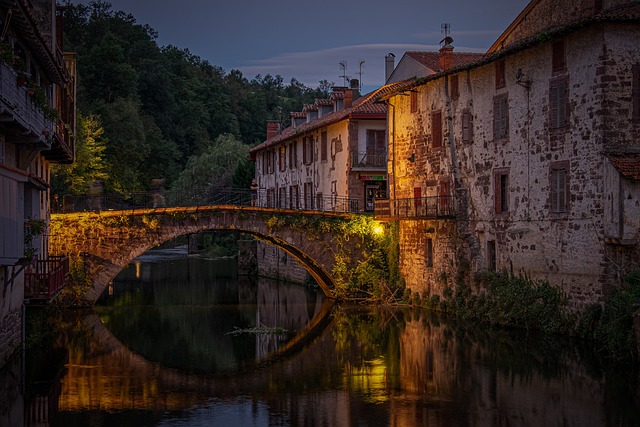
Santiago Activities: A First-Timer Rundown
Pick a hill and start climbing. That’s the fastest way into Santiago’s rhythm, and the city hands you two of them within a few kilometers of each other, plus a downtown grid built for wandering and a bar culture that runs deep enough for a lifetime of return trips.
Two hills, two mechanical climbs Cerro Santa Lucía, a 69-meter volcanic outcrop landscaped in the 1870s into stone...
read more
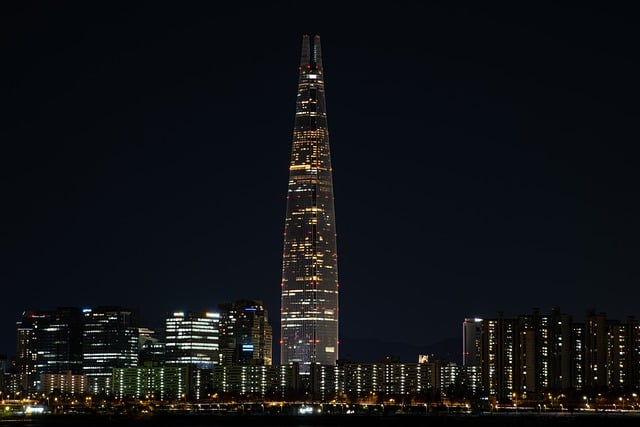
Seoul Activities: A Local's Day Out
Put on a hanbok before breakfast and the ticket booths at Seoul’s grand palaces stop charging you for the rest of the day. That single swap of clothes is the cheapest activity in the city, and it sets the pace for everything else below. The rule itself comes straight from the Royal Palaces and Tombs Center , the government body that manages every palace gate in Seoul.
Hanbok and the Four...
read more
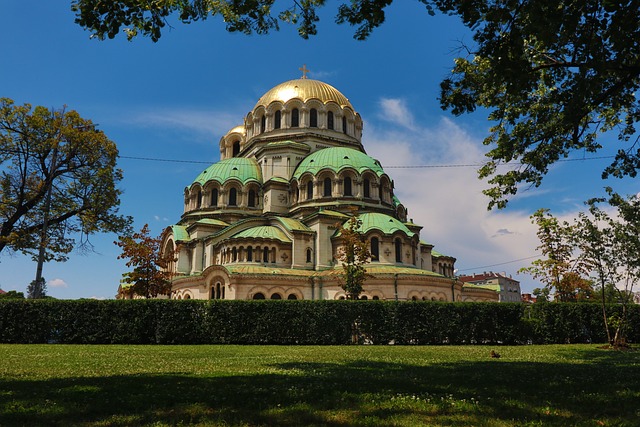
Sofia Activities Off the Church Trail
Skip the cathedral queue for one morning and Sofia hands you a completely different city: a square where hot mineral water gushes out of the pavement for free, one of the biggest climbing gyms in Eastern Europe, and a lake where you can rent a kayak on a weekday afternoon. This is the shortlist of things to actually do, not just look at.
Fill a bottle with 46 C thermal water Walk to Banski Square,...
read more
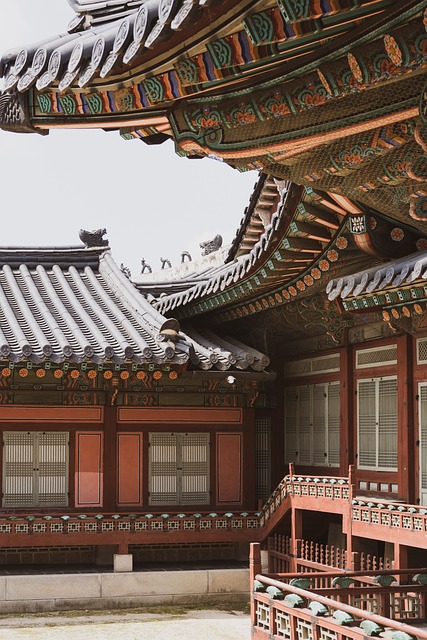
South Korea Activities That Deliver
Skip the checklist of monuments for a minute. The best hour of a Korea trip is often a 3am fish auction or a sweat-drenched sauna floor, not another palace gate.
Sweat it out at Spa Land Shinsegae’s Spa Land Centum City in Busan is the flagship jjimjilbang experience: 18 hot-spring mineral baths pumped from 1,000 meters underground and 22 themed sauna rooms, from a Finnish cedar box to an...
read more
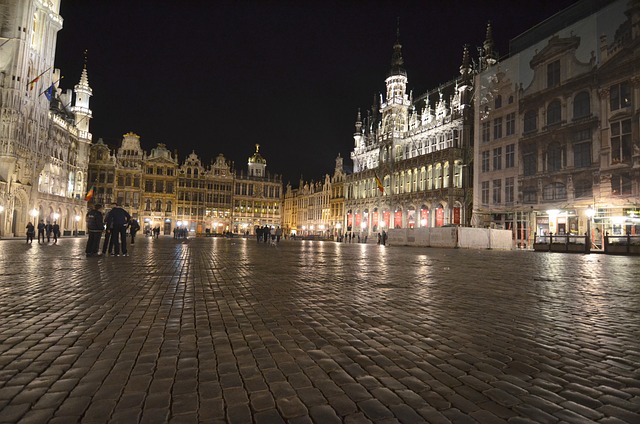
Best Brussels Activities to Try
Skip the chocolate boutiques on the tourist strip for a minute and go find the beer that’s still brewed the way it was in 1900. That’s the Brussels move: this city rewards people who dig one street past the postcard.
Start at a working brewery, not a beer bar Brasserie Cantillon (Rue Gheude 56, Anderlecht, five minutes’ walk from Bruxelles-Midi) is the last traditional...
read more

Chase Indonesia's Big Adventures
Set an alarm for 3:30am, put on a headlamp, and start climbing. That is how most of Indonesia’s best activities begin, whether the summit is a volcano rim in Bali or a stone stupa on Java. This is the adrenaline layer of the country: rivers, reefs, and craters, kept separate here from the passive sightseeing and guided coach tours covered elsewhere on this site.
Whitewater on the Ayung and...
read more
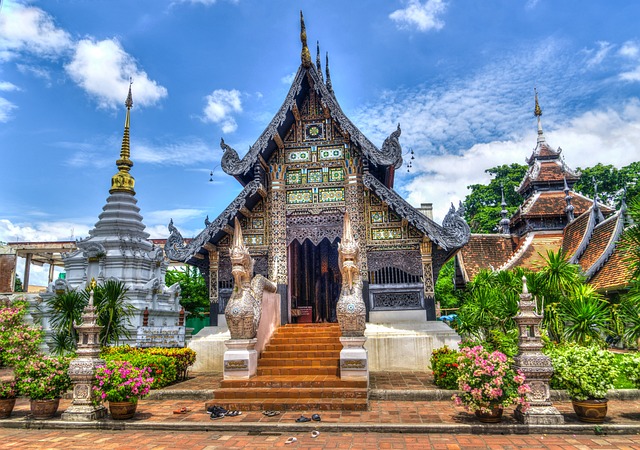
Chiang Mai Activities: Where to Start
Northern Thailand’s biggest tourism problem is choice overload, and Chiang Mai has that problem in spades. Temples, mountains, jungle, elephants, night markets, a whole spa culture: it all sits within an hour or two of the Old City moat. Here’s how the main categories actually break down, so a short trip doesn’t turn into decision paralysis.
The Old City comes first Chiang...
read more
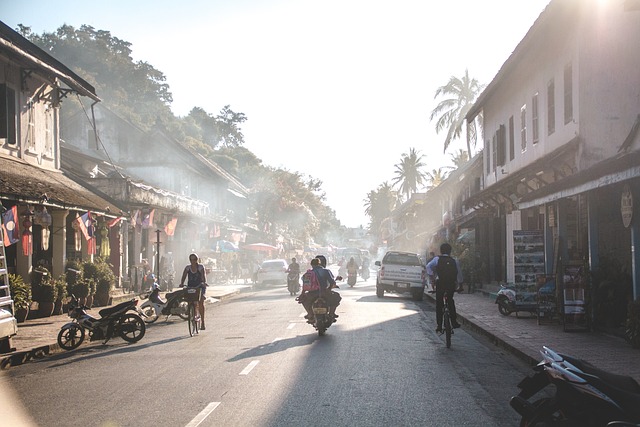
Luang Prabang's Hands-On Activities
Forget the checklist of temples for one morning. Luang Prabang’s best activities put a hand sickle, a bamboo loom shuttle, or a kayak paddle in your hand, and the town has four or five that are genuinely worth clearing a half day for.
Plow a rice paddy at Living Land Farm Five km outside town at Ban Phong Van, Living Land runs travelers through all 14 stages of wet-rice farming: plowing...
read more
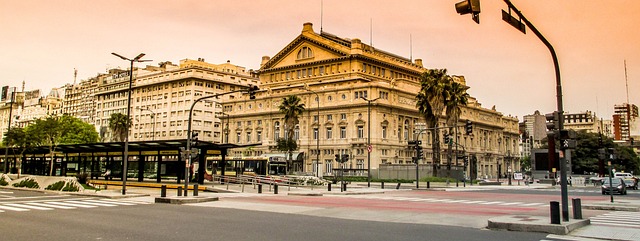
Mate, Books and Markets: BA Days
Skip the sightseeing checklist for a day and do what porteños actually do: linger. Buenos Aires runs on ritual, the thermos under one arm, the second coffee that turns into a third, the Sunday market that swallows twelve blocks, and those rituals are free or close to it.
Mate in the park, not a museum queue Head to Bosques de Palermo (Parque Tres de Febrero) and claim a patch of grass near El...
read more
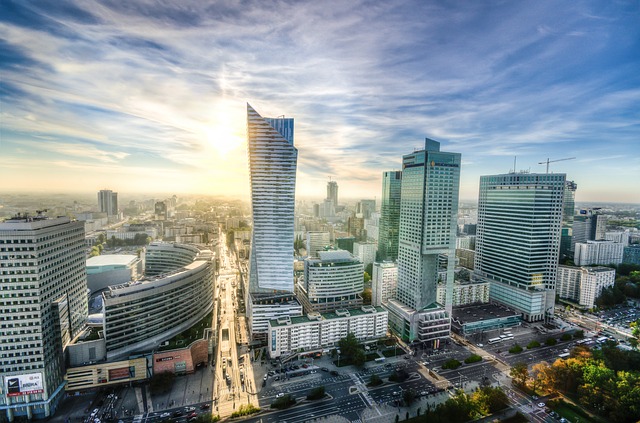
Warsaw Activities: Old Town to Praga
Warsaw doesn’t hand you one postcard shot and call the job done. The reconstructed Old Town gets the guidebook cover, but the real activity mix here runs from a socialist-era skyscraper deck to a wild river you can paddle straight through downtown.
Vistula boulevards and kayaking The Bulwary Wiślane stretch for miles along the left bank, past the Copernicus Science Centre and under...
read more
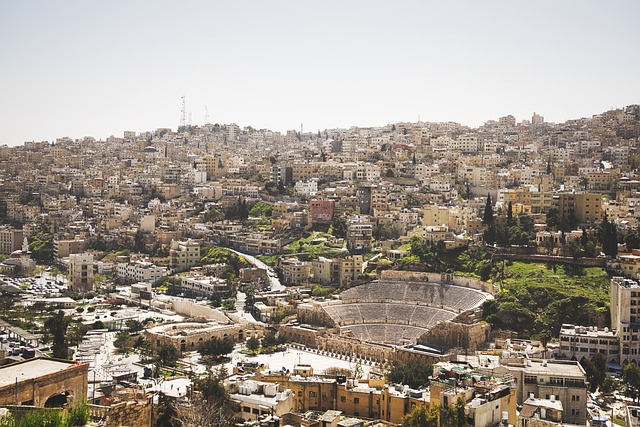
5 Adventure Activities in Amman
Chest-deep in a sandstone canyon, hauling yourself upstream against the current toward a waterfall you can hear before you see it: that’s an hour outside Amman, not a flight to some other continent. This city rewards visitors who put down the guidebook and get physical.
Wade the Wadi Mujib Siq Trail About 1 hour 15 minutes southwest on the Dead Sea coast, the Royal Society for the...
read more

Build a Pokhara Adventure Day
Sarangkot’s launch ridge sits at 1,600 meters, so a tandem paraglider spends the first minute catching a thermal before it ever points toward the lake, and that first climb is the moment most first-timers stop gripping the harness so hard.
Morning: launch off Sarangkot Tandem paragliding runs from three ridges above the valley, Sarangkot, Toripani and Mandredhunga, with pilots certified...
read more

Nice Activities: Beach, Hill, Market
Grab your water shoes and get moving, because Nice rewards people who show up ready. This is a city built for a full, physical day: swim off a pebble beach in the morning, climb a 93m hill by lunch, and finish shopping a market that’s been running since dawn.
Get in the water, feet protected The Baie des Anges runs 7km without a single grain of sand: every bit of it is rounded grey limestone...
read more
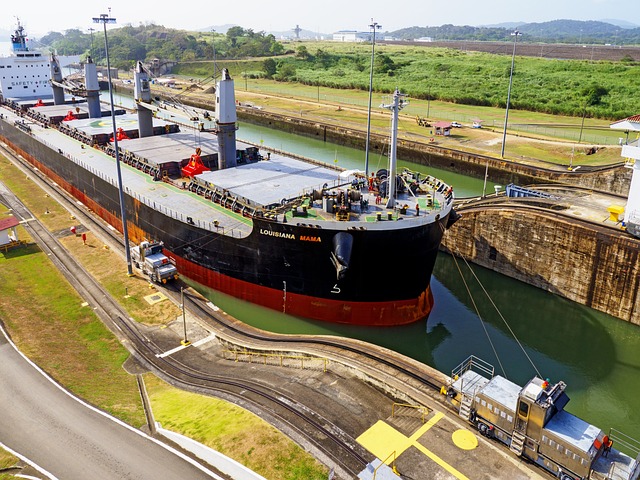
Panama Activities From City to Coast
Panama packs two oceans, a mountain range, and one of the great engineering feats of the modern world into a single S-curve of land, and Panama City is the launchpad for nearly all of it. Eight hubs anchor the whole country: the canal zone around the capital, the Caribbean corridor to Colón, the Guna Yala islands, Bocas del Toro, the Chiriquí highlands, the Pacific dive coast around Coiba, the...
read more

Vegas Activities: 8 Ways to Spend a Day
Set foot on Las Vegas Boulevard for the first time and the sheer scale of the place hits you before the sightseeing even starts: a 366-foot sphere lit up like a second moon, an 8.5-acre lake choreographed to music, and a desert wilderness just 25 minutes down the road once you get past the neon. Here’s how to fill a Vegas trip with more than blackjack.
Start with the free stuff The Bellagio...
read more
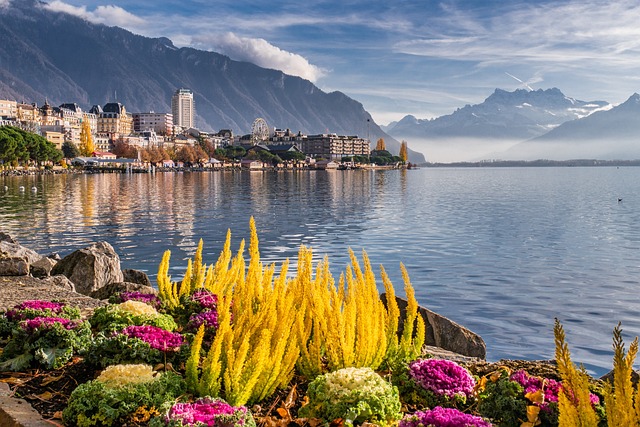
Geneva Activities Worth Your Money
Geneva is a francs-not-euros city, and the good news is half of what’s worth doing here costs nothing at all. Here’s how to spend both your time and your money.
Free first Walk out along the Jetée des Eaux-Vives to watch the Jet d’Eau throw 500 liters a second, 140 meters up, though it shuts down in a hard bise wind or a frost, so check before you make a special trip.
read more
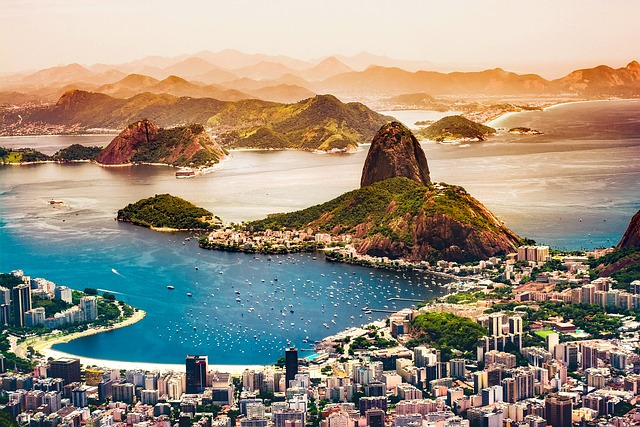
Get Moving in Rio de Janeiro
The alarm most Cariocas set is for the beach, not the office. Rio runs on a physical rhythm that starts before 7am and does not let up, and once you plug into it, sightseeing feels slow by comparison.
Paddle out at Posto 6 Skip the open ocean chop off Copacabana and Ipanema and head to Posto 6, tucked behind the breakwater of the Forte de Copacabana near the Colônia dos Pescadores Z-13.
read more
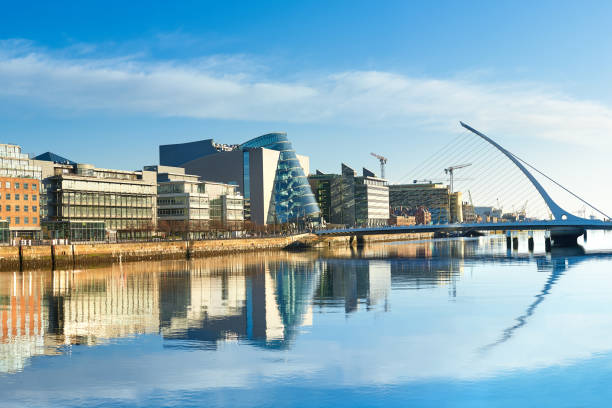
Romantic Dublin: Where to Go and Book
Heads up: some links here are affiliate links. Book or buy through them and we may earn a small commission at no extra cost to you. We only point you to things we would actually use.
Two things in this city need booking weeks ahead and neither of them is a hotel. Dublin holds seven Michelin stars across a very small area, and the boat that crosses Dublin Bay sells out before it sails.
read more

Romantic Edinburgh: What to Book First
Half of romantic Edinburgh runs on a season, not a calendar This is the thing that decides whether a weekend here works. The evening cruises on the Firth of Forth sail roughly Easter to October and then stop. The lantern-lit tour of Mary King’s Close runs 2 October to 1 November 2026 and no other time of year. The Turkish baths at Portobello have to be pre-booked. The rooftop bar at the top...
read more
Dublin Multi Day Trips: How Long to Stay
Heads up: some links here are affiliate links. Book or buy through them and we may earn a small commission at no extra cost to you. We only point you to things we would actually use.
The most common Dublin mistake is booking five nights in the city and then spending two of them on coaches. The city core is genuinely good and genuinely finite, and knowing where it runs out is the single most useful...
read more
Edinburgh Multi Day Trips: 2 to 5 Nights
Edinburgh’s city core fills three days, and night four should leave town That is the honest length verdict, and it is the thing most multi-day plans get wrong. Two days does the Old Town and New Town properly. Three days adds Leith, Dean Village and one whisky attraction. A fourth day of the same square mile repeats the first three at full price, while Stirling, Glasgow, the Borders and Fife...
read more
Dublin With Kids: Ages, Prices, Hours
Heads up: some links here are affiliate links. Book or buy through them and we may earn a small commission at no extra cost to you. We only point you to things we would actually use.
Dublin is an easy city with children, mostly because the good free options are large and outdoors and the paid ones are cheap by Western European standards. The planning work is in the hours and the age limits, both...
read more
Edinburgh Walking Tours: Closes and Costs
Edinburgh’s free walking tours are not free, and that is fine They are gratuity-based: the guide is paid entirely by what walkers hand over at the end, and the settled norm in Edinburgh is £10 to £20 per person for a standard two-hour walk. Budget for that and a free tour is excellent value. Turn up expecting a genuinely free two and a half hours and you are the reason a licensed guide goes...
read more
Dublin Walking Tours: Who Runs Them
Heads up: some links here are affiliate links. Book or buy through them and we may earn a small commission at no extra cost to you. We only point you to things we would actually use.
Dublin’s core is small enough to cross on foot in twenty five minutes, so nobody needs a guide to get around it. What a guide buys you here is the part you cannot see: which building the Rising was run from,...
read more
Edinburgh Day Trips: Real Journey Times
Waverley puts most of central Scotland inside an hour That is the whole case for basing yourself in Edinburgh. Stirling is 40 to 50 minutes, Glasgow 44 to 50, Linlithgow about 20, Dalmeny for the Forth bridges about 20, Tweedbank for the Borders about 55. The two that break the pattern are St Andrews, which has no railway station at all, and Loch Ness, which is a 12.5-hour coach day whatever the...
read more
Dublin Day Trips: Times, Fares, Routes
Heads up: some links here are affiliate links. Book or buy through them and we may earn a small commission at no extra cost to you. We only point you to things we would actually use.
Most bad Dublin day plans are geography problems rather than time problems. Two coastal villages that look adjacent on a map are on separate rail branches. A house and its waterfall are sold as one estate and sit six...
read more
Edinburgh Tours: Vaults, Buses, Whisky
Edinburgh’s underground is three separate places under three separate streets This is the single most useful thing to know before booking anything in Edinburgh. The Blair Street Underground Vaults sit beneath South Bridge and belong to Mercat Tours, who hold exclusive access and run a museum down there. The Niddry Street vaults are Auld Reekie’s, paired with the Covenanters’...
read more
Dublin Attraction Tours: How to Book
Heads up: some links here are affiliate links. Book or buy through them and we may earn a small commission at no extra cost to you. We only point you to things we would actually use.
“Book in advance” is the advice every Dublin guide gives for the three big guided attractions, and it is close to useless, because the three of them fail in completely different ways. One sells out in...
read more
Edinburgh Sightseeing: Hours and Tickets
Edinburgh sightseeing runs on a calendar, not a map The Old Town core is walkable end to end in 20 to 25 minutes, so distance is almost never what goes wrong in Edinburgh. Opening days are. The Palace of Holyroodhouse closes on Tuesdays and Wednesdays outside 21 May to 7 September 2026. The One O’Clock Gun does not fire on Sundays. Edinburgh Castle takes its last entry at 5pm in summer and...
read more
Dublin Activities: Booking and Prices
Heads up: some links here are affiliate links. Book or buy through them and we may earn a small commission at no extra cost to you. We only point you to things we would actually use.
The hard part of doing things in Dublin is not finding them. It is that three of the best hours in the city run on three completely different booking systems, one of which is not online at all, and turning up hopeful...
read more
Edinburgh Activities Worth Booking Ahead
The Edinburgh activities you cannot just turn up to Most of Edinburgh runs on walk-up. Four things do not, and they are exactly the four people leave to the morning of. The Edinburgh Dungeon sells no tickets on arrival at all. The Real Mary King’s Close runs guided groups only, on timed slots. Edinburgh Castle sells in 30-minute windows that go early in July and August. The Portobello...
read more

Romantic Athens: Sunset, Sail, Dinner
A candlelit visit to the Acropolis itself isn’t on offer after dark, but the view of it from across the city more than makes up for that particular disappointment.
Watch the Parthenon light up from outside The Acropolis closes by roughly 7:30-8pm even in summer, with no public entry after that. The illuminated Parthenon is genuinely visible from Lycabettus Hill or the Philopappou and...
read more

Romantic Getaways in Singapore
Romantic Getaways in Singapore
A romantic evening here can cost nothing or several hundred dollars, and the honest advice is to pick one deliberately rather than assume the pricier option is automatically the better date.
The Free Anchor: Gardens by the Bay at Night The Garden Rhapsody light show over the Supertree Grove runs free, multiple times each evening, no ticket needed. Walk the free...
read more
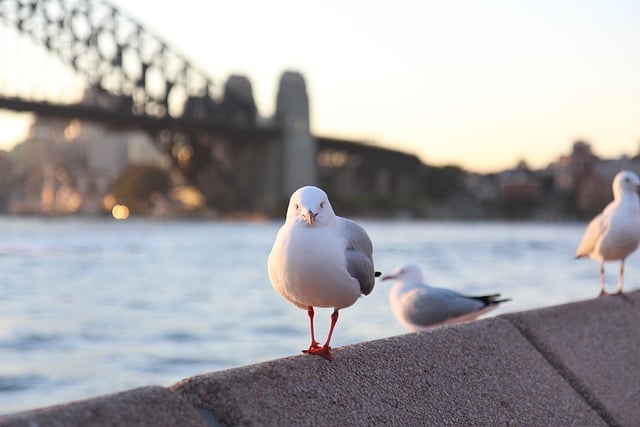
A Romantic Sydney Without a Cruise
A paid cruise isn’t the only romantic option on Sydney Harbour, and it isn’t even the best-value one; the free alternatives here hold their own against it, sometimes with a better view for the money spent.
Watsons Bay and Doyles An inner-harbour ferry ride from Circular Quay, around $7.35 on the Opal inner-harbour fare, the historic South Head lighthouse, and Doyles on the Beach for...
read more

Romantic Cusco, Hotel by Hotel
Cusco’s colonial architecture, textiles, and hilltop views give a romantic trip plenty to work with, once the choice comes down to which hotel and which evening.
Plaza de Armas An easy, unhurried stroll past the colonial buildings and cafes ringing Cusco’s main square, best in the early evening once the day-trip crowds have thinned out.
Sacsayhuaman at sunset The fortress’s...
read more
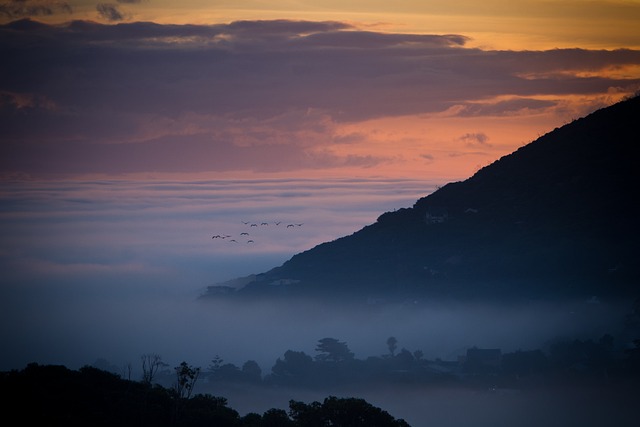
Where Cape Town Couples Actually Stay
Get three names right here and the rest of a romantic Cape Town stay mostly plans itself: which hotel, which island, and which day the Noon Gun stays quiet.
The Silo Hotel Its dining venues are the Granary Café, the Willaston Bar, the Silo Rooftop, and the Wisdom Room, run by executive chef Veronica Canha-Hibbert. No restaurant in South Africa currently holds a Michelin star, since the guide...
read more