Recent Traveler Mania

Walking Cusco at 3,400 Meters
A walking tour in most cities is just a pace choice. In Cusco, at 3,400m, it’s the category where the altitude matters most, since you’re on your feet the longest of any activity on this site.
Why altitude belongs at the top of this page, not the bottom Cusco’s elevation affects a walker more than a van passenger, plainly. Spend a day or two adjusting before a long walking day,...
read more

4 Great Wall Day Trips From Beijing
Pick the wrong Great Wall section and you’ll spend the day shoulder to shoulder with a tour group instead of standing on ancient stone with the wind in your face.
Mutianyu: restored ramparts and a toboggan run down About 70 kilometers and 90 minutes out, Mutianyu is the one to pick if you want the wall AND the ride: CNY 45 to get in, a cable car up, and a 1,580-meter toboggan track back...
read more

Krakow Walking Tours: Where to Start
Heads up: some links here are affiliate links. Book or buy through them and we may earn a small commission at no extra cost to you. We only point you to things we would actually use.
Start with the Royal Route and walk it in the right direction, which is in through the Barbican and up to Wawel rather than the other way around. That is the coronation procession’s line, it puts the cathedral...
read more
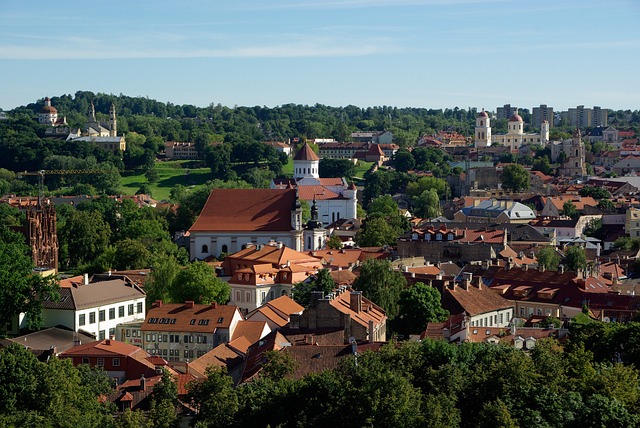
Vilnius Walking Routes for First Timers
Vilnius has one spine and everything hangs off it. Walk from Cathedral Square out through the Gate of Dawn and you have covered under 2km, crossed a UNESCO-inscribed centre of 352 hectares, and passed almost every building a first visit needs. Get that walk right on day one and the rest of the city arranges itself around it.
The spine, in order Start at Cathedral Square, under the Neoclassical...
read more

Athens Day Trips That Actually Fit
Not every place people call an Athens day trip actually is one; the distance alone rules a few of them out.
Delphi Around 180km and 2.5 to 3 hours by car, Delphi means 5 to 6 hours in transit alone. It’s a genuine day-eater built around the Temple of Apollo and the archaeological museum, so treat it as the single plan for the day rather than pairing it with anything else.
read more
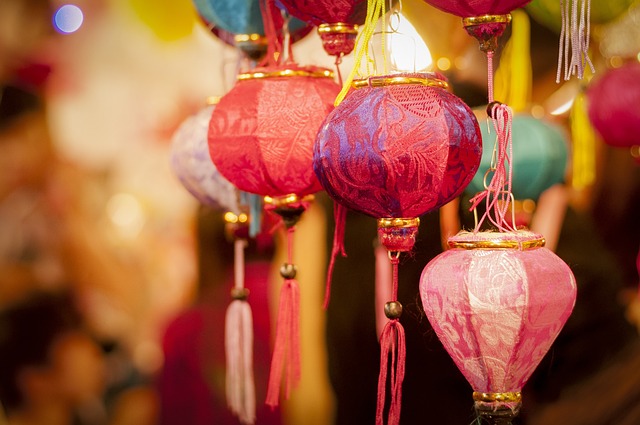
Walking Ho Chi Minh City's Old Quarters
Saigon’s motorbike traffic scares off first-time walkers, but confine a walk to the right pockets and hours and it works better than a bus for actually noticing the city.
The French-colonial route through District 1 Start at the Saigon Central Post Office, whose barrel-vaulted ironwork was designed by Alfred Foulhoux, not Gustave Eiffel despite the myth. Cross to view Notre-Dame...
read more

Family Days Out in Budapest
Family Days Out in Budapest
Budapest Zoo’s own species count and the widely repeated figure found online don’t agree, so it’s worth checking the zoo’s own current number before repeating either one.
Budapest Zoo Address: Állatkerti út 6-12, 1146 Budapest. Open daily, 9am to 5pm April through October and 9am to 4pm November through March. The zoo’s own most recent...
read more
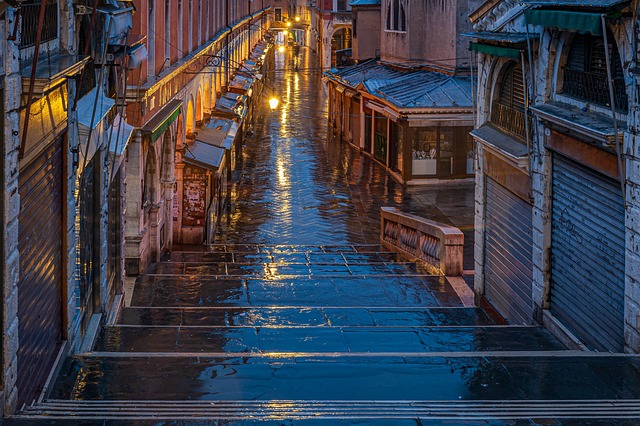
Venice with Kids: Mind the Bridges
Heads up: some links here are affiliate links. Book or buy through them and we may earn a small commission at no extra cost to you. We only point you to things we would actually use.
Before any list of kid-friendly attractions, one thing needs to be said plainly: Venice is not a fenced, childproofed city, and pretending otherwise does families a disservice.
Say this first: railings and bridges are...
read more

Marrakech Tours: Guides and Balloon Rides
Heads up: some links here are affiliate links. Book or buy through them and we may earn a small commission at no extra cost to you. We only point you to things we would actually use.
Point a camera at a snake charmer in Jemaa el-Fnaa and you’ll likely be asked for money, whether or not you meant to take the shot, which is exactly why a guided photography walk earns its fee for anyone...
read more
Day Trips From Singapore, Realistically
Day Trips From Singapore, Realistically
Lists claiming a dozen Singapore day trips are usually just neighbourhoods with a bus number attached. The country is roughly 730 square kilometres with no hinterland, so a genuine day trip means a ferry, a causeway, or a strait crossing. That leaves five real options.
1. Sentosa Part of Singapore’s own territory but far enough offshore in feel to...
read more

Madrid Day Trips: Trains, Times, Prices
Madrid has the best day-trip hinterland of any city in Spain, and three of its best towns are under 35 minutes away by high-speed train. The two things that trip people up are which station a service leaves from, because Atocha and Chamartín send you to different places, and the fact that Segovia’s fast train stops four kilometres short of the town you came to see.
Journey times and the...
read more
Beijing Attraction Tours Worth Booking
Beijing rewards showing up with a plan more than almost any city, and a good guided tour is the fastest way to get one.
The Forbidden City, unlocked by someone who knows it Walk in cold and the palace is a maze of gates that all look alike. A guided architectural tour changes that entirely: the dougong bracket systems holding up the roofs without a single nail, the feng shui logic behind the whole...
read more

Day Trips from Milan by Fast Train
Turin is 47 minutes from Milan on the fast train. Verona is about an hour and ten. Those two numbers change what a day trip from Milan means, because both are full cities with world-class museums rather than an afternoon in a village, and both are routinely written up as two-hour-plus journeys that talk people out of going. Milano Centrale runs high-speed services on both routes at least twice an...
read more

Auckland Fun for the Whole Family
Auckland packs an aquarium, a zoo, a transport museum, and a dormant volcano with lava caves into one metro area, which makes it one of the easier cities to keep kids entertained for a full week.
Kelly Tarlton’s SEA LIFE Aquarium Penguins, sharks, and stingrays through underwater tunnels, with adult tickets from around NZD 39 booked online versus roughly NZD 47 at the gate, and child tickets...
read more

Cape Town Day Trips, Car or No Car
Cape Town’s day trips split cleanly into two groups: the ones you can reach without a car, and the much longer list that needs one.
Cape Point and the Peninsula: car or tour only No meaningful public transport covers this loop. Drive the toll Chapman’s Peak Drive yourself, about R60 for a standard car, or book a full-day guided tour that includes it. Cape Point’s entrance tiers...
read more
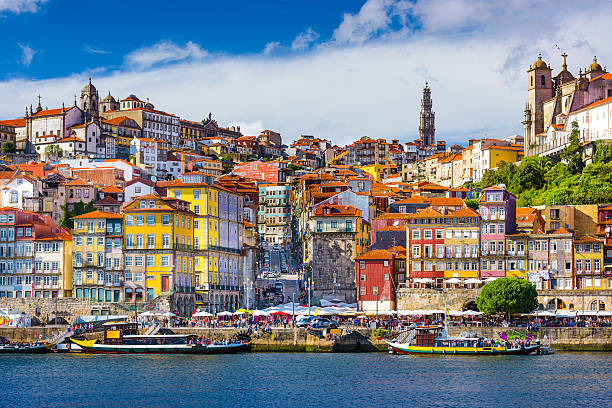
Day Trips From Porto, by Train or Car
Heads up: some links here are affiliate links. Book or buy through them and we may earn a small commission at no extra cost to you. We only point you to things we would actually use.
Two different trains run from Porto into the Douro, and confusing them costs either money or a wasted morning. One is the regular commuter service that runs year-round; the other is a seasonal heritage train that...
read more
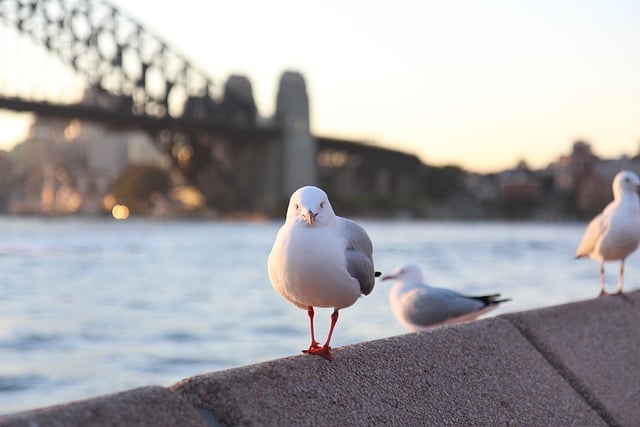
Sydney Day Trips, Car or No Car
Four day trips get recommended out of Sydney constantly, and they don’t all need the same thing to reach: some are an easy train ride, one flatly needs a car, and one gets misdescribed often enough that it’s worth stating plainly here.
Blue Mountains: genuinely doable by train NSW TrainLink runs hourly from Central to Katoomba, about 2 hours, versus roughly 90 minutes by car via the M4...
read more

Where Berlin Actually Gets Romantic
Romantic Getaways in Berlin
Berlin’s romance runs through its palaces, its river, and a handful of parks that stay quiet enough for two people to actually talk to each other.
Free and Atmospheric Museum Island at Sunset Once the day’s crowds thin out, the Spree’s embankment along Museumsinsel turns genuinely atmospheric: low light on the historic facades and calm water below. No...
read more

Kyoto After Dark for Couples
Kyoto’s daytime crowds thin out after sunset, and what’s left along the water and around the temples is closer to what a romantic evening actually needs than anything on a daytime itinerary. None of it requires a car, a reservation months out, or a special occasion to justify going.
A temple that lights up on a schedule Kiyomizu-dera runs seasonal night illuminations, spring and a...
read more
Marrakech Landmarks Worth Seeing
Heads up: some links here are affiliate links. Book or buy through them and we may earn a small commission at no extra cost to you. We only point you to things we would actually use.
Before any ticket prices, one warning: a lookalike domain missing a single dot sells Jardin Majorelle tickets at a serious markup, and it’s easy to land on by accident.
Book Majorelle at the right address The...
read more
Walking Routes Through Budapest
Walking Routes Through Budapest
Budapest’s streets carry more history in their doorways and courtyards than a bus window ever slows down enough to show, and the city center is compact enough to cover mostly on foot.
Parliament and St. Stephen’s Basilica Both anchor different ends of a Pest walking route. Parliament’s nearest metro is Kossuth Lajos tér on the M2, right outside the...
read more
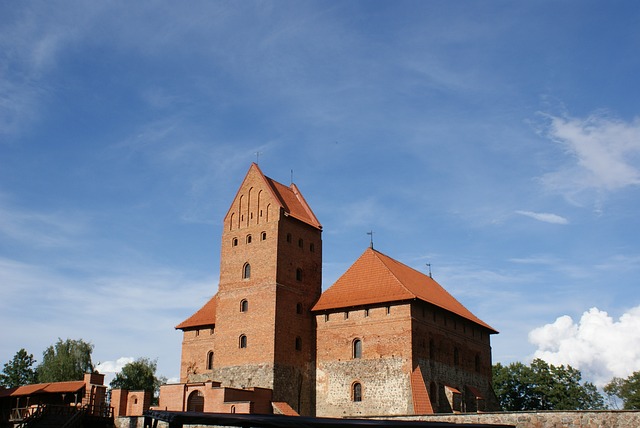
Two in Trakai: A Romantic Lakeside Break
Two nights is the number. One night in Trakai gives you a rushed castle and a train to catch; two gives you a sunrise balloon, an evening on the lake, and a Sunday concert in a manor ballroom with the water outside the windows. The town of 5,400 all but empties after the last day-trippers leave, and that emptiness is the point.
Arrive late, not early The coaches from Vilnius land mid-morning and...
read more
Venice on Foot, Sestiere by Sestiere
Heads up: some links here are affiliate links. Book or buy through them and we may earn a small commission at no extra cost to you. We only point you to things we would actually use.
Most cities that call themselves “walkable” still have traffic lights, delivery trucks and a scooter weaving past your ankle. Venice’s historic centre has none of it, on any street, and that single...
read more
Beijing's Essential Sights, Booked Right
Every list of Beijing’s must-see sights buries the one fact that decides whether you actually get inside any of them.
The Forbidden City is booked, not bought There is no ticket booth here, full stop. Tickets release exactly 7 days ahead at 8pm Beijing time through the WeChat mini-program or intl.dpm.org.cn , CNY 60 in peak season, CNY 40 in low season, and weekend slots vanish within...
read more

Shanghai to Beijing: The Multi-Day Route
A bullet train covers Shanghai to Beijing in about the time a long-haul flight takes to board, which is exactly why the two cities work as one multi-day trip rather than two separate ones.
The Shanghai-Beijing high-speed corridor, 6 to 8 days Spend the first 3 days in Shanghai and its water towns, then take a Fuxing Hao train running up to 350 km/h north to Beijing, a 4 to 4.
read more
Best Day Trips From Ho Chi Minh City
The single worst day-trip mistake out of Ho Chi Minh City is booking a same-day Cai Rang floating market tour and expecting the spectacle from ten-year-old photos; the second worst is not knowing there are three better options within the same driving radius.
Cu Chi Tunnels: the closest real day trip Roughly 50-70 km northwest, 1-2 hours each way, the Cu Chi Tunnels split between Ben Dinh, closer...
read more
Day Trips From Cusco, By Real Distance
Two Cusco day trips can sit five times further apart than their listings suggest, and Tambomachay and Tipon are the clearest example of it.
Near-city ruins: Sacsayhuaman, Q’enqo, Puka Pukara, Tambomachay Sacsayhuaman is about 2km from the historic center, and Tambomachay, the furthest stop on this loop, is still only around 8km out. All four are covered by the Boleto Turistico and make a...
read more
Family Shanghai: Rides, Reefs, Pandas
Budgeting a family day in Shanghai around one flat ticket price is the fastest way to blow the budget, since almost nothing on this list actually charges one.
Shanghai Disneyland, priced by date, not by park A standard one-day adult ticket runs from around ¥475 on a quiet weekday up to ¥719 on weekends and summer, with Peak+ and Peak++ tiers climbing past ¥799 during Chinese New Year, Golden Week,...
read more
Krakow Day Trips: Real Travel Times
Heads up: some links here are affiliate links. Book or buy through them and we may earn a small commission at no extra cost to you. We only point you to things we would actually use.
Kraków’s day-trip hinterland is deep enough that the hard part is choosing, and the choice comes down to one question: half day or whole day. Wieliczka, Ojców and Nowa Huta are all back by lunch or early...
read more
Marrakech Activities: Hammams and Classes
Heads up: some links here are affiliate links. Book or buy through them and we may earn a small commission at no extra cost to you. We only point you to things we would actually use.
Most first-time visitors leave Marrakech having watched a lot and done very little, and the hands-on side of the city is smaller but more memorable than the landmark list.
Cook something, don’t just eat it A...
read more
Beyond Kyoto: Hiroshima and Kanazawa
Nara, Osaka, Uji and Himeji are day trips from Kyoto and covered as such elsewhere on this site. Hiroshima and Kanazawa are a different category entirely: both are fast enough to tempt a rushed single day, and both reward the extra night instead.
Hiroshima and Miyajima A direct Shinkansen covers the distance in roughly 1 hour 40 minutes to 2 hours, fast enough that plenty of visitors are tempted...
read more
Family Days Out in Kyoto, Rain or Shine
Plan a Kyoto trip with kids around the weather rather than the temple map, and two rainy-day anchors and two clear-day ones cover most of a week.
For a rained-out afternoon: trains and fish The Kyoto Railway Museum pairs real retired locomotives with hands-on displays, an easy sell for a family losing patience with temple grounds; adult admission is 1,500 yen. Check current museum tickets for a...
read more
Trakai with Kids: Castle, Boats, Chocolate
Trakai works for children because everything is within a kilometre of everything else: a real castle on an island, a pier of swan-shaped pedal boats, and two tonnes of chocolate sculpture, all reachable on foot from the same street. No transfers, no queues between stops, no day lost to logistics.
The shape of a good day Footbridge at 10:00, castle museum until noon, kibinai on Karaimų Street,...
read more
Walk Auckland's Coast to Coast Trail
Few cities let you walk from one ocean to the other in a single day. Auckland does, and the Coast to Coast Walkway is only the start of what’s worth covering on foot here.
The Coast to Coast Walkway (16km) Starting at Te Wero Bridge on the Waitematā Harbour side and finishing at Taumanu Reserve on Manukau Harbour, this route threads through the Domain, Mount Eden, and One Tree Hill along the...
read more
When a Berlin Day Trip Needs Two
When One Day From Berlin Isn’t Enough
Four regional trips are genuinely day-trippable from Berlin, and the day trips guide covers the single-day version of each. Here’s which ones reward turning into an overnight or longer, and one loop that shouldn’t be compressed no matter how tight the schedule is.
Dresden and Leipzig, Combined Dresden’s fastest ICE takes roughly 1 hour...
read more
Beijing's Best Hands-On Activities
Skip the queue-and-photograph routine for one day and Beijing turns into a completely different city, one where you’re moving instead of standing still.
Fly down the Great Wall on a toboggan At Mutianyu, a chairlift hauls you up to the restored ramparts, but the real payoff is the ride back down: a 1,580-meter toboggan track dropping at speeds up to 30km/h, about five minutes of pure...
read more
Shanghai Walking Tours: Bund to Old Town
Shanghai is flat, which makes it one of the easier big Asian cities to cover entirely on foot, provided you know which neighborhoods reward slow walking and which ones are better seen from a bus.
The Bund and Old Financial District walk Start at the Meteorological Signal Tower, pass the HSBC Building’s mosaic dome and the Customs House, and finish at the Peace Hotel before crossing Waibaidu...
read more
Athens Tours: Guided, Ticketed, Honest
The Acropolis is the one attraction in Athens where a guided tour genuinely solves a logistics problem, not just an information gap.
A guided Acropolis and Museum tour Because entry runs on mandatory timed slots against a 20,000-visitor daily cap, a package that bundles the ticket, a guide and usually the separate Acropolis Museum admission removes the risk of missing out on peak-season dates,...
read more
Madrid Attraction Tours: How to Book
The single most useful thing to know about Madrid’s guided attractions is that several of them cannot be bought at the door at all. El Escorial stopped selling walk-up tickets in 2026. The free Monday at the Palacio de Liria opens exactly a week ahead and sells out the same morning. The Royal Palace free window is the opposite problem: it can only be claimed at the box office and never...
read more
Guided Tours Worth Booking in Porto
Heads up: some links here are affiliate links. Book or buy through them and we may earn a small commission at no extra cost to you. We only point you to things we would actually use.
There’s no self-guided version of Palácio da Bolsa. Every visitor gets folded into a 30-minute guided group, language assigned by arrival order, and that one rule is the reason to plan the rest of a tour-heavy...
read more

Real Day Trips From Vienna
Real Day Trips From Vienna
Not every “day trip” from Vienna actually fits into a day. Hallstatt is the clearest offender: roughly 285km and three hours by car, or three and a half to four hours by train plus a lake ferry, which makes it an overnight rather than a rushed there-and-back. The four trips below genuinely work in a single day.
Bratislava, 56 Minutes Away Slovakia’s...
read more
Sydney Tours: Guided, Hop-On, Cruise
Four products here have a guide, a driver or a captain attached, which sets them apart from a free landmark walk-up or a hands-on activity you book for yourself.
The Sydney Opera House guided tour An hour, headset-guided, in English plus six other languages, covering the Concert Hall and Joan Sutherland Theatre depending on that day’s performance schedule. Adult admission is $48, child...
read more
Shanghai Attraction Tours Worth Booking
Walk the Bund cold and it’s a row of grand old banks that all start to blur together after the third one; a guide who knows which building did what changes that inside twenty minutes.
A guided Bund heritage-architecture walk The 1923 HSBC Building’s mosaic dome, the Customs House next door, and the Art Deco Fairmont Peace Hotel, originally Sassoon House from 1929, all sit within a few...
read more
Real Day Trips From Budapest
Real Day Trips From Budapest
Four places genuinely fit into a single day out of Budapest; a fifth, further out, rewards a slower trip instead.
Szentendre, 40 Minutes Away The HÉV H5 line runs from Batthyány tér to this walkable artists’ town in about 40 minutes. The Main Square, the Szentendre Island riverside, and the still-open Szabó-Szamos Marzipan Museum fill a relaxed half-day without...
read more
Kyoto on Foot: Five Routes Worth Walking
Kyoto rewards a visitor who puts the bus map away, and five routes in particular hold up as walks worth doing on their own terms rather than as transit between temples.
Higashiyama, treated as one route, not five stops Walk down from Kiyomizu-dera through Sannenzaka and Ninenzaka to Yasaka Shrine and on into Gion as a single continuous corridor rather than a series of separate bus trips....
read more
Berlin With Kids: What Actually Works
Family Friendly Activities in Berlin
Berlin has genuine range for families with kids, from a zoo that’s larger than most visitors expect to a children’s museum built entirely around hands-on exhibits. Here’s what actually holds up for a family visit.
Museums and Hands-On Learning Deutsches Technikmuseum (German Technology Museum): interactive exhibits on science and technology...
read more
Epic Auckland Day Trips Explained
Auckland sits close enough to some of New Zealand’s biggest names, Hobbiton and Waitomo among them, that they get sold as easy day trips. Some genuinely are. Others need an honest look at the drive time first.
Hobbiton: worth the distance, not a quick stop Matamata is 165km south, two to two and a half hours each way, and the movie set is guided-tour-only with no independent walk-in access....
read more
Trakai on Foot: Four Walking Routes
There is no tour bus in Trakai, no tram and no metro, and the peninsula is too narrow for coaches to circulate, so the town is covered on foot or on two wheels. Four routes account for almost everything worth seeing, and the shortest of them is the best.
Before the first route: getting to the start Trains from Vilnius take 30 to 35 minutes and cost €1.50 to €2.00 one way, but they stop at Vilniaus...
read more
Venice Day Trips: Skip the Mainland
Heads up: some links here are affiliate links. Book or buy through them and we may earn a small commission at no extra cost to you. We only point you to things we would actually use.
Search “day trips from Venice” and Verona and the Dolomites dominate the results. Neither one fits on this page; the Veneto mainland is its own trip with its own train schedule, and this page is only for...
read more
Milan Tours: San Siro, La Scala, Outlets
Book the San Siro tour first. It is the one guided product in Milan with a hard external constraint on it, because the stadium closes or shortens the route on match and event days, and both AC Milan and Inter play there. Everything else on this page can be arranged with a day or two of notice. Here are the guided experiences that are genuinely worth the ticket, and what each one actually puts you...
read more