Recent Traveler Mania
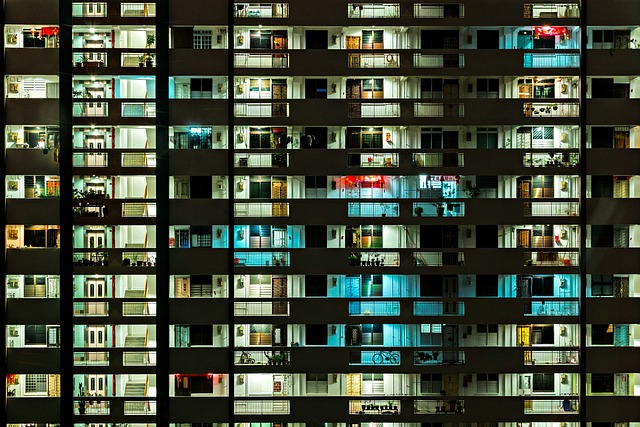
Guided Tours Around Singapore
Guided Tours Around Singapore
A guided tour here isn’t about access you can’t get on your own; almost everything is walkable or a short MRT ride away. It’s about pace: a seat on a bus or boat instead of standing on a pavement, and a narrator filling in the history you’d otherwise have to look up yourself.
Hop-On-Hop-Off Bus SIA Hop-on and City Sightseeing Singapore both run...
read more
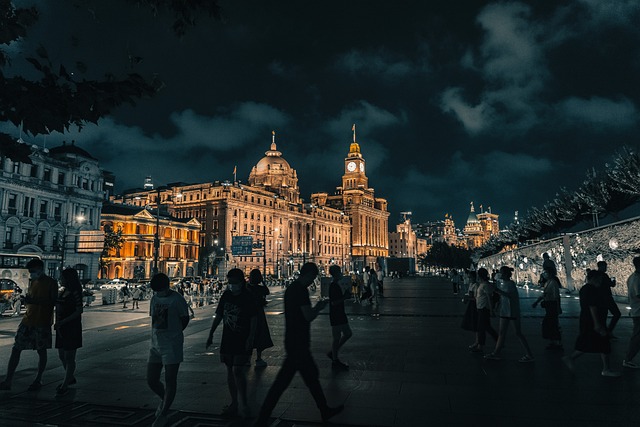
Shanghai Activities: Silos to Skywalks
A converted grain silo on the West Bund now holds one of the city’s better climbing gyms, which says something about how much of Shanghai’s hands-on side is repurposed industrial space rather than purpose-built attractions.
Rock Hour, inside a concrete silo At the Gate M / West Bund Dream Center development, Rock Hour occupies 1,100 square metres across six silo spaces, with...
read more
Ho Chi Minh City's Best Attraction Tours
Most first-time visitors try to cover Ho Chi Minh City’s District 1 and District 3 landmarks in one exhausting afternoon. A better plan groups them by proximity and treats the Cu Chi Tunnels as a separate half-day, not an afterthought bolted onto the same trip.
The central circuit: District 1 and District 3 Four sites anchor a standard half-day or full-day tour. Independence Palace, at 135...
read more

Krakow Attraction Tours That Deliver
Heads up: some links here are affiliate links. Book or buy through them and we may earn a small commission at no extra cost to you. We only point you to things we would actually use.
Kraków’s guided attractions split neatly into two kinds: things you cannot see without a guide, and things a guide simply makes better. Wieliczka is the first kind, and it is the one to build a day around.
read more
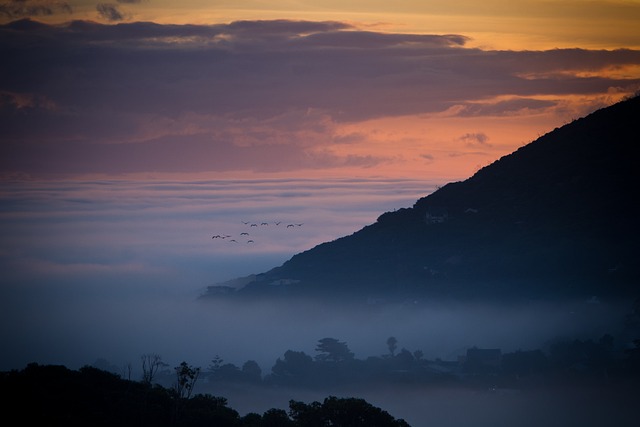
Cape Town's Best Guided Attraction Tours
A ferry ticket to Robben Island is not the same purchase whether it comes from the museum itself or from a site that only looks official.
Robben Island Museum Book only at robben-island.org.za ; visitrobbenisland.com states on its own page that it’s an independent partner, not the official site, worth knowing before trusting it for pricing. Current prices: South African adult R400, child...
read more
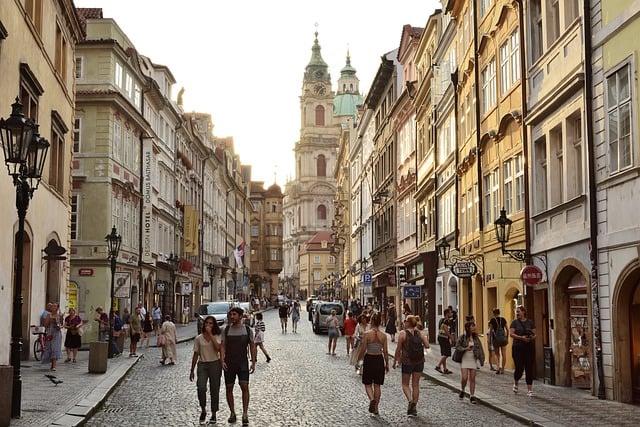
Prague Guided Tours: Boat to Segway
Heads up: some links here are affiliate links. Book or buy through them and we may earn a small commission at no extra cost to you. We only point you to things we would actually use.
Four different ways to see the same skyline give four different Pragues: from a boat, the city is water and bridges; on a Segway, it’s distance covered fast; on foot with a guide, it’s the story behind the...
read more

Guided Tours Around Cusco, Explained
A guided van tour and a self-arranged taxi cover the same ruins, but the guide is what turns a wall of stones into a reason those stones are there.
Circuit I: Sacsayhuaman, Q’enqo, Puka Pukara, Tambomachay The standard half-day city tour loops through these four sites, all covered by the Boleto Turistico. Sacsayhuaman sits about 2km out; Tambomachay, the furthest of the four, is still only...
read more

4 Walking Routes Through Berlin
Walking Tours in Berlin
Berlin’s history sits at street level more than in any single building, and four routes cover most of what matters: a preserved stretch of border, a documentation center built on a former Gestapo site, a historic Jewish quarter, and a street art scene that’s still actively painted over.
Why Walk Rather Than Ride You notice the scale of things a bus window...
read more
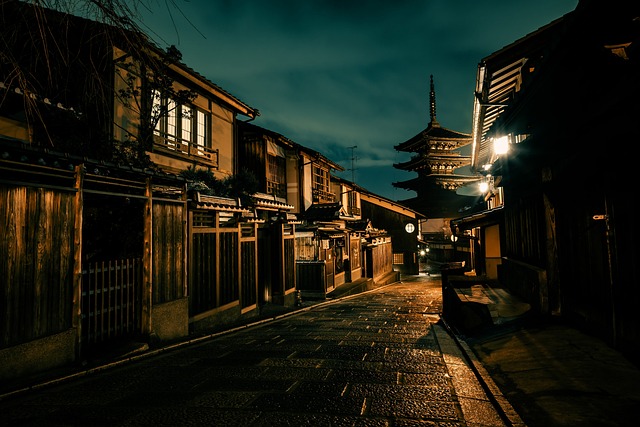
Day Trips From Kyoto, Ranked by Time
Sorted by how long it takes to get there rather than by how famous the destination is, here’s what a day trip from Kyoto Station actually costs in time and yen.
20 to 22 minutes: Uji The JR Nara Line reaches Uji for roughly 240 yen, the cheapest of Kyoto’s classic gateway trips. Byodo-in’s general admission runs 700 yen for the garden and Hoshokan Museum, plus 300 yen more for...
read more
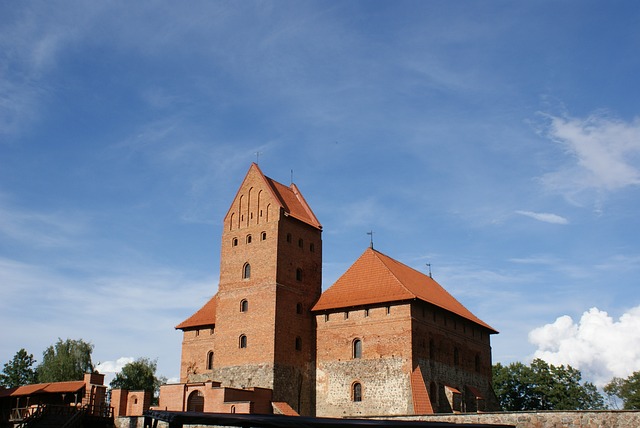
Inside Trakai: Museums, Cruises, Balloons
Trakai’s ticketed attractions take wildly different bites out of a day: two hours inside the Island Castle, twenty minutes in a chocolate museum, an hour hanging under a balloon at sunrise. Getting the order right matters more here than getting a discount.
Trakai History Museum, and how long it really takes Eleven permanent exhibition halls inside the ducal palace on Castle Island: Grand...
read more
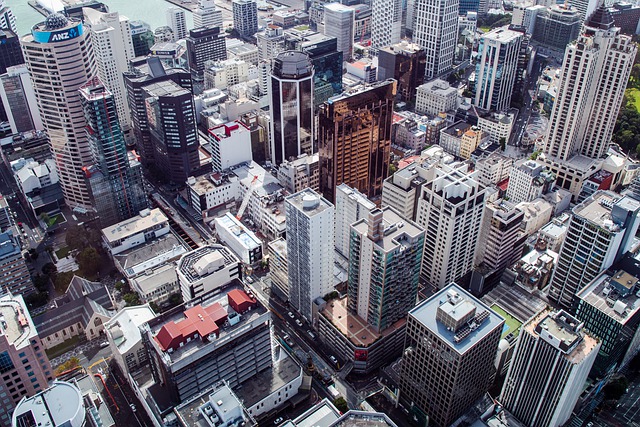
Auckland's Best Guided Tours
Guided attraction tours in Auckland range from a two-hour walk with real cultural weight behind it to a genuine former America’s Cup yacht you get to crew for a morning.
A hikoi led by Ngati Whatua Orakei Te Manu Taupua runs two named walks: “Heaven to Earth” on Maungawhau (Mount Eden), and “Home Fires of Tamaki” at Takaparawhau (Bastion Point), each around two hours...
read more
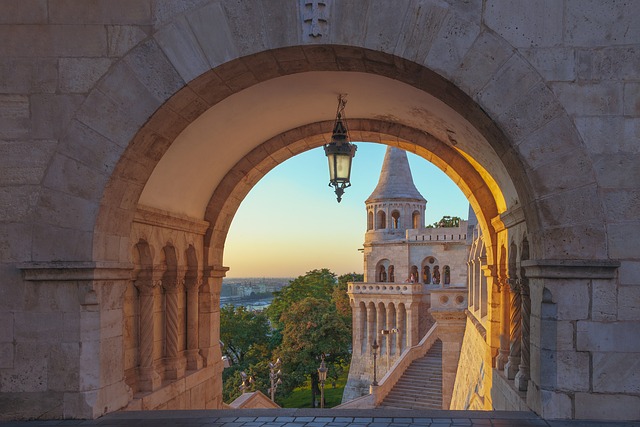
Budapest Guided Tours and Baths
Budapest Guided Tours and Baths
The Changing of the Guard outside Parliament happens exactly once a day, at 12:30pm, in Kossuth Lajos Square.
The Parliament Building A guided tour is the only way inside; EEA citizens pay 7,000 HUF and everyone else 14,000 HUF, and the walk covers the debating chamber and the Hungarian Crown Jewels in about 45 minutes including security screening. Book a guided...
read more
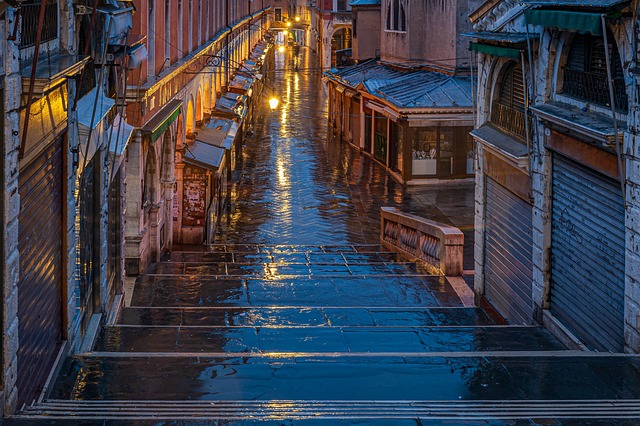
Venice Tours: Small Groups, Real Value
Heads up: some links here are affiliate links. Book or buy through them and we may earn a small commission at no extra cost to you. We only point you to things we would actually use.
If your image of a Venice tour is a coach party trailing a raised umbrella and a guide shouting over a loudspeaker, that image is now against the rules here, and it’s worth knowing that before you write off...
read more
Where to Go From Berlin for a Day
Day Trips from Berlin
Berlin sits within easy train reach of palaces, a wetland biosphere reserve, two other major cities, and one of the most important memorial sites in the country. Only one of these needs a full change of pace from the others.
Potsdam Travel time: roughly 25-35 minutes by regional train from Berlin Hauptbahnhof. Must-see attractions: Sanssouci Palace and Gardens, Neuer Garten...
read more
Guided Kyoto Tours and the New Tourist Bus
A ticket gets you into a temple. A guide, a bus route or a dinner reservation gets you the context, the logistics, or the seat you’d otherwise miss, and Kyoto’s guided options span all three without much overlap between them.
A licensed guide through Higashiyama Walking the Higashiyama corridor or a single temple circuit with a licensed guide adds the Zen garden philosophy or a...
read more
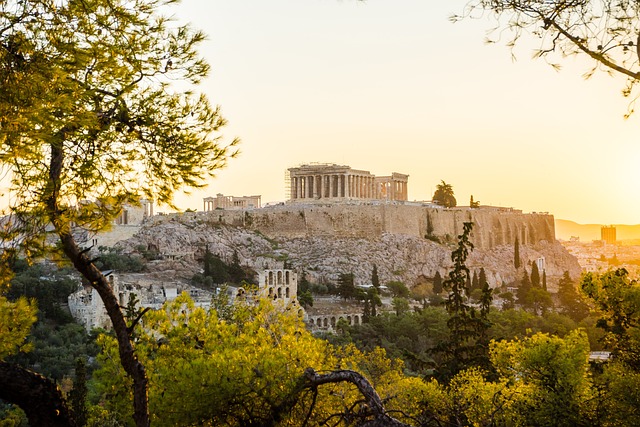
Athens Sightseeing, Ticket by Ticket
Arriving at the Acropolis without a timed slot is the single most common mistake sightseeing in Athens, and the cap behind it is a real operational limit, not a formality.
The Acropolis A flat 30 euro, year-round, with no winter discount, and mandatory timed entry booked through the official hhticket.gr . The daily cap sits at 20,000 visitors, with roughly 3,000 tickets released for the 8-9am...
read more
Ho Chi Minh City Sightseeing Guide
The best free sightseeing in Ho Chi Minh City sits inside a few hundred meters of District 1, and the worst mistake is spending money trying to improve on it.
Colonial District 1, on foot Start at the Saigon Central Post Office, 2 Cong Xa Paris, free and open Mon-Sat 07:30-18:00, Sun 08:00-17:00: barrel-vaulted ironwork, vintage phone booths, and 1892 wall maps designed by Alfred Foulhoux, not...
read more
Cape Town Sightseeing, Wind Rule Included
The single most common way a Cape Town day goes sideways is trusting a Table Mountain cableway booking to guarantee a ride. It doesn’t.
Table Mountain Aerial Cableway Current online prices: adult return R475 or one-way R300, child (4 to 17) return R230 or one-way R165, SA senior citizens R130 return or R70 one-way. Buy only through tablemountain.net or the ticket office; tickets sold...
read more
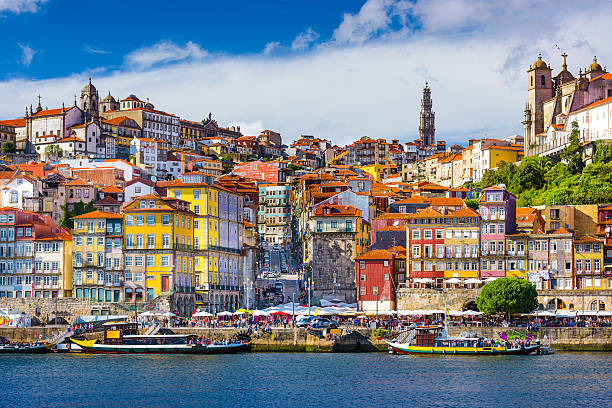
Porto Landmarks: Which Ones Charge Admission
Heads up: some links here are affiliate links. Book or buy through them and we may earn a small commission at no extra cost to you. We only point you to things we would actually use.
Porto’s most photographed interior is a train station, and it costs nothing to see. Its most photographed bookstore is not a train station and costs 8 euros. That contrast runs through most of what you’ll...
read more
Prague Sightseeing, Honestly Reviewed
Heads up: some links here are affiliate links. Book or buy through them and we may earn a small commission at no extra cost to you. We only point you to things we would actually use.
Most Prague guides describe the Astronomical Clock as a can’t-miss spectacle and leave it there. It isn’t, and knowing that before you queue for it is more useful than another paragraph about spires....
read more
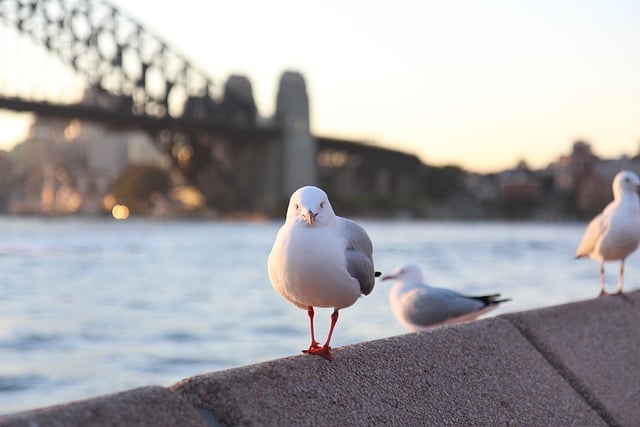
Sydney's Free Sights and Paid Add-Ons
A surprising amount of what draws people to Sydney costs nothing to look at. Here’s the free list, and exactly where it stops being free.
Opera House: exterior free, interior is a ticket Walk right up to the sails, stand on the forecourt, take the photo, all free and open around the clock. Getting past the doors needs either the guided tour or a ticket to whatever’s performing that...
read more
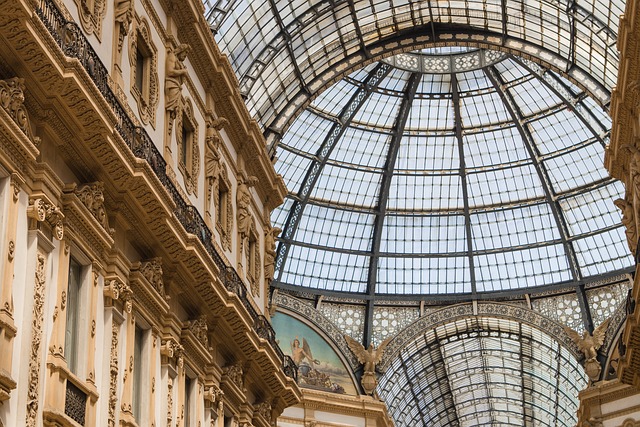
Milan Sightseeing: What to See and When
Milan’s headline sights sit inside about 1.5 km of flat, straight streets, which is the real reason this city works on foot in a way Rome and Naples do not. The Duomo, the Galleria, La Scala, the Museo del Novecento, the Pinacoteca di Brera and the Castello Sforzesco are all within that box, and Santa Maria delle Grazie is a fifteen-minute walk from the cathedral. The hours are the hard...
read more

Madrid Sightseeing: Tickets and Hours
Madrid’s headline sights sit inside about a two-kilometre rectangle, which means the whole planning problem is closing days rather than distance. Three of the big ones shut on three different days of the week, one is morning-only, and the single most photographed building in Retiro is behind scaffolding until 2027. Sort that out and Madrid’s core is genuinely a three-day city on foot....
read more
Krakow Sightseeing: Two Tickets, One Hill
Heads up: some links here are affiliate links. Book or buy through them and we may earn a small commission at no extra cost to you. We only point you to things we would actually use.
Two planning facts decide whether a Kraków sightseeing day works. Wawel Hill sells two entirely separate tickets, castle and cathedral, from two operators at two windows. St Mary’s does the same thing, basilica...
read more
Auckland Sightseeing Beyond the Tower
Auckland’s skyline is built around a 328-meter needle and fifty-some dormant volcanoes, and you can take in most of the best views without paying for a single ticket.
Sky Tower observation decks At 328 meters, the Sky Tower is New Zealand’s tallest structure by a wide margin. It held the “tallest in the Southern Hemisphere” title from 1996 until 2022, when Jakarta’s...
read more
Seeing Cusco Before Machu Picchu
Cusco sits at roughly 3,400m, and Machu Picchu, hours away by train, actually sits lower, around 2,430m, which makes Cusco itself the place to acclimatize before descending toward the ruins, not the other way around.
Sacsayhuaman Fortress About 2km from the historic center, Sacsayhuaman’s massive stone walls were fitted without mortar and still draw the obvious questions about how....
read more
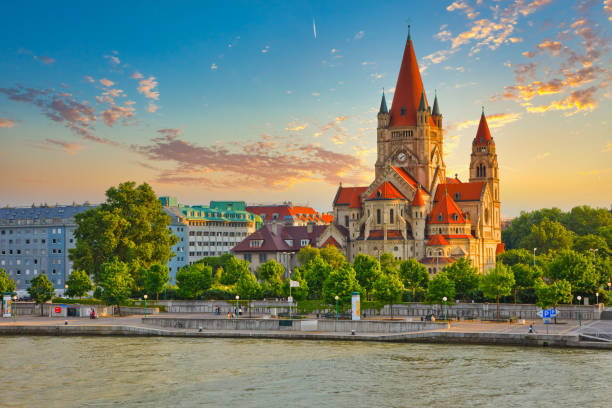
Vienna Attraction Tours Worth Booking
Vienna Attraction Tours Worth Booking
A costumed “Mozart” outside the Staatsoper selling concert tickets is not the same evening as a seat inside the actual opera house, and knowing the difference before you hand over cash on the street saves both money and disappointment.
Guided Palace Packages A guided tour bundles a timed entry slot with someone who can explain what a bare ticket...
read more
Kyoto Activities Beyond the Temple Circuit
Two visitors can spend the same week in Kyoto and never overlap: one photographs torii gates and pavilions, the other spends the same afternoons doing things with their hands. This is a guide for the second visitor.
Kimono rental first, sightseeing second Okamoto’s Arashiyama store, a short walk from the bamboo grove and Togetsukyo Bridge, rents kimono from around 3,500 yen and stays open to...
read more
Singapore Sightseeing Beyond the Merlion
Singapore Sightseeing Beyond the Merlion
Everyone photographs the half-lion, half-fish statue at Merlion Park, and it costs nothing to do so, open around the clock. The harder part of sightseeing here isn’t finding the landmarks; it’s knowing which ones you’re about to pay for and which ones you aren’t.
The Free Ones Merlion Park never charges admission. Neither does...
read more
Guided Attraction Tours in Berlin
Guided Tours Worth Booking in Berlin
A guide earns their fee in Berlin by handling the parts an independent visitor usually gets wrong: a registration slot booked too late, a transport connection that eats an hour, or a history that needs more context than a plaque provides. These four products do exactly that.
A Guided Reichstag and Dome Package 1. Skip the Registration Guesswork The Reichstag...
read more
Budapest Sightseeing by Neighborhood
Budapest Sightseeing by Neighborhood
Kossuth Lajos tér, on the M2 line, sits right outside the Hungarian Parliament’s front steps, the fastest way in for anyone arriving by metro.
The Parliament Building Interior visits run as a guided tour only, about 45 minutes including a security check, priced at 7,000 HUF for EEA citizens and 14,000 HUF for everyone else. Book ahead: summer slots go one...
read more
Auckland's Big Adrenaline Activities
Auckland’s activities scene isn’t limited to looking at things from a distance. The Sky Tower and the Harbour Bridge both double as launch points for something a lot more physical than an elevator ride, and the harbour and west coast add water and waves on top.
SkyJump, SkyWalk and the Harbour Bridge Bungy SkyWalk puts you on a harness on the tower’s outer edge for NZD 215, while...
read more
Venice Sightseeing: No Free Basilica
Heads up: some links here are affiliate links. Book or buy through them and we may earn a small commission at no extra cost to you. We only point you to things we would actually use.
Plenty of older guides still say you can walk straight into St Mark’s nave for free. That stopped being true in the middle of 2025, and it’s the single fact worth updating before anything else on this...
read more
Romantic Shanghai: Jazz, Skyline, Canals
A jazz band with an average age past 80 has played the same Art Deco lobby bar every evening since long before either of you was born, and that continuity, more than any skyline photo, is what makes an evening in Shanghai feel romantic rather than merely impressive.
Start with the Old Jazz Band at the Peace Hotel The Jazz Bar at the Fairmont Peace Hotel has hosted the Old Jazz Band’s 1930s...
read more
Suzhou and Hangzhou Day Trips from Shanghai
A bullet train from Shanghai Hongqiao Railway Station reaches Suzhou’s Ming dynasty gardens in about the time it takes to finish a coffee, and that speed, more than any single attraction, is the real reason day trips out of this city work as well as they do.
Suzhou: classical gardens, 25 to 30 minutes away The high-speed G-train from Shanghai to Suzhou runs 25 to 30 minutes, and a...
read more
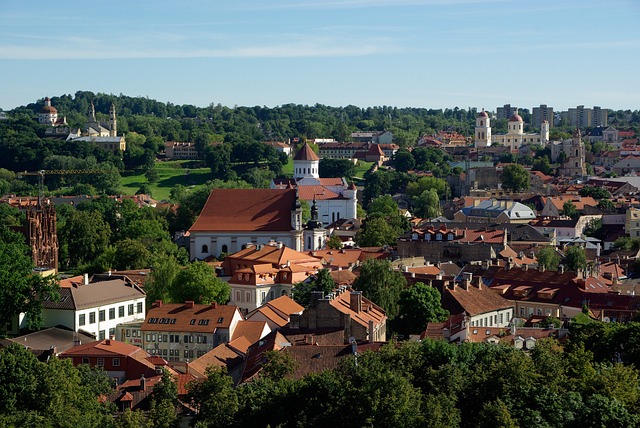
Vilnius Activities Worth Booking Ahead
Vilnius lets hot air balloons fly directly over its UNESCO Old Town. Almost no other European capital does, because almost no other capital has the airspace for it. That single fact tells you where the city’s real activity list starts: four experiences here need booking in advance, and everything else you can decide on the morning.
Ballooning over the Old Town, the one to book first Flights...
read more
Hands-On Athens: Climb, Sail, Bungee
Skip the queue for the Lycabettus funicular and take the path next to it instead; it costs nothing and gets you there just as fast once the cable car’s own line is factored in.
Lycabettus on foot The switchback trail to the summit takes 30 to 45 minutes at a normal pace, with the reward being a 360-degree view that puts the Acropolis into the wider city rather than isolating it.
read more
Hands-On Ho Chi Minh City Activities
Most visitors treat Ho Chi Minh City as a checklist of buildings to photograph, which skips the better half of what the city offers: a set of activities you actually do something in, from a market-to-table cooking class to a controversial firing range at the edge of the tunnels.
Cook, brew, or shape something Hoa Tuc runs a Saigon Cooking Class from 74/7 Hai Ba Trung, District 1, a former colonial...
read more
Krakow Activities: Book These First
Heads up: some links here are affiliate links. Book or buy through them and we may earn a small commission at no extra cost to you. We only point you to things we would actually use.
Book the salt mine before you book anything else in Kraków. Everything underground at Wieliczka is guided, there is no independent walking of either route, and in peak season the slots go three to five days ahead.
read more
Best Things to Do in Milan Right Now
Milan is at its best when you stop queueing for monuments and start doing things in it. The single strongest new option is the Highline Galleria, a 250 m walkway across the roof of the Galleria Vittorio Emanuele II at about 40 m up, reopened on 6 February 2026 and priced at €12 general, €10 reduced. Nearly every visitor walks through the Galleria. Almost nobody knows you can now walk on top of it.
read more
Cape Town Activities Worth Booking Ahead
Cape Town’s activity list rewards people who would rather do something than just look at it, and the honest version splits neatly into land, air and sea.
On land: Platteklip Gorge The free alternative to the Table Mountain cableway starts at the lower cableway station on Tafelberg Road and climbs about 2 to 3 hours to the summit. It is steep, exposed, and unshaded for almost the entire...
read more
Porto Activities Beyond the Wine Cellars
Heads up: some links here are affiliate links. Book or buy through them and we may earn a small commission at no extra cost to you. We only point you to things we would actually use.
240 steps spiral up Torre dos Clérigos in one direction only, so once you’re on the staircase there’s no getting past the person coming down until a landing clears. That single fact separates the...
read more
Prague Activities Beyond the Castle Circuit
Heads up: some links here are affiliate links. Book or buy through them and we may earn a small commission at no extra cost to you. We only point you to things we would actually use.
Every Prague list leads with the castle and the bridge. Skip both for a page: these five activities are things you do rather than things you photograph, and none of them requires a ticket queue at Prague Castle to...
read more
Sydney Activities You Do, Not Just See
One traveller photographs the Harbour Bridge from the Opera House steps. Another climbs it, catches a wave under it, or paddles a kayak beneath it that same afternoon. This list is for the second traveller.
BridgeClimb, correctly described BridgeClimb has been run by Hammons Holdings since 2018, and it sells three real climb tiers, not one. Summit Climb goes all the way to the 134m top in about...
read more
Hands-On Venice: Masks, Glass, Rowing
Heads up: some links here are affiliate links. Book or buy through them and we may earn a small commission at no extra cost to you. We only point you to things we would actually use.
Most Venice lists put a gondola ride under “activities.” It isn’t one, not really; you sit while someone else does the work. The things below are the actual hands-on options, where you leave with a...
read more
Budapest Activities You Can Actually Do
Budapest Activities You Can Actually Do
Gellért Baths shut its doors on 1 October 2025 for a renovation that isn’t due to finish before late 2028. Here’s what’s actually open and worth doing with your hands, not just your camera.
Rudas or Széchenyi Rudas, the Ottoman-era octagonal pool on the Buda side, charges 12,000 to 15,000 HUF for a day ticket depending on the day of the...
read more
Berlin Activities Beyond Sightseeing
Activities in Berlin
Standing in front of a museum case is one way to spend a Berlin afternoon. Pedaling the former border, paddling the Spree, or landing a kite-board on an old runway is another. This page sticks to the second kind.
On Two Wheels Ride a Stretch of the Mauerweg The Mauerweg (Berlin Wall Trail) traces roughly 160km of the former border around the whole city, and the Bernauer...
read more
Madrid Activities: What to Book and When
Two things in Madrid genuinely sell out, and neither of them is a museum. Book the hammam and book the flamenco, in that order, and let everything else on this page stay spontaneous. Madrid’s museums are ticketed sightseeing; what follows is the doing side of the city, the evening-shaped stuff you schedule around a late dinner rather than squeeze in before one.
Activities at a glance: what...
read more
Cusco Activities: Altitude Comes First
A rafting trip on the Urubamba and a via ferrata climb above the Sacred Valley both start the same way in Cusco: with a day that isn’t strenuous at all.
Altitude decides day one, not the itinerary Cusco sits at roughly 3,400m, and the standard advice holds because it works: a slow first day, real hydration, no alcohol, and no hard physical activity until the body has had a day or two to...
read more
Singapore Hands-On Activities Guide
Singapore Hands-On Activities Guide
A tile-painting class in a Katong shophouse teaches you more about Peranakan heritage in two hours than a walk past the same shophouses ever manages, and that is the real strength of Singapore’s activities scene: single-site, bookable experiences you actually do rather than just look at. Ticketed monuments and vehicle-based tours belong to other guides;...
read more