Recent Traveler Mania
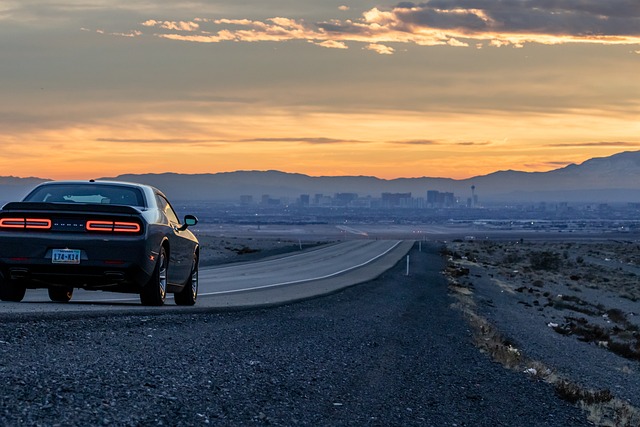
Multi-Day Trips Out of Las Vegas
Vegas is a launch pad. Rent a car, plan two or three nights, and the American Southwest’s biggest landmarks are within reach, the trick is knowing which ones need an overnight and which ones you’re wasting by rushing.
Grand Canyon South Rim, this is the one that needs the nights The South Rim is 280 miles and 4.5 to 5 hours away one-way, meaning 9 to 10 hours of driving alone if you...
read more

Pokhara With Children in Tow
A gondola cabin swinging up over terraced hills toward Sarangkot is the kind of ride that keeps kids quiet for nine straight minutes, which is about as close to a miracle as travel with children gets.
The Annapurna Cable Car The gondola connects Lakeside (Sedi Bagar) to Sarangkot in about 9 minutes, a far easier option than the uphill hike for families with younger children or anyone short on...
read more
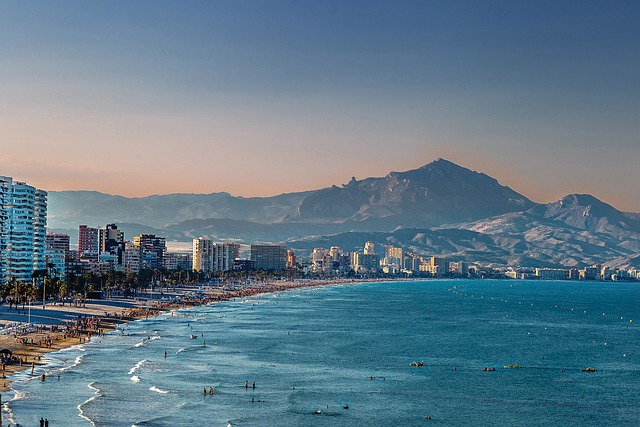
Alicante Sights: Castle, Barrio, Seafront
Everything in Alicante’s old center reads off one landmark: look up from almost anywhere and you can see the castle on the rock; look down from the castle and the whole layout of the sightseeing makes sense at once.
Castillo de Santa Bárbara, and no ticket to buy The 9th-century Arab fortress on Mount Benacantil is free, all of it: the grounds, the ramparts, the MUSA museum rooms inside....
read more
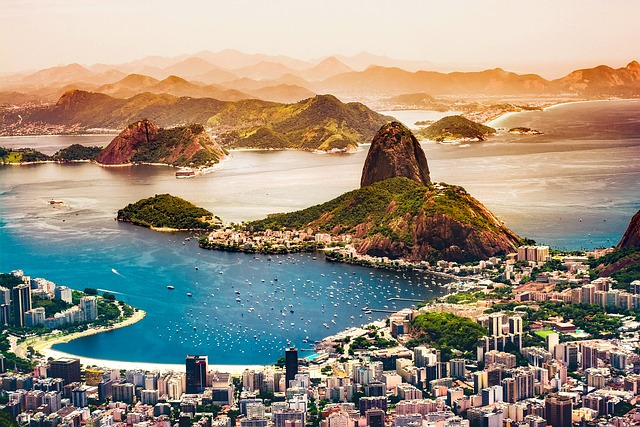
Rio de Janeiro, Built for Romance
Give Rio one golden hour and it does half the work for you: granite peaks catching the last light, a whole beach turning to face the same horizon, and a city that treats a good sunset as a shared event, not a private one.
Sail Guanabara Bay at dusk Small-group sailboats and catamarans leave Marina da Glória for three-hour afternoon cruises, passing the naval fortresses of Santa Cruz and São João...
read more
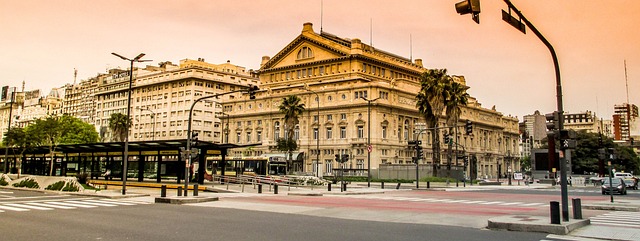
Buenos Aires With Kids, Rain or Shine
Buenos Aires packs a genuinely good lineup for kids, animals, dinosaurs, a UFO-shaped dome, spread across a handful of neighborhoods that are easy to string together.
Ecoparque: capybaras, not cages The old Buenos Aires Zoo closed for good in 2016; its 18 hectares in Palermo (Plaza Italia, Subte D to Plaza Italia) reopened as Ecoparque, where rescued native species, capybaras, guanacos, maras,...
read more
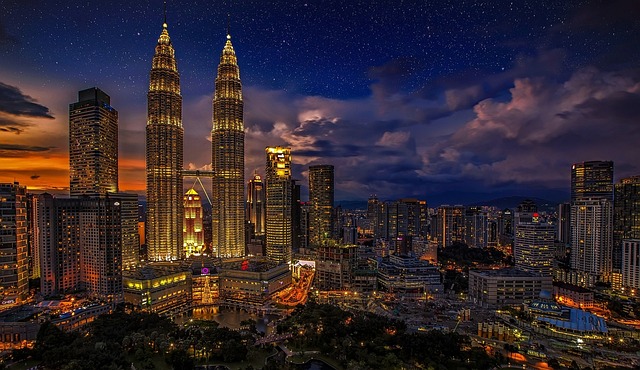
Sunset Romance High Above KL
KL does romance best after dark, once the heat breaks and the towers light up. Skip the daytime sightseeing checklist for this one and build the evening around three things this city does better than almost anywhere else: rooftop views, illuminated bridges, and colonial-era spas.
Dinner with the skyline as the view Vertigo and Vertigo TOO , on Levels 59 and 60 of the Banyan Tree Kuala Lumpur in...
read more
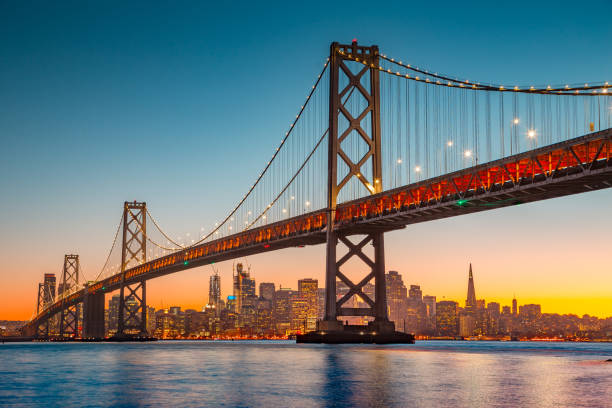
A Longer San Francisco Adventure
Give San Francisco more than a couple of days and it stops being a checklist trip and starts letting you build in a real regional loop. Five days is the sweet spot: enough time in the city itself, plus a couple of nights outside it.
Spend the first two days in the city proper. Book Alcatraz early, since Alcatraz City Cruises sells out 3 to 6 weeks ahead in summer; the Day Tour runs $47.
read more
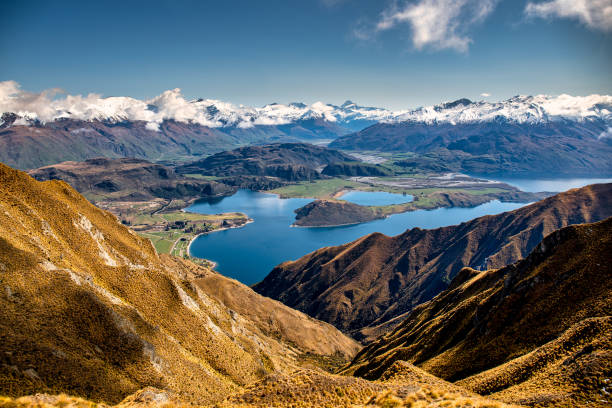
New Zealand Family Adventures Guide
Kids in New Zealand get a country built for wonder without needing a single theme-park queue: giant squid, hatching kiwi chicks and bubbling mud pools all do the entertaining for you.
Te Papa Tongarewa, Wellington The national museum on Cable Street is free entry for New Zealand residents and packs in interactive exhibits that make even the youngest visitors stay curious for hours, including the...
read more
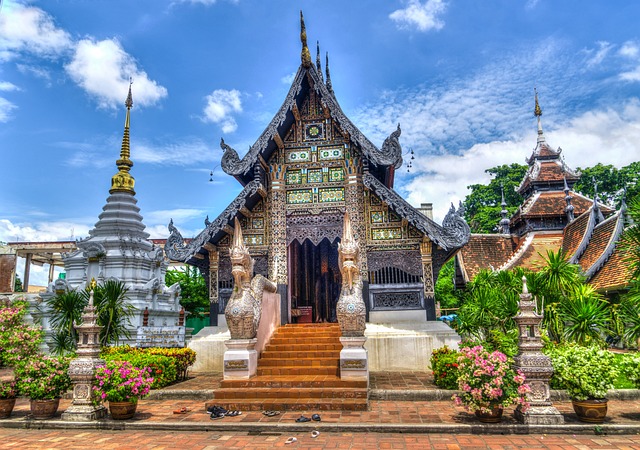
Chiang Mai Day Trips Worth the Drive
Get the distances right before you commit to a day trip here, because two of the province’s most famous names are not day trips at all. Pai is 3.5 to 4 hours of switchbacks each way, and the Mae Hong Son Loop is a 600-km, 1,864-curve road trip that needs 4 to 5 days minimum. Both deserve an overnight, not a rushed there-and-back. Here is what actually fits in a single day.
read more
Pokhara's Treks, From Easiest to Hardest
Pokhara sits at a comfortable 822 meters, which is easy to forget once a trek out of it climbs past 3,000, 4,000, then 5,000 meters in under a week; every route below starts in the same lakeside town and ends somewhere that altitude is the main thing to plan around.
The law before the routes: a licensed guide is mandatory Since April 2023, the Nepal Tourism Board has banned independent solo...
read more
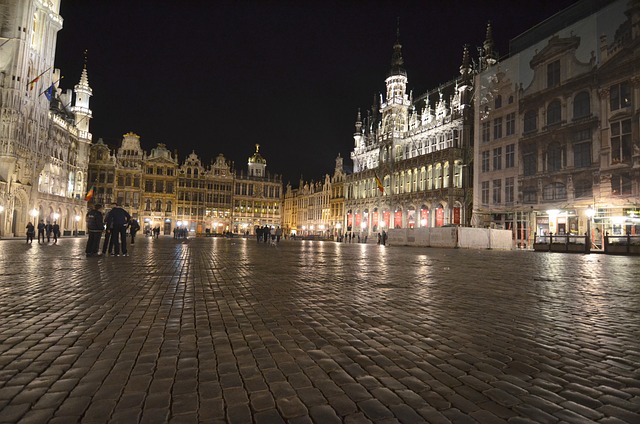
Brussels Sights Worth the Trip
Brussels packs a UNESCO square, a retro-futurist atom and one of Europe’s great surrealist collections into a city small enough to cross on foot. The trick is timing it right, because several of the best sights only open on their own schedule.
Start at the Grand-Place, go back at night The Grand-Place is free, open 24/7, and genuinely worth two visits: once by day to take in the Baroque...
read more
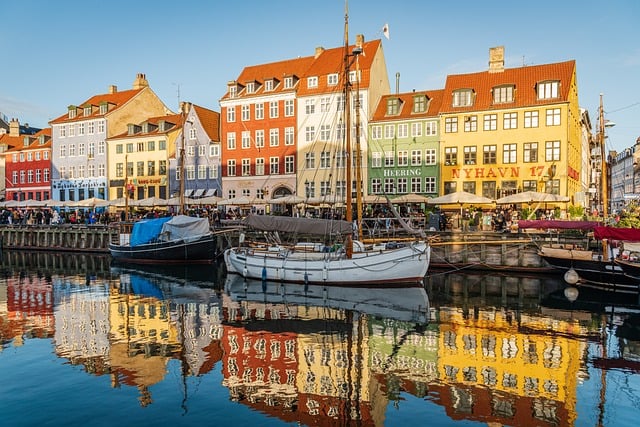
Copenhagen With Kids: Zoo, Tivoli, Beaches
Kids do not care how old a building is; they care whether they can climb it, ride it, or touch it. Copenhagen has an unusual number of attractions built with exactly that in mind, from a roaring roller coaster from 1914 to a slide that spirals four stories down the middle of an architecture museum.
Tivoli: the original theme park, still running Tivoli Gardens , right next to Central Station at...
read more

Jerusalem With Kids: The Basics
Travel advisory: conditions in Israel and the West Bank can change quickly, and governments describe them differently. Check your own government’s current advisory, such as the US State Department or UK FCDO , before booking a family trip, and note advice differs for the West Bank and areas near Gaza.
Jerusalem isn’t built around kids the way a theme-park city is, and it’s worth...
read more
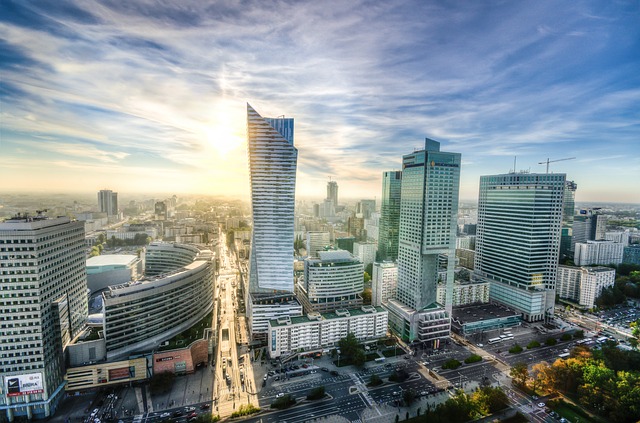
Kid-Friendly Warsaw: What to Book Early
The families who have the best day in Warsaw are the ones who booked before they landed. The city’s two biggest kid draws both sell out, and the parks that fill the gaps run on their own set of rules.
Copernicus Science Centre Wybrzeże Kościuszkowskie 20, right on the river and an easy walk from Metro Centrum Nauki Kopernik. More than 400 interactive exhibits cover physics, biology and the...
read more

A Family Day Plan for Medina
The question that actually shapes a family day in Medina is not what to see but when: from May to September, surface temperatures on paved plazas pass 45°C by late morning, so the plan below splits naturally into an early outdoor block and an indoor block for the hottest hours.
King Fahd Central Park, in the southern district, is the outdoor anchor. At 1.6 million m², it has enclosed...
read more
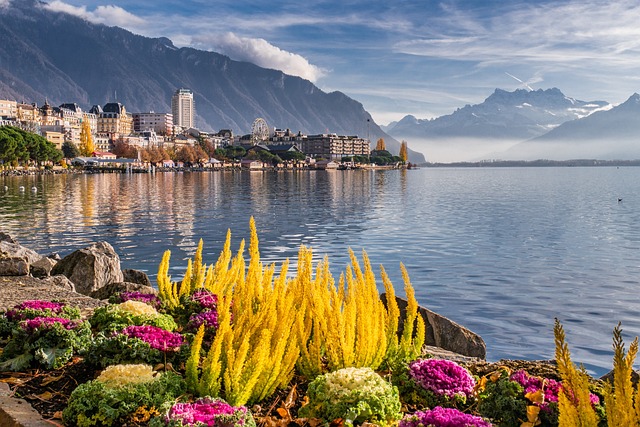
A Geneva Trip Beyond One Day
Three days is enough to cover Geneva itself properly, and the payoff of a fourth day comes from adding one good lake-region loop or a Chamonix overnight, not another museum in the city.
Day one: the city on foot Start at Place du Bourg-de-Four, Geneva’s oldest square, and climb into the Vieille Ville toward St. Pierre Cathedral: nave free, towers CHF 7, archaeological crypt CHF 8, or CHF 12...
read more
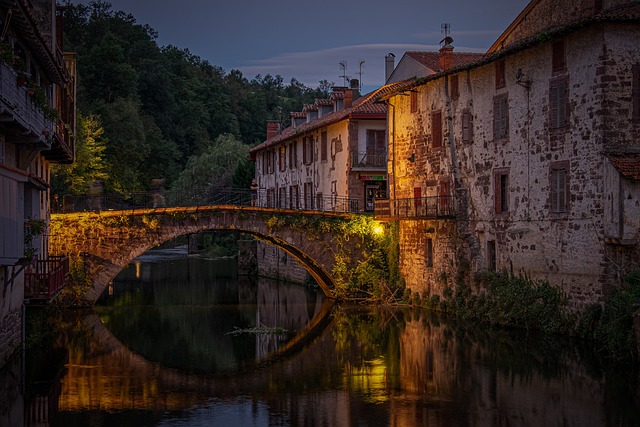
Multi-Day Trips: Santiago as Your Hub
Chile is 4,300 km long and shaped like a ribbon, which means almost nothing near Santiago is reachable in an afternoon and almost everything worth seeing is a short flight or a long, spectacular bus ride away. Treat the city as base camp and pick one direction.
North: San Pedro de Atacama LATAM, SKY and JetSMART fly SCL to Calama (CJC) in about 2 hours, from USD 40-120 one way, followed by a...
read more

Nice Day Trips by Train and Bus
Nice-Ville station is the launchpad: from here the whole Riviera opens up on the TER Zou! rail line and a couple of key bus routes run by Lignes d’Azur , and you can be back for dinner every single time. No rental car needed; skip the parking headaches and the Basse Corniche traffic altogether.
Villefranche-sur-Mer, 8 minutes The TER train from Nice-Ville gets you there in 7-9 minutes for...
read more
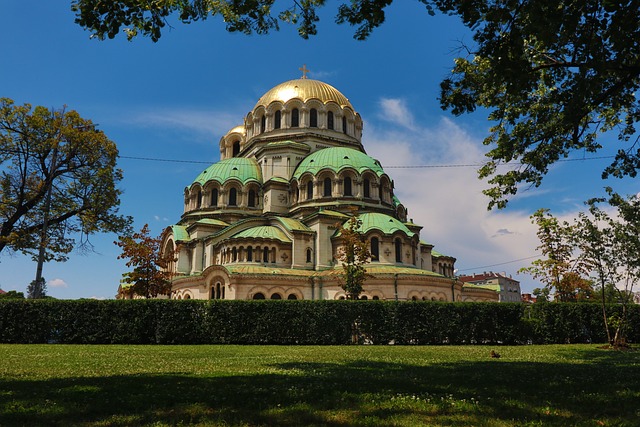
Sofia With Kids: Zoo, Museum, Park
Kids run out of patience for church interiors fast, so build your Sofia days around a science museum with things to touch, an actual zoo, and a park with zip lines instead. Here is where to send the energy.
Muzeiko, the science discovery center At ul. Prof. Boyan Kamenov 3 in Mladost, a three-minute walk from Metro G.M. Dimitrov, Muzeiko packs three floors and more than 130 hands-on exhibits into...
read more
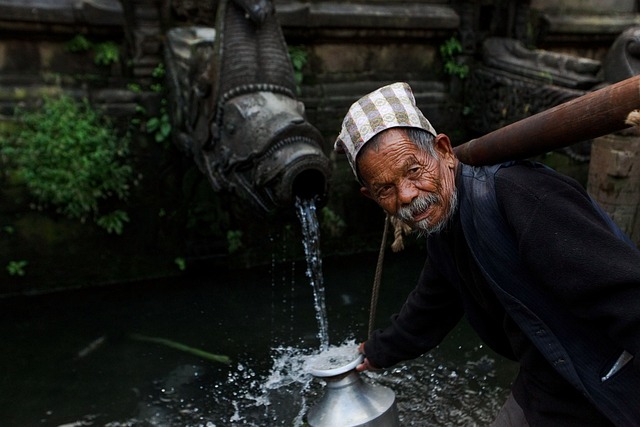
Taking the Kids to Kathmandu
Good news for parents worried about jet-lagged toddlers and cranky teenagers: Kathmandu’s headline sights already work for families, no special planning required. Open squares kids can run across, a mountain gondola that trades a hike for a 10-minute ride, and a zoo that’s genuinely Nepal’s only one. The trick is picking the low-effort stops and steering clear of anything built...
read more
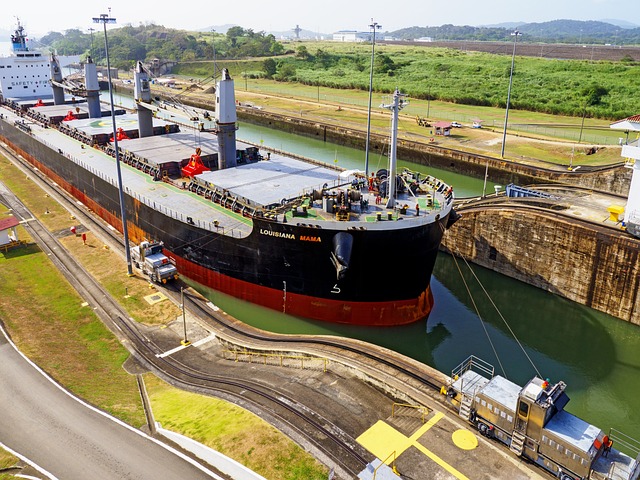
Panama Multi-Day Trips Worth Planning
Three destinations outside Panama City reward the extra nights it takes to reach them properly: Guna Yala, Bocas del Toro, and the Chiriquí highlands around Boquete. Each one turns a rushed day trip into a trip worth remembering once you give it the time it actually needs.
Guna Yala (San Blas Islands), 2 to 3 days Around 05:00, a shared 4x4 collects passengers from Panama City lodging and crosses...
read more
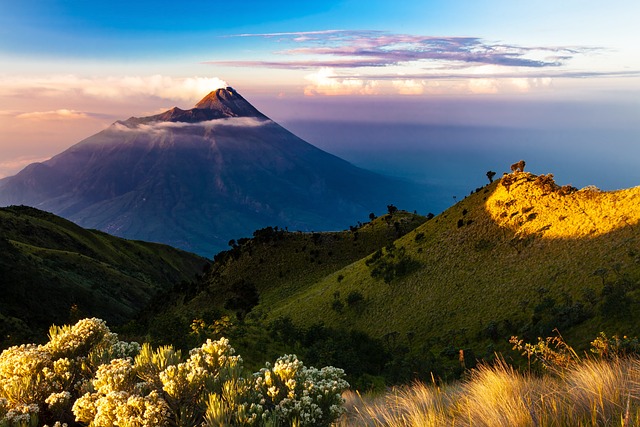
Indonesia With Kids: What Delivers
Kids do not care about a UNESCO plaque. They care about slides, animals, and things they can climb without getting yelled at, and Indonesia’s best family stops deliver exactly that, engineered for short attention spans rather than adapted for them.
Waterbom Bali: 22 slides and a lazy river Tripadvisor’s top-ranked waterpark in Asia sits on 3.8 hectares in central Kuta, with...
read more
Alicante Romance: Catamaran, Cava, Tabarca
Time it right and you get Mount Benacantil turning gold over one shoulder while the bay turns pink over the other, with a glass of cava in hand and nowhere to be for the next two hours.
A sunset on the water That is the sunset catamaran cruise along Alicante Bay, roughly two hours out of Muelle de Levante, tracing the cliffs below Castillo de Santa Bárbara while chilled cava and fresh fruit go...
read more

Chicago Family Fun, No Car Needed
Kids do not care about skyline photos. They care about polar bears, water fountains that spit on command, and playgrounds shaped like castles. Chicago has all three within a short transit ride of each other, and most of it is free.
Lincoln Park Zoo, the anchor of any family day This is the move: Lincoln Park Zoo has been free 365 days a year since 1868, with grounds open 8:00 am to 5:00 pm and...
read more
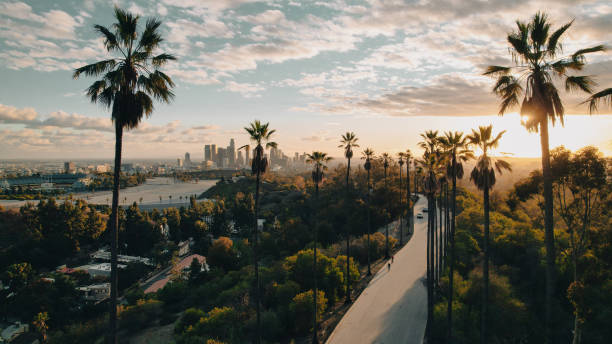
Multi-Day LA: Build Your Circuit
Multi-Day Trips in Los Angeles
LA punishes itineraries that hop between neighborhoods at random. It rewards the ones that group by geography and let one part of the basin fill an entire day. Here are three circuits built that way, one urban, one film-industry, one desert.
Circuit 1: Coastal and urban, 3 days Day 1 stays in Downtown: Union Station’s Mission Moderne hall, lunch at Grand...
read more
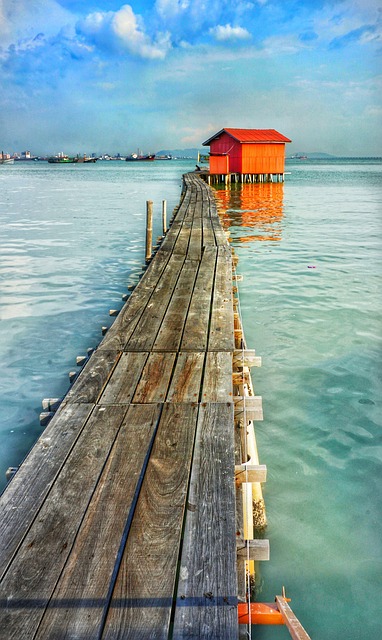
Penang's Biggest Family Thrills
ESCAPE Penang in Teluk Bahang is the one to build a family day around. It holds two verified Guinness World Records: the longest tube water slide on the planet at 1,111 meters (a genuine four-minute ride through jungle canopy) and the longest zip coaster at 1,135 meters. Adventureplay adds high ropes, obstacle courses, and zip lines; Waterplay brings speed flumes and a wave pool; Gravityplay...
read more
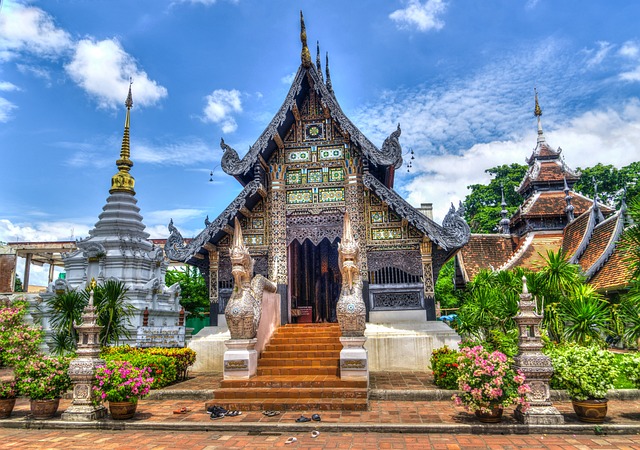
Kid-Approved Chiang Mai Adventures
Chiang Mai is a genuinely easy city to travel with kids: short drives, plenty of shade breaks, and activities where children get to touch, climb, and splash rather than just look. Here’s what earns its spot on a family itinerary and what to skip.
Climb a waterfall barefoot Bua Tong Sticky Waterfalls, 60km north in Mae Taeng district, is the standout family outing. The limestone tiers are...
read more
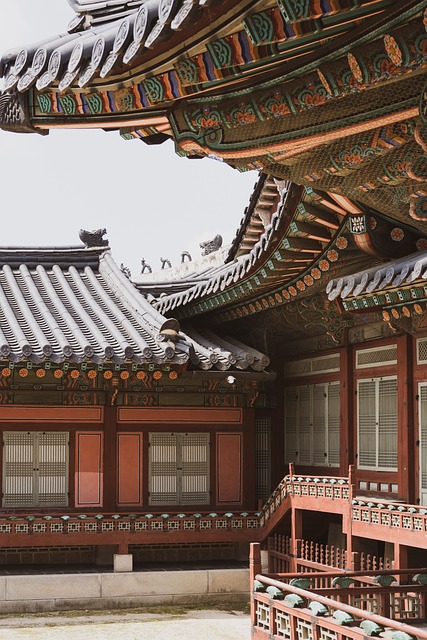
Korea's Best Family Adventures
Korea runs its biggest family attractions like clockwork, which matters when you’re managing nap schedules and cranky kids. Here’s what actually works with a family in tow.
The indoor park that beats any weather Lotte World Adventure in Jamsil is the world’s largest indoor theme park, so a monsoon downpour or a sub-zero January afternoon changes nothing about your day. The French...
read more
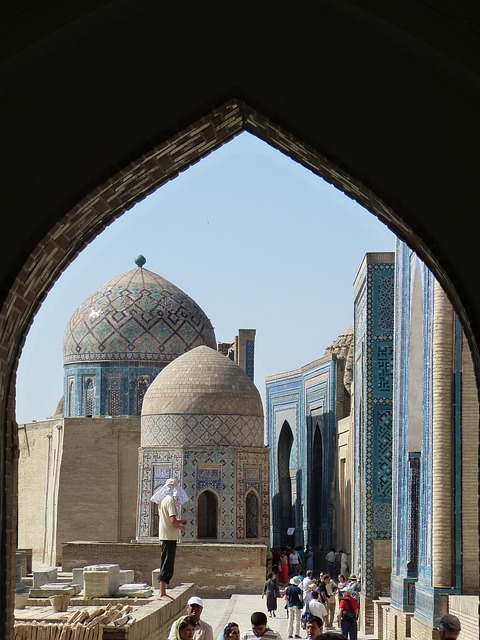
Samarkand With Kids, Hour by Hour
Samarkand’s monuments are gorgeous but static, and kids run out of patience for staring at tilework fast. The good news: this city has a genuine hands-on side that keeps children engaged for an entire day.
Konigil watermill village
This is the standout stop for families. Children watch a giant wooden waterwheel churn the Siab River, feed the resident ducks, and get their hands wet dipping...
read more
Beyond Rio: Multi-Day Escapes
Some parts of Rio state punish a rushed schedule and reward a slow one. Give these three at least two nights and they pay you back with beaches, forest and open water the city itself cannot match.
Ilha Grande: 2 to 3 days This 193-square-kilometre island off the Costa Verde has 106 beaches, a car-free interior, and the crumbling ruins of the old Cândido Mendes maximum-security penitentiary tucked...
read more
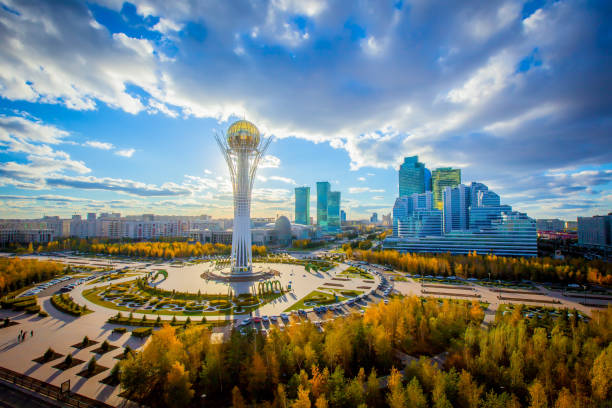
Kazakhstan With Kids: Full Day Plans
Kids in Kazakhstan get a genuinely good deal: a mountain hill with a toboggan run, a proper zoo, and an indoor beach in a city where winter hits minus 35°C. Split the day plan by city, since Almaty and Astana each deliver a completely different kind of fun.
Kok Tobe Hill, Almaty: start here The cable car up from behind Hotel Kazakhstan on Dostyk Avenue drops families straight into the good stuff:...
read more
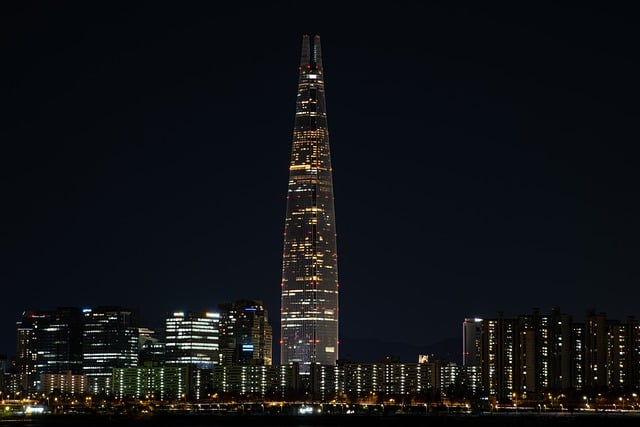
Seoul Theme Parks and Museums for Kids
A humid August afternoon or a sub-zero January morning doesn’t cancel a Seoul family day, because the city’s biggest theme park is entirely under a glass dome.
Lotte World Adventure, Rain or Snow Lotte World sits directly above Jamsil Station (Line 2 and 8, Exit 4), and its Adventure section is the world’s largest indoor theme park: Pharaoh’s Fury, the French Revolution...
read more
Your Epic 5-Day KL Adventure
Three days covers KL’s core well. Five days lets you add a proper overnight extension without rushing either half. Here’s a spine that actually works with the city’s transit rather than fighting it.
Day 1: modern icons and the high-altitude skyline Start with the timed ascent of the Petronas Twin Towers, the Skybridge on Level 41-42 plus the Observation Deck on Level 86 (book...
read more
Vegas With Kids Beyond the Casino
Vegas runs on a 21-and-over gaming floor, but there’s a genuinely good kid-friendly city built around it, you just have to know where to point the stroller. Nevada law keeps minors off casino floors except on marked pedestrian walkways to restaurants, theaters and elevators, so everything below is built for that rule, not around it.
Shark Reef Aquarium at Mandalay Bay A 1.3-million-gallon...
read more
Alicante Multi-Day Trips: Drive or Rail
Search for a multi-day tour departing Alicante and you will not find one: no operator runs a scheduled three-day or five-day coach circuit that starts here. That is worth saying plainly rather than dressing up, because Alicante’s actual role in the region is different and, for the right traveler, better suited to doing it yourself.
What Alicante is instead Alicante-Elche Airport (ALC) is one...
read more
Escape Buenos Aires: Delta to Uruguay
Buenos Aires sits on flat pampas at the edge of a giant river, which means every real day trip out of the city goes one of two ways: onto the water, or into the grassland. Here’s what each option actually involves.
Tigre and the Paraná Delta Take the electric Mitre Line train (Tigre branch) from Retiro station, it departs every 15 minutes, takes about 55 minutes, and costs roughly ARS 887 on...
read more
Kid-Friendly Panama City Stops
Panama City fits more family-friendly ground into a short radius than the highlands or islands can manage, which makes it the smart base for a trip with kids in tow. Every stop below is a real, working venue with posted admission, no guesswork required.
Biomuseo, right on the Causeway Frank Gehry’s only Latin American building is impossible to miss, a folded, brightly painted roofline over...
read more
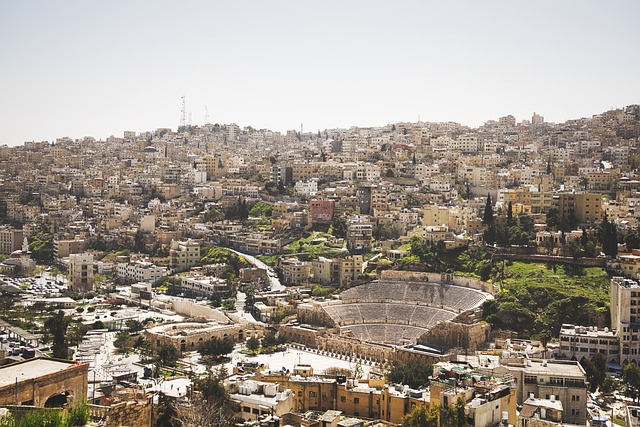
4 Day Trips Every Amman Visitor Should Take
Pack a bag for the morning, not for a night, and Amman opens up into four completely different worlds: a Roman city, a mosaic map two million tiles wide, a black basalt fort, and a sea you can’t sink in. None of these four need an overnight, which puts them a step ahead of Petra or Wadi Rum right away.
Jerash and Ajloun Castle, the northern loop Jerash, 48 km north and about 50 minutes by...
read more
Best New Zealand Day Trips to Take
Pick your base, then pick your day trip: New Zealand’s best short escapes cluster tightly around Auckland, Queenstown, Rotorua and Christchurch, and none of them require you to relocate your whole trip to reach.
Based in Auckland Waiheke Island is the easy win: a 40-minute Fullers360 ferry from the downtown terminal gets you to vineyards, olive groves and beaches, with an adult return fare...
read more
Family Fun Across Los Angeles
Family Friendly Activities in Los Angeles
Exposition Park alone can fill a full day with kids and it won’t cost you a dime to get in the door, before you’ve even touched a theme park ticket. Stack that with a Long Beach aquarium and a marionette theater that still hands out free ice cream, and LA’s family lineup holds up against anywhere in the country.
Exposition Park: two free...
read more
Multi-Day Brussels by Train
Forget renting a car for a multi-day Brussels trip. This is the one European capital where staying put and radiating outward on the train actually beats packing up your bags every night.
Why base and not roam Brussels-Central and Brussels-Midi run direct intercity trains every 15-20 minutes to the country’s best day-trip cities, so a 3-4 day stay works as a hub-and-spoke rail loop rather...
read more
San Francisco Fun for the Whole Family
Kids burn through San Francisco fast, and the good news is the city is built for it: short distances between big payoffs, plenty of free stuff to bail out to when the budget’s tapped, and almost nothing here that needs advance planning beyond picking your day.
Start at the Exploratorium on Pier 15 , which is still the gold standard for hands-on science: over 650 exhibits covering light,...
read more
Best Day Trips From Jerusalem
Travel advisory: the security picture in Israel and the West Bank can shift with little warning, and governments phrase their advice differently. Check your own government’s current advisory, such as the US State Department or UK FCDO , before booking, and note advice differs by area, including the West Bank and anywhere near Gaza.
Jerusalem sits close enough to five genuinely different...
read more
Best Day Trips From Medina
Five destinations are genuinely within day-trip range of Medina, and none of them are a quick morning hop, so the first job here is getting the distances right before anything else.
Al-Ula and Hegra This is the marquee trip, and also the most misjudged one online. Al-Ula sits about 330 km north via Highway 375, a good 3.5 to 4 hours each way, which makes it a full 12- to 14-hour day starting...
read more
Best Day Trips from Sofia, Priced
Sofia sits closer to genuinely great side trips than almost any other European capital. A UNESCO monastery, a 8,000-year-old city, and a glacial lake circuit are all reachable and back before dinner, if you plan the transport right.
Rila Monastery, 120 km south Bulgaria’s biggest pilgrimage site takes about 2 to 2.5 hours by road, so this is not a quick suburb hop, budget the full day. The...
read more
Beyond Kathmandu, There and Back
Here’s the honest math first: the valley rim gives you ancient Newar villages, hillside shrines and pine ridges within a one to two hour drive, and every one of them is genuinely doable there and back before dinner. Pokhara and Chitwan don’t belong on this list, full stop; both take 7 to 10 hours or more by road (longer once the monsoon starts washing out the highway) or a 25-minute...
read more
Birds, Sharks and Slides in KL
Kuala Lumpur is a genuinely great city to bring kids to, mostly because so much of the best stuff is indoors and air-conditioned, which matters a lot more than it sounds once the afternoon downpours start rolling in around 15:30. Here’s how to fill a family day without melting anyone down.
KL Bird Park: 3,000 birds, no cages One of the world’s largest free-flight walk-in aviaries ,...
read more
Copenhagen Day Trips That Deliver
Copenhagen’s regional rail network is fast enough that you can chase a UNESCO cliff, a Renaissance castle, or a Viking shipyard before dinner and still make it back for a beer in Vesterbro. Here’s where the trains actually earn their fare.
Roskilde: five real Viking ships The DSB regional train from København H reaches Roskilde in 20 to 25 minutes, departures every 10 to 15 minutes....
read more
Fit Indonesia Into One Big Day
Indonesia is islands, not a road network, so a day trip only works when it starts from a real hub and stays honest about drive times. Here is what genuinely fits into a single day from four of them, and what does not.
Out of Yogyakarta: two temples, one car Borobudur sits 42 km northwest of the city, about an hour and 15 minutes by road; Prambanan is 50 km east, roughly an hour and a half.
read more
How Far You Can Go From Warsaw
The trick with Warsaw day trips is sticking to what a train can actually deliver you back from before dinner. Here’s what fits inside that window, and what doesn’t.
Żelazowa Wola, 54 km west Fryderyk Chopin’s birthplace sits inside a 7-hectare botanical park, and from May through September you can catch live piano recitals on the grounds Saturdays and Sundays at 12:00 and 15:00....
read more