Recent Traveler Mania
3 Days in Moldova: First-Timer Plan
Heads up: some links here are affiliate links. Book or buy through them and we may earn a small commission at no extra cost to you. We only point you to things we would actually use.
Three days is the honest core of a Moldova trip done properly: a full day in Chișinău, a full day pairing Orheiul Vechi with Cricova, and a slower third day at a second wine cellar.
read more
4 Days in Moldova: First-Timer Plan
Heads up: some links here are affiliate links. Book or buy through them and we may earn a small commission at no extra cost to you. We only point you to things we would actually use.
Four days is Moldova’s honest core plus one genuinely new region: Chișinău, Orheiul Vechi paired with Cricova, a slower morning at Mileștii Mici, then a full day in Transnistria. Shorter trips (the 2-day and...
read more
5 Days in Moldova: First-Timer Plan
Heads up: some links here are affiliate links. Book or buy through them and we may earn a small commission at no extra cost to you. We only point you to things we would actually use.
Five days is Moldova’s core plus two genuinely new regions: Chișinău and both wine cellars, then a full day in Transnistria and a full day at Soroca Fortress in the north. This nests the 2-day , 3-day , and...
read more
6 Days in Moldova: First-Timer Plan
Heads up: some links here are affiliate links. Book or buy through them and we may earn a small commission at no extra cost to you. We only point you to things we would actually use.
Six days is where Moldova goes genuinely wide: Chișinău and the wine core, then Transnistria, Soroca, Gagauzia, and Purcari, four real regions with nothing repeated. It nests the 4-day and 5-day plans and adds two...
read more
7 Days in Moldova: First-Timer Plan
Heads up: some links here are affiliate links. Book or buy through them and we may earn a small commission at no extra cost to you. We only point you to things we would actually use.
A full week in Moldova goes both wide and slow: Chișinău, a rural overnight near Orheiul Vechi, then dedicated days for Transnistria, Soroca, Gagauzia, and Purcari, five distinct regions with no repeated wine cellar....
read more
Where to Stay in Auckland, NZ: 6 Areas
Heads up: some links here are affiliate links. Book or buy through them and we may earn a small commission at no extra cost to you. We only point you to things we would actually use.
If Auckland is your base for a wider New Zealand trip, pick where you sleep around your day trips, not just the nearest café strip. Rental-car pickup, motorway access, and the ferry terminal matter more than they do...
read more
10 Best Places to Eat in Auckland, NZ
Heads up: some links here are affiliate links. Book or buy through them and we may earn a small commission at no extra cost to you. We only point you to things we would actually use.
New Zealand’s first-ever Michelin Guide landed on 30 June 2026, and three of its five Auckland One-Stars sit in the CBD while two more are a ferry ride away on Waiheke Island, which is the whole point of eating...
read more
11 Best Things to Do in Auckland, NZ
Heads up: some links here are affiliate links. Book or buy through them and we may earn a small commission at no extra cost to you. We only point you to things we would actually use.
Auckland’s central sights fill about two days. The real reason to give it more time is what’s within reach of it: Hobbiton, Waitomo, Rotorua, and Coromandel are all doable as day trips, and three Hauraki...
read more

10 Auckland Travel Tips
Heads up: some links here are affiliate links. Book or buy through them and we may earn a small commission at no extra cost to you. We only point you to things we would actually use.
Most Auckland surprises for first-timers are practical, not cultural: which side of the road you’re on, which ferry needs a separate booking, and why the train station has a different name on your map app than...
read more
Auckland Festivals and Events 2026
Heads up: some links here are affiliate links. Book or buy through them and we may earn a small commission at no extra cost to you. We only point you to things we would actually use.
Remember the seasons are flipped here: Auckland’s summer runs December through February, so the city’s biggest events cluster into what feels like the wrong time of year if you’re used to a Northern...
read more
8 Best Day Trips from Auckland
Heads up: some links here are affiliate links. Book or buy through them and we may earn a small commission at no extra cost to you. We only point you to things we would actually use.
For a first Auckland trip, the best day trips are the ones that don’t eat your whole visit getting there: a ferry to a Hauraki Gulf island, or a short drive to the West Coast.
read more
6 Best Hikes Near Auckland
Heads up: some links here are affiliate links. Book or buy through them and we may earn a small commission at no extra cost to you. We only point you to things we would actually use.
Auckland’s hiking is short and volcanic rather than long and remote, most of the walks below are under two hours and several need nothing more than a bus ticket. The one exception, a full crossing of the isthmus...
read more
8 Nature Spots Near Auckland
Heads up: some links here are affiliate links. Book or buy through them and we may earn a small commission at no extra cost to you. We only point you to things we would actually use.
Auckland sits between two harbours on a field of dormant volcanoes, so nature here ranges from a free city park to a genuine marine reserve, most of it within an hour of the CBD. Eight spots below run from a lunchtime...
read more
8 Best Photo Spots in Auckland
Heads up: some links here are affiliate links. Book or buy through them and we may earn a small commission at no extra cost to you. We only point you to things we would actually use.
Auckland’s best shots come from its 53 dormant volcanoes and its harbour, not from any single landmark, so the strongest photo day mixes a free summit walk with a ferry crossing. Eight spots below cover the...
read more
8 Hidden Gems in Auckland
Heads up: some links here are affiliate links. Book or buy through them and we may earn a small commission at no extra cost to you. We only point you to things we would actually use.
Sky Tower and Waiheke are the headline acts, but a first-timer with a spare afternoon can still find eight genuinely quiet corners of Auckland, all free or close to it, without straying far off the standard route.
read more
Where to Stay in Auckland: 7 Areas
Heads up: some links here are affiliate links. Book or buy through them and we may earn a small commission at no extra cost to you. We only point you to things we would actually use.
For a first Auckland trip, the CBD is the safe default: walkable to Sky Tower, Waitematā Station, and the ferry terminal, with everything else a short bus or ferry ride away. Seven areas below cover the trade-offs,...
read more
10 Best Places to Eat in Auckland
Heads up: some links here are affiliate links. Book or buy through them and we may earn a small commission at no extra cost to you. We only point you to things we would actually use.
Auckland earned its first-ever Michelin stars in 2026, but the everyday food scene that actually feeds first-timers runs on markets and neighbourhood strips: Dominion Road’s dumpling houses, Ōtara’s...
read more
10 Best Things to Do in Auckland
Heads up: some links here are affiliate links. Book or buy through them and we may earn a small commission at no extra cost to you. We only point you to things we would actually use.
First time in Tāmaki Makaurau? Start with the Sky Tower for orientation, then spend the rest of your visit doing what Auckland actually does best: volcanic cones with free 360-degree views, a harbourside precinct...
read more
4 Days in Brighton: First-Timer Itinerary
Heads up: some links here are affiliate links. Book or buy through them and we may earn a small commission at no extra cost to you. We only point you to things we would actually use.
Four days gives Brighton’s core two full days, then room for two easy day trips: Days 1-2 walk the Pier, Lanes, North Laine, Royal Pavilion, i360 and Hove, Day 3 trains to Lewes, Day 4 buses up to Devil’s...
read more
3 Days in Brighton: First-Timer Itinerary
Heads up: some links here are affiliate links. Book or buy through them and we may earn a small commission at no extra cost to you. We only point you to things we would actually use.
Three days is Brighton’s core spine plus one easy add-on: Day 1 covers the Pier, the Lanes, North Laine and the Royal Pavilion, Day 2 adds the i360 and Hove, Day 3 is a 20-minute train out to Lewes.
read more
2 Days in Brighton: First-Timer Itinerary
Heads up: some links here are affiliate links. Book or buy through them and we may earn a small commission at no extra cost to you. We only point you to things we would actually use.
Two days is the honest minimum for Brighton, and it works: Day 1 walks the Pier, the Lanes, North Laine and the Royal Pavilion, Day 2 adds the i360 and Hove seafront. Want a day trip built in too?
read more
5 Best Hikes Near Brighton
Heads up: some links here are affiliate links. Book or buy through them and we may earn a small commission at no extra cost to you. We only point you to things we would actually use.
The South Downs Way clips Brighton’s northern edge, so a proper chalk-downland hike is a bus ride away, not a day trip requiring a car. Five routes below cover everything from a flat afternoon stroll to a full...
read more
7 Nature Spots Near Brighton
Heads up: some links here are affiliate links. Book or buy through them and we may earn a small commission at no extra cost to you. We only point you to things we would actually use.
Brighton sits right against the South Downs National Park, so you don’t need to leave the city limits to get proper green space, an ancient hillfort or a genuine wildlife spectacle. Seven spots below cover...
read more
8 Best Photo Spots in Brighton
Heads up: some links here are affiliate links. Book or buy through them and we may earn a small commission at no extra cost to you. We only point you to things we would actually use.
Brighton’s best photo isn’t a single landmark, it’s the two piers together: Brighton Palace Pier lit up at dusk with the burned-out West Pier skeleton silhouetted beside it. That shot alone is worth...
read more
9 Hidden Gems in Brighton
Heads up: some links here are affiliate links. Book or buy through them and we may earn a small commission at no extra cost to you. We only point you to things we would actually use.
You’ll do the Pier, the Lanes and the Royal Pavilion on your first day in Brighton, and you should. But nine more stops sit close enough to that same walking route that skipping them is the real mistake.
read more
7 Days in Kyrgyzstan: First-Timer Plan
Heads up: some links here are affiliate links. Book or buy through them and we may earn a small commission at no extra cost to you. We only point you to things we would actually use.
Seven days is the unhurried version of the 6-day loop, with room for a Bishkek nature day at the start and a second Song-Köl night for an actual horse trek instead of a rushed overnight.
read more
6 Days in Lesotho: First-Timer Plan
Heads up: some links here are affiliate links. Book or buy through them and we may earn a small commission at no extra cost to you. We only point you to things we would actually use.
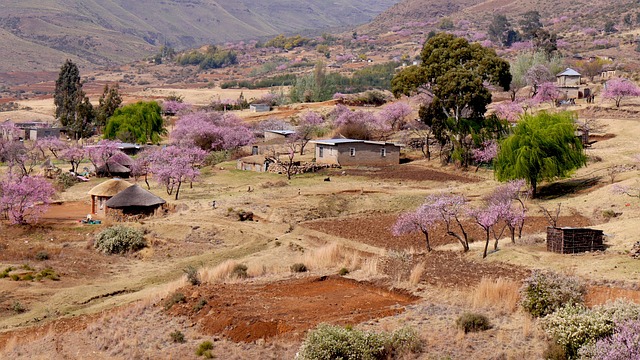
Six days is where Lesotho stops being just a south-of-Maseru trip. This plan keeps the 5 day itinerary’s Mohale, Semonkong, and Malealea route, then adds a sixth day heading north to Ts’ehlanyane National...
read more
6 Days in Kyrgyzstan: First-Timer Plan
Heads up: some links here are affiliate links. Book or buy through them and we may earn a small commission at no extra cost to you. We only point you to things we would actually use.
Six days is the full north-and-central loop: a Bishkek-area ruin, the lake, Karakol, a Song-Köl yurt night, and a push on to the Silk Road caravanserai at Tash Rabat. It doesn’t reach Osh, that’s a...
read more
5 Days in Lesotho: First-Timer Plan
Heads up: some links here are affiliate links. Book or buy through them and we may earn a small commission at no extra cost to you. We only point you to things we would actually use.
Five days adds a genuine highlands day trip, the Mohale Dam, to the Semonkong-and-Malealea loop that anchors the 4 day itinerary . Mohale is an easy insert because it sits on a surfaced road and is doable in a single...
read more
5 Days in Kyrgyzstan: First-Timer Plan
Heads up: some links here are affiliate links. Book or buy through them and we may earn a small commission at no extra cost to you. We only point you to things we would actually use.
Five days takes the 4-day lake-and-Karakol route and adds the one experience that makes Kyrgyzstan Kyrgyzstan: a night in a Song-Köl yurt camp. That only works from mid-June to September, outside that window fall back...
read more
4 Days in Lesotho: First-Timer Plan
Heads up: some links here are affiliate links. Book or buy through them and we may earn a small commission at no extra cost to you. We only point you to things we would actually use.
Four days is the sweet spot for pairing Lesotho’s two signature highland experiences: the Maletsunyane Falls abseil at Semonkong and pony trekking at Malealea. They sit on opposite sides of Maseru with no direct...
read more
4 Days in Kyrgyzstan: First-Timer Plan
Heads up: some links here are affiliate links. Book or buy through them and we may earn a small commission at no extra cost to you. We only point you to things we would actually use.
Four days is the realistic minimum to see Issyk-Kul and the mountains behind it, not just Bishkek. The 2-day plan sticks to the capital and Ala-Archa; the 5 , 6 , and 7-day plans add a Song-Köl yurt night once you...
read more
3 Days in Lesotho: First-Timer Plan
Heads up: some links here are affiliate links. Book or buy through them and we may earn a small commission at no extra cost to you. We only point you to things we would actually use.
Three days gets you out of Maseru and into the real reason people come to Lesotho: the highlands. This plan keeps Day 1 in the capital and around Thaba Bosiu, then commits Days 2 and 3 to Semonkong, home of the...
read more
2 Days in Lesotho: First-Timer Plan
Heads up: some links here are affiliate links. Book or buy through them and we may earn a small commission at no extra cost to you. We only point you to things we would actually use.
Two days is enough for a genuine first taste of Lesotho, the Mountain Kingdom that sits entirely above 1,400m, wrapped inside South Africa on every side. This short plan sticks to the lowlands within an hour of...
read more
2 Days in Kyrgyzstan: First-Timer Plan
Heads up: some links here are affiliate links. Book or buy through them and we may earn a small commission at no extra cost to you. We only point you to things we would actually use.
Two days is enough for Bishkek itself plus one nearby day trip, not the high mountains or Issyk-Kul, those need more road time than a 48-hour trip allows. The 4-day plan adds the lake and Karakol; the 5 , 6 , and...
read more

2 Days in Anchorage: First-Timer
Two days in Anchorage means the city core on Day 1 and exactly one real day trip on Day 2, not a crammed weekend of glaciers. Anchorage is Alaska’s largest city and its main air, rail and road gateway, not a scenic destination in its own right, and the in-city sights genuinely run out after a day or two. Day 1 covers the Coastal Trail, the Anchorage Museum, the Alaska Native Heritage Center...
read more
2 Days in Astana: The First-Timer Plan
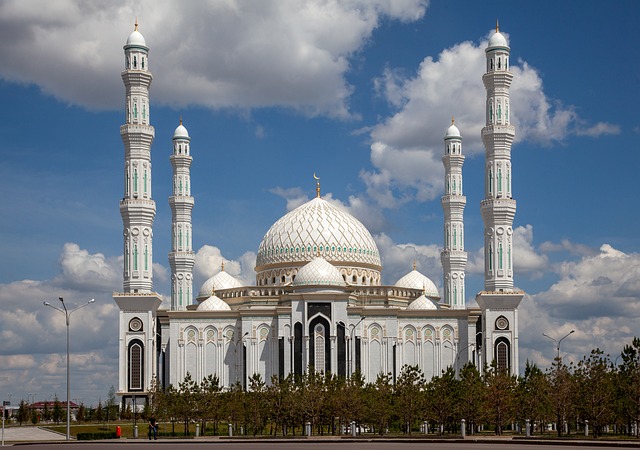
Two days is a genuinely great amount of time for Astana’s city core, and this route proves it: Day 1 works the Nurzhol Boulevard showcase, Bayterek, Khan Shatyr and the presidential quarter, then follows the Ishim River. Day 2 goes for the mosque, the EXPO sphere and the two big museums. Got more time or want a day trip into the steppe? The 3-day , 4-day , 5-day , 6-day and 7-day versions...
read more
2 Days in Bali: Like a Local
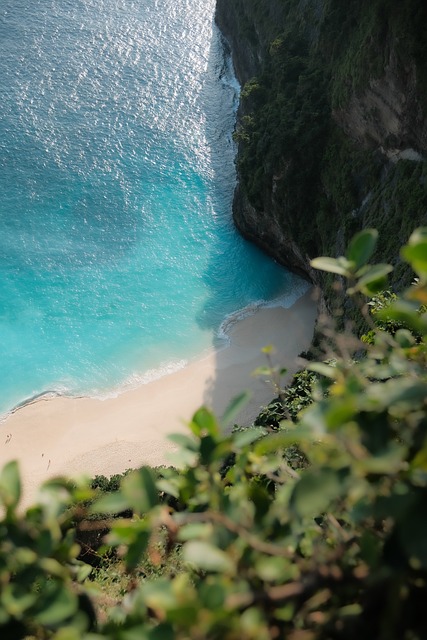
Two days in Bali is enough for one base done properly, not a tour of the island. Bali is a province and island of Indonesia, not a country of its own, and trying to fit the south, Ubud and Nusa Penida into 48 hours just means traffic. This plan roots Day 1 in Ubud and uses Day 2 for Uluwatu Temple on the way toward the airport, since Uluwatu sits close to Ngurah Rai and a there-and-back drive from...
read more
2 Days in Bonifacio: First-Timer
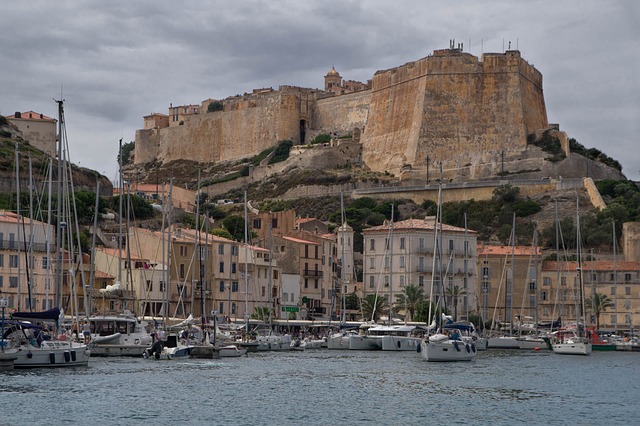
Two days in Bonifacio covers the old town properly and adds the one boat trip that’s worth the whole detour, not a full week away. This is the small clifftop citadel town at the southern tip of Corsica, France, not Bonifacio Global City in Manila. Day 1 stays inside the Haute Ville: the ramparts, the 189-step Escalier du Roi d’Aragon, the Bastion de l’Etendard. Day 2 heads out on...
read more
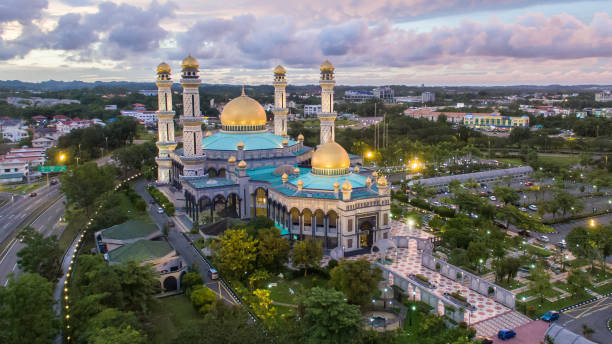
2 Days in Brunei: First-Timer
Two days is genuinely enough to see the real Brunei, and that’s the honest verdict up front: Bandar Seri Begawan’s two great mosques, the stilt village of Kampong Ayer, and a proboscis-monkey river cruise cover this small, oil-rich Islamic sultanate’s actual core. Brunei sits on the north coast of Borneo, not inside Malaysia, an absolute monarchy under Sultan Hassanal Bolkiah...
read more

2 Days in Burkina Faso: The First-Timer Plan
Burkina Faso carries the US State Department’s Level 4, Do Not Travel rating, the highest tier that exists, dated 4 May 2026 and citing crime, kidnapping, terrorism and health. The UK’s FCDO advises against all travel to the entire country, with no safe region carved out, not even the capital. So the honest answer to “should I spend 2 days in Burkina Faso” is no, not as a...
read more
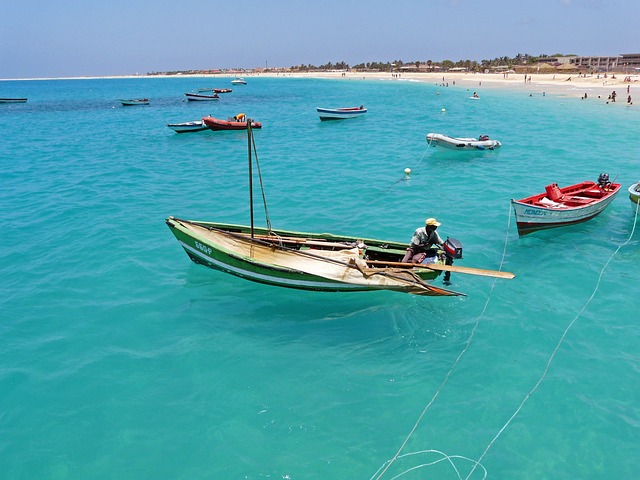
2 Days in Cape Verde: The First-Timer Plan
Cape Verde is ten volcanic islands scattered off West Africa, not one landmass, so a real 2-day trip means picking exactly one and going all-in on it. This plan stays on Sal: Santa Maria’s beach, the Pedra de Lume salt pans, and a catamaran day, no inter-island flight needed. Bring euros (the escudo runs at a fixed peg of roughly 110 to 1) and budget about EUR 31 for the mandatory EASE entry...
read more

2 Days in Curitiba: The First-Timer Plan
Two days in Curitiba flips the usual Brazil script: no flip-flops, no beach bag, just a jacket and a bus pass. This is Paraná’s capital, sitting almost 900 meters up on a cool, four-season plateau hours from the nearest coastline, and it built its whole identity on parks, one eye-shaped art museum, and a bus system roughly 200 other cities have since copied. Two full days is genuinely enough...
read more
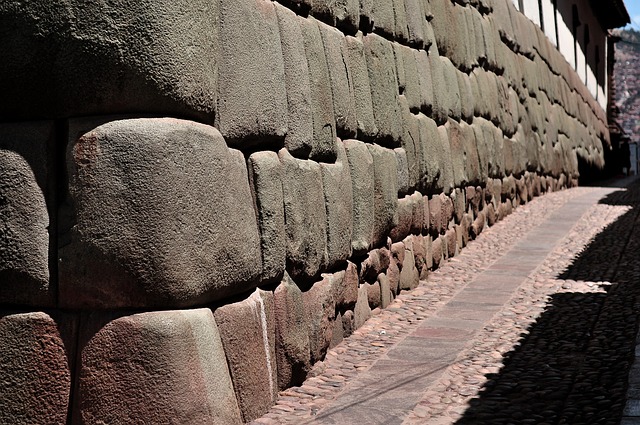
2 Days in Cuzco: The First-Timer Itinerary
Two days in Cuzco means Day 1 in the city, Sacsayhuaman included, and Day 2 looping the Sacred Valley through Pisac and Ollantaytambo. It does not stretch to Machu Picchu, that genuinely needs a third day. Our 3-day and 7-day itineraries build on this same route.
That trade-off is deliberate, not a compromise forced by a tight schedule. Cuzco sits at roughly 3,400m, and soroche, altitude sickness,...
read more
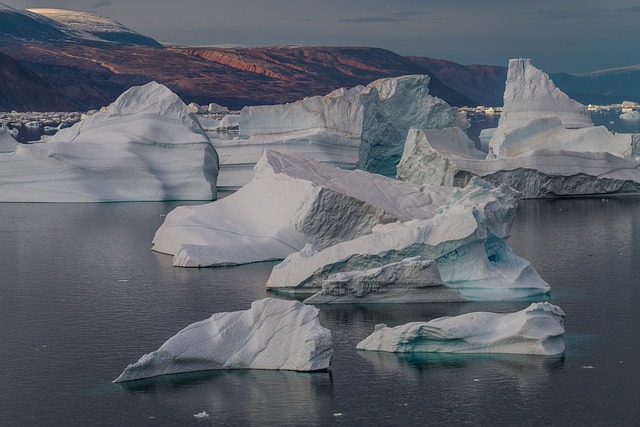
2 Days in Greenland: First-Timer
Two days in Greenland is not a tour of the country, it is a sprint at one target: the Ilulissat Icefjord, and it is worth the sprint. This plan sticks to a single hub, Ilulissat and Disko Bay, rather than trying to bolt on Nuuk too, because Greenland has no roads between towns, everything runs on planes and boats, and Arctic weather delays flights for real reasons, not rare ones. Go in knowing...
read more
2 Days in Hungary: The First-Timer Plan
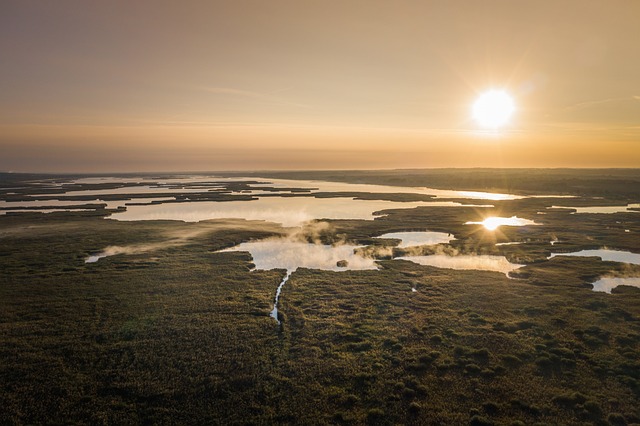
Two days in Hungary is really two days in Budapest, and that is genuinely enough to fall for the city hard: Parliament, a thermal bath, Buda Castle, all without a single rushed transfer. The forint (HUF) runs every price here, not the euro, and Gellert Baths is closed for renovation, so Szechenyi or Rudas gets your ticket instead. Want Eger’s wine cellars or Lake Balaton too? Build them into...
read more
2 Days in Jodhpur: The First-Timer Plan
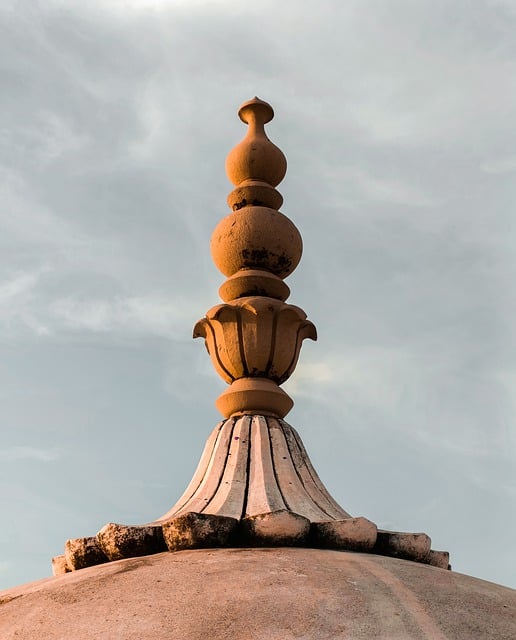
Two days is genuinely enough time to do Jodhpur right: climb into Mehrangarh Fort while it’s still cool out, catch it lit gold at sunset, then spend day two loose in the Blue City chasing the stepwell, the market, and the one wing of Umaid Bhawan you’re actually allowed inside. That’s the whole plan, no filler day trip crammed in where it doesn’t fit. Want more? The 3-day ,...
read more
2 Days in Krabi: The First-Timer Itinerary
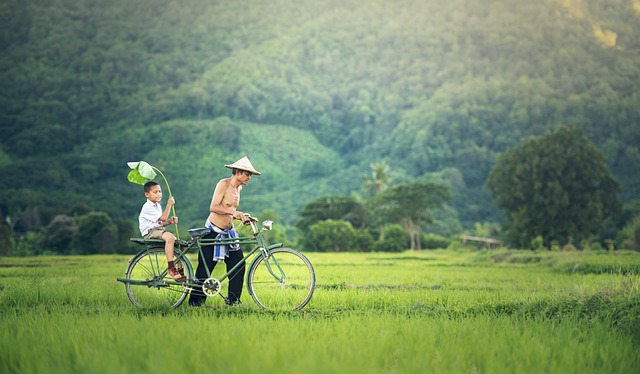
Two days in Krabi is enough for exactly two things done right: a longtail crossing to Railay and one island boat trip, not the whole province crammed into a weekend. Krabi isn’t a single beach, it’s a province on Thailand’s Andaman coast, so this route bases you in Ao Nang, the main tourist strip, and builds outward from there by boat. Got more time? This same spine stretches...
read more
2 Days in Kyiv: For a Future Visit
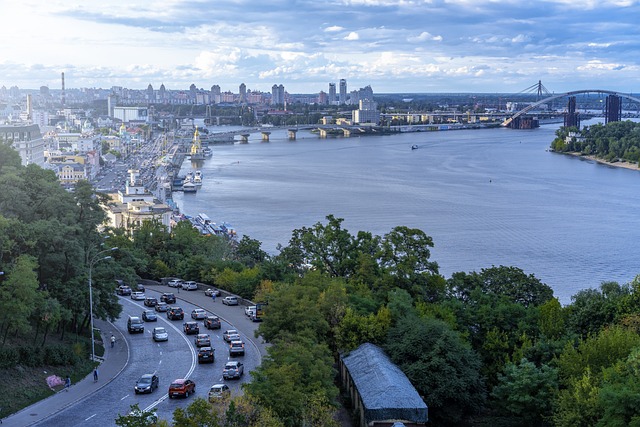
Russia’s full-scale invasion of Ukraine began on 24 February 2022 and is still ongoing. The UK Foreign, Commonwealth & Development Office advises against all travel to Kyiv, a position that matches the US State Department’s own highest-tier “Do Not Travel” guidance for the country. Kyiv sits under martial law with a nightly curfew, air-raid alerts are a routine...
read more

2 Days in Mont-Saint-Michel, France
Mont-Saint-Michel, France, is not a place you drive up to, and it does not work well as a rushed Paris day trip either. Cars stop at a paid mainland car park about 2.5km out; the only way onto the mount from there is the free Le Passeur shuttle or a 35-45 minute walk. Base yourself at La Caserne, in Pontorson, or in Rennes for these two days instead of squeezing the mount into one long single day:...
read more