Recent Traveler Mania
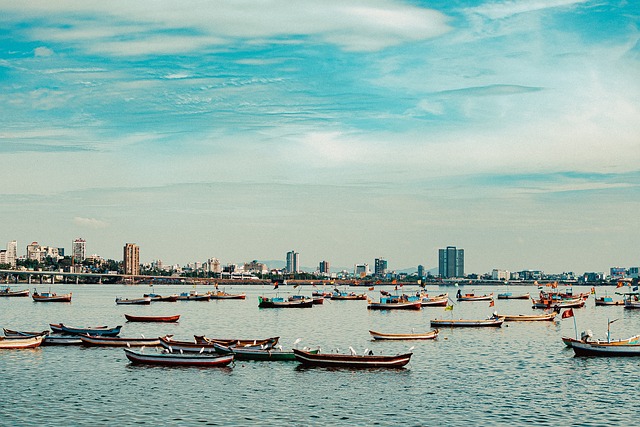
2 Days in Mumbai: Like a Local
Two days is enough to do Mumbai the way a local does it: ride the trains instead of a taxi for everything, eat where Mumbaikars actually eat, and build the Elephanta crossing around the ferry schedule instead of just showing up. Day 1 works the Fort and Kala Ghoda on foot, Day 2 runs the harbour crossing and a real neighbourhood evening. Staying longer? The 3-day , 4-day , 5-day , 6-day and 7-day...
read more
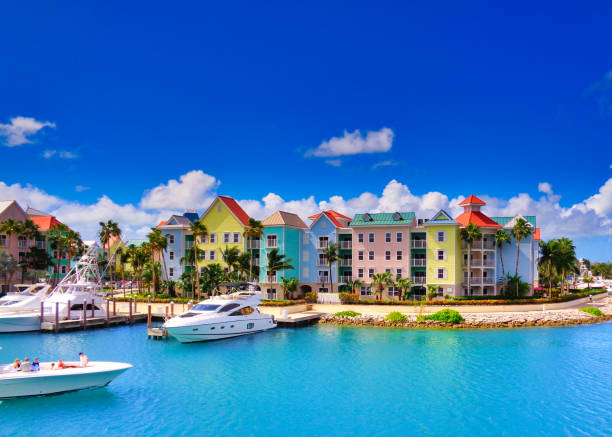
2 Days in Nassau: First-Timer
Two days is exactly enough for downtown Nassau, and that is not a knock on the city, it is the honest shape of a cruise-port capital where Prince George Wharf can dock six ships at once. Day 1 hits the Queen’s Staircase, the forts and Bay Street before the crowds peak. Day 2 crosses the bridge to Paradise Island for a real beach day. Staying longer? The 3-day , 4-day , 5-day , 6-day and...
read more
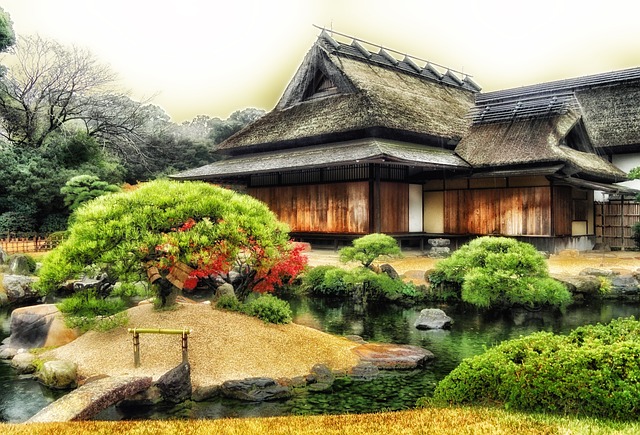
2 Days in Okayama: First-Timer
Here is the honest shape of a first Okayama trip: the city itself is a genuinely great one-day stop, so Day 1 is Korakuen Garden and the newly reopened castle, and Day 2 rides the local train out to Kurashiki instead of trying to stretch the city into something it isn’t. Building a longer trip? Jump straight to the 3-day , 4-day , 5-day , 6-day , or 7-day version, or start with the full...
read more
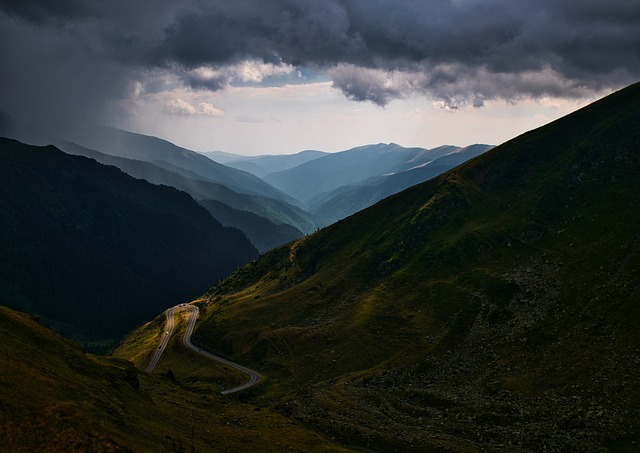
2 Days in Romania: First-Timer
Two days in Romania is a Bucharest trip, not a country trip, and the honest version of this itinerary says so upfront. Romania is a big, regionally varied country, Transylvania’s castles, the Carpathians, Bukovina’s painted monasteries, the Danube Delta, and trying to squeeze any of that into a 48 hour Bucharest stopover wrecks both halves of the trip. Stay in the capital, hit the...
read more
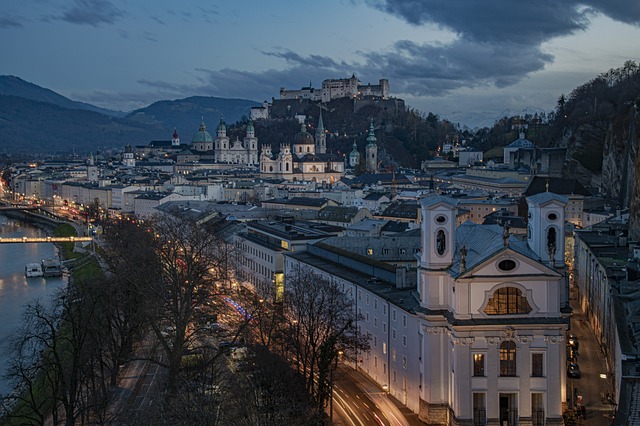
2 Days in Salzburg: First-Timer
Two days in Salzburg gets you every essential without padding: Mozart’s birthplace on Getreidegasse, Hohensalzburg Fortress watching over the whole Altstadt, and that Altstadt itself, a baroque old town UNESCO-listed in 1996 for exactly the reason you’re photographing it. Throw in The Sound of Music (a genuine pilgrimage for plenty of visitors, a shrug for a lot of locals) and...
read more
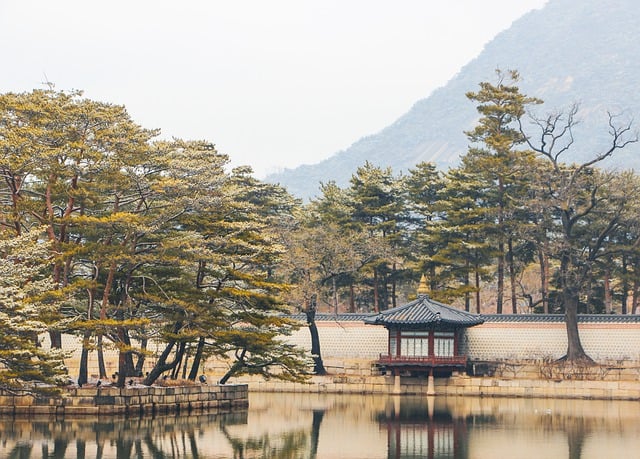
2 Days in Seoul: The First-Timer Itinerary
Two days in Seoul is exactly enough time to fall for the city’s split personality: centuries-old royal palaces one block, glowing skyscrapers the next. This plan keeps you in the historic north on day one (Gyeongbokgung Palace in a rented hanbok, then Bukchon Hanok Village), then sends you into Myeongdong’s shopping chaos and an N Seoul Tower sunset on day two. South Korea’s...
read more
2 Days in South Korea: Seoul and Beyond
Two days is enough to get a real taste of Seoul and then leave the city entirely for the day trip that makes South Korea worth the extra plane ticket: the DMZ. Day 1 sprints through Gyeongbokgung, Bukchon and Myeongdong. Day 2 heads north to the Third Tunnel, Dora Observatory and Imjingak Park, the reliable and bookable slice of the world’s most-watched border. Want more of the country...
read more
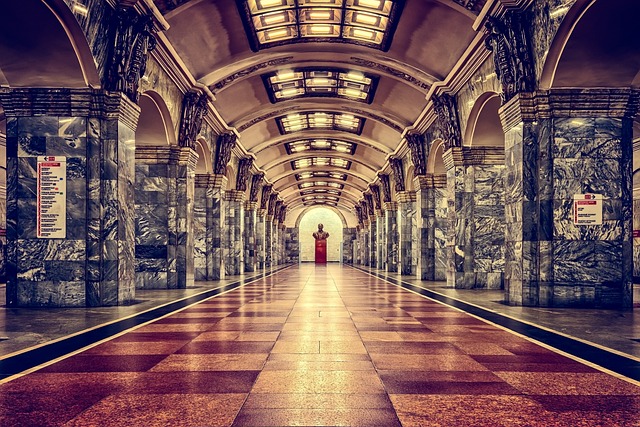
2 Days in St Petersburg, Russia
Can you actually pull off a 2-day trip to St Petersburg, Russia right now? That’s the real question, and it’s worth answering honestly before the Hermitage or the Church on Spilled Blood gets anyone excited about anything. Russia sits at the US State Department’s Level 4, Do Not Travel, tier, reissued 2 January 2026, the same rating given to active war zones, and the UK’s...
read more
2 Days in St Petersburg: First-Timer Plan
Two days in St Petersburg looks like the best-value city break on this whole site: the Hermitage and the entire historic core, done tight, in 48 hours. On paper, incredible. Here is the honest version. Russia sits at the US State Department’s Level 4, Do Not Travel, the same tier given to active war zones, reissued 2 January 2026, and the UK’s Foreign Office advises against all travel...
read more
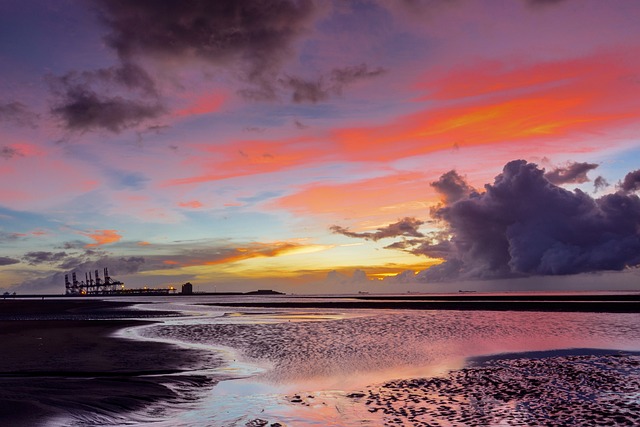
2 Days in Taiwan: The First-Timer Plan
Two days in Taiwan means one city, and that city is Taipei, the capital, and it delivers: Taipei 101, a real night market crawl, hot springs, and one of Asia’s great food scenes, all inside 48 hours. Budget in New Taiwan Dollars (TWD, NT$), not the Chinese yuan; Taiwan runs its own currency and its own entry rules. Visa-free entry covers about 90 days for most Western passport holders, but...
read more
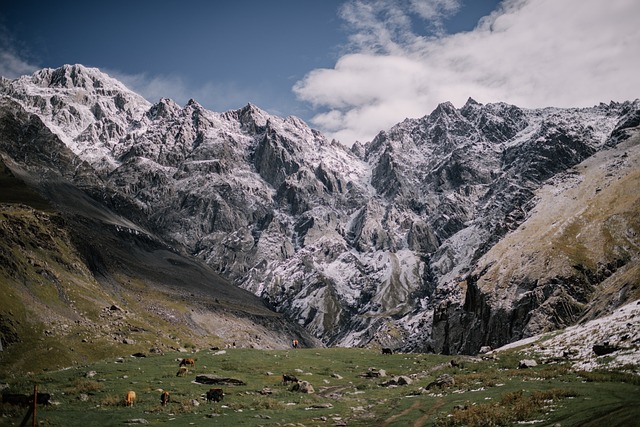
2 Days in Tbilisi: First-Timer
Tbilisi is the capital of Georgia, the country in the South Caucasus, not the US state of the same name, and that mix-up happens often enough to clear up before anything else. Two days is a genuine, complete way to see it: the Old Town’s sulfur baths, a hilltop fortress reached by cable car, a glass footbridge over the Mtkvari, and enough khachapuri and qvevri wine to understand why locals...
read more
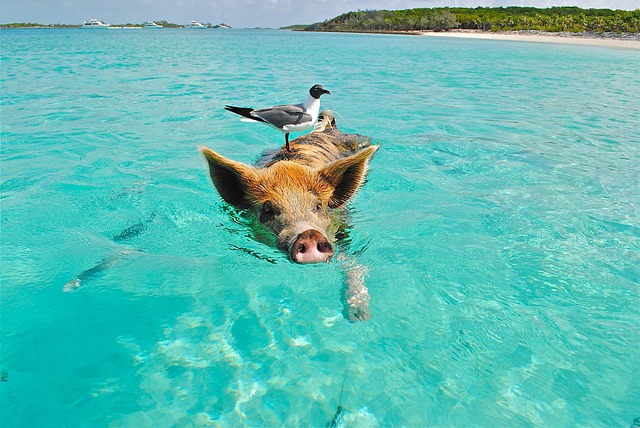
2 Days in the Bahamas: First-Timer Guide
Two days in the Bahamas is short, so make it count: Day 1 goes all-in on Paradise Island’s mega-resort energy, Day 2 works Nassau on foot plus a beach or boat trip. Want more? The 3-day , 4-day , 5-day , 6-day and 7-day versions all add a real Out Island.
Book these before you go:
Atlantis Aquaventure day pass : dynamic pricing, book the date you actually want before it climbs A Nassau boat...
read more

2 Days in the Central African Republic
The Central African Republic is not a normal two-day trip, and this itinerary will not pretend otherwise. The US State Department rates the country Level 4, Do Not Travel, its highest advisory tier, citing unrest, crime, kidnapping, landmines and terrorism. The UK’s FCDO advises against all travel to the whole country except Bangui, and against all but essential travel to Bangui itself,...
read more
2 Days in the UK: A First-Timer Plan
Two days is not enough to see the United Kingdom, a country of four nations with London as its capital, but it is exactly enough to hit London hard and come home converted. This plan puts both days into the capital: Westminster and Buckingham Palace on day one, the Tower of London on day one’s afternoon, then free world-class museums, the South Bank and a West End show on day two.
read more
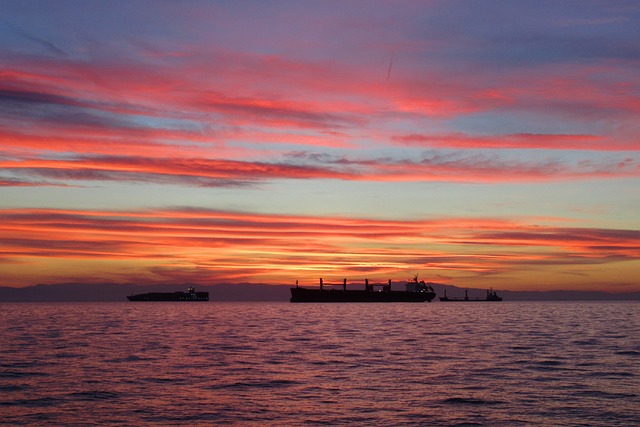
2 Days in Thessaloniki: First-Timer
Two days in Thessaloniki is enough to hit every landmark that actually matters, and that’s the point: this is Greece’s second city, a real working port town, not a warm-up act for Athens. Day 1 works the waterfront and the Roman-era core around Aristotelous Square; Day 2 climbs into Ano Poli for the Byzantine walls and Hagios Demetrios, then finishes in the markets. Want more? The...
read more
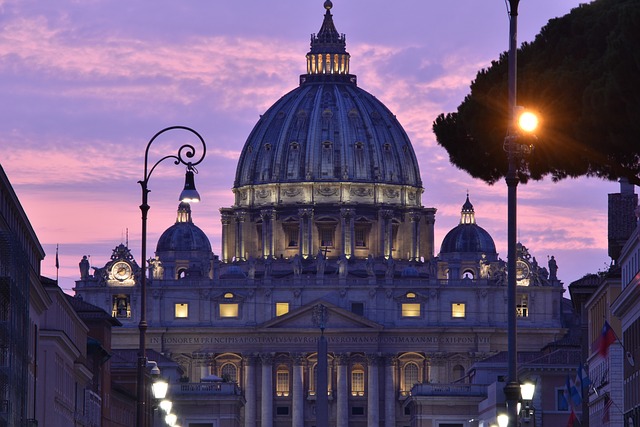
2 Days in Vatican City: First-Timer
Two days is the right size for Vatican City, because the whole country is a half-day-to-one-day site: Day 1 does St Peter’s, the dome, and a booked Vatican Museums and Sistine Chapel slot, then Day 2 hands off to Rome. Going longer? The 3-day , 4-day , 5-day , 6-day and 7-day versions all add more of Rome around this same Vatican core.
Book these before you go:
A skip-the-line Vatican...
read more
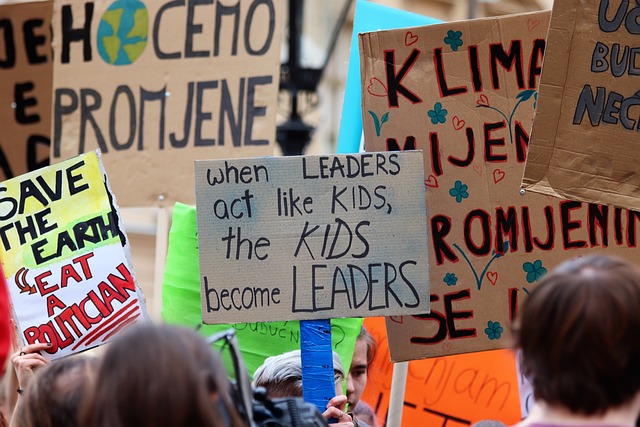
2 Days in Zagreb: The First-Timer Plan
Two days in Zagreb is plenty to hit every headline sight hard, no filler: Day 1 storms Upper Town’s hilltop landmarks, Day 2 works Lower Town’s parks, one museum and Mirogoj Cemetery. This is Croatia’s inland capital, not a beach stop, and it has run on the euro since 2023, not the kuna. Craving more time? The 3-day itinerary tacks on a real day trip, and the 4-day , 5-day ,...
read more

2 Days in Zimbabwe: First-Timer
Two days in Zimbabwe means one thing honestly: Victoria Falls and the town around it, not a safari. That’s a real, complete trip on its own terms, not a compromise. Mosi-oa-Tunya, “the smoke that thunders,” has been a UNESCO World Heritage Site since 1989, shared with Zambia across the river, and the Zimbabwean bank is commonly described as the larger, more panoramic side to view...
read more
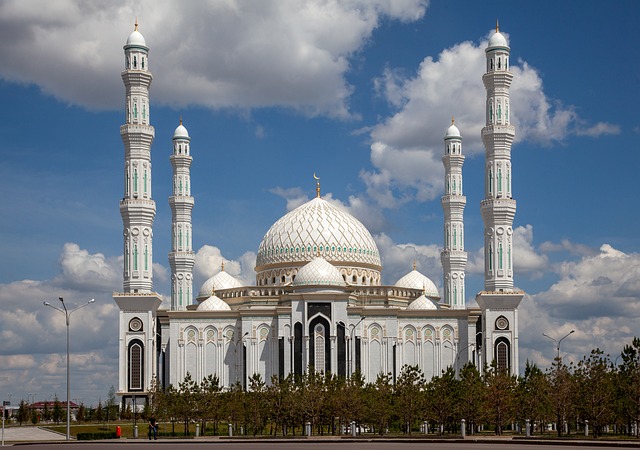
3 Days in Astana: The First-Timer Plan
Three days is exactly enough time to fall for Astana, Kazakhstan’s purpose-built capital and one of the most underrated city breaks in Central Asia. Two days run the full Nurzhol Boulevard lineup: Bayterek Tower, Khan Shatyr, the Hazret Sultan Mosque, Nur Alem and the Palace of Peace. Day three crosses the river to the parts most first-timers skip entirely. Everything here runs on the...
read more
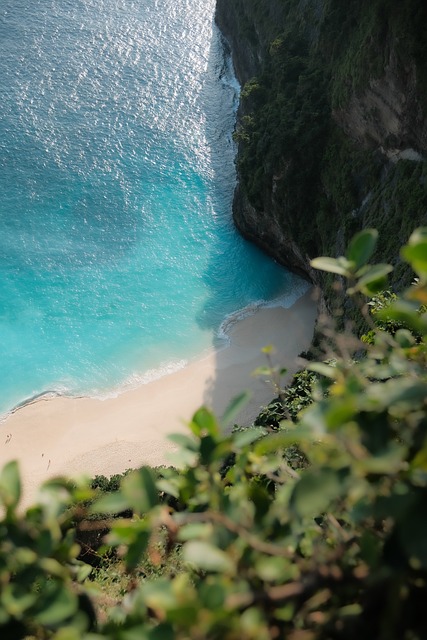
3 Days in Bali: Like a Local
Three days in Bali is enough for one base done right plus one real excursion, not a six-stop sprint across an island bigger than the map makes it look. Bali is an island and a province of Indonesia, not a country of its own, and this plan spends two nights in Ubud, the inland cultural base, then commits day three entirely to a Nusa Penida boat trip rather than splitting it between five...
read more
3 Days in Bonifacio: First-Timer
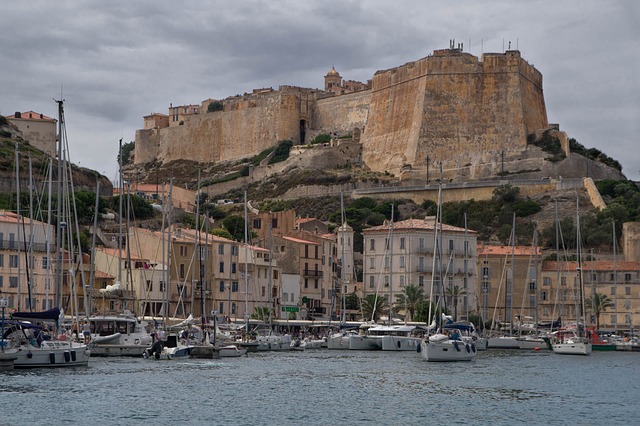
Three days is enough to do Bonifacio properly without padding it out: one day in the Haute Ville, one day on the water at the Lavezzi Islands, and one day at the beach with a car. It is still a short stop inside a longer Corsica trip, not a week-long destination on its own. Staying shorter? Stick to the 2-day itinerary . Going longer, the 4-day , 5-day , 6-day , and 7-day itineraries keep this...
read more
3 Days in Brunei: First-Timer
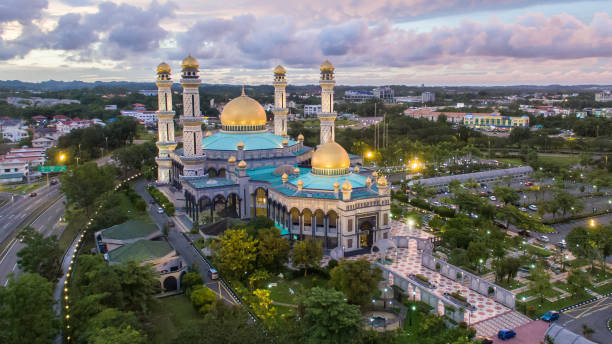
Three days in Brunei hits the sweet spot. Two days properly cover the Bandar Seri Begawan (BSB) core: its two showstopper mosques, the water village of Kampong Ayer, and the free Royal Regalia Museum. The third day is yours to spend big, at the record-holding Empire Brunei and the rides at Jerudong Park. Brunei is a small, wealthy Islamic sultanate on the island of Borneo, ruled by Sultan Hassanal...
read more

3 Days in Burkina Faso: The First-Timer Plan
Burkina Faso carries the US State Department’s Level 4 rating, Do Not Travel, the highest tier that exists, and the UK’s FCDO advises against all travel to the country with no safe region carved out, not even the capital. That is the honest starting point for anyone planning a first trip here: three days is not a normal city-break length in Burkina Faso right now, and almost nobody...
read more
3 Days in Cape Verde: The First-Timer Plan
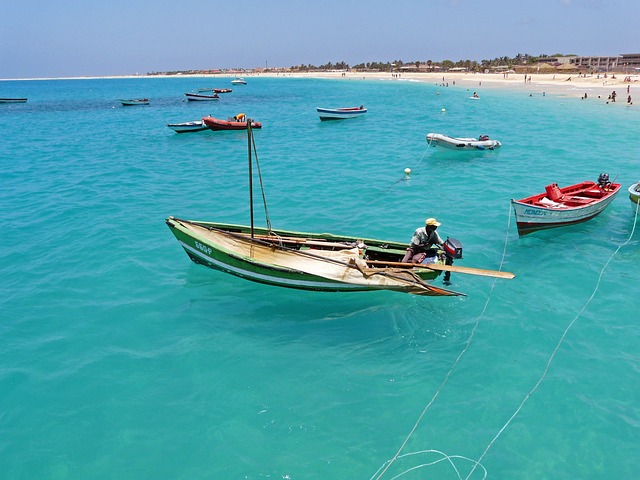
Cape Verde is a 10-island Atlantic archipelago, not one landmass, so a real 3-day trip means picking a single island and diving in hard rather than skimming several. This plan plants you on Sal for the whole stretch: Santa Maria’s beach, the Pedra de Lume salt pans, and a full day out on a catamaran, no rushed inter-island flight eating into your time. Bring euros (the escudo runs at a fixed...
read more

3 Days in Curitiba: The First-Timer Plan
Three days in Curitiba is the sweet spot: two full days nail the whole city core, and the third sends you on the trip everyone who has done this route brings up first, the Serra Verde Express train through the mountains to Morretes. Paraná’s capital sits close to 900 meters up on a cool, four-season plateau, hours from the nearest beach, and it built its whole reputation on parks carved from...
read more
3 Days in Cuzco: The First-Timer Itinerary
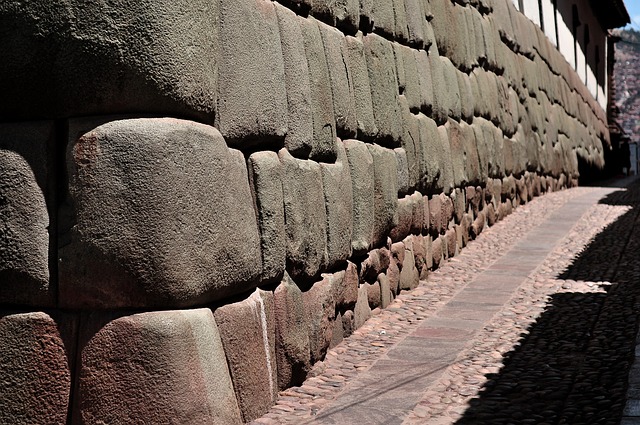
Three days in Cuzco is the shortest itinerary that actually gets you to Machu Picchu instead of just the city around it. Day 1 acclimatises in Cuzco itself, Day 2 loops the Sacred Valley and sleeps lower in Ollantaytambo, Day 3 rides the train up to the ruins. Two days, like our 2-day itinerary , skips Machu Picchu entirely; the 4-day through 7-day versions build in a buffer day or Rainbow...
read more
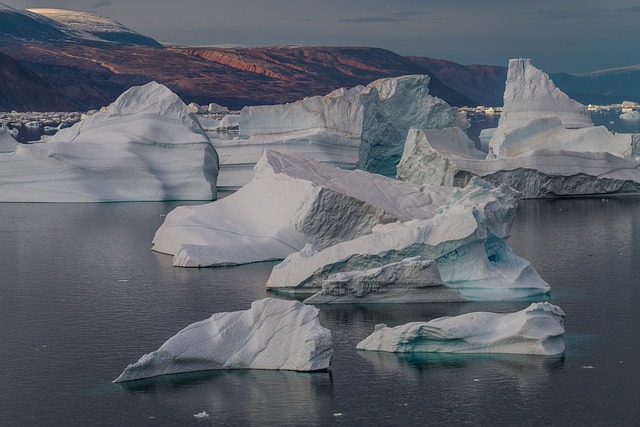
3 Days in Greenland: First-Timer
Three days in Greenland is enough to do one hub right, and Ilulissat is the hub that earns it: land Day 1, spend Day 2 on the Icefjord, the Sermermiut trail and a Disko Bay iceberg boat tour, then keep Day 3 loose before you fly out. There are no roads between Greenlandic towns, so trying to add a second location just burns your three days on flights instead of icebergs.
read more
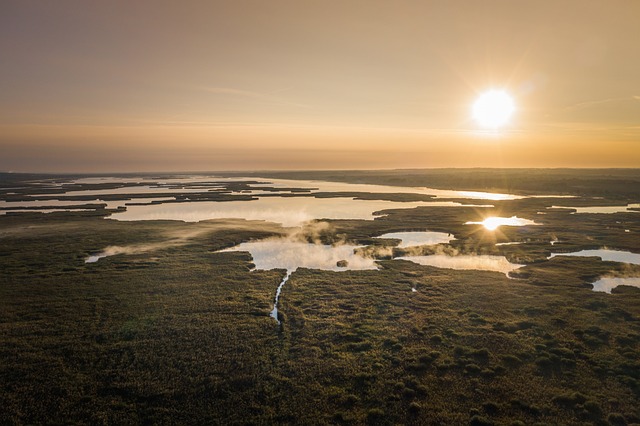
3 Days in Hungary: The First-Timer Plan
Three days in Hungary is enough to fall hard for Budapest and still get a real taste of the country beyond it. Two full days work through Buda and Pest, baths included, then day three rides the train out to the Danube Bend for castles and river views. This build nests inside the longer 4-day , 5-day , 6-day and 7-day versions, and trims down from the 2-day itinerary if you’re squeezed for...
read more
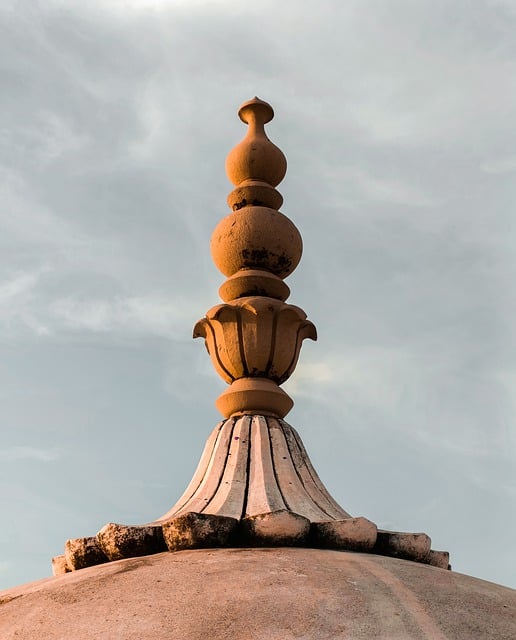
3 Days in Jodhpur: The First-Timer Plan
Three days is the sweet spot for a first Jodhpur trip: the first two days knock out the core, Mehrangarh Fort, Jaswant Thada, the Blue City, Toorji Ka Jhalra and Umaid Bhawan’s museum wing, then day three slows down for Mandore Gardens, the Rao Jodha Desert Rock Park and a hands-on Marwari cooking class. Tighter trip? The 2-day plan covers just the essentials. More time on your hands? The...
read more
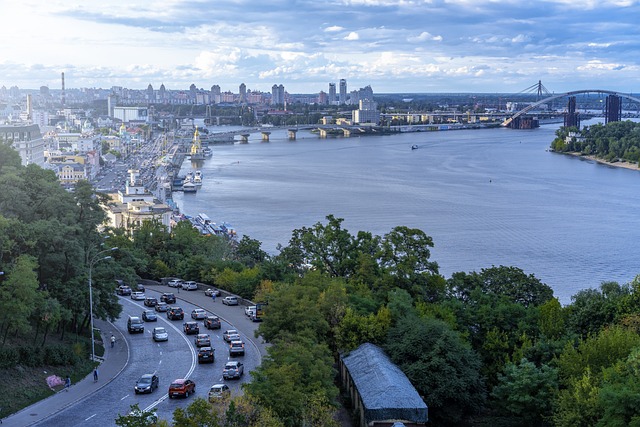
3 Days in Kyiv: For a Future Visit
Russia’s full-scale invasion of Ukraine began on 24 February 2022 and is still ongoing. The UK Foreign, Commonwealth & Development Office advises against all travel to Kyiv, matching the US State Department’s own highest-tier “Do Not Travel” guidance for the country. Kyiv sits under martial law with a nightly curfew, air-raid alerts are routine, and missile and drone...
read more

3 Days in Mont-Saint-Michel, France
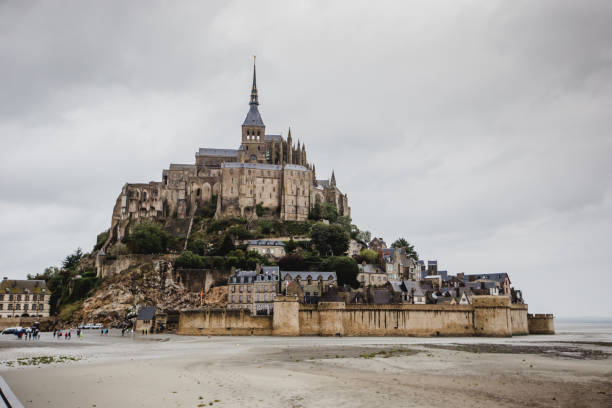
Three days is a genuinely good length for Mont-Saint-Michel, France (not to be confused with the smaller lookalike, Saint Michael’s Mount, across the Channel in Cornwall), as long as the logistics are sorted before you book anything. There are no cars on the island: park at the mainland car park about 2.5km out and finish the trip on the free Le Passeur shuttle or a 35-45 minute walk, the...
read more
3 Days in Mont-Saint-Michel: First-Timer
Three days is the sweet spot for a first Mont-Saint-Michel trip: enough time to see the abbey properly, walk the bay with a licensed guide instead of just admiring it from the ramparts, and one full day to push across the border into Brittany. Get the logistics straight before you book anything: you cannot drive onto the island. Cars stop at a mainland car park about 2.5km out, and you cover that...
read more
3 Days in Mumbai: Like a Local
Three days is enough to do Mumbai the way a local does it, then go one layer past that. Day 1 works the Fort and Kala Ghoda on foot, Day 2 runs the Elephanta crossing and a Bandra evening, Day 3 trades the postcard route for Dadar’s flower market, Mahim and a Koli seafood dinner. Doing this faster or slower? The 2-day version covers just the first two days, the 4-day , 5-day , 6-day and...
read more
3 Days in Mumbai: The First-Timer Itinerary
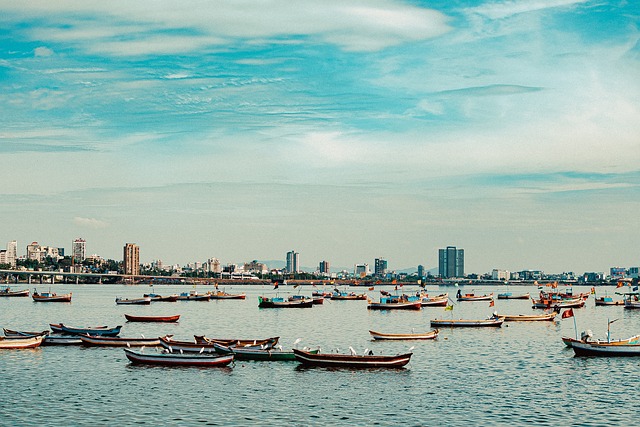
Three days in Mumbai (formerly Bombay, officially renamed in November 1995) is enough for one properly full trip, not the whole 20-million-plus metro, and this build stays honest about that split. Day one is South Mumbai’s UNESCO-stacked core, day two is the Elephanta Caves ferry plus Dhobi Ghat and Haji Ali, and day three is Bandra with a street-food crawl and Mani Bhavan. Dharavi, Sanjay...
read more
3 Days in Nassau: First-Timer
Three days is Nassau’s honest sweet spot: Day 1 covers downtown’s forts and Bay Street, Day 2 crosses to Paradise Island for a beach day, and Day 3 is a boat trip to Blue Lagoon or Rose Island. Shorter or longer? Our 2-day , 4-day , 5-day , 6-day and 7-day itineraries build on this same route, and the full Nassau guide covers everything else.
Book these before you go
read more
3 Days in Okayama: First-Timer
Three days in Okayama breaks down cleanly: one day for the city itself, one day out to Kurashiki, and one day on a bike loop through the Kibi Plain before a slower evening back in town. That is the honest shape of it. Okayama’s own core, Korakuen Garden plus the newly reopened castle, is genuinely a full day on its own, not three, so the extra two days here are really regional day trips...
read more
3 Days in Romania: First-Timer
Three days in Romania means two full days in Bucharest and one huge day chasing castles up the Prahova Valley, not a lap of Transylvania. That split is honest and it still delivers a genuinely great trip: the Palace of the Parliament and the 1989 revolution sites first, then Peles Castle, Bran Castle and Brasov in a single high-energy day. Romania runs on the leu (RON), not the euro, and...
read more
3 Days in Salzburg: First-Timer
Three days in Salzburg means the full Altstadt core without rushing it, plus a whole extra day out at Hellbrunn Palace for the trick fountains and the real Sound of Music gazebo. You’re still working with Mozart’s actual 1756 birthplace and a baroque old town that UNESCO listed in 1996, and if you land here in July or August without checking a calendar, you’re also landing in the...
read more
3 Days in Seoul: The First-Timer Itinerary
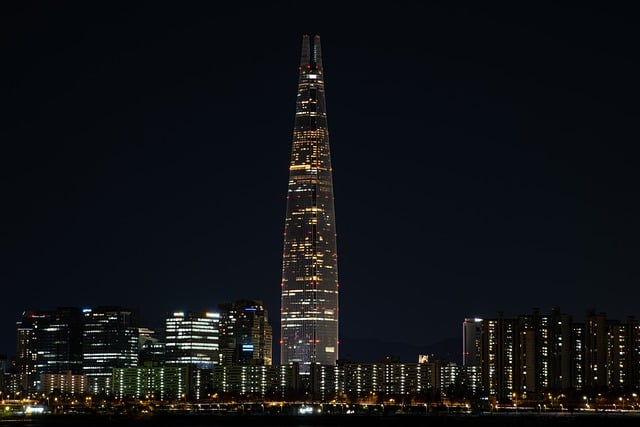
Three days in Seoul is enough to get past the palace-and-shopping surface and into the neighborhoods that make the city worth a return trip. This plan runs Gyeongbokgung and Bukchon on day one, Hongdae and a proper Gwangjang Market food crawl on day two, then Dongdaemun and a jjimjilbang night on day three. It nests the 2-day core inside it, so if you’re short on time, cut day three and you...
read more
3 Days in South Korea: Seoul and Beyond
Three days is enough to do something better than “just Seoul”: one fast, full day in the capital, then two full days radiating out to the two trips that actually sell South Korea to first-timers, the DMZ and Nami Island. This is South Korea, the Republic of Korea, not North Korea, and everyday Seoul is genuinely one of the safest big cities you’ll visit. Spend won (KRW), not yen....
read more
3 Days in St Petersburg, Russia
Three days is enough to work through St Petersburg, Russia’s headline trio, the Hermitage, the Church of the Savior on Spilled Blood, and Peterhof, and that alone makes a real case for one of the best 72-hour sightseeing hauls in Europe. Here’s the catch that changes everything else in this plan: Russia sits at the US State Department’s Level 4, Do Not Travel, tier, reissued 2...
read more
3 Days in St Petersburg: First-Timer Plan
Three days in St Petersburg gets you the Hermitage’s three million treasures, the Church on Spilled Blood’s riot of color, and Peterhof’s gravity-fed fountains blasting off the Gulf of Finland, genuinely one of the great short city trips on paper. Here’s the catch: Russia sits at the US State Department’s Level 4, Do Not Travel, tier, reissued 2 January 2026, the same...
read more
3 Days in Taiwan: The First-Timer Plan
Three days in Taiwan means two days in Taipei plus one real day trip out of the city, and that split is exactly right for a first visit. The capital covers Taipei 101, a night market crawl, a working temple and hot springs on its own; day three adds Jiufen’s lantern-lit alleys and Shifen’s sky lanterns without an overnight anywhere else. Budget in New Taiwan Dollars (TWD, NT$), not the...
read more
3 Days in Tbilisi: First-Timer
Tbilisi is the capital of Georgia, the country in the South Caucasus, not the US state that shares its name, and clearing that up matters before you book a flight. Three days is where Tbilisi stops feeling like a quick stop and turns into a real trip: two full days in the Old Town plus a half-day out to Mtskheta, Georgia’s ancient capital and a genuine UNESCO World Heritage Site since 1994.
read more
3 Days in the Bahamas: First-Timer Guide
Three days in the Bahamas is enough to do Nassau and Paradise Island right, plus one genuinely big bucket-list day out to Exuma. Capital is Nassau, on New Providence, and you’ll clear US customs right there at the airport before you fly home, not after landing. US dollars spend everywhere at par, this is an archipelago (flights and ferries connect the islands, not roads), and prices run at...
read more
3 Days in the Central African Republic
The US State Department rates the Central African Republic Level 4, Do Not Travel, its highest tier, and the UK Foreign Office advises against all travel to the whole country except Bangui, and against all but essential travel to Bangui itself. Read that first, not last. What three days here can honestly cover, run through a vetted specialist operator rather than planned solo, is narrow: Bangui...
read more
3 Days in the UK: A First-Timer Plan
Three days is the sweet spot for a first UK trip: enough time for London’s big three (Westminster, the Tower, the free museums) plus one proper train day out, without the multi-city scramble that a rushed 6 or 7 day plan can turn into. This itinerary keeps you based in London the whole time and adds a single day trip to Windsor Castle on day 3. Budget in pounds sterling, not euros, get your...
read more
3 Days in Thessaloniki: First-Timer
Three days is the sweet spot for a first Thessaloniki trip, and here’s the honest pitch: this is Greece’s second city, not a warm-up for Athens, and it earns three full days on food and Byzantine layering alone. Day 1 works the waterfront and the Roman-era core, Day 2 climbs into Ano Poli for the UNESCO Byzantine churches, and Day 3 goes deep on the museums, the markets, and the...
read more

3 Days in Vatican City: First-Timer
Three days is a genuinely great pace for a first Vatican City trip, because the country itself only needs one of them. Vatican City is a half-day-to-full-day site, so day one covers the Vatican properly and days two and three push out into Rome’s biggest sights. This build nests inside the longer 4-day , 5-day , and 6-day itineraries, stretches all the way to 7 days , or trims down to a...
read more
3 Days in Zagreb: The First-Timer Plan
Three days is the sweet spot for Zagreb: two days to nail Upper Town, Ban Jelačić Square, Dolac Market, Tkalčićeva, and Mirogoj Cemetery on foot and by tram, then a third day out to Samobor for kremšnita or deeper into the museums if you’d rather stay put. Croatia’s been on the euro and inside Schengen since 2023, and this is the country’s inland capital, hours from the Adriatic...
read more