Recent Traveler Mania

5 Days in Mont-Saint-Michel, France
Five days at Mont-Saint-Michel, France, works best as a genuine Normandy-and-Brittany loop anchored by the mount, not five days spent on the rock itself. There are no cars on the island: park at the mainland car park about 2.5km out and cover the rest on the free Le Passeur shuttle or a 35-45 minute walk, the old horse-drawn Maringote carriage is reportedly gone, so leave it out of your plan...
read more
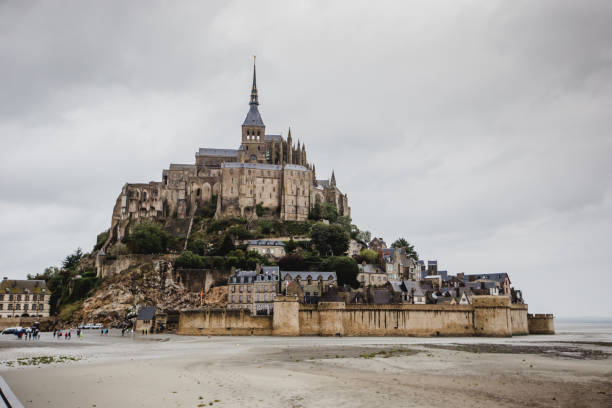
5 Days in Mont-Saint-Michel: First-Timer
Five days sounds like a lot of Mont-Saint-Michel until you realize you cannot drive there. Cars stop at a mainland car park about 2.5km from the mount, and the last stretch runs on the free Le Passeur shuttle or a 35-45 minute walk across the bridge, no causeway, no shortcut. The bay’s tides are the other non-negotiable: a swing of roughly 14 meters, among the highest in continental Europe,...
read more
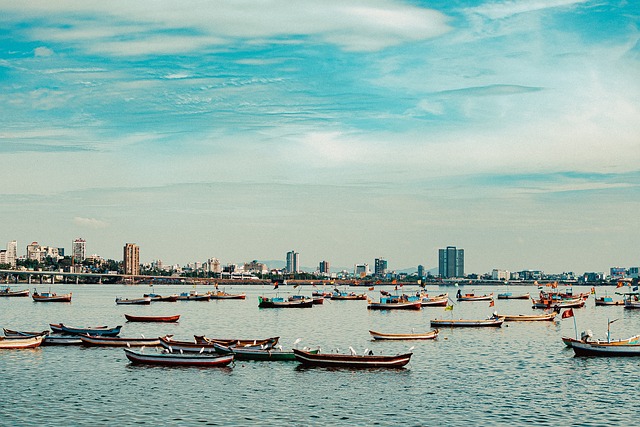
5 Days in Mumbai: Like a Local
Five days in Mumbai like a local means the Fort and Elephanta everyone already plans around, plus two days most first-timers skip entirely: the Kanheri Caves and Dharavi’s real economy on Day 4, then a Day 5 built around food and the dabbawala relay that feeds this city. Doing it faster or slower? The 2-day , 3-day and 4-day versions cover the earlier stretch of this same spine, the 6-day...
read more
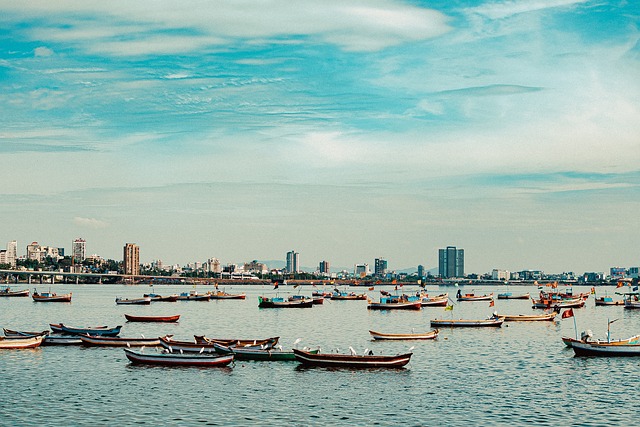
5 Days in Mumbai: The First-Timer Itinerary
Five days in Mumbai is the number where you stop sprinting. The city, formerly Bombay until its official rename in November 1995, rewards the extra time: you get the full South Mumbai UNESCO core, the Elephanta ferry and Bandra that most short trips rush through, plus two extra days most three and four day visitors never reach, a proper push out to Sanjay Gandhi National Park and Dharavi, and a...
read more
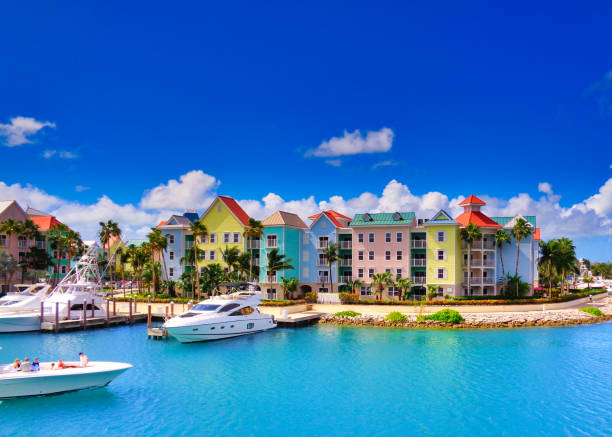
5 Days in Nassau: First-Timer
Five days turns Nassau into a genuine beach-and-boat trip rather than a city break. Days 1 to 3 cover downtown’s forts, a Paradise Island beach day and a Blue Lagoon or Rose Island boat trip, Day 4 adds more beach time or Atlantis, and Day 5 flies out to the actual Exuma swimming pigs. Doing this shorter or longer? Our 2-day , 3-day , 4-day , 6-day and 7-day itineraries build on this same...
read more
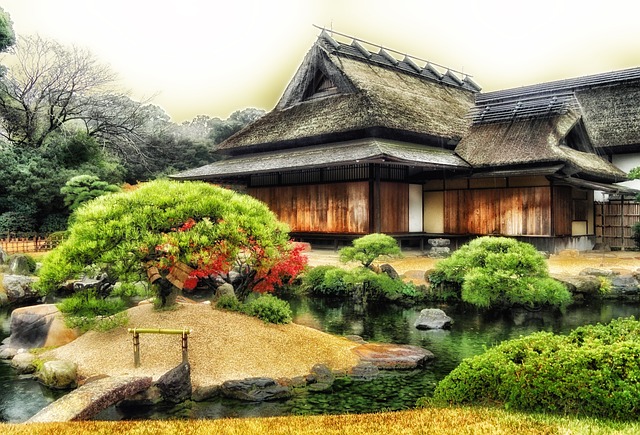
5 Days in Okayama: First-Timer
Five days is enough to do Okayama honestly: one day in the city itself, then four regional day trips radiating out from the same station, Kurashiki, the Kibi Plain, Naoshima’s art islands, and Bitchu Matsuyama Castle. Doing a shorter or longer version? Jump to the 2-day , 3-day , 4-day , 6-day , or 7-day version, or start with the full Okayama travel guide for the whole region.
Book these...
read more
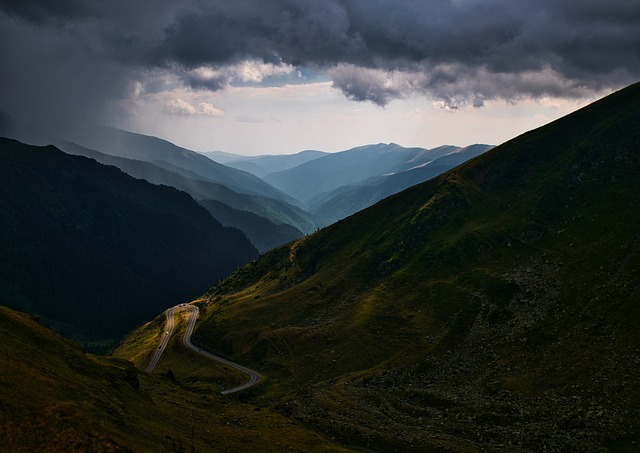
5 Days in Romania: First-Timer
Five days in Romania is Transylvania done right, not the whole country. One day in Bucharest, then a real loop: Brasov as your base, Bran and Peles castles as a single day trip, Sighisoara’s walled UNESCO citadel, and Sibiu. Bukovina’s painted monasteries, Maramures and the Danube Delta stay off this trip entirely, those are separate weeks, not add-ons. If five days is too much right...
read more
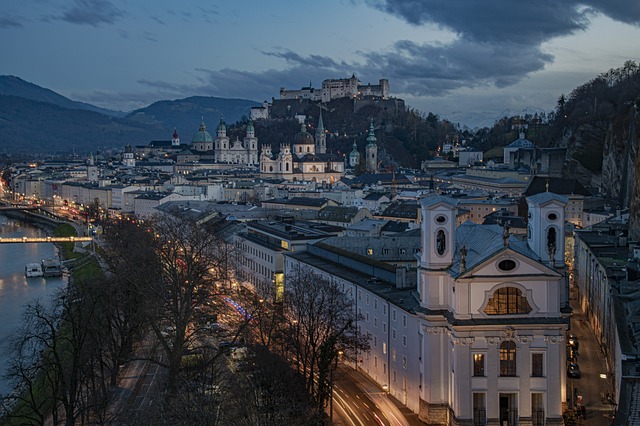
5 Days in Salzburg: First-Timer
Five days in Salzburg buys the full Altstadt core plus two genuinely separate day trips, and that split is the honest way to spend the extra time, not two lake villages squeezed into one rushed day. You’re still anchored by Mozart’s actual 1756 birthplace and a baroque old town UNESCO listed in 1996, with The Sound of Music running alongside as a real pilgrimage for plenty of visitors...
read more
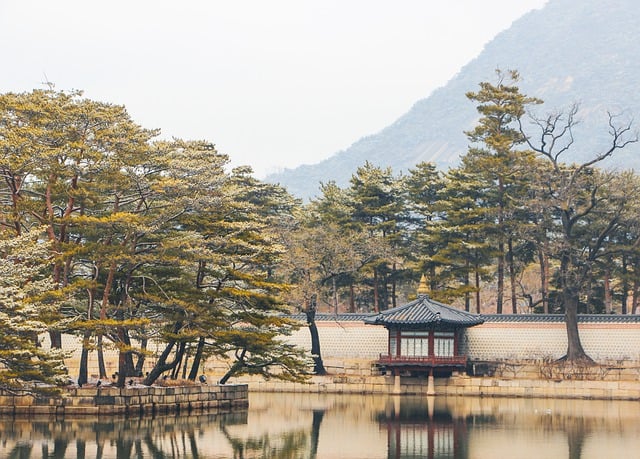
5 Days in South Korea: Seoul and Beyond
Five days is the sweet spot for treating Seoul as a launchpad, not just a city break: two days of Seoul’s highlights, then three days radiating out to the DMZ, Suwon Hwaseong Fortress, Everland, and Nami Island with the Garden of Morning Calm, all on day trips back to one hotel. Building a different length trip? See the 2-day , 3-day , 4-day , 6-day or 7-day versions, or read the full South...
read more
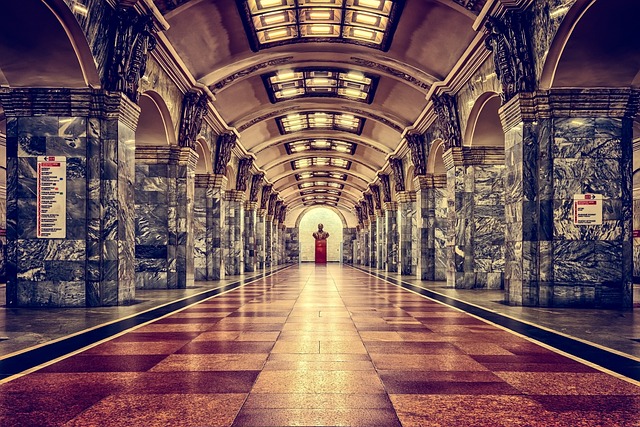
5 Days in St Petersburg, Russia
Five days in St Petersburg, Russia sounds like plenty of time for a proper city break, and it would be, except the US State Department rates the entire country Level 4, Do Not Travel, the same tier given to active war zones, a rating reissued 2 January 2026. The UK Foreign Office advises against all travel to Russia outright. There have been no direct flights from the US, UK, or EU since 2022, and...
read more
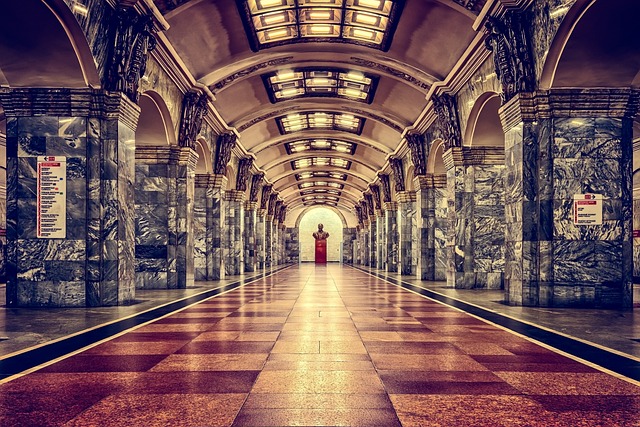
5 Days in St Petersburg: First-Timer Plan
Five days in St Petersburg means the full imperial set, not just the highlights: the Hermitage and its three million-plus treasures, the Church on Spilled Blood’s riot of mosaic color, Peterhof’s gravity-fed fountains, Catherine Palace’s reconstructed Amber Room, and an evening at the Mariinsky. On paper this is one of the richest short trips in Europe. In practice, Russia sits...
read more
5 Days in Taiwan: The First-Timer Plan
Five days in Taiwan is enough to properly settle into Taipei, the capital, and still ride the high-speed rail south for two more cities without any day feeling rushed. Budget in New Taiwan Dollars (TWD, NT$), never the Chinese yuan; Taiwan runs its own currency, its own visa-free entry (about 90 days for most Western passports), and since 1 October 2025 a mandatory TWAC online arrival card filed...
read more
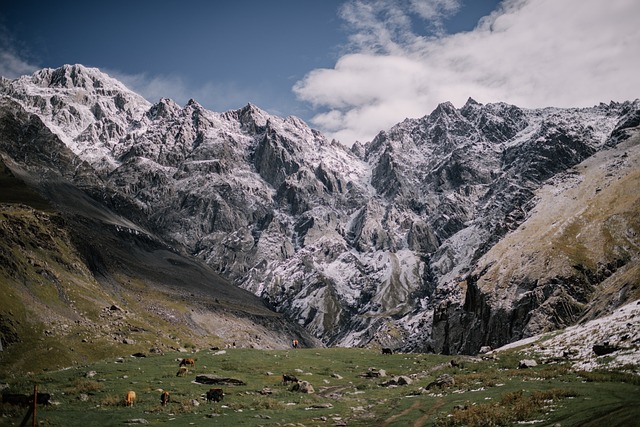
5 Days in Tbilisi: First-Timer
Tbilisi is the capital of Georgia, the country in the South Caucasus, not the US state that shares its name, and five days is where this stops being a city break and turns into a small regional trip. Two days cover the Old Town core, day three adds Mtskheta’s UNESCO monuments, and days four and five push out to the Caucasus and Georgia’s oldest wine region: a full Kazbegi mountain day...
read more
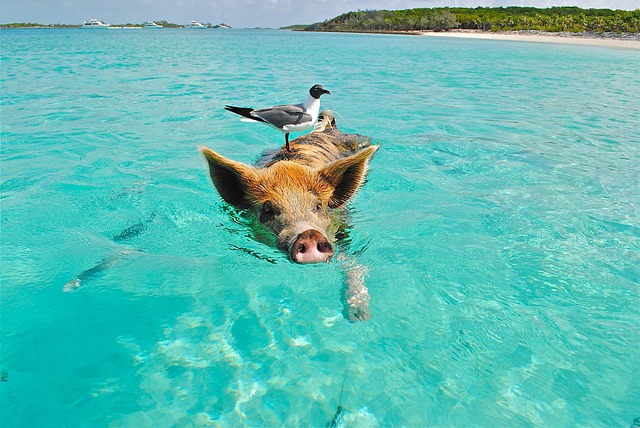
5 Days in the Bahamas: First-Timer Guide
Five days in the Bahamas is enough to do Nassau properly and still get a real Out Island in: two days working Paradise Island and downtown Nassau, then three more built around Exuma’s swimming pigs, Thunderball Grotto and nurse sharks by chartered boat. This is a premium, not a budget, trip either way. Too tight? Trim back to the 2-day , 3-day or 4-day versions. Got more time? The 6-day and...
read more

5 Days in the Central African Republic
The Central African Republic is under a Level 4, Do Not Travel advisory from the US State Department, and the UK’s FCDO advises against all travel outside Bangui and against all but essential travel to Bangui itself. Five days does not change that risk profile, it changes what fits: the shortest length where Bangui’s arrival logistics and a charter flight into the Dzanga-Sangha forest...
read more
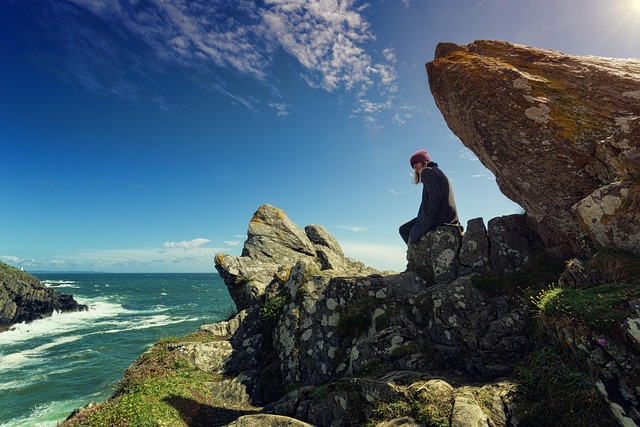
5 Days in the UK: A First-Timer Plan
Five days is enough to do London properly and still get a genuine second city under your belt, no rental car required. This first-timer plan spends three days in London on the icons, the free museums and a big day trip out to Bath and Stonehenge, then rides the train north to Edinburgh for two full days of the Castle, the Royal Mile and Arthur’s Seat. The United Kingdom is four nations under...
read more
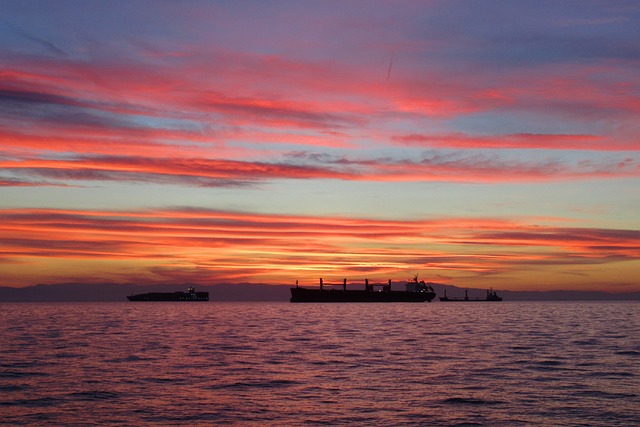
5 Days in Thessaloniki: First-Timer
Five days in Thessaloniki buys three genuinely full city days plus two real day trips, and that split is the honest way to spend a week’s worth of energy here rather than padding the city itself past what it actually offers. Day 1 works the waterfront and the Roman-Byzantine core, Day 2 climbs into Ano Poli for the UNESCO churches, Day 3 covers the museums, the markets and the city’s...
read more
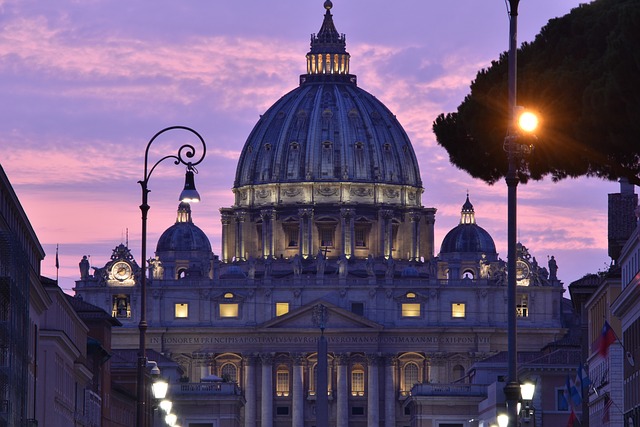
5 Days in Vatican City: First-Timer
Five days sounds like a lot of Vatican City until you remember the country covers about 44 hectares, smaller than most city parks, so this is really a Rome trip with the Vatican built in as the anchor. Day 1 covers the Vatican properly, then days 2 through 5 spread out across ancient Rome, the historic centre, the Borghese Gallery and gardens, and a day trip further out. This build nests inside...
read more
5 Days in Zagreb: The First-Timer Plan
Five days is enough to do Zagreb properly and still get out of town: two days for Upper Town, Lower Town, Dolac Market and Mirogoj Cemetery, then three real day trips, Plitvice Lakes, Samobor and Varazdin, that show what Croatia’s inland capital is actually good for. Zagreb itself is a 2-3 day city, so day trips are what stretch a longer stay here, not more city sights invented to fill time.
read more

5 Days in Zimbabwe: First-Timer
Five days in Zimbabwe is the practical floor for an actual safari on top of Victoria Falls: two days at the falls, two days chasing elephants in Hwange, and a fifth day pushing on to Mana Pools or Matobo Hills. This is a fly-in, park-based safari country, not a self-drive city break, so lodges and light-aircraft transfers do most of the work once you leave the falls. Shorter on time? The 4-day...
read more

6 Days in Anchorage: First-Timer
Six days out of Anchorage covers the city core plus a full South-central Alaska loop: Day 1 is downtown, Day 2 runs the Seward Highway to Girdwood and Portage, Day 3 is a Kenai Fjords day cruise from Seward, Day 4 swaps between Prince William Sound from Whittier and a Matanuska Glacier ice walk, and Days 5 and 6 are a Denali overnight through Talkeetna. Shorter on time? The 2-day , 4-day and 5-day...
read more
6 Days in Astana: The First-Timer Plan
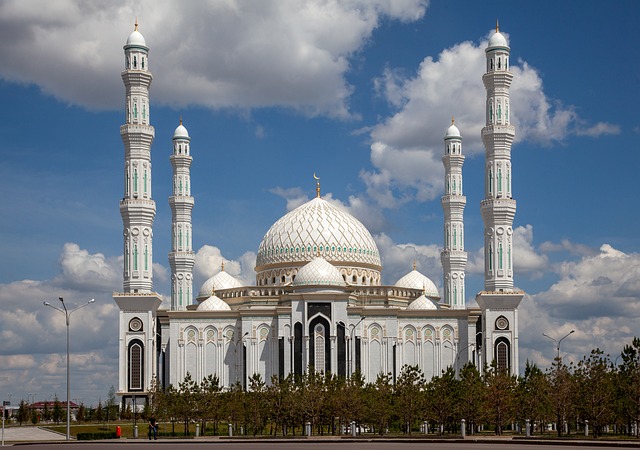
Six days turns Astana from a city trip into a proper steppe expedition: two days work the Nurzhol Boulevard core, days three and four go north for a Burabay lakes overnight, day five is the sober ALZHIR memorial, and day six chases Korgalzhyn’s flamingos or digs deeper into the city, season depending. Everything here runs on the Kazakhstani tenge, the LRT that opened in May 2026 genuinely...
read more
6 Days in Bali: Like a Local
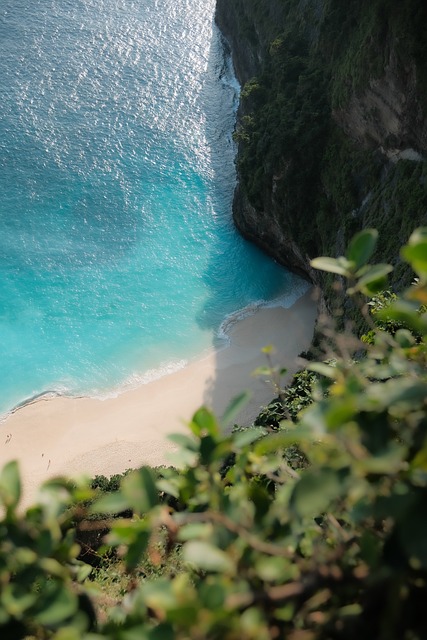
Six days in Bali covers Ubud, Nusa Penida and the Bukit, then a day east at Besakih and Lempuyang. Bali is a province and island of Indonesia, not a country of its own, and this route spends two Ubud days, a full Nusa Penida day, a Bukit finish, then Day 6 in the highlands most itineraries never reach. Staying shorter? The 2-day , 3-day , 4-day and 5-day itineraries build the same spine without...
read more
6 Days in Bonifacio: First-Timer
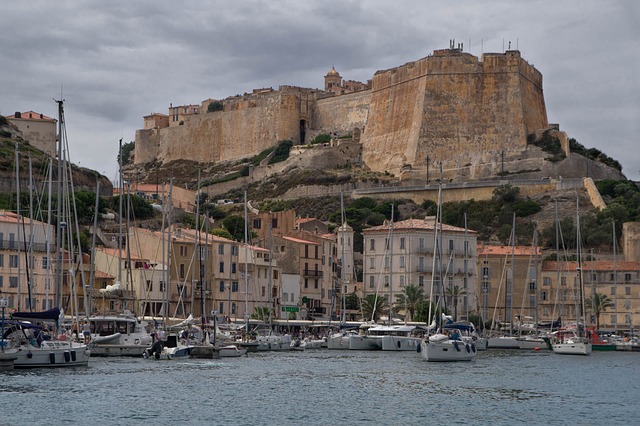
Six days sounds like a lot for a town you can walk in half a day, and honestly it is, the old town itself is still only a 1-2 day stop. What makes six days work is treating Bonifacio as a base: two days for the Haute Ville and the Lavezzi boat trip, then four more spent on the beaches, southern Corsica, and Sardinia that most shorter trips skip entirely. This is the small clifftop citadel town at...
read more
6 Days in Brunei: First-Timer
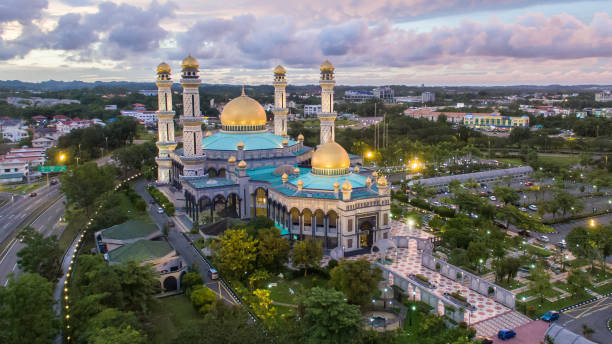
Six days feels like the right amount of time for Brunei, and the honest verdict is that the country itself does not need all six. Bandar Seri Begawan’s two showstopper mosques, the stilt village of Kampong Ayer, a Ulu Temburong rainforest day, and the Seria oil town fill four days properly; push a small, oil-rich Islamic sultanate on the island of Borneo past that and you start repeating...
read more

6 Days in Burkina Faso: The First-Timer Plan
Burkina Faso carries the US State Department’s Level 4 rating, Do Not Travel, its highest tier, dated 4 May 2026, and the UK’s FCDO advises against all travel to the country with no safe region carved out, not even the capital. That is the honest answer to “should I plan six days here”: not as a normal trip. Six days does not buy more country than three days does; it buys...
read more
6 Days in Cape Verde: The First-Timer Plan
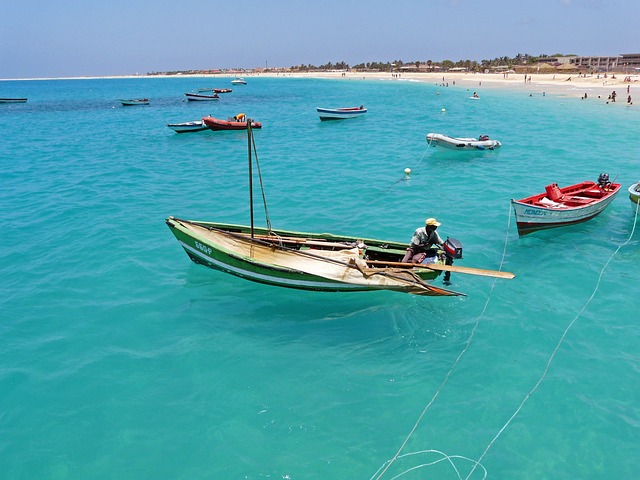
Cape Verde is ten volcanic islands scattered across open Atlantic water, not one landmass, so six real days is enough to add a genuine third stop on top of the classic pairing. This plan runs São Vicente’s Mindelo into Santo Antão’s ribeira hikes via the 60-minute ferry, then takes a domestic flight on to Fogo for a guided climb up an active volcano. Want a different shape? The 2-day...
read more

6 Days in Curitiba: The First-Timer Plan
Six days is where the Curitiba day-trip set actually gets to finish. This is Paraná’s capital, sitting almost 900 meters up on a cool, four-season plateau, hours from the nearest beach, and it built its whole reputation on a bus-rapid-transit network close to 200 cities worldwide have since copied, parks carved out of old stone quarries, and an eye-shaped art museum. Two days cover the city...
read more
6 Days in Cuzco: The First-Timer Itinerary
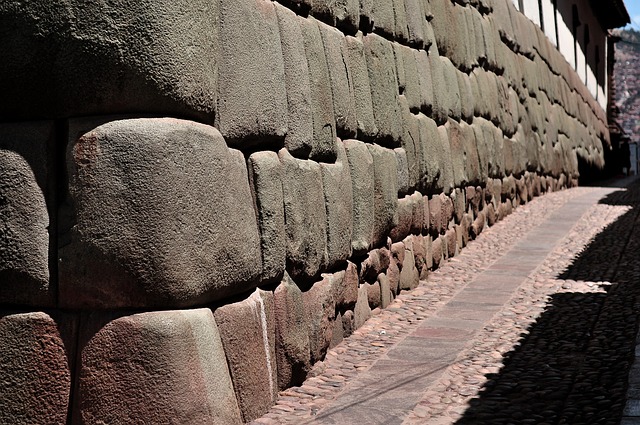
Six days in Cuzco keeps the same acclimatise-then-descend backbone as our 5-day itinerary , Cuzco, the Sacred Valley, Machu Picchu, then a big high-altitude day trip, and finally pulls the Southern Valley and a genuine rest day apart into two separate days instead of squeezing them into one. Day 1 settles you into the city, Day 2 loops the Sacred Valley and sleeps lower, Day 3 reaches Machu...
read more
6 Days in Greenland: First-Timer
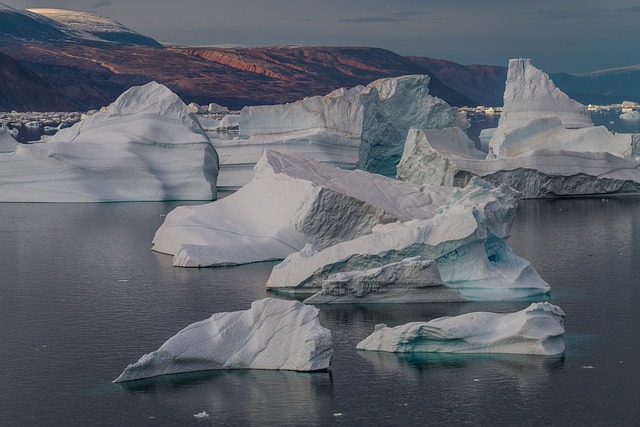
Six days is enough to responsibly cover two Greenland regions, and the reason is not that the flying gets any easier, it is that six days finally buys the buffer a second region needs to survive. This plan pairs Ilulissat and Disko Bay’s icebergs with a new leg south to Qaqortoq, reachable for the first time on its own airport, and it treats every domestic connection as something that needs...
read more
6 Days in Hungary: The First-Timer Plan
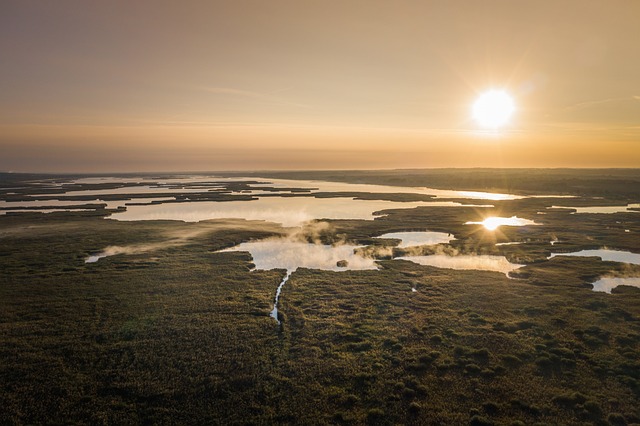
Six days in Hungary is enough to build a genuine country-wide loop: two days in Budapest, a Danube Bend day trip, an overnight in Eger for the wine cellars, a night at Lake Balaton, and a last night in Pecs, the Mediterranean-feeling south most rushed itineraries skip entirely. This route nests the 2-day , 3-day , 4-day and 5-day plans inside its first five days, then hands the same spine to the...
read more
6 Days in Jodhpur: The First-Timer Plan
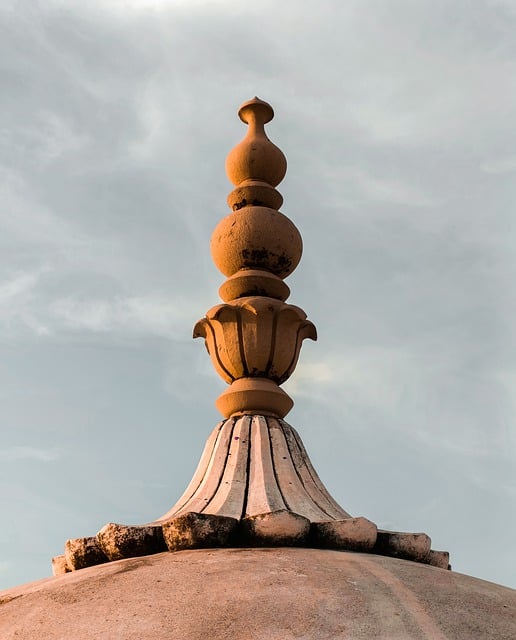
Six days buys you the whole Jodhpur experience and then some: three days for Mehrangarh Fort, the Blue City and Mandore Gardens, a desert day trip to Osian, a respectful Bishnoi village safari, then a sixth day that pushes on toward Udaipur through Ranakpur and Kumbhalgarh instead of squeezing in more city sightseeing you have already finished. Shorter trip? The 2-day , 3-day and 4-day plans stay...
read more
6 Days in Krabi: The First-Timer Itinerary
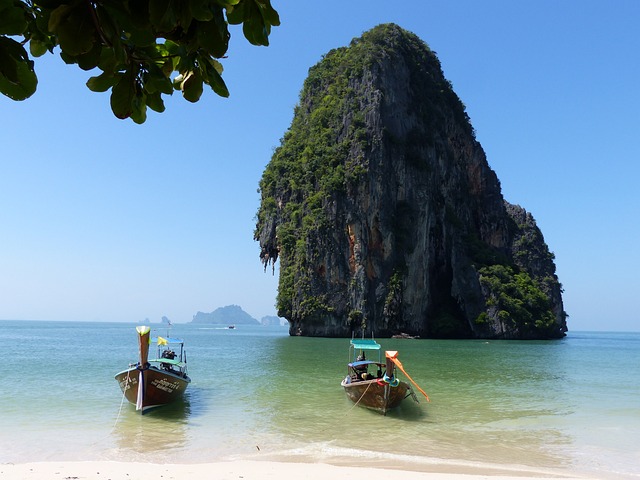
Krabi is a province, not a single beach town, and six days is enough to actually feel that rather than just read about it. Base yourself in Ao Nang, the beach strip with the direct longtail launch point, then work outward by boat: Railay on Day 1, one island day trip on Day 2, an inland day away from the water on Day 3, a full Phi Phi overnight on Days 4 and 5, and a slower kayaking morning back...
read more
6 Days in Kyiv: For a Future Visit
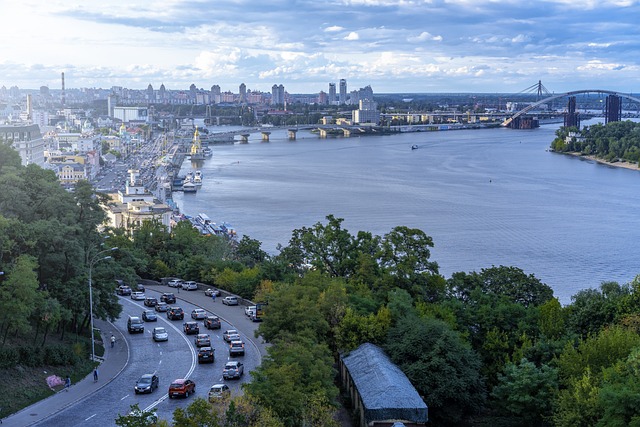
Russia’s full-scale invasion of Ukraine, under way since 24 February 2022, has not ended. The UK Foreign, Commonwealth & Development Office advises against all travel to Kyiv, a position that matches the US State Department’s own highest-tier “Do Not Travel” guidance for the country. Kyiv remains under martial law with a nightly curfew, air-raid alerts are a regular...
read more
6 Days in Mont-Saint-Michel, France
Six days at Mont-Saint-Michel, France is really a Normandy-and-Brittany road trip with the mount as the hinge, not six days spent on the rock. There are no cars on the island: you park at a mainland lot roughly 2.5km out and finish on the free Le Passeur shuttle or a 35-45 minute walk, the old horse-drawn Maringote carriage is reportedly gone, so do not plan around it. The bay’s tides swing...
read more
6 Days in Mont-Saint-Michel: First-Timer
Six days at Mont-Saint-Michel sounds generous until you remember you can’t drive there: cars stop at a mainland car park about 2.5km out, and the last stretch runs on the free Le Passeur shuttle or a 35-45 minute walk across the bridge, the old horse-drawn Maringote carriage is reportedly discontinued so don’t plan a booking around it. The bay’s tides are the other...
read more
6 Days in Mumbai: Like a Local
Six days in Mumbai like a local means the whole spine the shorter versions of this trip already cover, the Fort’s UNESCO walk, the Elephanta crossing, Dadar and Dharavi, a Day 5 built around food, plus one more day most week-long trips skip entirely: a real day trip out of the city, taken the way a Mumbaikar takes a long weekend. Doing it faster? The 2-day , 3-day , 4-day and 5-day versions...
read more
6 Days in Mumbai: The First-Timer Itinerary
Six days in Mumbai buys you the whole first-timer route, South Mumbai’s UNESCO core, the Elephanta ferry, Dhobi Ghat and Haji Ali, Bandra, a push into the northern suburbs, and a full day of street food and markets, plus one thing the shorter trips skip entirely: a real day trip out of the city. That’s the case for six days over five, not more Mumbai, but one genuine escape from it, to...
read more
6 Days in Nassau: First-Timer
Six days is a genuine beach-and-boat trip built around Nassau, not a week of city sightseeing. Days 1 to 5 follow the same route as our shorter itineraries: downtown’s forts, a Paradise Island beach day, a Blue Lagoon or Rose Island boat trip, more beach or Atlantis, then a full day out to the Exuma swimming pigs. Day 6 slows the pace down. Doing this shorter or longer? Our 2-day , 3-day ,...
read more
6 Days in Okayama: First-Timer
Six days is the honest ceiling for a single-base Setouchi trip out of Okayama: one day for the city itself, then five days of regional day trips, Kurashiki, the Kibi Plain, Naoshima’s art islands, Bitchu Matsuyama Castle, and a second Setouchi day for Teshima or a Shikoku detour. Need a different length? Check the 2-day , 3-day , 4-day , 5-day , or 7-day version, or start with the full...
read more
6 Days in Romania: First-Timer
Six days in Romania gets you real depth in Transylvania plus one genuine push beyond it, and that combination is the whole point of this plan. Expect Bucharest for a day, a two-night Brasov base for Bran and Peles castles, Sighisoara’s walled Saxon citadel, Sibiu’s old town, and then a long, worthwhile drive north into Bukovina’s painted monasteries to close things out. Romania...
read more
6 Days in Salzburg: First-Timer
Six days in Salzburg means three real days in the Altstadt core, Mozart’s birthplace and the baroque UNESCO old town, plus three honest day trips: Hallstatt’s overtouristed lake, Berchtesgaden’s Eagle’s Nest and Konigssee, and the Eisriesenwelt ice cave. Land here between 17 July and 30 August 2026 and you’re inside the Salzburg Festival’s summer peak, so book...
read more
6 Days in Seoul: The First-Timer Itinerary
Six days is the sweet spot for going deep on Seoul without a single repeated neighborhood: all five grand palaces including Changdeokgung’s Secret Garden, the historic north, Hongdae’s noise, Gangnam’s polish, Dongdaemun’s markets, plus Seongsu, Ikseon-dong and the Han River parks on the back end. Shorter trip? See the 2-day , 3-day and 4-day versions. Have a full week? The...
read more
6 Days in South Korea: Seoul and Beyond
Six days from Seoul turns a city break into an actual South Korea trip. Two condensed city days cover the palaces and the neighborhoods that matter, then four real day trips take over: the DMZ’s sober history, Suwon Hwaseong’s UNESCO walls, a full day at Everland, and a KTX sprint down to Busan, using Seoul’s position as the country’s rail hub to see well past the capital....
read more
6 Days in St Petersburg, Russia
Six days in St Petersburg, Russia sounds like plenty of time for a proper trip until you check the US State Department, which rates the whole country Level 4, Do Not Travel, the same tier given to active war zones, reissued 2 January 2026. The UK Foreign Office advises against all travel to Russia, full stop. There have been no direct flights from the US, UK, or EU since 2022, and every...
read more
6 Days in St Petersburg: First-Timer Plan
Six days in St Petersburg means the full imperial circuit plus room to go deeper: the Hermitage’s three million-plus treasures, the Church on Spilled Blood’s mosaic riot, Peterhof’s gravity-fed fountains, Catherine Palace’s reconstructed Amber Room, a Mariinsky night, and a sixth day for two sights most first-timers never reach. On paper this is about as complete as a...
read more
6 Days in Taiwan: The First-Timer Plan
Six days in Taiwan is enough to run the whole west coast: two days in Taipei, then a high-speed rail push through Taichung and Sun Moon Lake, then Tainan and Kaohsiung to close it out. Budget in New Taiwan Dollars (TWD, NT$), never the Chinese yuan; Taiwan runs its own currency, its own visa-free entry (around 90 days for most Western passports), and since 1 October 2025 a mandatory TWAC online...
read more
6 Days in Tbilisi: First-Timer
Tbilisi is the capital of Georgia, the country in the South Caucasus, not the US state that shares its name, and six days is where this stops being a city break and turns into a real Georgia loop. Two days work the Old Town and Rustaveli city core, day three adds Mtskheta’s UNESCO monuments, days four and five push out to the Caucasus and Georgia’s wine country, and day six closes the...
read more
6 Days in the Bahamas: First-Timer Guide
Six days in the Bahamas is enough to work Nassau properly and still string together two real Out Islands: two days on Paradise Island and downtown Nassau, two more built around Exuma’s swimming pigs and Thunderball Grotto, then a final two on Harbour Island’s pink sand beach. Budget honest time for the two flight/ferry hops between them, this isn’t a road trip. Shorter window?...
read more
6 Days in the UK: A First-Timer Plan
Six days buys you a proper look at both of the UK’s biggest cities plus one genuine push into wilder scenery, and you never need a rental car to do it. This first-timer plan spends three days in London on the icons, the free museums and one countryside day trip, then rides the train north to Edinburgh for the Castle, the Royal Mile and Arthur’s Seat, before a guided day trip into the...
read more