Recent Traveler Mania
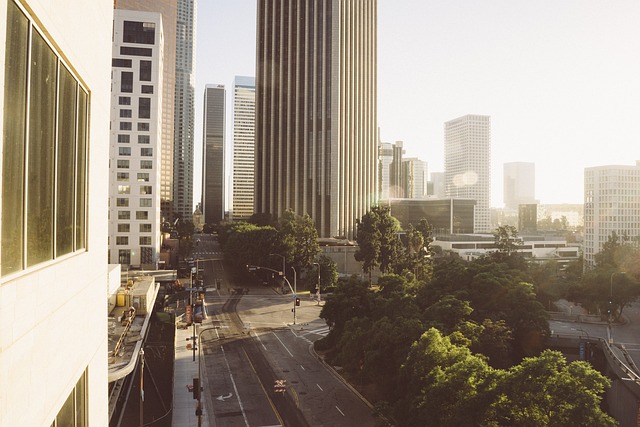
LA Southwest Road Trip: 5 Days
Five days out of LA adds the Grand Canyon ’s West Rim to the Vegas and Death Valley loop, reached as a day trip off the Strip rather than a separate long drive. Not ready for a third stop? Back off to 4 days . Want Zion added too? Move up to 6 days , or read the full LA to Vegas, Zion and Death Valley guide .
Book these before you go
read more
LA Southwest Road Trip: 6 Days
Six days out of LA pushes the Vegas, Death Valley, and Grand Canyon West Rim loop north into Utah, adding Zion National Park , 160 miles past the Strip, before a long single-day drive home. Not there yet? Step back to 5 days . Have one more day? The 7-day version adds Bryce Canyon too, or read the full LA to Vegas, Zion and Death Valley guide .
Book these before you go
read more
LA Southwest Road Trip: 7 Days
A full week out of LA is the only version of this trip that completes the whole Utah leg: Vegas, Death Valley, the Grand Canyon’s West Rim, Zion, and finally Bryce Canyon , 85 miles past Zion, before an 8-plus hour drive straight home. Only have six days? Drop Bryce from the 6-day version . Full details on every stop live in the LA to Vegas, Zion and Death Valley guide .
read more
Los Angeles to Vegas, Zion and Death Valley
Los Angeles is not a great base for the wider Southwest, and the sooner you accept that, the better this trip goes. Every real highlight out here, Las Vegas, Death Valley, the Grand Canyon, Zion, sits at least 4 hours away by car, most of them 5 or more, so LA works as a launchpad, not a day-trip hub. Two days gets you Vegas and back. A full week gets you Vegas, Death Valley, the Grand...
read more
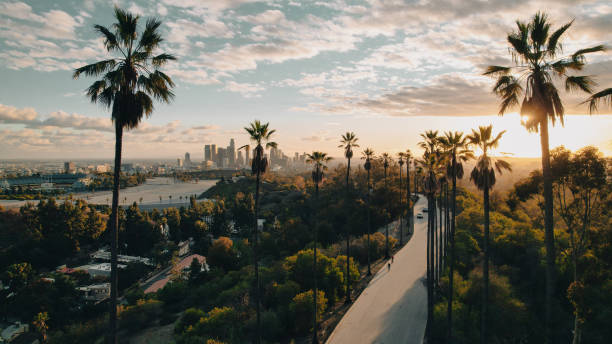
Los Angeles Travel Guide 2026
Los Angeles rewards you the second you stop fighting its size. This is a 500-square-mile, six-neighborhood city, not a downtown with suburbs, and the single biggest thing that separates a great trip from a frustrating one is a rental car. Give it 2 to 7 days, put Griffith Observatory at sunset on the list (it’s free), and budget real drive time between anything that looks close on a map....
read more
Los Angeles: How to Visit and What to Know
Los Angeles is not one city you walk around, it’s six or seven distinct places connected by freeways, and treating it like a single walkable downtown is the fastest way to burn a vacation day sitting in traffic. Budget 2-4 days minimum, rent a car unless you’re staying somewhere small, and go in expecting distance, not density, and this place delivers big.
Los Angeles at a glance Time...
read more

5 Days: Beijing and Beyond
Five days lets you slow down enough to add a proper day trip without cutting the greatest hits, and that fifth day is where this itinerary actually earns its keep. Get the entry logistics sorted first, because none of the rest matters if you land without a plan for the Great Firewall or a Forbidden City slot. Rather skip straight to the sights? Our 5-day Beijing itinerary covers the same five days...
read more
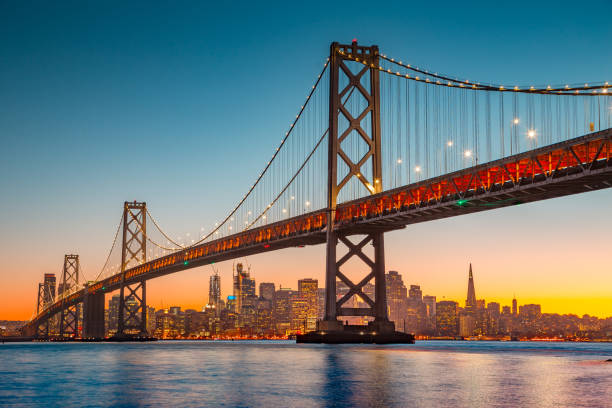
2 Days in SF: The First-Timer Itinerary
Two days sounds tight until you realize San Francisco rewards a fast pace: everything worth seeing sits inside a few compact, walkable pockets. Run this order and you leave having actually experienced the Bridge, the Rock, and the best burrito of your life, not just a highlight reel of photo stops. Want more room to breathe? Step up to the 3-day or 4-day version of this same route.
Book these...
read more
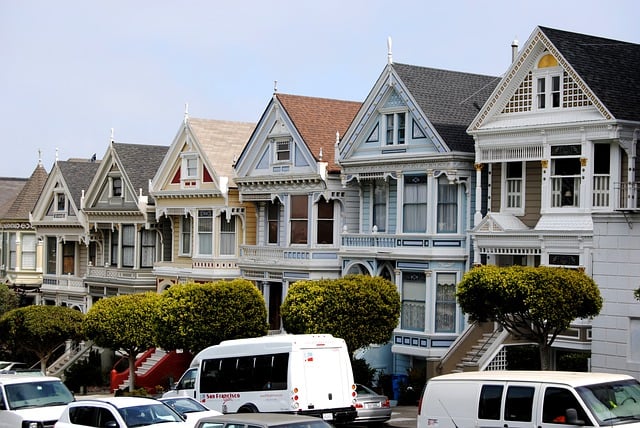
2 Days: San Francisco and NorCal
Two days from a San Francisco base covers the two closest Northern California trips without ever needing an overnight bag: Muir Woods and Sausalito, 30 minutes across the bridge, then Point Reyes, 1 to 1.5 hours further north. Give the city itself its own time first, our 2-day San Francisco itinerary handles Alcatraz and the cable cars, then rent a car for these two. Going longer? See the 3-day...
read more
2 Days: SF and the Sierra Nevada
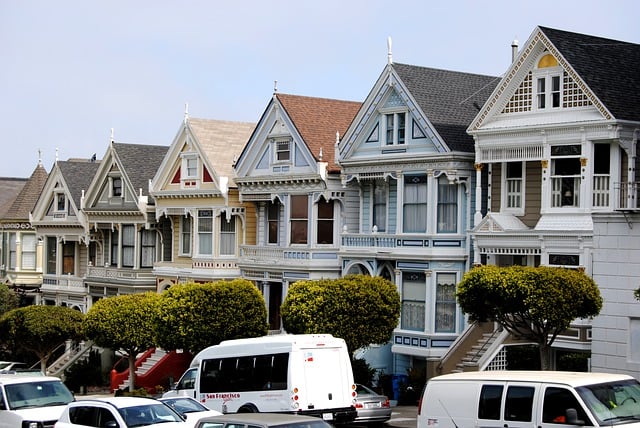
2 Days: SF and the Sierra Nevada Two days is one Sierra park, not a loop, so this trip goes all in on the biggest name of the five: Yosemite. It’s 170 miles each way, and without a 2026 day-use reservation system to smooth out arrivals, getting there early matters more than it used to. One night in the park, one full day of highlights, back in the city for a late dinner.
read more
3 Days in SF: The First-Timer Itinerary
Three days is the sweet spot for a first San Francisco trip: enough time to actually stand on Alcatraz, cross the Bridge on foot, and still eat your way through two or three neighborhoods without feeling rushed. Shorter trip? Drop to the 2-day version . More time? Step up to 4 , 5 , or 7 days .
Book these before you go
Alcatraz Day Tour: the official Alcatraz City Cruises page, $47.
read more
3 Days: San Francisco and NorCal
Three days from a San Francisco base adds Napa wine country to the two closest trips: Muir Woods and Sausalito (30 minutes), Point Reyes (1 to 1.5 hours), then a full day of tastings an hour east. Same spine as the 2-day plan , one more full day added. Do the city itself first though, our 3-day San Francisco itinerary covers that ground properly.
Book these before you go
Muir Woods parking or...
read more
3 Days: SF and the Sierra Nevada
3 Days: SF and the Sierra Nevada Three days turns the rushed Yosemite overnight into an actual visit. Same 170-mile drive out from San Francisco, but two nights in the park instead of one buys you Glacier Point, Mariposa Grove, and a second sunrise on the Mist Trail without sprinting between them. Only got a weekend? Drop to the 2-day version . Want Tahoe added on top? Jump to 4 days , or read the...
read more
4 Days in SF: The First-Timer Itinerary
Four days turns San Francisco from a highlight reel into an actual trip: the Bridge, the Rock, a full afternoon lost in Golden Gate Park, and enough slack to eat properly instead of grabbing whatever’s closest. Tighter schedule? Drop to 2 or 3 days . More time to burn? Step up to 5 , 6 , or 7 days .
Book these before you go
Alcatraz Day Tour: the official Alcatraz City Cruises page, $47.
read more
4 Days: Beijing and Beyond
Four days is where Beijing stops feeling like a checklist and starts feeling like a city you’re actually visiting: the imperial core, the wall, the old neighborhoods, and now a full day for the parts most two-day tourists never get to. Sort your entry logistics first, then dig in. Skipping the visa talk, our 4-day Beijing itinerary covers the same four days in-city only.
Book these before...
read more
4 Days: San Francisco and NorCal
Four days from a San Francisco base strings together the closest four Northern California trips: Muir Woods and Sausalito, Point Reyes, Napa, and a run down the coast to Half Moon Bay. Same spine as the 3-day plan , one more coastal day added. Give the city its own days first, our 4-day San Francisco itinerary covers that separately.
Book these before you go
Muir Woods parking or shuttle...
read more
4 Days: SF and the Sierra Nevada
4 Days: SF and the Sierra Nevada Four days is where this trip stops being one park and becomes a real loop. Two nights in Yosemite, then a genuinely spectacular drive over Tioga Pass to one night at Lake Tahoe before heading back to San Francisco. The catch: Tioga Pass is seasonal, open roughly late May through October depending on snow, so check its status before you commit to this exact route.
read more
5 Days in SF: The First-Timer Itinerary
Five days is where San Francisco stops feeling like a checklist and starts feeling like a place you’ve actually lived in for a week. You get the Bridge, the Rock, a full park day, and a fifth day to wander neighborhoods most visitors rush past. Need less time? Back off to 3 or 4 days . Got more? Push to 6 or 7 .
Book these before you go
Alcatraz Day Tour: the official Alcatraz City Cruises...
read more
5 Days: San Francisco and NorCal
Five days from a San Francisco base is where this loop earns its keep: Muir Woods and Sausalito, Point Reyes, Napa, Half Moon Bay, and a genuine full-day push south to Monterey, Carmel and the 17-Mile Drive. Same spine as the 4-day plan , one big finale added. Handle the city itself separately first, our 5-day San Francisco itinerary covers Alcatraz, the cable cars and the neighborhoods.
Book...
read more
5 Days: SF and the Sierra Nevada
5 Days: SF and the Sierra Nevada Five days gives both halves of this loop the time they deserve: two full nights in Yosemite, two full nights at Lake Tahoe, and the 195-mile Tioga Pass crossing between them, seasonal but spectacular when it’s open. Only doing Yosemite? Drop to 3 days . Want Sequoia added onto the loop as well? Move up to 6 days , or read the full San Francisco to Yosemite...
read more
6 Days in SF: The First-Timer Itinerary
Six days lets San Francisco unfold at its own pace: the big-ticket icons, a full park day, the neighborhoods most itineraries skip, and enough room left over to double back to whatever grabbed you most. Want it tighter? Drop to 4 or 5 days . Have a full week? Go to 7 .
Book these before you go
Alcatraz Day Tour: the official Alcatraz City Cruises page, $47.95 adult, released about 90 days out...
read more
6 Days: San Francisco and NorCal
Six days from a San Francisco base adds a second, quieter wine country day to the five-trip loop: Muir Woods and Sausalito, Point Reyes, Napa, Half Moon Bay, Monterey, and now Sonoma on its own. Same spine as the 5-day plan , one more wine day added. Give the city itself its own days first, our 6-day San Francisco itinerary handles that ground.
Book these before you go
Muir Woods parking or...
read more
6 Days: SF and the Sierra Nevada
6 Days: SF and the Sierra Nevada Six days is where the full loop starts to make sense: Sequoia’s giant trees first, then Yosemite, then Lake Tahoe, roughly 500 miles of driving strung together across three parks. It’s tight, one night at Sequoia is genuinely a rushed taste rather than a proper visit, but it beats skipping the biggest trees on Earth entirely. Only want Yosemite and...
read more
7 Days in SF: The First-Timer Itinerary
Seven days is enough time to actually earn San Francisco: the icons, a full park day, the neighborhoods everyone raves about, and a final day out toward the ocean where the crowds thin out completely. Need less runway? Drop back to 5 or 6 days . This is the full spine, extended all the way out.
Book these before you go
Alcatraz Day Tour: the official Alcatraz City Cruises page, $47.
read more
7 Days: San Francisco and NorCal
Seven days from a San Francisco base is the full Northern California loop: Muir Woods and Sausalito, Point Reyes, Napa, Half Moon Bay, a big push to Monterey and Carmel, a second wine day in Sonoma, and a car-free finale in Berkeley. Same spine as the 6-day plan , one easy last day added. Handle the city itself separately first, our 7-day San Francisco itinerary covers Alcatraz, the cable cars and...
read more
7 Days: SF and the Sierra Nevada
7 Days: SF and the Sierra Nevada A full week is what finally makes the three-park loop comfortable instead of rushed: two proper nights each at Sequoia, Yosemite, and Lake Tahoe, roughly 500 miles of driving spread across the week instead of crammed into it. This is the version to book if General Sherman, the Mist Trail, and Emerald Bay are all on your list and you don’t want to sprint...
read more
San Francisco California Travel Guide 2026
Rent a car in San Francisco for one day and the whole trip changes shape. Muir Woods is 30 minutes across the bridge. Napa is 90. Monterey and the 17-Mile Drive are a genuine 2-hour push south. None of it needs an overnight bag, and every single one of these seven trips is better than another afternoon fighting Fisherman’s Wharf crowds. Do the city itself first, our 2-day San Francisco...
read more
San Francisco Day Trips: What to Know
Seven genuinely different Northern California trips sit within a couple hours of San Francisco: redwoods, a wild coastline, wine country, an aquarium town, and one you don’t even need a car for. None of them require the city to be more than a home base with a good rental counter nearby. Here’s what each actually costs, how far ahead you need to book, and which one to cut if your...
read more
San Francisco to Yosemite and Tahoe
San Francisco to Yosemite and Tahoe Rent a car in San Francisco and you’re within a single tank of gas of five of the best road trips in the American West: Yosemite (170 miles), Lake Tahoe (190 to 220 miles), the Pacific Coast Highway toward Big Sur, Sequoia and Kings Canyon’s giant trees, and the redwoods north on Highway 101. None of them are day trips in the casual sense, and...
read more
San Francisco Travel Guide 2026
San Francisco packs the Golden Gate Bridge, a federal prison turned obsession, and the best burrito you’ll eat all year into 49 square miles, and the whole trip pivots on one decision: did you book Alcatraz yet? Tickets go live roughly 90 days out through Alcatraz City Cruises, the only outfit allowed to run the boat, and summer dates vanish within weeks. Lock that in first. Then let this...
read more
3 Days: Beijing and Beyond
Three days gives Beijing enough room to breathe: one day for the palace and square, one for the wall, and a third for the parts of the city that don’t show up on a postcard. Here’s the plan, plus the logistics you actually need to sort before you land. Want the same three days with none of the visa talk? Our 3-day Beijing itinerary covers the sightseeing only.
Book these before you go:
read more
2 Days: Beijing and Beyond
Two days in Beijing sounds tight, and it is, but it’s genuinely enough if you make one hard call up front: one day for the imperial core, one day for the wall, and you don’t try to squeeze both into a single afternoon. Here’s how I’d spend it, entry logistics included. Prefer to skip the visa talk and go straight to sightseeing? Our 2-day Beijing itinerary covers the same...
read more

Tokyo: Tickets, Hours and How to Visit
Tokyo doesn’t run on a single ticket or a single set of hours, it runs on 24 wards, 14 million residents, and a rail network that makes every other transit system on earth look like a rough draft. Give the city itself 3-5 days, get a Suica or PASMO IC card the moment you land, and budget somewhere between ¥8,000 and ¥15,000 a day once your room is paid for. That’s the whole city in one...
read more

Pena Palace: Tickets, Hours and How to Visit
Pena Palace is the reason Sintra shows up on every Lisbon day-trip list, a brightly colored jumble of towers and domes stacked on a misty hilltop about 28 km from the city, and it’s also the single easiest way to waste half a day if you show up without a plan. Here’s what it actually costs, when to go, and how to get there without standing in a line that eats your whole morning.
read more
Tokyo, Japan: Tickets and How to Visit
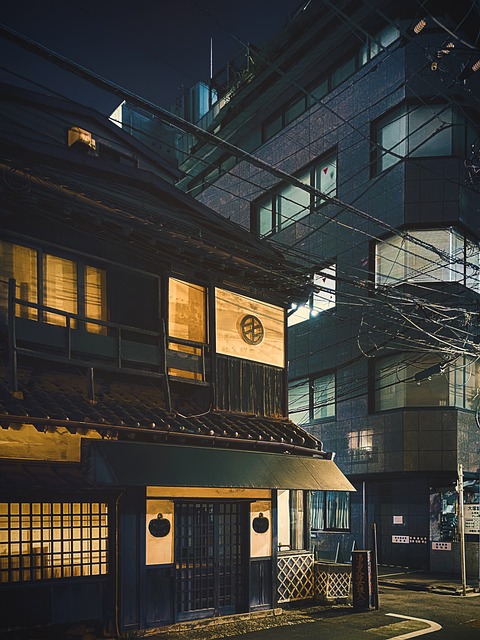
Step off a train in Tokyo and the city hits you all at once: a station announcement chiming in perfect pitch, a wall of vending machines glowing next to a thousand-year-old shrine gate, and somehow, absolutely no one shouting at anyone. Tokyo isn’t just Japan’s biggest city, it’s the country’s whole personality compressed into one sprawling, humming, endlessly walkable...
read more
7 Days in Beijing: First-Timer Plan
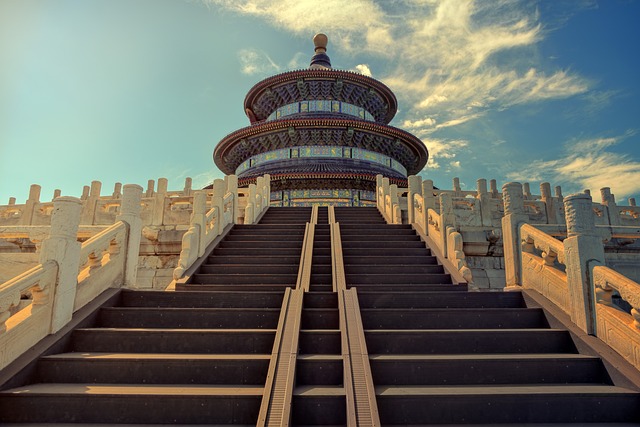
Seven days is enough time in Beijing to stop rushing entirely. You still hit every headline sight, the palace, the wall, the temples, but now there’s a second wall day thrown in and a full afternoon to just wander wherever looks interesting. Six days works nearly as well, see our 6-day plan ; building a trip beyond the city, our 7-day Beijing-and-beyond itinerary swaps a day for Tianjin...
read more
7 Days: Tokyo and Beyond
A full week in Tokyo is where the trip stops feeling like a checklist and starts feeling like a life you’re briefly living. Three days deep in the city, four day trips out of it, and enough breathing room that nothing gets rushed. This is the 6-day itinerary plus a closing day in Yokohama; if you’d rather spend that seventh day back inside Tokyo instead, see the plain 7-day Tokyo...
read more
7 Days: Lisbon, Sintra and Cascais
A week uses Lisbon as a base camp for the whole region: city core, Sintra, the Cascais coast, Setubal’s dolphins and wine, a walled town in Obidos, and a long final day out to Porto for travelers who want it all. On a tighter schedule? See the 6-day or 3-day versions.
Book these before you go:
Book Pena Palace tickets , timed entry, sells out in peak season Book a dolphin-watching tour for...
read more
6 Days: Tokyo and Beyond
Six days turns Tokyo from a highlight reel into an actual understanding of the region, three full days in the city itself and three day trips that show you how differently the rest of Japan moves. This builds on the 5-day itinerary by adding Nikko; round the trip out to a full week with the 7-day version , which closes with Yokohama.
Day Focus 1 Shinjuku and Shibuya: free observatories, the...
read more
Taipei: Tickets, Hours and How to Visit
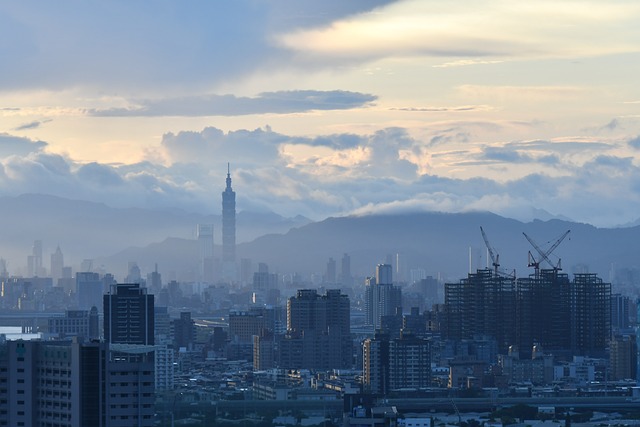
Taipei 101, the National Palace Museum, and Longshan Temple will eat two full days on their own if you let them, so know the hours and prices going in and build the rest of your visit around them, not the other way around. Here’s exactly what each one costs, when to go, and what to skip. Slotting all of this into a full trip? Our 3 day Taipei itinerary already maps the order.
read more

6 Days in Beijing: First-Timer Plan
Six days in Beijing means you finally get to be a little greedy about the Great Wall, doing the classic restored section early in the trip and a rougher, near-empty one later once you’ve got your legs under you. Five days is plenty too, see our 5-day plan ; a full week and our 7-day itinerary adds a market morning and Olympic Park.
Book these before you go:
Forbidden City tickets release...
read more
5 Days: Tokyo and Beyond
Five days is enough to actually stop counting neighborhoods and start feeling like you understand the place, and it leaves room for two proper day trips outside the city. This extends the 4-day itinerary with a Hakone day added on; go one further into Nikko territory with the 6-day version .
Day Focus 1 Shinjuku and Shibuya: free observatories, the Scramble, Meiji Shrine 2 Asakusa, Ueno and...
read more

7 Days: Taipei and Beyond
Taroko Gorge is still not the place it was before the April 2024 earthquake, and it’s worth saying plainly before you build a day around it: the Shakadang Trail and the Zhuilu Old Road, the two hikes everyone puts on their list, remain closed, and nobody’s promising them back soon. What is open, the Taroko Terrace Trail, the Tianxiang area, the Lushui Recreation Area’s first...
read more
4 Days: Tokyo and Beyond
Four days changes the math. You still get a full run through Tokyo’s core neighborhoods, but now there’s room to step outside the city entirely for a day and see how the rest of Japan feels. This builds on the 3-day itinerary by swapping in a day trip for the fourth day; add Hakone on top and you’ve got the 5-day version .
Day Focus 1 Shinjuku and Shibuya: free observatories, the...
read more
6 Days: Lisbon, Sintra and Cascais
Six days lets Lisbon do what it does best: work as a launchpad for the city, Sintra, Cascais, Setubal’s dolphins and wine, and now a sixth day out to Obidos, a walled medieval town most visitors never reach. Shorter trip? Try 5 days . Have a full week? Go longer .
Book these before you go:
Book Pena Palace tickets , timed entry, sells out in peak season Book a dolphin-watching tour for day...
read more
6 Days: Taipei and Beyond
A three-hour High Speed Rail ride from Taipei gets you all the way to Tainan, a city that was Taiwan’s capital for over two centuries before Taipei ever held the title. Six days is exactly enough runway to spend half the trip in and around the capital, then ride the HSR down the west coast to see why the south feels like an entirely different country. Rather stay put in the capital?
read more

7 Days: Lhasa and Tibet
Seven days gets you the one thing a shorter trip can’t: room to go past the city limits without gambling on your acclimatization, ending at Shigatse’s Tashilhunpo Monastery with a spare morning to spare. This is the full version of our 6-day plan ; a valid Chinese visa gets you nowhere here on its own, so the paperwork below matters as much as the route.
Book these before you go
read more

7 Days: Singapore and Beyond
A full week using Singapore as a base means two countries, three ferry or bus crossings, one no-passport island, and enough runway to bookend the whole trip at the airport that started it. This is the full 6-day spine plus a last day built entirely around Changi itself. Want to spend all seven days inside the city instead? Our 7-day Singapore itinerary never leaves it.
Book these before you go
read more
3 Days: Tokyo and Beyond
Three days is the sweet spot: enough time to actually settle into Tokyo’s rhythm instead of sprinting between photo stops, still fully inside the city before you push out to the rest of Japan. Here’s a spine that covers the essentials without wasting a single train transfer. Add a fourth day and this route starts sending you out of the city, see the 4-day itinerary for exactly where....
read more
5 Days in Beijing: First-Timer Plan
Five days is where Beijing really opens up. You still get the palace and the wall on the front end, but now there’s room for the emperors’ actual tombs, an art district built inside an old weapons factory, and enough slack in the schedule that a slow lunch doesn’t blow the whole afternoon. Only have four days? Our 4-day plan covers the same core minus this fifth day; six days and...
read more