Recent Traveler Mania

6 Days: Shanghai and Beyond
Six days gives you room for everything the shorter versions of this trip have to trade off against each other: both classic day trips, a proper water-town detour, and a real two days in Beijing rather than the compressed sprint a five-day trip forces. This is the gateway itinerary that doesn’t feel like it’s cutting corners anywhere.
Book these before you go: the Beijing G-train on...
read more

2 Days: Vegas and Nevada Parks
Two days is enough to base yourself on the Strip and still bag the two easiest Nevada day trips: Hoover Dam, the shortest drive of the bunch at 45 minutes, and Red Rock Canyon, 20 minutes the other direction. Rent a car for both days, sleep on the Strip, and you’ll never touch a rideshare surcharge. For the longer version of this same spine, see our 3-day and 7-day Nevada plans.
read more
Las Vegas and Nevada: Day Trip Guide
Las Vegas is the best base camp in the country for a desert road trip, and most first-timers never find out. Red Rock Canyon sits 20 minutes off the Strip. Hoover Dam is 45. Valley of Fire and Mount Charleston both land under an hour, and Seven Magic Mountains is a free 20-minute detour on the way to or from the airport. None of it needs an overnight bag. Rent a car, pick one or two of the five,...
read more

Las Vegas to the Grand Canyon and Zion
Las Vegas to the Grand Canyon and Zion Every major Southwest national park sits closer to Las Vegas than most people assume, and that’s the real reason to rent a car here instead of parking it at a resort all week. Grand Canyon West Rim is 2 to 2.5 hours away. Zion is under 3. Bryce, Antelope Canyon, and the actual Grand Canyon National Park (the South Rim, not the tribal-land West Rim...
read more
Las Vegas Travel Guide 2026
Two days on the Strip gets you a resort, the Sphere or High Roller, and the Bellagio fountains at night. Four or five days lets you add Downtown, a real dinner budget, and a slower pace instead of back-to-back 20,000-step days. Either way, budget the resort fee and parking before you look at hotel rates, because both get added at checkout and they change the math on every “cheap” room...
read more
5 Days: Shanghai and Beyond
Five days is the shortest window where a real Beijing hop actually fits. This itinerary trades the deeper water-town detour of the 4-day version for a compressed but genuine trip to the Forbidden City and the Great Wall, which is the moment this stops being a Shanghai trip with day trips and starts being an actual China trip.
Book these before you go: the Beijing G-train on Trip.com (book the...
read more
4 Days: Shanghai and Beyond
Four days is where a gateway trip stops feeling rushed. You get the same Suzhou and Hangzhou day trips as the shorter versions of this itinerary, plus a fourth day that goes deeper into the water towns and gives you a genuine read on how different the rest of the Jiangnan region feels from Shanghai itself.
Book these before you go: train tickets on Trip.com for both Suzhou and Hangzhou, a Shanghai...
read more
3 Days: Shanghai and Beyond
Three days is the sweet spot for a genuine gateway trip: enough time to land, get your bearings, and actually take both of the classic day trips out of the city rather than just one. This is the plan for someone who wants to say they’ve seen a slice of China beyond a single skyline, without committing a full week to it.
Book these before you go: Suzhou and Hangzhou train tickets on Trip.
read more
2 Days: Shanghai and Beyond
Two days isn’t enough to see Shanghai properly, and that’s fine, because this itinerary isn’t trying to. This is the plan for travelers passing through on the way to somewhere else in China, or bolting a quick side trip onto the front or back of a longer domestic itinerary. Think of it as a gateway sprint: land, get oriented, take one real train ride out of the city, then keep...
read more
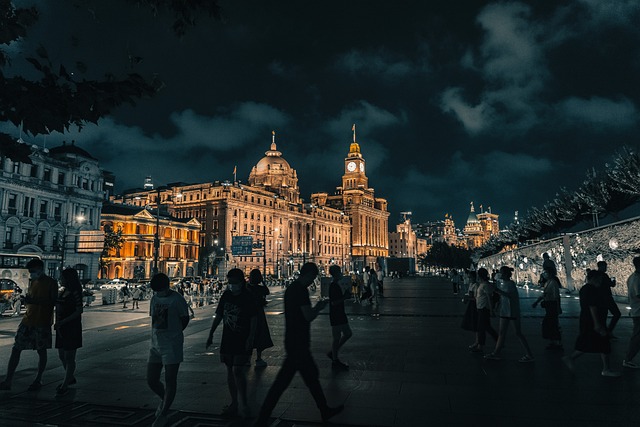
7 Days in Shanghai: First-Timer Plan
A full week in Shanghai means you can actually slow down, and it means you can reach every corner of the city, including the parts most visitors never find, without ever needing to leave the municipality. This is the itinerary I’d hand a friend who asked me to plan the whole thing, and it builds on the 2 , 3 , 4 and 5 day versions if you’d rather start shorter.
read more

7 Days in Toronto: The First-Timer Itinerary
A full week in Toronto is genuinely enough to stop treating it like a layover before Niagara Falls and actually understand it as one of the stronger multi-day city trips on the continent. This is the longest version I’d hand anyone, built on the same downtown-museums-islands-neighborhoods-sports spine as the shorter itineraries, plus a full extra day for the parts repeat visitors actually...
read more
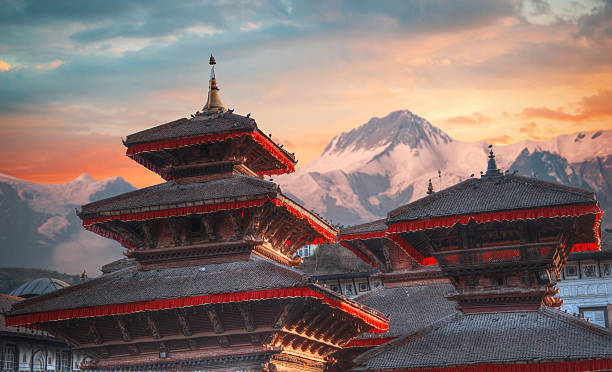
7 Days: Kathmandu and Nepal
Seven days is enough to hit both of the Kathmandu Valley’s classic hill excursions and still get a real stretch in Pokhara, the actual Annapurna gateway, rather than rushing through on a single overnight. This builds on everything in the 6-day itinerary , arrival, the Everest flight, the Nagarkot overnight and Changu Narayan descent, the Pokhara leg, and slots in a second hill hike to...
read more
6 Days: Kathmandu and Nepal
Six days is the point where I’d actually swap out the second valley hike for a genuine trip beyond it. This keeps the arrival day, the Everest flight, and the Nagarkot overnight with its Changu Narayan descent from the 5-day itinerary , but trades Dhulikhel for two days in Pokhara instead, the actual Annapurna trekking gateway and, frankly, a better use of your remaining time than another...
read more
5 Days in Shanghai: First-Timer Plan
Five days is genuinely the best length for Shanghai itself, enough time downtown that you’re not rushing, and enough room to sneak in the water town and the neighborhoods most visitors skip without feeling like you shortchanged the city. Here’s the version I’d run, and if you want the shorter or longer cut, I’ve built 2 , 3 , 4 and 7 day versions too.
Book these before you...
read more
5 Days: Kathmandu and Nepal
Five days lets you stack two proper hill excursions instead of one, which is exactly what separates a real taste of Nepal’s trekking culture from a single viewpoint stop. This carries over the whole spine of the 4-day itinerary , arrival, Everest flight, Nagarkot overnight, the Changu Narayan descent, then adds a second hike out toward Dhulikhel before you fly home. If pure city and monument...
read more
4 Days: Kathmandu and Nepal
Four days is where this itinerary stops being just a flight-plus-sunrise and turns into an actual taste of trekking, a real hike on your own two feet, not just a viewpoint you drove to. It follows the same spine as the 3-day version , arrival, an Everest flight, a Nagarkot overnight, but swaps the straight drive back down for a genuine descending trail. If pure valley sightseeing is more your...
read more
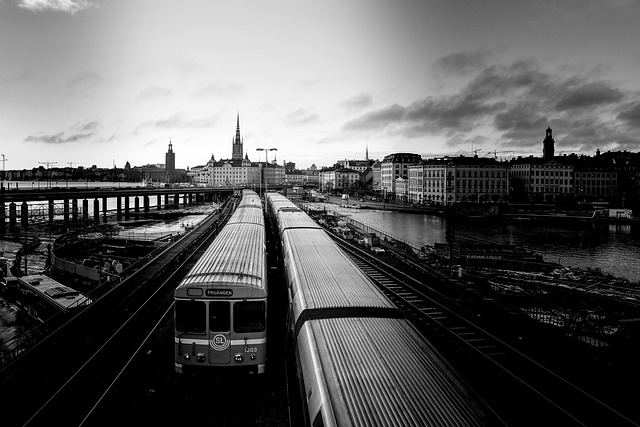
Stockholm: How to Visit and What to Know
Fourteen islands, a metro system people genuinely call the world’s longest art gallery, and a warship that sat on the harbor floor for 333 years before anyone dragged it back up. Stockholm doesn’t ease you in, it hits you with all of this at once, and I love that about it. This is the city itself, no archipelago overnights, no rest-of-Sweden detours, just what’s worth your time...
read more
4 Days in Shanghai: First-Timer Plan
Four days lets you do Shanghai properly, right down to the water town and the neighborhoods most visitors never bother finding, without ever leaving the municipality. Here’s exactly how I’d build it, and it nests inside the 5 and 7 day versions if you extend the trip later.
Book these before you go: a Shanghai Tower skip-the-line ticket (GetYourGuide), a Zhujiajiao water town tour if...
read more
3 Days: Kathmandu and Nepal
Three days is enough to stop treating Kathmandu as a pure layover and actually get two real Himalaya payoffs instead of one, a scenic flight and a genuine sunrise from the ground, without needing to commit to an actual trek yet. This builds on the 2-day plan , same arrival-day logistics, one extra night pushed toward the mountains instead of back to the airport. If you’d rather spend these...
read more
2 Days: Kathmandu and Nepal
Two days in Kathmandu almost never means two days of sightseeing for the reason you’d think. It’s a layover with a pulse, the gap between landing and a flight to Lukla, or a quick mountain fix for someone who isn’t trekking at all this trip. Either way, don’t burn it wandering Durbar Squares you’ll rush through anyway. This plan gets you logistics-sorted and one...
read more
3 Days in Shanghai: First-Timer Plan
Three days finally gives Shanghai room to breathe, one day for the classic riverside icons, one for the futuristic Pudong energy, and one for the artsy, creative side most visitors never bother finding. Here’s how I’d spend it, and it nests right inside the 4 , 5 and 7 day versions if you’ve got more time.
Book these before you go: a Shanghai Tower skip-the-line ticket...
read more
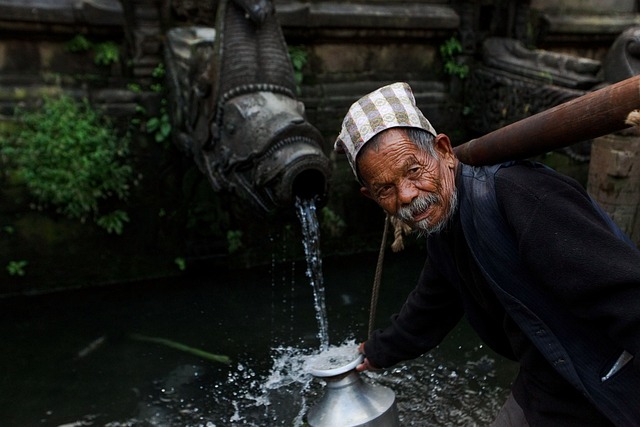
7 Days in Kathmandu: First-Timer
Seven days is genuinely the best length for the Kathmandu Valley if you want all seven UNESCO monument zones, both sister cities, and the hidden villages, without feeling rushed at any point. This one stays inside the valley the entire week, if you’re extending into a trek, Pokhara, or Chitwan afterward, our Nepal gateway itinerary is the one to read next, and the full guide has more depth...
read more

7 Days: Stockholm and Sweden
Seven days is the full version of this gateway trip: the archipelago overnight, Drottningholm, Birka, Uppsala, and Sigtuna our shorter itineraries have to trade off against each other, plus a genuine two-city rail leg to the west coast and a real explanation of why the far north isn’t on this list at all. If you’d rather spend the week entirely inside Stockholm, our Stockholm city...
read more
6 Days in Kathmandu: First-Timer
Quick correction before we start: this itinerary stays inside the Kathmandu Valley the whole time, no Nagarkot overnight, no Everest flight, that trekking-gateway side of Nepal gets its own treatment in our Nepal itinerary . Six days gives you room to do the valley properly, all seven UNESCO monument zones plus the hidden villages most visitors never reach. Check the full guide for the background...
read more
5 Days in Kathmandu: First-Timer
Correction up front, because I’ve seen this itinerary written wrong more than once: Swayambhunath and the Monkey Temple are the same place, not two separate stops. Get that straight and five days in the Kathmandu Valley turns into one of the best-paced trips in the region, all seven UNESCO zones done properly, no rushing. This stays valley-focused, for the Everest and Pokhara side of things...
read more
2 Days in Shanghai: First-Timer Plan
Two days in Shanghai is tight, borderline reckless, but it’s genuinely enough to fall hard for this city if you move fast and skip the fluff. Here’s the plan I’d actually run, and if you get more time later, I’ve built out 3 , 4 , 5 and 7 day versions that nest right on top of this one.
Book these before you go: Shanghai Tower skip-the-line tickets (GetYourGuide), a...
read more
6 Days: Stockholm and Sweden
Six days is where this trip stops being “Stockholm plus some day trips” and starts being an actual tour of Sweden, this plan keeps the same archipelago-Birka-Uppsala spine our shorter itineraries build, then adds a proper overnight hop to Gothenburg, a real Swedish city with a food scene that, and I’ll defend this, outcooks the capital. If it’s your first Stockholm trip, do...
read more
4 Days in Kathmandu: First-Timer
Four days is where the Kathmandu Valley really opens up, enough time for all seven UNESCO monument zones plus a genuine feel for Patan and Bhaktapur as their own historic cities, without the rushed feel of a two or three day sprint. This is the valley-deep version, if you’re heading onward to a trek or Pokhara afterward, our Nepal gateway itinerary picks up from here. Here’s the plan,...
read more
3 Days in Kathmandu: First-Timer
Three days gets you the full Kathmandu Valley experience, the seven UNESCO zones plus a proper look at Patan and Bhaktapur as the independent historic cities they actually are, not day-trip afterthoughts. I’d argue this is the sweet spot length if you’re not continuing on to a trek or Pokhara, our Nepal gateway itinerary covers that side of things separately. Here’s exactly how...
read more
Shanghai Travel Guide 2026: Before You Go
Everyone pictures Shanghai as the neon skyline shot, Pudong’s towers glowing across the Huangpu River, and honestly that image undersells the place. The skyline is the appetizer. What actually gets me every single time I’m there is how the city flips between two totally different personalities depending which side of the river you’re standing on, colonial waterfront grandeur on...
read more
2 Days in Kathmandu: First-Timer
Two days in Kathmandu is tight but genuinely doable if you stop trying to see everything and pick the sights that earn the entry fee. This is the valley-focused version, no Everest flights or Pokhara detours, just the city and its two sister kingdoms done right. Here’s how I’d spend it, and see our full Kathmandu guide for the deeper context on every stop below.
Book these before you...
read more
5 Days: Stockholm and Sweden
Five days is the point where a Stockholm trip stops being a city visit and starts being an actual Sweden trip, this plan keeps the archipelago-and-Drottningholm arc our shorter itineraries run, gives Birka the full day it needs, and adds Uppsala, the university city that most short trips never get to because it competes directly with archipelago time. If you want the in-city sights instead, our...
read more
6 Days in Toronto: The First-Timer Itinerary
Six days lets you go genuinely deep on Toronto instead of skimming the surface, and that’s exactly how I’d treat it: downtown icons first, then museums, islands and a castle, a full neighborhood day, sports and nightlife, then a day out in Scarborough that most short-trip visitors never even consider.
Book these before you go
CN Tower tickets online, book ahead of the mid-morning...
read more
Kathmandu and Beyond: Nepal Guide
Here’s the thing nobody says out loud before you book a Kathmandu ticket: for a huge share of the people landing at Tribhuvan, this city isn’t the trip. It’s the door to the trip. Everest Base Camp, Annapurna, Pokhara’s lake, a rhino safari in the lowland jungle, all of it launches from here, and treating Kathmandu as just another temple-hopping checklist means missing the...
read more
Kathmandu Travel Guide 2026
I’ll say it upfront: most guides send you straight to the postcard sights and leave you fumbling with the logistics. I’m doing this one backwards, money and movement first, temples second, because that’s the stuff that actually trips people up in Kathmandu. And I’m keeping this one focused on the valley itself, Kathmandu plus its two sister cities Patan and Bhaktapur,...
read more
Shanghai and Beyond: China Trip Guide
Land at Pudong, do the Bund, eat some soup dumplings, fly home five days later, and you’ve technically “been to China” without ever setting foot outside one city that spent a century being the least Chinese place in the entire country. That’s the trip most first-timers book by accident. This is the version where Shanghai is your launchpad, not your whole itinerary, because...
read more

7 Days: Porto and the Douro Valley
A full week is, in my opinion, the right amount of time to stop thinking of Porto as a city break and start treating it as what it actually is, the front door to the rest of Portugal. This version takes you from the vineyard terraces of the Douro all the way down to Lisbon, with real breathing room at both ends. Here’s the plan.
Book these before you go
read more
4 Days: Stockholm and Sweden
Four days gets you the full archipelago-plus-Drottningholm arc our shorter itineraries have to compress, with a whole extra day to give the Viking-age island of Birka the time it actually needs. Doing this trip and the in-city checklist? Our Stockholm city guide has Gamla Stan and the Vasa Museum covered, this plan is built entirely around what’s beyond the city limits.
Day Focus 1 Ferry to...
read more
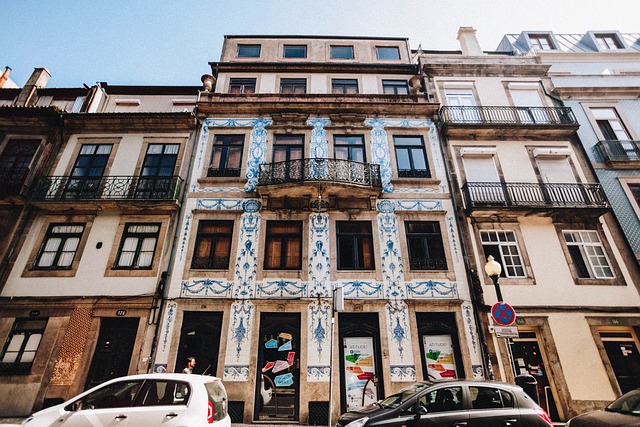
6 Days: Porto and the Douro Valley
Six days is where a Porto trip stops being a city break and turns into a genuine loop through northern and central Portugal, and my favourite version of it doesn’t end back where it started. Here’s how I’d run it, finishing in Lisbon instead of flying home out of Porto.
Book these before you go
Douro Valley day trip and overnight options : the train-plus-cruise combos sell out in...
read more
3 Days: Stockholm and Sweden
Three days is enough to actually push past the archipelago’s easy first stop and add the country’s real royal residence to the trip, so that’s what this plan does, it’s built as your Sweden gateway, not another lap of Gamla Stan. If it’s your first time in the city, do the checklist stuff on a separate trip using our Stockholm city guide , everything here assumes the...
read more
5 Days: Porto and the Douro Valley
Five days is the sweet spot for treating Porto as a genuine launch pad into the rest of northern and central Portugal, one anchor trip a day, no rushing, and it still leaves you home before the week’s out. Here’s the version I’d actually run.
Book these before you go
Douro Valley day trip and overnight options : the train-plus-cruise combos sell out in summer A quinta room around...
read more
2 Days: Stockholm and Sweden
Two days isn’t enough to do Stockholm’s in-city checklist and get out to the archipelago, so this itinerary doesn’t try. It’s built entirely around the one experience a city-only trip structurally can’t give you: an actual overnight out on the water. If you want Gamla Stan and the Vasa Museum done right, our Stockholm city guide covers that ground properly, this plan...
read more
4 Days: Porto and the Douro Valley
Four days gives you enough runway to treat Porto as a genuine gateway rather than a rushed city stop, the Douro Valley overnight, a combined day in the towns that founded the country, and a lighter, quirkier detour to close it out. Here’s the route.
Book these before you go
Douro Valley day trip and overnight options : the train-plus-cruise combos sell out in summer A quinta room around...
read more
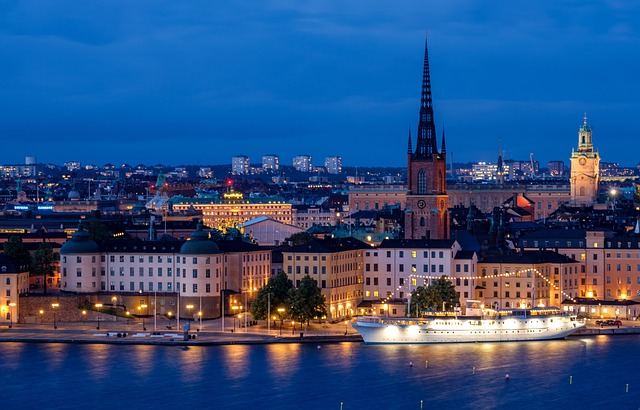
7 Days in Stockholm: First-Timer Plan
A full week in Stockholm is genuinely a gift, this city rewards unhurried time more than almost anywhere in Scandinavia. This version stays entirely inside the city itself, if a week means you want the wider archipelago, Uppsala, or the rest of Sweden too, that’s the Stockholm, Sweden itineraries instead, and honestly, give the city itself two full days before you even think about heading...
read more
3 Days: Porto and the Douro Valley
Three days as your Portugal gateway is enough to do the one non-negotiable trip properly, the Douro Valley overnight, and still add a full day into the towns that explain how this country came to exist. Here’s the route I’d actually run.
Book these before you go
Douro Valley day trip and overnight options : the train-plus-cruise combos sell out in summer A quinta room around Pinhao :...
read more
5 Days in Toronto: The First-Timer Itinerary
Five days is genuinely the sweet spot for Toronto: enough time for the downtown icons, museums, the islands, a full neighborhood day, and a sports-and-nightlife day without burning out. Here’s the version I’d actually run, building on the same spine as the shorter trips.
Book these before you go
CN Tower tickets online, book ahead of the mid-morning crowds. Toronto Islands tour tickets...
read more
6 Days in Stockholm: First-Timer Plan
Six days in Stockholm means you can actually relax into it, no sprinting, no cramming three neighborhoods into one afternoon. This whole trip stays inside the city itself, if you want the wider archipelago, Uppsala, or the rest of Sweden folded in, that’s the Stockholm, Sweden itineraries instead. Here’s the plan, with a couple of price corrections from earlier drafts that matter for...
read more
2 Days: Porto and the Douro Valley
People ask me constantly how to see Porto properly in two days. My honest answer: don’t, not the city itself. Save that for a trip with more room and read our full Porto city guide when you’re ready for it. With only 48 hours and Porto as your gateway, I’d spend both of them somewhere you can’t easily bolt on later: the Douro Valley, overnight, at an actual working wine...
read more
5 Days in Stockholm: First-Timer Plan
Five days lets you stop rushing and actually settle into Stockholm’s rhythm. This whole trip stays inside the city itself, Gamla Stan through Kungsholmen, no archipelago overnights or Sweden-wide detours, that’s the Stockholm, Sweden itineraries instead. Fair warning: an earlier draft of this itinerary sent readers chasing the archipelago on a day trip that belongs to a totally...
read more
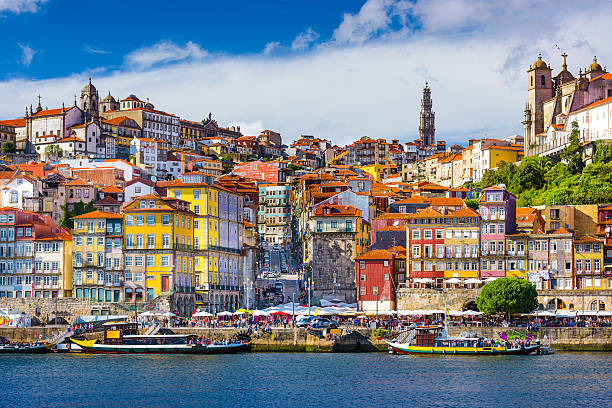
7 Days in Porto: First-Timer Itinerary
A full week in Porto is when the city stops feeling like a checklist and starts feeling like somewhere you actually live for a bit. This whole week stays inside the city, no Douro Valley train, no Guimaraes or Braga, just every corner of Porto and Gaia you’d otherwise have to rush. If those trips are on your list too, that’s the Porto, Portugal guide and its own week-long itinerary....
read more