Recent Traveler Mania
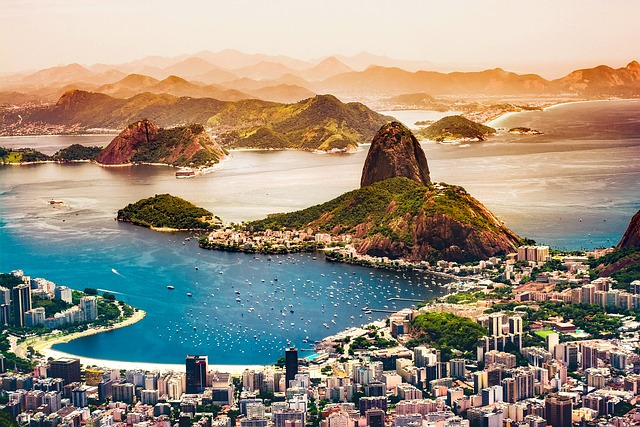
5 Days in Rio: The First-Timer Itinerary
Five days is the sweet spot for Rio without leaving the city limits once. You get every icon, a full culture day, and an entire day of rainforest and hiking that shorter trips have to cut.
Day Focus 1 Christ the Redeemer, Copacabana Beach 2 Sugarloaf, Ipanema, Arpoador sunset 3 Santa Teresa, Lapa 4 Waterfront museums, downtown 5 Tijuca Forest, Jardim Botanico Book these before you go: the official...
read more
4 Days in Rio: The First-Timer Itinerary
Four days gives you enough runway to pace yourself properly, hit every icon, and still add a full museum day without anything feeling rushed. Here’s the plan.
Day Focus 1 Christ the Redeemer, Copacabana Beach 2 Sugarloaf, Santa Teresa 3 Ipanema, waterfront museums 4 Old Rio culture, Maracana Book these before you go: the official cogwheel train sells out sunrise and sunset slots 2-3 days...
read more
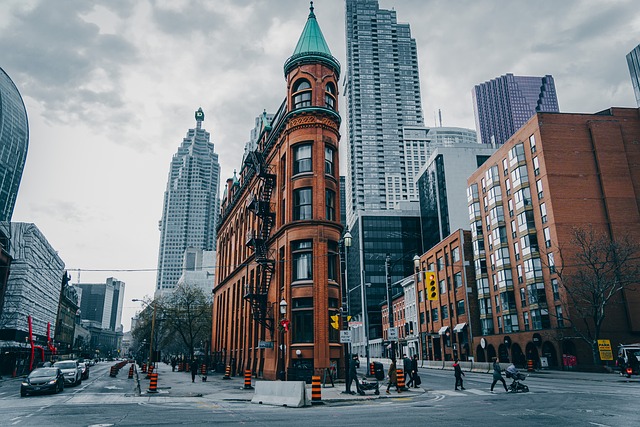
Toronto and Beyond: Canada by Rail
Here’s a fact that changes how you should plan this trip: Toronto isn’t just a city you visit, it’s the front door to an entire country. Clear customs at Pearson, and every other border in Canada disappears. Ride a train to another province and nobody checks your passport again. That’s the real story here, and once it clicks, you stop treating Toronto as a weekend stop and...
read more
Toronto Travel Guide 2026: Before You Go
I’ve had friends describe Toronto as “fine,” and every single time they say it after a two-day layover before Niagara Falls, never after an actual week here. That’s the whole problem with how this city gets talked about. Give it real time and it stops being a stopover and turns into one of the most rewarding city trips on the continent, food-first, walkable, and genuinely...
read more
3 Days in Rio: The First-Timer Itinerary
Three days is enough to stop treating Rio like a scavenger hunt. You still hit every headline sight, but you get a full afternoon in Santa Teresa instead of a rushed twenty minutes, and that’s the difference between seeing Rio and actually feeling it.
Day Focus 1 Christ the Redeemer, Copacabana Beach 2 Sugarloaf, Santa Teresa, Lapa 3 Ipanema, Leblon, Maracana or a hike Book these before you...
read more
2 Days in Rio: The First-Timer Itinerary
Two days in Rio means picking exactly two things per day and refusing to feel guilty about everything you’re skipping. This version compresses the icons into a tight loop and still leaves you with real beach time, not just a photo stop.
Day Focus 1 Christ the Redeemer, Copacabana Beach 2 Sugarloaf, Ipanema, Arpoador sunset Book these before you go: Christ the Redeemer sells out its sunrise...
read more
Rio and Beyond: Know Before You Go
Rio de Janeiro, Brazil: Where the Country Actually Starts
Most visitors arrive in Rio, do the beach and the mountain, and fly home believing they’ve seen Brazil. They’ve seen one city in a country of 200 million-plus people that runs to Iguacu Falls in the south and the Amazon in the north. Rio’s real job, for a first-time visitor, is orientation: it’s where you first hear...
read more
Rio de Janeiro: Hours, Tips and How to Visit
Rio de Janeiro: The Geography Is the City
Rio is built along roughly 90km of Atlantic coastline wedged between granite mountains and the sea, so the beaches, the peaks, and the city occupy the same tight footprint. From almost any high point you can see the ocean; from the ocean you can see the mountains. That physical arrangement is the single most useful thing to understand before you land: the...
read more
Rio and Beyond: Brazil Trip Guide
Land at Galeao and you haven’t just arrived in a city, you’ve crossed into a country that speaks a different language than every neighbor around it, that ran an entire European empire from this exact bay for thirteen years, and that hasn’t been its own capital since 1960. Most travelers treat Rio as a five-attraction checklist and fly home. That’s the mistake. Rio is the...
read more
Rio de Janeiro Travel Guide 2026
I picked the wrong neighborhood on my first Rio trip and paid for it with an hour-long commute to the beach every single morning. Don’t repeat my mistake. Where you sleep in this city shapes literally everything else that follows, your safety walking home at night, how far you are from the sand, even your grocery bill, so let’s nail this down before you book a single thing.
Rio...
read more
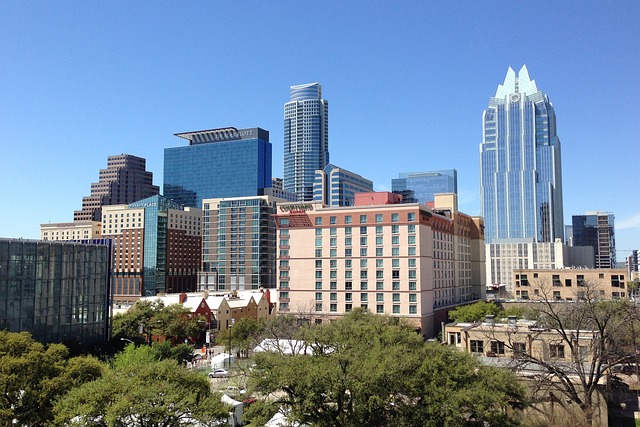
Austin: How to Visit and What to Know
Here’s what nobody tells you before your first trip to Austin: this is the actual capital of Texas, seat of state government, and it still somehow feels like the least Texas-y city in the state. No ten-gallon-hat theme park, no oil-money swagger. Just a low-slung, sweaty, genuinely strange place that runs on breakfast tacos, live music, and a swimming hole that stays cold no matter how hard...
read more
7 Days in Austin: The First-Timer Itinerary
Seven days is the full spread, everything from the 6-day itinerary , downtown, Zilker and SoCo, UT campus and East Austin, the Greenbelt, Hill Country, and San Antonio, plus one genuinely open flex day to double back on whatever you loved most. Here’s the whole week, laid out day by day.
Book These Before You Go A downtown or South Congress hotel room: check rates on Booking.com , since...
read more
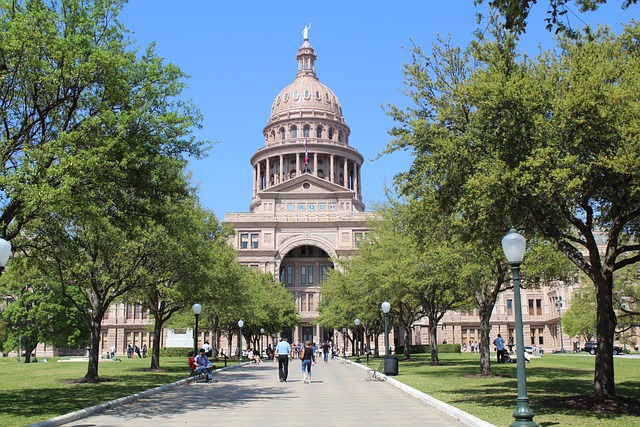
6 Days in Austin: The First-Timer Itinerary
Six days is where the 5-day trip turns into a genuine week: everything from downtown to Hill Country, plus a second full day trip south to San Antonio that shorter visits simply skip. Here’s the whole run.
Book These Before You Go A downtown or South Congress hotel room: check rates on Booking.com , since SXSW, ACL, and F1 weeks all spike prices fast. A bat-watching cruise on GetYourGuide if...
read more
5 Days in Austin: The First-Timer Itinerary
Five days gives you the room to add a genuine Hill Country day trip on top of the 4-day core , downtown, Zilker and SoCo, UT campus and East Austin, the Greenbelt and Mount Bonnell, and now a full day out of the city that a shorter trip just can’t fit. Here’s exactly how I’d stage it.
Book These Before You Go
A downtown or South Congress hotel room: check rates on Booking.
read more
4 Days in Austin: The First-Timer Itinerary
Four days is enough to stop sprinting and actually settle into Austin’s rhythm, downtown, Zilker and SoCo, UT campus and East Austin, and now a full day for the Greenbelt and Mount Bonnell that the 3-day version simply doesn’t have room for. Here’s how I’d stage the extra day on top of that same foundation.
Book These Before You Go A downtown or South Congress hotel room:...
read more
3 Days in Austin: The First-Timer Itinerary
Three days is where Austin actually opens up: a full downtown day, a full outdoors-and-SoCo day, and a whole day for UT campus and East Austin that a shorter trip can’t fit in. If you’ve only got the 2-day version in mind, this is what an extra day buys you. Here’s the plan I’d run.
Book These Before You Go A downtown or South Congress hotel room: check rates on Booking.
read more
2 Days in Austin: The First-Timer Itinerary
Two days in Austin means you make choices fast and don’t look back. No Hill Country day trip, no lingering brunches, just the essential downtown-and-Zilker core done properly: the Capitol, a BBQ decision, a cold spring, and the bats if the calendar cooperates. Here’s the sprint I’d actually run, and I’m not sorry about how tight it is.
Book These Before You Go A downtown or...
read more
Austin Travel Guide 2026: Know Before You Go
The first thing that got me about Austin wasn’t the bats or the BBQ, it was realizing halfway through my first morning that I’d already forgotten I was in Texas. No cowboy-hat theme park energy, no oil-money swagger, just a genuinely weird, genuinely fast-growing city that happens to sit inside the state capital and somehow makes both of those things true at once. Quick correction...
read more
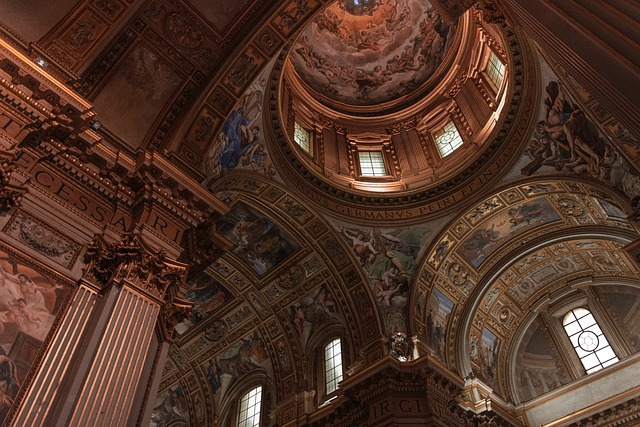
Rome: Tickets, Hours and How to Visit
Rome doesn’t organize itself the way you expect a great city to. There’s no single skyline moment, no one plaza where it all clicks. Instead you get a scooter buzzing past a 2,000-year-old wall, a nonna hanging laundry over a Renaissance courtyard, and a queue for gelato forming next to a church with three Caravaggios inside that almost nobody walks into. The chaos isn’t a flaw...
read more
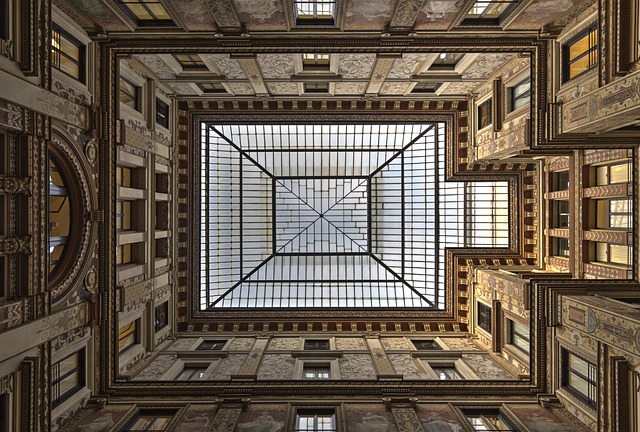
7 Days in Rome + Italy Day Trips
By day seven you stop being a tourist and start being someone who just happens to be based in Rome for a week, which is exactly the point. Four days for the city’s essentials, then three days using Termini and Tiburtina the way they’re meant to be used: as launch points for an ancient port town, a pair of hilltop Renaissance gardens, and pizza’s actual birthplace, all without...
read more
6 Days in Rome + Italy Day Trips
Six days lets you do something most Rome itineraries skip entirely: leave the city three separate times without wrecking the pace of the trip. Three days in the city center for the essentials, then a three-day run out through Lazio, ancient port ruins, hilltop Renaissance gardens, and a wine town with a view. Here’s the full arc.
Day Focus 1 Ancient Rome and gelato 2 Vatican City 3...
read more
5 Days in Rome + Italy Day Trips
Five days is where Rome really opens up: room for two genuine day trips outside the city, room to eat like a local instead of a tourist, and no need to rush a single museum. This version gets you to an ancient Roman port town AND a pair of UNESCO villas in the hills, on top of everything the city itself demands. Here’s how it stacks up.
Day Focus 1 Ancient Rome and Colosseum 2 Vatican City 3...
read more
4 Days in Rome + Italy Day Trips
Four days is the first version of this itinerary where you actually leave the city, and it’s the sweet spot: three full days to do ancient Rome, the Vatican, and Renaissance Rome without a spreadsheet, then a fourth day riding the Roma-Lido train out to a whole intact Roman port town most first-timers have never heard of. Here’s the arc.
Day Focus 1 Ancient Rome and the Colosseum 2...
read more
3 Days in Rome + Italy Day Trips
Three days is the first point where Rome stops being a pure sprint, and it’s exactly enough runway to sneak your first taste of the wider region in without sacrificing a single big-name sight. This version still hits the Colosseum, the Vatican, and Centro Storico properly, but Day 3 opens with a 40-minute train ride to a genuinely intact ancient Roman town most visitors never learn exists....
read more
2 Days in Rome: Skip the Day Trips
Let’s be honest about what 48 hours in Rome actually buys you: the essential city, and nothing else. Termini station sits right there, ready to shoot you out to Ostia Antica or Tivoli, and on this trip you’re going to ignore it completely. That’s the right call. Trying to squeeze a day trip into a 2-day visit means you’d be trading one of your two Rome days for a half-day...
read more
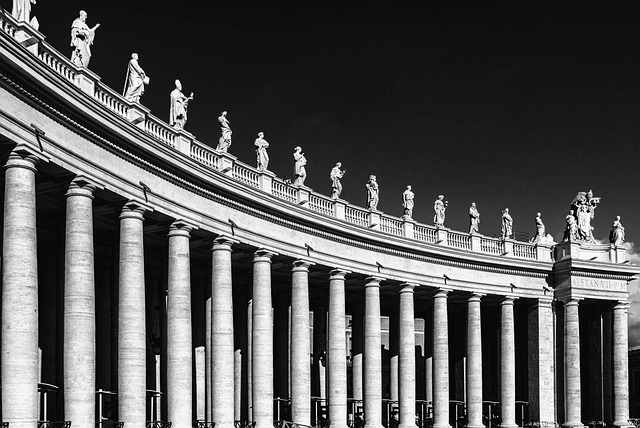
7 Days in Rome: The First-Timer Itinerary
Day 1: Arrival and Roman Ruins Seven days in Rome sounds excessive until you realize you’ll still leave things undone. This is the itinerary built for travelers who want to actually taste the city instead of sprinting through it. If a week is more than you’ve got, our 4-day and 6-day itineraries run the same spine at a faster pace.
Day Focus 1 Arrival, Colosseum, Forum, Palatine 2...
read more
6 Days in Rome: The First-Timer Itinerary
By day six, Rome stops feeling like a destination and starts feeling like somewhere you live for a week. You’ve got room here that shorter trips don’t: a full Borghese morning without rushing, an actual botanical garden afternoon, enough slack to let one day trip outside the city without wrecking your pace. This is the version of Rome where you stop checking things off and start just...
read more
5 Days in Rome: The First-Timer Itinerary
Five days is enough to stop feeling like a tourist and start feeling like someone who just happens to be staying in Rome for a while. The trick is pacing: front-load the must-book sights, ease into neighborhoods mid-trip, and save your legs for a day trip near the end when you’ve already got the city’s rhythm figured out. If five days feels ambitious, our 3-day itinerary strips this...
read more
4 Days in Rome: The First-Timer Itinerary
Four days is the sweet spot where Rome stops being a monument checklist and starts being a place with neighborhoods you actually get to know. Days one through three hit the essentials, our 3-day itinerary covers that version if you’re shorter on time. Day four is where you finally book the one museum everyone forgets to book, then eat like a local, and it’s my favorite day of the whole...
read more
3 Days in Rome: The First-Timer Itinerary
That third day is the difference between seeing Rome and actually feeling it. Two days forces you to sprint between the big three, Colosseum, Vatican, Pantheon, with barely a breath in between (our 2-day itinerary covers that compressed version if that’s all you’ve got). A third day buys you a whole Baroque afternoon of fountains and piazzas with nowhere urgent to be, and it changes...
read more
2 Days in Rome: The First-Timer Itinerary
Two days in Rome is a sprint, not a stroll, so this itinerary front-loads the two things you cannot wing: Colosseum timed entry and a Vatican slot. Book both the moment you have dates. Everything else can flex, and if two days leaves you wanting more, our 3-day and 4-day versions build on exactly this same spine.
Day Focus 1 Ancient Rome: Colosseum, Forum, Palatine, Pantheon, Trevi 2 Vatican City:...
read more
Rome Travel Guide 2026: Know Before You Go
Rome does not have one great sight, it has a whole city built in layers, and once that clicks you stop trying to “do” it and start trying to feel it. Medieval churches sit on Roman temples that sit on foundations older than either. You’ll turn a corner near your hotel and trip over a 2,000-year-old column holding up a laundromat. Three days gets you the essentials. A week still...
read more
Rome Day Trips: Nearby Italy Guide
Here’s the thing nobody tells you about Rome: it’s not just a destination, it’s a train station with a two-thousand-year-old amphitheater attached. Termini and Tiburtina put a whole region within arm’s reach, ancient port ruins forty minutes one way, Renaissance gardens an hour the other, Naples and Florence both under ninety minutes by high-speed rail. Once that clicks,...
read more
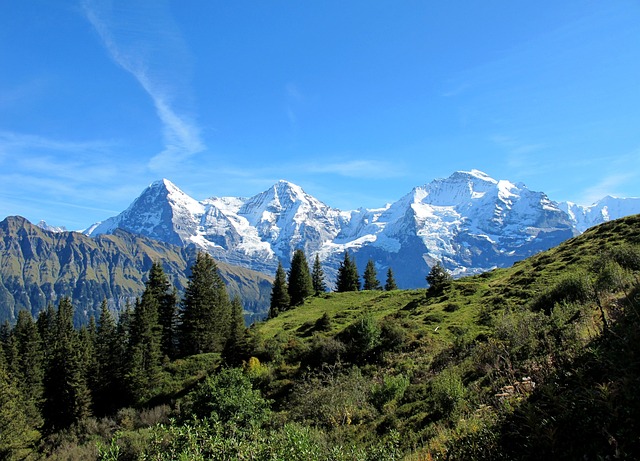
Eiger
The Eiger: A Mountain That Demands Attention The North Face The Eiger’s north face is 1,800 metres of limestone, ice, and loose rock, and its reputation was built on how many climbers it killed during the 1930s before anyone had climbed it. Two German climbers died on the face in 1935. In 1936, four climbers from two separate teams perished while the bodies were visible through telescopes...
read more
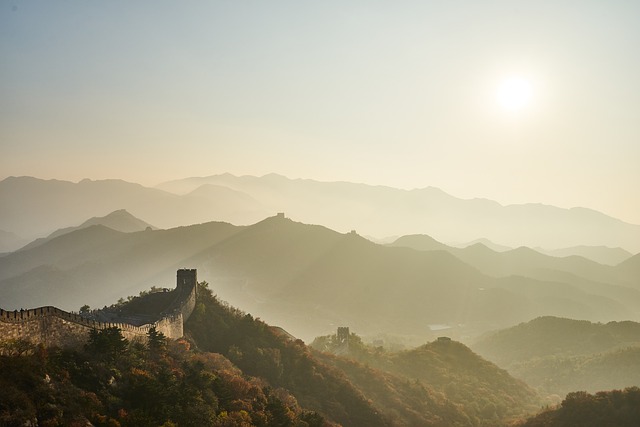
Great Wall China
You Cannot See the Great Wall from Space. Here Is What You Can Do Instead.
The claim that the Great Wall of China is visible from the moon is a myth that National Geographic inadvertently popularised in 1923. China’s own first astronaut, Yang Liwei, admitted on his return from orbit that he could not see it. The wall is wide enough to be visible from low Earth orbit under specific lighting...
read more
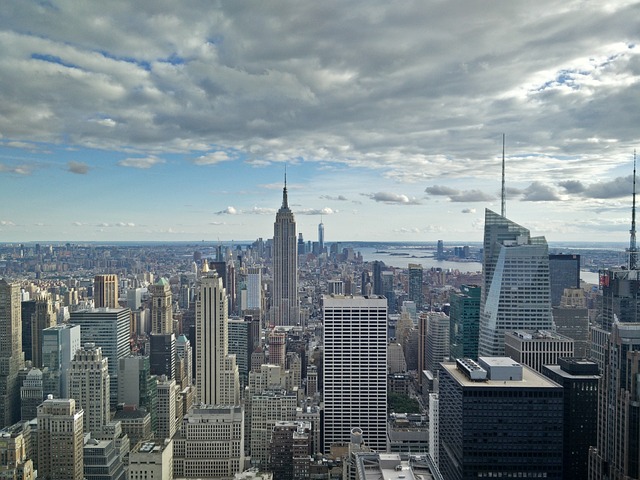
Rockefeller Center
In 1933, construction workers at Rockefeller Center pooled their own money to buy a 20-foot balsam fir, draped it in handmade garlands, and stood it at the construction site as a symbol of perseverance during the Depression. John D. Rockefeller Jr. broke ground on the complex in 1931, when unemployment in New York City was above 25 percent. The project kept 75,000 people employed at its peak and...
read more
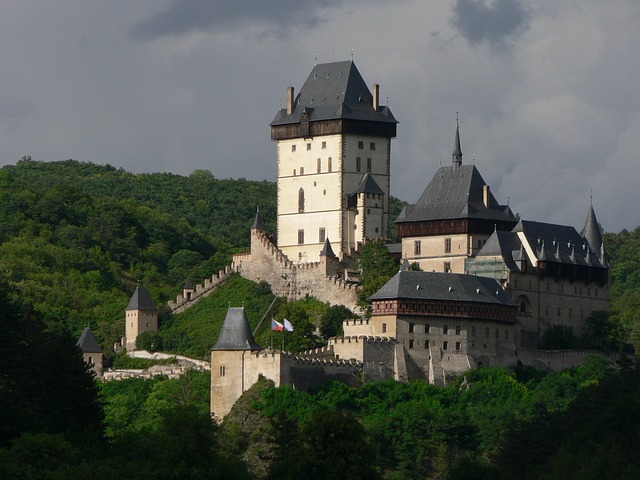
Karlstejn Castle
Karlstejn Castle was built not to be defended but to be a vault. Charles IV, Holy Roman Emperor and King of Bohemia, began construction in 1348 specifically to house his collection of imperial relics and coronation regalia, and the most important pieces were stored in the Chapel of the Holy Cross at the top of the Great Tower, surrounded by over 2,000 semi-precious stones embedded in the walls and...
read more

Ilulissat Kangerlua, Greenland
The Sermeq Kujalleq glacier, known outside Greenland as the Jakobshavn Glacier, moves at 40 to 50 metres per day, making it the fastest-moving glacier in the northern hemisphere. It drains a substantial section of the Greenland Ice Sheet and calves roughly 20 billion tonnes of icebergs into Ilulissat Icefjord annually. Some of those icebergs are the size of city blocks; a few are the size of small...
read more
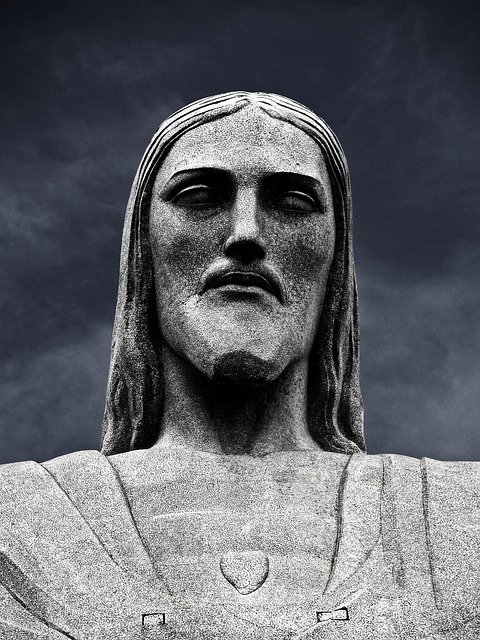
Christ the Redeemer Rio De Janerio Brazil
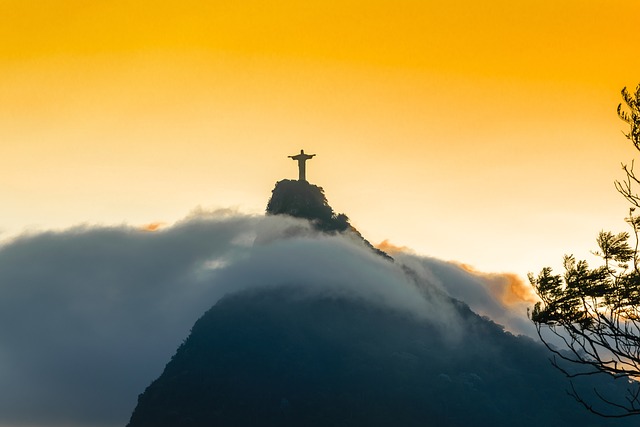
Christ the Redeemer, Rio de Janeiro
Every tile on Christ the Redeemer was placed by hand, and some of the women who helped apply them wrote names on the back before pressing the soapstone into mesh, sealing the letters inside the statue. The outer shell contains close to six million of those triangular soapstone tiles, a material chosen because it does not expand or contract with temperature...
read more
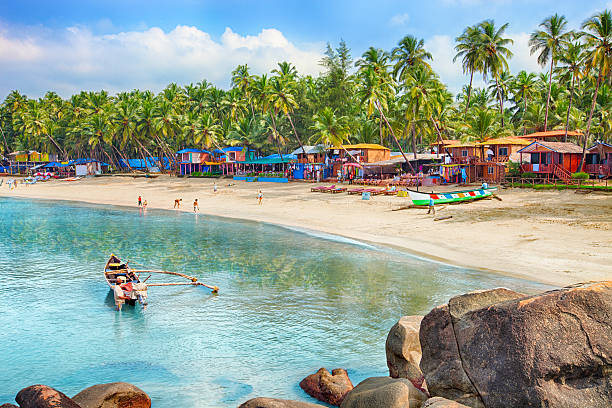
Goa
A Portuguese proverb once held that he who had seen Goa need not see Lisbon. At its peak between 1575 and 1625, Golden Goa, as it was known, was a port city of nearly 200,000 people, the administrative capital of the entire Portuguese empire east of the Cape of Good Hope, and home to more than 50 churches, chapels, monasteries, and convents. It was the most intensely ecclesiastical Christian...
read more
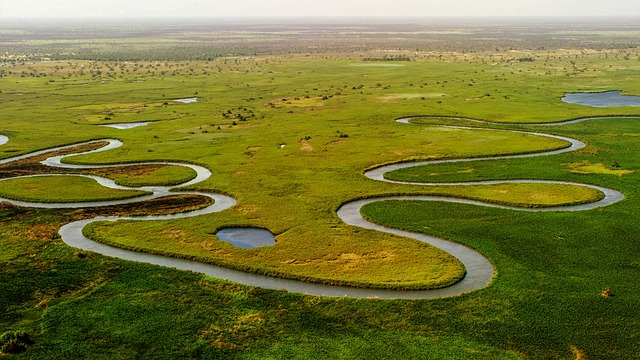
Okavango Delta, Botswana
The Okavango River rises in Angola, runs southeast for 1,600 kilometres, crosses into Botswana, and then does something rivers almost never do: it stops. Instead of reaching the sea, the Okavango fans out across the Kalahari sands and simply evaporates and absorbs into the earth, creating a permanent inland wetland the size of Switzerland. The flood pulse that drives this system is also...
read more
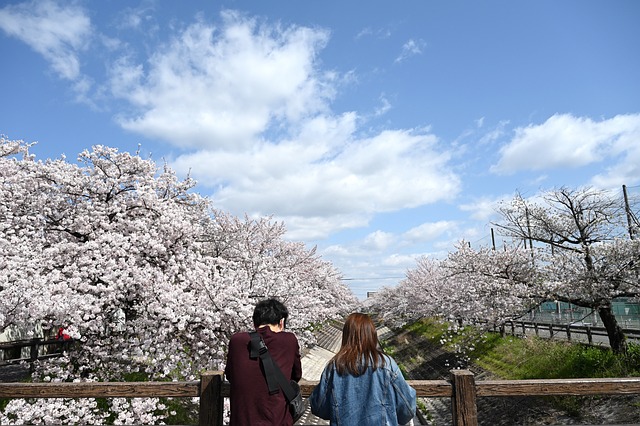
Lovers Bridge
Three bridges cross the Han River in central Da Nang within a few hundred metres of each other, and the Love Bridge (Cau Tinh Yeu) is not the most famous of them. The Dragon Bridge, 666 metres of fire-breathing dragon-shaped steel, holds that title. But the Love Bridge is the one couples walk slowly across at dusk, reading the names scratched into padlocks hanging from the railings, and it has...
read more
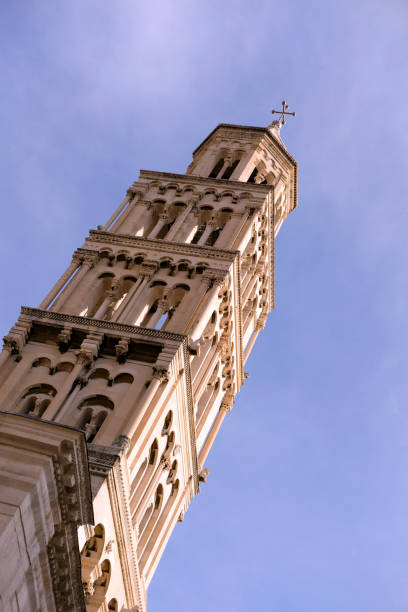
Historical Complex of Split With the Palace of Diocletian
Diocletian spent his reign persecuting Christians more systematically than almost any other Roman emperor. When he retired to the palace he built for himself on the Dalmatian coast in 305 AD, he was buried in a grand octagonal mausoleum at its centre. Within 350 years, that mausoleum had been converted into a cathedral. The irony is still visible: the Cathedral of Saint Domnius (named after one of...
read more
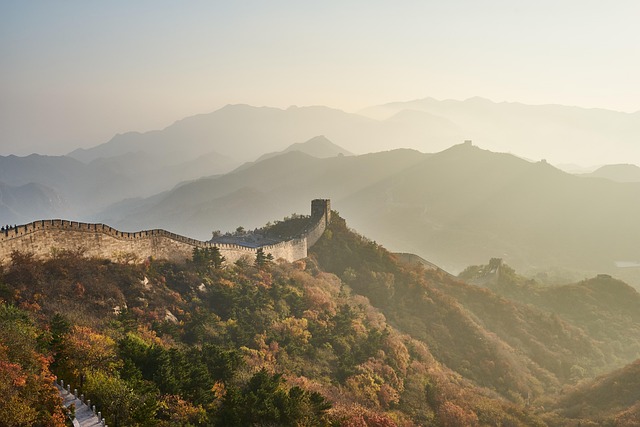
Great Wall of China
The Great Wall is not a single continuous structure. It is a collection of walls, ramparts, beacon towers, and fortifications built across roughly 2,000 years by successive Chinese dynasties, covering in total somewhere around 13,000 miles of terrain. Most visitors see only the Ming Dynasty sections built in the fifteenth and sixteenth centuries near Beijing, which are the best-preserved and most...
read more
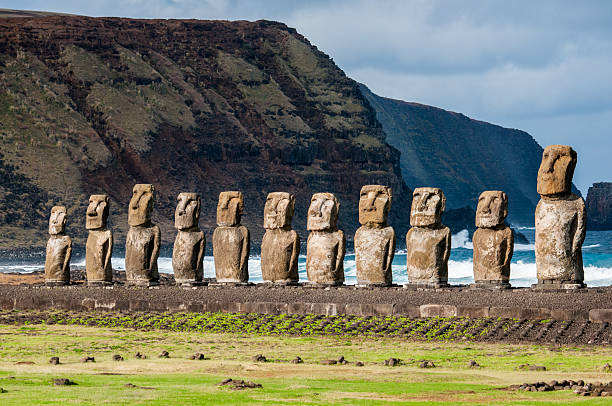
Easter Island
The Stone Giants at the Edge of the World
Three thousand seven hundred kilometres off the Chilean coast, a single runway connects Easter Island to the rest of humanity. LATAM Airlines operates roughly a dozen flights a week between Santiago and Mataveri International Airport, and they hold a monopoly. That reality shapes everything: airfares easily top US$1,000 return, and you cannot arrive on a...
read more
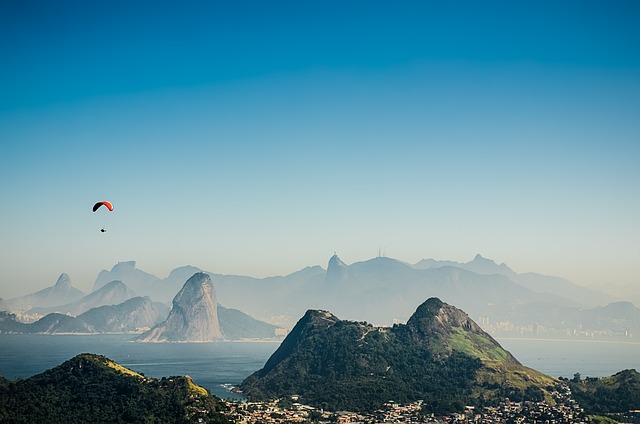
Pao De Acucar, Brazil
The first person confirmed to have climbed Sugarloaf Mountain was a British nanny named Henrietta Carstairs, who reached the summit in 1817 and planted a British flag at the top. Today the rock has over 270 climbing routes and is considered one of the world’s great urban climbing areas. Most visitors skip that particular ambition and take the cable car instead, which is also fine. The cable...
read more
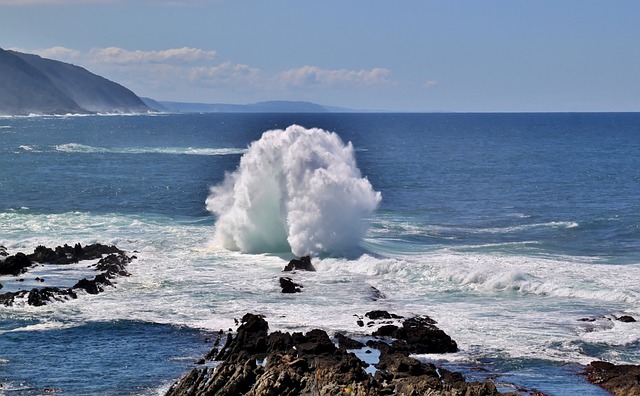
Kruger National Park South Africa
Kruger National Park was proclaimed in 1898 by President Paul Kruger primarily to protect dwindling game populations from hunting, not because of any particular reverence for wilderness. The forced removal of indigenous San, Makuleke, and Tsonga communities who had lived in the region for generations was considered a necessary condition of the park’s creation. That history sits alongside the...
read more

Djenne ,Mali
Every year, just before the rains arrive, the entire population of Djenne turns out to replaster the Great Mosque. The banco, a mixture of clay, water, and plant fibres, has been mixed in pits for days, left to ferment until it reaches the right consistency. Then it begins: a race to see who brings the first bowl of mud to the mosque walls, followed by the whole community climbing the toron (the...
read more

Qin Terra Cotta Warriors
When the first warriors were excavated after 1974, they were not the colour you see today. Every figure in the pits was originally coated in vibrant lacquer paint: vermilion, deep green, sky blue, ochre, black, pinkish-purple, light red, and orange, applied in multiple layers over a white base coat. Within 15 seconds of air contact, the ancient pigments began peeling from the clay. By the time...
read more
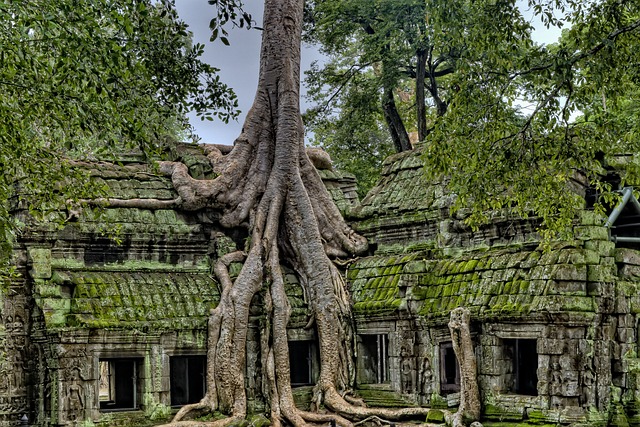
Angkor Wat, Cambodia
Angkor Wat, Cambodia The guide at the gate tells you they face west. Almost every Hindu temple in Asia faces east, toward the rising sun and the realm of the living. Angkor Wat faces west, toward the setting sun, the direction Hindu cosmology associates with death. Scholars have argued for a century about what that means. The most convincing reading is that King Suryavarman II, who began...
read more