Recent Traveler Mania
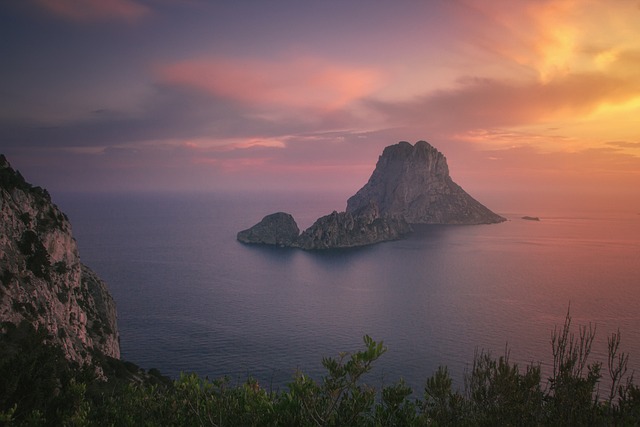
Balearic Islands Adventure Tour Options
Pick your island before you pick your adventure tour. A speedboat safari built around Es Vedrà only exists off Ibiza; a road-free cala only opens up by sailboat out of Menorca. Match the tour to the island it actually runs on.
Mallorca: Cabrera by boat, and a 4x4 inland Colònia de Sant Jordi is the departure point for the full-day Cabrera Archipelago National Park boat trip: a hike to the...
read more
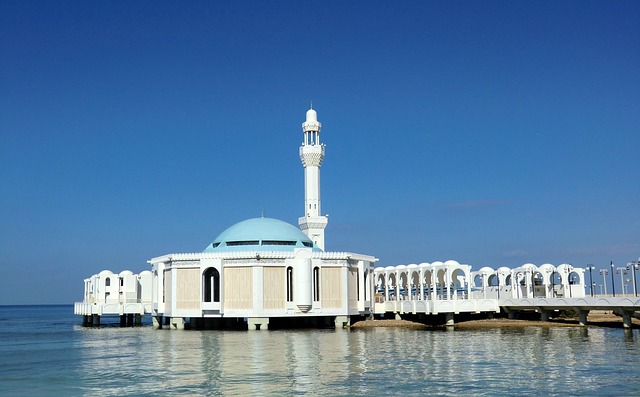
Jeddah Group Activities and Outings
Splitting the cost of a boat across ten people changes the math on a Jeddah trip more than almost anywhere else on the Red Sea, and that’s before anyone mentions the campfire.
A boat big enough to matter Renting an 8- to 15-person motor yacht or catamaran out of Sharm Obhur’s marina turns Bayada Island , the shallow sandbar lagoon nicknamed the Maldives of Jeddah, into a full-day...
read more
Kandalama Day Trips: Sigiriya and Beyond
Base yourself at Kandalama for one reason above all others: you wake up ten to fifteen minutes from four of Sri Lanka’s biggest UNESCO names, and you can hit two or three of them before lunch.
Sigiriya Rock Fortress Fifteen kilometers north, about a 20-minute drive, Sigiriya is the big one: a 5th-century palace citadel that King Kashyapa built on top of a sheer 200-meter granite plug. Climb...
read more

Outdoor Beijing: Hikes, Bikes and Ice
A capital city is not usually a hiking destination, except here Beijing sits against the Yan Mountains, and that geography turns a handful of outdoor activities into genuine options rather than an afterthought to the temples and palaces. The list is short and specific rather than exhaustive, which is worth saying plainly: this is not a beach or safari destination, and the outdoor options that do...
read more
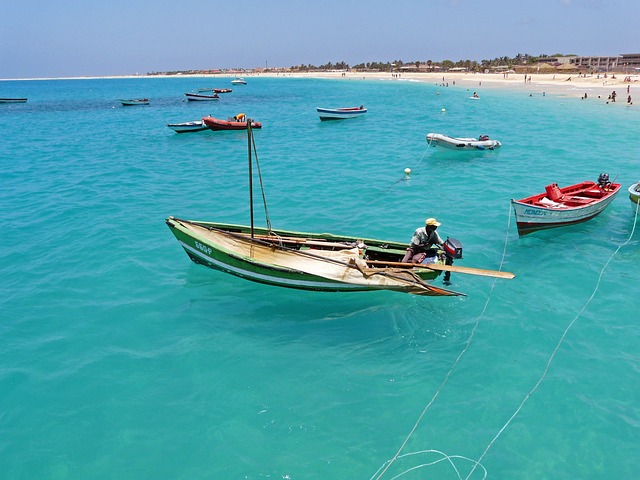
Cape Verde Outdoors: Trails, Peaks, Reefs
Fourteen kilometers of stone path chiseled straight into sea cliffs, a 774 meter summit with a view across an entire ocean channel, and volcanic swim-throughs full of moray eels. Cape Verde’s outdoors don’t do subtle.
The clifftop trail that steals the show Ponta do Sol to Cruzinha on Santo Antão is one of the great coastal day hikes anywhere: 14 kilometers of hand-cut stone pathway...
read more
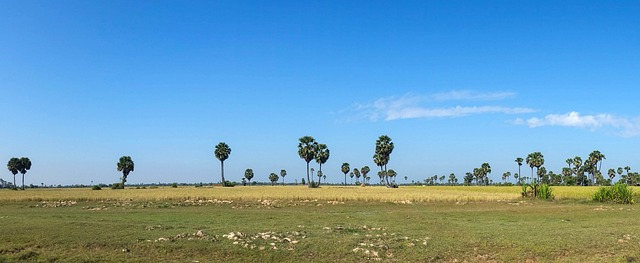
Angkor with Kids: The Full Adventure
Kids who won’t sit through a single museum at home will climb over collapsed sandstone blocks at Ta Prohm for hours.
Ta Prohm turns temple-hopping into an adventure story The jungle-swallowed corridors of Ta Prohm give children something to actually do: clamber over fallen stone blocks, duck through root-tangled doorways, and spot the tree roots that have folded themselves around...
read more
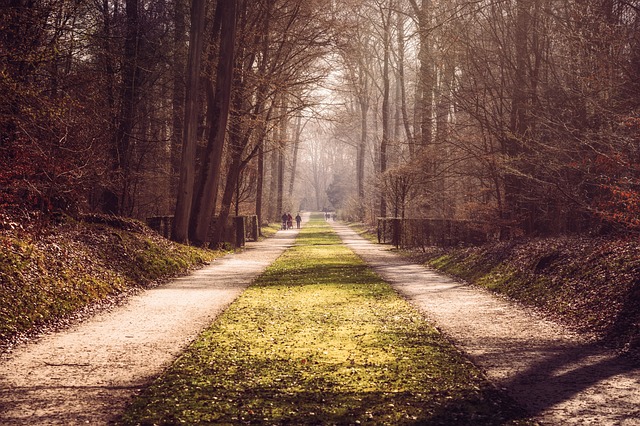
Sunrise Atop a Maya Pyramid, Just for Two
Picture climbing a 33-meter Maya pyramid before dawn, just the two of you, watching the sun burn through jungle fog over a silent lagoon. That is a real morning you can have in Orange Walk, and it costs nothing extra beyond getting yourselves to the site early.
Sunrise at the High Temple Lamanai’s High Temple faces east over New River Lagoon, and climbing it at first light, ahead of the...
read more
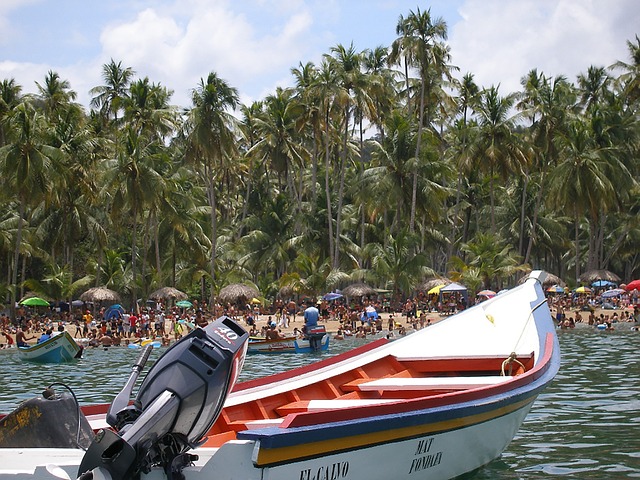
Walk Sucre's White City Streets Yourself
Sucre gives up its best moments to people moving at walking pace, not tour-bus speed, which is convenient, since there isn’t a tour bus to begin with.
Start at Plaza 25 de Mayo The historic core circuit begins here, under palm and ficus trees older than most of the surrounding buildings. Circle the square once slowly: the neoclassical Prefectura, the Metropolitan Cathedral, begun in 1559,...
read more
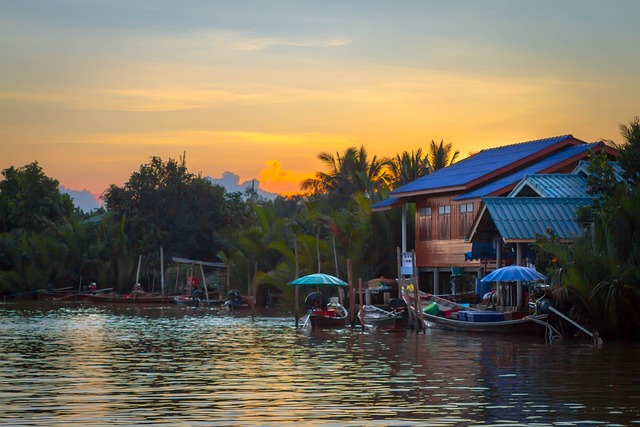
Epic Day Trips From Surat Thani
Two of this province’s best day trips go in completely opposite directions, one out to sea toward 42 uninhabited islands, the other inland to an 8th-century pagoda, and both are doable from the same base in a single day each.
Mu Ko Ang Thong Marine Park A full-day speedboat or wooden tour boat run from Koh Samui, Koh Phangan, or Donsak covers the 42-island Ang Thong archipelago: a timber...
read more
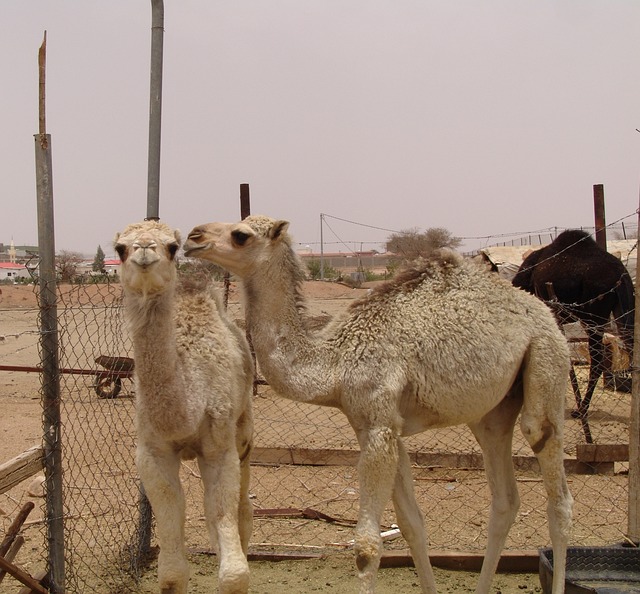
Family Activities in Taif
A kid who’s spent the morning politely admiring rose gardens has earned a water slide by the afternoon, and Taif happens to have one built directly into the same mountain the roses grow on.
Al Kar Tourist Village, at the bottom of the cable car Al Kar Tourist Village sits at the canyon floor beneath the Al Hada Teleferik, and it’s the single most reliable family day in Taif: water...
read more
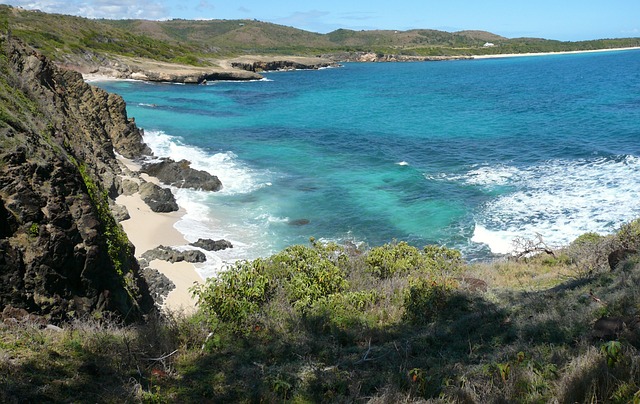
Martinique Solo, From Fort-de-France Out
Solo travelers usually get steered toward the safest, blandest version of a destination. Martinique is one of the rare places where the interesting stuff and the safe stuff turn out to be the same thing.
Fort-de-France rewards a slow, aimless walk Start at the Bibliothèque Schœlcher, an iron-framed, Byzantine-Romanesque building originally constructed for the 1889 Paris Universal Exposition, then...
read more
Bay Islands Multi-Day Itineraries
Seven days sounds like plenty until you count the transit: a flight or ferry to get to the islands, an inter-island ferry that runs on fixed days rather than on demand, and possibly a charter flight to Guanaja that has to be booked well in advance. Multi-day planning in the Bay Islands is really transit planning first and activity planning second.
The full archipelago circuit runs 5 to 7 days...
read more
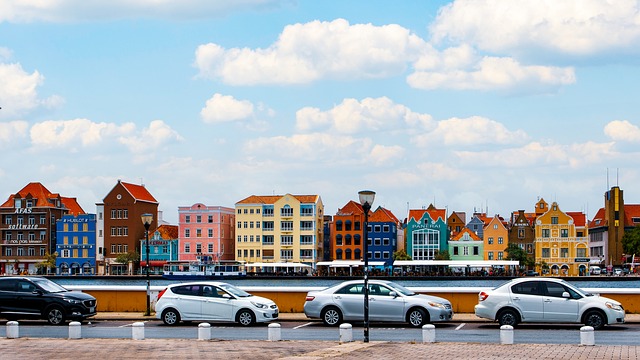
Romance in Willemstad, Curacao Style
Fort Nassau has been sitting on its hilltop above Willemstad since 1797, and at night the whole fortress lights up over a 360-degree view of the harbor, which is a strange but genuinely romantic use for an old coastal defense.
Where to stay. Baoase Luxury Resort at Marie Pampoen goes all in on privacy: Balinese-inspired plunge pool villas, a secluded white sand lagoon, and beach dining pitched at...
read more
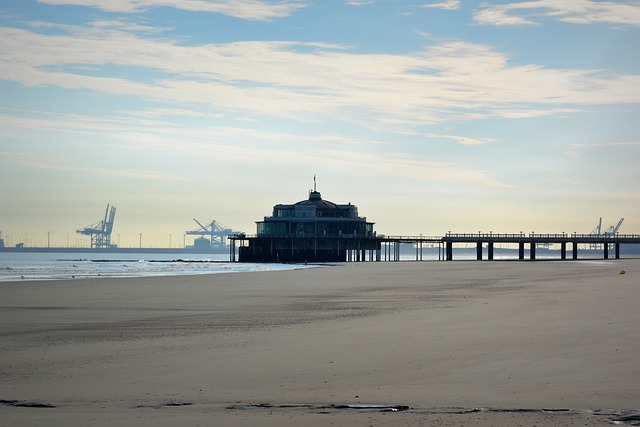
Zeebrugge Group Days: Boats, Beer, Views!
Get a group together in Zeebrugge and the whole town starts working in your favor: a working harbor, a fishing fleet, and a sailing club, all built for people showing up in numbers.
Start with the boat. A 75-minute harbor cruise on the Franlis boats out of the Tijdok marina takes a full group past the container terminals, the car-carrier wharves, and the LNG installation in one go, with a real...
read more

A 500-Meter Bridge Built for Sunsets
Skip the restaurant with a view and stand on the bridge instead. Monteliusvägen is a 500-meter wooden footbridge perched on Södermalm’s northern ridge, and it exists for one reason: the sunset view across Lake Mälaren to City Hall’s illuminated brick tower and the spires of Riddarholmen. It costs nothing, takes fifteen minutes to walk end to end, and beats almost every paid rooftop bar...
read more
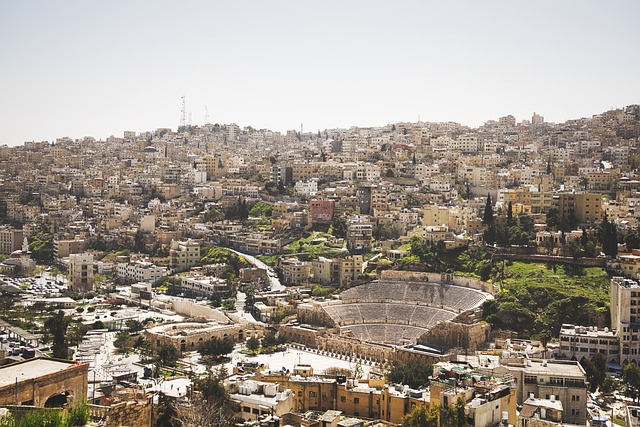
Amman After Dark: Concerts, Opera, Festivals
Picture La Traviata staged against 2,000-year-old illuminated Roman stone, six thousand seats rising around you into the dark. That’s a real night out in Amman, not a marketing line, and it’s one of several reasons summer here is worth planning around rather than avoiding for the heat.
The Roman Theatre and the Odeon Amman’s Roman Theatre, carved into the cliffside under Emperor...
read more
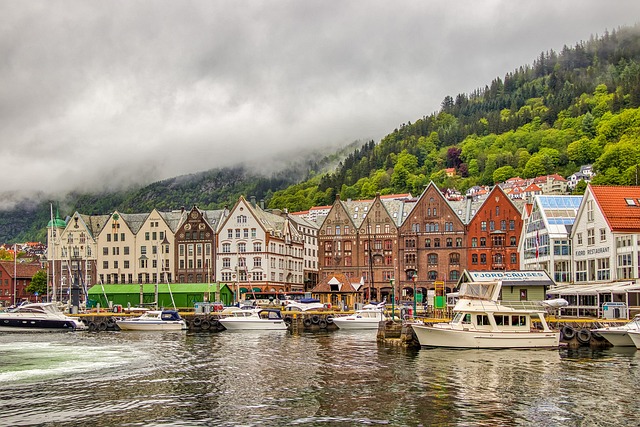
Bergen's Wildlife: Aquarium and Fjord Life
Bergen sits on the coast, so it is easy to assume whale watching departs from the harbor here the way it does further north in Norway. It does not: humpbacks and orcas gather around Andenes, Tromsø, and the far northern coast in winter, hundreds of kilometers away, and no boat leaves Bergen city center chasing them. Start any Bergen animal-activity plan from what is actually here rather than from...
read more

Colombo's Sacred Sites and Bawa Architecture
An antique Rolls-Royce sits parked permanently inside a Buddhist temple museum in Colombo, a few meters from a wall of gilded Buddha statues and a cabinet of Swiss clocks, and nobody at Gangaramaya seems to find that combination strange.
Gangaramaya Temple and Seema Malaka Founded in the late 19th century by the scholar-monk Hikkaduwe Sri Sumangala Nayaka Thera, Gangaramaya has grown into one of...
read more
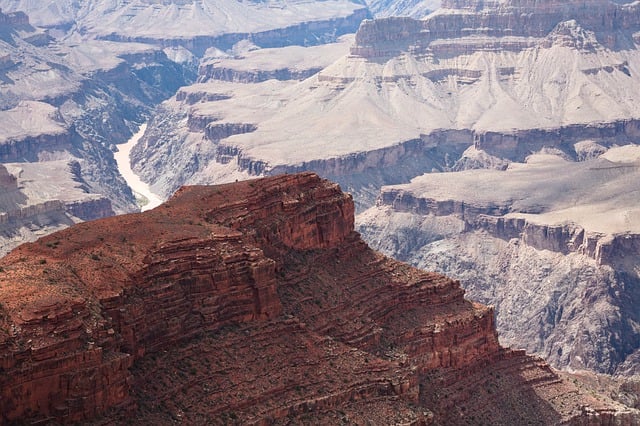
One Perfect Day In Grand River South East
A Full Day At Grand River South East, Start To Finish Grand River South East (GRSE), on Mauritius’s sheltered east coast, packs a full adventure into one day if you sequence it right. Here’s how long-stay guests and locals actually structure it.
Dawn: paddle the gorge before the engines start Get on the water at first light, by kayak or stand-up paddleboard, and head upstream into the...
read more
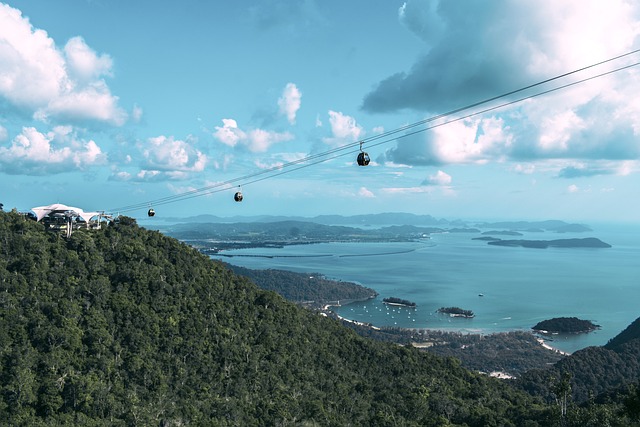
The 3-Island Hop, Done Right
A boat full of strangers goes quiet at the same moment every time: the instant the freshwater lake on Pulau Dayang Bunting comes into view through the mangrove-lined boardwalk.
The classic 3-island hop Boats leave daily from Teluk Baru Jetty on the standard 3.5- to 4-hour southern archipelago circuit. First stop is Pulau Dayang Bunting, the “Isle of the Pregnant Maiden,” where a...
read more
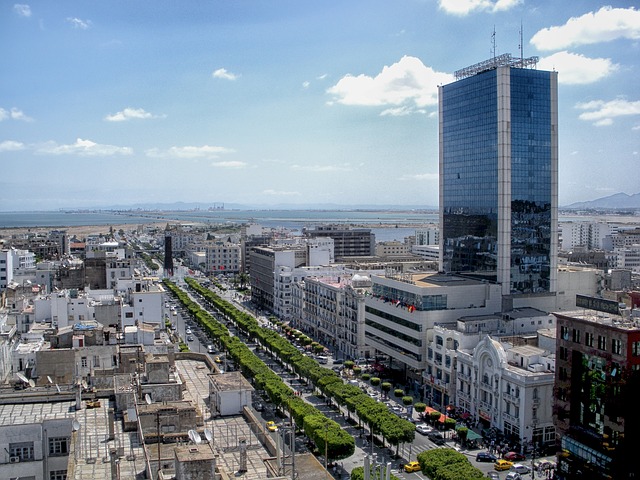
Tunis With Kids: Vaults, Donkeys, Rides
Kids who would sit down and refuse to walk another step through a normal ruin will happily crawl through this one, because the appeal at this stop is exploring, not looking at signage.
At Carthage, the Baths of Antoninus have underground vaulted brick chambers where Roman furnace slaves once stoked the heating fires, and children can walk through them and then scramble along seaside ruins right...
read more
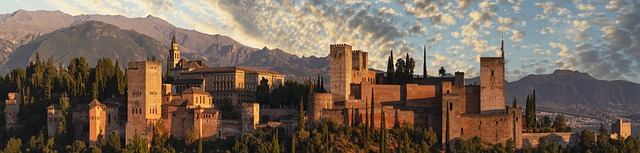
Granada to Cordoba and Seville in 5 Days
Granada is the first stop on what Andalusians call the Golden Triangle, and the other two corners, Cordoba and Seville, are both reachable without ever renting a car.
The Golden Triangle: Granada, Cordoba, Seville (5 to 7 days)
Spend the first 2 days on the Alhambra, Albaicin, and Sacromonte, then take the high speed AVE or Avant train, about 1 hour 15 minutes, to Cordoba for a day with the...
read more
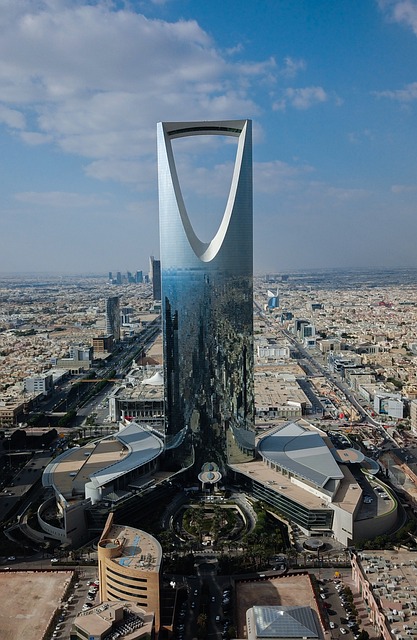
3 Days From Riyadh Into the Desert
Think of Riyadh Province less as a destination to fill three days and more as the launchpad for two very different journeys, one that stays close and one that pushes deep into the Najd interior! Here is what an honest multi-day plan out of the capital looks like.
The 3-Day Riyadh and Najd Core Circuit Day 1 stays in the capital: Al Masmak Fortress, the covered lanes of Souq Al Zal, the National...
read more
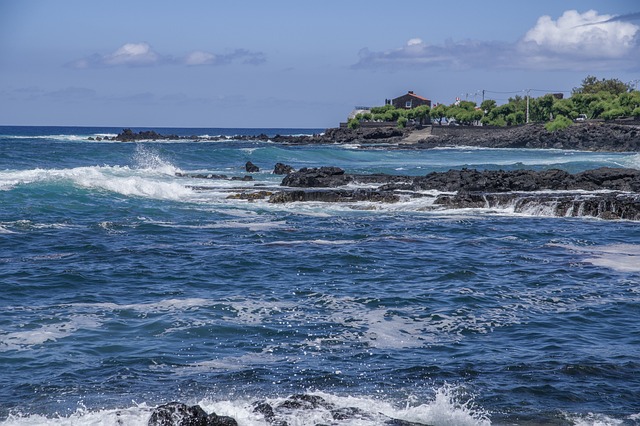
Azores Group Trips That Actually Deliver
Split six friends between a jeep safari and a canyoning trip on the same afternoon and you’ll spend dinner arguing over which one won. That argument alone is reason enough to build a group trip around at least one hard outdoor activity.
Off-road where sedans can’t go Open-top 4x4 jeep tours cross unpaved caldera-ridge tracks, like the Cumeeiras above Sete Cidades and the Graminhais...
read more
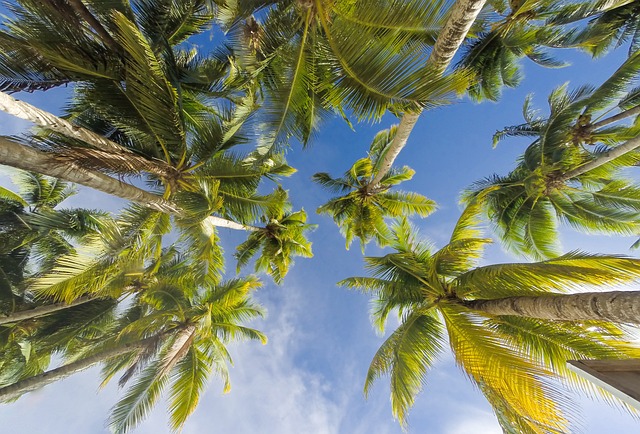
Boracay Outdoors: 4 Ways to Move
The best hour on White Beach is 6:30 to 8:30 in the morning, before the loungers get set up and while the water’s still glass.
Morning stand-up paddleboarding White Beach between 6:30 and 8:30am is close to empty and close to flat, which is the window locals actually paddle in rather than fighting afternoon boat traffic and sunbather crowds. Rent a board from any station, or book a...
read more
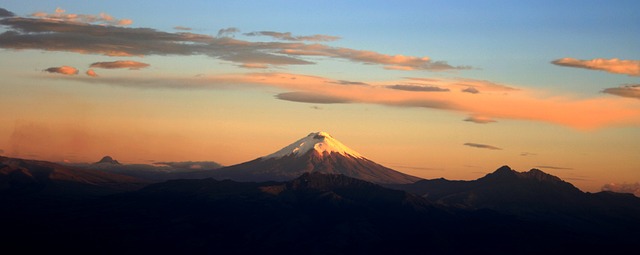
Cotopaxi With Kids: What Actually Works
Kids spot the wild horses at Limpiopungo before adults do, mostly because they are lower to the ground and looking in the right direction instead of at a phone.
The flat option: Limpiopungo boardwalk The Laguna de Limpiopungo boardwalk is the single best family stop in the province. Wooden walkways cross the wetland at a gentle grade, the whole loop is short enough for tired legs, and the payoff...
read more
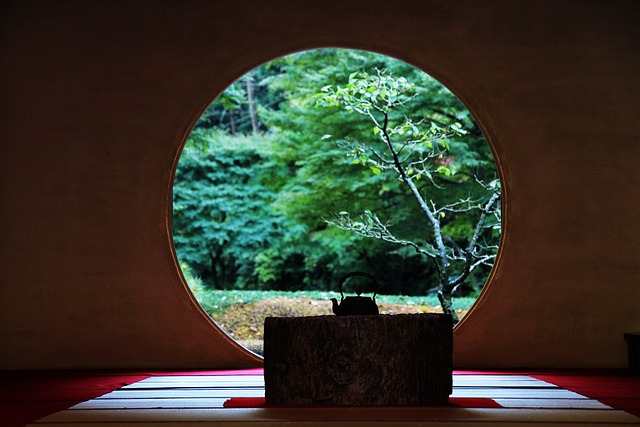
Kamakura By Bus: Local Lines to Day Coaches
Skip the idea of a big tour bus with a microphone guide here, because Kamakura’s actual bus scene is smaller, cheaper, and honestly more useful than that: it’s about shaving 15 minutes off an uphill walk, not sitting through a script.
Local city buses to the outlying temples Kamakura Station’s East and West plazas are the hub for an extensive local bus network that reaches the...
read more
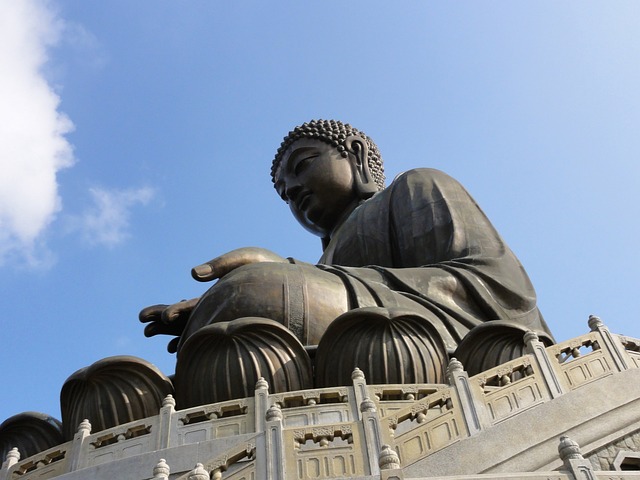
Ride Lantau's Wildest Mountain Buses
There are only about 75 blue taxis licensed to work the whole of Lantau Island, so on a Saturday afternoon the bus is not the backup plan. It is the plan, and it happens to be a genuinely scenic one.
Why buses do the job a rental car cannot Tung Chung Road and South Lantau Road are Restricted Closed Roads: standard private cars and ordinary rental vehicles cannot enter South Lantau without a...
read more
Tegucigalpa After Dark: Shows Worth It
An entire city block of colored sawdust, laid down overnight by hand, gets walked over by a Good Friday procession the next morning. That is Tegucigalpa’s events calendar at its best, and it only runs a few days a year.
Teatro Nacional Manuel Bonilla Inaugurated in 1915, this horseshoe shaped auditorium still runs red velvet seating, crystal chandeliers, and painted ceilings under its...
read more
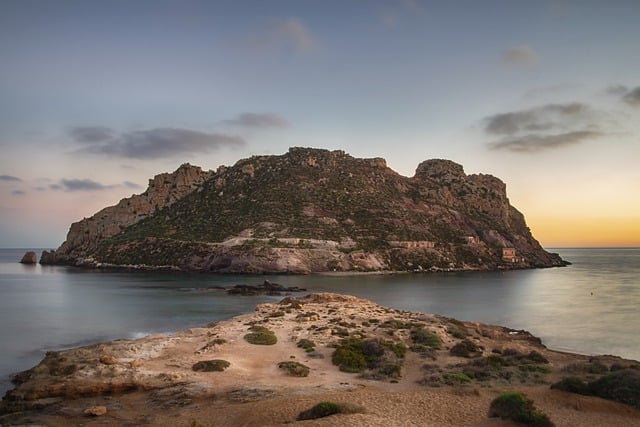
Likuri Sightseeing: Sky, Sea and Fire
Forget the church, the museum, and the hilltop hiking trail some older guides mention. None of them exist on Likuri Island, and sightseeing here is built entirely around water, light, and fire instead of buildings.
The river cruise is the first sight, not just transport. The 30-minute boat ride down the Tuva River from the mainland jetty passes dense mangrove estuaries where fiddler crabs work the...
read more
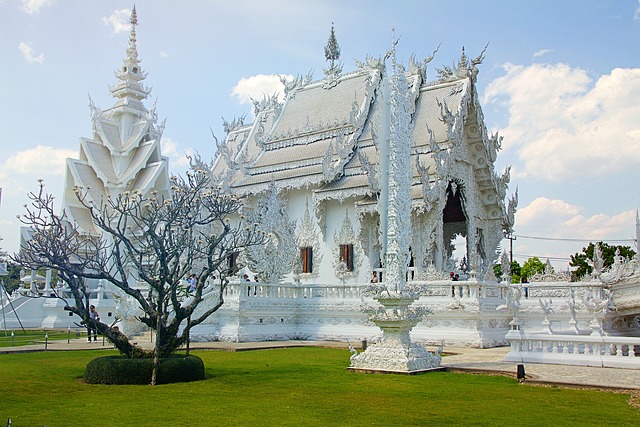
Chiang Rai Outdoors: Falls, Parks, Peaks
Northern Thailand’s best outdoor moment does not involve motion at all: standing on a cliff edge at dawn while the valley below disappears under a sea of cloud. Chiang Rai has that, plus three ways to fill the rest of the day.
Khun Korn Forest Park Thirty kilometers west of the city, a 1.4 kilometer trail through giant bamboo groves and banana palms leads to Khun Korn Waterfall, a 70 meter...
read more
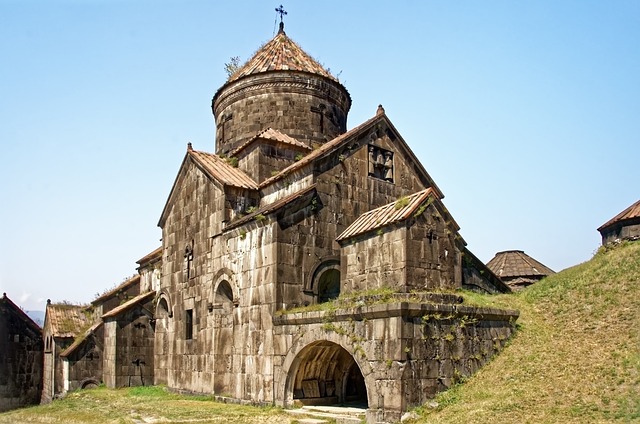
Why Haghpat Needs a Multi-Day Loop
One honest fact up front: Haghpat village cannot fill a multi-day trip on its own. A stay of one or two nights is standard, and stretching it further means running out of things to do in a hamlet of 750 people. What Haghpat does brilliantly is anchor a longer regional loop.
Where to actually stay
Family-run guesthouses in the village and in nearby Sanahin, Akhtala, and Alaverdi are listed on...
read more
Cape Verde Family Fun: Sharks, Salt, Turtles
Picture your kids floating hands-free in bright pink water inside a volcanic crater, then wading ankle-deep with baby sharks an hour later. That’s a real Cape Verde family day, not a brochure exaggeration.
Float in a crater on Sal Pedra de Lume is an extinct volcanic caldera at sea level on Sal, its salt pans mineral-dense enough that anyone, kids included, floats without trying. It’s...
read more
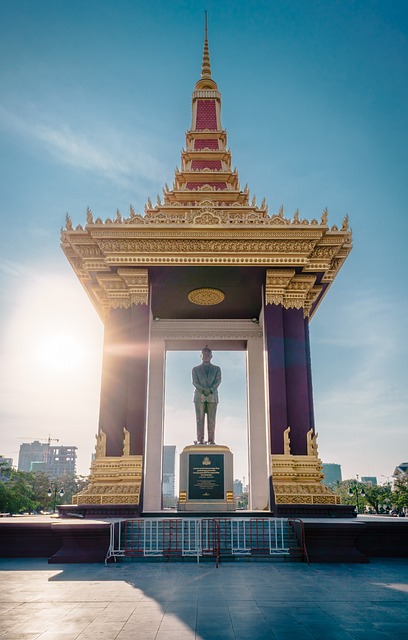
Phnom Penh Romance Beyond the Brochure
Skip the guidebook line about a candlelit river cruise being the top romantic move in Phnom Penh. It’s good, but the better one happens 37 floors up.
Sora Skybar, on top of Rosewood Phnom Penh inside the parametric Vattanac Capital Tower, puts you on a cantilevered open-air terrace with the entire river confluence lit up below. Go after dark, order slowly, and let the view do the work.
The...
read more
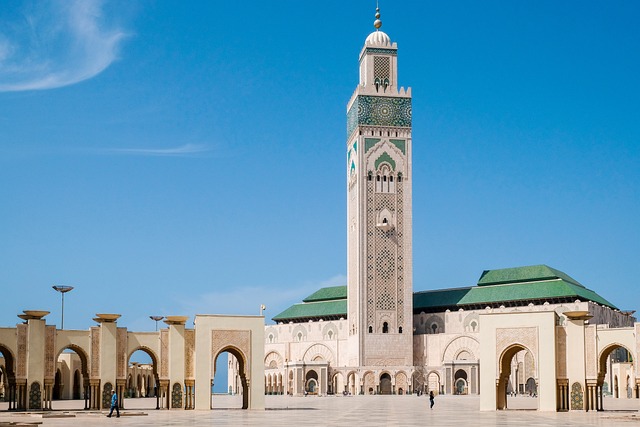
Shows and Events in Casablanca-Settat
Teams of horsemen in flowing white djellabas galloping in a straight line and firing black-powder muskets in unison is not a Casablanca sight; it happens 100 kilometers away, in a fairground built for exactly that spectacle, and it is worth planning a trip around rather than assuming it will turn up somewhere in the city.
Salon du Cheval d’El Jadida, the region’s biggest event Held...
read more
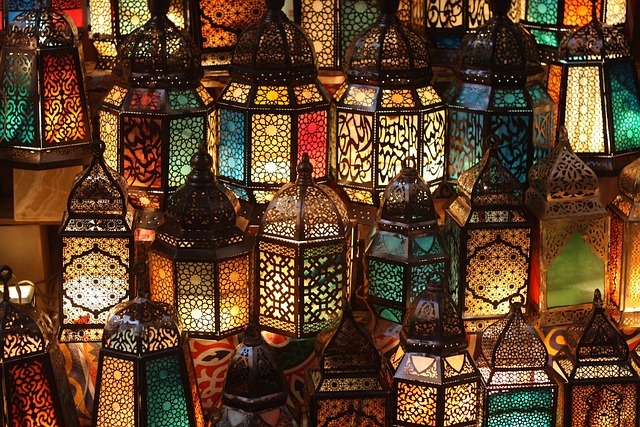
Group Nights Out in Cairo
Picture six plates arriving at once, a pitcher of garlic vinegar going around the table, and everyone reaching for the same basket of bread: that is a Koshary night in Cairo, and it is a better group activity than most guidebooks give it credit for. Three anchors carry most group nights out here.
A Koshary feast Koshary Abou Tarek is the reference point for this dish: a mountain of rice, lentils,...
read more
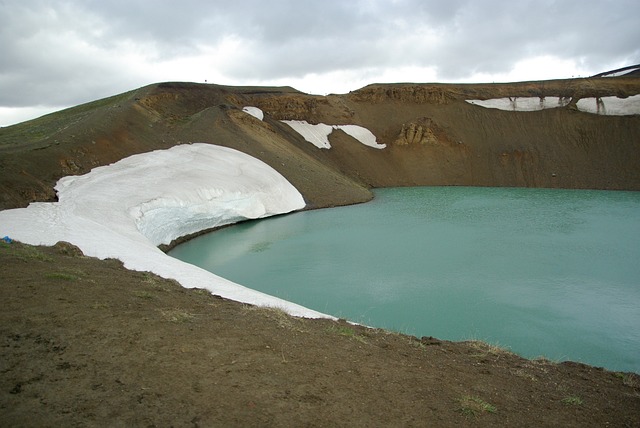
Riding Viti Levu's Queens Road Coaches
Ask a Nadi hotel desk for the bus tour and you’ll get a puzzled look back, because Viti Levu has no open-top double-decker circuit with recorded commentary. The island’s actual bus options are built for getting somewhere, not for looping past landmarks, and that distinction shapes how you should plan around them.
The two highway corridors Queens Road runs the southern route, about 197...
read more
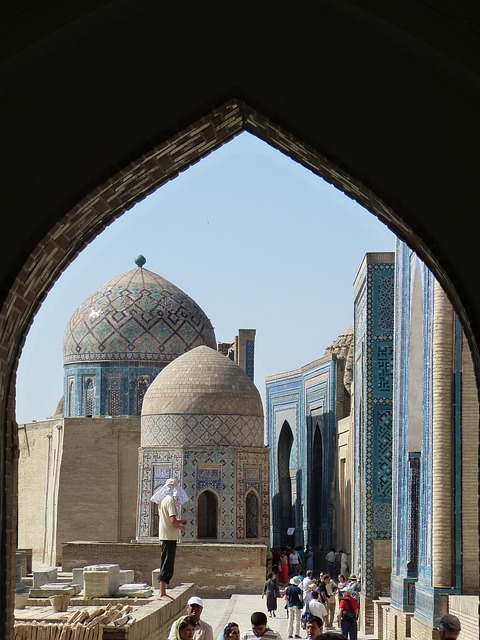
Samarkand After Dark: Shows Worth Seeing
The three madrasahs of Registan Square do double duty after dark: warm floodlights wash the tilework every evening until 23:00, free to view from the public platform, no ticket required. That alone is worth a second visit to the square once the day-trip crowds have gone. But on scheduled evenings in spring and autumn, the same facades become a screen for something bigger.
Registan’s 3D Light...
read more

Bus Tours That Actually Cover Mexico City
Four open-top double-decker circuits cover the entire capital, and none of them require you to figure out a single Metro transfer. Turibus and Capital Bus run four interconnected sightseeing routes, Centro Histórico, Polanco/Reforma, Coyoacán/Sur, and the Basílica de Guadalupe, with multi-language audio commentary, and a full-day pass runs 210 to 250 MXN. Board at the Zócalo, Auditorio Nacional,...
read more
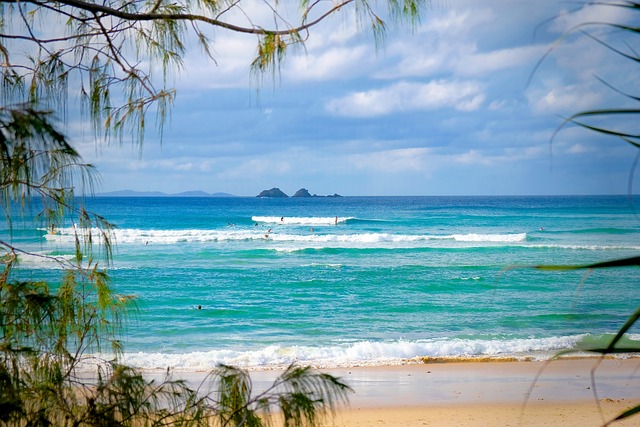
Byron Bay Deserves More Than One Day
Sydney to Brisbane by the coast road takes the better part of a week if you actually stop anywhere, and Byron Bay sits almost exactly at the midpoint, 770km up from Sydney and 165km short of Brisbane, which is precisely why the town works so well as more than a lunch stop.
The coastal circuit: 5 to 7 days The Legendary Pacific Coast route runs Port Stephens, Coffs Harbour, Byron Bay and on to the...
read more
Charter a Boat, Split the Lamanai Cost
Split the cost of a full riverboat charter across enough people and a private tour suddenly costs about the same as joining a shared one, which is exactly why groups do their Lamanai trip differently than solo travelers.
Charter the whole boat Groups can arrange a private high-speed riverboat from Tower Hill rather than joining a scheduled departure. The captain navigates the New River’s...
read more
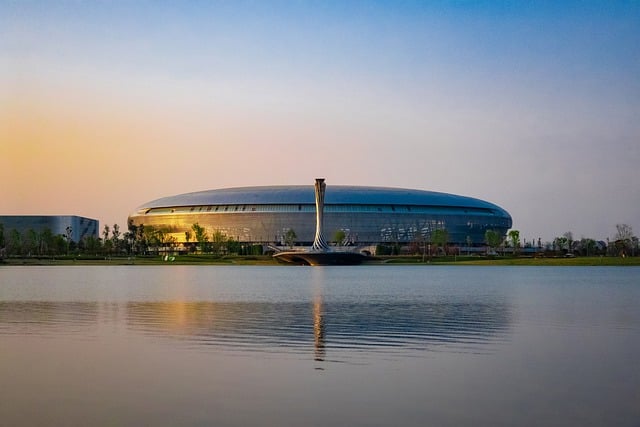
Chengdu's Wildest Adventure Sports Rush
Your legs will be shaking before you even reach the giant Buddha’s toenails, and that is only the warmup for what Chengdu’s mountains have waiting outside the city.
The vertigo descent: Nine-Bend Plank Road Forget looking up at the 71-meter Leshan Giant Buddha from the riverbank. The real rush is climbing down to him, on a stone stairway cut straight into the sandstone cliff face,...
read more
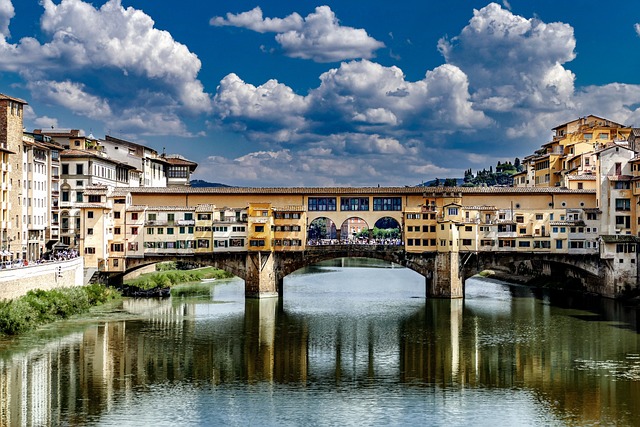
Florence in a Pack: Pasta, Wine, Markets
Six people and a museum ticket line don’t mix. Group travel in Florence works best when it’s built around a table or a market stall rather than another queue at the Uffizi, so here’s what actually holds up for a bigger group.
Hands-on pasta and tiramisù classes are the standard group activity for good reason: everyone gets a job. Classes typically run in restored palazzo kitchens...
read more
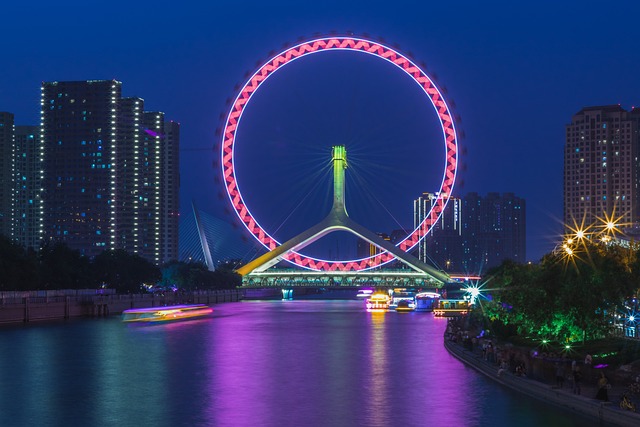
Get Outside in Tianjin and Beyond
The steepest staircase on this list is called the Heavenly Ladder, and it is not a metaphor: it is a near-vertical run of stone steps clawing up a Great Wall rampart two hours north of the city. Tianjin’s outdoor scene splits cleanly into two halves, mountain adventure out in Jizhou and easy urban movement along the river, and both are worth your time.
Hike the Huangyaguan Great Wall...
read more

Osaka Bus Tours: Routes and Day Trips
Three very different vehicles, all called a “bus tour” Search “Osaka bus tour” and you’ll get results ranging from a 210 JPY city fare to a full-day coach to Hiroshima. They’re not interchangeable, so match the right one to what you actually want out of the day.
The hop-on hop-off: Osaka Sky Hop Bus
This open-top double-decker runs two loops. The Red Route...
read more
Peaks, Cliffs and Coves of Martinique
L’Aileron Trail is only 5 kilometers round trip, and it still sends more hikers back down soaked and disappointed than almost any other route on the island, because everyone underestimates Mount Pelée’s own weather system.
Mount Pelée’s summit trail rewards patience, not just fitness The classic route starts near the refuge outside Le Morne-Rouge and climbs a steep, rocky 4 to 5...
read more
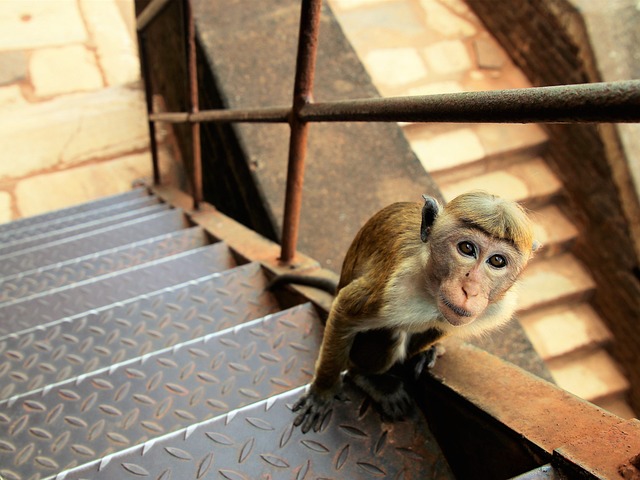
Sigiriya With Kids: The Fun Parts
Kids who think ancient history is boring change their minds fast once they are climbing a real 1,500-year-old fortress with a giant carved lion’s paw at the entrance.
The Sigiriya Rock Fortress climb works well for school-age children, though pace matters more than distance. The full ascent covers roughly 1,200 steps across water gardens, boulder monasteries, a spiral staircase up to the...
read more

Sleep on Fansipan Before You Summit It
Sleep on Fansipan Before You Summit It Most visitors ride a cable car to Fansipan’s summit in fifteen minutes. A smaller, tougher crowd sleeps on the mountain first and walks up at dawn.
The 2-day Fansipan summit trek This is the real mountaineering option, no cable car involved. Guided groups start from Tram Ton Pass at 1,900 meters, climbing through dense bamboo forest and temperate oak...
read more
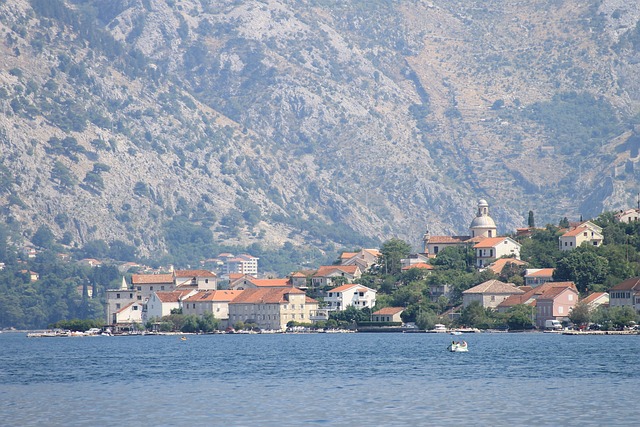
Tivat Animal Activities: No Zoo, Real Birds
Search for an aquarium or a zoo in Tivat and you’ll find listings for one, which is a problem, because neither actually exists inside this small marina town.
What Tivat does not have Tivat is a nautical hub, not a wildlife-park town: there is no commercial zoo, no captive dolphin or seal show, and no aquarium inside the municipality, whatever an older listing might claim. If a page names one...
read more
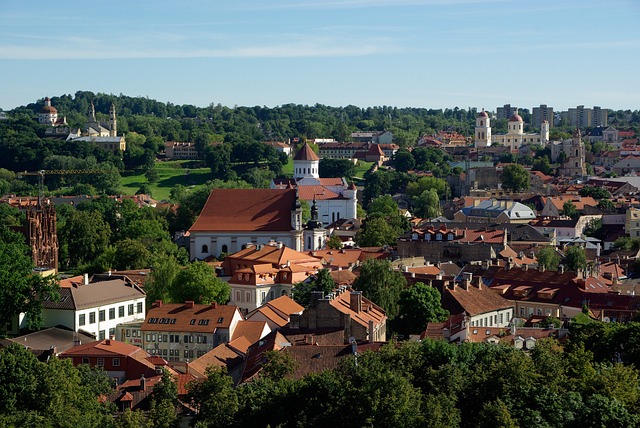
Vilnius Group Activities That Scale
Vilnius is one of the few places where a group can watch several hot air balloons lift off from the same park at once, and that image, several baskets drifting side by side over the same skyline, sets the tone for how this city handles a group better than most European capitals: outdoors, unhurried, and rarely crowded.
Balloon flotillas over the Old Town Multiple large passenger baskets launch...
read more