Recent Traveler Mania
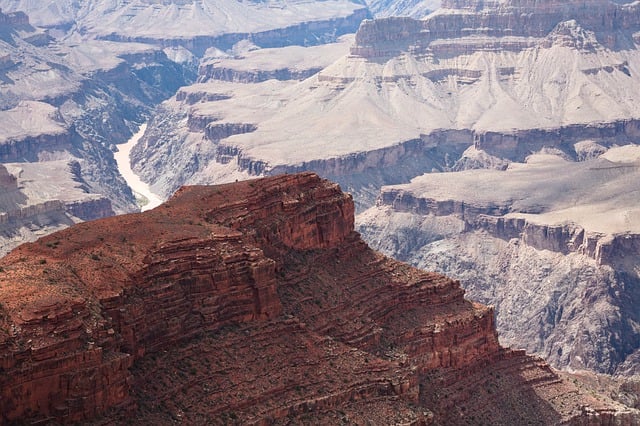
Kayaking, Kitesurfing And Big Game Fishing
Adventure Sports At Grand River South East, Ranked By Adrenaline Grand River South East (GRSE) sits where a 30-kilometer river meets the Indian Ocean lagoon on Mauritius’s east coast, and that combination, a tidal gorge plus a reef-sheltered bay, is what drives every adventure sport worth doing here.
4. Deep-sea big game fishing Chartered sport-fishing boats run out through the reef passes...
read more
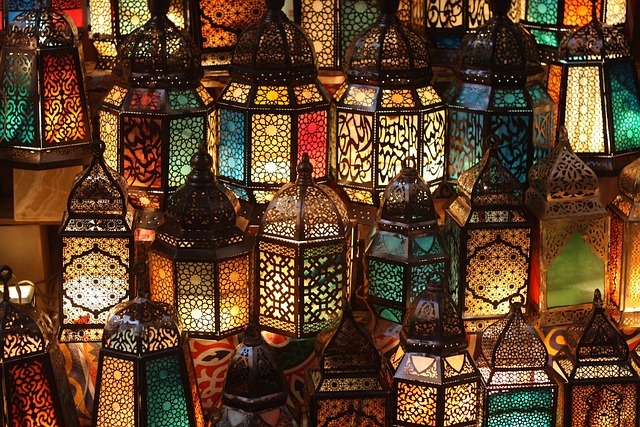
Romantic Cairo After Dark
The sky over the Nile turns from orange to violet in about the time it takes to finish a glass of tea on a felucca deck, and that ten-minute window is Cairo’s best-kept romantic secret. Four spots carry most of the city’s evening romance.
A private sunset felucca Hire a traditional white-sailed felucca from the docks at Garden City or Zamalek for a two-hour sail at twilight. Bring your...
read more

Epic Sa Pa Day Trips Beyond Fansipan
Epic Sa Pa Day Trips Beyond Fansipan Sa Pa town is the launchpad, not the destination, once you’ve done the cable car once.
Bắc Hà Sunday Minority Market The single best day trip from Sa Pa, full stop. About 100 km east, roughly 2.5 hours each way, Bắc Hà hosts the most celebrated ethnic market in northern Vietnam every Sunday morning. Thousands of Flower Hmong women arrive from mountain...
read more

Multi-Day Trips Out of Osaka
Osaka isn’t the finish line, it’s base camp Stay only inside the city and you’ll miss why Osaka is the smartest place in Japan to build a multi-day trip around: everything worth reaching in the wider Kansai region is a short train ride away, and you never have to change hotels to get there. Here are three real ways to structure the extra days.
The Golden Kansai Triangle (5 to 7...
read more
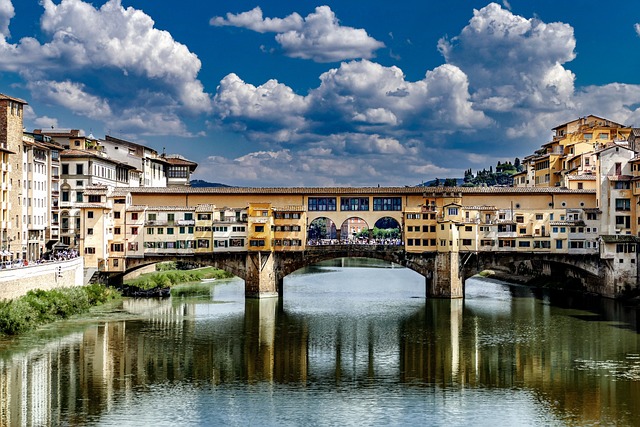
Piazzale Michelangelo to San Miniato at Dusk
Skip the horse-drawn carriage. The best romantic hour in Florence costs nothing and ends with monks singing in Latin, which beats a clip-clop loop around the Duomo for the money.
Piazzale Michelangelo and San Miniato al Monte is the sequence to know. Walk up the stone ramps from San Niccolò as the light starts to turn; street musicians usually set up along the way, and by the time you reach the...
read more
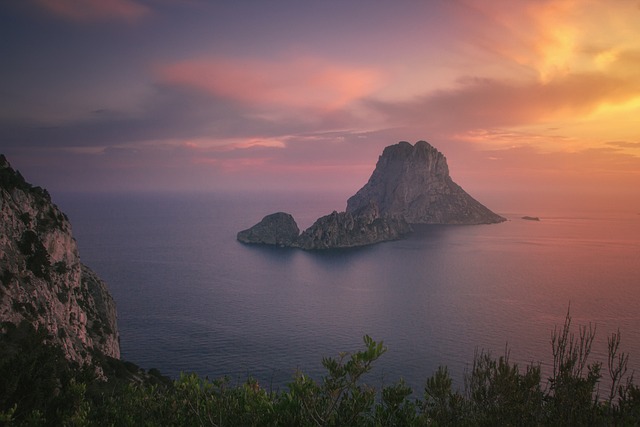
Best Day Trips in the Balearic Islands
A real day trip in the Balearics means a fixed ferry or bus schedule you build the whole day around, not a rental car and a vague plan. Here is what actually fits into one day, and what doesn’t.
Formentera from Ibiza (30 minutes each way) A round-trip ferry ticket from Ibiza Port to La Savina takes about half an hour each way. Rent an electric bike or scooter at the port to reach Ses...
read more
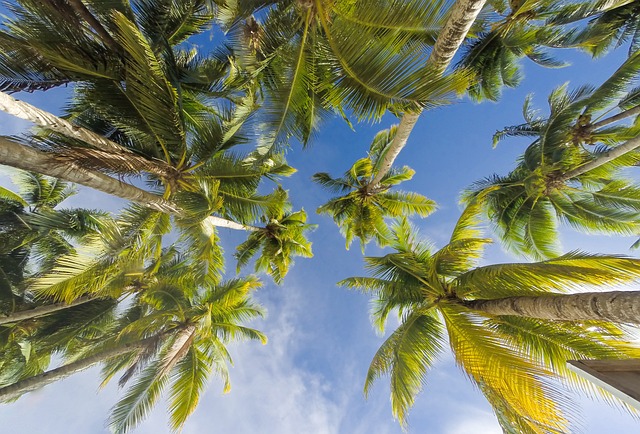
Boracay Solo Travel: 4 Things That Work
Solo travel in Boracay barely feels solo, because the hostel scene and the dive and kite schools do most of the social work for you.
Hostels built for meeting people, not just sleeping Mad Monkey Hostel Boracay, on the Bulabog side, and Frendz Hostel in Station 2 both run communal dinners, trivia nights, and group outings that turn a solo trip into a string of shared ones without you having to...
read more

Jogging, Kayaking and Swimming in Colombo
Nobody at Independence Memorial Square is training for anything in particular at 6am; they are just there, looping the same paved track under the same colonial-era rain trees, the way Colombo residents have been doing since long before anyone called it exercise tourism.
Sunrise laps at Independence Square The paved jogging tracks around the monumental Independence Memorial Hall stay shaded by...
read more
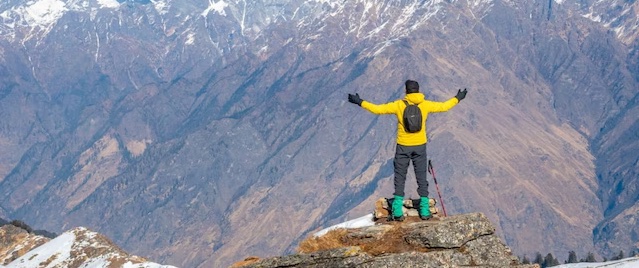
Kandalama Group Safaris and Feasts
Six people in an open-top jeep, passing one pair of binoculars back and forth as a wild bull elephant crosses the track twenty meters ahead: that’s what a Kandalama group outing actually looks like, and it beats a bus tour by a wide margin.
Jeep convoys to Minneriya and Kaudulla Groups here move in convoys of open-sided 4x4 safari jeeps out to Minneriya or Kaudulla National Park, tracking...
read more
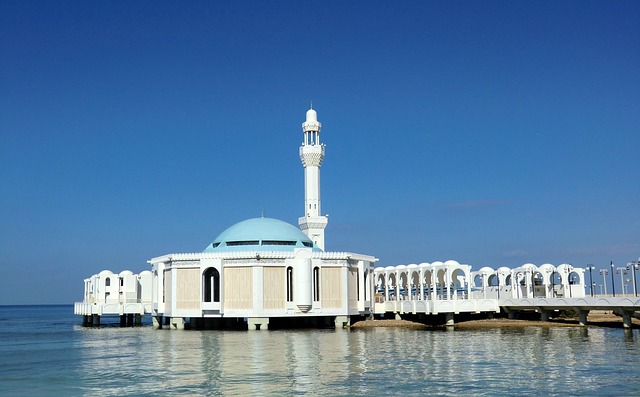
Romantic Jeddah: Sunsets and Suites
A city that bans alcohol turns out to be surprisingly good at romance, mostly because it leans entirely on sunsets, water, and old coral stone instead.
The fountain, at the hour it’s built for King Fahd’s Fountain, the world’s tallest, throws Red Sea water 312 meters into the air, and it’s genuinely a different sight after dark, when the plume lights up against the sky....
read more
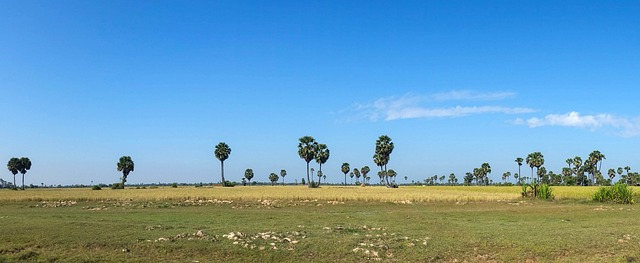
Outdoor Angkor: Cycle, Paddle, Climb
By 10:30am the sandstone at Angkor Wat is hot enough to make you regret every outdoor plan you made for that afternoon.
Heat is the actual obstacle here, not distance Siem Reap Province rewards outdoor activity almost entirely in the early morning. From March to May, daytime highs regularly hit 36 to 40°C, and even in the cooler November-to-February season, walking stone monuments in direct sun by...
read more
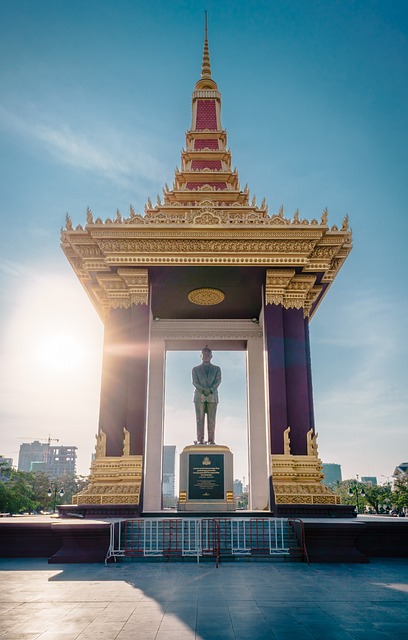
Walking Phnom Penh Without Getting Lost
Phnom Penh will not reward wandering on autopilot the way Paris or Tokyo might. Sidewalks disappear under parked motorbikes without warning, and the heat punishes any route without shade breaks built in. Three specific walks get around both problems.
The French Colonial Quarter route starts at Place de la Poste, the grand 1890 post office standing across from the old Police Commissariat, both...
read more
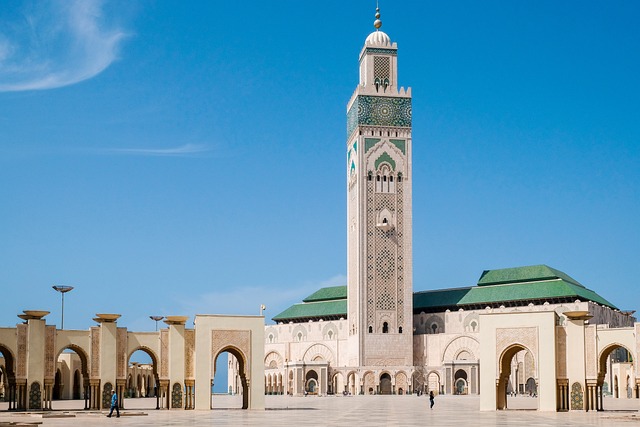
Solo Travel in Casablanca-Settat
Solo travelers in Casablanca run into one obstacle nobody warns them about: the region’s biggest sight cannot be visited alone, no matter how independent the rest of the trip is.
The mosque requires a group, even a booked one Non-Muslim visitors cannot walk into the Hassan II Mosque unaccompanied; entry is by official guided tour only, roughly 45 minutes, running Saturday through Thursday...
read more
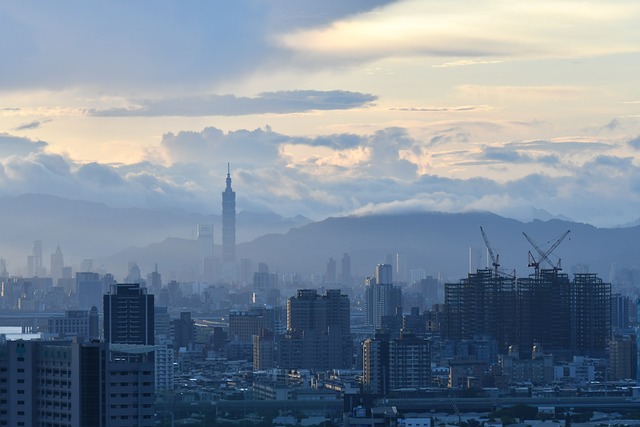
Taipei Outdoors: Volcanoes to River Paths
A dormant volcanic massif rises directly above Taipei’s northern edge, and you can be standing in its sulfur fumaroles less than an hour after leaving your hotel, no car required.
Yangmingshan National Park. Free entry. Take bus 260 from Taipei Main Station or Red 5 from Jiantan MRT to the Yangmingshan Bus Terminal, then transfer to the 108 Park Shuttle, which loops between the park’s...
read more
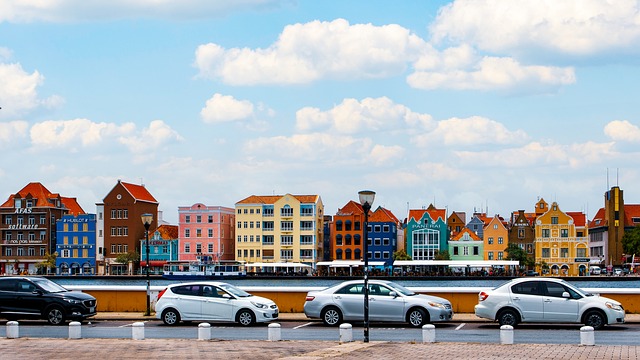
Willemstad After Dark: Vibes, Jazz, Carnival
At 8:15 PM sharp, fireworks go off over Sint Annabaai, right on schedule, every single Thursday night. That is Punda Vibes, and if your Willemstad trip only overlaps with one weeknight, make it a Thursday.
Punda Vibes. From 6:00 to 10:00 PM every Thursday, Punda’s cobblestone streets close to cars and fill with craft stalls, salsa and jazz musicians, stilt walkers, and folk dancers, building...
read more
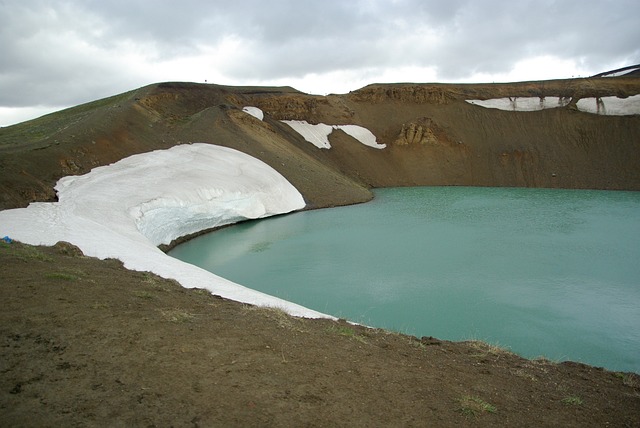
5 Real Day Trips From Viti Levu
A single day out from a Viti Levu base can go three completely different directions: offshore by boat, upriver by raft, or up a mountain, and each one uses a different piece of the island entirely. Five day trips cover the range worth knowing about.
Likuri Island (Robinson Crusoe Island) A boat transfer through the mangrove river estuary off the Coral Coast reaches Likuri Island, where the day...
read more
Lamanai's Temples Outshine Every Other Site
One riverboat ride puts three registers of history in front of you at once: Maya temples, a Spanish colonial mission, and a British industrial ruin, all standing within walking distance of each other at Lamanai.
The Mask Temple Structure N9-56 carries two 4.2-meter carved limestone masks from the 6th century, each depicting a ruler in a stylized crocodile headdress, still preserved under...
read more
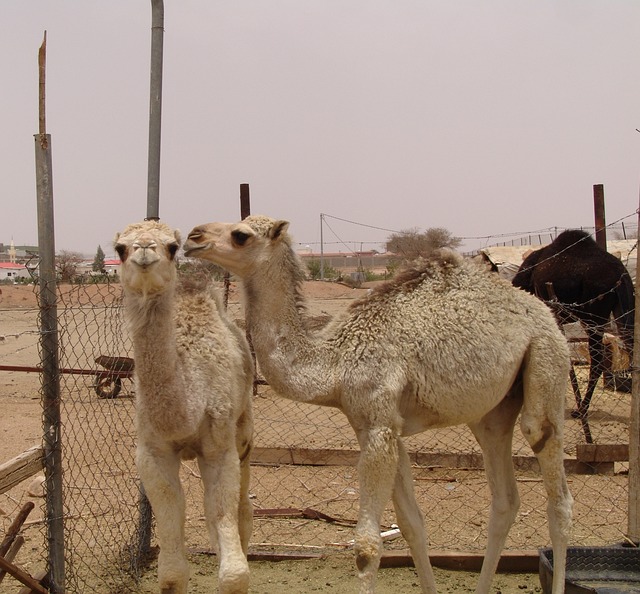
Multi-Day Trips Around Taif
Three days in Taif covers the mountain city properly; anything shorter means picking between the crater and the rose farms, and anything longer starts pulling in Jeddah or AlUla.
The 3 to 4 day Taif-only itinerary Day one stays in Central Taif: Shubra Palace’s carved rawashin facades and Carrara marble balconies, the Al Sharif Heritage Museum’s ethnographic collections, and an evening...
read more
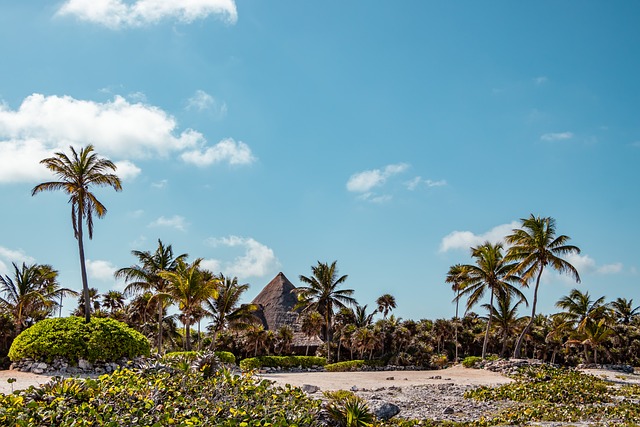
Akumal Multi-Day Trips: 2 Real Routes
Akumal itself is a 2 to 3 day stop, not a week-long destination, and pretending otherwise is how travelers end up padding an itinerary with attractions that belong to Tulum or Cancun rather than the village they’re actually staying in. What Akumal does well is anchor two genuinely different multi-day routes as a base camp, one built around diving and wildlife without much driving, the other...
read more

Five Escapes Beyond the 14 Islands
Stockholm sits on 14 islands, but the best reason to leave them for a day is a town founded before the country existed in its current form. Sigtuna, Sweden’s oldest surviving town, was established in 970 CE along Lake Mälaren, and its pedestrian main street, Stora Gatan, still has 11th-century Viking runestones set into the ground alongside ruined stone churches.
A palace where the king...
read more

Sunset, Hammam, and a Sacromonte Cave Show
The stone wall at Mirador de San Nicolas fills up an hour before sunset with couples sharing a bottle of local wine while a busker plays flamenco guitar, and it costs nothing beyond whatever the wine runs at the shop below.
Mirador de San Nicolas at golden hour
This viewpoint in the Albaicin looks straight across the valley at the Alhambra, and the evening light turns its walls a deep red against...
read more
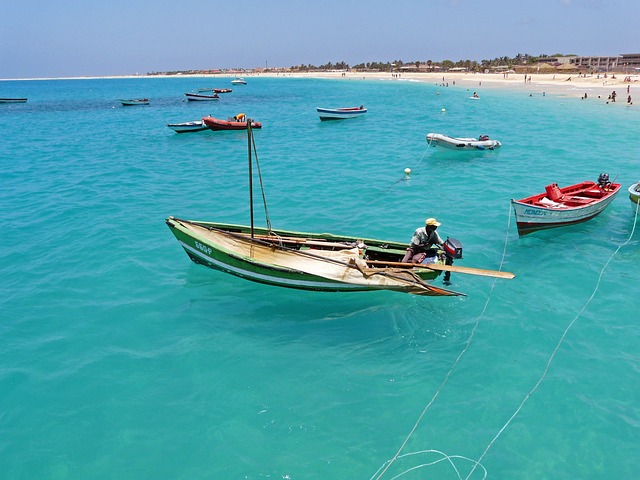
Cape Verde Romance Beyond the Beach
Skip the all-inclusive resort brochure. Cape Verde’s real romantic moments happen on a sunset catamaran, in a Mindelo tavern, or inside a volcano after dark.
Sail into the sunset Small-group or private catamaran trips out of Santa Maria (Sal) or Sal Rei (Boa Vista) time the golden hour right, with sparkling wine, fresh tuna carpaccio, and a swim in warm Atlantic shallows while dolphins...
read more
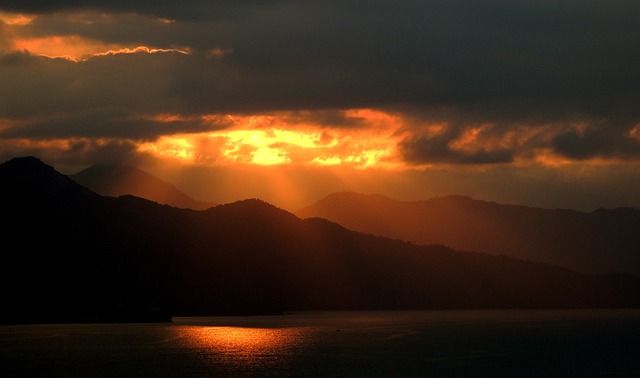
Bay Islands Outdoor Activities Guide
The reef at West Bay starts close enough to reach by wading, not swimming, which is a detail most outdoor-activity write-ups about the Bay Islands skip past on the way to talking about scuba certifications.
Snorkeling the Mesoamerican Barrier Reef is the anchor activity, and West Bay Beach on Roatán is the easiest version: the reef begins roughly 30 meters offshore, with Half Moon Bay and the...
read more
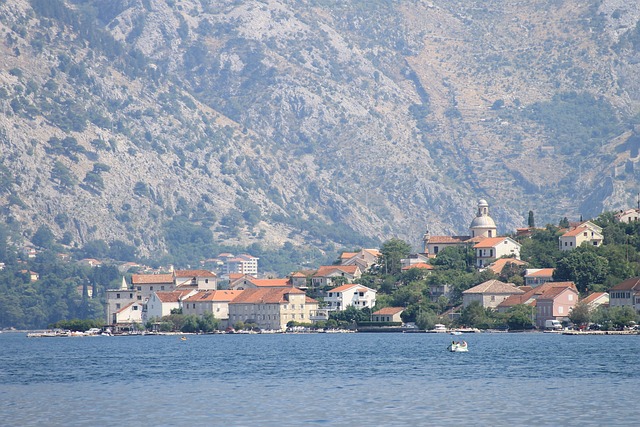
Best Day Trips From Tivat, Montenegro
Tivat’s own sights take half a day; everything that fills the rest of a week-long trip sits within 45 minutes of the marina, through a tunnel, along a bay, or up a mountain road with 25 hairpin turns.
Kotor’s old town, 15 minutes through the tunnel The Vrmac Tunnel puts medieval, walled Kotor 15 minutes from Tivat by car or the Blue Line bus (flat fare around EUR 1.70, roughly hourly).
read more
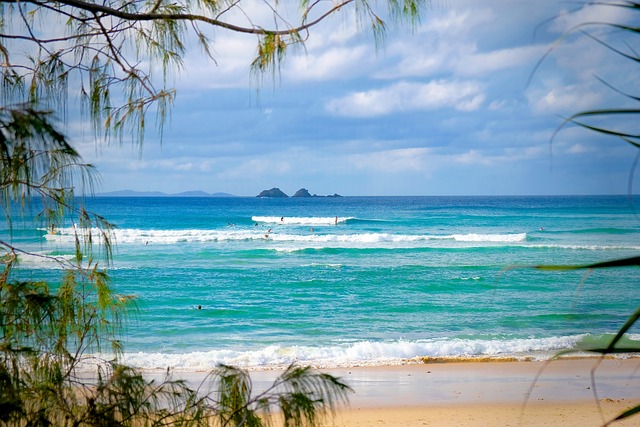
Byron Bay Outdoors: Surf, Paddle, Hike
Three point breaks sit within a 15-minute walk of each other here, and each one asks something different of the surfer paddling out: The Pass wants patience and a longboard, Wategos wants nothing more than a gentle morning session, and Tallow Beach wants respect for a 6.5km open swell that punishes bad judgment fast.
Surfing the point breaks The Pass is one of the most celebrated right-hand...
read more

Cotopaxi Group Days: Market to Mountain
Six in the morning at the Saquisilí livestock plaza, with sheep, pigs, and llamas changing hands between Kichwa farming families, is a better group activity than most tour brochures ever mention.
Saquisilí market, Thursdays only Saquisilí’s indigenous market spreads across eight separate town squares and only runs on Thursday mornings, so plan around it rather than around your own schedule....
read more
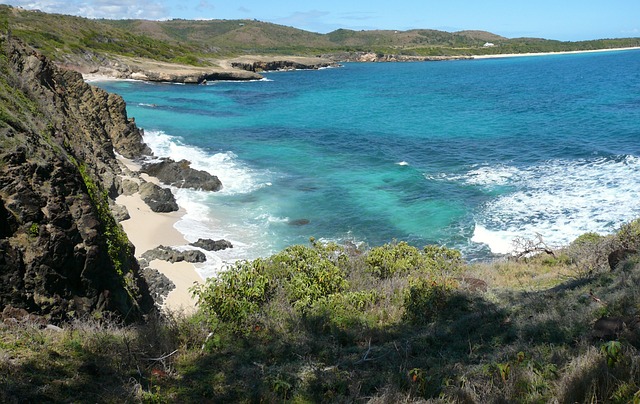
Learn Ti Punch, Bèlè and Pottery
Ti Punch has an entire etiquette built around it, down to the specific wooden swizzle stick used to mix it, and the fastest way to learn it properly is a one-hour class at a real distillery, not a five-second tutorial from a bartender who wants your table turned over.
Rhum agricole masterclasses go deeper than a tasting flight At estates like Trois Rivières or Habitation Saint-Étienne, classes...
read more

Mexico City With Kids: The Real Wins
An aquarium four stories underground, paired with a zoo that costs nothing to enter: Mexico City packs an unusual amount of kid-sized wonder into one afternoon.
Bosque de Chapultepec is the anchor. Over 1,700 acres, twice the size of New York’s Central Park, with shaded walking avenues, pedal boat rentals on Chapultepec Lake, and a botanical garden. Inside it, the Chapultepec Zoo is free...
read more
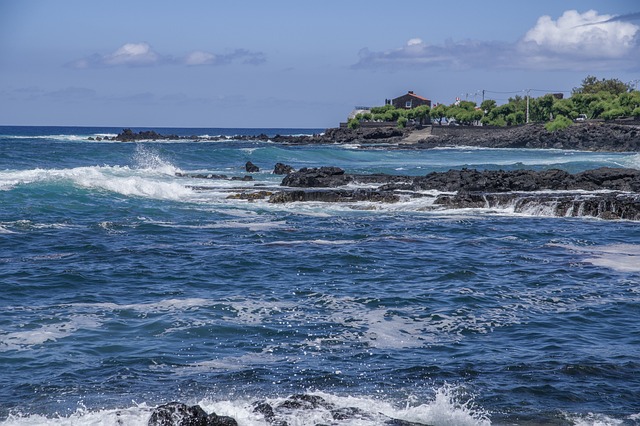
Multi-Day Azores Trips Worth Planning
Five days on São Miguel alone will not feel rushed, and that is the biggest surprise about planning an Azores trip: this archipelago rewards slowing down far more than it rewards island-hopping.
Five days, one island: São Miguel in full Day one: settle into Ponta Delgada with a historic walking tour past the Portas da Cidade gate and a harbor seafood dinner. Day two: the Sete Cidades volcanic...
read more
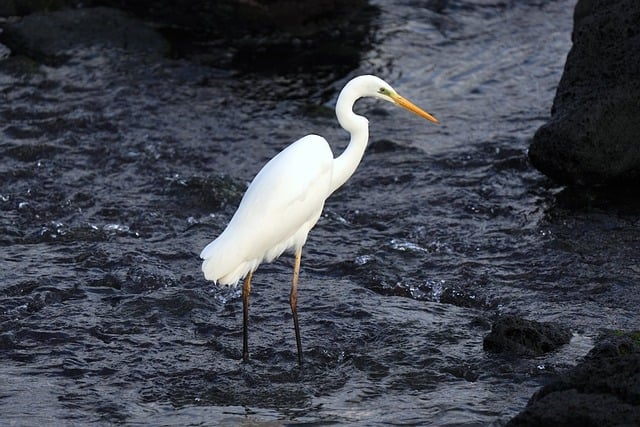
Multi-Day Jeju: Coast Loop to Olle Trail
Three days on Jeju barely gets you off the ring road. Five starts to feel like you’ve actually met the island, and once you understand why, the itinerary plans itself around two very different paces.
The classic road-trip circuit runs three to five days. Spend days one and two on the east coast: catch the sunrise at Seongsan Ilchulbong, walk into the Manjanggul lava tube, then take the short...
read more
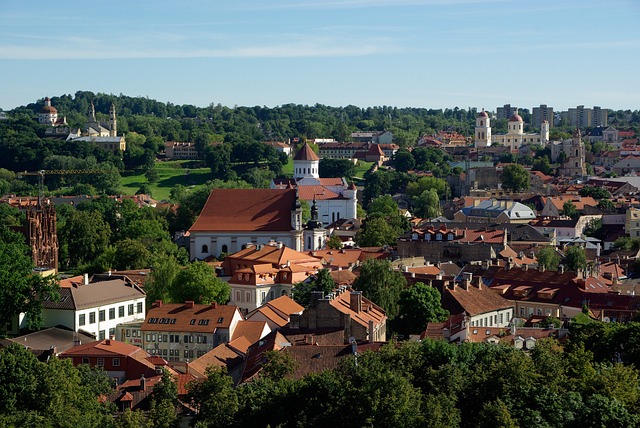
Multi-Day Trips from Vilnius
Vilnius sits inland, nowhere near a beach, so any multi-day trip that starts here either heads north through the other two Baltic capitals or west toward the actual coast at Klaipėda, and the two routes barely overlap.
Route one: the three Baltic capitals (7-10 days) Spend the first two to three days on Vilnius and Trakai: the Old Town, Užupis, Gediminas’ Tower, the Museum of Occupations and...
read more
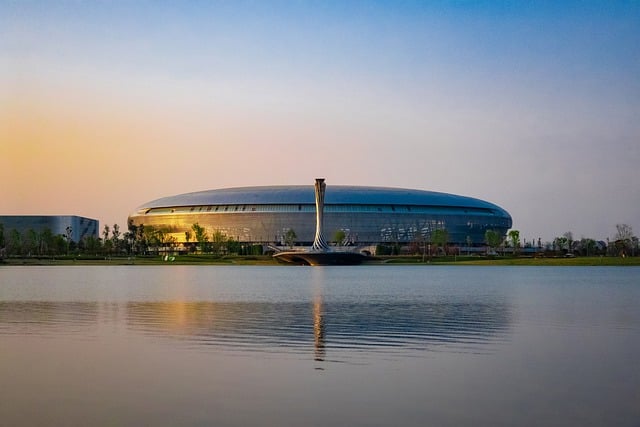
Ride Chengdu's Panda Express Bus Circuit
Skip the taxi haggling. Chengdu’s bus network will get you to a hillside of pandas or a river-carved Buddha for less than the price of a coffee back home.
Panda Express: the cheapest ticket to the pandas The most useful bus in the city might be the direct shuttle running from Chunxi Road and Kuanzhai Alley straight to the Chengdu Research Base of Giant Panda Breeding, covering the trip in 35...
read more
Riding the NLB Buses From Tung Chung
Nobody drives themselves across South Lantau, and that’s not a complaint, it’s the whole reason these bus rides feel like an event instead of a commute. Tung Chung Road and South Lantau Road are restricted closed roads: standard private cars and unlicensed rental vehicles need a special Transport Department permit to use them, so New Lantau Buses and licensed Lantau blue taxis carry...
read more
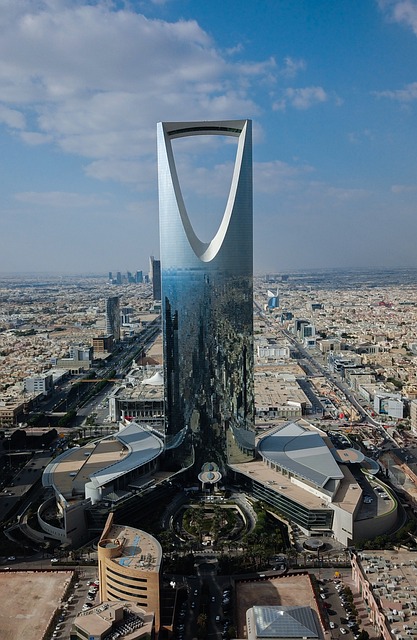
Riyadh Outdoors: Winter-Only Thrills
One number should decide when you plan an outdoor day in Riyadh Province: 48. That is the top end of the Celsius range the desert hits in summer, and it turns every item on this list from a highlight into a hazard for half the year. Get the season right and this becomes one of the best outdoor lineups in the Gulf.
Hiking the Tuwaiq Escarpment and the Edge of the World The signature hike here...
read more
Sigiriya Group Adventures That Work
Get six friends together in Sigiriya and the itinerary practically writes itself: one shared jeep, one shared cooking fire, and one shared boulder scramble at sunset.
Wild elephant safaris are the natural group anchor. Convoys of open-top Land Cruisers and Mahindras head out together to Minneriya or Kaudulla National Park, radio-linked to share spotting information, so a group booking two or three...
read more
Tegucigalpa Solo: Museums, Cafes, Trails
The best solo day in Tegucigalpa doesn’t involve a single group activity, and that’s the point: a museum morning, a slow coffee crawl, and a guided forest trail, each one built to be done well alone.
Start at MIN The Museo para la Identidad Nacional rewards a quiet, unhurried solo morning better than it rewards a group tour. Wander the exhibits on Honduran pre-Columbian and republican...
read more
Tianjin's Handmade Traditions
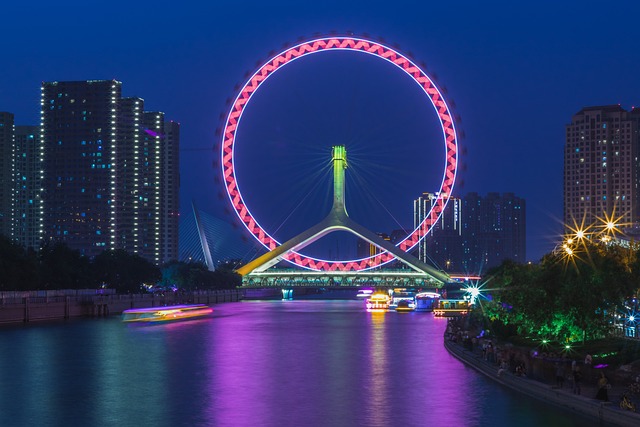
Most workshop listings for Chinese cities mean a quick photo op with a craftsman who barely looks up. Tianjin’s are different: three of its folk traditions carry actual state-level intangible cultural heritage status, and each one will hand you tools and expect you to make something.
Carve and paint a Yangliuqing woodblock print Yangliuqing New Year prints trace back over 400 years to the...
read more
Haghpat Outdoors: Trails, Rapids, Cliffs
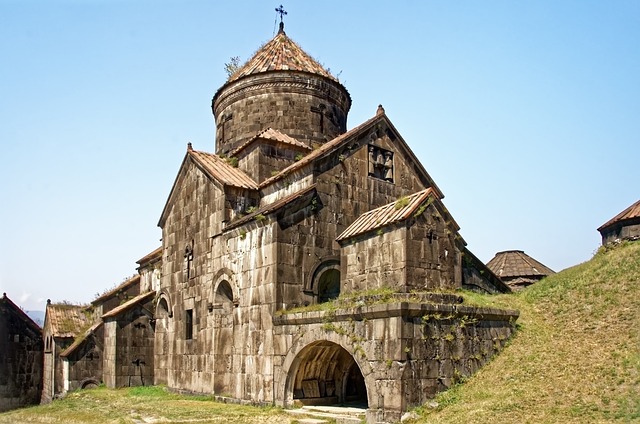
The Debed Canyon does the heavy lifting here: basalt cliffs, a real river, and a genuine long-distance trail, all reachable without a tour operator’s minivan. September and October are the premier window, with crisp temperatures and forests turning copper and gold; winter hiking is possible but expect frost and pack traction cleats for icy sections.
The Transcaucasian Trail to Sanahin
The...
read more
Boracay Sightseeing: 5 Sights, No Bus
Boracay’s sightseeing runs on coastal geology, not architecture, and the whole list fits inside a single day if you skip the crowds.
White Beach at sunset The 4-kilometer sweep of White Beach is the postcard, and the sunset is the reason: paraw sails silhouetted against a fiery orange-to-violet sky that ranks among the most photographed anywhere. Watch it from a terrace behind the buffer...
read more
Cairo's Slim Outdoor Options
Search “outdoor activities Cairo” and you will find lists padded with desert safaris and adventure parks that do not actually exist inside the city limits. The honest version is shorter: Cairo is a dense, high-traffic metropolis, and its real outdoor options are one park, one river path, one regulated ride, and two kayak clubs.
Al-Azhar Park This 30-hectare park, built by the Aga Khan...
read more
Chiang Rai's Riverside Romance and Glamping
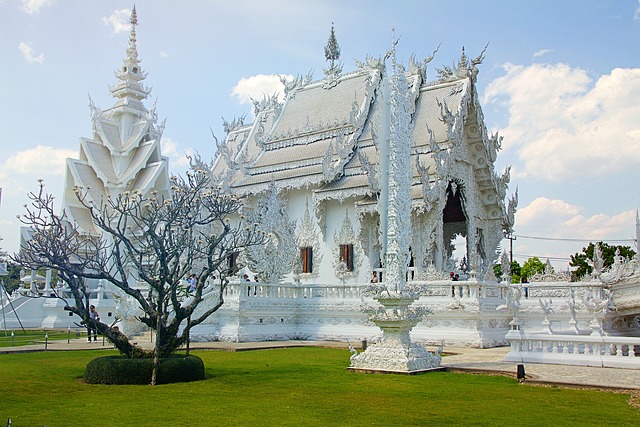
A candlelit table under tropical ferns on the bank of the Kok River is the cheaper half of Chiang Rai romance. A private longtail cruise on the Mekong at sunset from a canvas walled suite is the expensive half. Both are real options here.
Dinner on the Kok River Riverside restaurants along the Kok River lean into the setting rather than fighting it. Chivit Thamma Da Coffee House, Bistro & Bar,...
read more
Taipei Is Taiwan's Multi-Day Trip Gateway
Two train stations, Taipei Main Station and Nangang, put the entire island within a half-day’s ride, so a multi-day trip built from Taipei almost never means staying in Taipei.
The High Speed Rail western corridor (2 to 4 days). THSR gets you to Taichung in 45 to 60 minutes; connect onward by Taiwan Tourist Shuttle bus to Sun Moon Lake in Nantou County for the CNN-noted lakeside bike path,...
read more
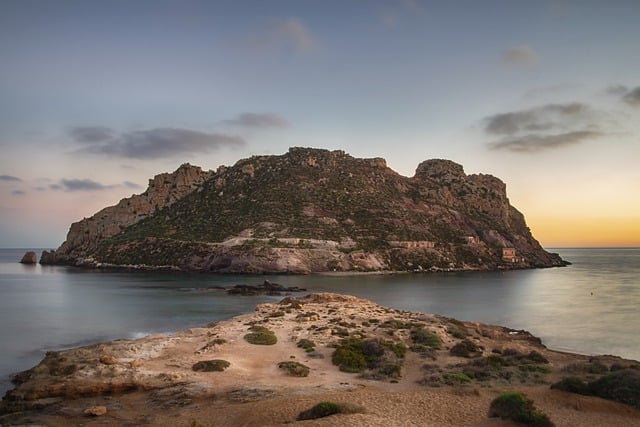
Likuri Workshops: Coconut to Kokoda
No pottery wheels, no woodcarving studios, and no textile looms. Whatever an old travel post says, Likuri Island’s workshops run on coconut, palm leaf, and lime juice, not craft-fair inventory.
Coconut climbing and husking is the signature demo. Watch island staff scale 40-foot coconut palms barefoot using nothing but a simple cloth foot loop, called a kaveti, then take a turn yourself with...
read more
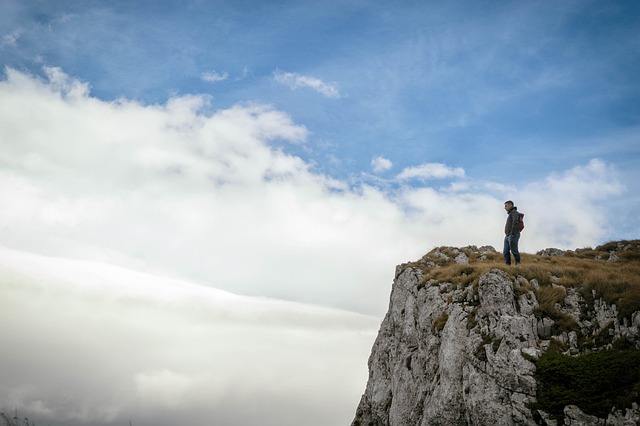
Suva with Kids: Pools, a Canoe, a Museum
The pitch that gets kids interested in Suva is not a beach, since Suva does not really have the postcard kind, it is a 13-meter war canoe you can walk right up to, and a rainforest pool with a rope swing. That is a stronger sell than sandcastles anyway, and it happens to be accurate.
Colo-i-Suva Forest Park’s swimming pools
Fifteen minutes north of the city, shaded gravel trails through...
read more
Beyond the Duomo: Fiesole, Arno, Cascine
There’s a version of Florence that doesn’t involve a single timed museum entry, and it starts the moment you climb out of the Duomo’s shadow toward the hills. The city’s real outdoor draw isn’t the Apennines two hours away, it’s what’s already inside a short walk or paddle of the historic center.
Boboli Gardens and the adjoining Bardini Gardens are the...
read more
Osaka Couple Activities With a Real View
Time it for twilight and Osaka does the work for you Four activities here genuinely reward doing them as a pair rather than solo, and every one of them is built around a view or a small shared ritual rather than just “here’s a nice place to walk.” Time at least one of them for the last hour before sunset and the whole evening lifts.
Go up 300 meters at Harukas 300
read more
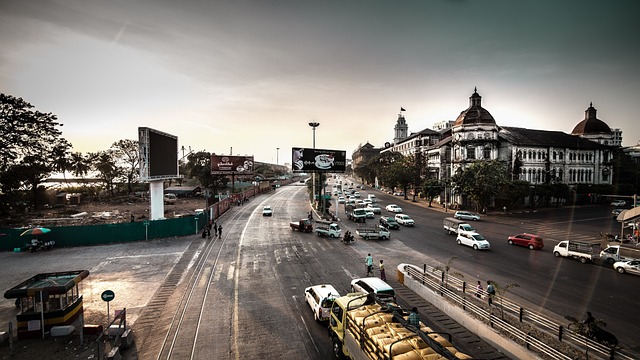
Romantic Yangon: Gold Spires, Sunset Tea
Romantic Yangon: Gold Spires, Sunset Tea Yangon saves its best romantic trick for last light, when the gold on Shwedagon’s spire stops looking metallic and starts looking lit from within.
Couples who time their day around late afternoon get the best of this city. Here’s where that pays off.
Twilight at Shwedagon Pagoda
Arrive as the late-afternoon sun turns the 99-meter golden spire a...
read more
Sa Pa's Animal Activities, Honestly
Sa Pa’s Animal Activities, Honestly If you came to Sa Pa expecting elephant rides or a mountain sanctuary, put that idea down now: neither exists here.
What doesn’t exist, said plainly There is no elephant sanctuary in the Muong Hoa Valley, no elephant riding circuit, and no dog sledding season, however that idea got started. Sa Pa sits in a subtropical mountain range in northern...
read more
Phnom Penh Sightseeing: Start Here
Five sights cover almost everything Phnom Penh’s skyline has to offer, and you can move between all of them in a single day if you start before the heat does.
The Royal Palace’s golden spires are the obvious starting point: a classical tiered Khmer roofline topped by a spire carrying the four faces of Brahma, visible from blocks away even before you reach the gate. Morning light works...
read more
Casablanca-Settat Sightseeing Picks
Five sights carry almost all of Casablanca-Settat’s visual identity, and two of them aren’t even in Casablanca.
The minaret that dominates every skyline shot The Hassan II Mosque’s minaret rises 210 meters straight out of the Atlantic, one of the tallest minarets anywhere until Algeria’s Djamaa El-Djazair overtook it in 2024. It reads best from the shoreline at dusk, when...
read more