Recent Traveler Mania
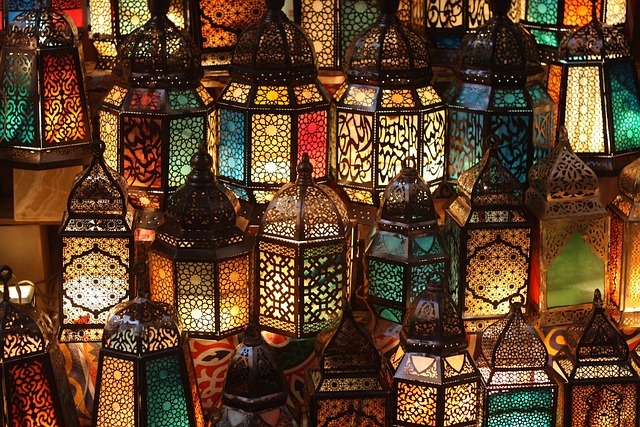
Cairo on Foot: Three Real Routes
Al-Mu’izz Street looks like a movie set the moment you step onto it: a pedestrianized stone corridor lined with 13th- and 14th-century palaces, madrasas, and mausoleums, all still standing on the street they were built for. Three routes cover most of what Cairo has to offer on foot.
The Al-Mu’izz Street medieval spine Start at Bab al-Futuh, the monumental Fatimid stone gate built in...
read more
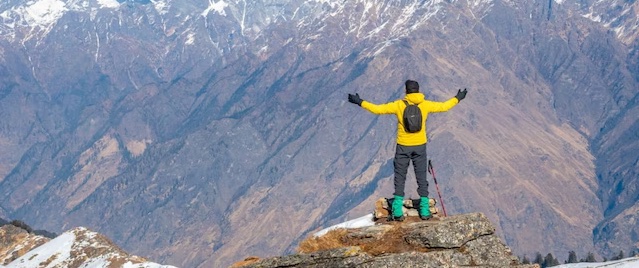
Kandalama Workshops: The Honest List
Don’t come to Kandalama expecting a craft district with a dozen workshop doors to wander between. There isn’t one, and that’s worth saying plainly before you build a day around it. What Kandalama does offer is smaller, more specific, and arguably more interesting than a generic souvenir workshop crawl.
Architecture and sustainability tours at Heritance Kandalama The most...
read more
Khorkhog, Shagai and a Steppe Campfire
Get a group of five or six together in Kharkhorin and the whole trip changes shape: a khorkhog feast, a shagai tournament, and a campfire with a horsehead fiddle player are all things that genuinely work better with more people, not fewer.
Getting there is part of it A lot of groups arrive already having shared the ride: a rugged Russian UAZ-452 “Furgon” van bouncing over dirt tracks,...
read more
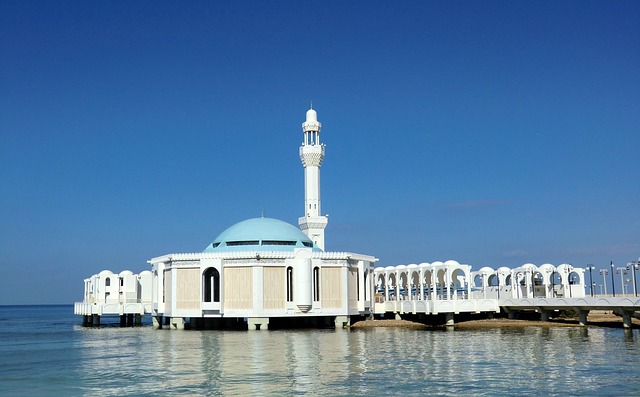
Walking Al Balad: A Jeddah Route
Jeddah rewards walking exactly twice: once through 400-year-old coral stone, and once along a Red Sea promenade lined with modern sculpture, and the two routes have almost nothing in common.
The Al Balad heritage trail Start at Bab Jadeed, the New Gate, and head into Souq Al Alawi, where the alleys narrow and the smell of frankincense and cardamom takes over, inside the UNESCO-inscribed old town....
read more
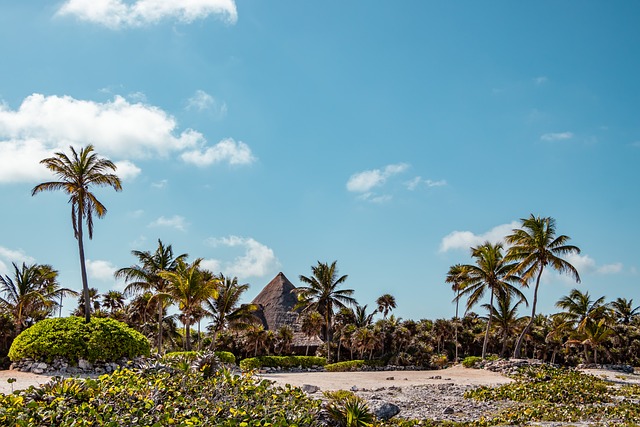
Akumal Sightseeing: 5 Real Views
Stand at the shoreline of Akumal Bay long enough and a wild sea turtle will surface for air a few meters out, no boat or guide required to just watch from the sand. That single view sums up what sightseeing here actually is: quiet, mostly free, and built around real coastal geography rather than a curated attraction circuit. None of the five views below require a ticket to simply look; only...
read more
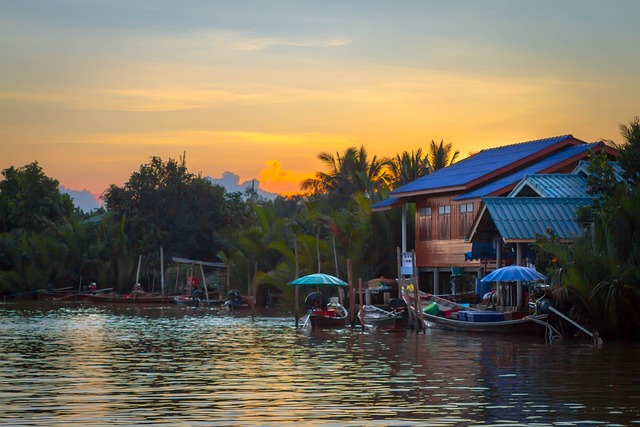
Surat Thani Outdoor Escapes
Paddle a kayak into one of Cheow Lan Lake’s flooded limestone side-canyons and the rock walls close in to 300 meters overhead on both sides, with nothing but gibbon calls and hornbill wingbeats echoing off the stone.
Kayaking the Cheow Lan karst canyons Sit-on-top kayaks let you get into narrow, flooded ravines around Cheow Lan Lake that longtail boats can’t reach, threading between...
read more
Jeju's Volcanic Icons: Peak to Waterfall
Every icon on this list was built by the same volcano, just at a different moment millions of years apart, and seeing them back to back is the closest thing Jeju has to a geology lesson you don’t notice you’re getting.
Seongsan Ilchulbong, the Sunrise Peak, is the obvious start: a 182-meter tuff cone that erupted straight up out of the ocean, now reachable by a 20-minute climb up...
read more
Suva Solo: Coffee, Kava, Kokoda, No Crowd
The solo-travel case for Suva is not the postcard Fiji beach walk, since that is not what is here, it is a walkable capital where nobody blinks at a single diner, a single museum visitor, or a single runner, and where the best food is priced for one person’s pocket in the first place.
Coffee mornings in Suva Central
Independent cafes like Bulaccino Cafe and Mana Coffee serve locally grown...
read more
Khmer Craft Workshops Worth Your Time
After two straight days of stone temples, your hands will actually want something to do.
Where the real workshops are, and why that’s fine Nearly everything in this category sits in Siem Reap town rather than out among the temples, and that’s worth saying plainly rather than pretending otherwise: these are wind-down afternoons between park days, not province touring in their own right....
read more

Walking Tours of Colombo Fort and Pettah
The 1857 clock tower at the end of Colombo Fort’s main strip used to double as a lighthouse, guiding ships in from the Indian Ocean before land reclamation pushed the shoreline far enough away that the idea now sounds almost invented.
Colombo Fort Colonial Heritage Walk This roughly two-hour route through the historic administrative district starts at the restored 1681 Old Dutch Hospital,...
read more
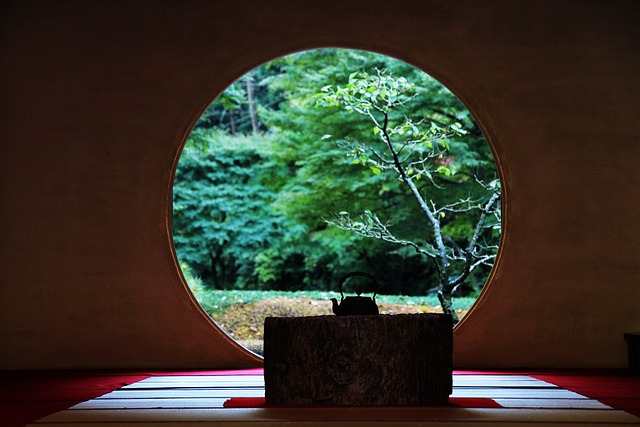
Kamakura Solo: Temples, Trains, Shirasu-Don
Kamakura rewards a solo pace better than almost anywhere else near Tokyo: nobody to negotiate a schedule with in a temple hall, nobody to rush past a bowl of shirasu-don, nobody to argue about which train station to get off at next.
Sitting quietly in Engaku-ji’s Butsuden Engaku-ji’s Buddha hall is open enough to just sit on the polished timber floor, look up at the ceiling painting of...
read more
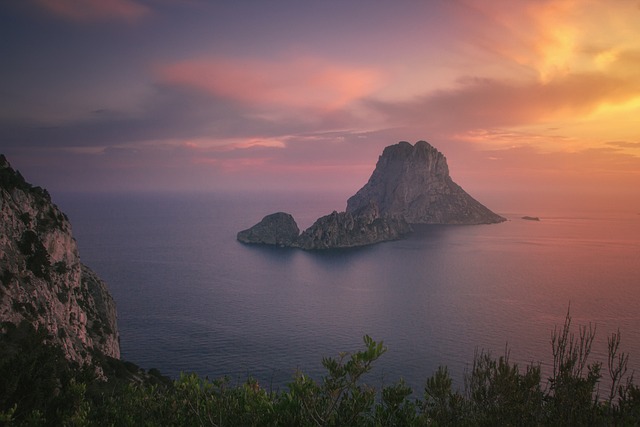
Top Sightseeing in the Balearic Islands
The Balearic Islands’ best views split into two categories: sheer vertical drops and flat turquoise shallows. Knowing which island does which saves you chasing the wrong one.
Cap de Formentor (Mallorca) The Mirador d’es Colomer viewpoint looks down 300-meter cliffs to the jagged sea stack of El Colomer below. Private vehicles are restricted on the final approach road from 15 May to 18...
read more
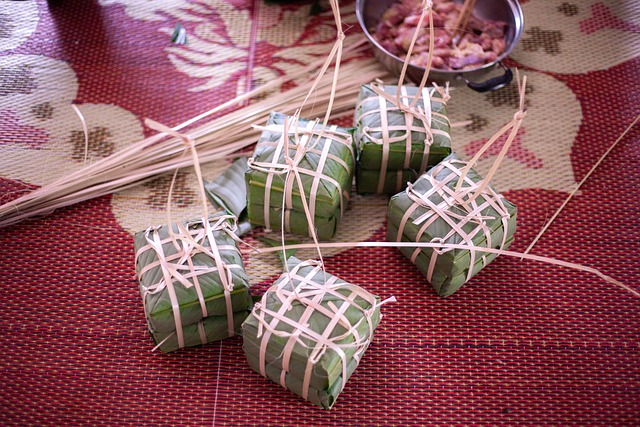
Tung Chung's Old Forts and Temples
Six muzzle-loading Qing Dynasty cannons still sit on the northern ramparts of Tung Chung Fort, aimed out over a valley that no longer needs defending from pirates, and that mismatch between old military purpose and quiet present-day setting is most of what makes Tung Chung’s sightseeing worthwhile.
Tung Chung Fort Built in 1832 as the naval headquarters for the Right Battalion of the Dapeng...
read more

Beijing Workshops: Dumplings to Enamel
An afternoon spent making something beats an afternoon spent only looking Beijing’s temples and palaces reward looking; its workshops reward doing, and the two make a good pairing across a longer trip rather than competing for the same day. None of the four below need more than a single afternoon, and none require any Chinese beyond what a class handout already translates.
Folding dumplings...
read more
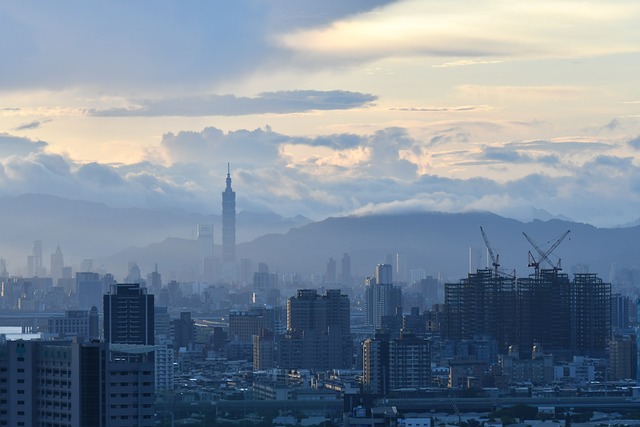
Taipei Shows: Opera, Pride and Fireworks
Watching a full-face Peking Opera makeup application in the lobby before the curtain even rises is the kind of detail that separates Taipei’s performance scene from a generic evening at the theater.
TaipeiEYE. Zhongshan District, near Shuanglian or Minquan West Road MRT. This is the venue built for international visitors, running Peking Opera, Taiwanese Gezai Opera, indigenous dance,...
read more

Romantic Taoyuan: Jellyfish to Cloud Seas
Skip the postcard idea of Taiwan romance for a minute. Taoyuan’s version involves jellyfish drifting to a Joe Hisaishi score, a bridge lit gold at dusk, and a mountain cabin where the clouds sit below your window instead of above it.
Daxi Bridge at dusk Daxi Bridge spans the Dahan River just below Daxi Old Street, its Baroque-style balustrades and archways strung with warm architectural...
read more
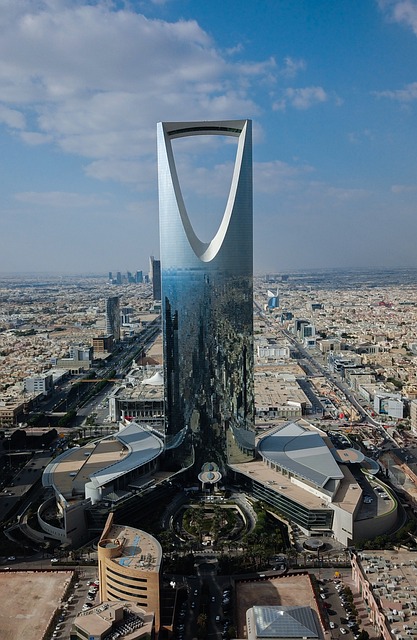
Solo in Riyadh: Safe, Easy, Exciting
Walk through a public market at 10pm alone in most capital cities and you would think twice! In Riyadh Province, both female and male solo travelers can do exactly that with real personal security, which changes the entire shape of what a solo day here looks like.
Solo Museum and Cultural Exploration The National Museum of Saudi Arabia rewards unhurried, self-paced hours moving through its...
read more
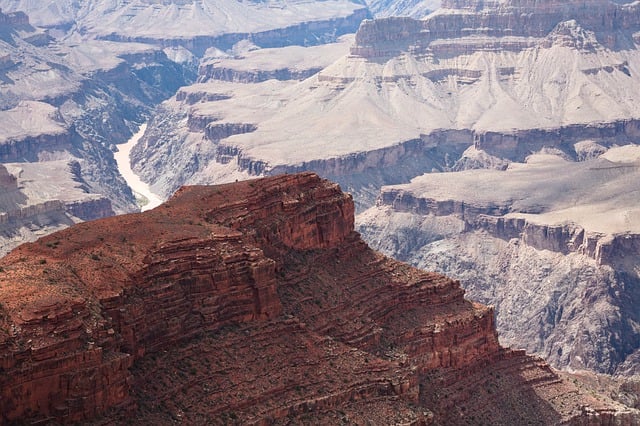
GRSE's Waterfall, Golf And Village Tours
The Four Attractions Worth Building A Visit Around Grand River South East (GRSE), on Mauritius’s east coast, doesn’t have a museum district or a walkable old town, but it has four genuinely distinct attractions within a short boat or drive of each other, and each one is worth its own visit rather than a rushed stop.
The GRSE waterfall canyon The headline attraction is the river itself:...
read more
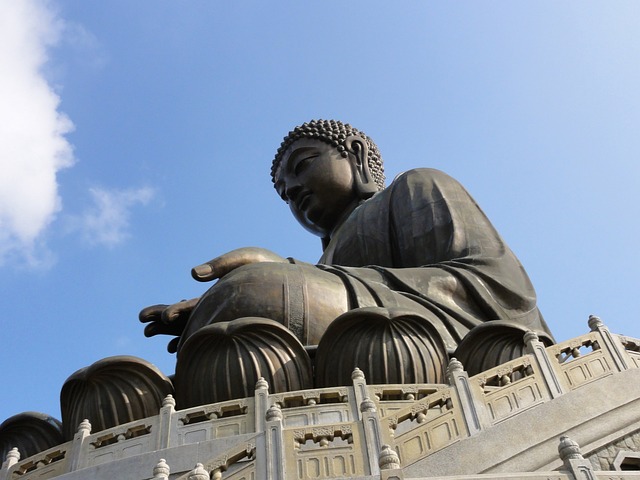
Lantau's Trails, Falls and Campsites
The best outdoor day on Lantau does not involve a single cable car ticket, and it starts at a bus stop most day-trippers walk straight past.
The Tung O Ancient Trail This 13 to 15 kilometer coastal footpath connects Tung Chung to Tai O the old way, on foot, past the mudflats of Tung Chung Bay and through the villages of Sha Lo Wan, San Shek Wan and Sham Wat Bay, with seaside noodle shacks along...
read more
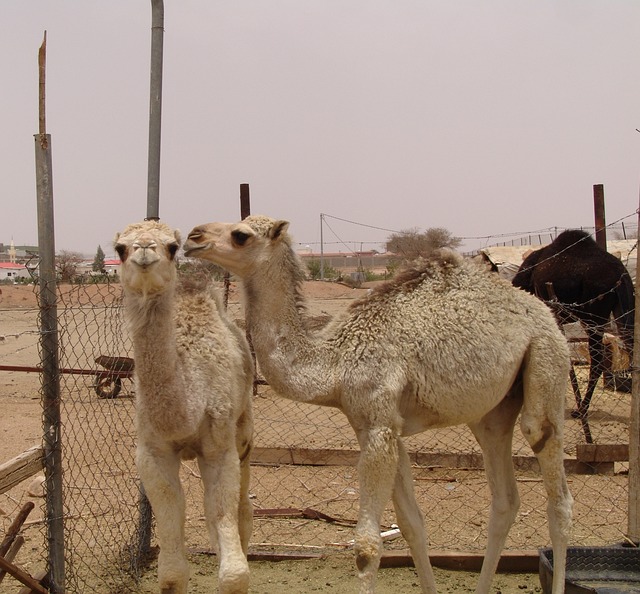
Rose Distilling Workshops in Taif
The smell hits before the workshop starts: walk into a working Al Hada distillery during harvest and the whole building smells like a rose garden that’s been reduced down to its concentrate.
Rose distillation, the main event Al Hada’s family-run distilleries, Al Gadhi and Rashid Al Qurashei among the century-old names, run hands-on workshops built around the copper alembic stills still...
read more
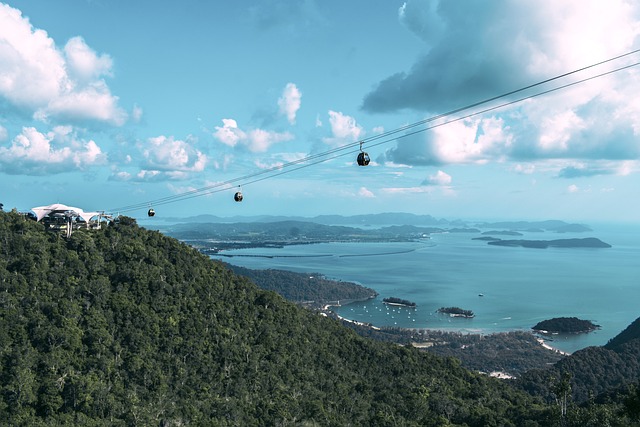
Solo in Langkawi: Scooter, Steps, Sea
No one is waiting on you here, which is exactly the point: a scooter, a set of concrete steps, and a kayak paddle are the whole itinerary.
Rent a scooter and set your own route A 110cc to 150cc scooter runs RM 30 to 50 a day, and Langkawi’s ring roads are well paved with genuinely light traffic once you’re clear of Kuah. The two routes worth the tank of fuel: the coastal road out to...
read more
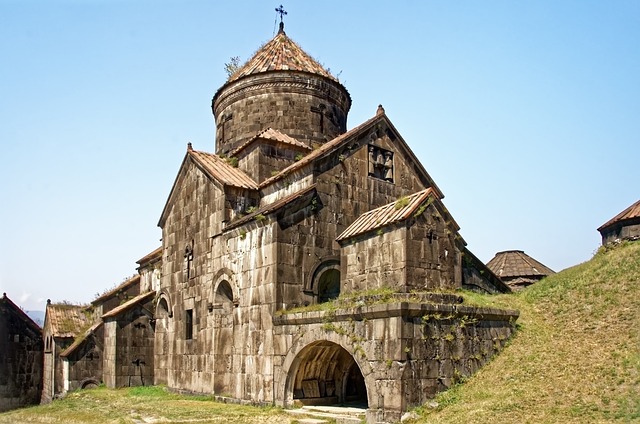
Two Walks That Define Haghpat
Haghpat rewards walkers with two very different routes: one a short historical circuit through the village, the other a serious canyon crossing to a sister monastery. Know which one you’re signing up for.
Timing the season right
The gorge trail is at its best in September and October, when cooler air and turning oak and hornbeam forest make the 3.5-to-4.5-hour crossing genuinely pleasant...
read more
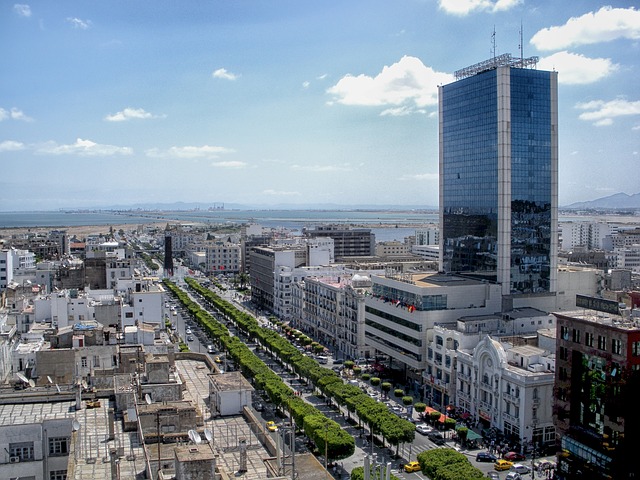
Walking Tunis: Medina to the Coast
No car, no taxi meter to argue over, just three walking routes that cover almost everything worth seeing in and around the capital.
The Medina of Tunis Historical Heritage Walk enters through Bab el Bhar (Porte de France) and runs about 3 miles through narrow, covered stone alleyways. Inside, the Ez-Zitouna Mosque opens onto a vast marble courtyard ringed by antique Roman columns, reused from...
read more
Solo in Cairo: A Confident Guide
Traveling alone in a city of 22 million people sounds daunting until you realize most of Cairo’s solo challenges come down to two things: a card in your pocket and a firm “no” for the touts. Beyond that, the city is genuinely built for independent exploring.
Take your time in the big museums The Grand Egyptian Museum’s galleries reward an unhurried solo half-day with an...
read more
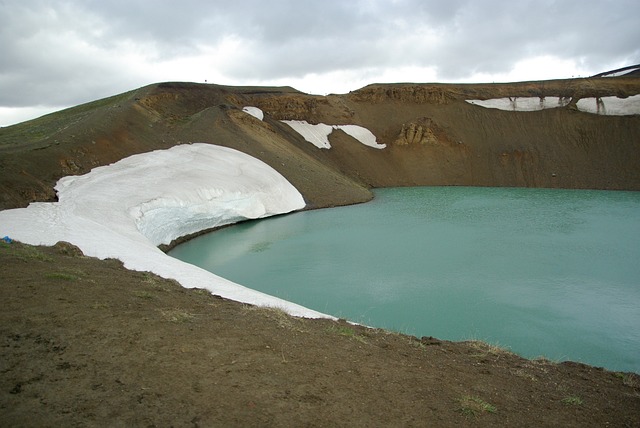
Viti Levu Outdoors: 5 Ways to Move
Five outdoor activities cover Viti Levu without a boat charter or a dive certification, ranging from a flat 30-minute stroll to a genuine mountain scramble, and picking the right one for your fitness level matters more here than the marketing usually lets on.
Sigatoka Sand Dunes: two trail lengths The National Trust’s dunes page lists a 1-hour and a 2-hour marked trail through coastal...
read more
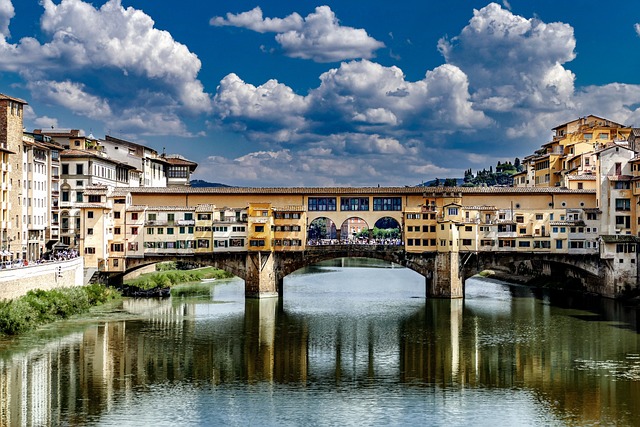
463 Steps Up Brunelleschi's Dome
There is no walk-up ticket for the one thing everyone comes to Florence to climb. Brunelleschi’s dome, 463 narrow stone steps threading between its inner and outer masonry shells, requires a pre-booked timed slot through the official Brunelleschi Pass (about 30 EUR at tickets.duomo.firenze.it), and once you’ve booked it, the slot can’t be changed or refunded. That single fact...
read more
A Ger Stove and a Steppe Sunset
The best evening you’ll spend as a couple in Kharkhorin doesn’t involve a restaurant reservation. It involves a felt tent, an iron stove, and more stars than either of you have probably seen in one sky before.
The ger stove is the whole date Book a private ger at an established camp such as Munkh Tenger Ger Camp, Anar Ger Camp or Secret of the Silk Road, and the evening builds itself:...
read more
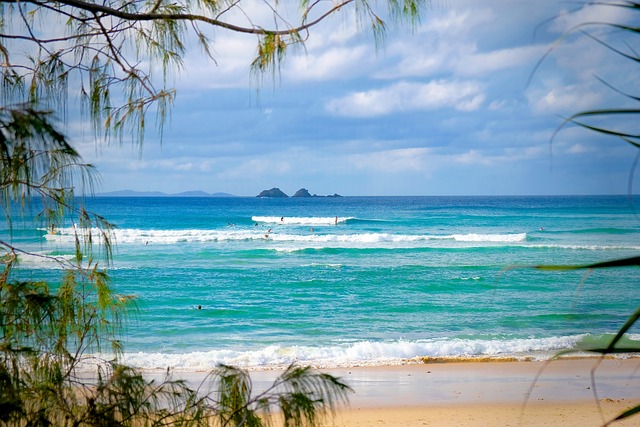
Byron Bay Sightseeing Beyond the Lighthouse
Stand at the base of the Cape Byron Lighthouse and you’re looking out from 153°38'15" E, the easternmost point of the Australian mainland, with the open Pacific on one side and the volcanic rim of the Wollumbin caldera rolling away on the other. That single view does more work than most sightseeing itineraries manage in a full day.
Cape Byron Lighthouse and the easternmost point Built...
read more
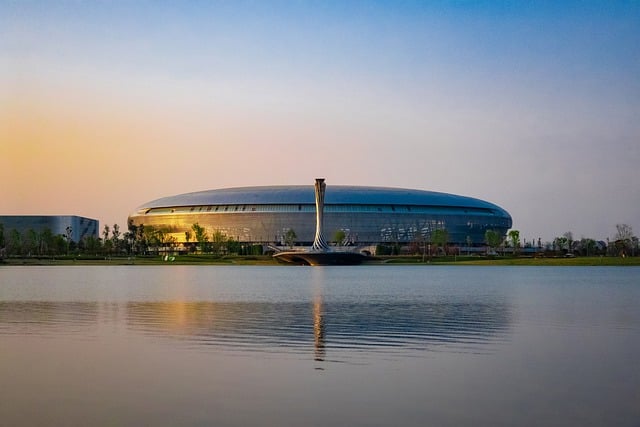
Chengdu With Kids: Pandas Before Sunrise
By 10:30 in the morning, most of Chengdu’s giant pandas are already asleep, and no amount of pointing through the glass will change that.
Arrive at opening, not after breakfast The single most important thing to get right at the Chengdu Research Base of Giant Panda Breeding is timing. Gates open at 07:30 to 08:00, and that early window, while the air is still cool, is when pandas are...
read more
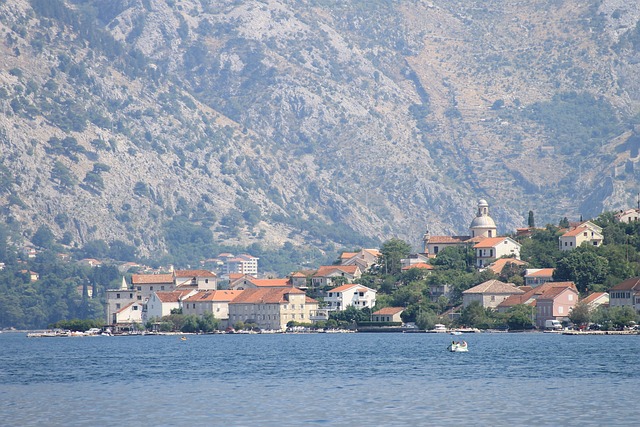
Group Activities in Tivat's Boka Bay
A group of 20 splits a speedboat here for less per head than a single cab ride costs in most cities, and that math is a big part of why Tivat works as well as it does for groups.
Charter the whole boat Motor launches out of Tivat and Kotor take 10 to 25 people through Boka Bay to the Blue Cave, Mamula’s island fortress, and Perast, with music and drinks on board.
read more

Mexico City Sightseeing, Ticket by Ticket
A 1956 skyscraper engineered to survive major earthquakes still holds the best view in the capital, a 44th-floor open-air deck looking out over the entire Valley of Mexico and its ring of volcanoes.
That’s the Torre Latinoamericana Mirador, and it’s the single best-value sightseeing stop in the city: 360-degree views across the Zócalo, the sprawling valley, and Popocatépetl and...
read more

Osaka Shows and Events Calendar
The best show in Osaka involves zero human actors on stage At the National Bunraku Theatre in Nipponbashi, three puppeteers dressed entirely in black manipulate a single half-life-size wooden puppet in perfect coordination, while a solo narrator, the tayu, chants the story and a shamisen player sets the mood. It’s UNESCO-listed, it’s been performed in Osaka since the 17th century, and...
read more
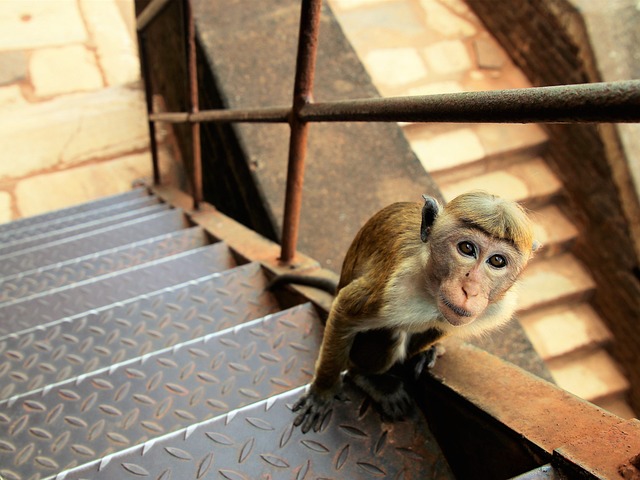
Sunrise Romance Over Sigiriya Rock
Skip the couples’ massage brochure: the most romantic thing you will do in Sigiriya happens on a boulder, in the dark, before the sun comes up.
That is Pidurangala Rock at dawn. Couples climb by headlamp, thirty to forty minutes including a scramble over bare granite near the top, and find a flat spot on the open summit before first light. Then Sigiriya Rock, across the valley, catches the...
read more
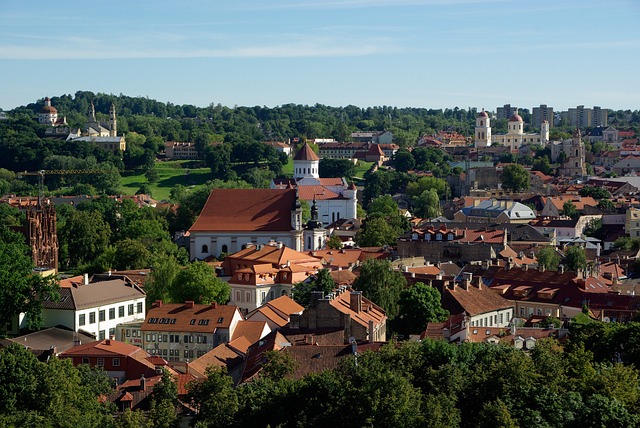
Vilnius Romantic Getaways, Where to Stay
The building housing Hotel PACAI dates to 1677, and you sleep inside that Baroque palace rather than beside it, which is the whole case for choosing where you stay in Vilnius as carefully as what you do there.
Three boutique stays worth the extra cost Grand Hotel Kempinski Vilnius sits directly on Cathedral Square, close enough to Gediminas’ Tower and the Old Town’s core that you can...
read more

Walk Straight Into Sa Pa's Rice Terraces
Walk Straight Into Sa Pa’s Rice Terraces The rice terraces everyone comes to Sa Pa for aren’t visible from a bus window; you have to walk down into them.
The classic Muong Hoa Valley trek Roughly 10 to 12 km, 4 to 5 hours, and the single best introduction to why people obsess over this valley. The route drops out of Sa Pa town through pine stands into Y Linh Ho village, crosses...
read more
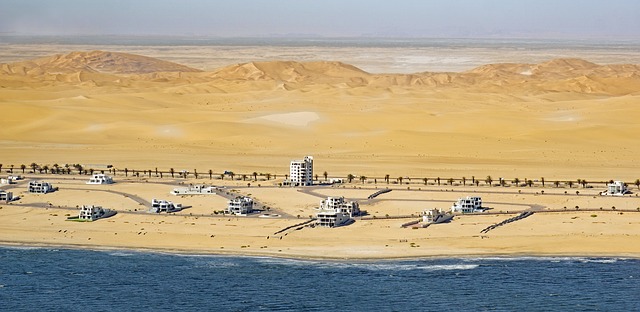
Windhoek Adventure: Hills, Not Dunes
Set your expectations right and Windhoek adventure gets exciting fast: this is a highland capital ringed by granite hills, not a coastal adrenaline hub, and the three activities that actually deliver here are worth building a day around.
Mountain biking the Khomas Hochland Grab a bike and hit the rocky single-track loops through Daan Viljoen Game Reserve and the surrounding private farm tracks,...
read more
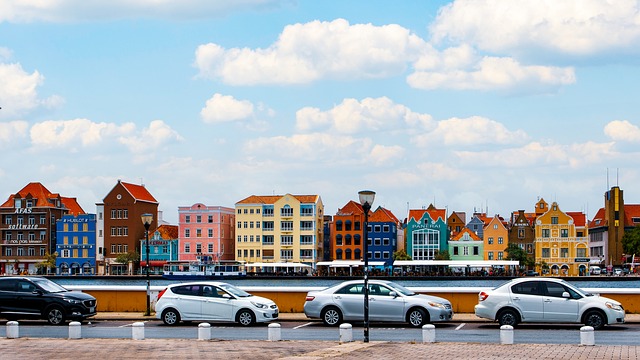
Get Hands-On: Willemstad's Craft Workshops
Blue Curaçao gets its color from a dye, not the orange it is distilled from; the bitter Laraha orange used in the process is actually green, and the workshops at Landhuis Chobolobo will walk you through exactly why that surprises almost everyone who tries it.
Landhuis Chobolobo. Senior & Co’s 19th-century mansion is where the genuine liqueur is made, using sun-dried peels from the bitter...
read more
Langkawi After Dark: Fire, Food, Fixtures
Order a drink at Kalut Bar around sunset and you get a fire show thrown in for free; the performer works the sand a few feet from your table, not a stage across the room.
The nightly fire shows Pantai Cenang runs fire poi, staff-spinning, and flame-throwing acts most evenings from about 8:30 to 10:30pm outside beach bars like Kalut Bar & Cafe and Yellow Beach Cafe. There’s no ticket:...
read more
Tunis Outdoors: Cliffs, Coast, Flamingos
A capital city with wild falcons nesting on its coastline within day-trip range is not something you get in most places, and Tunis barely advertises it.
The Cap Bon Peninsula, southeast of the city, has a coastal hiking trail out to Ghar el Kebir near El Haouaria, ancient Punic sandstone quarries where falcons still nest on the sheer sea cliffs above the water. It takes planning to get out there...
read more
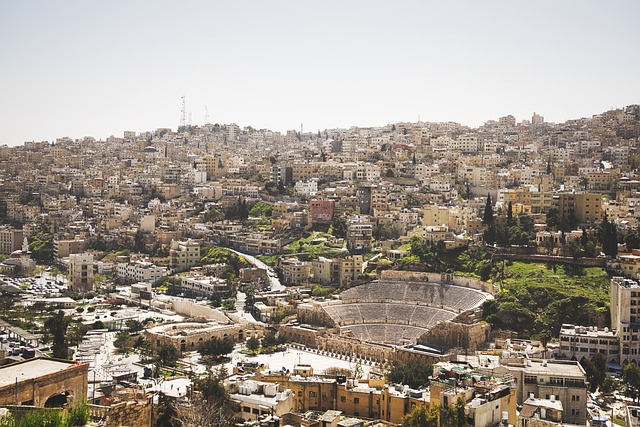
Amman Solo: Falafel, Museums, Hilltop Cafes
There’s a narrow alley off Prince Mohammad Street where locals and solo travelers sit at the same plastic tables, and nobody thinks twice about a party of one. That’s Hashem Restaurant, running since 1952, and it’s as good a starting point as any for a day of solo sightseeing in Amman.
Start with Hashem Hashem serves a classic feast of stuffed falafel, hummus drizzled with olive...
read more
Bats, Monkeys And Turtles Of GRSE
The Real Wildlife At Grand River South East Grand River South East (GRSE), on Mauritius’s east coast, has no crocodiles, no big cats and no savanna game drives, whatever a generic “river wildlife” listicle might have told you. What it does have is a shortlist of animals worth building a morning around, several of which live nowhere else on the planet.
Mauritian flying foxes The...
read more
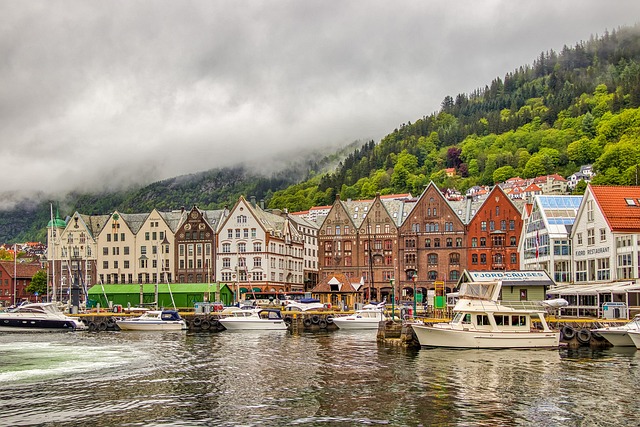
Four Walking Routes Through Bergen
Four distinct walks cover most of what Bergen offers on foot, and they do not overlap much: one runs through medieval trading history, one through a quiet residential peninsula, one to an open-air museum north of downtown, and one through contemporary street art.
The Bryggen route: UNESCO timber and Hanseatic trade Bryggen’s roughly 62 preserved wooden gables front the Vågen waterfront,...
read more
Walking Angkor's Ancient Stone Paths
The causeway into Angkor Wat is 190 meters of moat before you’ve reached the first carved stone.
The Angkor Wat perimeter walk Roughly 3km and 2 hours if you take it slow: cross the floating pontoon bridge over the temple’s 190-meter-wide moat, pass through the grand outer western gopura, and walk the long sandstone causeway flanked by naga serpent balustrades before circling the inner...
read more
Group Trips Worth Planning in Surat Thani
A group of twenty can charter an entire catamaran for a day in Ang Thong for less per head than a single hotel room on Koh Samui costs in high season, which changes the math on how a big trip here should be planned.
Catamaran charters to Ang Thong Renting a 40 to 50 foot sailing catamaran for a group of 8 to 20 gets you a private run through the Ang Thong archipelago, with paddleboarding stops and...
read more
Taipei's Best Hot Spring Romantic Escapes
Most Beitou hot spring hotels are decades-old tiled Japanese-style buildings built for domestic weekend crowds, so a genuine romantic getaway here means picking carefully rather than booking the first spring hotel that comes up.
Villa 32, Beitou. An adults-only Relais & Chateaux property tucked into private forest, with just 5 guest suites, private baths fed by rare white and jade sulfur...
read more

Walking Granada's Moorish Old Town
The best view of the Alhambra in Granada does not cost a ticket. It costs a walk uphill to the Mirador de San Nicolas, and the climb through the Albaicin to get there is a tour in itself.
The Albaicin
This former Moorish quarter is a steep cobblestone labyrinth of whitewashed walls, private carmen villas with hidden orchard gardens, and old public water cisterns called aljibes. Wear shoes with...
read more
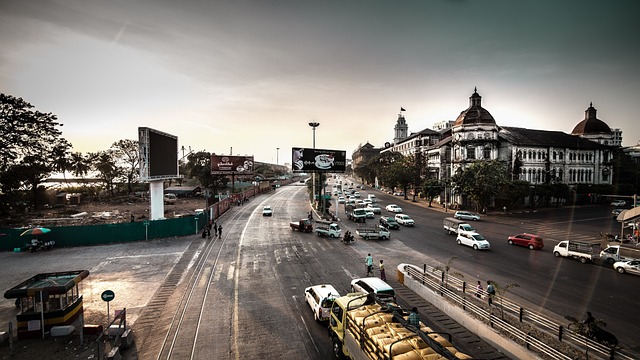
Yangon Workshops: Crafts and Cooking
Yangon Workshops: Crafts and Cooking The best souvenir from Yangon isn’t something you buy, it’s something you learn to make with your own hands before you fly home.
Traditional Burmese cooking classes
Most start with a morning market tour, picking through lemongrass, fermented fish paste (ngapi), turmeric, tamarind, and quail eggs before heading into the kitchen. What you actually...
read more
Perahera Processions and Vesak in Colombo
A caparisoned elephant carrying a casket of relics does not hurry, and neither does the crowd lining the road to Kelaniya every January, waiting for the whip-crackers and fire-breathers ahead of it to clear a path through streets that are otherwise standing room only.
Duruthu Maha Perahera, January Kelaniya Raja Maha Vihara hosts one of Sri Lanka’s grandest religious processions each...
read more
Riyadh Sightseeing: Forts to Towers
Five sights, two completely different centuries, and one skyline that keeps growing! Riyadh Province packs an 18th-century mud-brick capital and a 21st-century glass tower into the same afternoon, and the sightseeing list here reflects exactly that split.
At-Turaif Heritage Citadel (Diriyah) The UNESCO-listed heart of the First Saudi State shows off the finest Najdi architectural style anywhere in...
read more
Taif Walking Routes: Souq to Farms
Taif spreads across a mountain plateau connected by highways, not a compact center built for wandering, so the honest version of “walking tours in Taif” is three separate, unconnected routes across three different parts of the city rather than one continuous circuit.
Route one: Souq Al Balad Central Taif’s old commercial core runs a 1.5 to 2 hour walk through cobblestone...
read more