Recent Traveler Mania
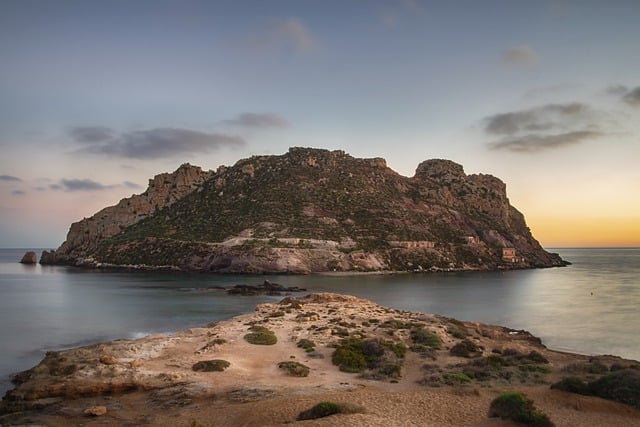
Likuri Group Culture: Kava, Lovo, Meke
Hand you a coconut cup, ask you to clap once, and say “Bula”, and you’ve just been folded into Likuri Island’s real group activity: not a booze cruise, a kava circle.
The sevusevu welcome anchors everything. Groups sit cross-legged on woven pandanus mats around the carved wooden tanoa, the ceremonial kava bowl, while a village host prepares the yaqona brew. Each guest takes...
read more
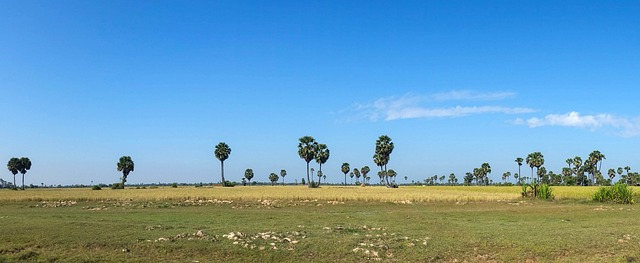
Siem Reap Buses: What Actually Exists
Every “Angkor bus tour” you’ll find online is describing a vehicle that doesn’t run here.
There’s no hop-on hop-off bus, and there never has been Siem Reap and the Angkor Archaeological Park have no municipal public bus network and no scheduled open-top tourist bus circulating between temples. If an itinerary mentions boarding a bus tour to see Angkor Wat, Bayon, and...
read more
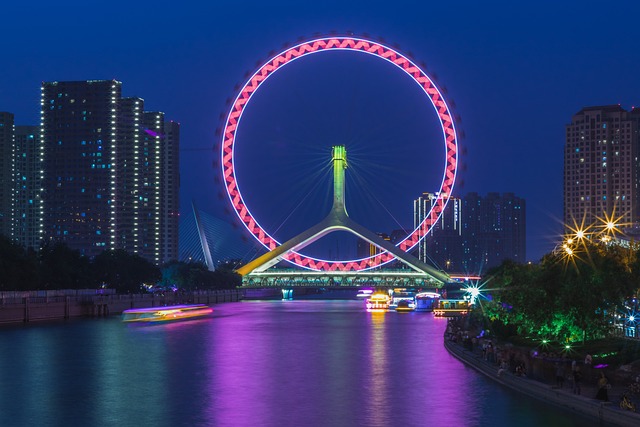
3 Days in Tianjin, Then the Wall
Two days covers the concessions and the river. Add two more and you’re hiking a section of the Great Wall that most Beijing-based tourists never see. That is the real shape of a Tianjin multi-day trip, and it is worth planning both halves before you land.
Day 1: European heritage and river nights Start with a morning walk through Wudadao, the former British concession, past Minyuan Stadium...
read more
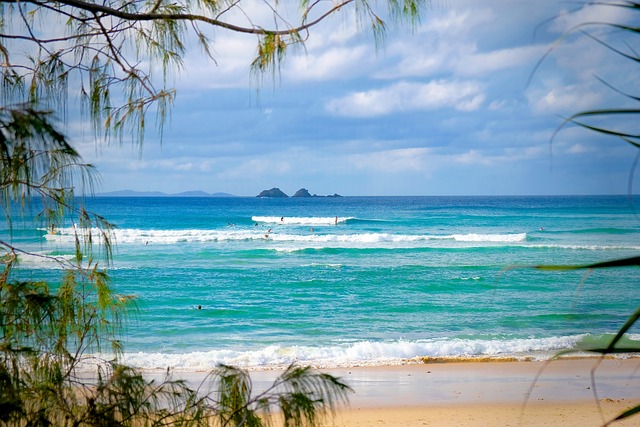
4WD, Boats and Glow Worms Around Byron
A hydrophone dropped over the side of a 20-seat boat off Brunswick Heads picks up humpback song from whales you can’t even see yet, low and layered, coming from somewhere out past the swell. That’s the pitch for the marine safaris that run out of this coastline, and it’s one of three genuinely different ways to get into backcountry or open-water adventure around Byron without...
read more
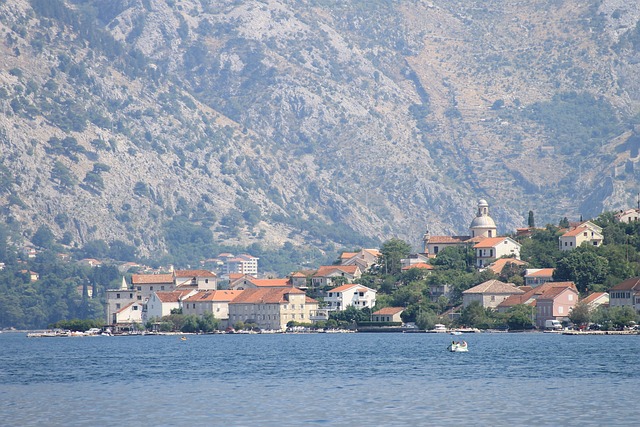
Adventure Sports in Tivat Bay, Montenegro
The water inside the Blue Cave glows an electric neon blue when the midday sun hits it right, and reaching it from Tivat means an open-sea run past the mouth of the bay rather than a walk from any beach in town.
Into the Blue Cave by speedboat Boats out of Tivat exit the mouth of Boka Bay toward the Lustica Peninsula’s sea cliffs to reach Plava Spilja, the natural sea cavern where refracted...
read more
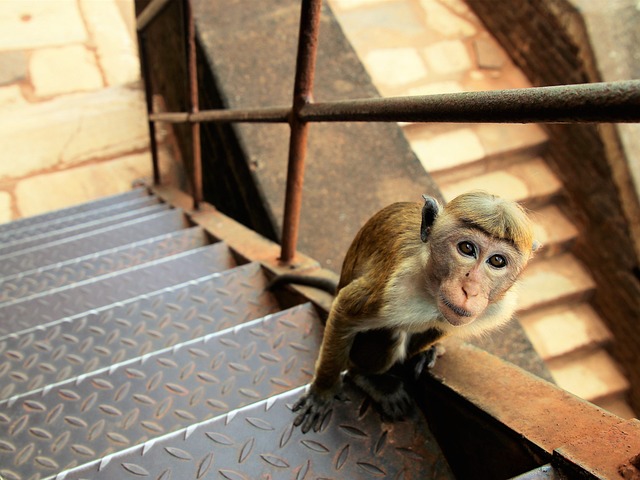
Epic Day Trips From Sigiriya
Sigiriya is a phenomenal home base precisely because you never have to drive far to find the next jaw-dropping ruin, cave, or elephant herd.
Start with the closest option that most visitors treat as an afterthought: Pidurangala Rock, a ten-minute drive or a twenty-minute walk from central Sigiriya. Entry is a flat 1,000 LKR at the lower temple booth, modest dress is required through the monastery...
read more
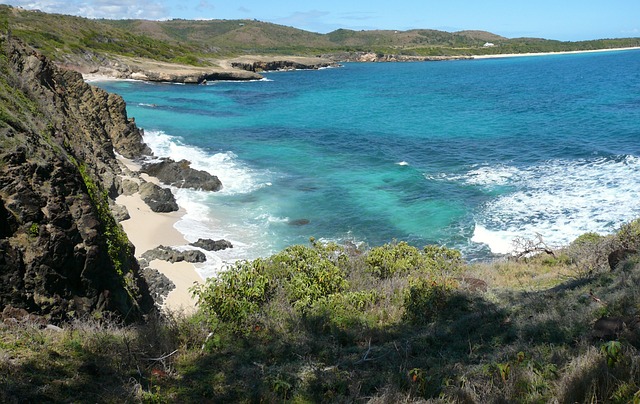
Martinique's Best Guided Coach Days
Search “Martinique bus tours” and the results quietly conflate two completely different things: the commuter bus network that locals use to get to work, and the private coach circuits built specifically for visitors. Mixing them up is how people end up stranded at a rural stop on a Sunday afternoon.
The public buses are not a sightseeing option Mozaïk serves the Fort-de-France urban...
read more

Mexico City Activities: Go Big Every Day
Mexico City doesn’t ease you in. It’s the biggest metropolitan area in North America, perched at 2,240 meters (7,350 feet) in the Valley of Mexico, and the altitude alone changes how your first day should go: you’re breathing roughly 25% less oxygen per breath than at sea level, so skip the heavy exertion on day one, drink more water than feels necessary, and know that a drink or...
read more
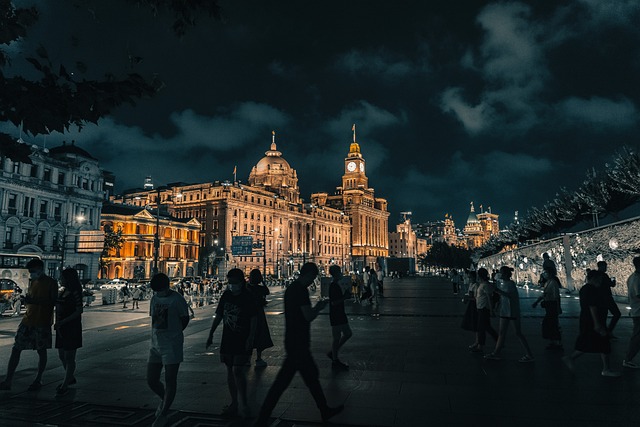
Shanghai Adventure Sports: Skywalks & Cable
Step outside on the 88th floor of the Jin Mao Tower, 340.6 meters above Pudong, with nothing between you and the drop but a harness clipped to an overhead rail, and the flat skyline below makes the point better than any brochure: Shanghai’s adventure sports are built, not grown.
Jin Mao Tower’s outdoor skywalk The city has no cliffs or canyons, so its most genuine adrenaline stop is...
read more
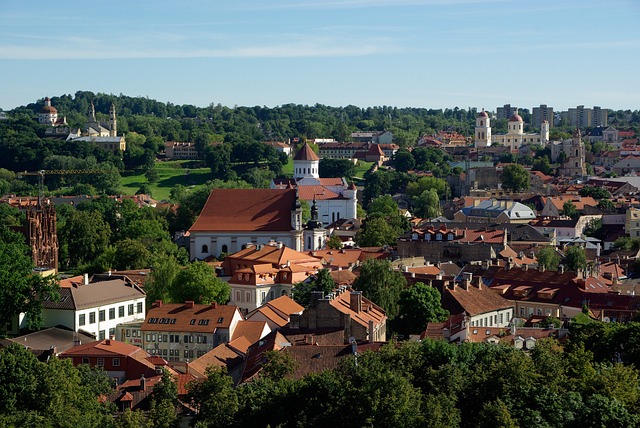
Vilnius Landmarks Worth Touring
St Anne’s Church in Vilnius is built from 33 distinct shapes of red clay brick, all cut and fired without a single stone block, and Napoleon is said to have wanted to carry it home to Paris. That is the kind of specific detail that separates a real Vilnius landmark tour from a generic “old churches” itinerary.
Gediminas’ Tower and Castle Hill The red-brick octagonal tower...
read more
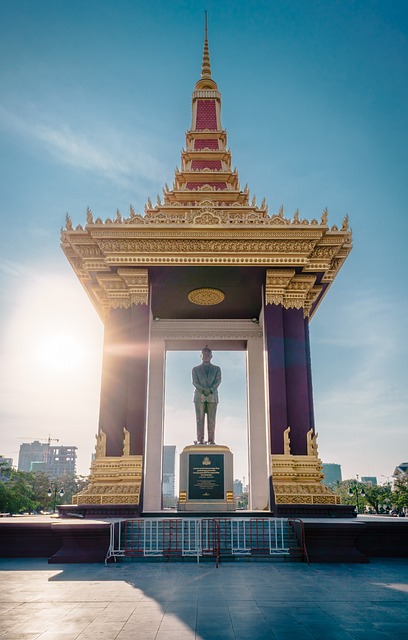
Phnom Penh With Kids: What Works
Pack a spare set of clothes, plan around nap time, and steer clear of the two genocide memorials with anyone under twelve, and Phnom Penh turns into one of the easier family stops in Southeast Asia.
Start with Phnom Tamao Wildlife Rescue Center, 45 km south of downtown and run by the Forestry Administration with Wildlife Alliance. Kids get to hand feed watermelon to rescued Asian elephants and...
read more
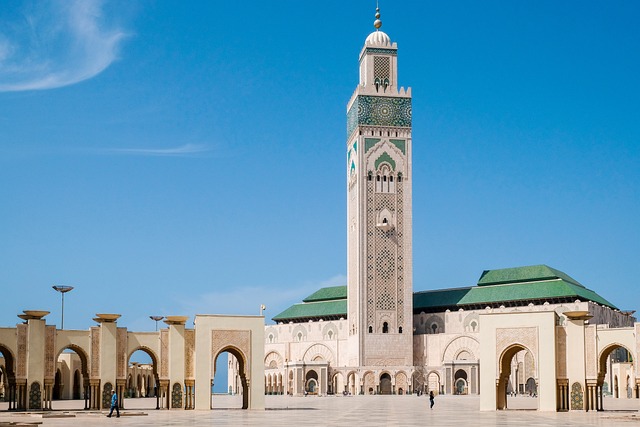
Outdoor Activities in Casablanca-Settat
The Atlantic runs the outdoor calendar here more than any single trail or park does, and it pays to know which stretch of it is safe to swim in before deciding where to spend the day.
The Corniche is the default, and it works Aïn Diab’s Corniche is a 4-kilometer paved seafront promenade running from the Hassan II Mosque out past the western beach clubs, popular with joggers and rollerbladers...
read more
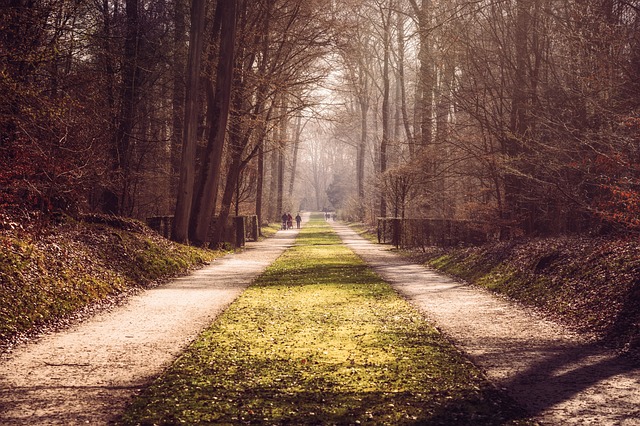
4 Epic Day Trips From Orange Walk Town
Base yourself in Orange Walk Town for a few nights and four genuinely different regions of northern Belize open up, from open lagoon to closed-canopy reserve to a Maya city built on the sea.
Lamanai Mayan Ruins and New River Lagoon (6 to 7 hours) The signature trip, and worth the whole day. A wildlife riverboat safari down the New River leads to the archaeological site, with the High Temple, the...
read more

Wolves and Lynx Prowl This City Zoo
Forget the safari-park brochure. Stockholm has no giraffes, no zebras, no African savannah exhibit inside the city, whatever an older guide might have told you. What it does have is honest and, if you let it be, more interesting: native Nordic wildlife, kept and tracked the way Sweden actually does it.
Skansen’s native wildlife park Inside the 1891 open-air museum on Djurgården sits...
read more

Granada Tours: Alhambra, Hammam, Madraza
A licensed guide standing in the Court of the Lions can point out which stone arches were added two centuries after the fountain, a detail that is easy to miss reading a phone screen alone inside a 30 minute timed slot.
Guided Alhambra tours
Small group heritage tours run 3 to 4 hours and typically cost $45 to $65 USD including skip the line entry, walking guests through the political and...
read more
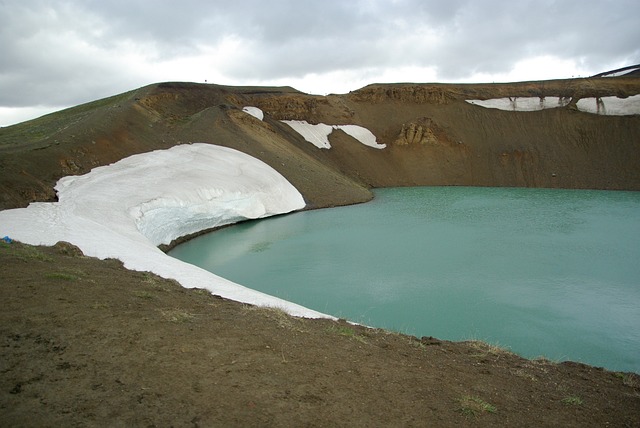
Viti Levu Adventure Tours: 4 Real Trips
Four organized trips push past where the Queens Road coaches stop, into the river valleys and highlands that make up Viti Levu’s interior. Each one runs on its own vehicle, its own river, and its own village relationship, so they are worth telling apart rather than lumping together as “adventure tour.”
Sigatoka River Safari and village immersion Purpose-built safari jet boats...
read more
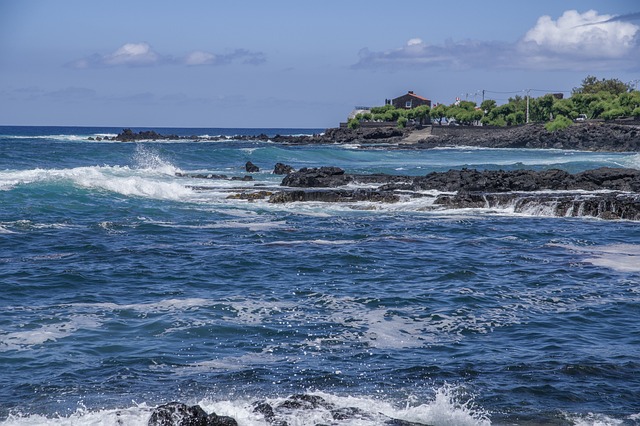
4 Perfect Azores Day Trips to Plan Now
São Miguel is only 65 kilometers long, yet trying to see all of it in a single day is the fastest way to ruin a day trip. Pick one loop and let the island do the rest of the work.
Loop 1: Sete Cidades and the west coast Start at Miradouro da Vista do Rei for the classic panorama over Lagoa Azul and Lagoa Verde, then walk the ridge to Miradouro da Boca do Inferno for the same twin lakes from a...
read more

Riyadh's Camels, Falcons, and One Zoo
Do not come to Riyadh Province looking for a safari drive or a jungle canopy walk! This is a desert capital, and the honest version of animal activities here is smaller and stranger than a wildlife park brochure, in the best way.
Riyadh Camel Market (Souq Al-Ibel, Janadriyah) Out in eastern Riyadh sits one of the largest and most authentic camel markets in the Arab world. Thousands of Arabian...
read more
Skip the Bus, Book the Coach
The word “bus” covers two completely different experiences in Tegucigalpa, one is genuinely excellent, and the other one you should never board.
What “bus tour” actually means here There is no hop on hop off city bus circling the historic center, and no municipal bus route built for sightseeing. The yellow school buses and crowded rapiditos that move most of the city around...
read more
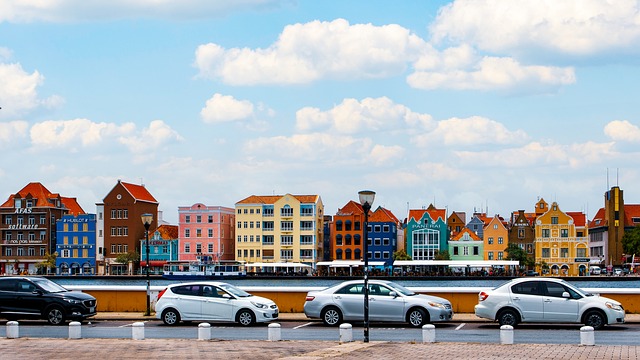
Willemstad by Bus: Trolleys, Konvoi, Buskis
There is a “Wedding Cake House” (Bolo di Batrei) in Scharloo, and the open-sided heritage trolley that departs from Fort Amsterdam is one of the easiest ways to actually see it without hunting for parking on a narrow colonial street.
The heritage trolley. This rubber-tired, open-sided train runs a 75-minute narrated route from the Fort Amsterdam ticket kiosk in Punda, passing the...
read more
Bay Islands Adventure Tours by Island
Twenty-one meters down on an open shelf south of Coxen Hole, ten to twenty Caribbean reef sharks circle close enough to touch, and nobody in the water is allowed to touch them. That’s the shark dive at Cara a Cara, run out of Waihuka Dive Center on Roatán’s south shore, and it’s the single most talked-about adventure booking on the island; the wider roster of Roatan shark diving...
read more
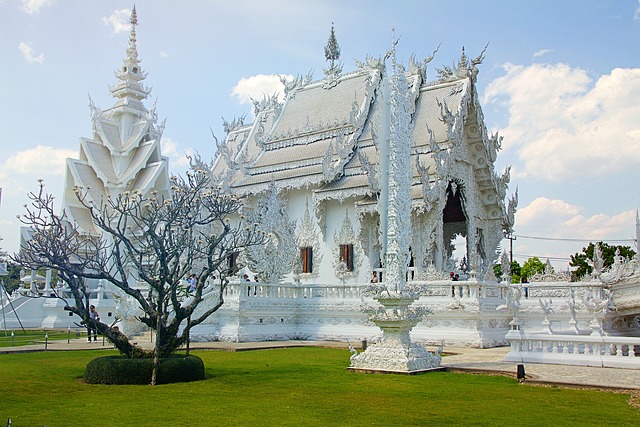
Chiang Rai by Bus: Trams, Shuttles, Coaches
Chiang Rai has no railway station, and none is coming. The city’s rail line ends in Chiang Mai, so every bus in this guide is doing work a train would otherwise handle elsewhere in Thailand.
Getting to Chiang Rai: Green Bus The Green Bus Regional Express is the standard way to reach Chiang Rai from Chiang Mai, running Highway 118 in about 3.5 hours with departures every 30 to 60 minutes.
read more
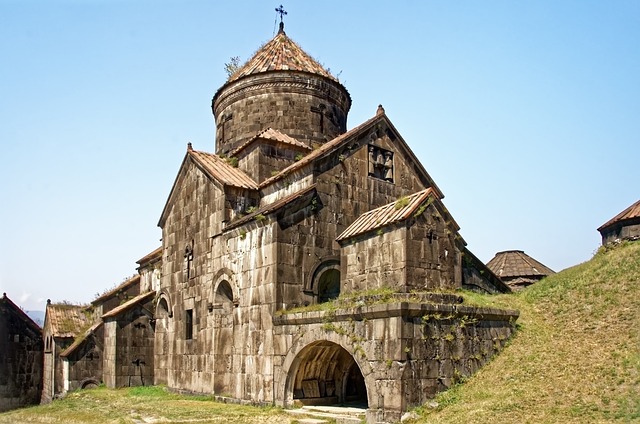
Day Trips From Haghpat's Canyon Base
Here’s the twist most guides skip: Haghpat is usually somebody else’s day trip, not a place that needs day trips of its own. Most visitors see it as a stop between Yerevan and Tbilisi, or as one leg of a Debed Canyon loop out of Alaverdi. If you’re actually staying the night in the village, though, the real question is what to do with a full day, and the canyon has genuine...
read more
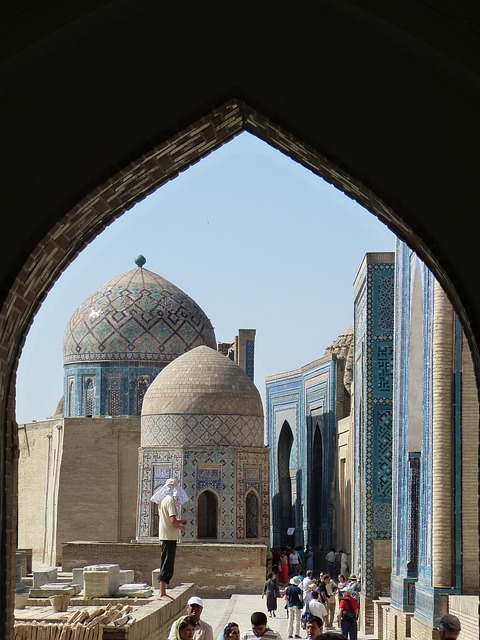
Samarkand's Animal Scene: The Honest Take
Walk toward Registan Square on any given morning and you will likely see a handler offering photos with a chained golden eagle, sometimes a monkey on a leash beside it. Skip it. These birds are taken from the wild and kept tethered for tourist photo-ops, and paying for the picture funds exactly that practice. This is the single most important thing to know about animals in Samarkand, and it comes...
read more
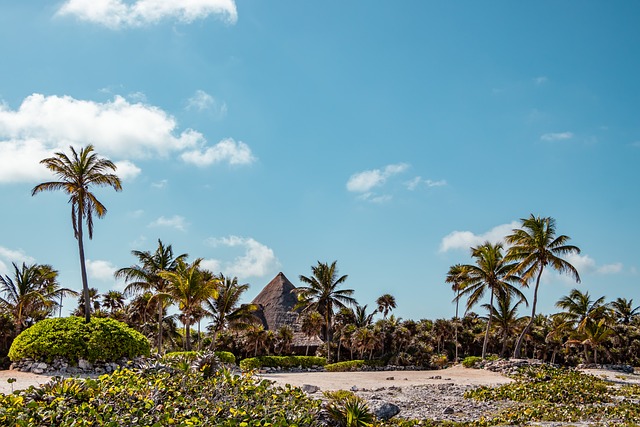
Akumal Turtles: The Real Snorkel Rules
A tout at the beach entrance might tell you the turtle swim is free, or that a guide is optional if you’re just wading in the shallows. Neither claim holds up, and getting this wrong is the single most common way visitors in Akumal end up paying twice or getting turned back at the water.
Two fees, not one Reaching the sand and shallow water at Akumal Bay costs a beach and environmental...
read more
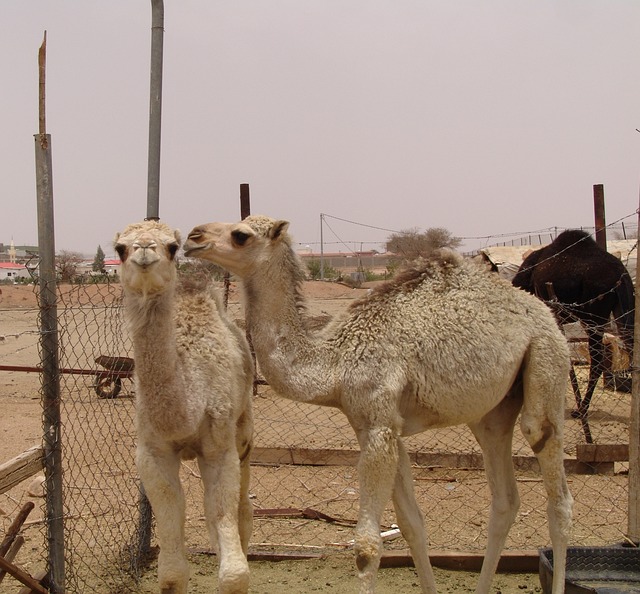
Animal Activities in Taif, Baboon Rules
Roll the windows down on the Al Hada mountain road and there’s a decent chance a troop of wild baboons will be waiting at the next bend, which is exactly the moment to roll them back up instead.
The Hamadryas baboons, and why the warning matters Large troops of wild Hamadryas baboons (Papio hamadryas) live along the cliffside perches and roadside viewpoints of the Al Hada highway, and...
read more
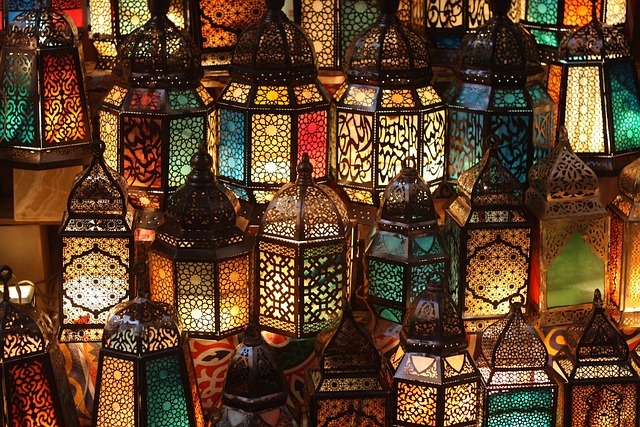
Best Day Trips Out of Cairo
The Pyramids of Giza are famous enough to make people forget they are not the only pyramids within reach of a Cairo hotel room. Three day trips turn Cairo from a single-city stop into a base for the wider Memphite Necropolis and beyond.
Saqqara and Dahshur This is the pyramid connoisseur’s day, 30 to 40 km south of the city. At Saqqara, the Step Pyramid of Djoser is the oldest monumental...
read more
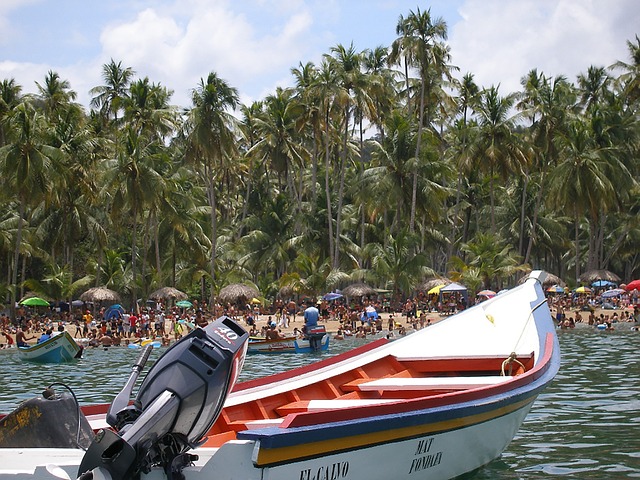
Epic Day Trips from Sucre You Can't Miss!
Sucre’s city limits barely contain what’s worth seeing. Twenty minutes past the last cobblestone street and you’re already somewhere else entirely: an 8-kilometer crater, a UNESCO silver-mining city, or a market that’s been running since long before Bolivia existed.
Tarabuco Sunday market Sixty-five kilometers southeast, about 1.5 to 2 hours by road, Tarabuco holds...
read more
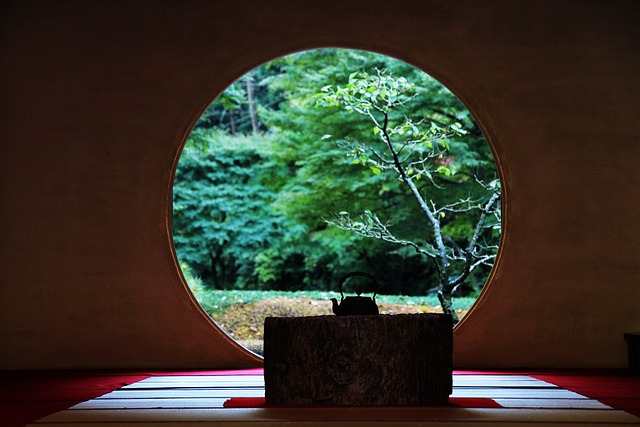
Sea Caves and Samurai Passes in Kamakura
Forget the postcard version of Kamakura for a second, because this town also hides candlelit sea caves, samurai-era mountain passes barely wide enough for two horses, and a kayak route around one of Japan’s most dramatic little islands.
Iwaya Caves on Enoshima Head across the causeway to Enoshima and descend the cliffside stairways to the Iwaya Caves, a set of volcanic caverns cut by wave...
read more
Canyoning Martinique's Volcanic Gorges
Rappelling down a 20-meter waterfall inside a volcanic canyon is not the kind of thing that shows up on a hop-on hop-off itinerary, and Martinique’s best adventure tours barely bother advertising themselves at all.
Canyoning through the volcano’s own gorges Guided outfits like the Bureau de la Randonnée et du Canyoning de la Martinique run wetsuit-and-harness trips into Gorges de la...
read more
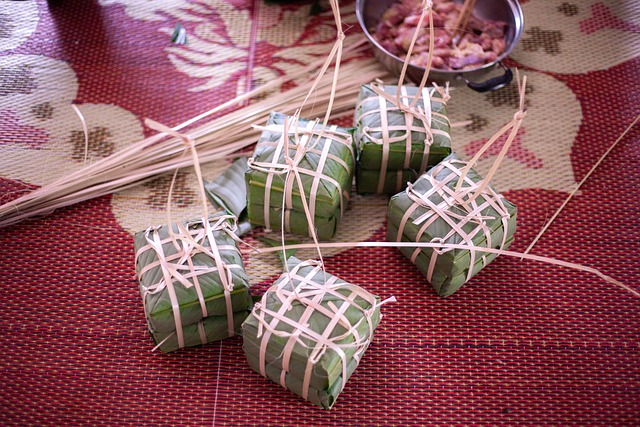
Guided Canyoning and Sunrise Treks
Three in the morning is an unusual time to leave Tung Chung, but it is exactly when the guided sunrise treks up Lantau Peak set out, and by the time most tourists are ordering breakfast, that group is already watching the sun clear the South China Sea from Hong Kong’s second-highest summit.
Guided canyoning in Wong Lung Hang Wong Lung Hang, the stream canyon locally known as Yellow Dragon...
read more
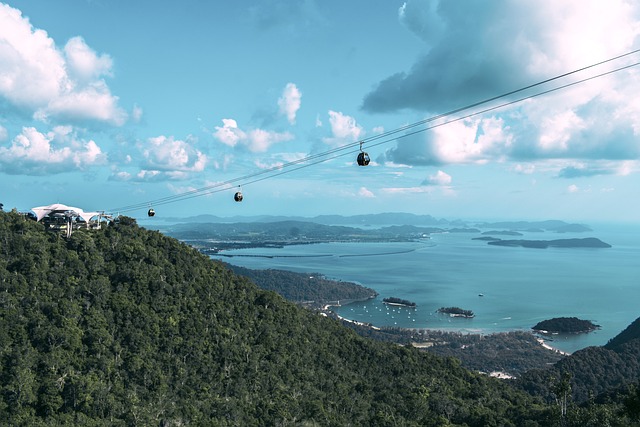
Langkawi's Adrenaline Circuit, Mapped
Thirty nautical miles of open Andaman Sea on a jet ski sounds like a lot until you realize half of it is spent idling outside a limestone sea cave waiting your turn to look inside.
Jet ski safaris to the southern islands Mega Water Sports runs the best-known version of this: a guided 4-hour jet ski expedition covering 30 to 40 nautical miles across the southern archipelago, with stops at Pulau...
read more
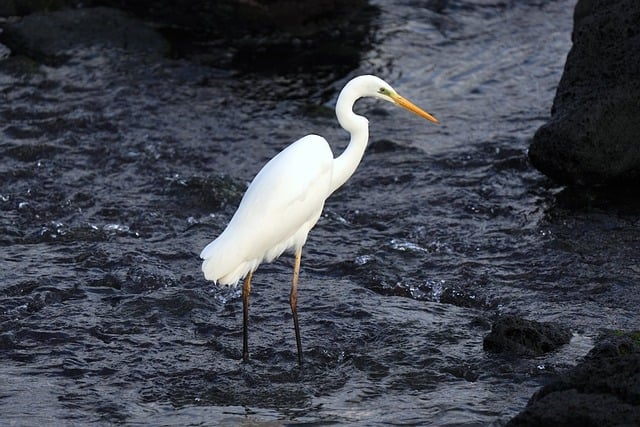
Ride Jeju's Red and Blue Express Buses
Jeju has no train, no subway, and on a lot of days no interest in playing nice with a rental car search that comes up empty at the airport counter, so the bus network carries more of this island than most visitors assume.
Two express tiers do the heavy lifting. The Red Express Buses (100-series) run high-speed, limited-stop routes linking Jeju International Airport and Jeju Bus Terminal to the...
read more
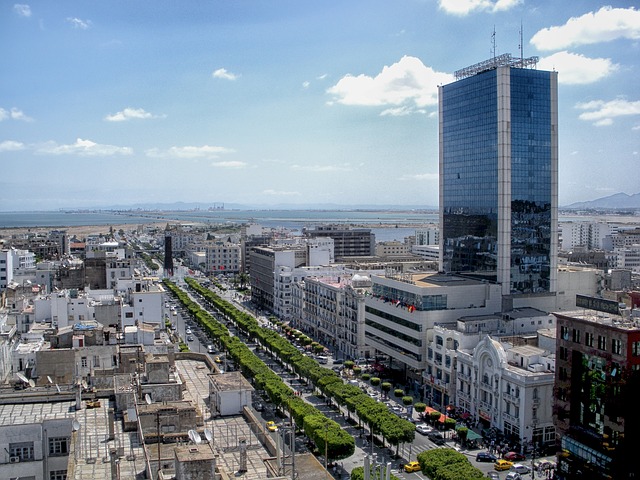
Tunis by Bus: Hop-On Coaches and Louage
Two completely different bus experiences operate in Tunis, and knowing which one you actually need saves a wasted morning at the wrong station.
The visitor-facing option is the open-top sightseeing bus, a double-decker route connecting downtown Tunis at Place du 14 Janvier with Carthage (stopping near the Baths of Antoninus and Byrsa Hill), Sidi Bou Said, and La Marsa. It runs multilingual audio...
read more

Vespas, Balloons and Chianti Backroads
A vineyard blurs a lot better at 40 km/h on a Vespa than it does through a coach window, and that’s really the whole pitch for adventure touring out of Florence: swap the bus seat for something with an engine, or lose the engine entirely and drift over the hills in a balloon basket at sunrise.
Vintage Vespa convoys through Chianti are the classic version. Small groups ride restored or modern...
read more
Family Days Out in Casablanca-Settat
A kid who has already seen enough mosques and museums by lunchtime still has an aquarium tank you can walk through the middle of waiting on the other side of town, so the family question in Casablanca-Settat is less “is there anything for children” and more “which day gets the beach and which gets the mall.”
Morocco Mall’s aquarium is the easiest win Inside Morocco...
read more
Phnom Penh's Big Four Attractions
Four stops account for almost every ticket sold to a visitor in Phnom Penh, and knowing which two are somber before you buy changes how you plan the day.
Start with the Royal Palace and Silver Pagoda, the ceremonial residence of King Norodom Sihamoni since construction began in 1866. The Throne Hall alone is worth slowing down for, and the Silver Pagoda next door earns its name honestly: over...
read more
Likuri Day Trips: Reef, Beach, Dunes
Most people who set foot on Likuri Island are already mid-day-trip, having caught the 30-minute boat cruise down the Tuva River from the mainland jetty near Natadola. So the useful question for anyone staying the night in a beachfront bure isn’t what to see on the island itself, it’s where the boat takes you next.
Back out to the reef. A half-day outer barrier reef snorkel run gets you...
read more
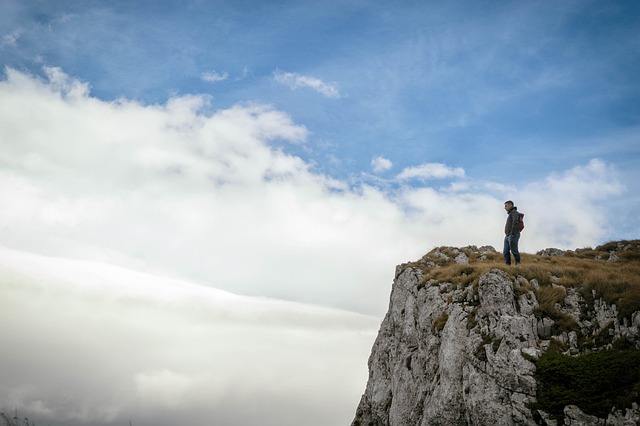
Suva by Bus: Cheap Seats, Real City Views
Hop on a local Suva bus for FJD 1.50 and you get the same harbor views as a guided tour, minus the guide, the air conditioning, and the seatbelt. That is genuinely part of the fun: open windows, reggae on the driver’s radio, and a route that swings along the waterfront before climbing into the residential hills. Here is how to actually use Suva’s bus options, because “bus...
read more
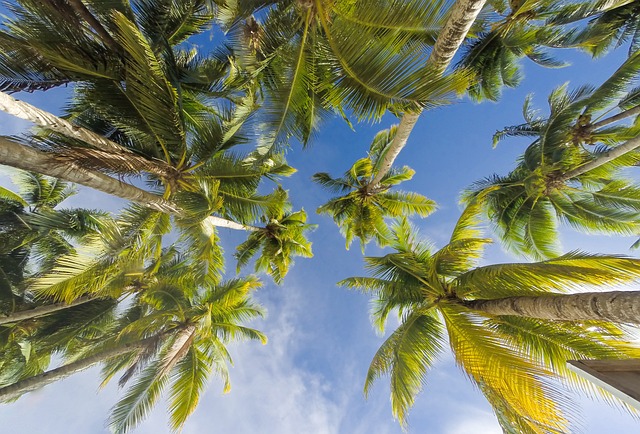
Boracay Landmarks: 5 Attraction Tours
Five landmarks cover Boracay’s genuine sightseeing, no double-decker bus required (the island doesn’t have one), and you can walk to three of them from White Beach without paying anyone.
Willy’s Rock: wade to it, don’t climb it Boracay’s most photographed landmark sits just off Station 1, a black volcanic outcrop reached by wading through shin-deep water, then...
read more
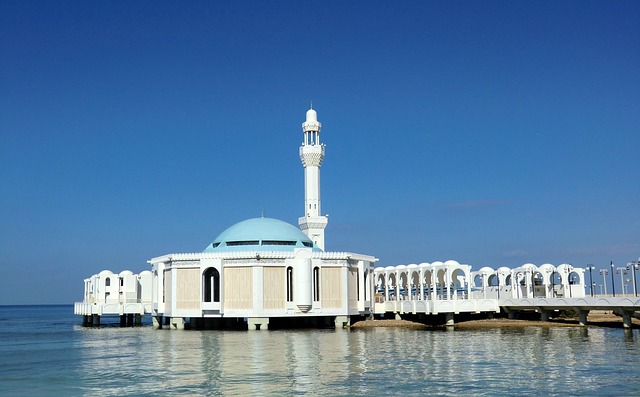
Jeddah Has No Hop-On Bus Tour
Look for a red double-decker Hop-On Hop-Off bus circling Jeddah’s Corniche and you’ll be looking for a while, because it doesn’t exist here.
The reality check Past trial runs of open-top tourist buses in Jeddah never turned into a permanent, reliable route network. There’s no curbside stop to wait at and no all-day ticket to buy for one, and nobody selling one online is...
read more
Meet Cambodia's Wildlife the Right Way
The elephant sanctuary photo everyone shares from Angkor is years out of date, and that’s genuinely good news.
The elephant riding ban is real, and it’s a win APSARA, the authority that runs Angkor Archaeological Park, banned elephant riding inside the park entirely in 2020. No one should be climbing onto an elephant’s back for a photo at Phnom Bakheng or anywhere else in the...
read more
One Perfect Day in Kandalama
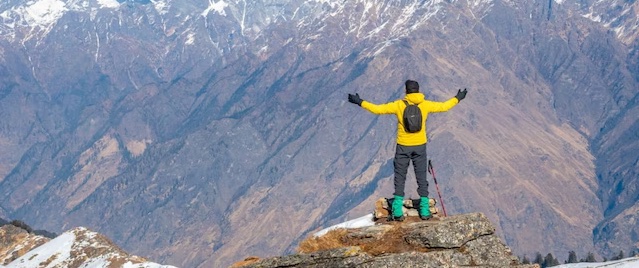
Wake up before the sun and you can fit an entire Cultural Triangle highlight reel into one Kandalama day: a silent balloon ride at dawn, a rock fortress climb before the heat hits, a jeep full of wild elephants by afternoon, and a paddle across a lotus-covered reservoir at sunset. Few places pack this much into a single itinerary without a single traffic jam.
Dawn: up in a balloon From November...
read more

Taipei Day Trips Beyond the City Limits
Everything worth a day trip from Taipei sits in New Taipei City or beyond, not inside the capital’s own 12 districts, so the first thing to know is that you’re leaving Taipei proper the moment you board any of these routes.
The Northeast Loop: Jiufen, Shifen, Yehliu. Jiufen Old Street, the hillside gold-mining town made famous by its lantern-strung stone staircases along Shuqi Road, is...
read more
Wild Adventure Tours in Surat Thani
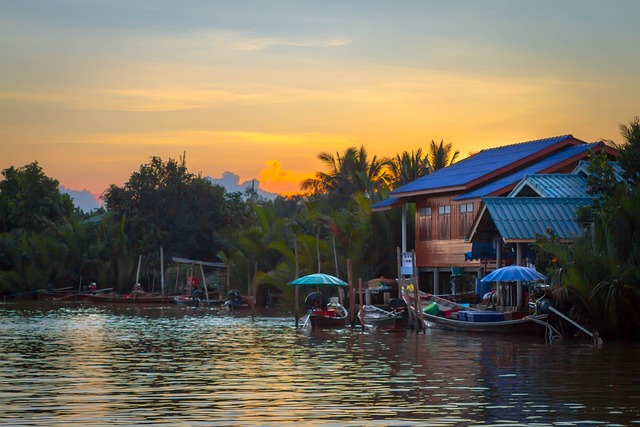
Whale sharks show up often enough at Sail Rock that Koh Tao dive shops keep a group chat just for sightings, and that single fact says more about this province’s adventure diving than any brochure will.
Diving with pelagics at Sail Rock and Chumphon Pinnacle Sail Rock (Hin Bai) and Chumphon Pinnacle sit in open water between Koh Samui, Koh Phangan, and Koh Tao, granite pinnacles dropping to...
read more
Ride Belize's Real Chicken Buses North
Forget shuttle vans for a second: Orange Walk sits directly on Belize’s actual public bus corridor, and that colorful converted American school bus rattling past really is the way most Belizeans get to Orange Walk Town.
The chicken bus, for real Operators including Tillett, Morales, and BBOC run northbound departures from the Belize City terminal roughly every 30 to 60 minutes along the...
read more
Amman Bus Adventures: JETT, BRT and Beyond
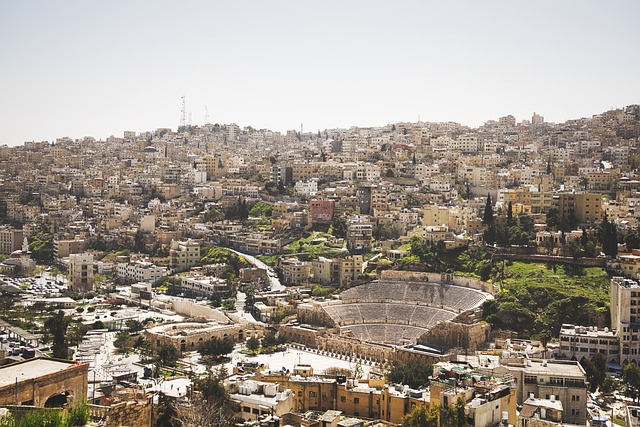
A 6:30 AM departure from a coach station in Abdali, and three and a half hours later you’re standing in front of the Treasury at Petra. That’s the kind of payoff a bus ticket can deliver here, and Amman’s bus network covers a lot more ground than most first-time visitors expect.
Landing and getting into town Queen Alia International Airport is 35 km south of the city, and the...
read more
Tegucigalpa's Must-Book Attractions
Skip the ruins of Copan for one afternoon and Tegucigalpa will still hand you an 8th century Mayan acropolis, rebuilt in 3D, inside a restored 19th century hospital. That is the kind of trade this city’s attractions keep offering.
Museo para la Identidad Nacional (MIN) Housed in the beautifully restored Palacio de los Ministerios, formerly a 19th century general hospital, MIN covers the...
read more
Camp Free on 30,000 Wild Islands
Sweden’s constitution grants something few countries do: Allemansrätten, the right of public access, which lets you walk, swim, forage, and camp overnight on almost any uninhabited land, including granite skerries scattered across the Stockholm archipelago’s 30,000 islands. Multi-day guided sea kayaking expeditions use exactly this right, paddling two to three days into the outer...
read more
Chase Sunrise From Lantau's Summit
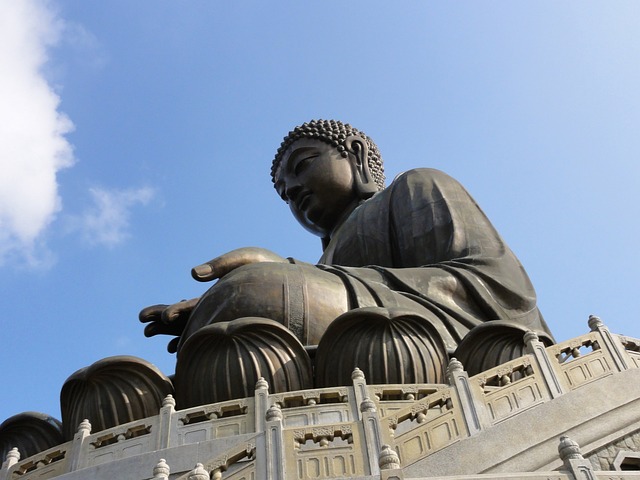
Most people see Lantau Peak’s summit at noon, tired and sweating in the flat light of midday. The version worth planning a whole trip around starts three and a half hours before sunrise, by headlamp, on a mountain that has no idea you are awake for it.
The Lantau Peak sunrise ascent Fung Wong Shan, better known as Lantau Peak, tops out at 934 meters, the second-highest point in Hong Kong.
read more