Recent Traveler Mania
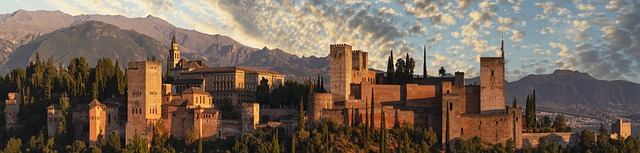
63 Meters Above a Granada Canyon
A wooden suspension bridge strung 63 meters over the Monachil River is the first thing a lot of visitors do in Granada once the Alhambra tickets are locked in, and it sits only 20 minutes from the city center by public bus.
Los Cahorros de Monachil
This 2 to 3 hour canyon loop through a narrow limestone gorge is free to enter and reachable on City Bus 183 from Palacio de Congresos.
read more
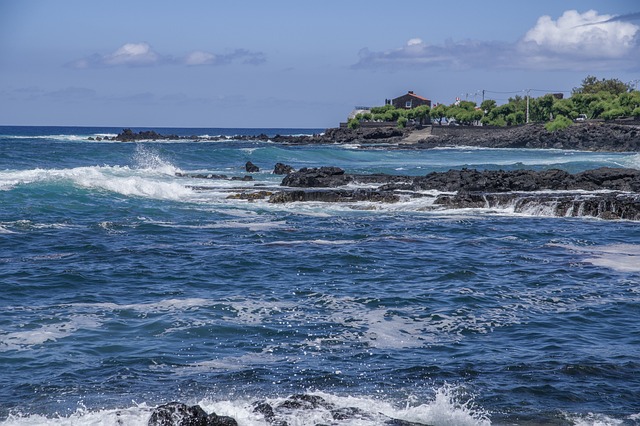
Azores Activities That Hook You Fast
Nine volcanic islands, one Atlantic paradox: the Azores pack rainforest waterfalls, boiling ground, and blue-and-green crater lakes into an archipelago smaller than Rhode Island, and somehow most travelers still haven’t heard of it.
Soak in water heated by the earth itself Terra Nostra Garden’s 38 to 40°C thermal pool, Poça da Dona Beija’s five stone pools, and the jungle-fringed...
read more
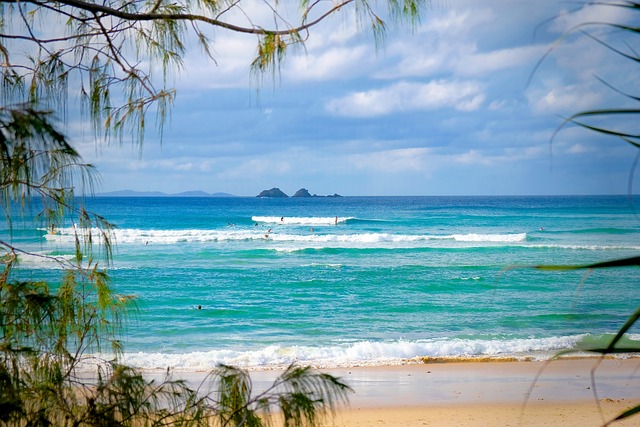
Byron Bay Adventure Sports, Ranked by Risk
Freefall for 60 seconds at over 200 km/h and the Cape Byron coastline turns into a single curved photograph before your canopy even opens. That’s the pitch for tandem skydiving here, and it’s the single most extreme thing on this list, not the only thing worth planning a trip around.
15,000 feet: tandem skydiving Skydive Australia runs tandem jumps out of Tyagarah Airfield, dropping...
read more
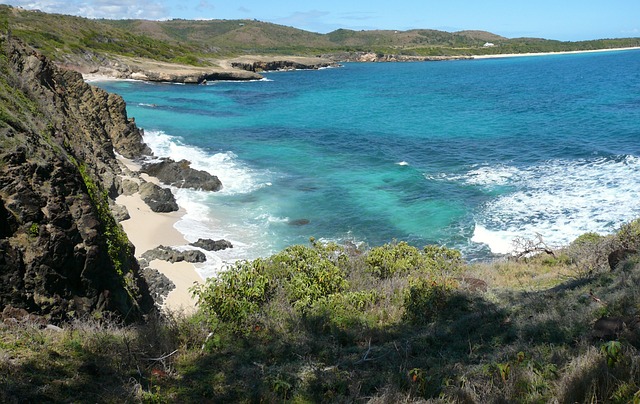
Dive, Kite and Surf Martinique's Coasts
The best dive in the Caribbean cuts straight through solid rock, and it happens to sit just off Martinique’s southern tip, not buried in some remote marine park you need a liveaboard to reach.
Scuba diving at Rocher du Diamant Diamond Rock is a 175-meter volcanic monolith rising out of the sea, uninhabited and ringed by some of the island’s best visibility. The signature dive here is a...
read more
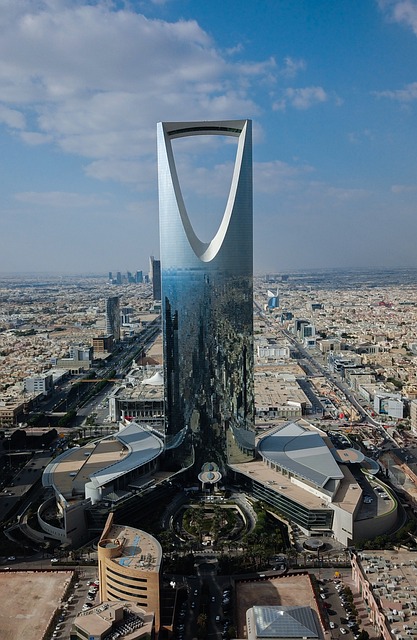
Dune Bash Riyadh's Red Desert Rush
Tires deflated, engine roaring, sand spraying sideways as a modified Land Cruiser crests a red barchan dune and drops down the far face! That is the opening move of adventure sports in Riyadh Province, and the desert around the Saudi capital delivers a genuine adrenaline lineup once you know when and how to run it.
4x4 Dune Bashing in the Red Sands and Ad-Dahna Expert desert drivers deflate their...
read more
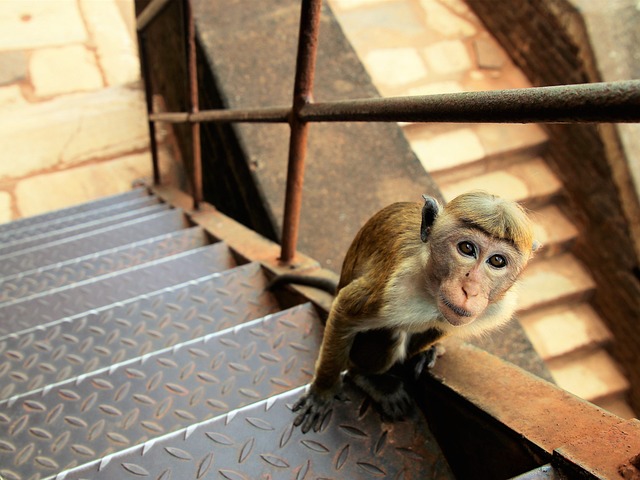
Sigiriya Adventure Tours Get Real
Forget zip lines and via ferrata: Sigiriya’s real adventure menu is a boulder scramble, a dawn balloon flight, and a jungle track that tests your kidneys more than your nerve.
The headline adventure is Pidurangala Rock, one kilometer north of Sigiriya itself. The first twenty minutes are stone stairs through an active Buddhist monastery (cover shoulders and knees, no exceptions), but the...
read more
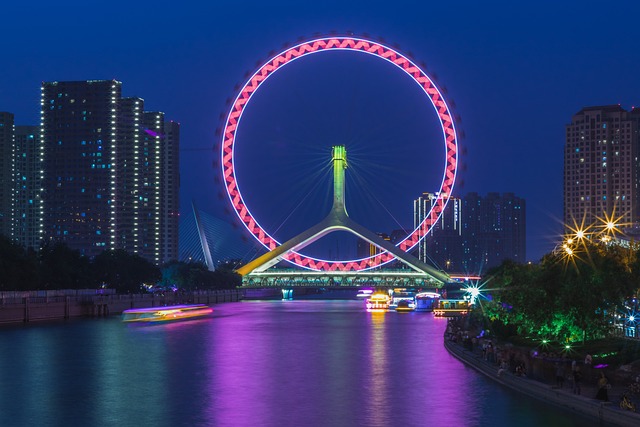
Tianjin Group Trips Done Right
Nine people around a square wooden table, a full pot of jasmine tea going cold because nobody wants to stop laughing long enough to pour more, and a comedian on stage delivering rapid-fire wordplay in a dialect half the room grew up hearing at home. That is a Tianjin teahouse night, and it might be the single best group activity in the city.
Sit in on a Xiangsheng crosstalk night Xiangsheng, the...
read more
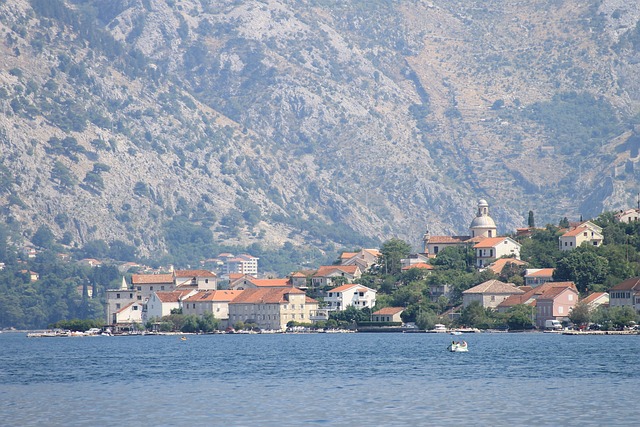
Tivat Activities: Marina, Bay and Hills
Land at Tivat Airport on a clear day and the approach curves so low over the bay that you can pick out individual yachts before the wheels touch down, and that view turns out to be a fair preview of the whole town.
Porto Montenegro sets the pace Porto Montenegro’s stone quays hold more than 450 deep-water berths, built over a former Austro-Hungarian and Yugoslav naval yard, and walking them...
read more
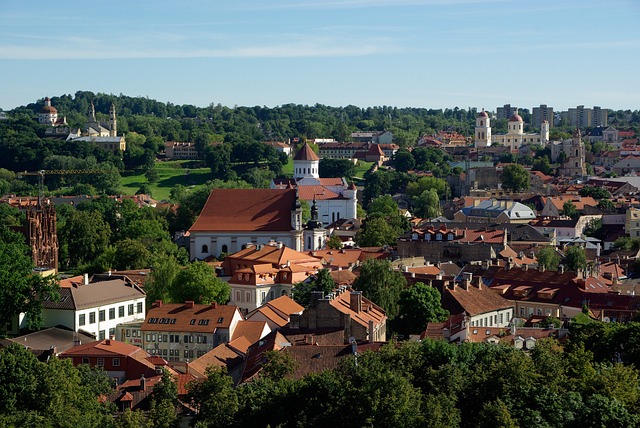
Vilnius Adventure Tours Worth the Booking
A guided descent under Vilnius Cathedral puts you in the burial vault of Grand Duke Vytautas the Great, and it is one of exactly four adventure tours worth planning around here, none of which involve ziplines or theme parks.
Beneath the cathedral floor Vilnius Cathedral’s crypts hold medieval royal burial vaults, among them the remains of Grand Duke Vytautas the Great and King Alexander...
read more
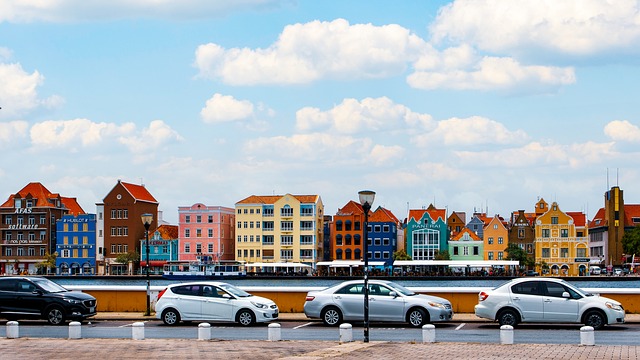
Caves, Blowholes and Willemstad's Wild Side
Ocean waves get funneled into a narrow limestone chute at Boka Pistol and erupt 50 feet into the air with a sound like a cannon shot. That is the kind of attraction tour Willemstad specializes in: geology and history doing the heavy lifting, not a manufactured theme park.
Hato Caves. North of the city, this ancient marine limestone cave system runs a 45-minute guided walk on paved paths past...
read more
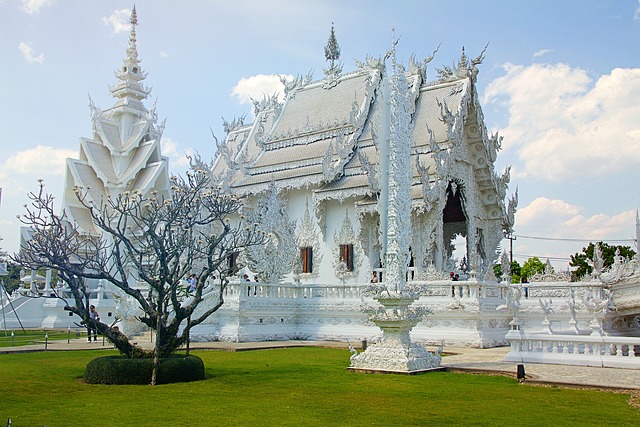
Chiang Rai's Ethical Elephant Encounters
Ask ten Chiang Rai brochures what to do with elephants and most will still show a chair strapped to a spine. Ignore those. The province is also home to two of Thailand’s better answers to that question.
Elephant Valley Thailand In the Mae Chan valley, Elephant Valley Thailand runs a genuine hands-off retirement program for rescued working elephants. Visitors watch from a distance as...
read more
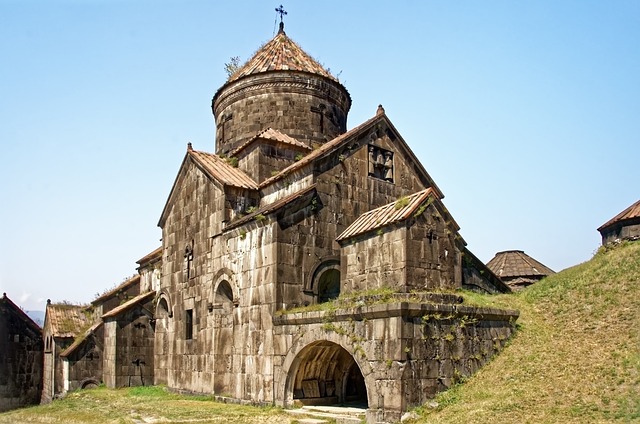
Haghpat Monastery: The Full Tour
Most people budget an hour for Haghpat Monastery and leave having missed half of what makes it a UNESCO listing rather than just a pretty ruin. The engineering and the stories here reward a slower pass, in any season: even in winter, when snow dusts the stone cupolas and the courtyards empty out, the complex stays open and arguably looks its most atmospheric.
The stonework that shouldn’t...
read more
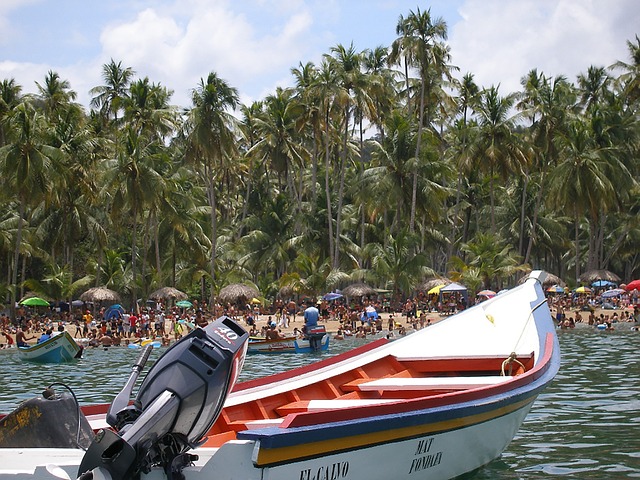
Sucre for Couples: Sunsets and Chocolate!
Picture this: the sun dropping behind the Cordillera, the whole white city glowing gold beneath your feet, and a truffle made from single-origin Bolivian cacao melting before you’ve even sat down. That’s an ordinary evening for couples in Sucre, and it barely takes any planning.
Watch the sunset from Mirador de la Recoleta Climb, or taxi, up to the stone terrace at Café Gourmet...
read more
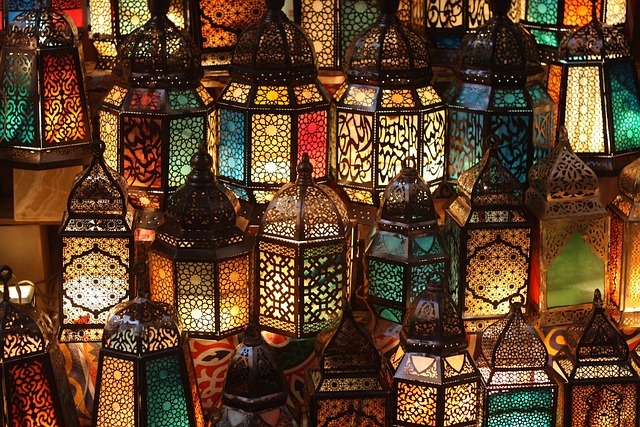
Book Cairo's Big Sites the Smart Way
Bring only cash to Giza expecting to buy a ticket at the gate, and you may find yourself standing outside the fence while everyone with a Visa card walks straight through. Cairo’s attraction tours run on a handful of unmissable ticketed sites, and each one has its own rules for actually getting inside.
The Giza Pyramids Plateau General admission covers the exterior of Khufu, Khafre,...
read more
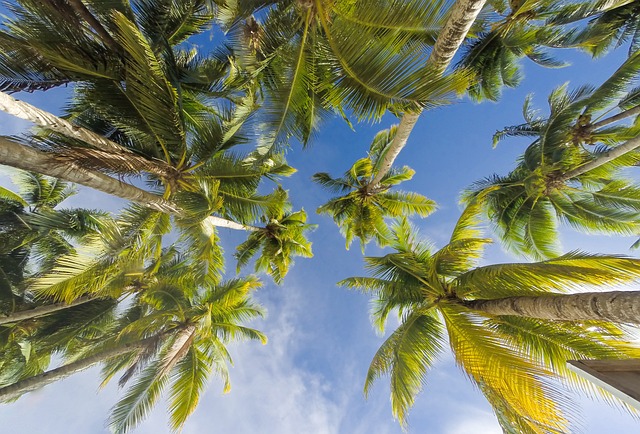
Boracay Wildlife: What's Really There
No dolphin shows. No elephant rides. No walk-through zoo. If you came to Boracay expecting captive-animal attractions, recalibrate now, because the genuine wildlife here is wild, wet, and mostly underwater.
Crocodile Island’s marine sanctuary is the actual headline act Named for its crocodile-shaped silhouette rather than anything living on it, Crocodile Island protects one of the healthier...
read more
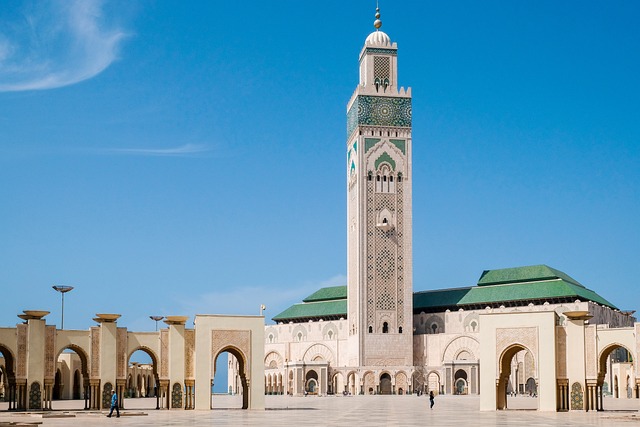
Casablanca-Settat: What to Actually Do
Casablanca-Settat is a region, not a single city, and that distinction changes what “activities” should even mean here: some of the best things to do sit 100 kilometers from downtown Casablanca in towns most itineraries never name.
Start with the mosque, because it decides your schedule The Hassan II Mosque is the one sight nearly everyone builds a Casablanca day around, and access is...
read more
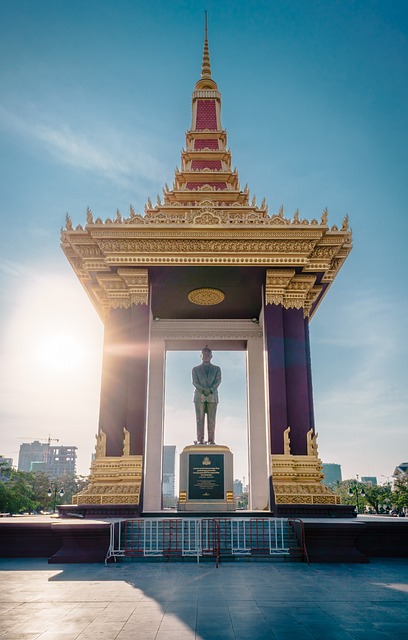
Phnom Penh Adventure Tours, Honestly
Say “adventure tour” in a place like Sigiriya or northern Thailand and people picture zip lines and whitewater. Phnom Penh sits on flat river delta, so cross that image off the list right away. What the city actually offers is three genuinely active ways to get out of downtown, and once you accept they are cycling, paddling, and dirt roads rather than adrenaline sports, they deliver....
read more
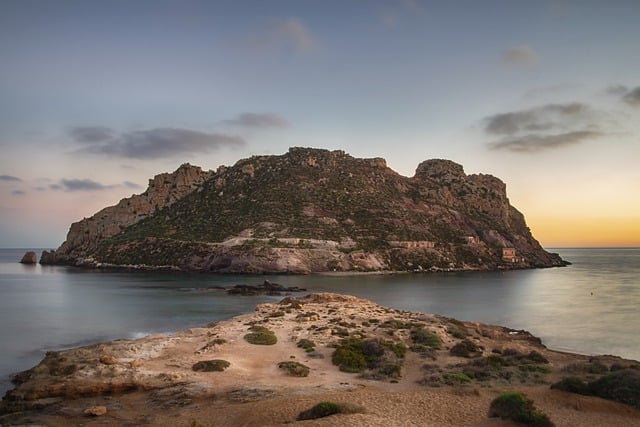
Likuri's One Big Attraction: The Day Show
There’s no ticket booth to queue at and no second must-see stop across the road, because on a 25-acre island the entire visit doubles as the attraction. That’s not a letdown. It’s actually the appeal, once you know how to book it right.
The day cruise runs on set days. The full cultural day cruise operates on scheduled days only, typically Wednesdays and Saturdays, running from...
read more
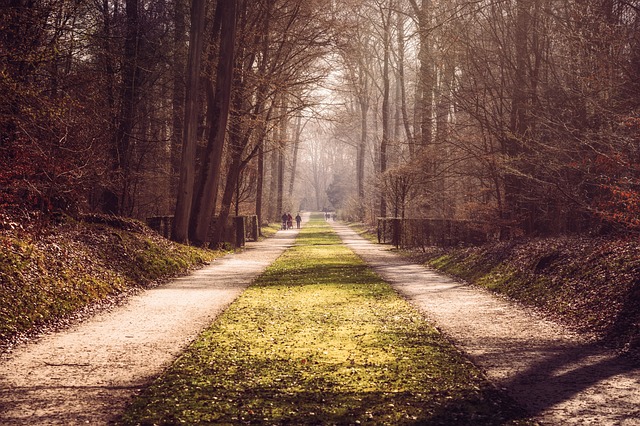
Score Lamanai for $75, Not $200
Here is the number that changes how you plan this trip: the exact same Lamanai riverboat tour costs $50 to $75 USD when arranged in Orange Walk Town, and $140 to $200 or more when arranged from Belize City or the Cayes. Same boat, same ruins, same guide, wildly different bill.
The Lamanai day tour, hour by hour The signature tour departs Tower Hill Bridge around 09:00 with a 1.5-hour interpretive...
read more
Martinique's Boldest Bucket List
Six highlights, one island, and none of them within a short walk of each other: that is the honest starting point for building a Martinique itinerary, and it is exactly why a rental car belongs at the top of every packing list before anything else does.
Rhum agricole is the one you came for Skip anything billed as a generic rum tasting and go straight to the source: Habitation Clément, Distillerie...
read more
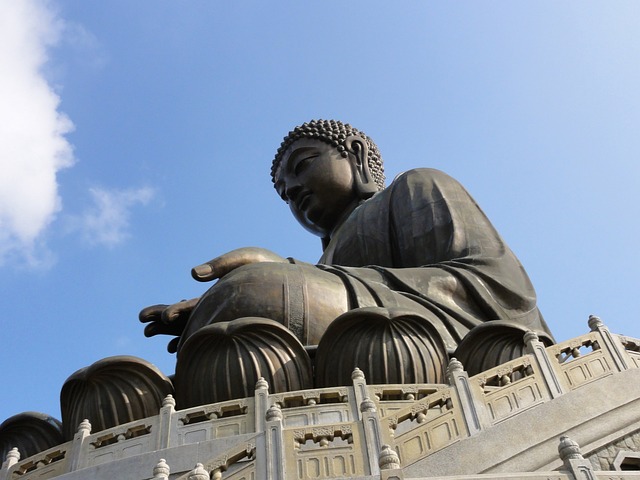
Surf, Paddle and Sea-Kayak Lantau
Rent a paddleboard at Cheung Sha in the morning and you can be threading sea caves off Chi Ma Wan the same afternoon, provided you already have the paddling hours to back that plan up.
Surfing and stand-up paddleboarding on the south coast Long Coast Seasports, based at Lower Cheung Sha, rents surfboards, stand-up paddleboards and kayaks by the hour or half day, running roughly HK$100 to HK$250...
read more
Adventure Sports Around Tung Chung
The cable car pylons marching up the hillside behind Tung Chung Bay make a strange kind of landmark for the paddlers gliding beneath them. Adventure sports here split cleanly into water, rock, and air, and each one comes with its own specific place to go and its own specific way to get hurt if you skip the warnings.
Canyoning in Wong Lung Hang Wong Lung Hang, also called Yellow Dragon Gorge, ranks...
read more
Bardo, Carthage and the Star of Venus
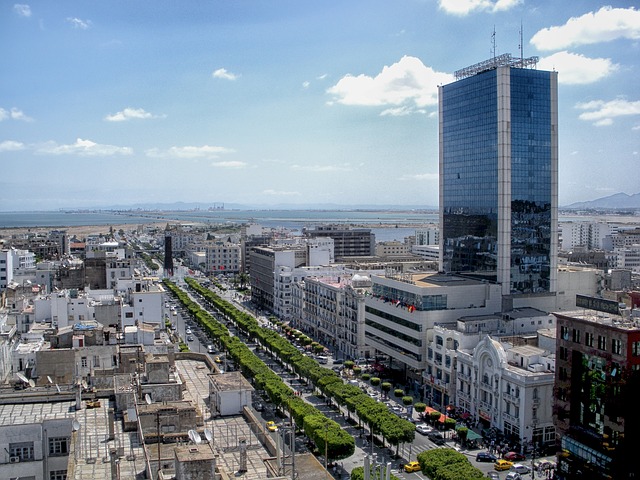
Most capitals make you choose one big sight per day. Tunis does not, because its three headline attractions sit close enough together that a single well-planned day covers all of them without a rushed feeling anywhere.
Start with the Bardo National Museum, housed in a 13th-century Hafsid and Ottoman palace with carved plaster ceilings and chandeliers still in place over the display halls. This is...
read more
Beyond Samarkand: Where Adventure Begins
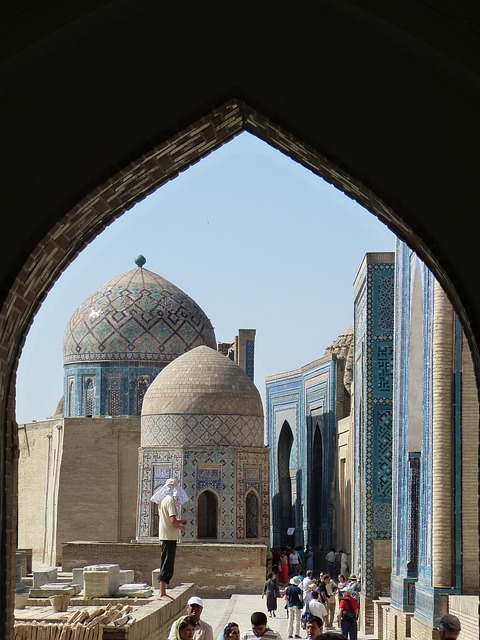
If you came to Samarkand chasing canyon treks, rapids, or a zipline over a gorge, stop searching the old town for it. There is no adventure sports scene inside the city limits, and no honest guide should pretend otherwise. What Samarkand actually offers is a launchpad: three genuinely different landscapes sit within an hour or two of Registan, and each rewards a full day trip rather than an...
read more
Jeddah Activities: Coast Meets Old Town
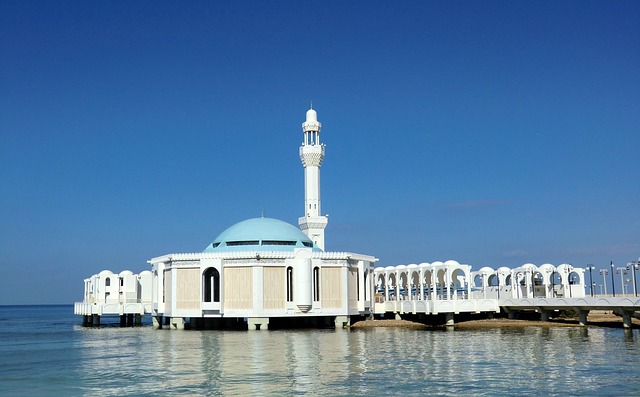
Ask what there is to do in Jeddah and the honest answer depends on which Jeddah you mean, because at least four distinct versions of this city sit inside the same stretch of Red Sea coast.
Old town, still standing Al Balad, the walled merchant quarter behind Souq Al Alawi, has been inscribed by UNESCO since 2014 as Historic Jeddah, the Gate to Makkah . Coral-stone houses four to six stories tall,...
read more
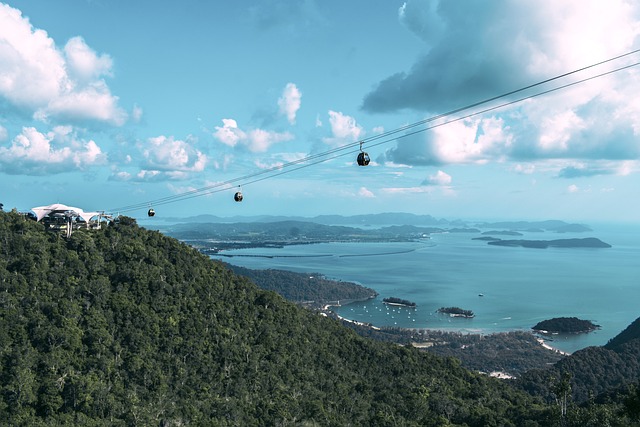
Langkawi in One Frame: Sky, Karst, Shore
The SkyCab queue at Oriental Village is already backed up past the ticket hall by 10am, and that single fact should shape your entire first day on this 99-island archipelago in the Andaman Sea.
Go up before you go out The Langkawi SkyCab climbs Mount Machinchang, 708 meters of Cambrian sandstone laid down some 550 million years ago, and hands you a view stretching north to the islands of southern...
read more
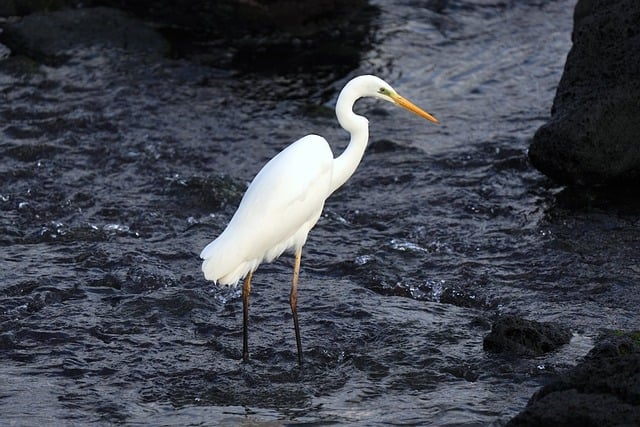
Meet Jeju's Wild Dolphins and Ponies
Jeju’s animal activities aren’t behind glass. They’re out on open water, up on volcanic grassland, and grazing quietly through pine forest, and that changes how you plan a day around them.
Start with the dolphins. A resident pod of roughly 120 wild Indo-Pacific bottlenose dolphins lives year-round off Jeju’s southwestern coast near Daejeong-eup. Eco-certified catamarans and...
read more
No Bus Tours Here, and That's Great News!
Here’s the surprise nobody mentions before you land in Sucre: there is no open-top, double-decker bus waiting to loop you past the plazas. Search all you want, that particular souvenir doesn’t exist here.
Sucre’s historic core is small enough to cross on foot in twenty minutes, and strict colonial preservation rules keep heavy tour coaches off streets that were built for horse...
read more
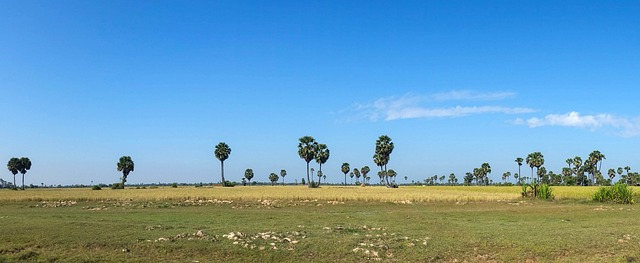
Siem Reap Province: Angkor and Beyond
Bayon’s giant carved faces are already watching you before your tuk-tuk driver cuts the engine, and that’s before you’ve even reached Angkor Wat itself. Siem Reap Province holds a lot more than the one famous silhouette on Cambodia’s flag.
The big three, and why they’re each worth the entry Angkor Wat rewards an early start: arrive before dawn and watch the sun rise...
read more
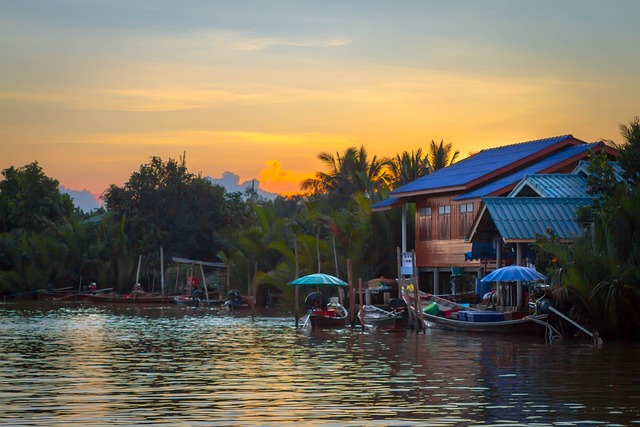
Surat Thani Activities: Jungle to Gulf
Most travelers land at Surat Thani airport already picturing a beach, then discover the province holds a 160-million-year-old rainforest and an 8th-century Buddhist capital before the ferry even leaves the dock.
Three provinces in one Surat Thani, named “City of Good People” by King Rama VI in 1915, covers 12,891 square kilometers on the Gulf of Thailand side of the peninsula, not the...
read more
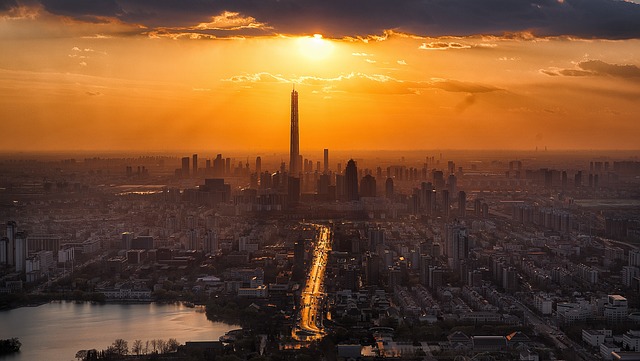
Taoyuan Activities Beyond the Airport
Land at Taoyuan International Airport and most travelers do exactly one thing: race for the Purple Line to Taipei. That skips the point. Stick around and Taoyuan City hands you 2,800-year-old cypress trees, a Baroque-fronted old street built on the camphor trade, and an aquarium good enough to make you forget you’re 40 minutes from a runway.
Daxi Old Street: not a Taipei knockoff Start in...
read more
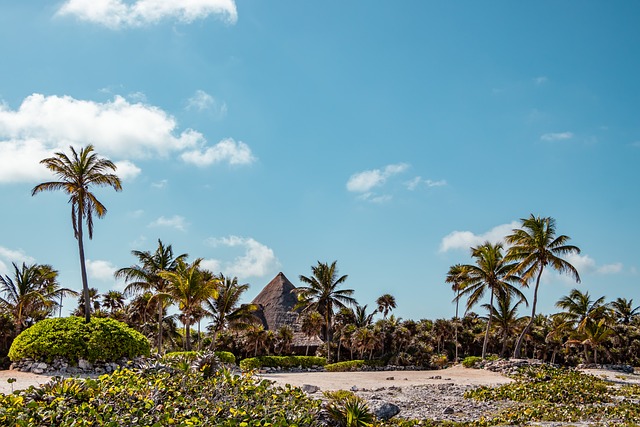
Akumal Adventure Sports: Dive and Ride
A four-minute boat ride out from the beach in front of Akumal Dive Shop is enough to reach Gonzalo’s Reef, and that short a run to open water says a lot about what makes Akumal’s adventure sports work: two very different underwater worlds sit close enough together that a single week covers both without much driving.
Reef diving on the barrier reef Akumal Dive Shop and Akumal Dive...
read more
Haghpat's Wild Side: Vultures, Not Zoos
Forget looking for a wildlife park sign on the road into Haghpat. There isn’t one, and there never will be: this is a farming hamlet of about 750 people perched over the Debed Canyon, not a destination built around captive animals. What you get instead is wilder and free.
Raptors riding the canyon thermals
The basalt cliffs dropping into the Debed Gorge generate updrafts that draw genuine...
read more

Ski Slope Inside the City Limits
Most capital cities make you drive an hour to find snow. Stockholm built its own downhill slope inside the city limits, at Hammarbybacken in Hammarby Sjöstad, complete with four runs, two T-bar lifts, a terrain park, and floodlights for skiing after dark. It will not remind you of the Alps, but it turns a free winter evening into an actual ski session without leaving the metro area.
Long-distance...
read more
Cairo Activities Beyond the Pyramids
Stand at the foot of the Great Pyramid of Khufu and the scale finally makes sense: 2.3 million limestone blocks stacked into a shape that has watched every empire since come and go. That single moment is why activities built around the Giza Plateau still headline every Cairo visit, but the city holds five more registers worth building a week around.
Walk the Giza Plateau itself General admission...
read more
Chiang Rai Adventure: Caves to Canopy
A bronze statue of a Thai Navy SEAL keeps watch outside a cave mouth near the Myanmar border, and it is as good a place as any to start understanding what adventure in Chiang Rai actually looks like: equal parts thrill and reckoning with real stakes.
Tham Luang Nang Non: the cave, not the theme park The cave where the “Wild Boars” youth football team and their coach were rescued in...
read more
Orange Walk's Wild Rivers Beat Any Zoo
A ten-foot Morelet’s crocodile sliding off a log a few feet from your boat needs no fence, no feeding show, and no admission gate, because every animal in Orange Walk is genuinely wild. That is the whole appeal, and it is also the whole rulebook.
What the New River actually shows you The 26-mile boat run to Lamanai is a wildlife transect as much as a transfer. Morelet’s crocodiles bask...
read more
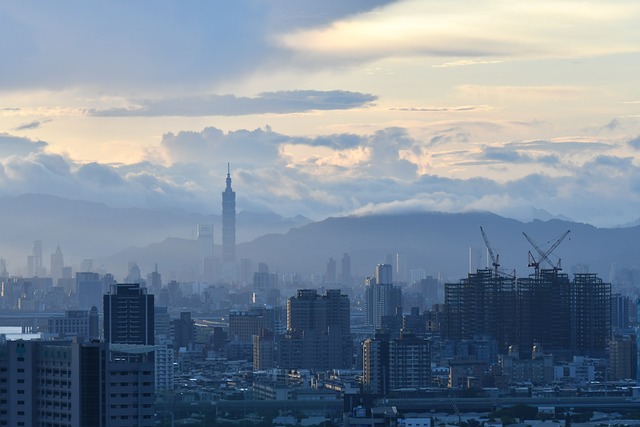
Taipei Date Nights After RAW Closed
Chef Andre Chiang’s two-Michelin-star RAW served its last plate on December 31, 2024, before folding into a culinary academy, so drop it from the date-night list now and build a better one from what Taipei actually has running.
Start high, end warm. The stone staircase up Elephant Mountain (Xiangshan MRT, Exit 2, Red Line) takes 20 to 30 minutes and around 600 steps to reach the Six Giant...
read more
Willemstad Adventure Sports, Full Throttle
A 240-foot cargo ship went down right outside Sint Annabaai harbor in 1977, and the Superior Producer has been growing orange cup corals and hosting schools of tarpon ever since. That wreck alone tells you what kind of adventure sports Willemstad actually offers: this is a diving and wind-sports island first, with a mountain thrown in for good measure.
Two wrecks, two skill levels. The Superior...
read more
One Thrilling Day at Sigiriya
Your alarm goes off at 4:30am and you will not mind one bit, because today you are climbing two rocks before breakfast and chasing wild elephants before dinner.
Start at Pidurangala, the neighboring rock one kilometer north of Sigiriya. Pay 1,000 LKR (about $3) at the temple entrance booth, cover your shoulders and knees for the walk through the monastery grounds, then scramble the final ten...
read more
Surf, Farm, Sunset: One Byron Bay Day
Paddle out at The Pass before 7am and the lineup is a dozen longboards deep, with a pod of bottlenose dolphins working the same peeling wave a few metres over. That is an ordinary Tuesday here, not a brochure line, and it sets the pace for the rest of the day: an early start, salt still drying on your skin, and not much distance between the surf and your coffee.
read more
Tianjin After Dark: A Couples Guide
Picture this: the sun dips behind the Haihe skyline, the Tianjin Eye lights up in blue and gold, and you and your partner are 120 meters up in a glass capsule with the whole city spread out below. That is Tianjin on a good evening, and it is exactly why this city deserves a slot on any couple’s itinerary through northern China.
Ride the Tianjin Eye at twilight Book the ride for dusk rather...
read more
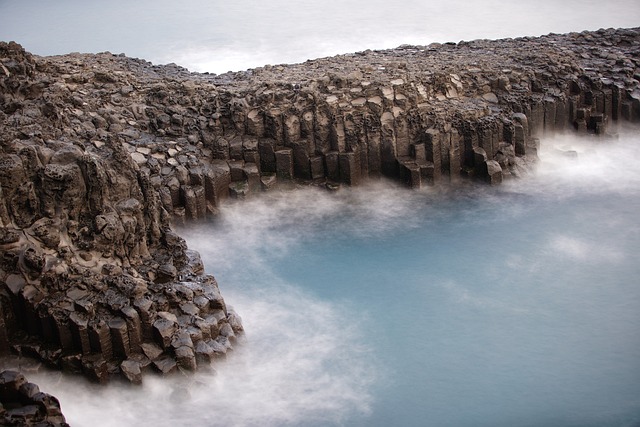
Hands-On Jeju City Workshops
Hands-On Jeju City Workshops If you want a souvenir you actually made yourself, Jeju City has four genuinely distinct craft traditions worth your afternoon, each rooted in something specific to the island rather than a generic tourist craft session.
Persimmon dyeing, the real Jeju textile Gam mul deuligi, traditional persimmon dyeing, uses juice pressed from unripe native green persimmons (potgam)...
read more
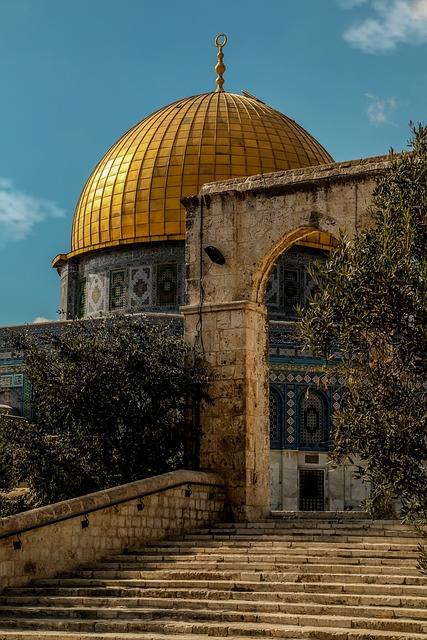
Walking Karak's Seven Underground Levels
Walking Karak’s Seven Underground Levels The best walking tour in Al-Karak doesn’t involve a single street. It goes straight down, through seven levels of a 12th-century fortress, most of them pitch black.
The castle circuit Karak Castle’s interior walking route runs a comprehensive 1.5 to 2 hours from the breezy upper ramparts and battlements down through vaulted Crusader...
read more
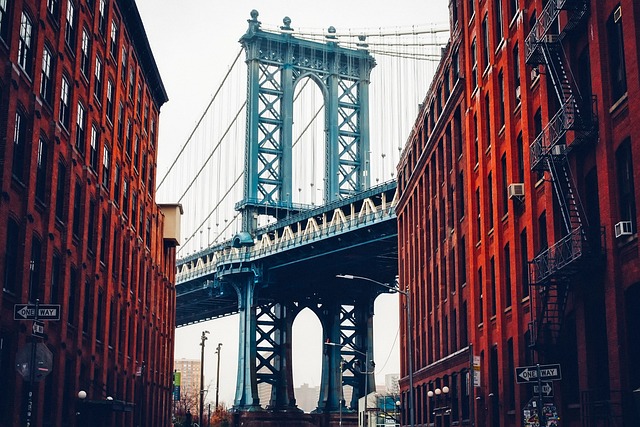
Walking Tours Through George Town
Walking Tours Through George Town George Town punishes anyone who tries to walk it at 1pm. The whole city runs on two windows, and missing both means fighting equatorial sun for nothing.
Pacing around the heat Midday here, roughly 11:30am to 3:30pm, is punishing enough that most walking routes split into a morning session (7:30 to 10:30am) for open-air street art and the clan jetties, and an...
read more
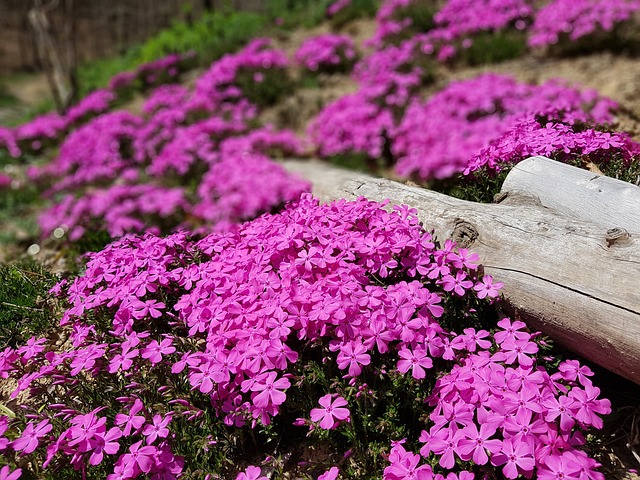
Knead Udon, Then Sip Sake After
Fujiyoshida’s best workshops aren’t polished tourist demonstrations, they’re built around trades the city has practiced for centuries, and that shows the moment you actually try them yourself.
Kneading noodles the traditional way Yoshida Udon hand-kneading classes teach the region’s signature technique: foot-pressing dense, high-protein dough to get the firm, chewy texture...
read more
Wadi Bin Hammad: Jordan's Warm Water Canyon
Wadi Bin Hammad: Jordan’s Warm Water Canyon Most people come to Al-Karak for a castle. Then they find out there’s a canyon nearby with actual warm water running through it, and the castle suddenly has competition.
The main event: Wadi Bin Hammad About 30 km northwest of Al-Karak town, Wadi Bin Hammad is a sandstone slot canyon fed by natural thermal springs. The trail follows the...
read more
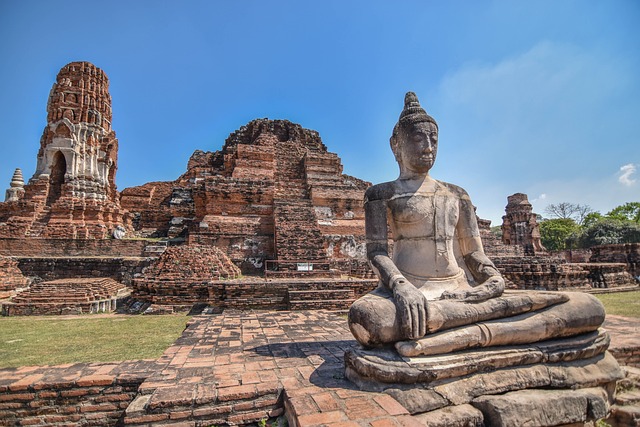
Ayutthaya Solo on a Shoestring Budget
Nobody needs a group, a guide, or a plan to do Ayutthaya properly, and the cheapest version of the trip is honestly the best one.
Start at the train station in Bangkok, not a tour desk. A third-class commuter ticket to Ayutthaya costs as little as 15 to 20 THB, and the ride takes 60 to 90 minutes depending on the service. When you arrive, skip anyone offering a tuk-tuk ride around the highway...
read more
Private Onsens With a Fuji View
The luxury version of a Fujiyoshida trip looks nothing like the theme-park day most visitors picture, and that’s exactly the point if what you’re planning is a quiet stay rather than an active one.
The ryokan built around private views Kaneyamaen and its more exclusive sister property, Bessho Sasa, sit on an 80,000-square-meter Japanese garden estate with nightly taiko drum...
read more
Solo in Jeju City? Go For It
Solo in Jeju City? Go For It Traveling alone in Jeju City is genuinely easy: the transit is simple, the trails are well-marked, and nobody’s going to make you feel awkward eating dinner by yourself. Here’s how to make the most of it.
Walk the coast on Olle Trail 17 Route 17 of the Jeju Olle Trail network starts near Gwangryeong, winds past rural streams, reaches Iho Tewoo Beach, hugs...
read more