Recent Places
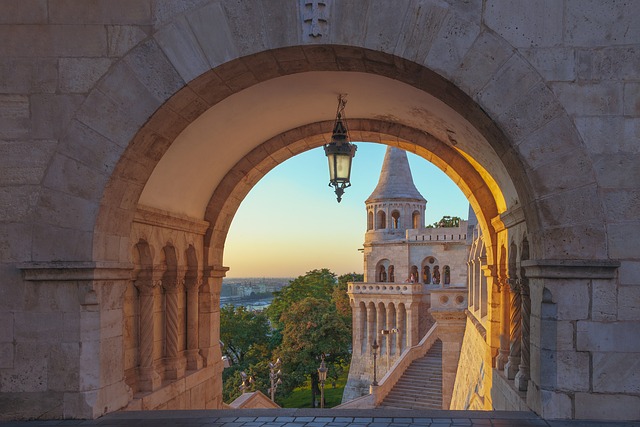
Buda Castle: Tickets, Hours and How to Visit
Buda Castle’s courtyards and ramparts are free to wander any time of day, but “free” does not mean “empty”: get here before 9am if you want the Fisherman’s Bastion terrace without three tour buses’ worth of company. The hill packs a working funicular, two major museums, a UNESCO-listed backdrop and a genuine climb into one visit, so know which pieces cost...
read more
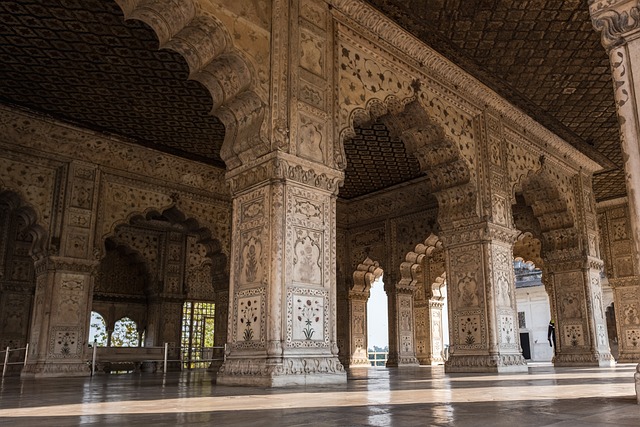
Red Fort: Tickets, Hours and How to Visit
Red Fort is the single easiest monument in Delhi to visit wrong, and once you know the mechanics, it stops being a queue-and-guess exercise and starts being a genuinely great morning. Here’s exactly how tickets, hours and the layout actually work, so you spend your time inside the walls instead of figuring out the gate.
Red Fort key facts Price (foreigner) ~₹500-600 (Indian nationals ₹35,...
read more
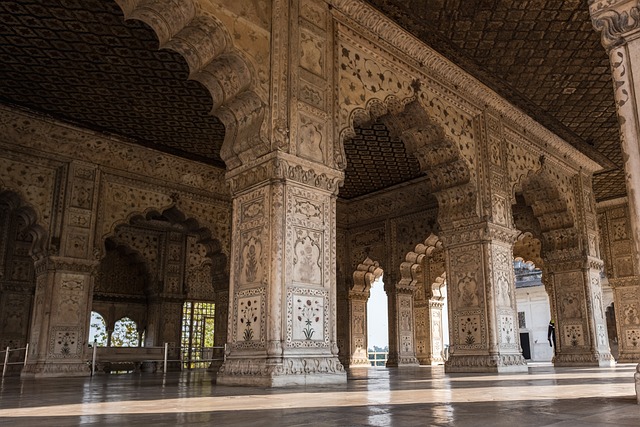
Taj Mahal: Tickets, Hours and How to Visit
The Taj Mahal is not in Delhi, it’s 230km away in Agra, and the fact that wrecks the most schedules is that it’s closed every Friday for mosque prayers, no exceptions. From a Delhi base, the Gatimaan Express gets you there in 1h40min; budget ₹1,300 for full foreigner access (₹1,100 for the main complex plus ₹200 for the mausoleum interior), and go in the first hour after opening or the...
read more
Blue Mountains: Tickets and How to Visit
The Blue Mountains are Sydney’s single best day trip, full stop, and the reason is the train: one line, an hourly service, about two hours from Central Station to Katoomba, no rental car and no tour bus required. You are looking at a full day out for well under 100 AUD a person once Scenic World is added in, and the Three Sisters lookout at Echo Point costs nothing at all.
read more
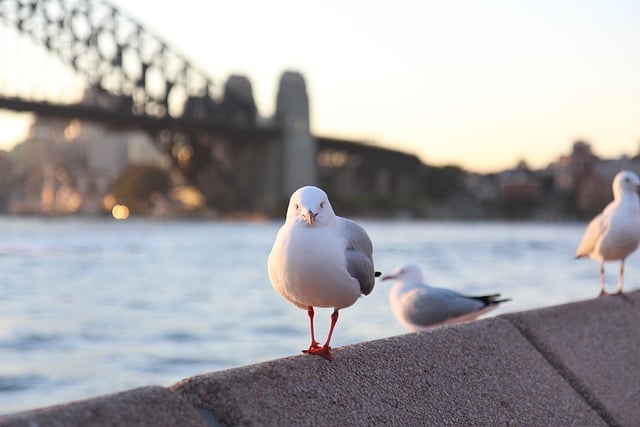
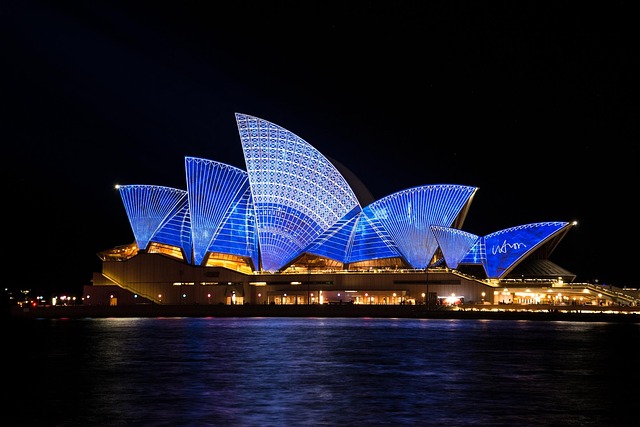
Sydney Opera House: Tickets and How to Visit
Sydney Opera House: Tickets and How to Visit The forecourt and the sail-shaped exterior are free to photograph from every angle, all day, but the inside of the Sydney Opera House is not a walk-in attraction. You get in one of two ways: a paid guided tour, about $48 adult pre-booked, or a ticket to an actual performance. There’s no third option, so decide which one you want before you plan...
read more
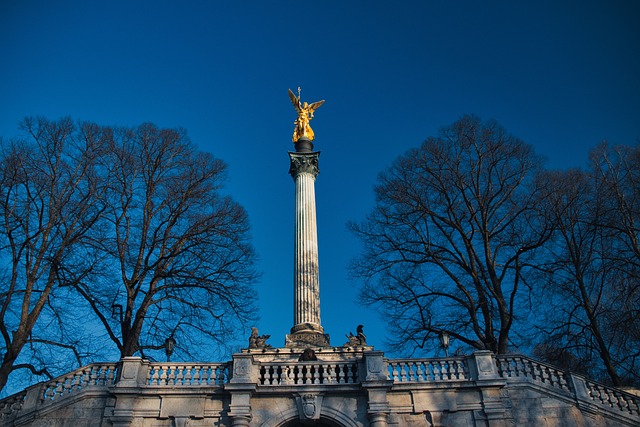
Munich: Tickets, Hours and How to Visit
Munich’s sights split cleanly into “free but timed” (the Glockenspiel, the Englischer Garten) and “cheap but worth booking ahead” (the Residenz, Nymphenburg, the New Town Hall tower). Get those two categories straight before you land and the whole visit runs smoother: buy the €7 tower ticket online instead of only watching the Glockenspiel from the square, and book...
read more
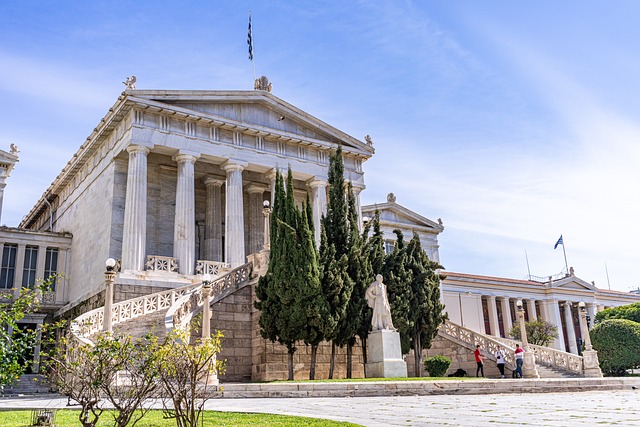
Athens Greece: How to Visit and Get Around
Forget the “one night in Athens then straight to the islands” plan for a second, because the math does not work that way. Piraeus, the ferry port that reaches most of the Aegean, is 25 minutes from central Athens by Metro Line 1. Cape Sounion is 70km down the coast. Delphi is 180km. Meteora is 350km and genuinely needs a night away. Athens is not the layover, it is the hub every one of...
read more
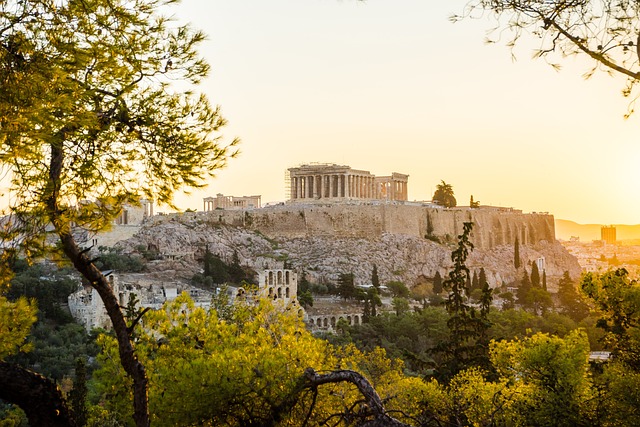
Athens: Tickets, Hours and How to Visit
Athens runs on one ticket you need to sort before anything else: the Acropolis, 30 EUR flat, booked into a timed slot that caps the entire site at 20,000 visitors a day. Get that locked in and the rest of the city, the museum next door, the old town below, the sunset hill above, falls into place around it. Here is exactly what each core sight costs, when it is open, and how far ahead to book; for...
read more
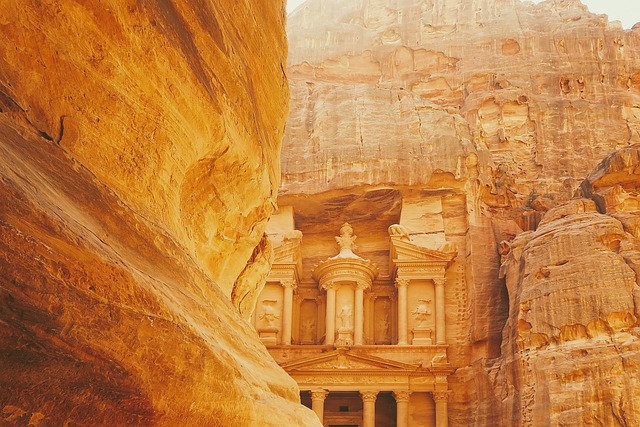
Petra Jordan: Tickets, Hours, Getting There
Petra is the reason most people book a Jordan trip, but it works best as one stop on a bigger loop, not the whole itinerary. Wadi Rum is ninety minutes down the road. Aqaba’s Red Sea coast is about two and a half hours south. The Dead Sea is three hours north, Amman three and a half. Plant your flag in Wadi Musa, Petra’s base town, and everything else in the country is a manageable day...
read more
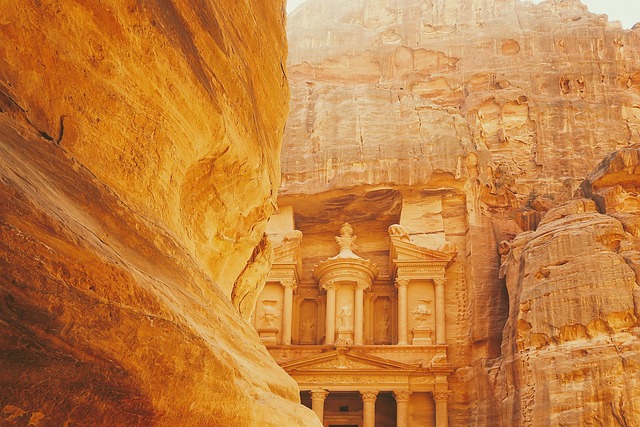
Petra: Tickets, Hours and How to Visit
Yes, Petra earns the hype, and here’s the practical version that gets you in the gate prepared instead of guessing. Entry runs 50 JD for a one-day overnight-visitor ticket up to 60 JD for three days, or a flat 90 JD if you’re crossing in for a single day without an overnight stay in Jordan. The site opens around 6am, and the walk to the Treasury alone takes a solid 30 to 40 minutes.
read more
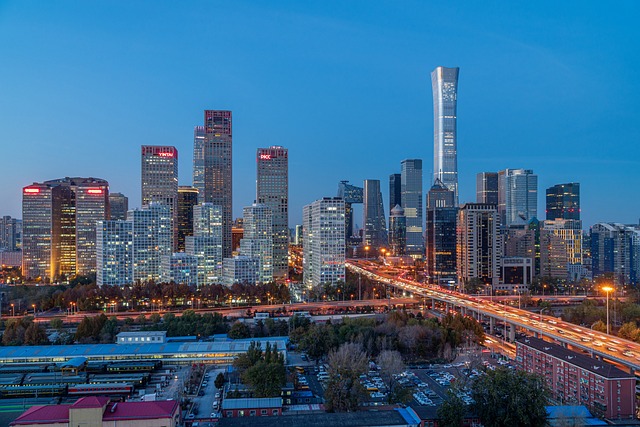
Beijing: Tickets, Hours and How to Visit
Stand in Tiananmen Square, look north through the gate toward the red walls beyond, and something in your chest actually tightens. Not because it’s pretty, though it is, but because you can feel the weight of what’s stacked up in front of you: six centuries of emperors, a walled city built to be the exact center of the known world, and a subway humming under your feet that now moves...
read more
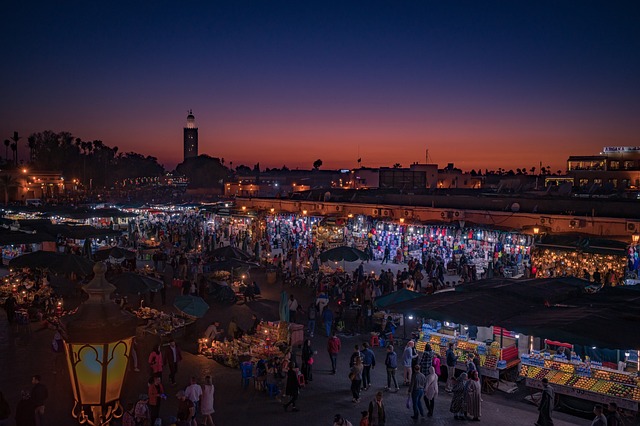
Marrakech Day Trips: Prices and How to Visit
[FLAG: featured_image/quad_image reference el-tajin, an unrelated Mexican archaeological site, not Marrakech. Filenames kept per instructions; someone should swap these assets.]
Marrakech works two ways: as a city to explore on its own, and as the base you sleep in while you knock out the rest of Morocco. This page is entirely the second kind. Seven real trips sit within reach of your riad, from...
read more
Marrakech: Tickets, Hours and How to Visit
[FLAG: featured_image references el-tajin, an unrelated Mexican archaeological site, not Marrakech; quad_image is correctly marrakech-quad.jpg. Filenames kept per instructions; someone should swap the featured_image asset.]
Marrakech isn’t one attraction, it’s roughly eight, packed into a walled 700-hectare medina where GPS gives up and everything’s closer than it looks on a map....
read more
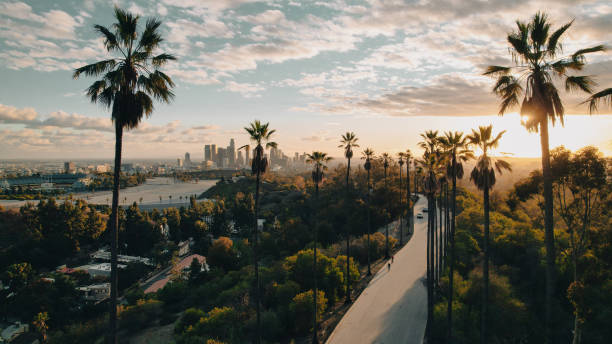
Los Angeles: How to Visit and What to Know
Los Angeles is not one city you walk around, it’s six or seven distinct places connected by freeways, and treating it like a single walkable downtown is the fastest way to burn a vacation day sitting in traffic. Budget 2-4 days minimum, rent a car unless you’re staying somewhere small, and go in expecting distance, not density, and this place delivers big.
Los Angeles at a glance Time...
read more
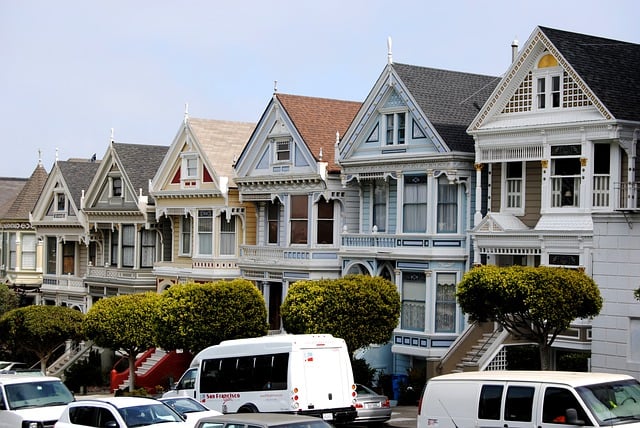
San Francisco Day Trips: What to Know
Seven genuinely different Northern California trips sit within a couple hours of San Francisco: redwoods, a wild coastline, wine country, an aquarium town, and one you don’t even need a car for. None of them require the city to be more than a home base with a good rental counter nearby. Here’s what each actually costs, how far ahead you need to book, and which one to cut if your...
read more
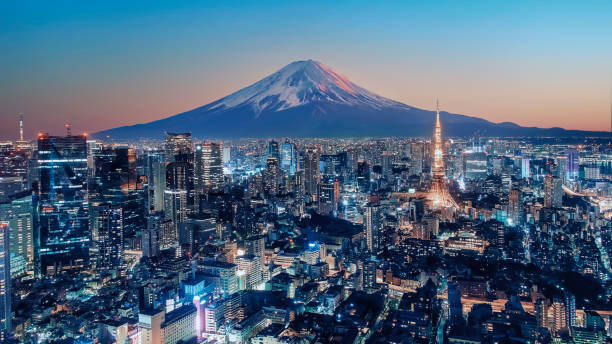
Tokyo: Tickets, Hours and How to Visit
Tokyo doesn’t run on a single ticket or a single set of hours, it runs on 24 wards, 14 million residents, and a rail network that makes every other transit system on earth look like a rough draft. Give the city itself 3-5 days, get a Suica or PASMO IC card the moment you land, and budget somewhere between ¥8,000 and ¥15,000 a day once your room is paid for. That’s the whole city in one...
read more
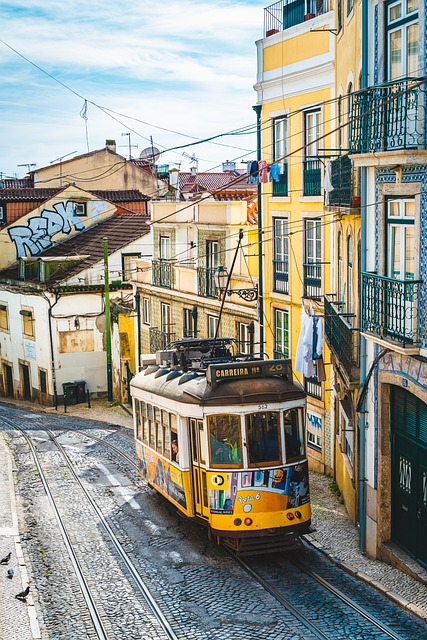
Pena Palace: Tickets, Hours and How to Visit
Pena Palace is the reason Sintra shows up on every Lisbon day-trip list, a brightly colored jumble of towers and domes stacked on a misty hilltop about 28 km from the city, and it’s also the single easiest way to waste half a day if you show up without a plan. Here’s what it actually costs, when to go, and how to get there without standing in a line that eats your whole morning.
read more
Tokyo, Japan: Tickets and How to Visit
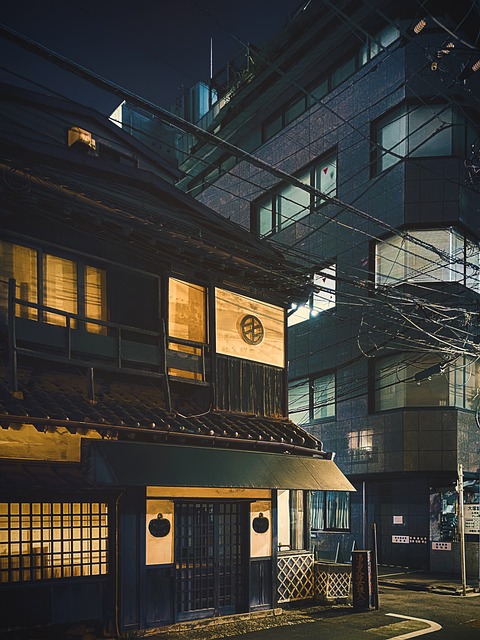
Step off a train in Tokyo and the city hits you all at once: a station announcement chiming in perfect pitch, a wall of vending machines glowing next to a thousand-year-old shrine gate, and somehow, absolutely no one shouting at anyone. Tokyo isn’t just Japan’s biggest city, it’s the country’s whole personality compressed into one sprawling, humming, endlessly walkable...
read more
Taipei: Tickets, Hours and How to Visit
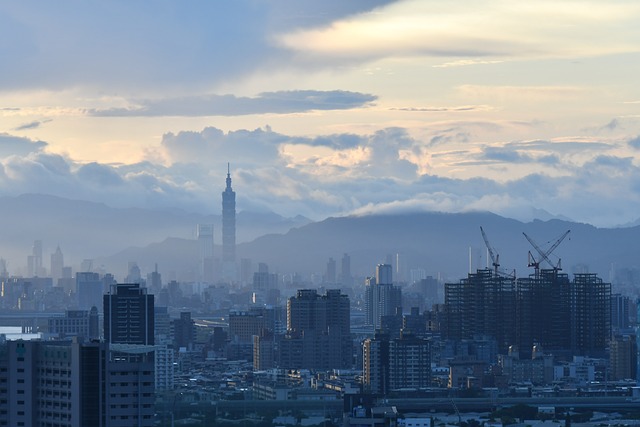
Taipei 101, the National Palace Museum, and Longshan Temple will eat two full days on their own if you let them, so know the hours and prices going in and build the rest of your visit around them, not the other way around. Here’s exactly what each one costs, when to go, and what to skip. Slotting all of this into a full trip? Our 3 day Taipei itinerary already maps the order.
read more
Singapore: Tickets, Hours and How to Visit
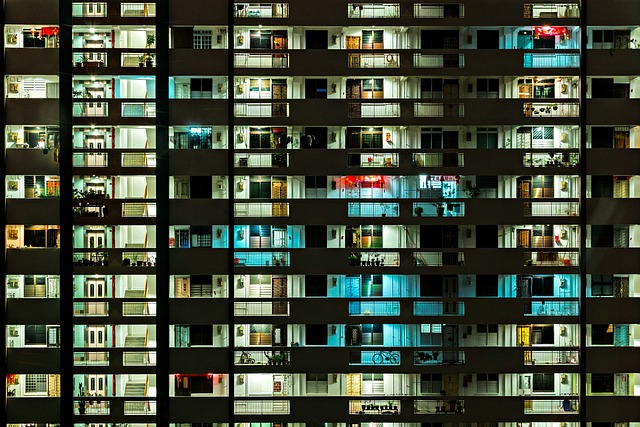
Stack three or four of Singapore’s paid attractions in one trip and you’re looking at SGD 150-250 per person before food or hotel, so knowing what’s genuinely worth a ticket, and what’s free anyway, changes the whole budget. Here’s exactly what each major sight costs, how long it takes, and how to book it so you’re not paying gate price.
Singapore’s Top...
read more

Lhasa: Tickets, Hours and How to Visit
Lhasa’s real “ticket” isn’t a turnstile, it’s a Tibet Travel Permit and a licensed guide, and both have to clear before you so much as book a flight. Here’s exactly what that takes, what it costs, and how to actually visit once you land at 3,656 meters.
Lhasa at a glance Permit lead time 20-30 days for the Tibet Travel Permit (25-30+ in the April-October peak)...
read more
Las Vegas: How to Visit and What to Know
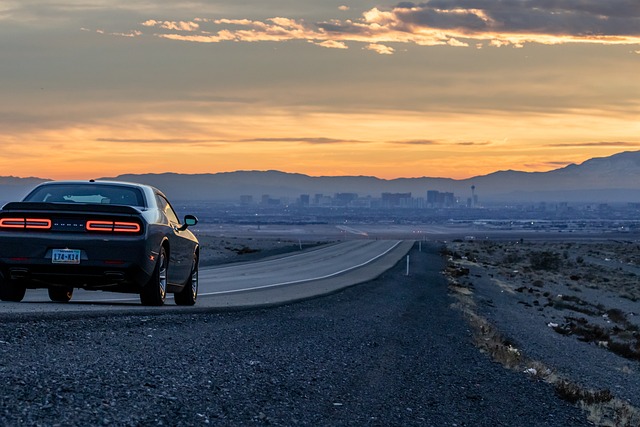
I love this city and I will fight anyone who calls it fake. Las Vegas runs on spectacle, and once you know the mechanics, the resort fees, the parking, the two-different-cities layout, it stops nickel-and-diming you and starts delivering. Here’s how to actually visit it.
Las Vegas at a glance Best time to go March-May or October-November, warm days without the worst heat Time needed 2 nights...
read more
Shanghai: How to Visit and What to Know
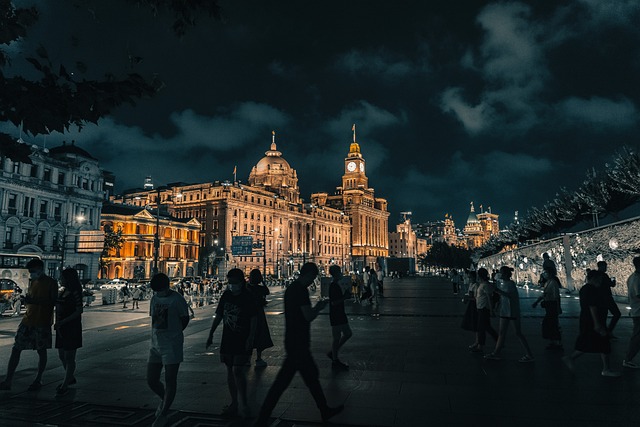
Shanghai: Two Centuries of Reinvention Happening Simultaneously Shanghai has more coffee shops than any other city in the world, more than New York, more than London, more than Tokyo. That statistic, which sounds like a marketing claim, tells you something real about the French Concession’s plane-tree-lined streets: this is a city that absorbs influences at extraordinary speed and makes...
read more
Nevada Parks: How to Visit and What to Know
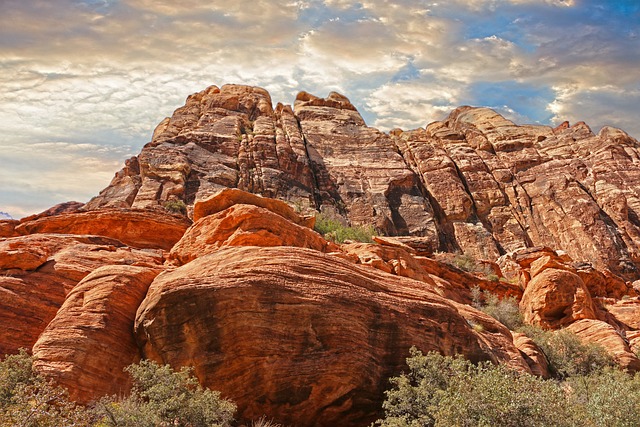
Five genuinely different Nevada landscapes sit within an hour of the Las Vegas Strip: Red Rock Canyon, Valley of Fire, Hoover Dam and Lake Mead, Mount Charleston, and the free Seven Magic Mountains. None of them require the Strip itself to be anything more than a home base and a place to sleep. Here’s what each one actually costs, how far ahead you need to book, and which one to cut if your...
read more
Toronto: How to Visit and What to Know
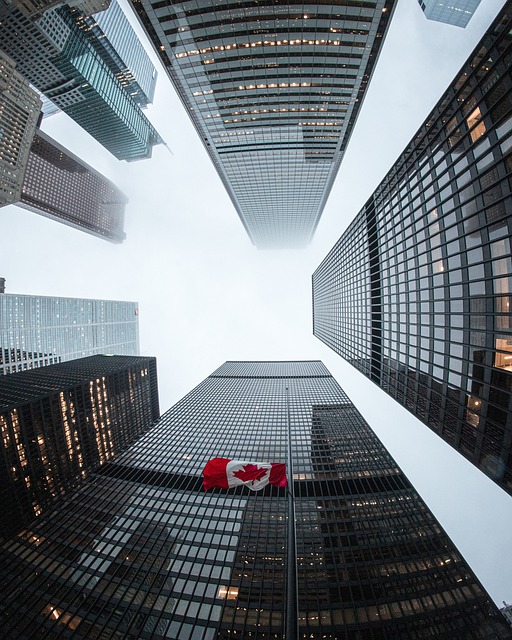
Toronto Rewards the People Who Actually Wander Off the CN Tower Sightline
I keep coming back to this city because it never runs out of specific places worth naming, not vague “explore the neighborhood” filler, actual streets and stalls and buildings worth walking to on purpose. This is my running list of exactly where to point yourself. For the fuller trip-planning version with pricing...
read more
Stockholm: How to Visit and What to Know
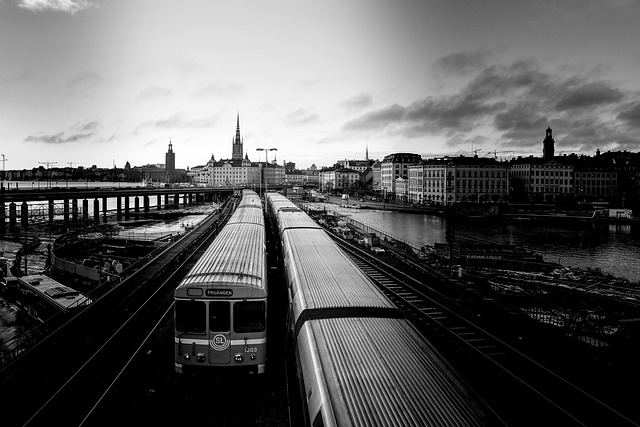
Fourteen islands, a metro system people genuinely call the world’s longest art gallery, and a warship that sat on the harbor floor for 333 years before anyone dragged it back up. Stockholm doesn’t ease you in, it hits you with all of this at once, and I love that about it. This is the city itself, no archipelago overnights, no rest-of-Sweden detours, just what’s worth your time...
read more
Porto: Tickets, Hours and How to Visit
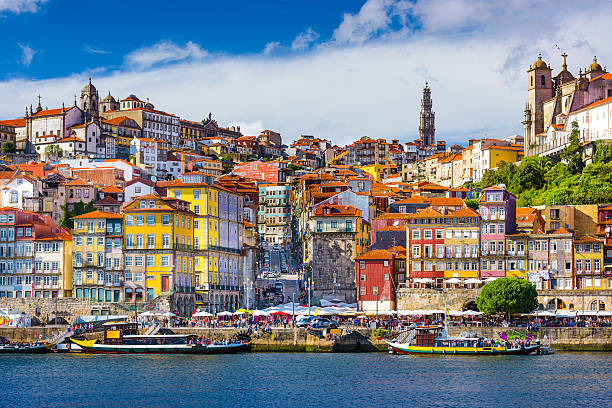
Get to the Dom Luis I Bridge at dawn. By 7am you might share it with four other people. By 11am it is shoulder to shoulder, and someone will be trying to sell you a fridge magnet. That gap, roughly four hours, is your best window to understand why Porto keeps pulling people back when Lisbon gets all the headlines.
Porto sits in northwest Portugal at the mouth of the Douro River, a city of steep...
read more
Rio and Beyond: Know Before You Go
Rio de Janeiro, Brazil: Where the Country Actually Starts
Most visitors arrive in Rio, do the beach and the mountain, and fly home believing they’ve seen Brazil. They’ve seen one city in a country of 200 million-plus people that runs to Iguacu Falls in the south and the Amazon in the north. Rio’s real job, for a first-time visitor, is orientation: it’s where you first hear...
read more
Rio de Janeiro: Hours, Tips and How to Visit
Rio de Janeiro: The Geography Is the City
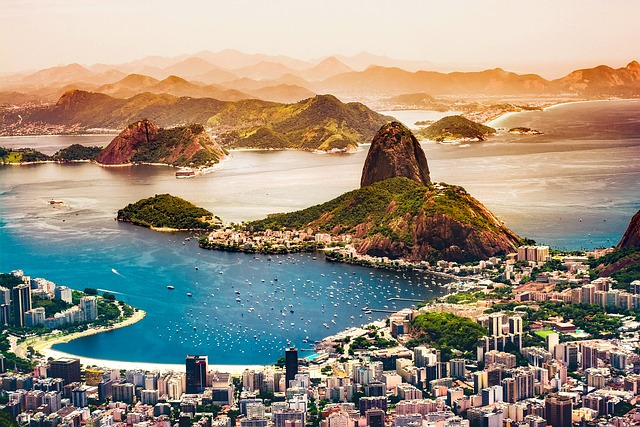
Rio is built along roughly 90km of Atlantic coastline wedged between granite mountains and the sea, so the beaches, the peaks, and the city occupy the same tight footprint. From almost any high point you can see the ocean; from the ocean you can see the mountains. That physical arrangement is the single most useful thing to understand before you land: the...
read more
Austin: How to Visit and What to Know
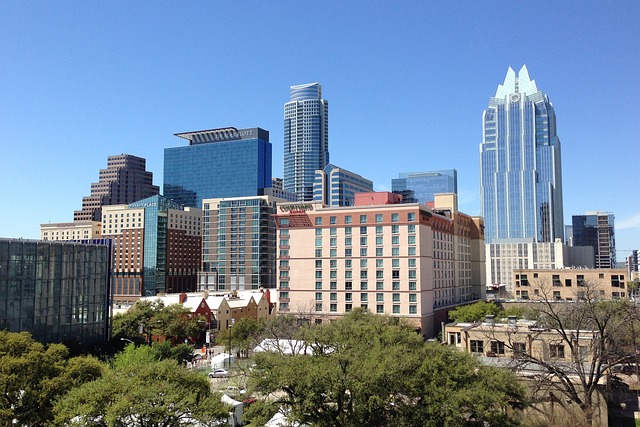
Here’s what nobody tells you before your first trip to Austin: this is the actual capital of Texas, seat of state government, and it still somehow feels like the least Texas-y city in the state. No ten-gallon-hat theme park, no oil-money swagger. Just a low-slung, sweaty, genuinely strange place that runs on breakfast tacos, live music, and a swimming hole that stays cold no matter how hard...
read more
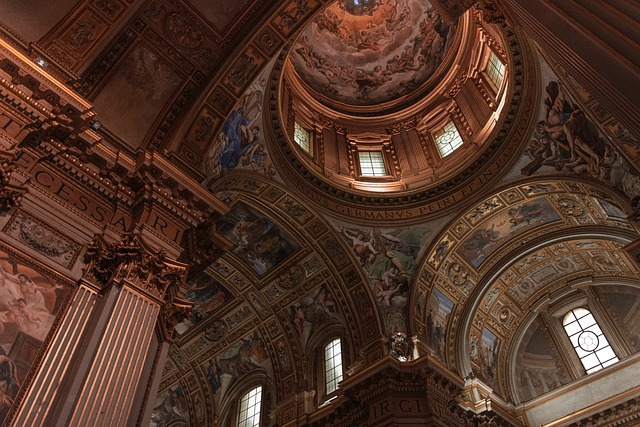
Rome: Tickets, Hours and How to Visit
Rome doesn’t organize itself the way you expect a great city to. There’s no single skyline moment, no one plaza where it all clicks. Instead you get a scooter buzzing past a 2,000-year-old wall, a nonna hanging laundry over a Renaissance courtyard, and a queue for gelato forming next to a church with three Caravaggios inside that almost nobody walks into. The chaos isn’t a flaw...
read more
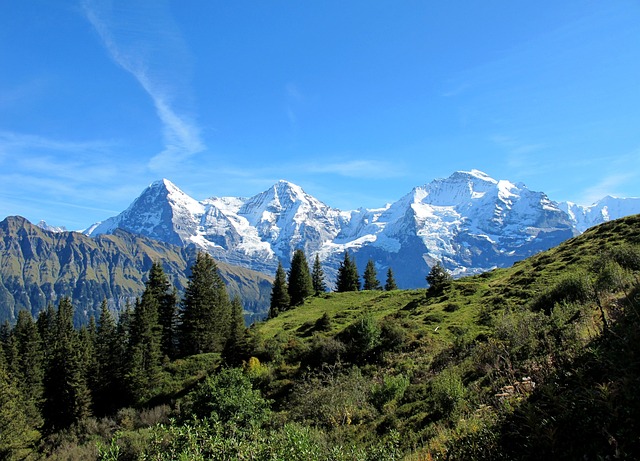
Eiger
The Eiger: A Mountain That Demands Attention The North Face The Eiger’s north face is 1,800 metres of limestone, ice, and loose rock, and its reputation was built on how many climbers it killed during the 1930s before anyone had climbed it. Two German climbers died on the face in 1935. In 1936, four climbers from two separate teams perished while the bodies were visible through telescopes...
read more
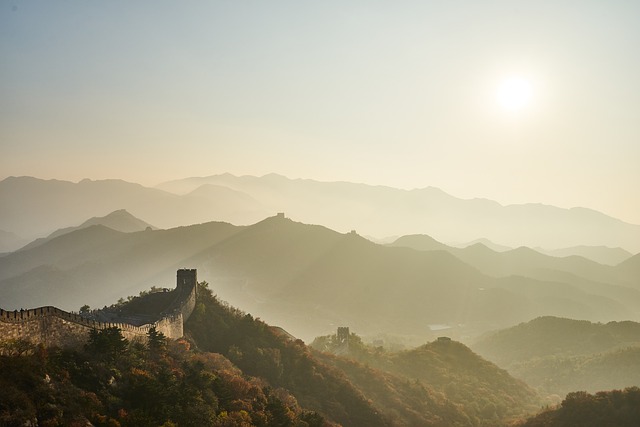
Great Wall China
You Cannot See the Great Wall from Space. Here Is What You Can Do Instead.
The claim that the Great Wall of China is visible from the moon is a myth that National Geographic inadvertently popularised in 1923. China’s own first astronaut, Yang Liwei, admitted on his return from orbit that he could not see it. The wall is wide enough to be visible from low Earth orbit under specific lighting...
read more
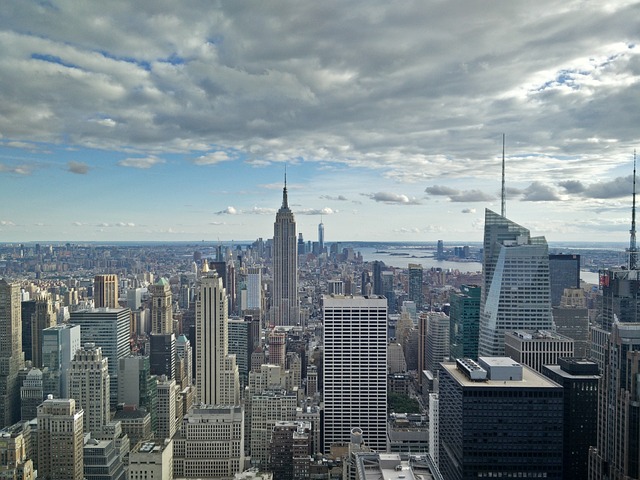
Rockefeller Center
In 1933, construction workers at Rockefeller Center pooled their own money to buy a 20-foot balsam fir, draped it in handmade garlands, and stood it at the construction site as a symbol of perseverance during the Depression. John D. Rockefeller Jr. broke ground on the complex in 1931, when unemployment in New York City was above 25 percent. The project kept 75,000 people employed at its peak and...
read more
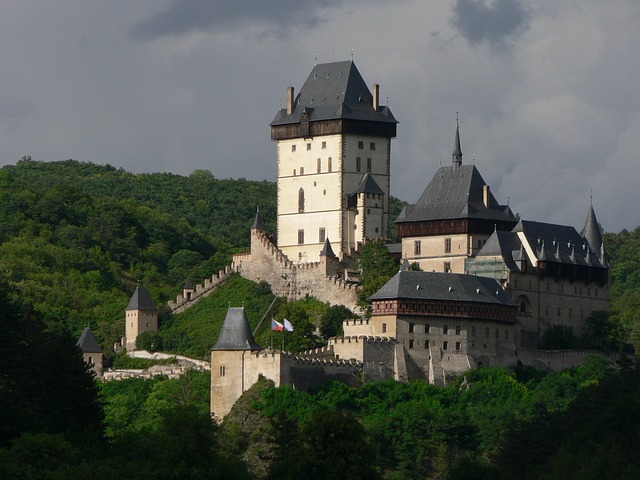
Karlstejn Castle
Karlstejn Castle was built not to be defended but to be a vault. Charles IV, Holy Roman Emperor and King of Bohemia, began construction in 1348 specifically to house his collection of imperial relics and coronation regalia, and the most important pieces were stored in the Chapel of the Holy Cross at the top of the Great Tower, surrounded by over 2,000 semi-precious stones embedded in the walls and...
read more
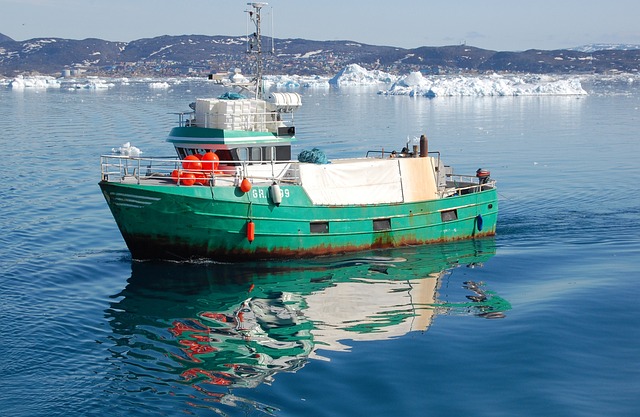
Ilulissat Kangerlua, Greenland
The Sermeq Kujalleq glacier, known outside Greenland as the Jakobshavn Glacier, moves at 40 to 50 metres per day, making it the fastest-moving glacier in the northern hemisphere. It drains a substantial section of the Greenland Ice Sheet and calves roughly 20 billion tonnes of icebergs into Ilulissat Icefjord annually. Some of those icebergs are the size of city blocks; a few are the size of small...
read more
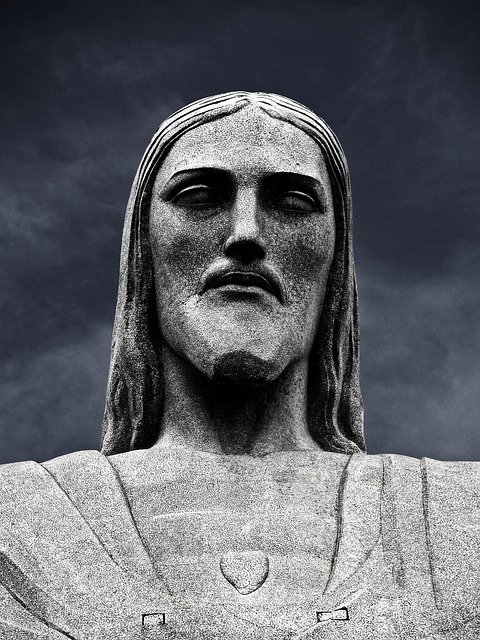
Christ the Redeemer Rio De Janerio Brazil
Christ the Redeemer, Rio de Janeiro
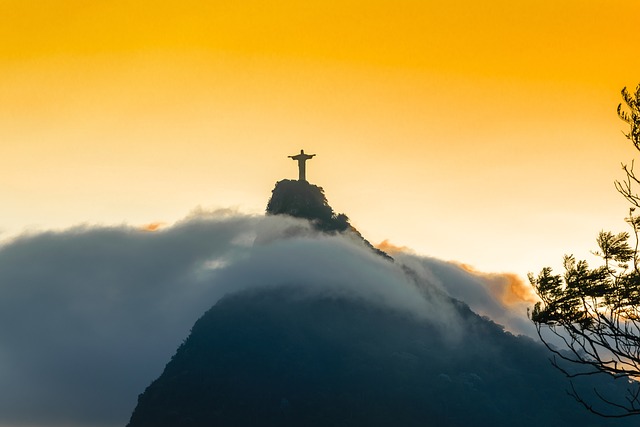
Every tile on Christ the Redeemer was placed by hand, and some of the women who helped apply them wrote names on the back before pressing the soapstone into mesh, sealing the letters inside the statue. The outer shell contains close to six million of those triangular soapstone tiles, a material chosen because it does not expand or contract with temperature...
read more
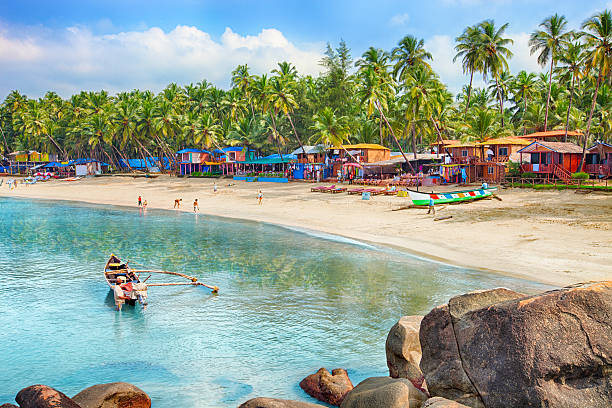
Goa
A Portuguese proverb once held that he who had seen Goa need not see Lisbon. At its peak between 1575 and 1625, Golden Goa, as it was known, was a port city of nearly 200,000 people, the administrative capital of the entire Portuguese empire east of the Cape of Good Hope, and home to more than 50 churches, chapels, monasteries, and convents. It was the most intensely ecclesiastical Christian...
read more
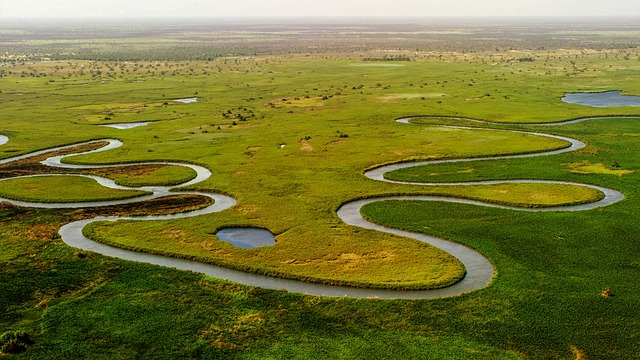
Okavango Delta, Botswana
The Okavango River rises in Angola, runs southeast for 1,600 kilometres, crosses into Botswana, and then does something rivers almost never do: it stops. Instead of reaching the sea, the Okavango fans out across the Kalahari sands and simply evaporates and absorbs into the earth, creating a permanent inland wetland the size of Switzerland. The flood pulse that drives this system is also...
read more
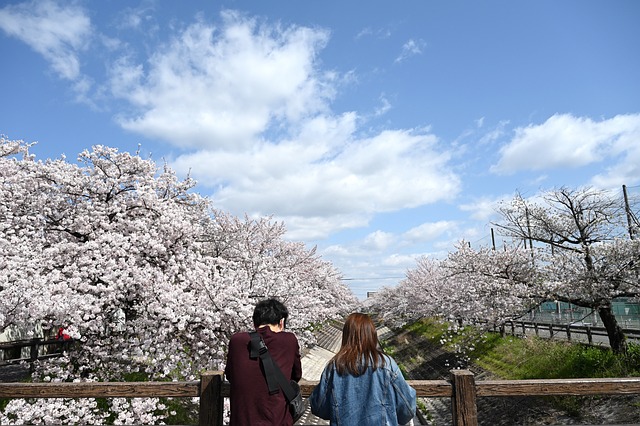
Lovers Bridge
Three bridges cross the Han River in central Da Nang within a few hundred metres of each other, and the Love Bridge (Cau Tinh Yeu) is not the most famous of them. The Dragon Bridge, 666 metres of fire-breathing dragon-shaped steel, holds that title. But the Love Bridge is the one couples walk slowly across at dusk, reading the names scratched into padlocks hanging from the railings, and it has...
read more
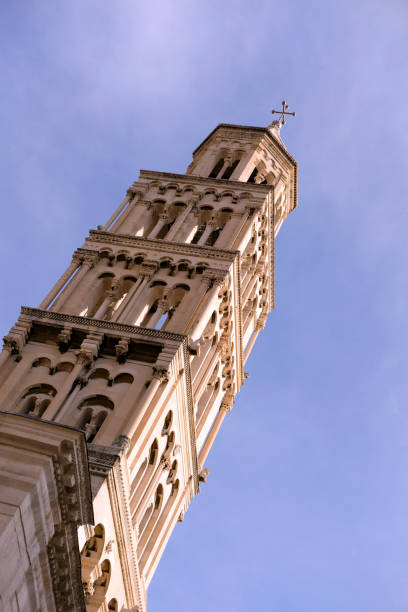
Historical Complex of Split With the Palace of Diocletian
Diocletian spent his reign persecuting Christians more systematically than almost any other Roman emperor. When he retired to the palace he built for himself on the Dalmatian coast in 305 AD, he was buried in a grand octagonal mausoleum at its centre. Within 350 years, that mausoleum had been converted into a cathedral. The irony is still visible: the Cathedral of Saint Domnius (named after one of...
read more
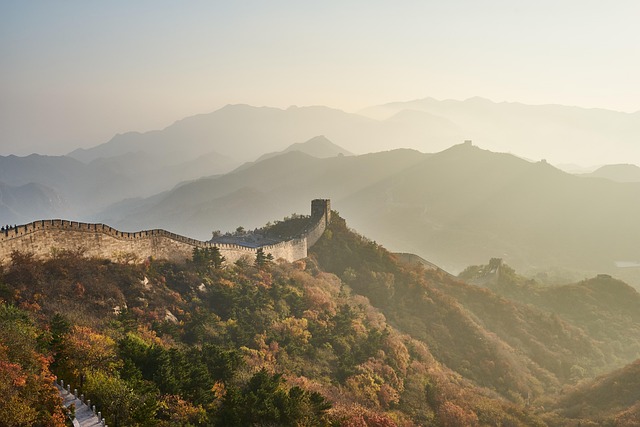
Great Wall of China
The Great Wall is not a single continuous structure. It is a collection of walls, ramparts, beacon towers, and fortifications built across roughly 2,000 years by successive Chinese dynasties, covering in total somewhere around 13,000 miles of terrain. Most visitors see only the Ming Dynasty sections built in the fifteenth and sixteenth centuries near Beijing, which are the best-preserved and most...
read more
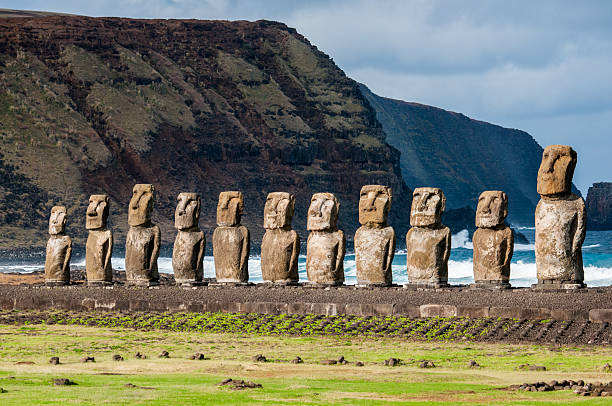
Easter Island
The Stone Giants at the Edge of the World
Three thousand seven hundred kilometres off the Chilean coast, a single runway connects Easter Island to the rest of humanity. LATAM Airlines operates roughly a dozen flights a week between Santiago and Mataveri International Airport, and they hold a monopoly. That reality shapes everything: airfares easily top US$1,000 return, and you cannot arrive on a...
read more
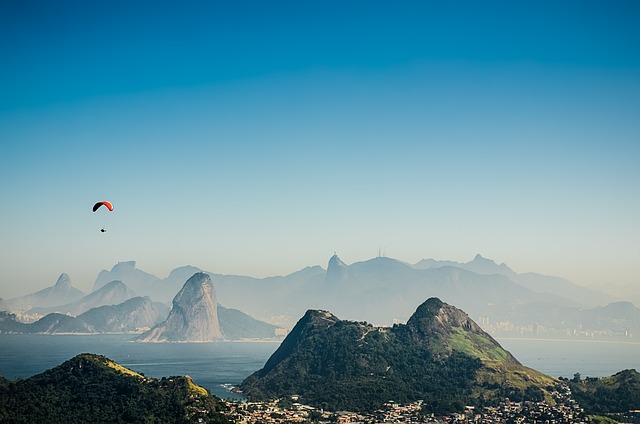
Pao De Acucar, Brazil
The first person confirmed to have climbed Sugarloaf Mountain was a British nanny named Henrietta Carstairs, who reached the summit in 1817 and planted a British flag at the top. Today the rock has over 270 climbing routes and is considered one of the world’s great urban climbing areas. Most visitors skip that particular ambition and take the cable car instead, which is also fine. The cable...
read more
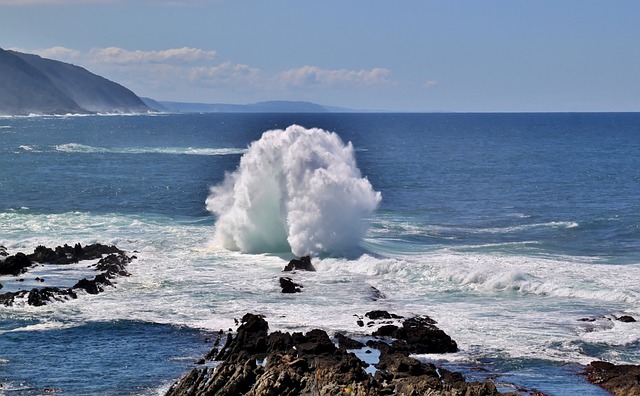
Kruger National Park South Africa
Kruger National Park was proclaimed in 1898 by President Paul Kruger primarily to protect dwindling game populations from hunting, not because of any particular reverence for wilderness. The forced removal of indigenous San, Makuleke, and Tsonga communities who had lived in the region for generations was considered a necessary condition of the park’s creation. That history sits alongside the...
read more

Djenne ,Mali
Every year, just before the rains arrive, the entire population of Djenne turns out to replaster the Great Mosque. The banco, a mixture of clay, water, and plant fibres, has been mixed in pits for days, left to ferment until it reaches the right consistency. Then it begins: a race to see who brings the first bowl of mud to the mosque walls, followed by the whole community climbing the toron (the...
read more

Qin Terra Cotta Warriors
When the first warriors were excavated after 1974, they were not the colour you see today. Every figure in the pits was originally coated in vibrant lacquer paint: vermilion, deep green, sky blue, ochre, black, pinkish-purple, light red, and orange, applied in multiple layers over a white base coat. Within 15 seconds of air contact, the ancient pigments began peeling from the clay. By the time...
read more
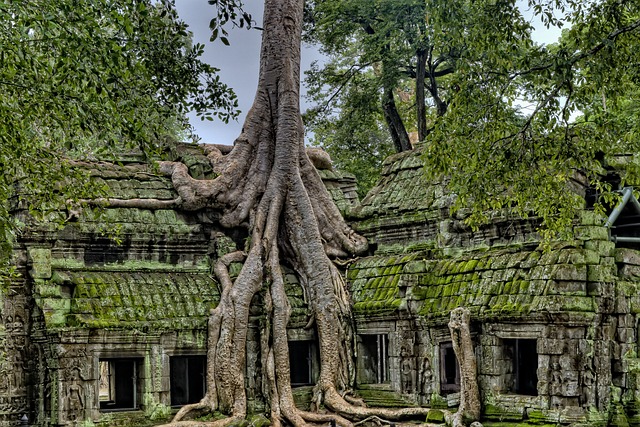
Angkor Wat, Cambodia
Angkor Wat, Cambodia The guide at the gate tells you they face west. Almost every Hindu temple in Asia faces east, toward the rising sun and the realm of the living. Angkor Wat faces west, toward the setting sun, the direction Hindu cosmology associates with death. Scholars have argued for a century about what that means. The most convincing reading is that King Suryavarman II, who began...
read more
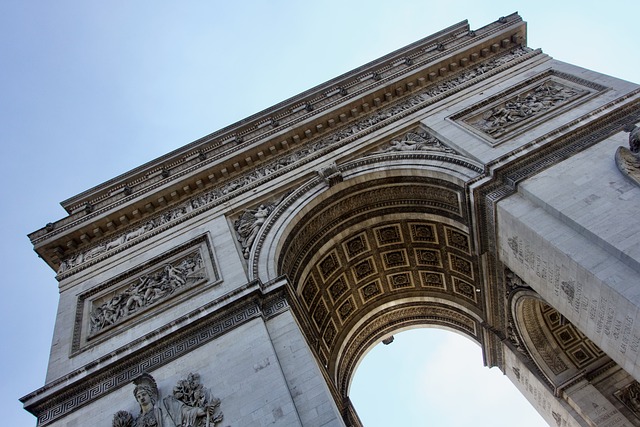
Arc De Triomphe
Arc De Triomphe Napoleon never stood under his own arch. He commissioned it in 1806, on the morning after Austerlitz, in a flush of imperial confidence. He died in 1821 on Saint Helena. The arch was not completed until 1836, fifteen years after his death, by a monarchy that had replaced the empire he built. Then, in December 1840, his remains came home from Saint Helena in a chariot drawn by...
read more
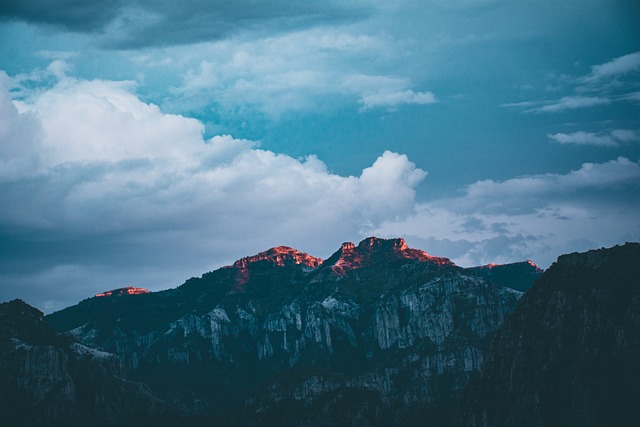
Copper Canyon, Mexico
Four Times the Grand Canyon, Almost No One There
Copper Canyon is not one canyon. It is a system of six interconnected gorges in Mexico’s Sierra Madre Occidental that together cover a greater surface area and reach greater depth than the Grand Canyon. The deepest point, above the Urique River, drops around 1,870 metres from rim to valley floor. Americans in particular tend to be surprised by...
read more