Recent Places
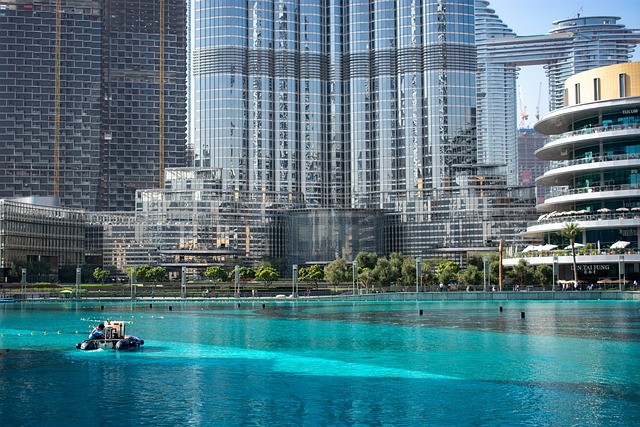
Burj Khalifa
Burj Khalifa The name on the building was not always Khalifa. For most of its construction, the tower rising over Downtown Dubai was called Burj Dubai, and the day it opened in January 2010, it was renamed on the spot. Abu Dhabi had just lent Dubai tens of billions of dollars to service its debts. The renamed tower was, among other things, a thank-you note. That detail does not appear on the...
read more
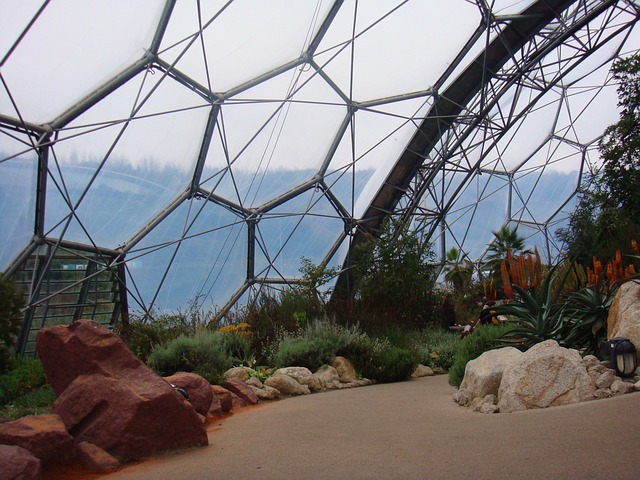
Eden Project
For the first few months of construction in 1998, it rained every day at the Bodelva china clay pit near St Austell. Forty-three million litres of water poured into a 60-metre-deep hole in the ground that had been mined for over 160 years and was sitting 15 metres below the water table. The engineering team improvised a drainage system and kept building. When Eden Project opened in 2001, it had...
read more
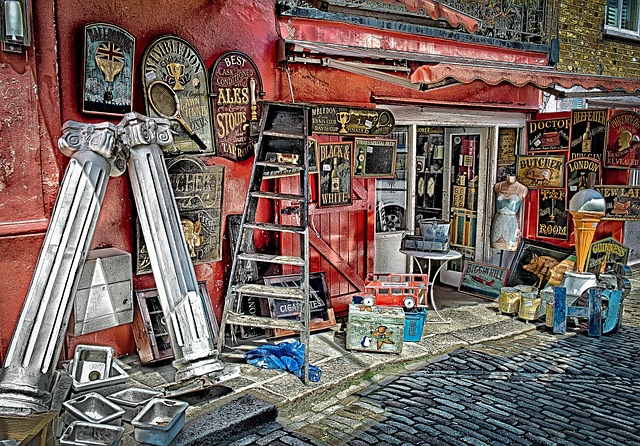
Notting Hill Carneval
Notting Hill Carnival did not begin as a Caribbean street party in West London. It began on a winter evening in January 1959 at St Pancras Town Hall in Camden, indoors, in direct response to the 1958 Notting Hill race riots. Claudia Jones, a Trinidadian activist and newspaper editor who had been deported from the United States and settled in London, organised what she called a Caribbean Carnival...
read more
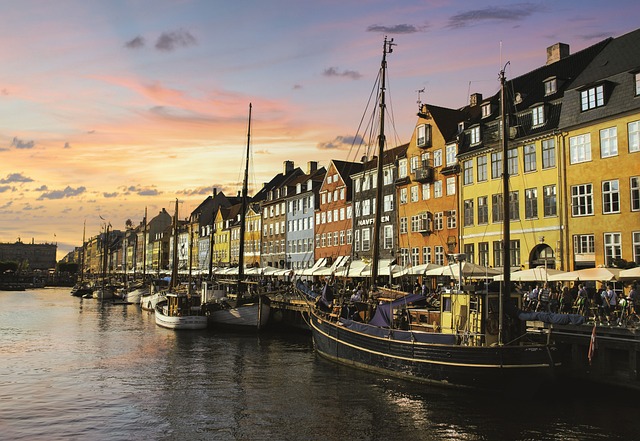
Nyhavn
Hans Christian Andersen lived at three separate addresses along this canal over the course of his life: numbers 18, 20, and 67. He spent the longest stretch at No. 67, from 1848 to 1865. At No. 20, he was writing in 1834 and 1835, producing the first booklet of fairy tales, which contained The Tinderbox, The Princess and the Pea, Little Claus and Big Claus, and Little Ida’s Flowers. The...
read more
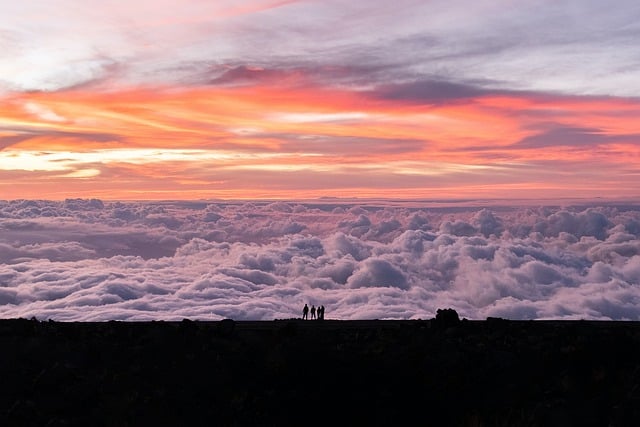
Maui
On August 8, 2023, a wind-driven wildfire destroyed most of Lahaina in under six hours. More than 100 people died. Lahaina had been the historic capital of the Hawaiian Kingdom, the most culturally significant town in the Hawaiian Islands, and the centre of West Maui’s visitor economy. What replaced it was a burnt grid of foundations and debris that is still, as of 2026, being cleared and...
read more
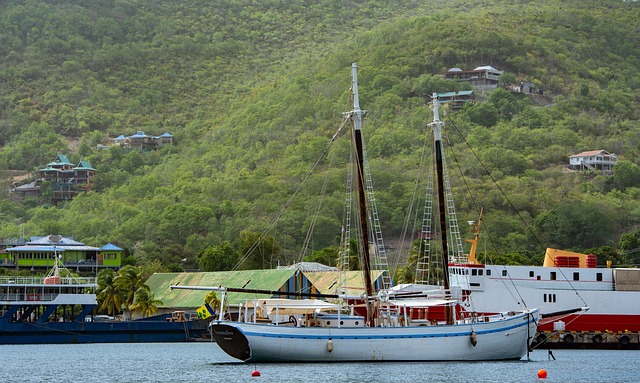
Mayreau, St. Vincent and the Grenadines
Mayreau has a permanent population of around 270 people, one road, no cars, and no airport. It covers less than half a square mile and sits 3 kilometres west of the Tobago Cays Marine Park. These facts are the point. The smallest inhabited island in the Grenadines chain is worth the effort of getting to precisely because that effort filters out the kind of tourist infrastructure that has...
read more
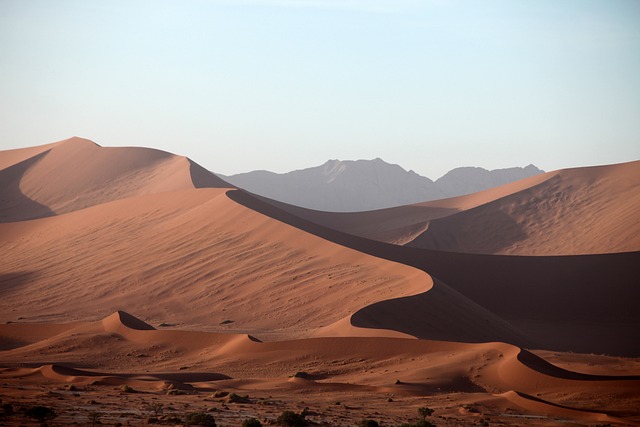
Sahara Desert, Africa
Only about a quarter of the Sahara is sand. The rest is rock: bare limestone plateaus called hammada, gravel plains called reg, mountain ranges reaching over 3,000 meters, salt flats, and ancient river valleys that have not seen water in thousands of years. The iconic rolling dunes that fill every photograph represent a minority of a desert that stretches 9.2 million square kilometers across 11...
read more
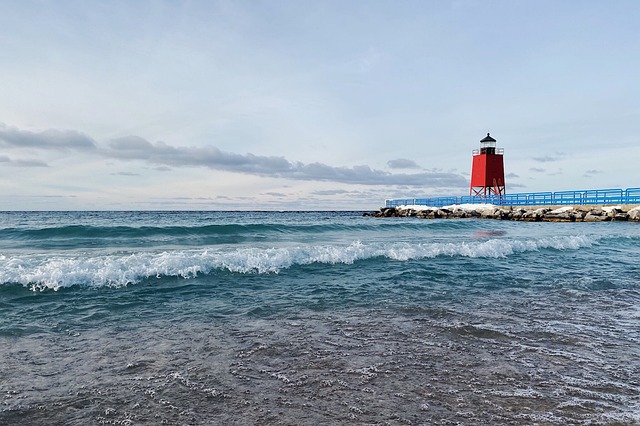
Great Blue Hole Belize
The stalactites hanging in the darkness 40 metres below the surface of the Great Blue Hole are still there because they formed in open air. Around 15,000 years ago, this was a dry limestone cave. When sea levels rose at the end of the last ice age, the cave flooded, the roof eventually collapsed, and what remained was a circular sinkhole 318 metres wide and 124 metres deep in the middle of the...
read more
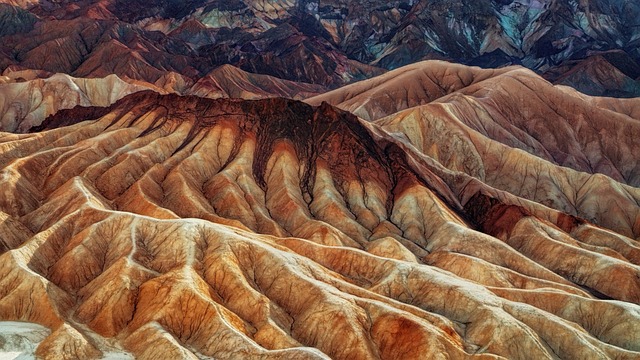
Death Valley
Death Valley
In July 2024, the weather station at Furnace Creek recorded nine consecutive days above 125 degrees Fahrenheit (51.7 Celsius), and the overnight low temperature on those days never dropped below 100 Fahrenheit. Park rangers dealt with multiple heat-related medical emergencies and two fatalities where heat was a contributing factor. The summer of 2024 was the hottest on record at Death...
read more
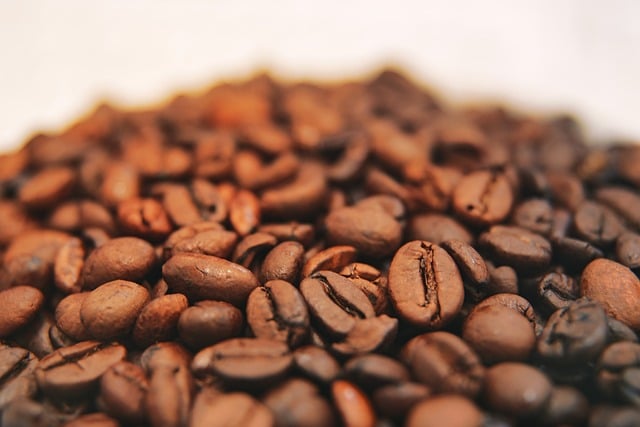
Get a Caffeine Jolt at a Famous Viennese Kaffeehaus
The glass of water that arrives with every coffee in a Viennese Kaffeehaus is not an afterthought. After the city opened its high-pressure spring pipeline in 1873, Vienna’s coffeehouses began serving their coffee with high-quality spring water as a deliberate status signal, proof that the establishment was using only the best water to brew. The practice became a social convention and has...
read more
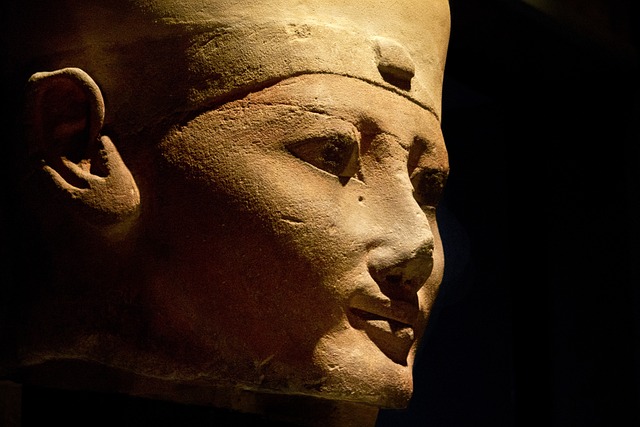
Egyptian Museum
If you visited the Egyptian Museum in Cairo’s Tahrir Square in 2024 expecting Tutankhamun’s golden mask to still be there, you would have left disappointed. The mask, along with all 5,398 objects from the boy king’s tomb, has now moved to the Grand Egyptian Museum on the Giza plateau, which opened formally in November 2025. For visitors planning a trip in 2026, this changes the...
read more
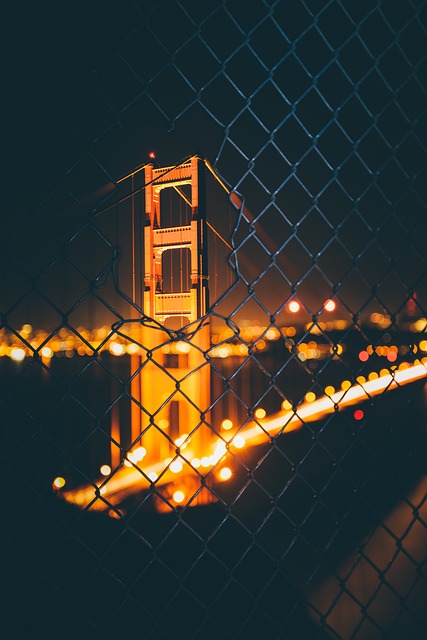
Golden Gate National Recreation Area
Golden Gate National Recreation Area: The Urban Park That Keeps Getting Bigger An Unusual National Park Golden Gate National Recreation Area does not look like a national park on a map. It is not one contiguous wilderness but a scatter of sites around San Francisco, Marin County, and the San Mateo coast, totalling over 80,000 acres. It contains a decommissioned federal prison, a redwood forest,...
read more
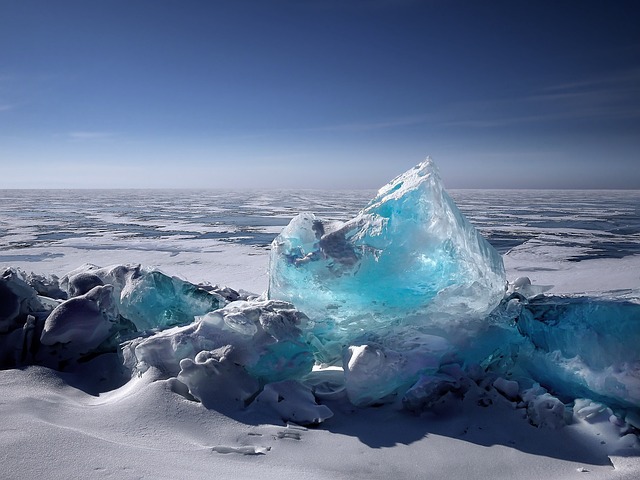
Ross Ice Shelf Antarctica
When James Clark Ross sailed south into the ice in January 1841, he expected to reach the open polar sea that cartographers of the era assumed must exist at high southern latitudes. Instead, on 28 January, he encountered something no one had prepared him for: a wall of ice stretching across the entire horizon, rising fifty to sixty metres above the water, absolutely vertical, running for hundreds...
read more
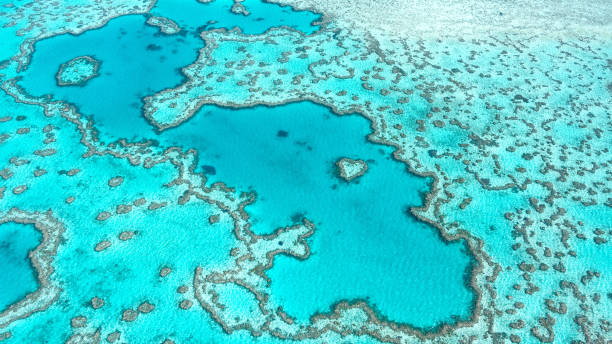
Great Barrier Reef
The Great Barrier Reef experienced its sixth mass bleaching event since 2016 in 2025, and Australia submitted a formal conservation report to UNESCO in February 2026 to defend the reef’s World Heritage status against a potential “In Danger” listing. The UNESCO World Heritage Committee is scheduled to consider that report at its 48th session in July 2026. Knowing this context...
read more
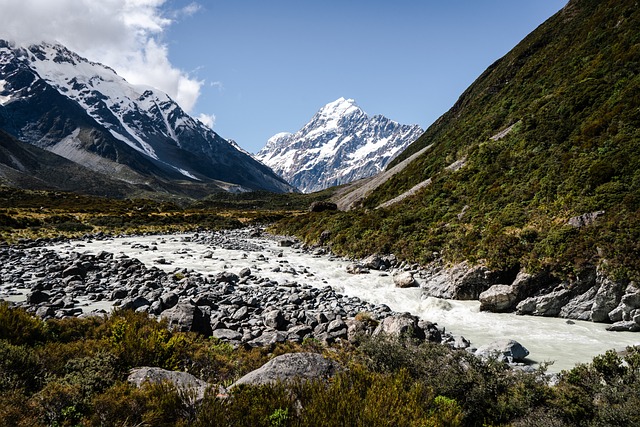
Mt Etna
Mount Etna erupted on Christmas Eve 2025, sending lava flows from the Southeast Crater across the Valle del Bove and triggering a significant eruption cycle that ran through early January 2026. This is not alarming news for visitors: Etna is the most active volcano in Europe and has been erupting, in one form or another, for at least 2,700 years of recorded history. The point is that it erupts...
read more
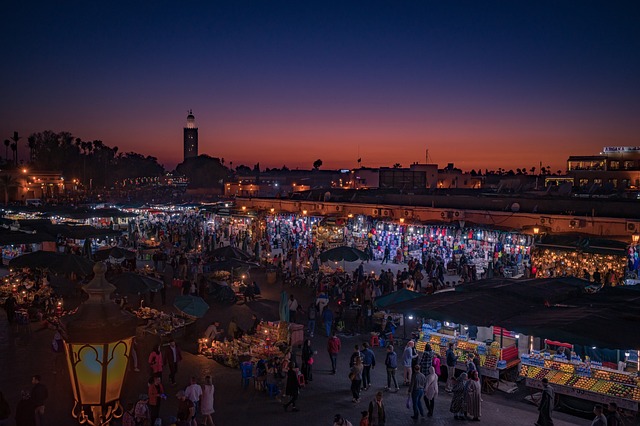
Khongoryn Els
The first thing the dunes do is make noise. Not a whisper, a low, resonant moan that rises out of nowhere as the sand slides down the face in a small avalanche. You look around expecting a distant engine or some trick of wind. There is nothing. Just 180 kilometres of sand, humming at you from the edge of the Gobi.
That sound is the whole reason Khongoryn Els is called Duut Mankhan in Mongolian:...
read more
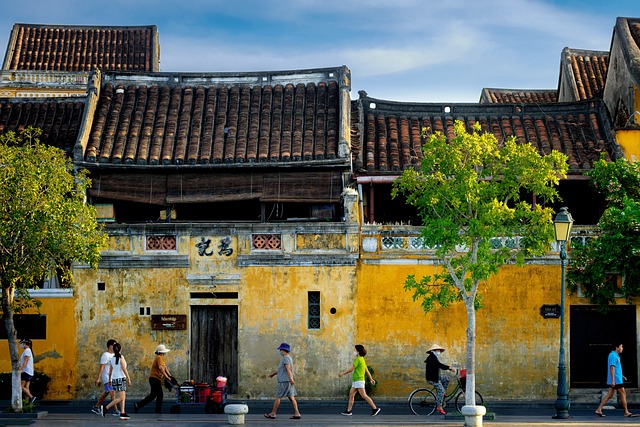
Hoi an Ancient Town, Vietnam
Hoi An’s Japanese Covered Bridge, built in the 1590s, crosses a narrow tributary of the Thu Bon River that no longer separates the two communities it was designed to connect. The Japanese merchants who commissioned it had largely disappeared within a generation of its completion: in 1635 the Tokugawa shogunate’s Sakoku edict ended official Japanese trade voyages, cutting off the flow...
read more
Ishak Pasa Sarayi
Ishak Pasha Palace sits on a rocky spur at 2,100 metres above sea level near Dogubayazit, with Mount Ararat filling the horizon to the north. The palace was not built by Ottomans in any straightforward sense. Construction started in 1685 under Colak Abdi Pasha, a hereditary Kurdish chieftain of the Ciidirogullari clan, and was completed in 1784 or 1785 by his descendant Ishak Pasha. The craftsmen...
read more
Bosque Nuboso Monteverde
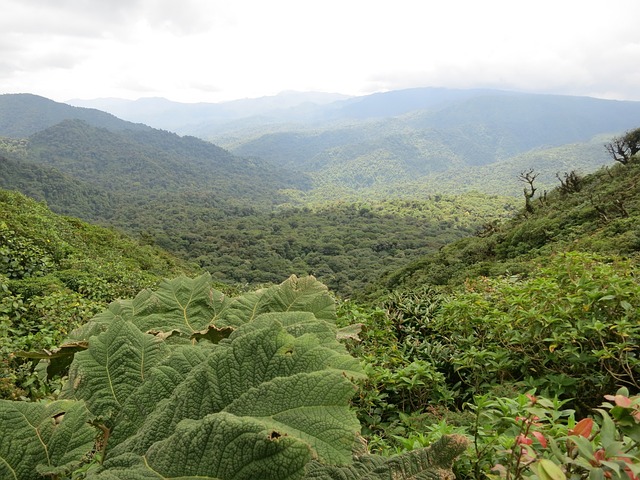
Cloud Forests of Monteverde, Costa Rica
In 1951, eleven Quaker families from Alabama loaded onto trucks and drove to Costa Rica, partly because several of the younger men had been jailed for refusing to serve in the Korean War, and partly because Costa Rica had just become one of the only countries in the world to abolish its military entirely. They bought 1,500 hectares of land in the central...
read more
Cotopaxi, Ecuador
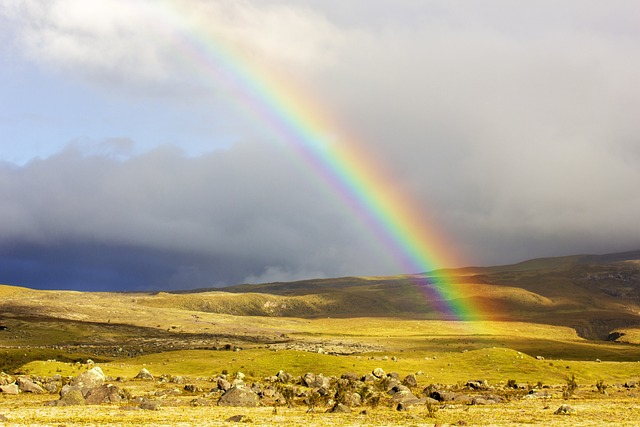
At 5,897 metres, Cotopaxi is the second highest mountain in Ecuador, one of the highest active volcanoes on Earth, and one of the few serious technical climbs on the planet that a fit, well-acclimatized person with no prior mountaineering experience can reasonably attempt, with a guide. It sits 55 kilometres south of Quito in the Avenue of the Volcanoes, a corridor of snow-capped peaks that...
read more
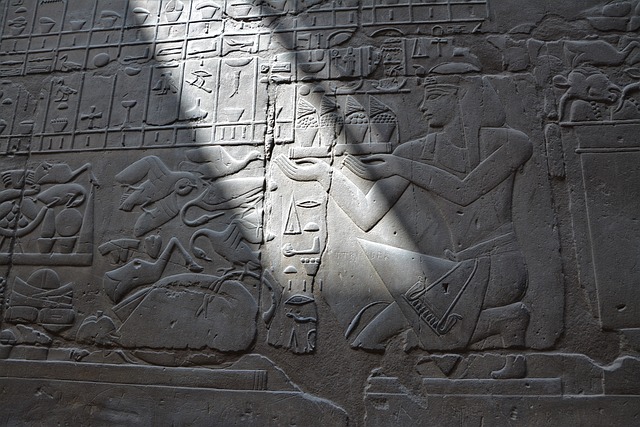
Karnak, Egypt
Karnak, Egypt
Archaeologists working beneath the floor of Karnak’s southern precincts in late 2024 found gold rings, amulets, and a small triad statue of Amun, Mut, and Khonsu, tucked inside a foundation deposit that had gone unnoticed for over three millennia. A separate team then published geoarchaeological data showing that the entire complex was originally an island surrounded by...
read more
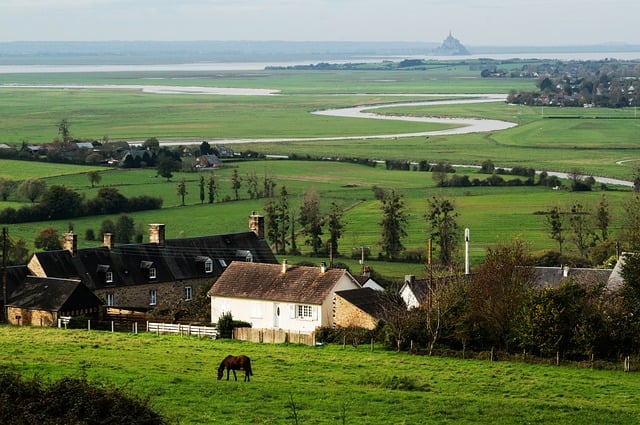
Le Mont Saint Michel
The tide at Mont Saint-Michel rises at the speed of a galloping horse. That is not a figure of speech borrowed from a tourism brochure; it is a genuine physical phenomenon explained by the shape of the bay, which acts as a funnel amplifying tidal flow. The difference between high and low tide can exceed 14 metres. When the spring tides come in around the equinoxes, with coefficients above 110, the...
read more
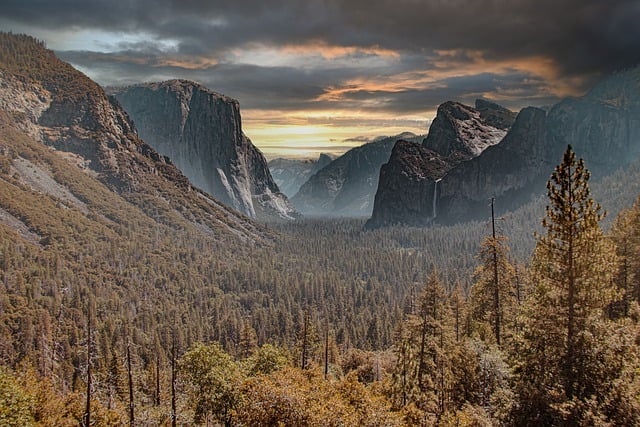
Pacific Rim National Park
There is no landmass between the west coast of Vancouver Island and Japan. That open stretch of the North Pacific is what drives the weather at Pacific Rim National Park Reserve: swells that have travelled thousands of kilometres arriving with undiluted force against a rainforest coastline. Winter storms here can produce waves exceeding 26 feet and drop 19 inches of rain in a single day. Most...
read more
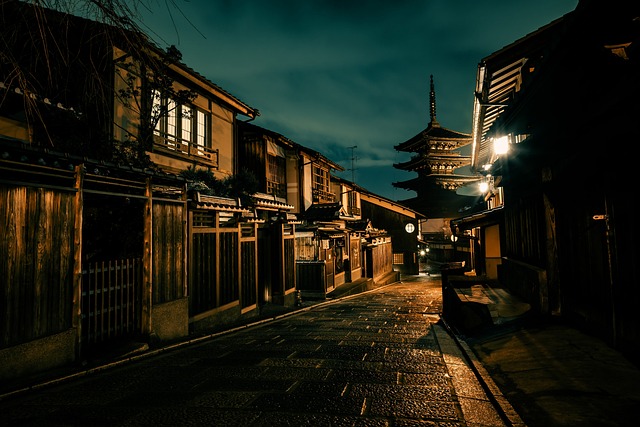
Gion District Japan
In October 2019, a visitor pushed a cigarette butt into a geiko’s collar while trying to photograph her. Another had part of her kimono torn. These incidents led to photography bans on private alleys in Gion, then to outright tourist exclusion zones with legally binding fines of ¥10,000 for entering certain side streets. If you are planning to visit in 2026 and your main goal is...
read more
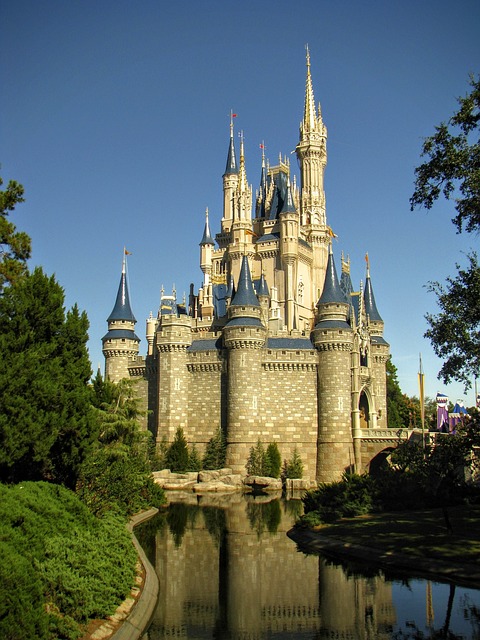
Hollywood Studios, Disney World, Orlando
Hollywood Studios in 2026 Is a Substantially Different Park Than It Was Two Years Ago
The Aerosmith coaster is gone. Muppet*Vision 3D closed permanently in June 2025. A new land has opened where Animation Courtyard used to be. If you are working from a 2023 or 2024 guide, some of what you have read about Hollywood Studios is already out of date.
The most significant change: Rock ’n’...
read more
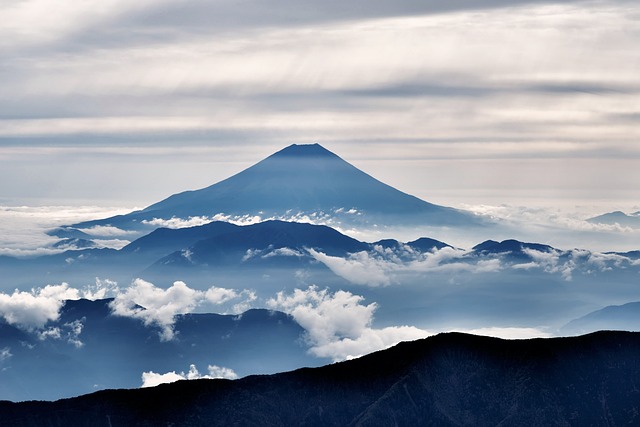
Mt Fuji
Mount Fuji last erupted in 1707. The event, triggered by a major earthquake 49 days earlier, rained ash on Edo (present-day Tokyo) for two weeks, blanketed the Kanto plain, and buried nearby villages under meters of volcanic debris. The mountain has been seismically quiet ever since, rated Level 1 (normal activity) on Japan’s volcanic alert scale, monitored continuously by seismometers, GPS...
read more
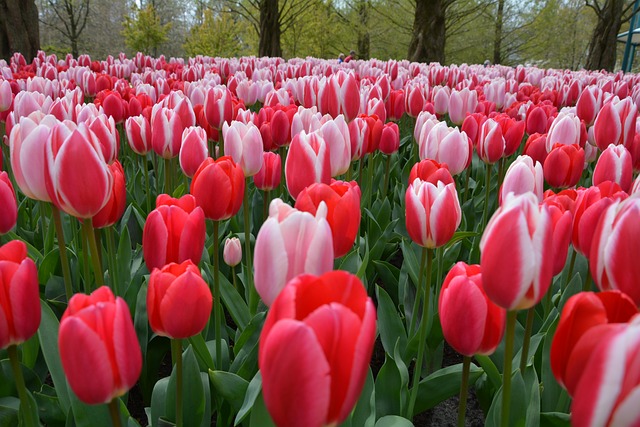
Lisse
Forty gardeners spend the autumn months from October to early December planting seven million bulbs at Keukenhof. They follow plans drawn up the previous spring, working from detailed maps that specify the exact colour sequence across each bed. By the time the gates open in late March, that labour is invisible. What visitors see is a finished explosion of colour, as if the tulips simply decided to...
read more
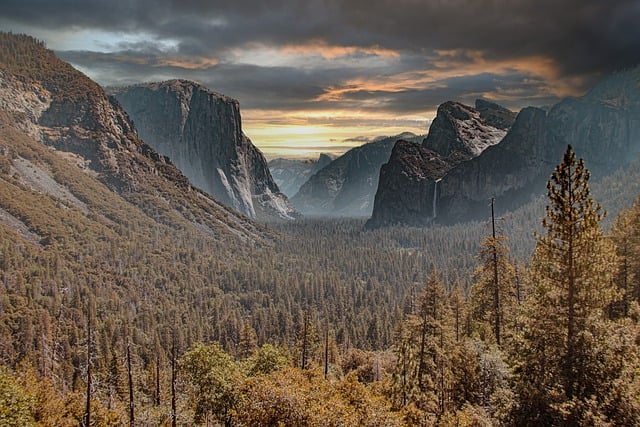
Lake Malawi National Park
Lake Malawi contains more freshwater fish species than the entire continent of Europe combined. That single fact explains why UNESCO designated it a World Heritage Site in 1984, describing the lake’s cichlid fish as being of equal value to science as Darwin’s Galapagos finches. Over 1,000 cichlid species live in these waters, the majority found nowhere else on earth. Lake Malawi...
read more
Hermitage Museum
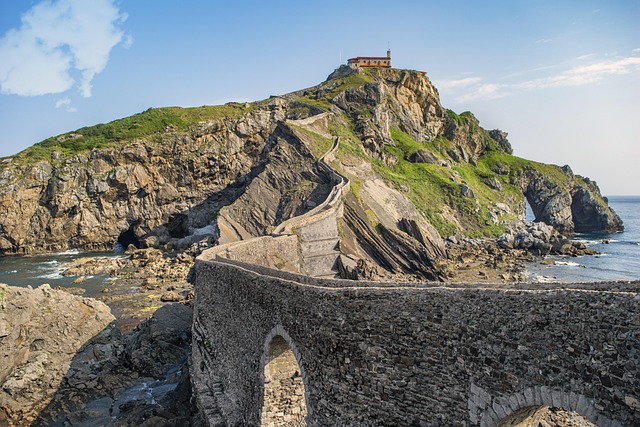
Catherine the Great did not set out to build one of the world’s great museums. In 1764 she accepted a collection of 225 paintings from a Berlin merchant named Johann Ernst Gotzkowsky, who had originally been buying them for Frederick the Great of Prussia. Frederick’s losses in the Seven Years’ War forced him to abandon the purchase, and Gotzkowsky, owed money by the Russian...
read more
Devils Tower
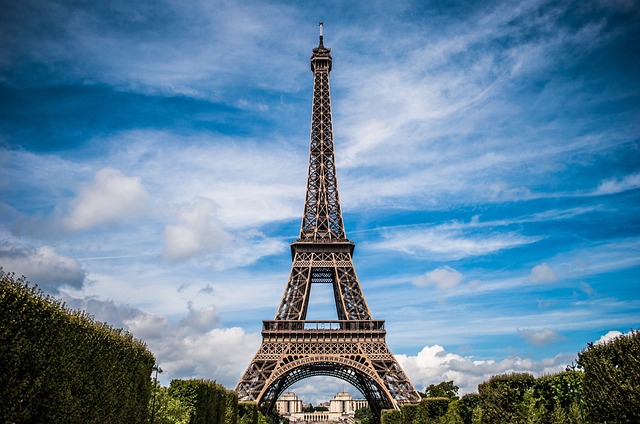
Devils Tower, Wyoming: America’s First National Monument What You Are Looking At The first view of Devils Tower from the road is disorienting. It looks like something placed there rather than something that grew from the surrounding landscape. A column of hexagonal rock, 386 metres tall from base to summit and roughly 300 metres in diameter at the base, rising from forested hills in...
read more
Lake Manasarovar
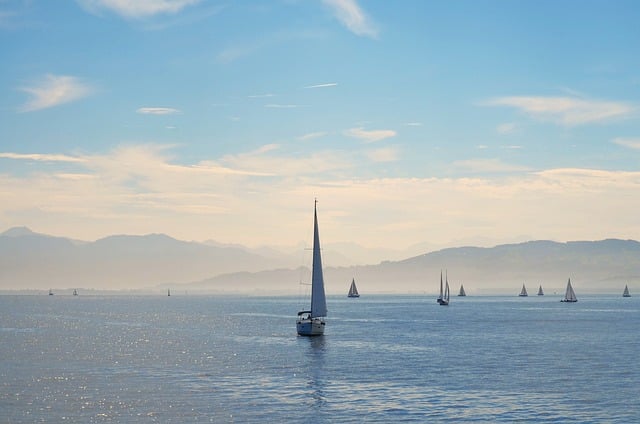
Four major rivers begin near here: the Indus, the Sutlej, the Brahmaputra, and the Karnali. Ancient Vedic geographers placed the source of all earthly water at this spot, at a lake 4,590 metres above sea level in the far west of Tibet, ringed by snowfields and close enough to Mount Kailash to see its pyramid summit across the water on a clear morning. They were not being poetic. They were trying...
read more
Great Buddha
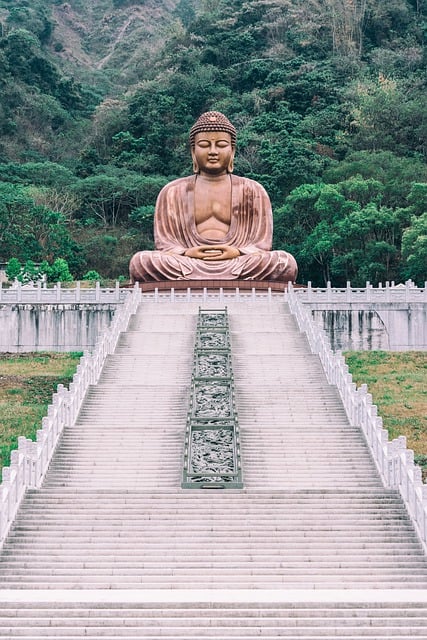
The Great Buddha of Kamakura: A Bronze Statue That Outlasted Its Temple The Statue Itself The Great Buddha at Kotoku-in temple in Kamakura stands 11.3 metres to the top of its head (13.35 metres including the base) and weighs approximately 93 tonnes. It was cast in bronze beginning around 1252 and completed over several years, representing Amida Nyorai, the Buddha of Infinite Light, in the...
read more
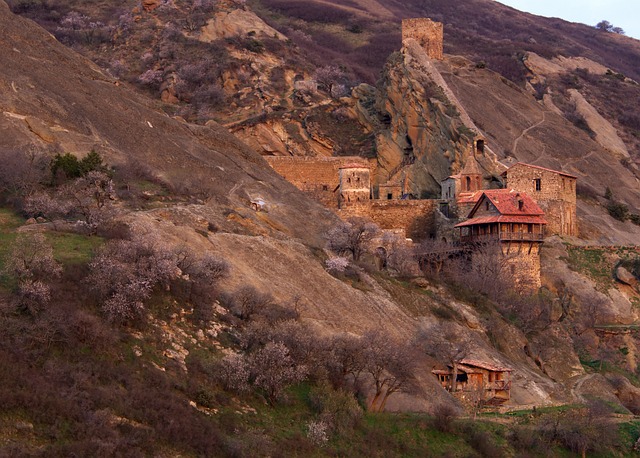
David Gareja Monastery Complex
The David Gareja Monastery Complex sits at the edge of a semi-desert on the Georgian-Azerbaijani border, and part of it is currently inaccessible because the two countries have been arguing about who owns the hillside it sits on since 2019. In July 2024, Georgian Orthodox pilgrims and activists attempted to return icons to caves on the disputed slope and were confronted by Azerbaijani border...
read more
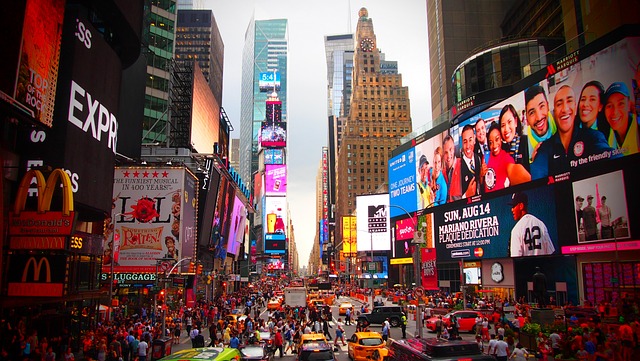
Times Square
Times Square was not originally named Times Square. Until 1904 it was Longacre Square, named for London’s carriage district, because the block was dominated by the stables, blacksmiths, and carriage-makers that serviced Manhattan’s horse-drawn vehicle trade. The New York Times, having built its new headquarters at 42nd and Broadway, lobbied the mayor to rename the area after the paper,...
read more
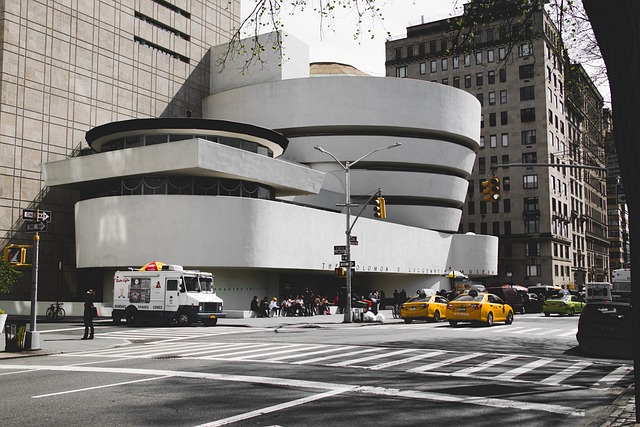
Museum of Old and New Art
The World’s Best Museum Nobody Expected to Be in Tasmania
David Walsh is a professional gambler who turned a winning streak into a private art collection, then carved that collection three storeys into a sandstone cliff above the Derwent River. The result, MONA (Museum of Old and New Art), opened in 2011 and promptly made Hobart a destination city for the first time in its history. That...
read more
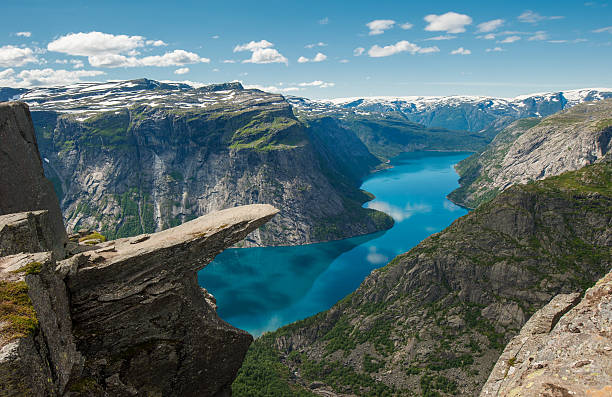
Trolltunga Norway
Until 2010, fewer than 800 people a year made it to Trolltunga. Now the figure is above 80,000. That explosion of interest has changed this hike fundamentally, and how you plan your visit should reflect that reality, not the quiet wilderness mystique that still dominates travel writing about it.
Trolltunga is a horizontal slab of rock jutting roughly 10 meters out from a cliff face, 700 meters...
read more
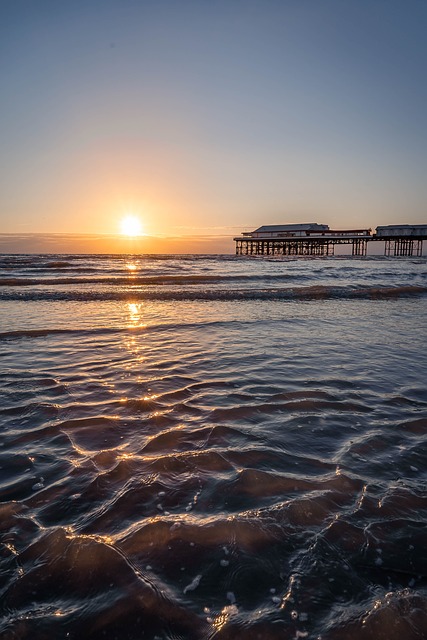
Blackpool Sands
The name is technically a lie. Blackpool Sands, named England’s best beach by Conde Nast Traveller in 2024, contains almost no sand at all. The beach is smooth shingle, and its owners cheerfully acknowledge the “misnomer”, pointing out that Slapton Sands, Beesands, and Hallsands nearby are all shingle too. The reason the water here looks so improbably clear is precisely because...
read more
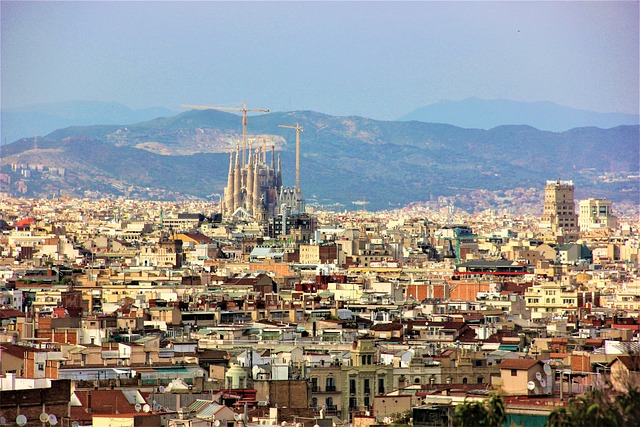
Sagrada Familia
On February 20, 2026, a worker fixed the final cross onto the Tower of Jesus Christ and the Sagrada Familia was structurally complete for the first time in 144 years. All 18 towers were standing exactly as Antoni Gaudi had drawn them in the 1880s. Fourteen years after Gaudi’s death, construction had begun. A century after that, Pope Leo XIV came to Barcelona and said mass beneath the...
read more
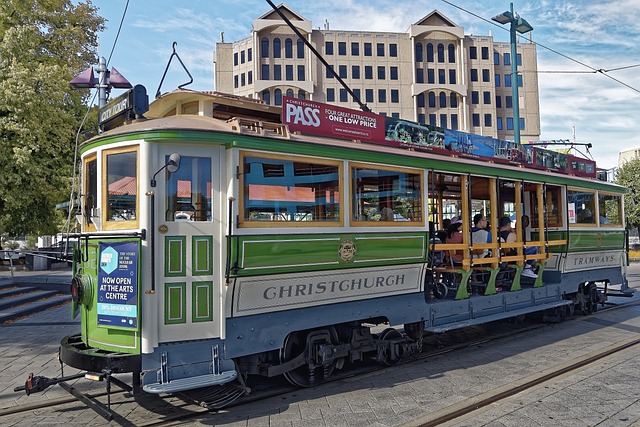
Christchurch
Christchurch, New Zealand: A City Still Writing Its Own Story
In 2011, a 6.3-magnitude earthquake killed 185 people and gutted Christchurch’s city centre. Fifteen years on, that catastrophe turned out to be the most radical urban redesign experiment in the Southern Hemisphere. The result is a city that feels genuinely new, partly unfinished, and more interesting than any tidily restored...
read more
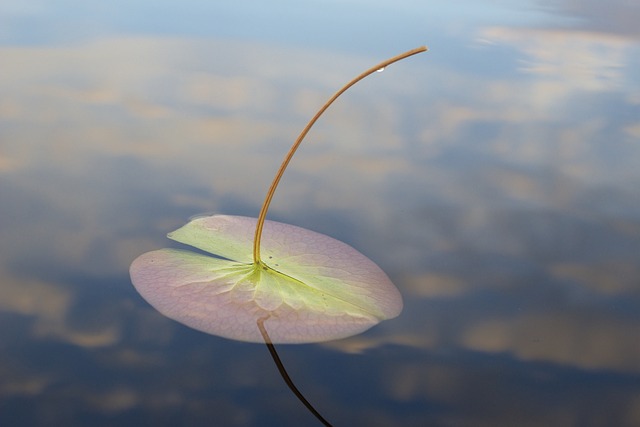
Boundary Waters, Minnesota
In January 2026, more than a million people competed for fewer than 70 daily entry permits to one of the most sought-after wilderness areas in North America. The Boundary Waters Canoe Area Wilderness in northeastern Minnesota is only a million acres, but the fight to get in, and to keep it protected, has lasted over a century.
The BWCAW covers roughly 1.1 million acres straddling the...
read more
Ephesus
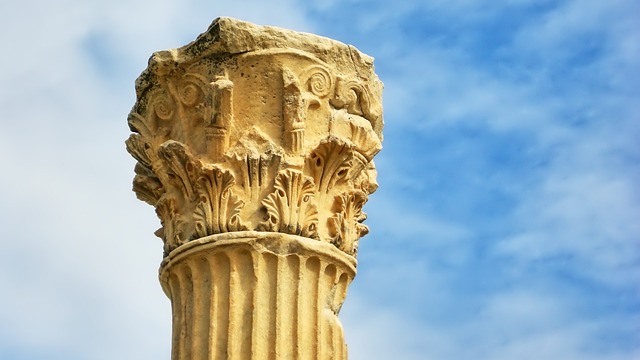
The Library of Celsus looks best at around 8:15 in the morning, when low light catches the facade columns and the tour buses from Kusadasi have not yet arrived. By 10:00, the same spot is a photo queue of two hundred people. That gap of ninety minutes is the most important piece of practical information about visiting Ephesus, and most travel writing buries it or skips it entirely.
Ephesus sits 3...
read more
Brooklyn Bridge
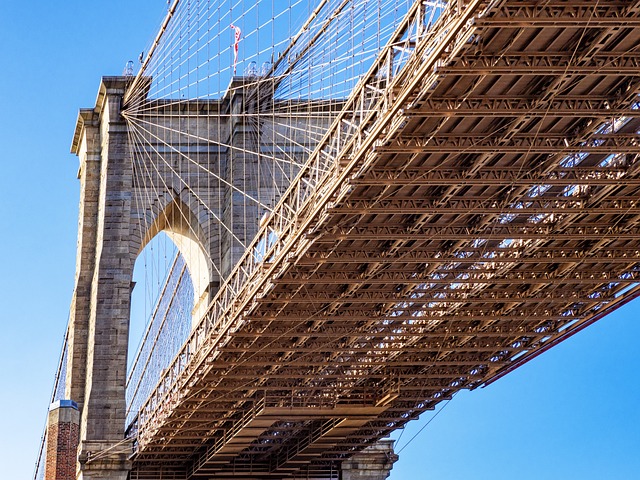
Brooklyn Bridge Six days after the Brooklyn Bridge opened to the public, a woman tripped on a stairway, another woman screamed, and twelve people died in the resulting stampede. The bridge had survived its engineers. It very nearly did not survive its admirers.
That was Memorial Day, May 30, 1883. The crowd that had flooded onto the promenade that afternoon had come because the bridge was new and...
read more
Winchester Cathedral
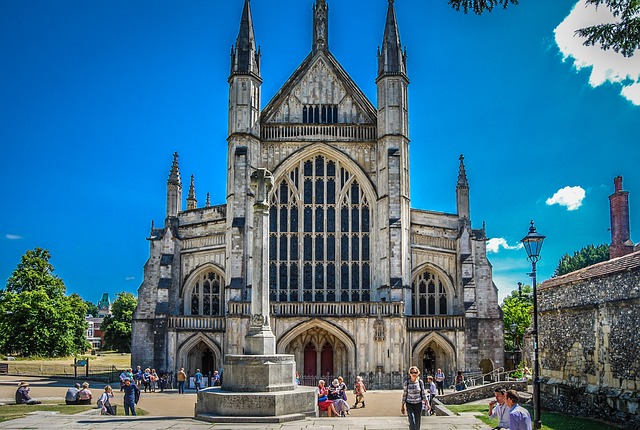
Between 1906 and 1911, a deep sea diver named William Walker worked six hours a day in complete darkness beneath Winchester Cathedral, laying bags of concrete and bricks by touch to stabilise foundations that were dissolving into the waterlogged ground. He worked alone in a heavy brass helmet and rubber suit, in water so murky he could see nothing, for five years. When the work was finished, the...
read more
Rwanda 7 Day Itinerary
Seven Days in Rwanda: A Country That Keeps Surprising You
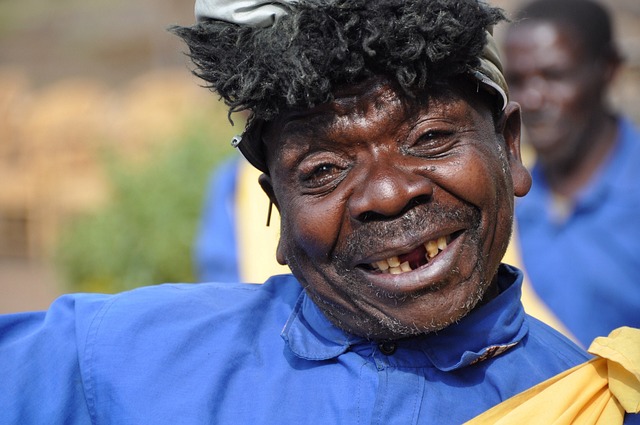
Most people who go to Rwanda go for the gorillas. That is fair. A gorilla trek in Volcanoes National Park is one of the genuinely exceptional wildlife experiences available anywhere in the world, and the 99% sighting success rate is real. But Rwanda in seven days is not just about one morning in the forest. The country is small enough that...
read more
Acropolis
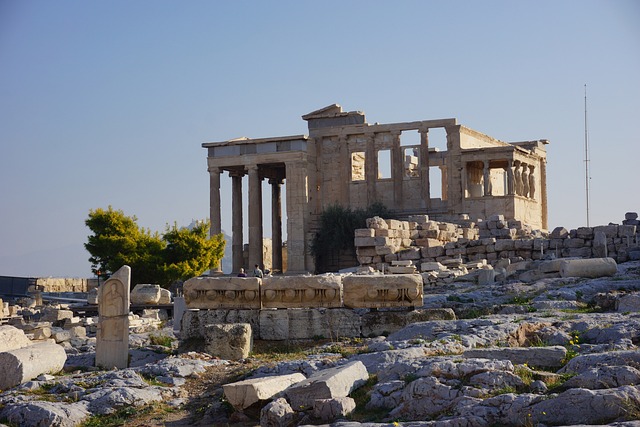
Acropolis The Venetians fired a mortar from Philopappos Hill on September 26, 1687, and accidentally destroyed one of the most perfect buildings ever constructed. The Ottomans were storing gunpowder inside the Parthenon. The resulting explosion killed around 300 people, blew out the temple’s long flanks, and left the building in the state you will find it today. The Venetian commander,...
read more
Drakensburg Mountains
The Drakensberg Contains 40,000 Rock Paintings and Almost Nobody Goes to See Them
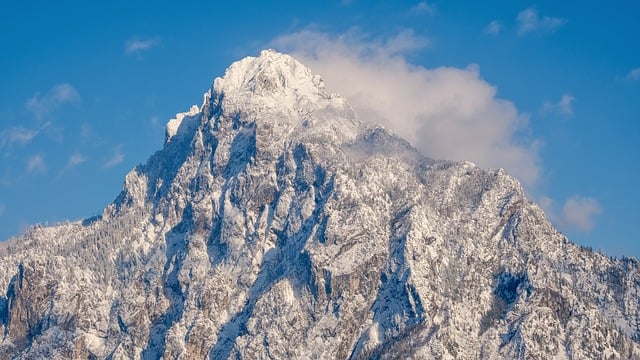
The uKhahlamba-Drakensberg is a UNESCO World Heritage site listed under both natural and cultural criteria, which is an unusual double. The natural case is obvious: a 200-kilometre escarpment rising to 3,482 metres (Thabana Ntlenyana across the border in Lesotho), forming the highest peaks in southern Africa. The...
read more
Mardi Gras New Orleans
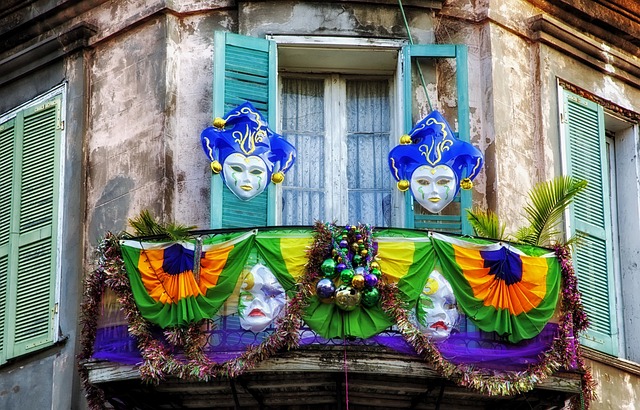
The first American Mardi Gras took place on March 3, 1699, when French explorer Pierre Le Moyne d’Iberville landed near present-day New Orleans and held a small celebration at a spot his crew named Point du Mardi Gras. By 1857, the celebrations had grown so chaotic that city officials were seriously considering abolishing them. That same year, a secret society of local businessmen called the...
read more
Iron Bridge, Shropshire
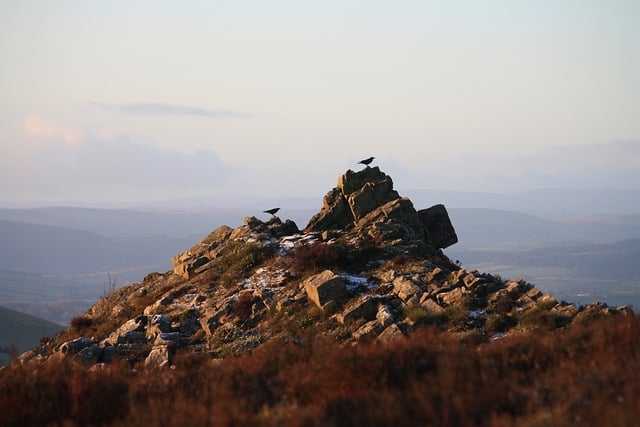
The world’s first iron bridge went over budget by a third, nearly bankrupted the man who built it, and was opened to traffic on New Year’s Day 1781, eighteen months after it first spanned the River Severn. Abraham Darby III absorbed the cost overruns personally; the original estimate was around 4,000 pounds, the final bill closer to 6,000. He died in 1789, aged thirty-nine, having...
read more
Khao Sok National Park
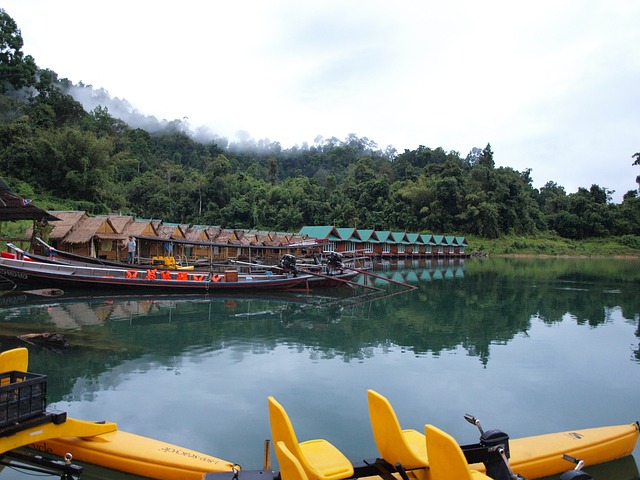
The rainforest at Khao Sok is older than the Amazon. Scientists estimate the forest at around 160 million years old, a figure that stays with you as you stand at the water’s edge of Cheow Lan Lake watching limestone karst towers rise vertically out of still green water. Thailand remained close to the equator throughout the ice ages, receiving enough rainfall when other regions were drying...
read more
Cuillin Hills
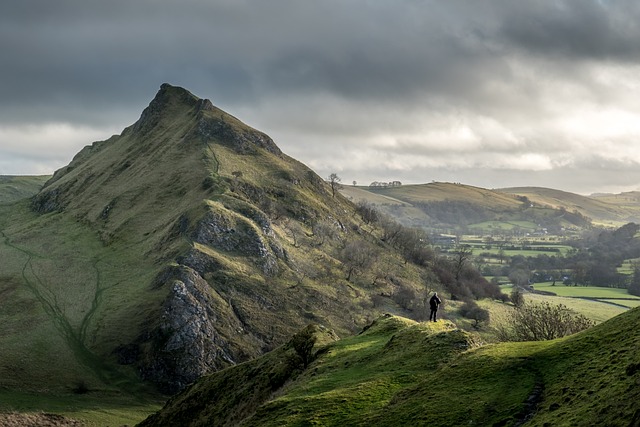
The only Munro in Scotland that requires a rope to summit sits in the Cuillin of Skye. The Inaccessible Pinnacle is a blade of gabbro on the summit of Sgurr Dearg, and reaching the top demands a short but genuine rock climb: Moderate standard on the East Ridge, which is the route used in around 95 percent of ascents. On a dry day with a qualified guide, it is achievable by people with no prior...
read more