Recent Places
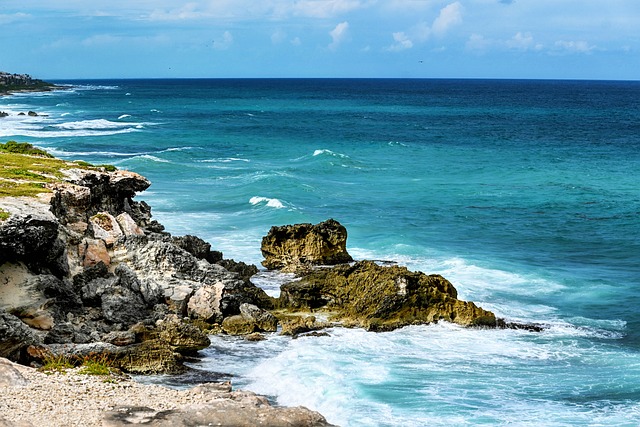
Isla Mujeres
The 20-Minute Ferry Ride That Changes Everything
Most visitors to Cancun spend their whole trip on the hotel strip, watching the Caribbean from behind a swim-up bar. That is a shame, because 20 minutes and roughly $30 USD separates them from one of the most relaxed islands in Mexico. Isla Mujeres is only 8 kilometers long and about 800 meters wide at its broadest point, yet it packs in world-class...
read more
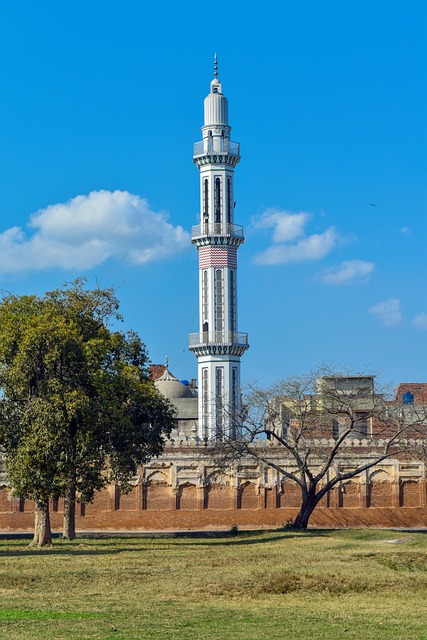
Fort and Shalimar Gardens Lahore Pakistan
Lahore Fort and Shalimar Gardens: Four Centuries of Mughal Ambition Two UNESCO Sites in One City Lahore holds two UNESCO World Heritage Sites that are listed together under a single designation: the Lahore Fort (Shahi Qila) and the Shalimar Gardens. They were built by different Mughal emperors over a period of several decades, they sit several kilometres apart, and they represent two different...
read more
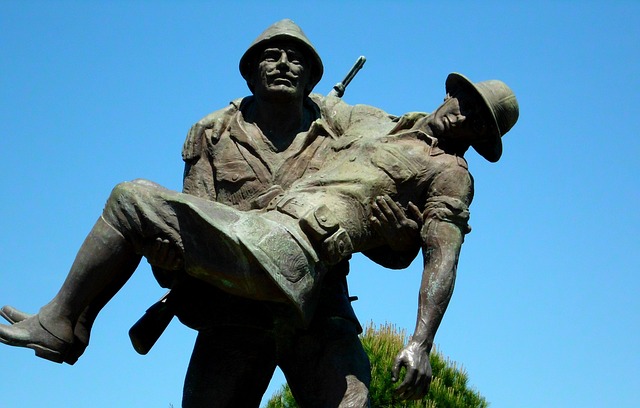
Gallipoli Peninsula
Gallipoli Peninsula: Where History Weighs Heavier Than You Expect
Standing at ANZAC Cove just before dawn, with the Aegean fog still clinging to the cliffs above you, the scale of what happened here in 1915 hits differently than any museum exhibit. More than 130,000 men died on this narrow strip of Turkish land over eight months, and the ground still shows it: the trenches are that close together...
read more
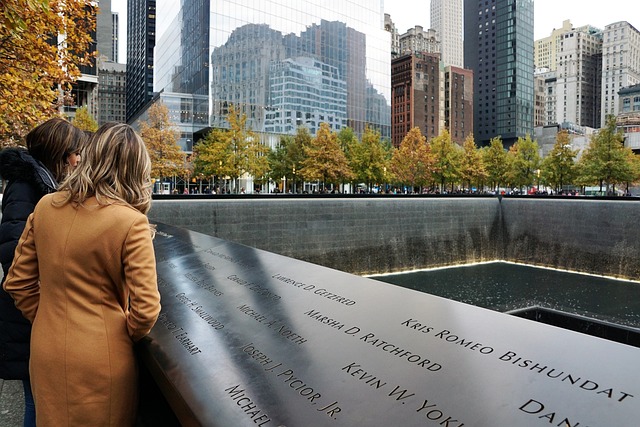
Freedom Tower Ground Zero
The building was never officially named the Freedom Tower. On March 26, 2009, the Port Authority of New York and New Jersey quietly confirmed that the skyscraper rising from the World Trade Center site would carry its legal address: One World Trade Center. The original name had been mocked publicly, and commercial leasing agents pointed out that “Freedom Tower” made the building sound...
read more
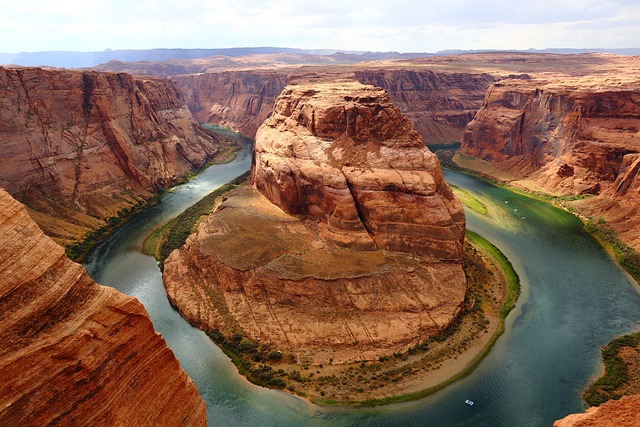
Grand Canyon, United States
Every year around five million people visit the Grand Canyon and most of them spend two hours at Mather Point on the South Rim, take photographs, and leave. That is not a criticism exactly, because Mather Point is genuinely spectacular, but the canyon is 446 km long and only 1 km deep, and the rim viewpoints barely scratch what the place actually is. Getting below the rim, even just for a few...
read more
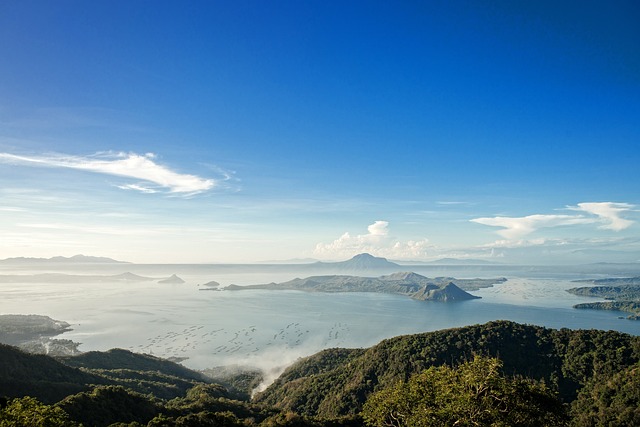
Crater Lake
Seven thousand seven hundred years ago, a volcano named Mount Mazama erupted so violently that it consumed itself. The peak, once roughly 12,000 feet tall, collapsed inward, leaving a six-mile-wide void. Rain and snowmelt filled that void over the next thousand years, producing what is now Crater Lake: the deepest lake in the United States at 1,949 feet, and one of the clearest bodies of water on...
read more
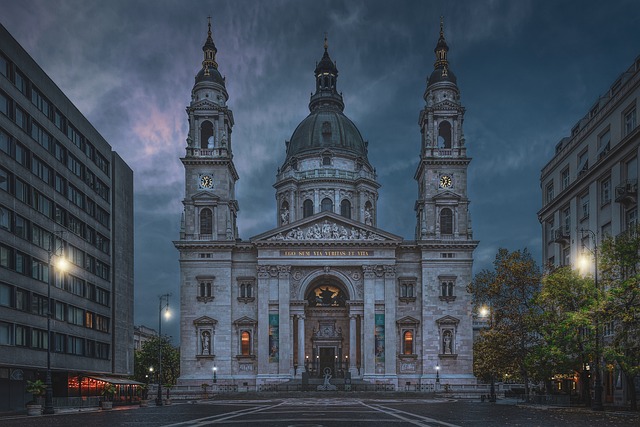
Heroes Square, Budapest
Heroes’ Square, Budapest: Where 1,000 Years of History Stand in Stone
When the Austro-Hungarian Empire wanted to mark a millennium of Magyar presence in the Carpathian Basin, it didn’t build a museum or a palace. It cleared a vast open square at the end of Andrássy Avenue and erected a 36-metre column topped by the Archangel Gabriel, flanked by colonnades bearing fourteen of...
read more

Great Smoky Mountains National Park, Tennessee
Every year, around 12 million people visit Great Smoky Mountains National Park without paying a single dollar at the gate. No entrance fee. No timed-entry reservation system. No passes required. That makes it the most visited national park in the country by a wide margin, and it is one of the few places in the American park system where a 1951 deed restriction and a 1994 federal law still keep the...
read more
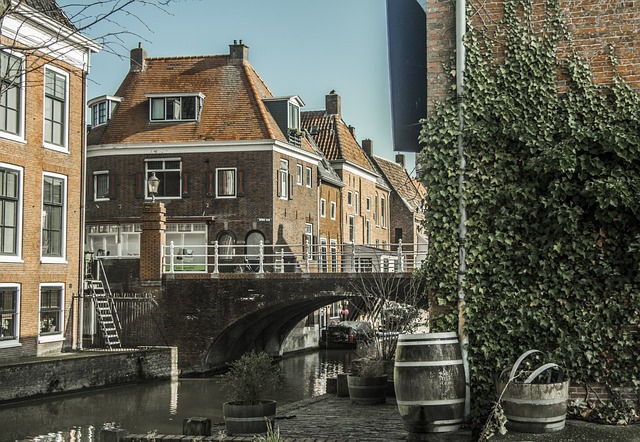
Baarle Nassau, Netherlands
In 1995, a field on the southern edge of the village of Ulicoten was found to belong to neither the Netherlands nor Belgium. For over 150 years after the Treaty of Maastricht was signed, it sat in a kind of national limbo. Belgian authorities eventually claimed it as the 22nd enclave of Baarle-Hertog. That detail, small and quietly absurd, tells you everything you need to know about Baarle-Nassau....
read more
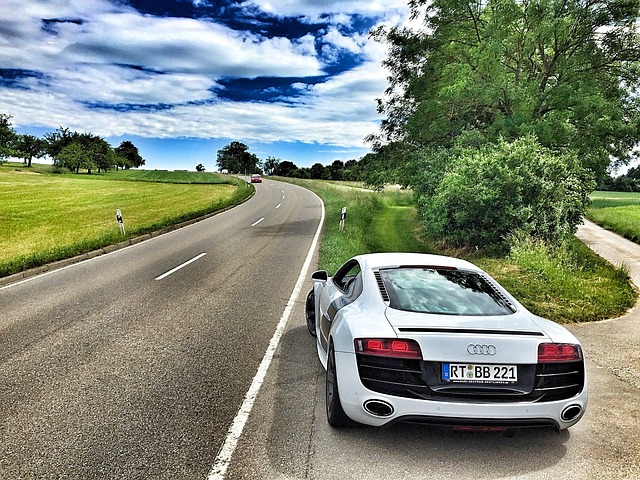
Borgarfjörður Eystri
The first puffin landed at Hafnarhólmi on April 8, 2025. That single fact tells you everything about what makes Borgarfjörður Eystri different from every other place in East Iceland: people here track their puffins the way farmers track their sheep, by name of colony and exact arrival date. The village has 91 permanent residents and, for roughly four months a year, an estimated 10,000 nesting...
read more
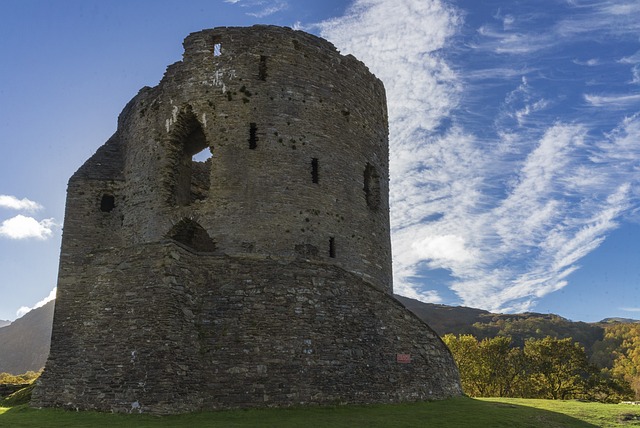
Caernarfon
The walls of Caernarfon Castle are not grey. Stand close and you will see bands of different coloured stone, a deliberate echo of the Theodosian walls of Constantinople, because Edward I wanted his garrison town on the Menai Strait to announce imperial ambition, not merely military strength. That detail, missed by most visitors who spend five minutes photographing the exterior and moving on, tells...
read more
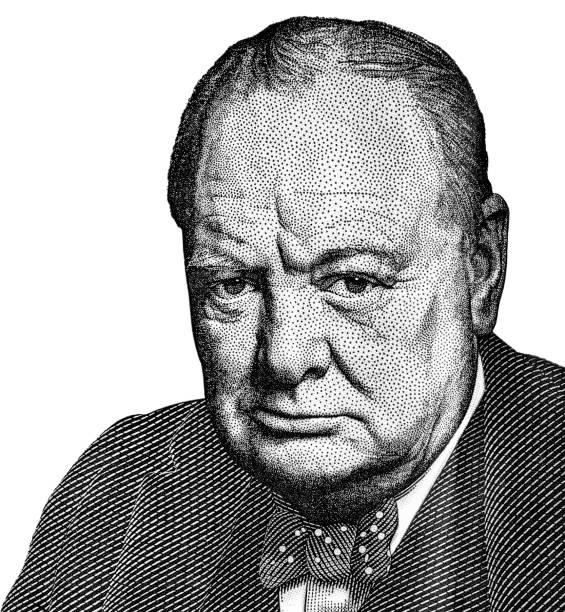
Churchill
Every October, around 900 polar bears gather on the shores of Hudson Bay just outside Churchill, Manitoba, waiting for the sea ice to freeze so they can hunt seals. They are not waiting for you, but you are waiting for them, and the town of 900 people has built an entire economy around that shared patience. Churchill is the only place on Earth where you can stand on tundra, watch wild polar bears...
read more
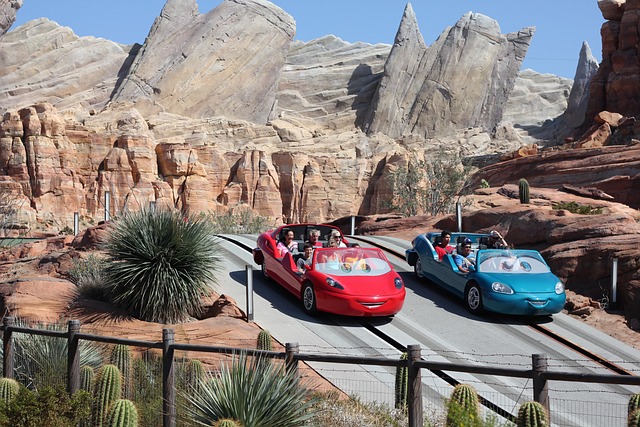
Disney's California Adventure
When Disney California Adventure opened on February 8, 2001, only about 5,000 to 9,000 people showed up on a typical weekday, against a capacity of 33,000. The park that now rivals its older sister for attendance once had just 20 percent of first-year visitors reporting satisfaction with their experience. That turnaround is arguably the greatest theme park comeback story in modern history, and...
read more
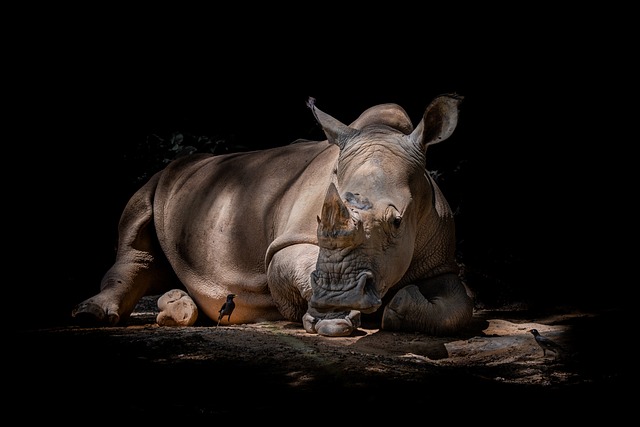
Dalí's Rhinoceros, Marbella
Salvador Dalí had a lifelong obsession with the rhinoceros that started at age nine, when he noticed a woodcut by Albrecht Dürer hanging in his family home. That 1515 print of an Indian rhino haunted him for decades, feeding his theory that the animal’s horn embodied a kind of divine mathematical perfection. The result of that fixation stands today at the Cristamar roundabout at the entrance...
read more
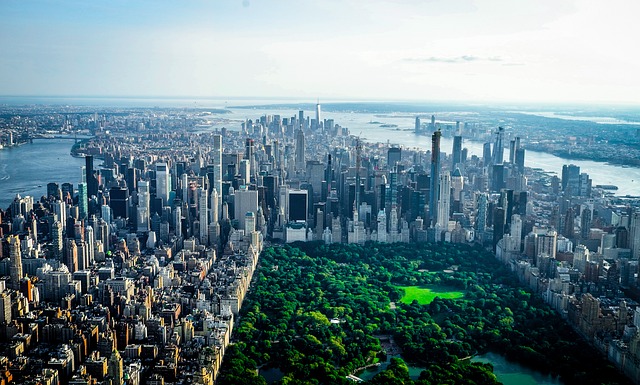
Central Park
Central Park Before it was a park, it was a village. Before it was a village, it was a swamp. Somewhere between those facts lies the thing that most people miss when they walk through the Merchant’s Gate at 59th Street and immediately head for Bethesda Fountain: Central Park is not a piece of nature preserved inside a city. It is a piece of city disguised as nature, and almost everything you...
read more
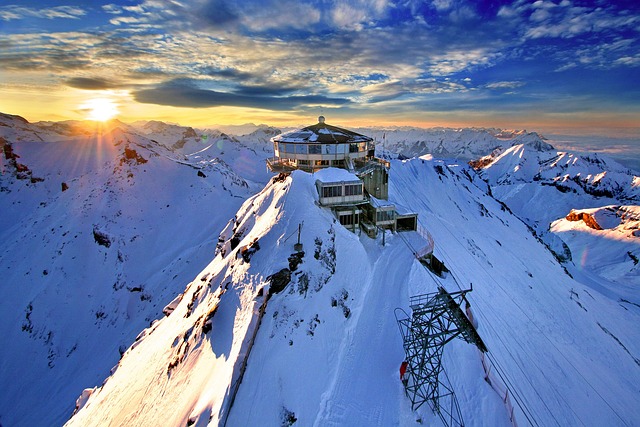
Schilthorn, Switzerland
When the producers of “On Her Majesty’s Secret Service” arrived in the Bernese Oberland in 1968, they found a half-finished revolving restaurant sitting unused at the top of the Schilthorn at 2,970 metres. They offered to complete the interior and build a helicopter landing pad in exchange for filming rights. The deal cost Eon Productions around 60,000 pounds. The restaurant,...
read more
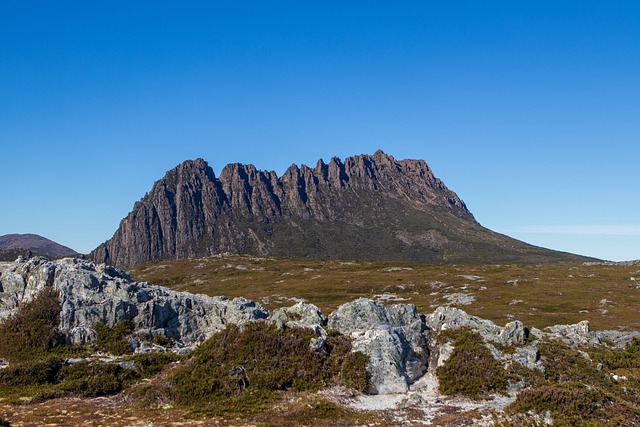
Cradle Mountain
Cradle Mountain, Tasmania
On a clear morning, the reflection of Cradle Mountain in Dove Lake is one of the more reproduced images in Australian travel photography, and the reality does not disappoint the expectation. What the photographs do not communicate is the wind, which at 1,545 meters comes in from the west with serious intent, or the distance from anything resembling urban infrastructure....
read more
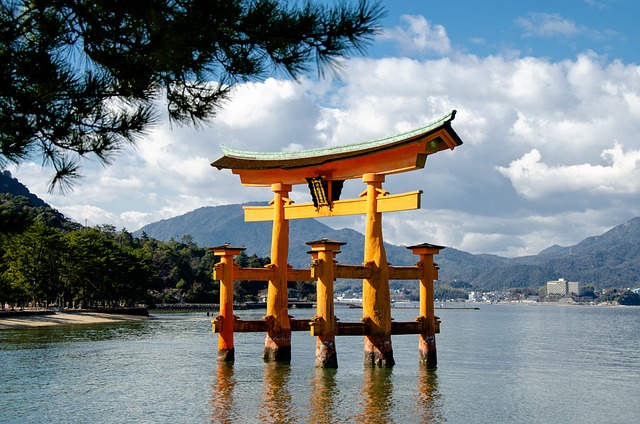
Itsukushima Shinto Shrine
Miyajima island has been considered so sacred that, since at least the late 19th century, births and deaths have been formally prohibited within its boundaries. Pregnant women approaching their due dates cross to the mainland; the terminally ill are moved before they die; burials are forbidden. The island itself is the deity, not merely a place where deities are worshipped. This distinction...
read more
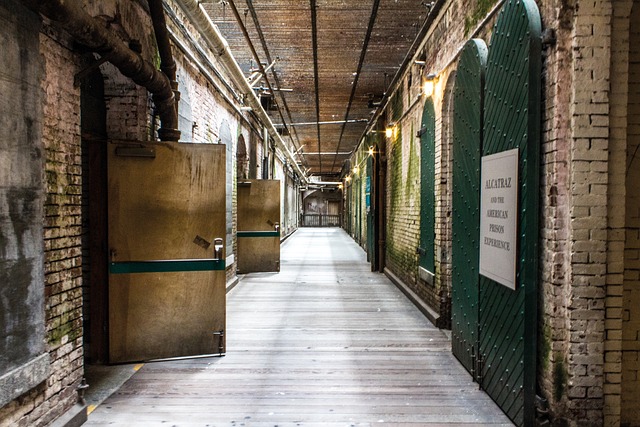
Alcatraz
Alcatraz On the morning of June 12, 1962, a guard at Alcatraz tried to wake a sleeping inmate named Clarence Anglin. The dummy head rolled off the pillow and onto the floor. By the time officers realized what they were looking at, Frank Morris and the Anglin brothers had been gone for hours somewhere on San Francisco Bay, either drowned or free, a question the FBI never definitively answered...
read more
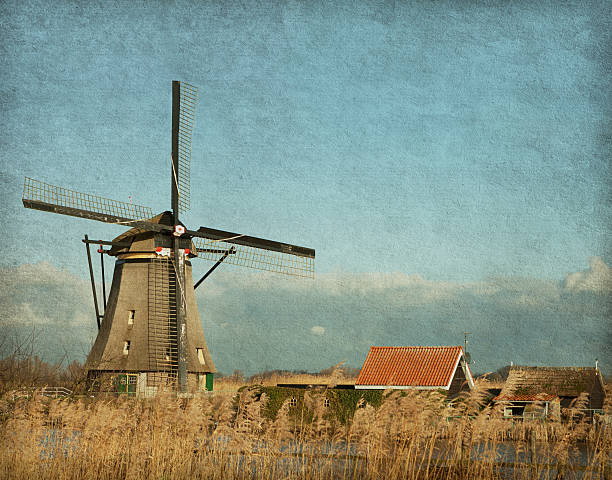
Mill Network at Kinderdijk-Elshout
The 19 windmills at Kinderdijk were not built for decoration. They were built in 1738 and 1740 because the Alblasserwaard polder, an area of low-lying land between Rotterdam and Dordrecht, sat below river level and regularly flooded. The mills worked in series: lower mills pumped water from the polder into intermediate reservoirs, and higher mills pushed it further up until it could be discharged...
read more
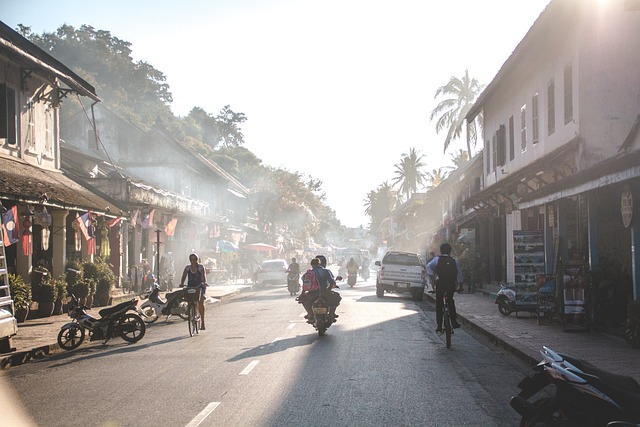
Plain of Jars Xieng Khouang Laos
Laos Is the Most Heavily Bombed Country in History. The Plain of Jars Sits in the Middle of It.
Most guides skip to the archaeological mystery: thousands of ancient stone jars scattered across a highland plateau, their purpose debated for a century, now a UNESCO World Heritage Site. That is true and worth a full day of your time. But the Plain of Jars also sits on ground where, between 1964 and...
read more
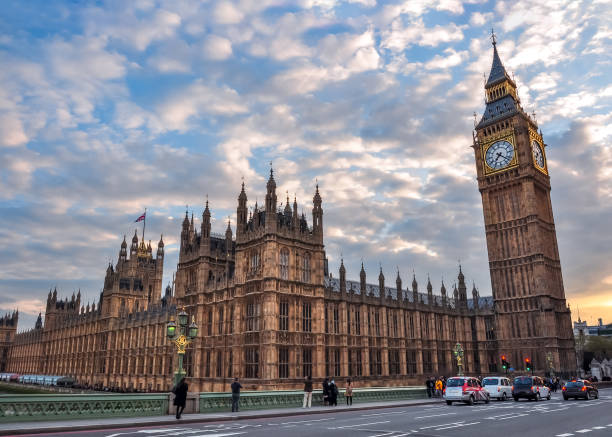
Houses of Parliament
On 16 October 1834, a clerk ordered the burning of a large collection of old wooden tally sticks in the furnaces beneath the House of Lords. The fire got out of control. By the early hours of the following morning, most of the medieval Palace of Westminster had burned to the ground, watched by a large crowd on the Thames bridges. Turner was in the crowd and painted it twice. The outcome of this...
read more
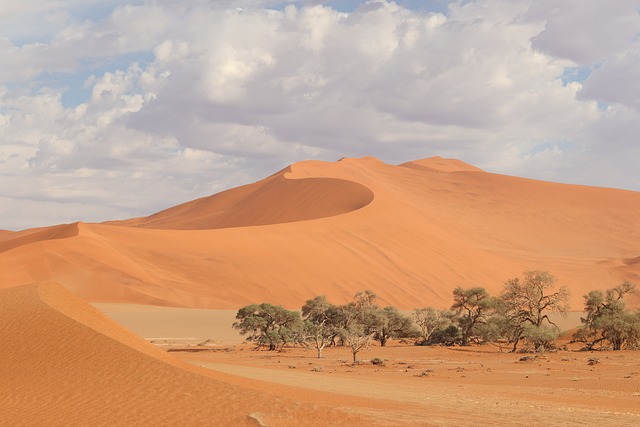
Sossusvlei
The sand dunes at Sossusvlei don’t just sit there. They move. Some shift several meters a year, and on mornings when the wind picks up at first light, you can watch the crests unravel in long, slow plumes of rust-colored dust. Standing at the base of Dune 45 as the sun comes over the horizon, you understand immediately why photographers have been making the four-hour drive from Windhoek for...
read more
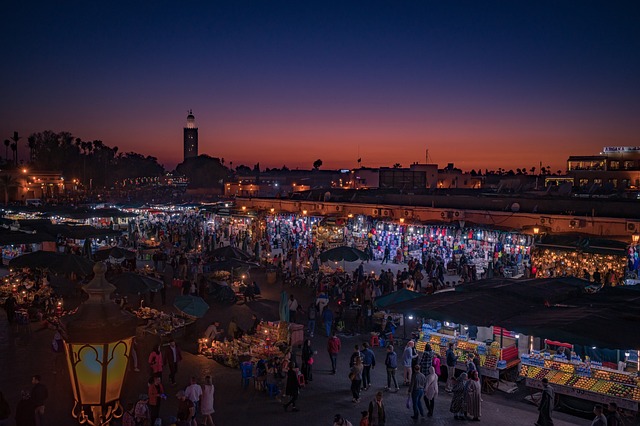
Jemaa El Fnaa Marrakech
UNESCO has two separate heritage lists. Jemaa el-Fnaa is on the one most people have never heard of: the Intangible Cultural Heritage of Humanity, a list not of buildings or landscapes but of living practices. It was added in 2008 because of the storytellers, musicians, water sellers, henna artists, gnawa musicians, and Halqa performers who gather in the square daily. The square itself is just...
read more
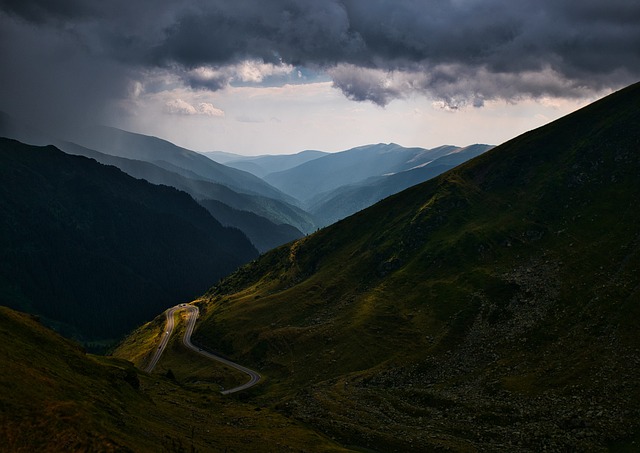
Pont du Gard
Roman engineers building the Nimes aqueduct in the first century AD faced a problem: the springs at Fontaine d’Eure near Uzes were 20 kilometres from the city in a straight line, but the terrain forced the aqueduct on a 50-kilometre winding route across hills and valleys, including a 275-metre crossing of the Gardon River. To maintain the precise gradient required, with a fall in some...
read more
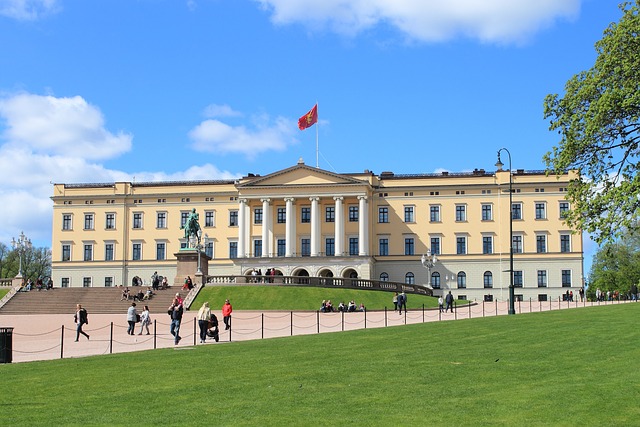
Vigelandspark in Oslo
In 1921, the city of Oslo decided to knock down Gustav Vigeland’s studio to build a library. The dispute that followed produced one of the stranger deals in the history of public art: the city gave Vigeland a new building to live and work in, and in exchange he gave them everything he would ever make, every sculpture, drawing, engraving, and model, for the rest of his life. The result is...
read more
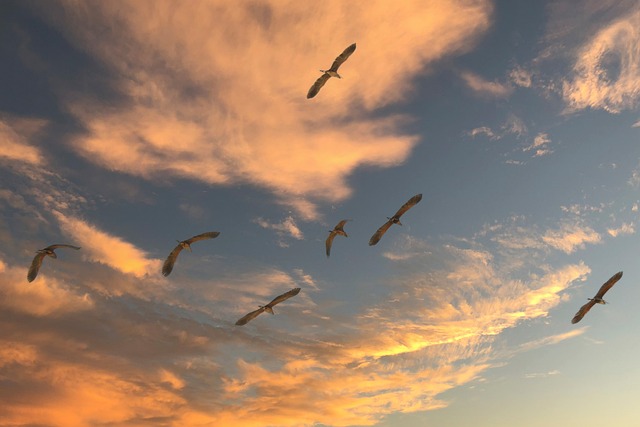
See the Great Migration
Nobody can tell you when the wildebeest will cross. That is the single most important thing to understand before you start planning this trip, and almost no marketing copy about the Great Migration says it plainly. The river crossings at the Mara River, the scenes with crocodiles lunging from the water that you have seen in every wildlife documentary, happen when the herd decides to cross. The...
read more
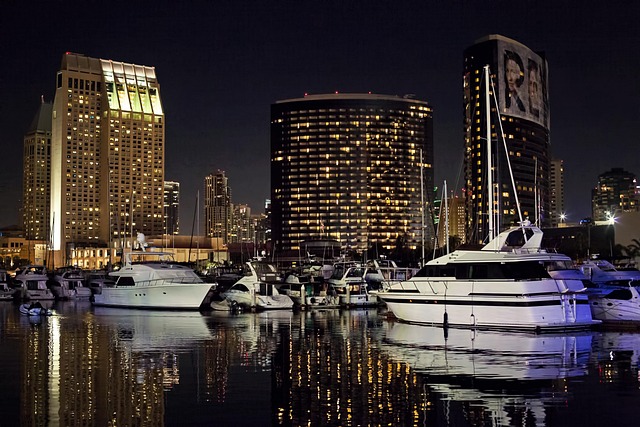
Skeleton Coast
The Skeleton Coast got its official name from a 1944 book. John Henry Marsh wrote about the 1942 wreck of the Dunedin Star off the Namibian coast, and his title stuck permanently to the 500-kilometre stretch of Atlantic shoreline running from the Ugab River in the south to the Kunene River at the Angolan border. But the name had older predecessors. The indigenous San people called it “The...
read more
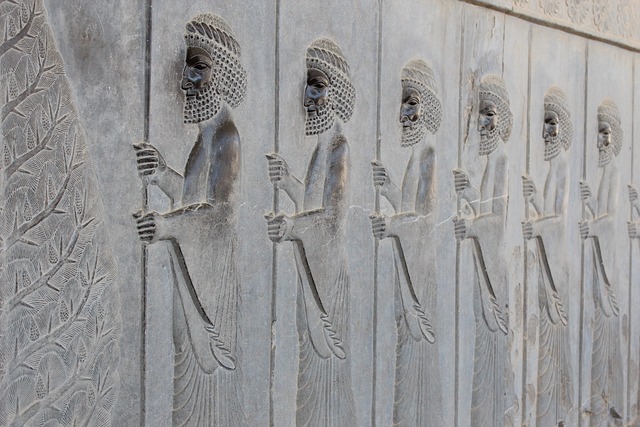
Persepolis
When Alexander the Great burned Persepolis in 330 BCE, he and his soldiers were, by multiple ancient accounts, drunk. The destruction of one of the largest and most architecturally sophisticated cities in the ancient world was probably not a calculated political act. It may have been a party that got out of hand. The irony is that the fire turned out to be the best thing that happened to the...
read more
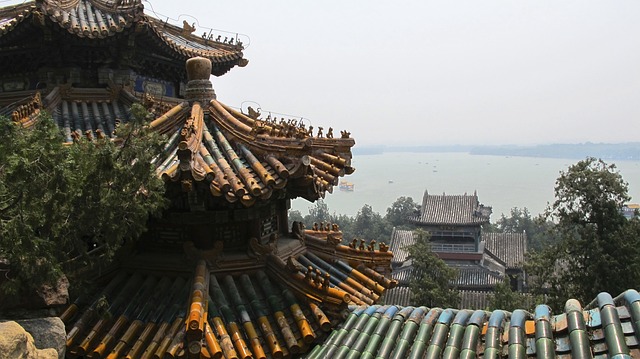
The Summer Palace, China
The Summer Palace, China No one tells you that Angkor Wat faces the wrong way. Almost every Khmer temple in the archaeological park faces east, toward the rising sun, toward life. Angkor Wat faces west. Its main causeway, its towering gopura, its entire axis of approach is oriented toward the setting sun, toward death. When Suryavarman II ordered the temple’s construction in the early 12th...
read more
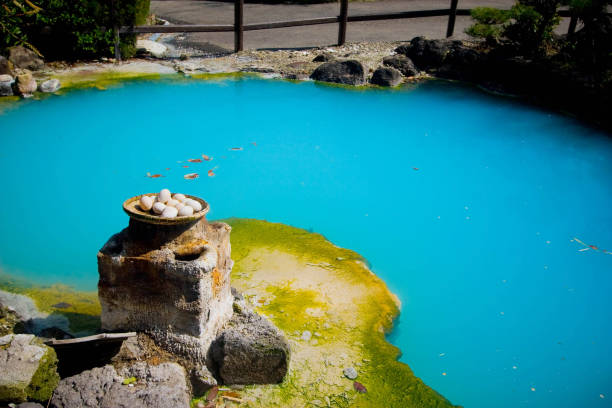
Eight Hells, Kyushu
For over a thousand years, the residents of Kannawa district in Beppu found the geothermal activity in their neighborhood too violent to live near, water and gas boiling out of the ground, mud churning in pits, the earth venting steam at temperatures that could strip skin. They called these spots jigoku, meaning hell, and treated them as places to avoid. Today they are Beppu’s main tourist...
read more
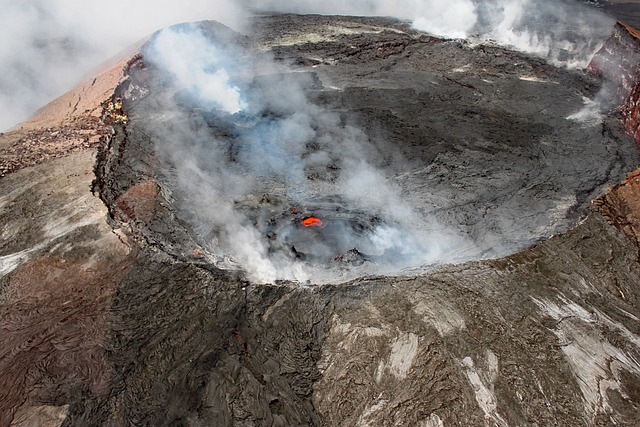
Hawaii Volcanoes National Park
Kilauea’s ongoing eruption within Halemaʻumaʻu crater entered its 50th episode on June 27, 2026, making this the most episodic high-fountaining eruption ever recorded at the volcano, surpassing even the 47 episodes of the early Puʻuʻōʻō eruption that ran from 1983 to 1986. The USGS Hawaiian Volcano Observatory raised Kilauea from Advisory to Watch status as Episode 50 began. The lava is...
read more
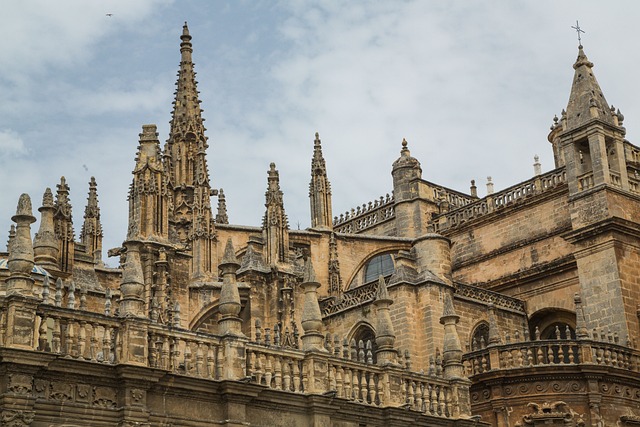
Cathedral of Seville
The Cathedral of Seville
In July 1401, the cathedral chapter of Seville voted to tear down the city’s grand mosque and build a new Christian cathedral in its place. According to a chronicler, the men around that table announced their intention to build something so beautiful and grand that those who saw it finished would think them insane. The result, completed over the following century, is...
read more
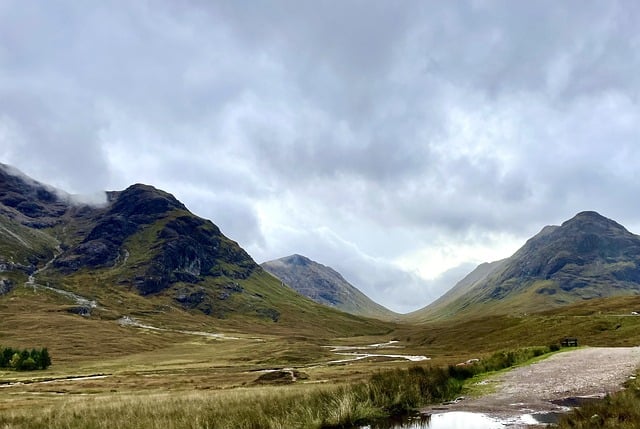
Glencoe
Glencoe Was the Scene of One of Scotland’s Most Notorious Betrayals. The Mountains Have Not Changed.
On the night of 13 February 1692, soldiers who had been billeted as guests among the MacDonald families of Glencoe rose at 5 am and killed their hosts. The orders were to slaughter everyone under 70. Around 38 people died in the glen; a further 40 or so fled into a February blizzard and died...
read more
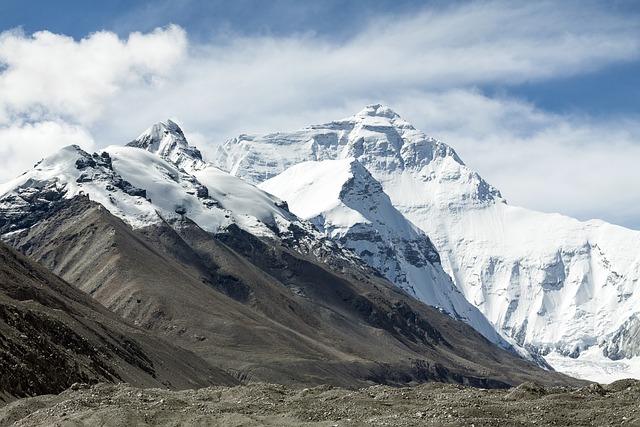
Mt. Everest
In 2025, Nepal raised the summit climbing permit fee from $11,000 to $15,000 per person, a nearly 40 percent increase, and introduced a new requirement that every two climbers must be accompanied by a licensed Nepali guide. The government simultaneously cut permit validity from 75 days to 55 and mandated that all climbers must have documented experience above 7,000 metres before receiving a...
read more
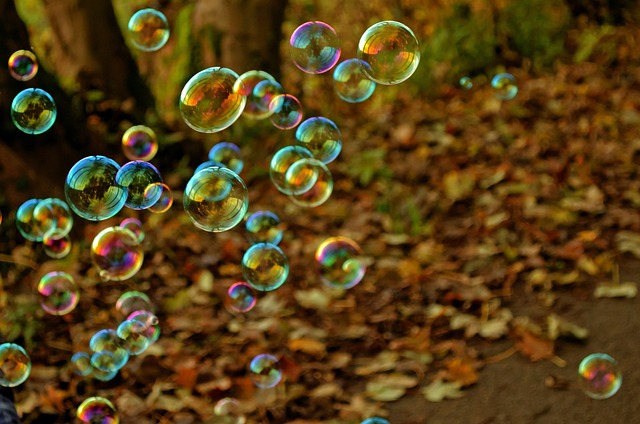
Floating Market Bangkok
Arrive at Damnoen Saduak after 9am and you have missed it. The vendors are still there, the boats are still moving, but the narrow canals are now thick with tourist longboats making noise and pushing past each other, and the fresh produce that was the whole point of the place has mostly been bought hours ago. The floating markets of Bangkok reward early mornings and punish a relaxed schedule....
read more
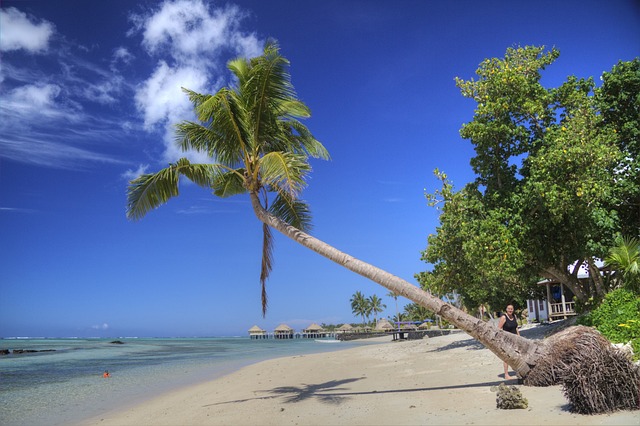
Samoa
In December 2011, Samoa skipped an entire day. The government moved the country from the east side of the International Date Line to the west side, jumping forward from 29 December directly to 31 December, eliminating 30 December entirely. The move brought Samoa into the same business week as Australia and New Zealand, its main trading partners, ending an absurdity where Samoa finished work on...
read more
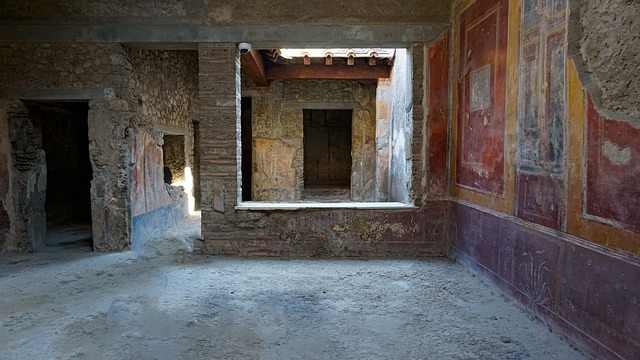
Ruins Of Pompeii
In 2025, archaeologists working in Regio IX found a man in his mid-thirties outside Pompeii’s walls, holding a ceramic bowl above his head and clutching an oil lamp, still trying to light his way as Vesuvius killed him. That is what separates Pompeii from every other ruin you will ever visit. Everywhere else, history is at a distance. Here, it is still warm.
The eruption on August 24, 79 AD...
read more
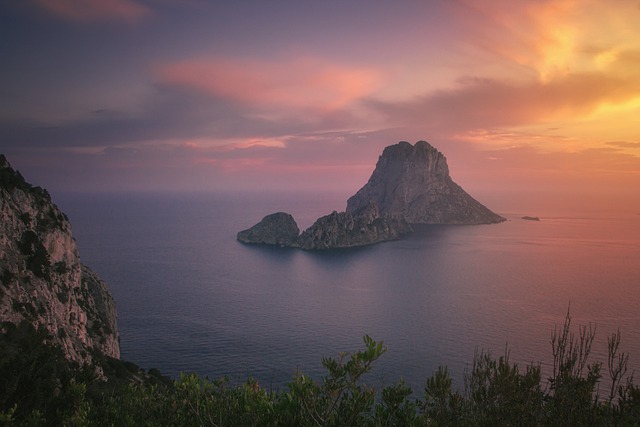
Ibiza
Ibiza Exists in Two Separate Realities, and You Need to Pick One
The Ibiza of club queues at 2am and 80-euro entry tickets and foam parties at Amnesia is real. So is the Ibiza of ancient Phoenician ruins, quiet northern coves where nobody has put down a sun lounger, and restaurants where the octopus arrives grilled and simply dressed and the wine costs the same as the water. These two islands...
read more
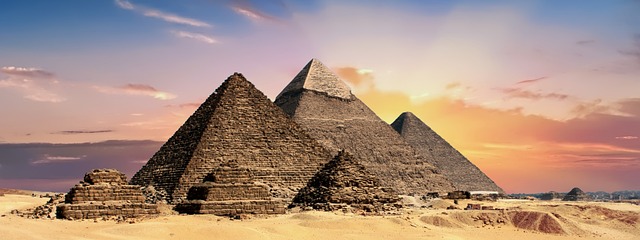
Pyramids, Egypt
The Three Gorges of the Yangtze River are not a single dramatic viewpoint you drive to. They are 193 kilometers of canyon, cliff, and moving water, best understood at the pace of a river: slow, continuous, and revealing something new around every bend. The people who love the Three Gorges most are not those who came for the famous panorama shots but those who came without expectations and found...
read more
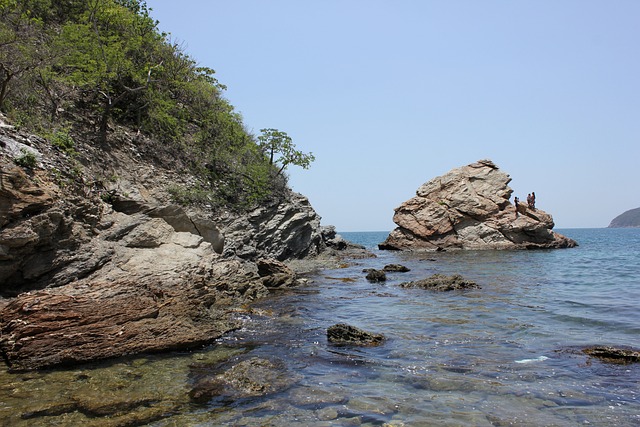
Tayrona National Park Colombia
Tayrona National Park closes three times a year. Not for maintenance. The park shuts down by request of the four indigenous communities of the Sierra Nevada de Santa Marta, who conduct cleansing and spiritual rituals that require the land to be free of tourists. The dates are fixed: February 1 to 15, June 1 to 15, and October 19 to November 2. Planning your visit around these closures is the first...
read more
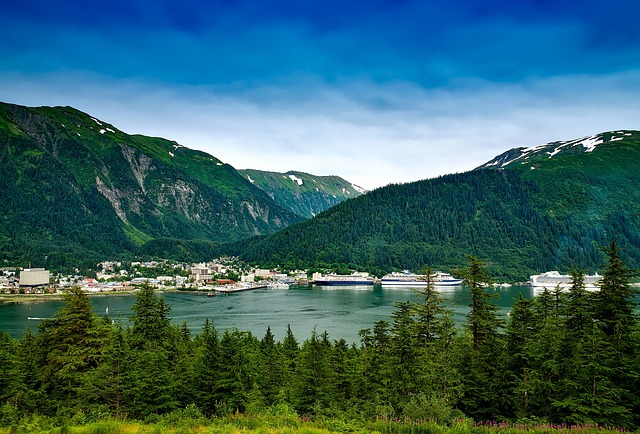
Juneau, Alaska
Juneau Has No Roads Leading In or Out, and That Is the Whole Point
Alaska’s capital city is inaccessible by car from anywhere else. No highway connects Juneau to the outside world. You arrive by plane or by ferry, hemmed between the Gastineau Channel and the mountains of the Coast Range, and the isolation is not incidental; it is the condition that made Juneau what it is. The city grew from...
read more
Peter Luger Steakhouse in Brooklyn New York
Peter Luger Does Not Care What You Think. That Is Part of Why It Works.
No credit cards (at the Brooklyn original). No fancy cocktail menu. No seasonal small plates or clever concepts. The servers have been there for decades and will not take your opinion seriously if you ask for anything other than the porterhouse. The menu is short. The room is German beer hall with dark wood panelling and...
read more
St. Marks Basilica & Campanile
At 9 am on a Tuesday in November, Piazza San Marco is quiet enough to hear pigeons. By 10:30, the tour groups arrive in waves. By noon, you cannot cross the square without stopping every twenty steps. If you want to understand why St. Mark’s Basilica still stuns people after a thousand years of visitors, you need to be there early, before the crowd noise becomes the ambient soundtrack.
The...
read more
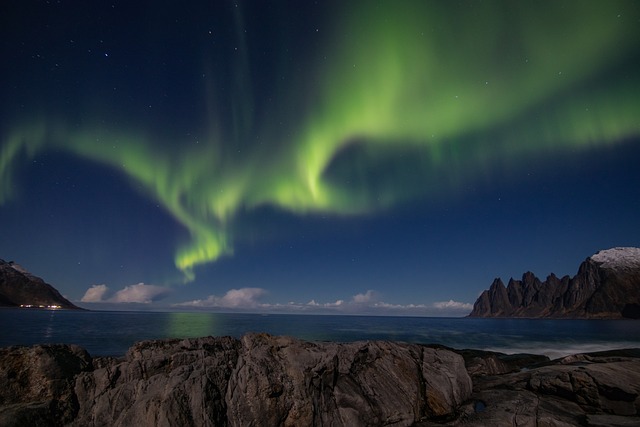
Aurora Borealis
Few natural events match the Aurora Borealis for sheer impact. Curtains of green, violet, and red light ripple across a dark sky while the ground below sits frozen and still. This guide covers where to go, what to expect, and how to make the most of a Northern Lights trip from start to finish.
Understanding the Aurora Borealis The Aurora Borealis occurs when charged particles from the sun collide...
read more
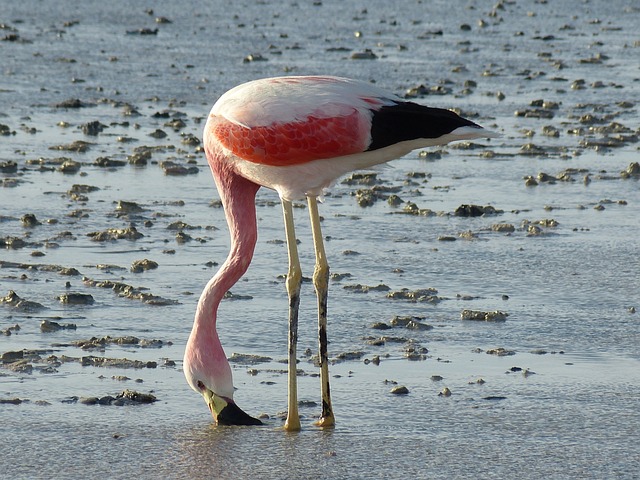
Valle De La Luna San Pedro De Atacama Chile
NASA tests its Mars rovers here. Not as a metaphor. The Yungay Station in the Atacama Desert is used to trial planetary drilling equipment because the soil composition matches the surface of Mars more closely than anywhere else on Earth. When you walk through Valle de la Luna, the Moon Valley just outside San Pedro de Atacama in northern Chile, you begin to understand why. The landscape is that...
read more
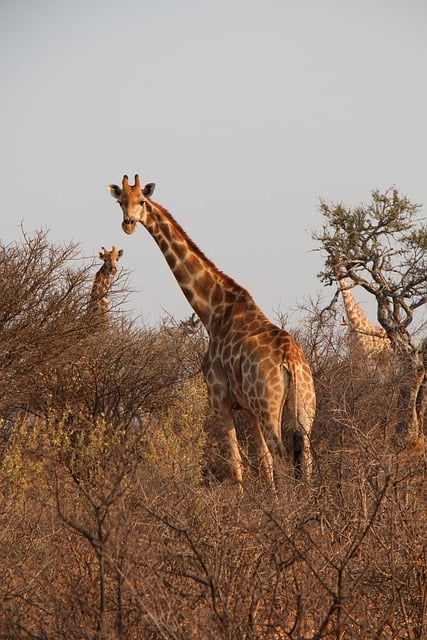
Blyde River Canyon, South Africa
The Canyon Named for Relief
In 1844, a Voortrekker party led by Hendrik Potgieter trekked to Delagoa Bay and did not return when expected. Those who waited at camp assumed the men dead. When they finally arrived safe, the relief was expressed by naming the river they camped beside the Blyde, an old Dutch word meaning “glad” or “happy.” The name stuck, even after the river...
read more
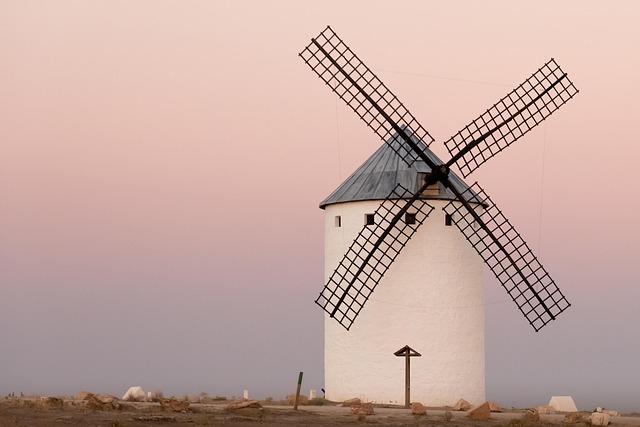
Mill Complex at Kinderdijk
The name Kinderdijk, Child’s Dike, comes from a flood legend. In 1421, the St. Elizabeth’s flood destroyed much of what is now South Holland, killing thousands. Survivors searching the aftermath found a wooden cradle bobbing on the water, with a cat balanced on the rim, tilting its weight to keep the baby inside from getting wet. The child was alive. The spot where the cradle drifted...
read more
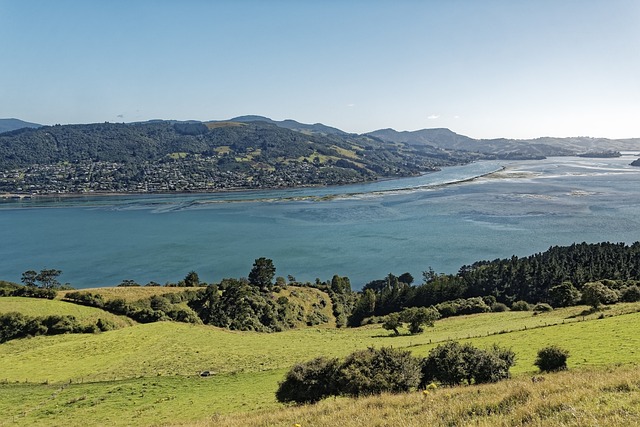
Otago Peninsula
The Only Place on Earth Where Royal Albatross Breed on the Mainland
This fact alone should put Otago Peninsula on your New Zealand itinerary. The albatross comes home to Taiaroa Head, at the tip of the peninsula, in a kind of defiance of logic: these are birds that spend more than 85 percent of their lives airborne over the open Southern Ocean, flying an estimated 190,000 kilometres per year. A...
read more
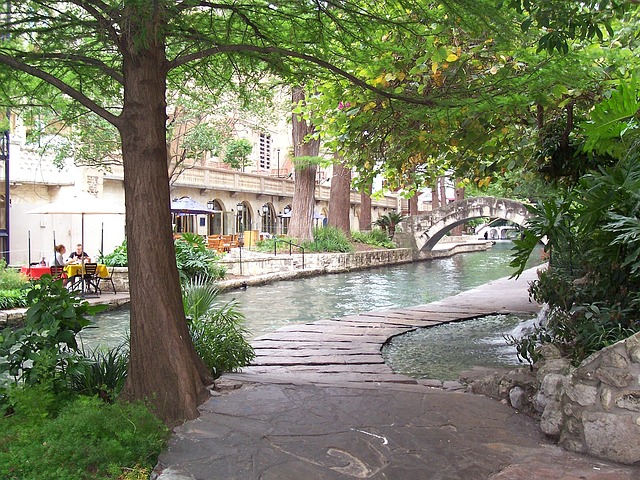
San Antonio Texas
San Antonio is the only city in the United States with a UNESCO World Heritage Site right in the middle of its downtown, and most people who visit spend about 45 minutes there before walking back to the River Walk to drink a margarita. The five Spanish colonial missions, founded between 1718 and 1731, were listed together in 2015 as the first and only UNESCO site in Texas. The Alamo is the most...
read more