Recent Places
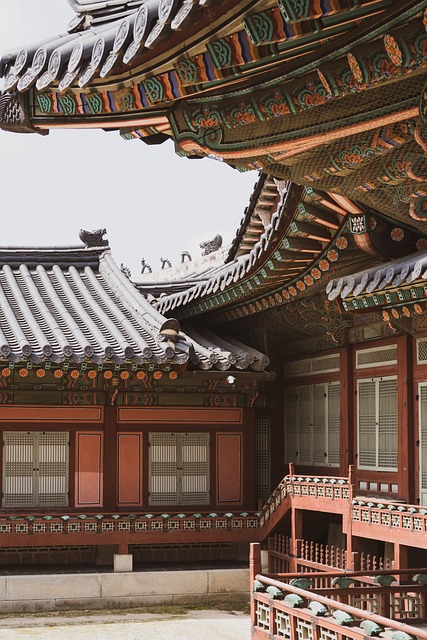
Dmz South Korea
The Korean DMZ: What It Is, Why It Exists, and How to Visit It Without Wasting the Experience
The Korean Demilitarized Zone is a 250-kilometre buffer strip running roughly along the 38th parallel, 4 kilometres wide, dividing North and South Korea. It was created by the 1953 armistice that ended the fighting of the Korean War. Technically, the war has never officially ended – no peace treaty...
read more
Redwood National Park California
Redwood National and State Parks: The Honest Version
The tallest living tree on earth, Hyperion, stands at 115.9 metres in Redwood National Park. Its location is deliberately not published to prevent visitor damage to the surrounding area. You will not find it. What you will find on the marked trails are trees routinely exceeding 100 metres, which is still extraordinary. The forest floor is dim...
read more
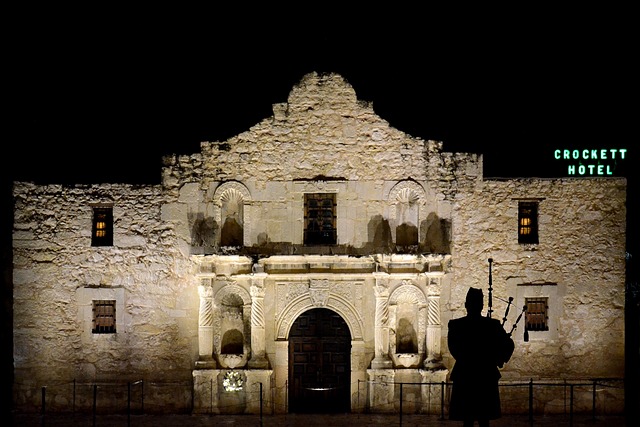
Alamo
The Ultimate Guide to Visiting the Alamo
Located in the heart of San Antonio, Texas, the Alamo is a former Spanish mission and one of the most iconic landmarks in the United States. Built in 1718, this 18th-century mission has become synonymous with the legendary Battle of the Alamo, the pivotal 1836 siege that defined Texas’s fight for independence. This historic site is a must-visit...
read more
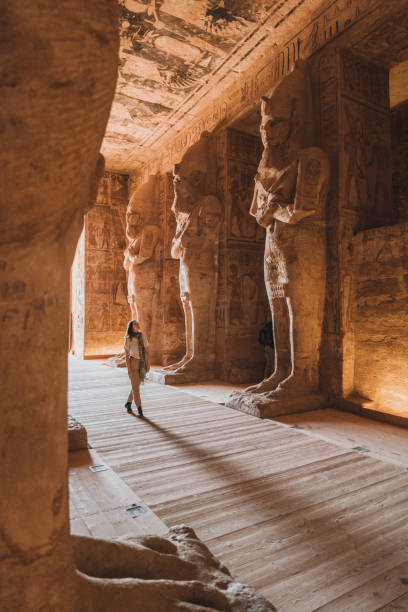
Abu Simbel, Egypt
Abu Simbel: The Temples That Were Moved
In 1964, UNESCO launched one of the most ambitious engineering operations in the history of archaeology: cutting the temples of Abu Simbel into approximately 2,000 numbered blocks, each weighing up to 30 tonnes, and reassembling them 65 metres higher on the same cliff face. The reason was the rising water of Lake Nasser behind the Aswan High Dam, which would...
read more
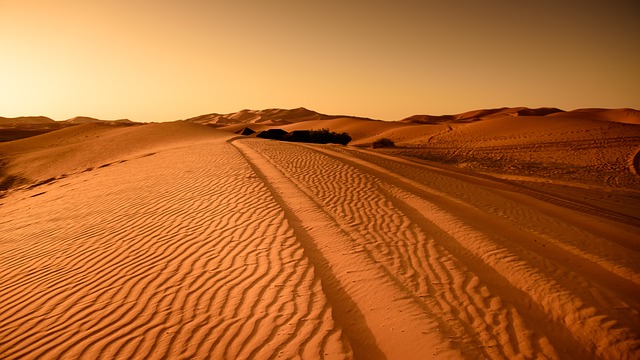
Gobi Desert
The Gobi: A Desert That Is Mostly Not Sand
The Flaming Cliffs of the Gobi, the red sandstone formation called Bayanzag, were where American palaeontologist Roy Chapman Andrews discovered the first confirmed dinosaur eggs in 1923. He was actually looking for early human fossils, so the dinosaur eggs were a substantial digression. The Mongolian Gobi has since produced more dinosaur specimens than...
read more
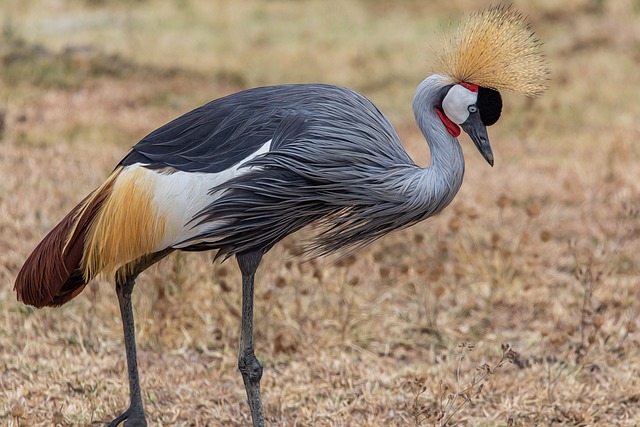
Ngorongoro Crater Conservation Area Tanzania
The largest intact volcanic caldera in the world, 20 kilometres across, 600 metres deep, with an estimated 25,000 large animals inside it
Ngorongoro was created approximately 2.5 million years ago when a massive volcano collapsed inward on itself. The caldera that resulted is 20 kilometres in diameter, 600 metres deep, and enclosed enough to function as a near-self-contained ecosystem. The animals...
read more
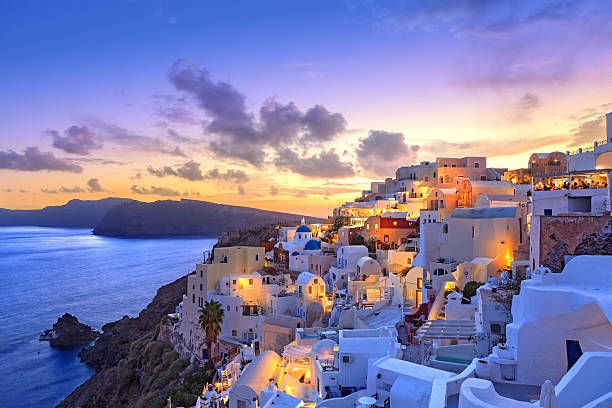
Greek Islands
Greek Islands
Greece has around 6,000 islands; roughly 200 are inhabited. Most visitors stick to a handful of well-known ones, which is defensible because the ferry connections, accommodation infrastructure, and best beaches concentrate in the same places. The Cyclades (Santorini, Mykonos, Paros, Naxos) and the Dodecanese (Rhodes, Kos) are the main groups for island-hopping. Crete sits apart,...
read more
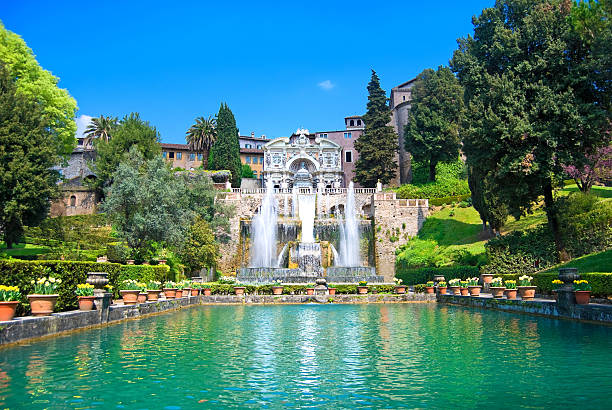
Villa Deste Tivoli
Villa d’Este, Tivoli: The Garden That Outranked Everything in 16th-Century Europe
Villa d’Este sits on the hillside above the town of Tivoli, 30 kilometres east of Rome. It was built between 1560 and 1572 by Cardinal Ippolito II d’Este, the Governor of Tivoli and a man who appears to have been genuinely furious about not being elected Pope. The villa and its gardens were, in the...
read more
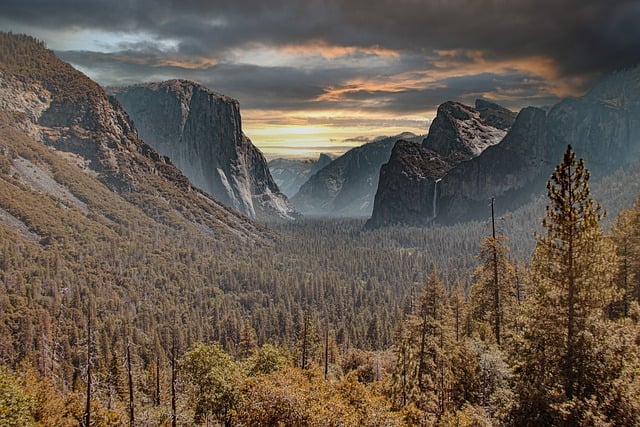
Auyuittuq National Park
Discover the Wild Arctic Heart of Auyuittuq National Park
Auyuittuq National Park sits on Baffin Island in Nunavut, Canada, and ranks among the most remote and demanding wilderness destinations in the world. Its name comes from Inuktitut and means “the land that never melts,” a fitting description for a landscape dominated by permanent ice fields, dramatic fjords, and some of the most...
read more
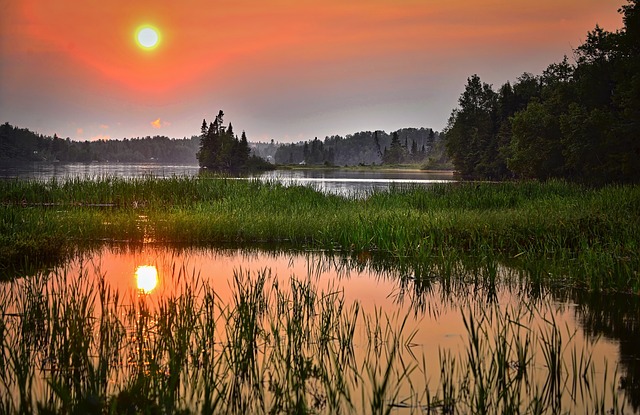
Isimangaliso Wetland Park
Whale sharks in the morning, hippos walking your hotel’s streets at night, and rhinos an hour’s drive away – iSimangaliso packs in more ecosystem diversity than most people think possible
iSimangaliso Wetland Park covers 332,000 hectares along the KwaZulu-Natal coast of South Africa, stretching 220 kilometres from the Mozambique border in the north to Mapelane in the south. South...
read more
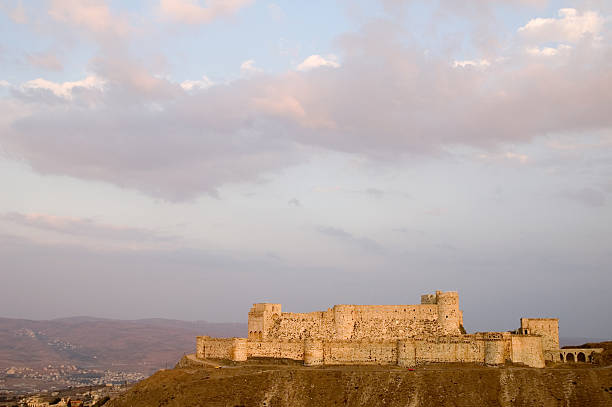
Krak Des Chevaliers Syria
Krak des Chevaliers: The World’s Best-Preserved Crusader Castle
T.E. Lawrence, who studied military architecture as a young Oxford student and visited in 1909, called Krak des Chevaliers “perhaps the best preserved and most admirable castle in the world.” That assessment has been endorsed by most subsequent military historians who have studied medieval fortification. The castle...
read more
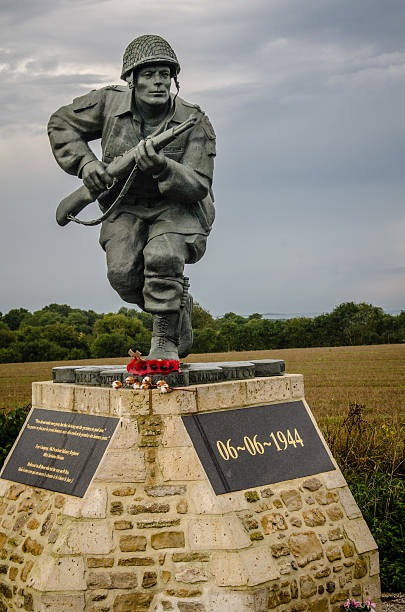
D Day Beaches American Cemetary
The D-Day Beaches and Normandy American Cemetery: A Practical Guide to a Difficult Visit
The D-Day landings on 6 June 1944 involved five beaches along a 50-mile stretch of the Normandy coast, codenamed Utah, Omaha, Gold, Juno, and Sword. American forces landed at Utah and Omaha; British forces at Gold and Sword; Canadian forces at Juno. The combined Allied casualties on that single day were...
read more
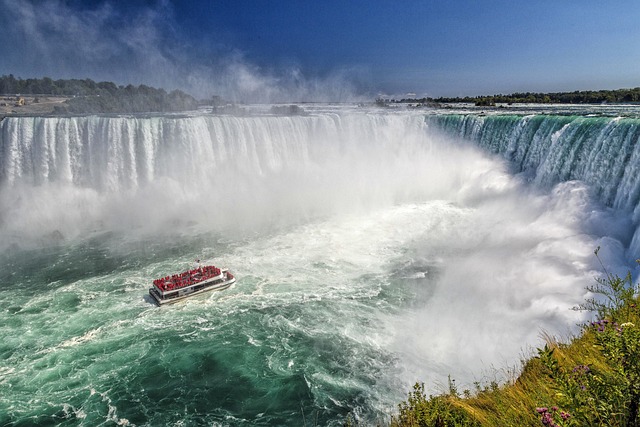
Niagara Falls - Ontario, Canada
Niagara Falls, Ontario
The Canadian side is the better side. That’s worth saying plainly. The Horseshoe Falls – the big, iconic drop that moves 2,800 cubic metres of water per second – faces north, which means the Canadian bank looks straight at it. From the American side you’re mostly looking at the smaller American Falls in the foreground and getting a side-on view of the...
read more
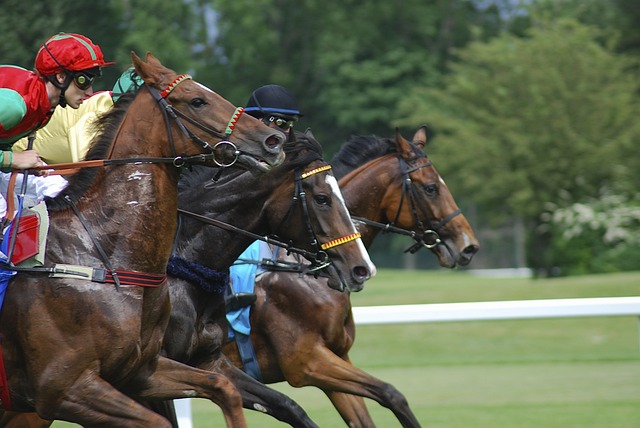
Ascot Racecourse
Royal Treatment at Ascot Racecourse
Located in Berkshire, England, Ascot Racecourse is one of the most iconic horse racing venues in the world. With a history dating back to 1711, when Queen Anne established the course on the heath, this prestigious track has shaped British sporting and social culture for more than three centuries. From the thundering hooves of elite thoroughbreds to the carefully...
read more
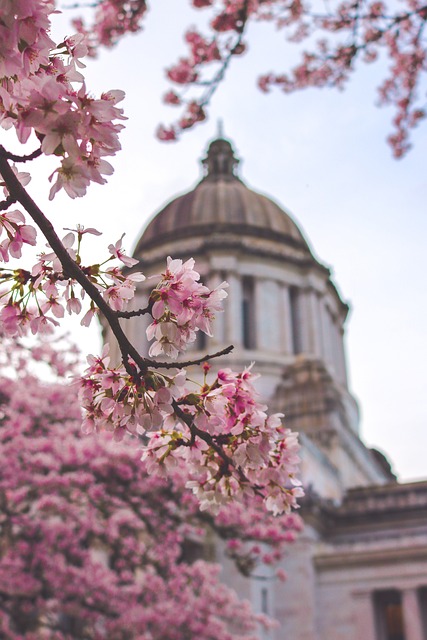
Washington Monument
The Washington Monument: What to Know Before You Go
The Washington Monument is 555 feet and 5 and one-eighth inches tall, which makes it the tallest free-standing stone structure in the world. It was also the tallest building in the world when it was completed in 1884, a distinction it held for four years until the Eiffel Tower went up. Knowing these numbers doesn’t quite prepare you for how...
read more
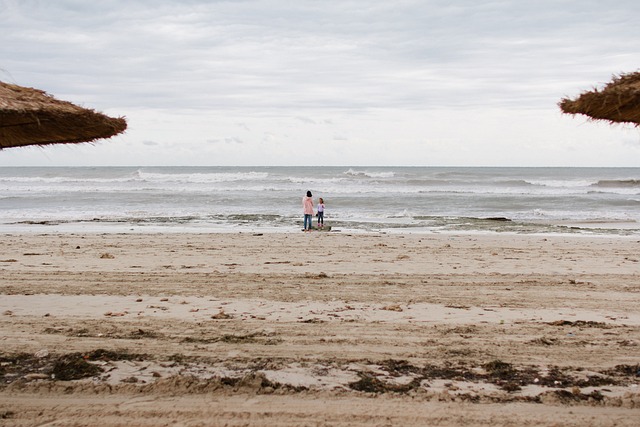
Carthage Tunisia
Carthage: The City Rome Destroyed Twice and Built Once, and Why That Matters Today
Rome didn’t just defeat Carthage in 146 BC. Roman soldiers salted the earth, dismantled the city brick by brick, and sold the survivors into slavery. Then, about a century later, Julius Caesar ordered a new Roman city built on the same spot. That second Carthage became one of the wealthiest cities in the...
read more
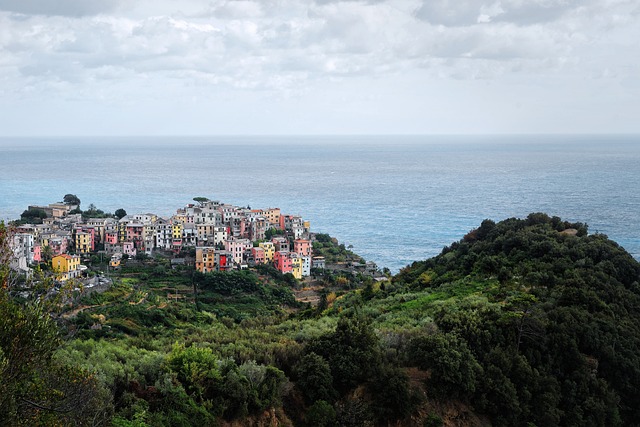
Cinque Terre
Cinque Terre
The basil that grows in this specific stretch of Ligurian coastal microclimate is smaller-leafed, more aromatic, and less bitter than basil grown anywhere else in Italy. Ligurian cooks are not being modest when they say the pesto genovese made here tastes different from the version made with basil grown 50 kilometres inland. The altitude, the sea air, and the particular mineral...
read more
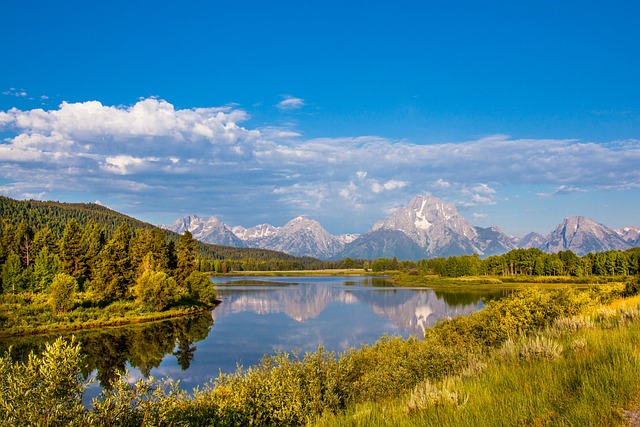
Grand Teton National Park, Wyoming
Grand Teton National Park, Wyoming
The Teton Range does something that few mountain ranges manage: it rises 2,100 metres above the Jackson Hole valley with almost no foothills. The transition from flat sagebrush plain to 4,000-metre peaks is abrupt in a way that the Alps or the Rockies further south are not. The Grand Teton itself reaches 4,199 metres. When you drive the valley floor, the...
read more
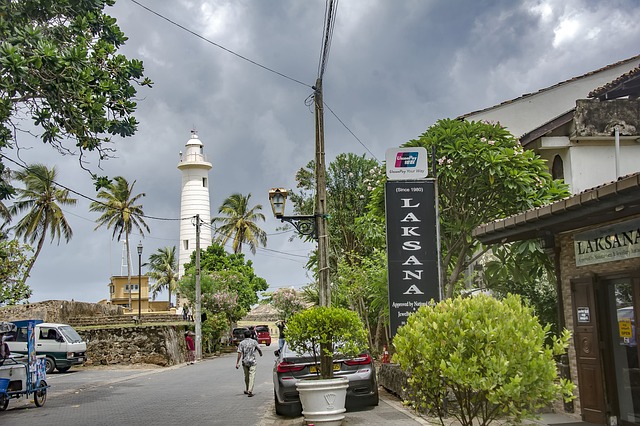
Galle Fort
The floor of the Dutch Reformed Church is paved with the tombstones of colonial families, worn smooth by centuries of feet
The Portuguese built the original fortification at Galle in 1588, but most of what you see today is Dutch. The VOC – the Dutch East India Company – took the fort in 1640 and spent the next 150 years rebuilding it systematically: new walls, new bastions, a street...
read more
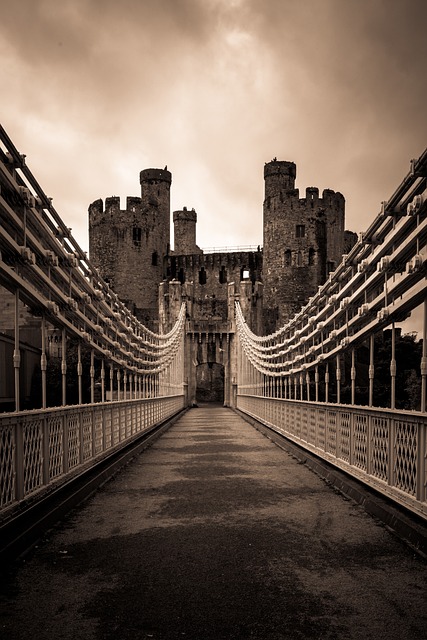
Conwy Castle
Conwy Castle: A Medieval Marvel in North Wales
Edward I built Conwy Castle in just four years, between 1283 and 1287. That pace was deliberate: he wanted a defensible English stronghold in the heart of Wales as quickly as possible, and he was willing to spend what it took. The castle is part of the “Iron Ring,” a coordinated network of fortifications including Caernarfon, Harlech, and...
read more
Kaaba
The Kaaba, Mecca
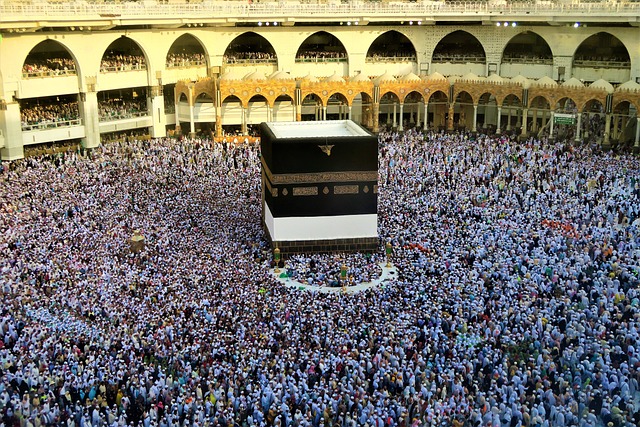
The Kaaba is a roughly cube-shaped structure at the centre of Masjid al-Haram in Mecca. It stands 13.1 metres tall and is draped in the Kiswa - a black cloth embroidered in gold with Quranic verses - which is replaced each year during Hajj. Every Muslim on earth who prays faces toward it. Physically reaching it, and performing Tawaf (circumambulating it seven times...
read more
Epcot, Disney World, Orlando
Epcot: The Disney Park Adults Actually Enjoy
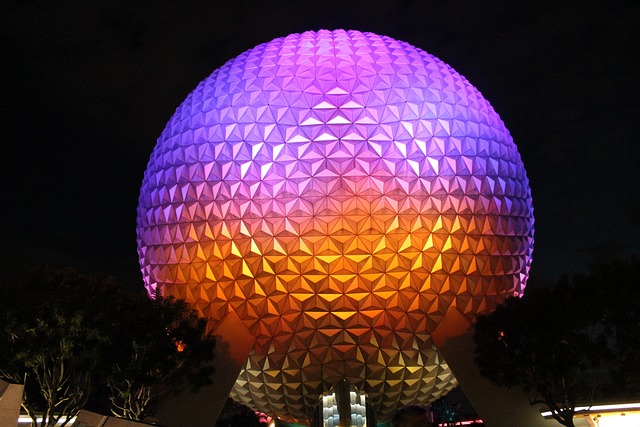
Epcot is the only Disney World park where a reasonable adult, going without children, would have a genuinely good time. The World Showcase is a 1.2-mile loop around a lagoon with eleven country pavilions, each selling food, alcohol, and locally themed merchandise. It opened in 1982 with the explicit intent of being educational. The educational framing...
read more
Foteviken Viking
The people living at Foteviken are not actors in costume – they are residents who have chosen to live without modern infrastructure for extended periods, and the distinction matters
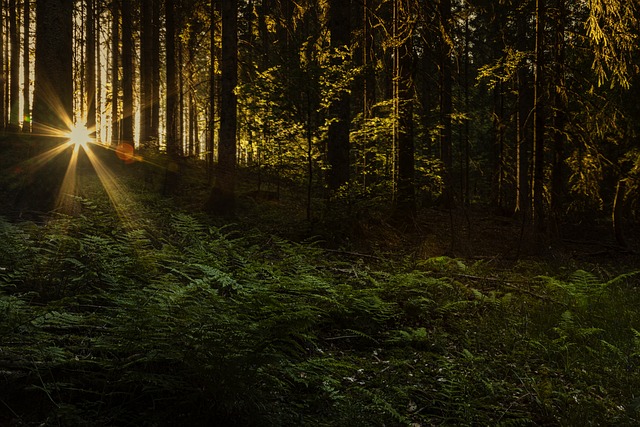
Foteviken sits on a peninsula south of Malmö in Scania, the southernmost province of Sweden. The museum is built on the site of the 1134 Battle of Foteviken, where the Danish king Niels was killed by rebel forces...
read more
Luskentyre Beach
Luskentyre Beach: Scotland’s Best Beach, No Competition
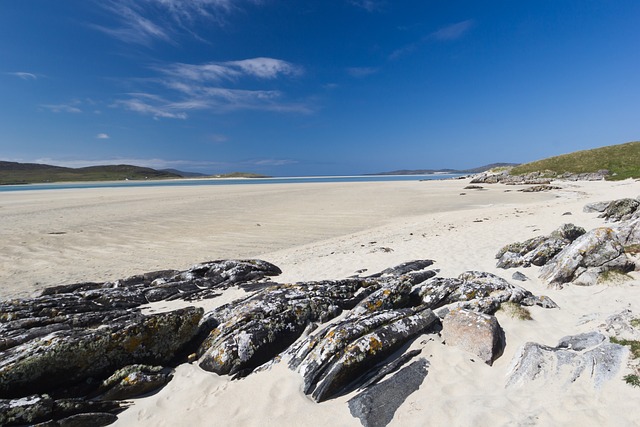
Luskentyre is on the west coast of the Isle of Harris in the Outer Hebrides, facing into the Atlantic. The sand is shell sand, white and fine, produced by millennia of crushed mollusc and coral. The water is turquoise. There are mountains behind the beach. On a bright day in June, with no one on the sand and the light doing what it does...
read more
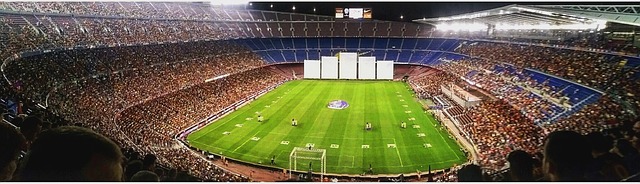
Camp Nou
Camp Nou: The Sacred Temple of Football
Located in the heart of Barcelona, Spain, Camp Nou is more than just a stadium - it’s an iconic landmark, a symbol of Catalan pride, and a must-visit destination for football enthusiasts. As the largest stadium in Europe and home to FC Barcelona, Camp Nou offers an unforgettable experience that combines sports, history, and culture. With a capacity of...
read more
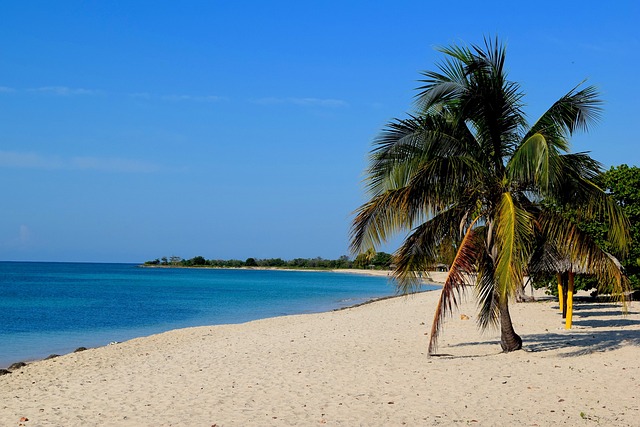
Trinidad
Trinidad: The Caribbean Island That Takes Food and Music More Seriously Than Tourism
The steel pan was invented in Trinidad in the 1930s, the only non-electronic instrument invented in the 20th century to have been widely adopted. It evolved from the “tamboo bamboo” bands that used bamboo tubes for percussion until the colonial government banned noise-making in 1934, pushing musicians...
read more
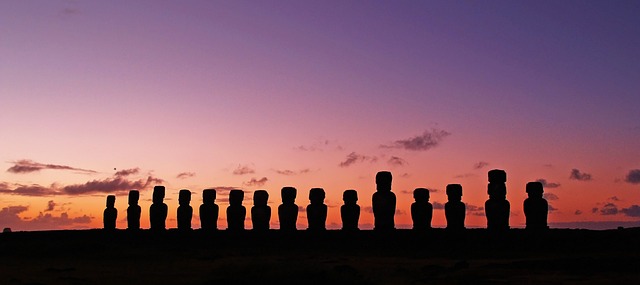
Moai
Easter Island (Rapa Nui): The Moai and the Practicalities The Easter Island government has been progressively restricting visitor numbers and access in recent years, reflecting concerns about impact on the UNESCO World Heritage Site and the island’s limited freshwater and infrastructure. The park fee for foreigners is around USD 80 per person, payable on arrival, and it covers all moai sites...
read more
Fox Glacier
Fox Glacier: One of New Zealand’s Most Accessible Ice Experiences Fox Glacier and its neighbour Franz Josef, 25 km to the north, are the two accessible glaciers on New Zealand’s West Coast. Both descend from the Southern Alps to within 300 metres of sea level, far lower than glaciers of comparable size elsewhere in the world. The rainforest edge at the lower terminus is the thing that...
read more
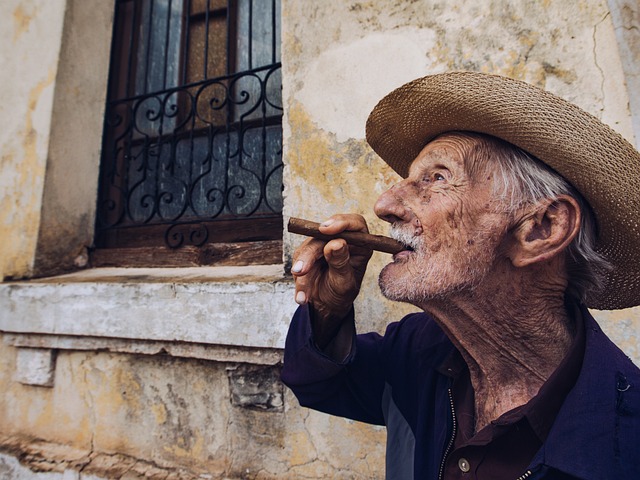
Valle De Vinales Cuba
Vinales Valley: Cuba’s Best Looking Place That Doesn’t Try Hard to Be
The Vinales Valley is a UNESCO World Heritage Site in western Cuba’s Pinar del Rio province, about 175km west of Havana. The valley is defined by mogotes – flat-topped limestone hills that rise 200-300 metres from the valley floor in shapes that look vaguely implausible, as if someone cut a cliff at right...
read more
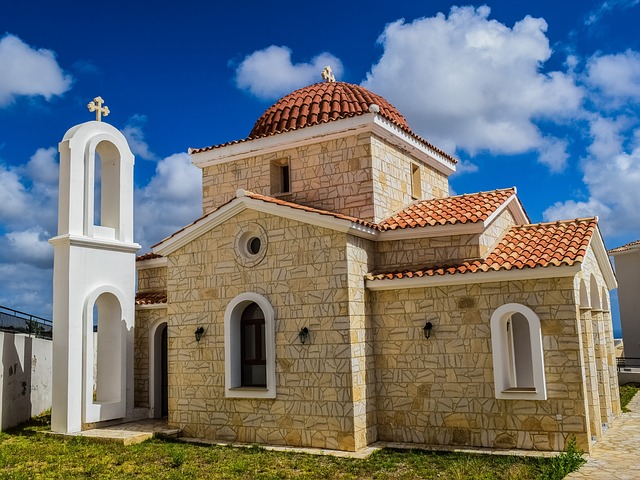
Paphos
Paphos: Cyprus’s Archaeological Concentration and How to Navigate the Tourist Infrastructure
Paphos is a town of about 35,000 people on the southwest coast of Cyprus, a European Union member state that uses the euro, drives on the left, and has a British military base 20 kilometres to the east. The town was a UNESCO World Heritage Site for its archaeological park before it became European...
read more
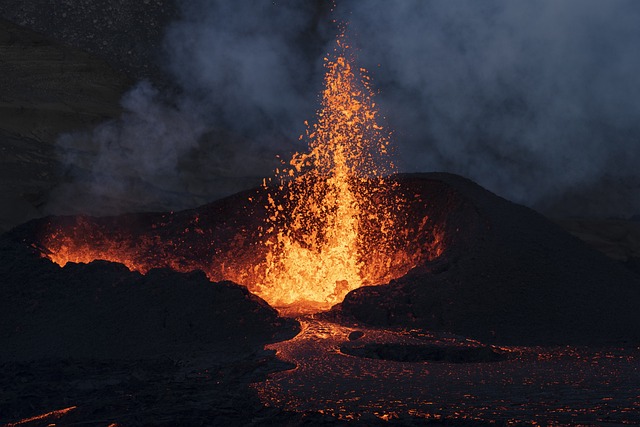
Arenal Volcano
Arenal was dormant for 400 years before it erupted without warning in 1968, killing 87 people in the villages below – and it is technically in a resting phase again since 2010
Arenal Volcano dominates northwestern Costa Rica at 1,633 metres and spent the period from 1968 to 2010 in almost continuous activity – minor lava flows, regular ash eruptions, the occasional larger event. The...
read more
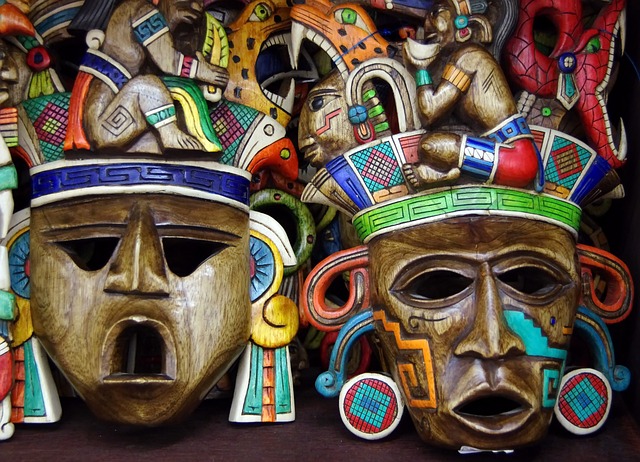
Caracol Maya City
Caracol: Belize’s Largest Maya City
Caracol, in the Maya Mountains of Belize’s Cayo District, was at its peak in the 7th century AD one of the most powerful city-states in the Maya world. In 562 AD, Caracol defeated Tikal – then the dominant power in the Maya lowlands – and the victory is recorded on an altar stone that archaeologists found in the 1980s. The city...
read more
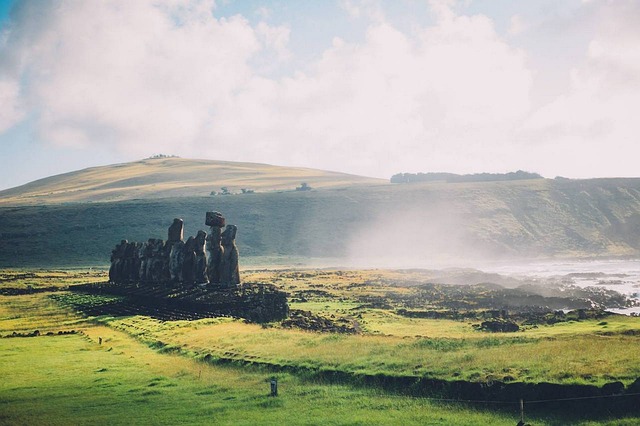
Anakena Beach, Easter Island
Anakena Beach, Easter Island
Most visitors to Easter Island spend their time moving between moai sites in vehicles, stopping, photographing, moving on. Anakena is different: a genuine white sand beach on the northern coast, about 20 kilometres from Hanga Roa, where you can stay for an afternoon rather than just pass through. It is the only real swimming beach on the island, the palm trees planted...
read more
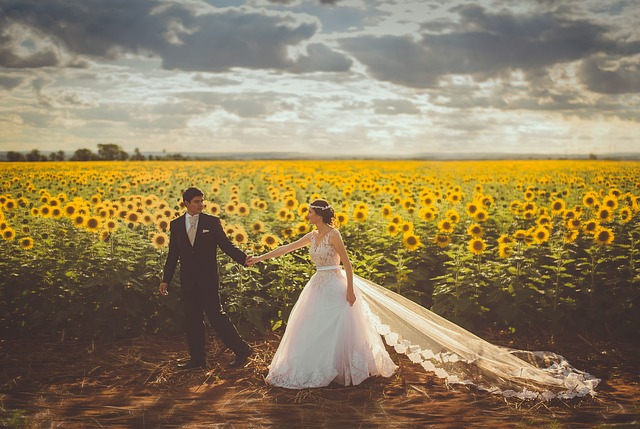
Groom Lake Nevada
Groom Lake: Area 51, the Extraterrestrial Highway, and What You Can Actually See
Groom Lake is a dry lakebed in southern Nevada’s Emigrant Valley, 83 miles north of Las Vegas. On its western shore sits the classified military installation officially known as the Nevada Test and Training Range, better known as Area 51. The CIA didn’t publicly acknowledge its existence until 2013. It...
read more
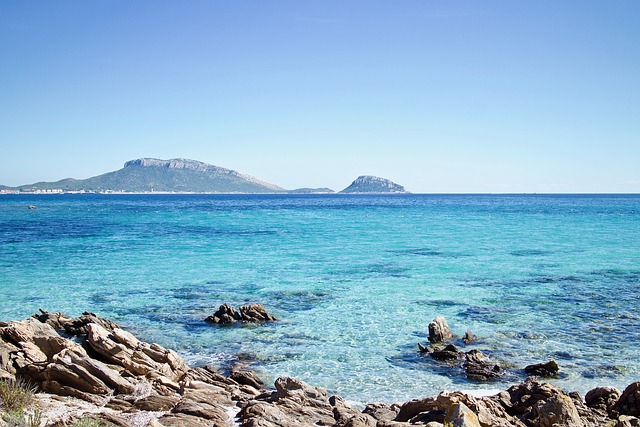
Sardinia
Seven thousand Bronze Age towers, a language that predates Italian, and the most misread coastline in the Mediterranean
Most people who visit Sardinia come for the water. This is understandable – the turquoise quality of the sea along the Costa Smeralda in calm conditions genuinely looks like a screen saver, and Cala Goloritzé on the eastern Ogliastra coast, accessible only by boat or a...
read more
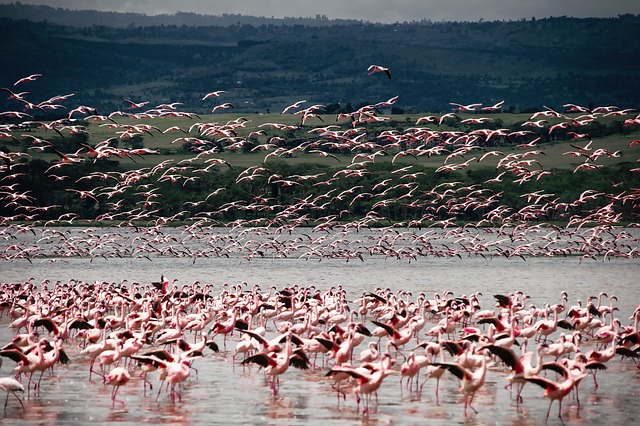
Mt. Kenya Wildlife Conservancy
Mt. Kenya Wildlife Conservancy: Animal Orphanage and Forest Sanctuary The Mt. Kenya Wildlife Conservancy sits at around 2,200 metres on the lower slopes of Mount Kenya, just north of Nanyuki and directly on the equator. Founded in 1964 by William and Stephania Carr as a holding facility for injured and orphaned animals, it now manages captive breeding programmes for several endangered species...
read more
Bryggen
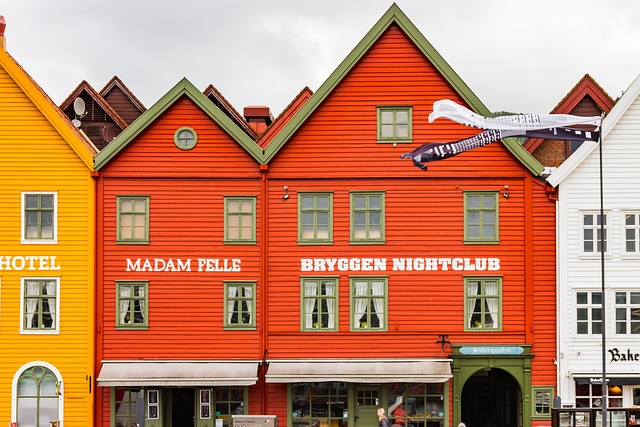
Bryggen, Bergen
The wooden warehouses of Bryggen have burned down at least ten times since the 14th century. The fires came in 1332, 1413, 1476, 1527, 1561, 1623, 1702, 1754, 1855, and 1916. Each time they burned, the buildings were reconstructed on exactly the same medieval foundation lines – the same narrow footprints, the same orientation to the wharf, the same internal alley structure...
read more
Everland Gyeonggi Do South Korea
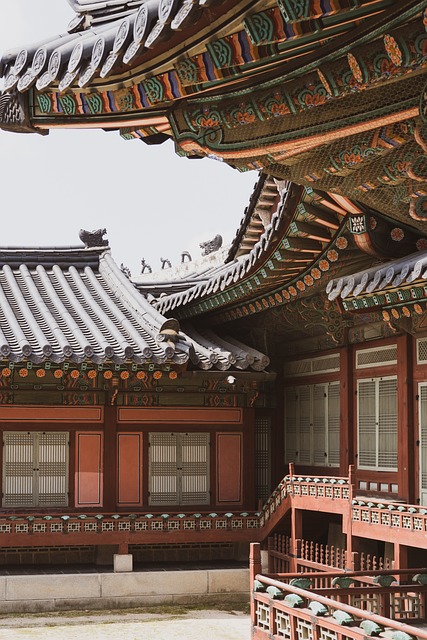
Everland: South Korea’s Biggest Theme Park and How to Get the Most Out of a Single Day
Samsung built Everland. That single fact explains why the maintenance is exceptional, why the cashless payment systems actually work, and why the park feels more professionally operated than most Western equivalents. It opened in 1976 in Yongin, Gyeonggi Province, 40km south of Seoul, covers five themed...
read more
Aoraki/Mount Cook National Park, New Zealand
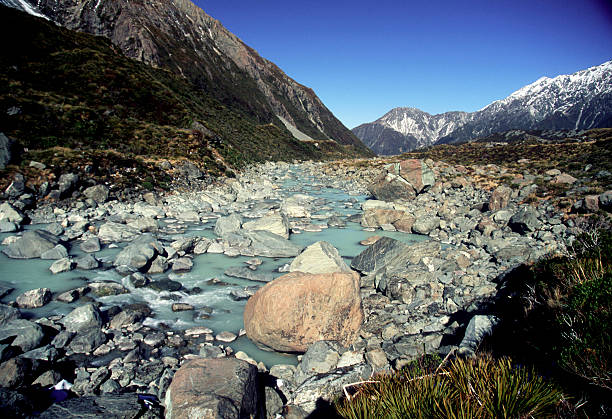
Discover the Breathtaking Beauty of Aoraki/Mount Cook National Park, New Zealand
Rising to 3,724 metres, Aoraki/Mount Cook is New Zealand’s highest peak, and the national park surrounding it covers more than 700 square kilometres of the South Island’s central Southern Alps. The landscape here is defined by permanent snowfields, long valley glaciers, braided rivers, and subalpine...
read more
Cappadocia Turkey
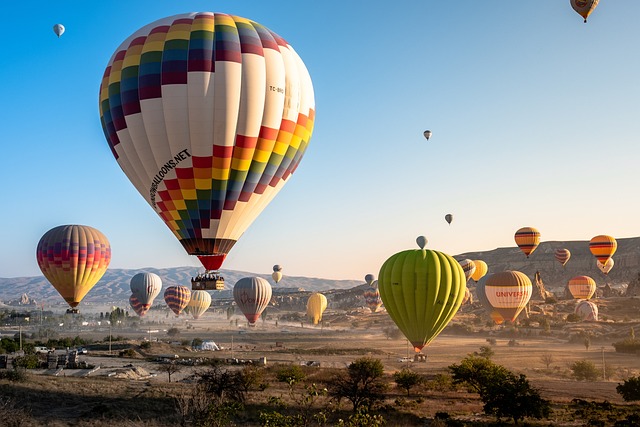
Cappadocia
On most mornings between April and November, roughly a hundred hot air balloons rise above the Goreme Valley before sunrise. They drift silently over fairy chimneys and vineyard terraces while the valley below them fills with light. It is one of the most photographed spectacles in Turkey and also, genuinely, one of the more extraordinary things you can see from a balloon basket anywhere...
read more
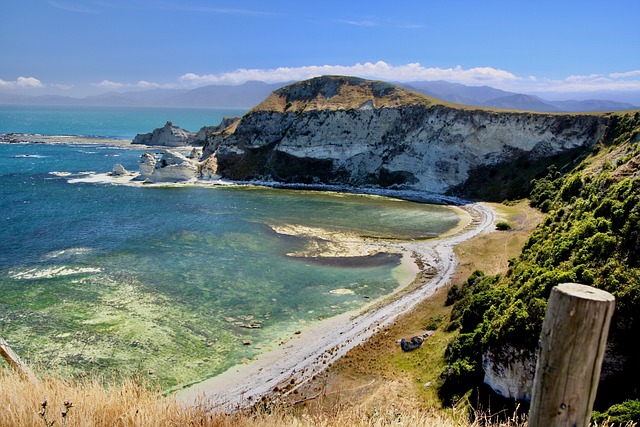
Kaikoura
Kaikoura: Whales, Crayfish, and a Road That Keeps Washing Out Kaikoura sits on a narrow coastal shelf at the foot of the Kaikoura Ranges on New Zealand’s South Island, 180 km north of Christchurch. The geography is the reason everything here works. The Kaikoura Canyon runs close to shore, a deep-sea trench that funnels cold, nutrient-rich water upward. This creates the feeding grounds that...
read more
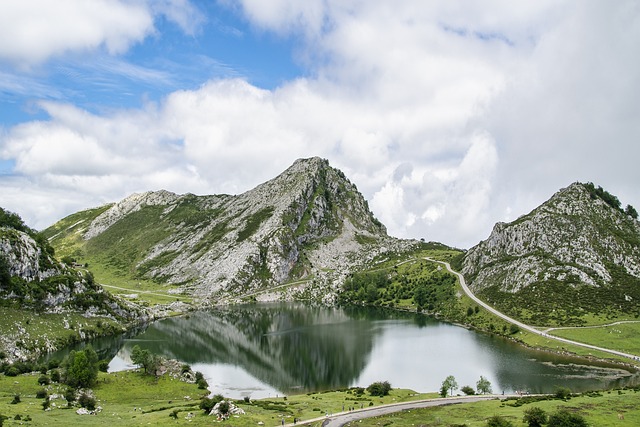
Asturias, Spain
Discover the Hidden Gem of Asturias, Spain
Tucked away in the north of Spain, Asturias is a region that’s often overlooked by tourists flocking to more popular destinations. But trust us, this charming corner of Spain has plenty to offer. From stunning natural landscapes to rich cultural heritage, delicious cuisine, and warm hospitality, Asturias is a treasure trove waiting to be explored....
read more
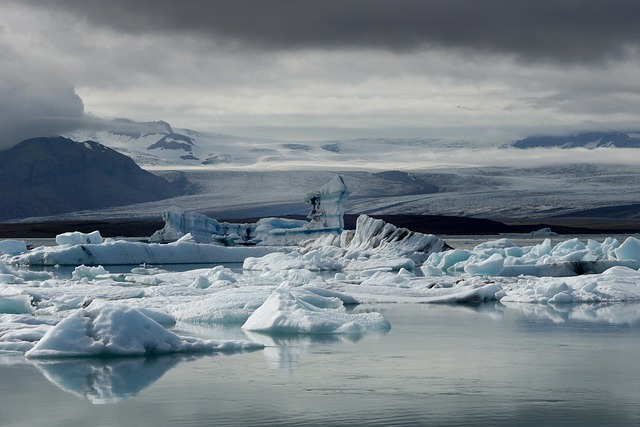
Glacier Tour on Athabasca Glacier, Canada
Athabasca Glacier: What It Looks Like, What It Used to Look Like, and What You Can Still Do
The marker posts along the Athabasca Glacier access path show where the glacier’s edge was in each decade from the 1890s to the present. The post marking 1890 is a significant walk from the current ice face, approximately 1.5 kilometres. The posts marking the 1990s are a few hundred metres back. The...
read more
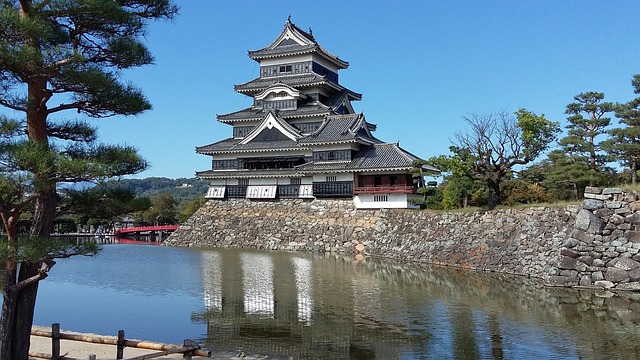
Matsumoto Castle
Japan has 12 original castles that survived the Meiji-era demolitions and WWII, and Matsumoto is one of the few that was actually built for war
Most surviving Japanese castles were residential complexes as much as military structures. Matsumoto, built in 1593, was a functional military fortress in a period of active conflict, and the design reflects it: five stories of black-lacquered wood rising...
read more
Split
Split, Croatia
Archaeologists searching for a lost tower at Diocletian’s Palace found something better in 2025: a hidden tunnel sealed for 500 years, connecting the palace cellars to a staircase leading directly to the emperor’s private quarters. The discovery was made during routine excavation and remains the most significant find at the site in decades. Split is still giving up...
read more
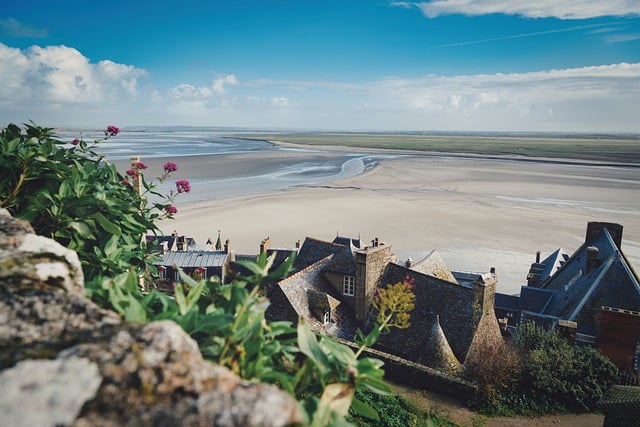
Mont-Saint-Michel, Normandy
The tide at Mont-Saint-Michel returns at speeds local guides describe as “faster than a galloping horse” – approximately 12 kilometres per hour in the channels – and people have died underestimating it
Mont-Saint-Michel receives 3.5 million visitors per year, making it the second most visited site in France after the Eiffel Tower. In July and August, the single main street...
read more
The Oval
The Oval: A Cricket Ground and Its South London Neighbourhood The Oval hosted the first Test match played in England in 1880 – England vs. Australia, at a ground that had already been operating for 35 years. That match also marked Australia’s first Test win against England, a fact Surrey cricket fans learn to live with. The ground holds around 25,500 spectators, and the pair of...
read more
Norfolk Broads National Park England
The Norfolk Broads: 125 Miles of Waterway Through Eastern England The Norfolk Broads is a network of shallow lakes (the “broads”), rivers, and interconnecting channels covering about 300 square kilometres of Norfolk and Suffolk. It became a National Park in 1989 - the most recent addition to the national park system in England and Wales, and technically designated as the Broads...
read more
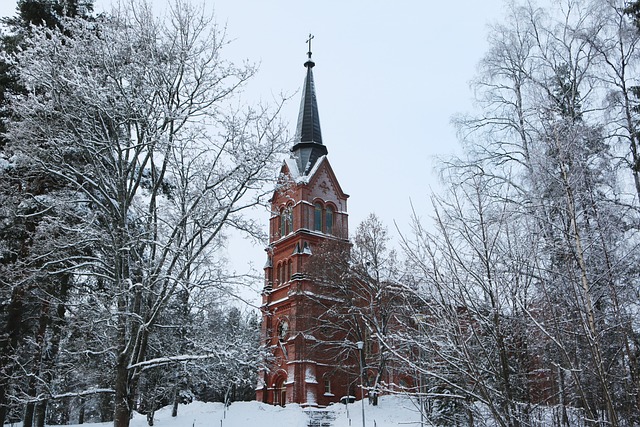
Temppeliaukion Kirkko
Temppeliaukion Kirkko: The Church Blasted From Rock
The Temppeliaukion Kirkko in Helsinki’s Töölö neighbourhood is usually translated as the “Rock Church,” which is accurate but undersells it. The building was excavated into the bedrock of a natural rocky outcrop in the Temppeliaukio square, so that the surrounding stone walls are part of the original hill. The roof is a...
read more
Kelvingrove Art Gallery & Museum
Kelvingrove: Glasgow’s Best Museum, and Probably One of Britain’s
Kelvingrove Art Gallery and Museum opened in 1901 in a Spanish Baroque red sandstone building beside the River Kelvin in the West End of Glasgow. It has 22 galleries, 8,000 objects on display, and admission is free. It consistently outperforms the British Museum on visitor satisfaction surveys. That last fact annoys...
read more