Recent Places
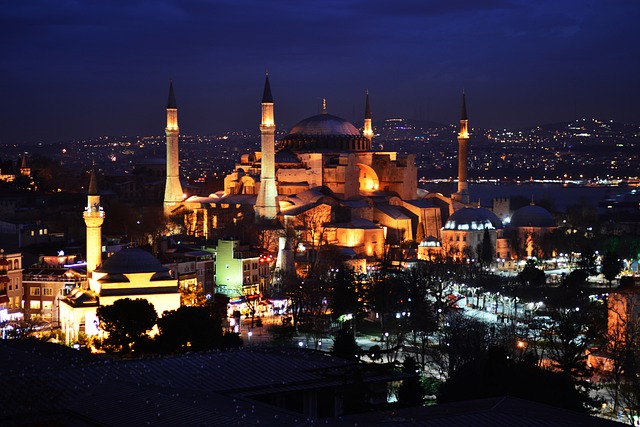
Hagia Sophia
Hagia Sophia, Istanbul
A major exterior restoration campaign began at Hagia Sophia in December 2025, with scaffolding covering significant portions of the building and a white restoration structure visible from the outside. Most of the significant interior features – including the Byzantine mosaics and the main dome – remain accessible during the work. This is worth knowing before you...
read more
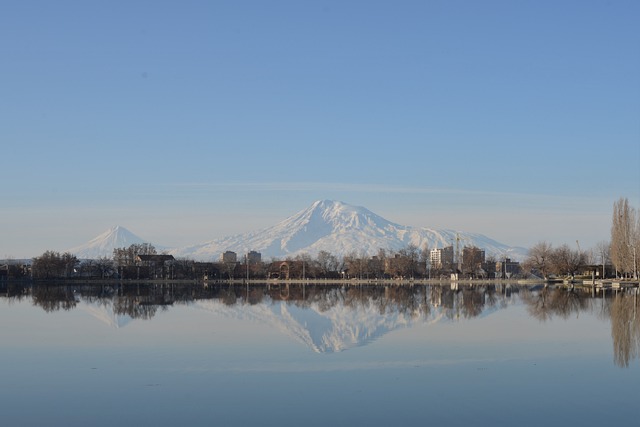
Ararat
Ararat Region, Armenia
Mount Ararat stands visible from most of Yerevan on a clear day: a massive snow-capped volcanic cone rising to 5,137 metres that has been the primary symbol of Armenian national identity for centuries. It is also inside Turkish territory, visible from Armenia but unreachable from it. The border has been closed since 1993. Armenians can look at their national symbol every day...
read more
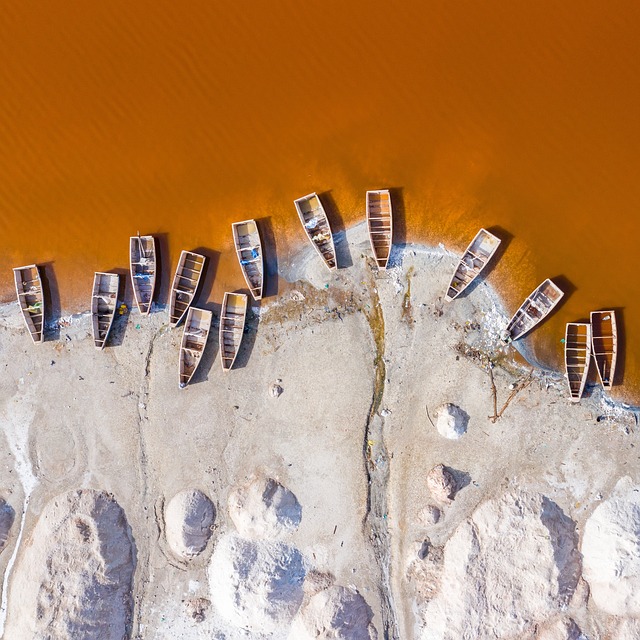
Senegal 6 Day Itinerary
Senegal in Six Days: A Practical Itinerary
Six days is not enough for Senegal but it’s enough to get a real sense of the country if you make clear choices rather than trying to cover everything. This itinerary assumes you fly into Dakar and out of Dakar, and that you’re primarily interested in history, culture, and wildlife rather than beach resort relaxation.
Day 1: Dakar
Arrive at...
read more
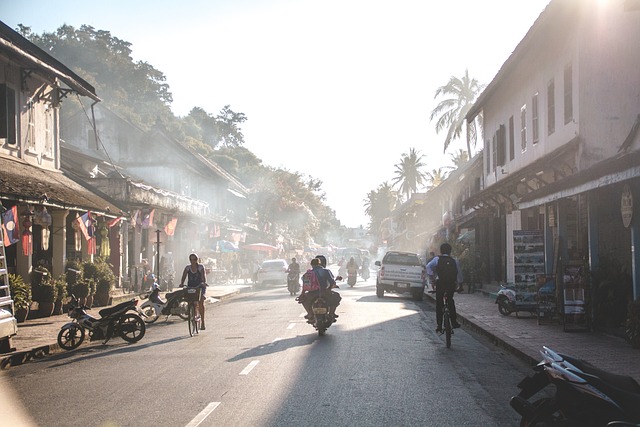
Town of Luang Prabang Laos
Luang Prabang: The UNESCO Town on the Mekong Luang Prabang sits at the confluence of the Mekong and Nam Khan rivers in northern Laos. It was the royal capital of the Kingdom of Lan Xang from the 14th century and the seat of the Lao monarchy until 1975. The French colonial presence from 1893 to 1954 built the grid of streets and the colonial villas that now sit alongside the older wats.
read more
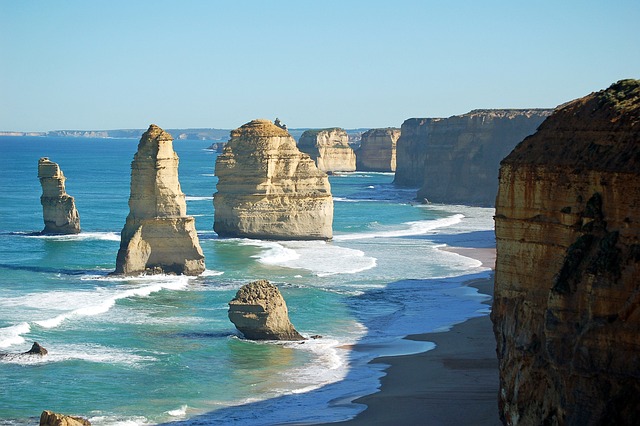
Apostles, Great Ocean Road
The Twelve Apostles, Great Ocean Road
In January 1990, the seaward arch of London Bridge, a natural rock formation near Port Campbell, collapsed into the sea without warning. Two tourists who had walked out onto the now-isolated section required helicopter rescue. What remains is a freestanding platform offshore. This is not an unusual event along this coast: the Twelve Apostles themselves number...
read more
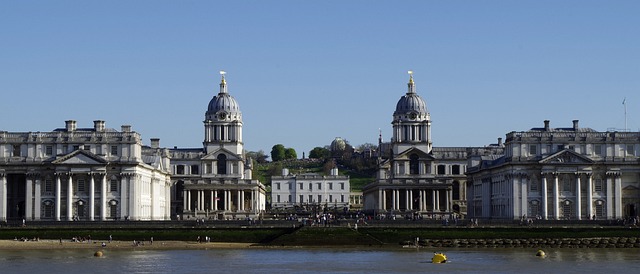
Greenwich Royal Observatory
Greenwich Royal Observatory: The Meridian Line and the Hill Worth Climbing
In 1884, delegates from 25 countries gathered in Washington DC and voted to make Greenwich the world’s Prime Meridian – longitude zero, the reference point from which every time zone on earth is measured. It was not an inevitable choice. Paris wanted the meridian to pass through France; Washington was also...
read more
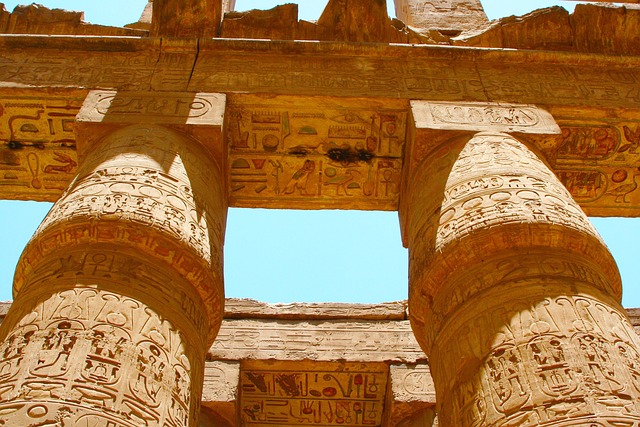
Temple of Luxor
The Mosque Inside the Temple That Nobody Warned You About
You enter Luxor Temple expecting to walk through 3,400 years of ancient Egyptian history and you do – but partway through the complex, above the level of one of the old pharaonic buildings, there is an active mosque. The Abu Haggag Mosque sits on a platform that was once a Roman courtyard that was once a Christian church that was once...
read more
Mosteiro Dos Jer Nimos
Mosteiro dos Jeronimos, Lisbon
Vasco da Gama returned from India in 1499 carrying spices worth 60 times the cost of the expedition. King Manuel I celebrated by commissioning the Jeronimos Monastery in Belem – a building whose stone-carving programme was funded by the profits of that spice trade. This context explains both the scale and the specificity of the decoration: ropes, coral,...
read more
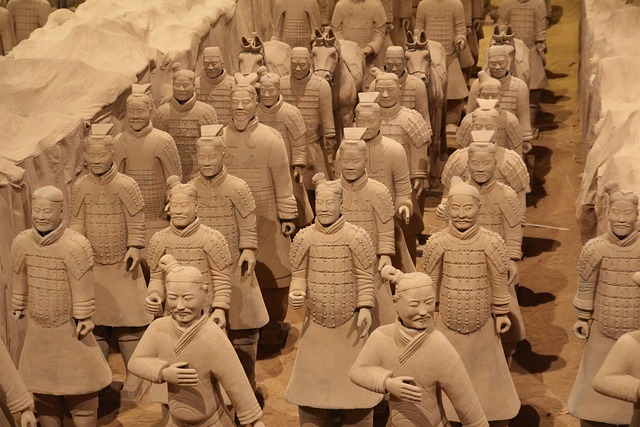
Terracotta Warriors
Terracotta Warriors: The Visit, Managed Honestly The farmers who discovered the terracotta army in 1974 while digging a well were initially not paid for their find. After the site became famous, the local village began profiting from tourism, and the original discoverers spent years seeking recognition and compensation. One of them, Yang Zhifa, eventually became the official autograph-signer at...
read more
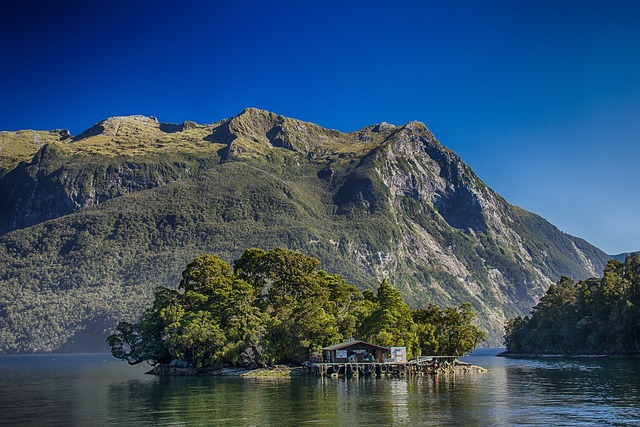
Doubtful Sound
Doubtful Sound: Three Times Longer Than Milford and a Fraction of the Traffic
Doubtful Sound in Fiordland National Park is 40km long, three times the length of the better-known Milford Sound, with water that reaches 421 metres deep and rainforest-covered walls rising 1,200 metres from the waterline. It was named “doubtful” by Captain Cook, who stood at the entrance in 1770 and was not...
read more
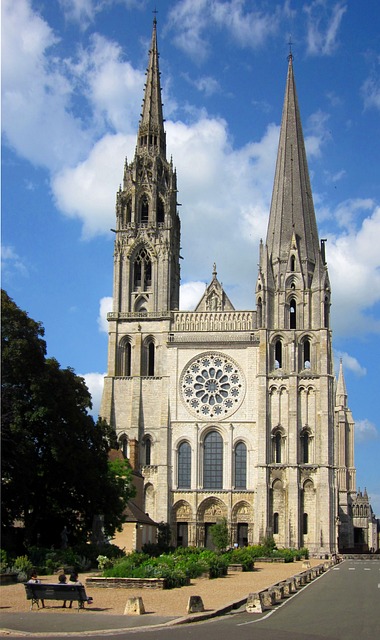
Chartres Cathedral
Discovering the Magic of Chartres Cathedral
Located in the heart of France, Chartres Cathedral is a UNESCO World Heritage Site and one of Europe’s finest examples of High Gothic architecture. Built primarily between the 12th and 13th centuries, this stunning Gothic cathedral has been a beacon of faith and beauty for over 800 years, attracting millions of visitors from around the world. The...
read more
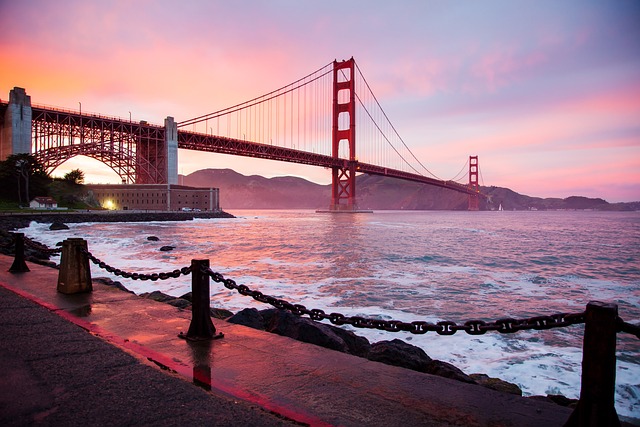
Golden Gate Bridge
Golden Gate Bridge: Walking It, Viewing It, and the Specific Problem of Morning Fog
The Golden Gate Bridge opened in 1937 and was the world’s longest suspension bridge for 27 years. It spans 2.7km and stands 67 metres above the water at mid-span. The International Orange paint was chosen over the US Navy’s preferred yellow and black stripes – a decision that made it one of the...
read more
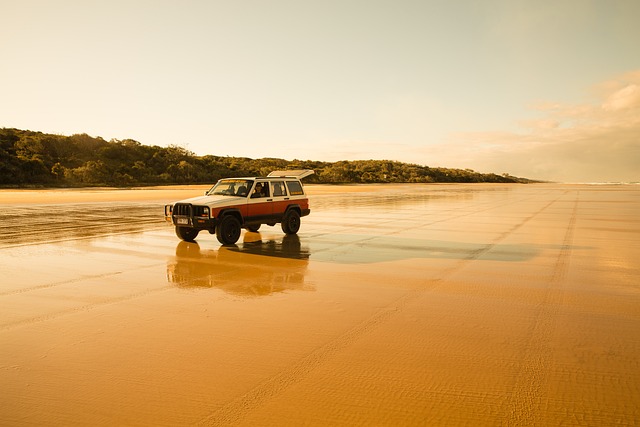
Fraser Island Queensland
Fraser Island (K’gari), Queensland
The world’s largest sand island is 125km long, up to 25km wide, and made almost entirely of sand. Not island-with-sandy-beaches sand, but sand all the way through: sand hills, sand roads, rainforest growing directly in sand, freshwater lakes perched in sand, sand with no rock substrate anywhere for the trees to anchor into. The island was renamed...
read more
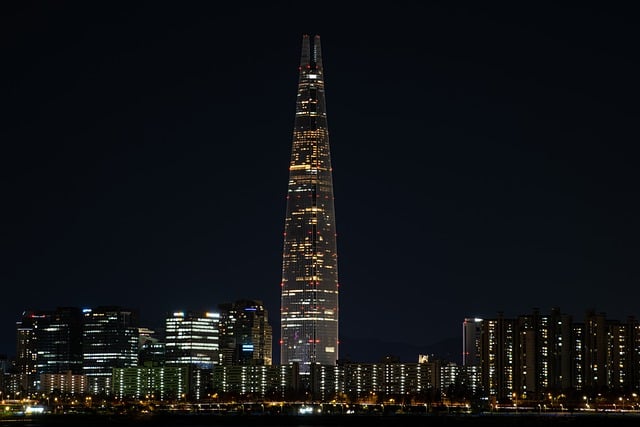
N Seoul Tower
N Seoul Tower: The Observation Deck Is Secondary to the Mountain It Sits On
N Seoul Tower stands 237 metres tall on Namsan, a 262-metre hill that occupies the geographic centre of Seoul. The tower’s base is already 243 metres above sea level, which means the observation deck puts you at 479 metres above the city with a 360-degree view of the Han River, the mountains ringing the basin, and on...
read more
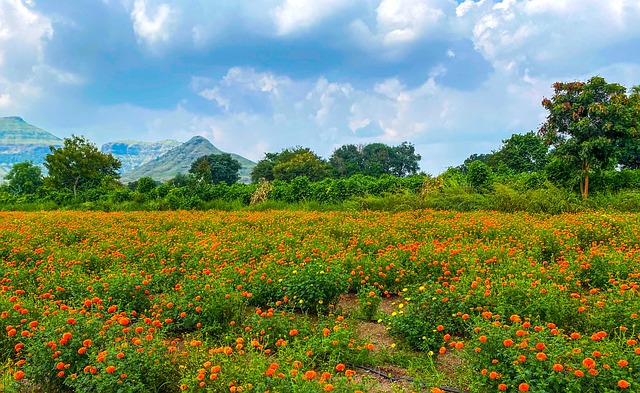
Dashashwamedh Ghat, India
Dashashwamedh Ghat, Varanasi: The Central Ghat on the Ganges Dashashwamedh is the most prominent of Varanasi’s 88 ghats – the stone steps that descend from the old city to the western bank of the Ganges. It sits at the end of Dashashwamedh Road, the main artery from the railway station, which means it receives more foot traffic than any other ghat in the city. Varanasi is one of the...
read more
Camber Sands Beach
Discover the Hidden Gem of Camber Sands Beach
Tucked away in East Sussex, England, lies a stunning stretch of coastline that will leave you breathless – Camber Sands Beach. This picturesque beach is home to some of the rarest sand dunes in Southeast England, a remarkable natural feature found in few other locations across this region. As a must-visit destination for anyone seeking a relaxing and...
read more
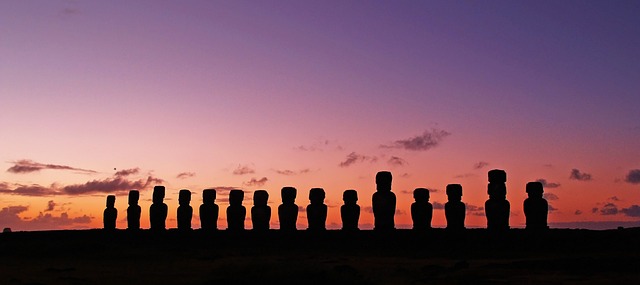
Easter Island, Chile
Easter Island (Rapa Nui): Getting There, What You’ll Actually Find, and Why Most Visitors Get It Wrong
The “walking” theory of moai transport, that the statues were rocked from side to side using ropes, moving upright on their flat bases, gained significant experimental support in 2012 when archaeologist Carl Lipo and his team demonstrated that a team of 18 people could move a...
read more
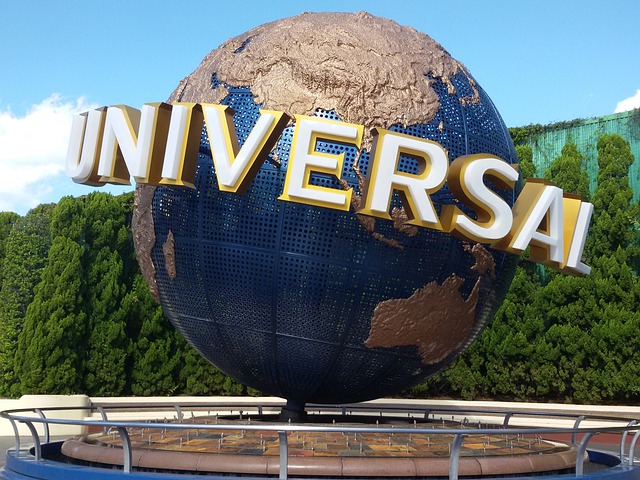
Universal Studios, Japan
Super Nintendo World doesn’t exist at any other Universal park, and it’s the reason USJ has overtaken its Hollywood sibling in international reputation
Universal Studios Japan in Osaka is the most technically interesting of the Universal parks. The Wizarding World of Harry Potter opened here in 2014 and remains excellent. Super Nintendo World, added in 2021, is the more distinctive...
read more
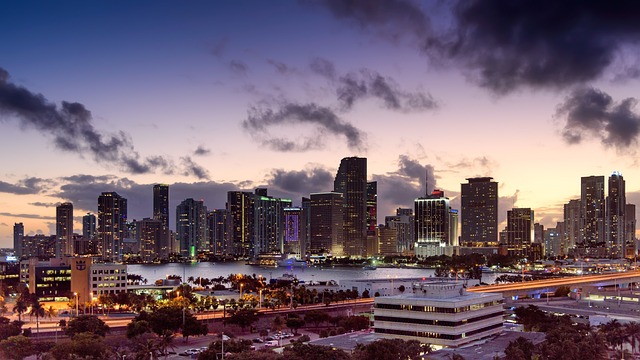
Miami Beach Florida
Miami Beach: Art Deco, Stone Crab, and the Things Nobody Tells You
Miami Beach is a barrier island, not part of Miami proper, connected to the mainland by a series of causeways across Biscayne Bay. It covers about 19 square miles and has a year-round population of around 90,000. The distinction matters: prices on the beach side of the MacArthur Causeway are consistently higher than equivalent...
read more
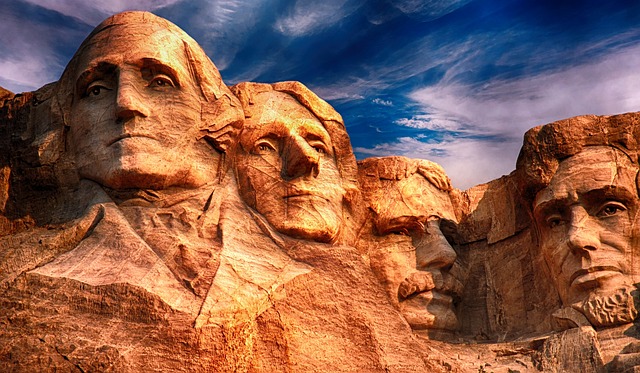
Mount Rushmore
Mount Rushmore: The Sculpture, the Context, and the Black Hills Mount Rushmore is not a natural formation. Between 1927 and 1941, sculptor Gutzon Borglum and around 400 workers used dynamite and jackhammers to carve the faces of George Washington, Thomas Jefferson, Theodore Roosevelt, and Abraham Lincoln into a granite cliff in the Black Hills of South Dakota. Each face is about 18 metres tall....
read more
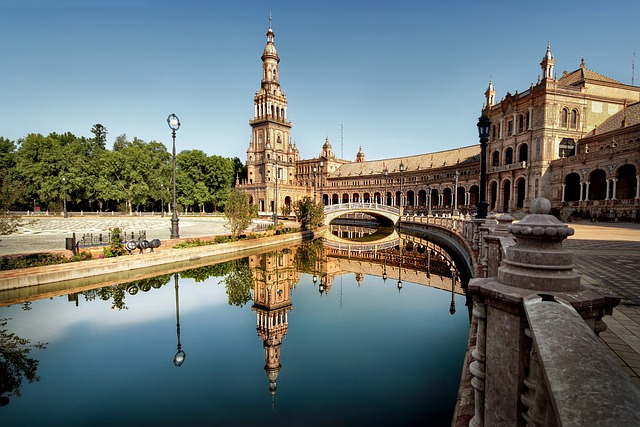
Alcazar Seville Spain
Alcazar de Sevilla
King Pedro I of Castile, known to his enemies as Pedro the Cruel and to his supporters as Pedro the Just (the titles tell you what kind of reign it was), commissioned the Alcazar’s most celebrated rooms in 1364. He imported craftsmen from the Nasrid court in Granada and from Morocco specifically to execute the Mudéjar decorative work: the elaborate arabesque plasterwork,...
read more
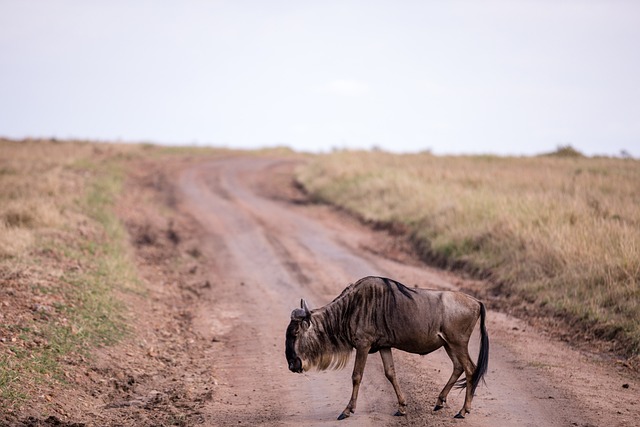
Wildebeest Migration
The Wildebeest Migration: Timing, Locations, and What You Actually See The Mara River crossings that appear in wildlife documentaries take place on no schedule. You can sit at the crossing point for six hours and see nothing, or you can arrive and watch 50,000 animals in the water within 20 minutes. No guide or operator can guarantee the timing. What they can do is increase your odds through river...
read more
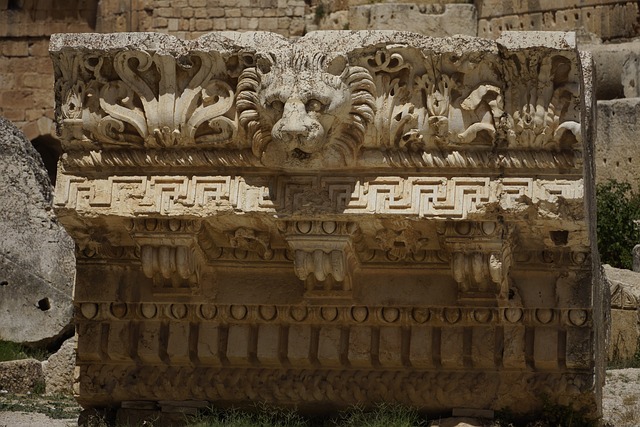
Baalbek
Discovering the Ancient City of Baalbek: A Traveler’s Guide
Tucked away in the Bekaa Valley of Lebanon lies the ancient city of Baalbek, a treasure trove of history, architecture, and natural beauty. This UNESCO World Heritage Site is a must-visit destination for any traveler seeking to uncover the secrets of the past. Baalbek stands as one of the world’s most remarkable archaeological...
read more
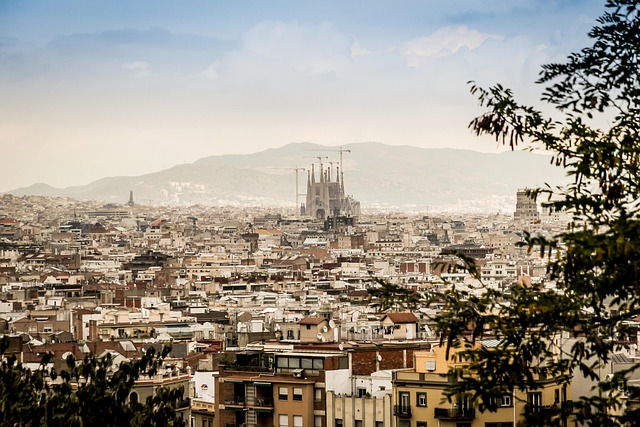
Sagrada Família, Spain
Sagrada Família, Barcelona
On February 20, 2026, the Tower of Jesus Christ was topped out at 172.5 metres, making the Sagrada Família officially the tallest church building in the world, overtaking the Ulm Minster in Germany. The six central towers are now complete for the first time. Construction started in 1882. When Gaudí died in 1926 – struck by a tram, buried in his own crypt inside the...
read more
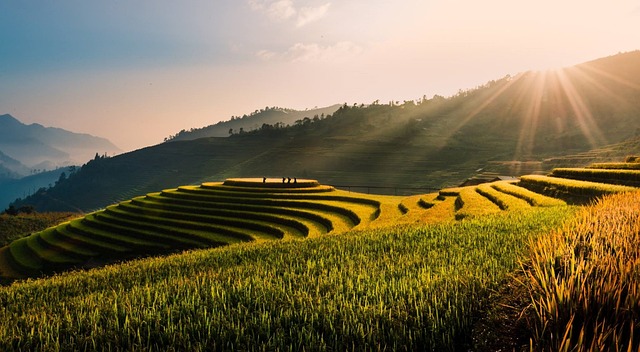
Cultural Landscape of Honghe Hani Rice Terraces
Honghe Hani Rice Terraces: 1,300 Years of Farming, Still Working
The terraces in Yunnan’s Honghe Prefecture didn’t appear on a UNESCO list and then become interesting. They’ve been farmed continuously for over 1,300 years, carved by the Hani people into the Ailao Mountains at elevations between 600 and 2,000 metres. The system uses gravity-fed channels from the forested...
read more
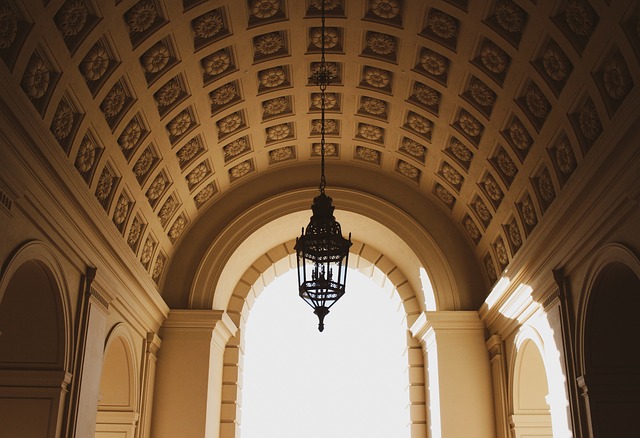
Hal Saflieni Hypogeum
Hal Saflieni Hypogeum, Malta
The Hypogeum was discovered in 1902 when workers drilling a cistern broke through the ceiling of the upper chambers. The workmen who initially found it reportedly resealed the hole and continued working for several months before reporting it to authorities. This caused considerable distress among archaeologists: whatever was done with the cistern in those months, and...
read more
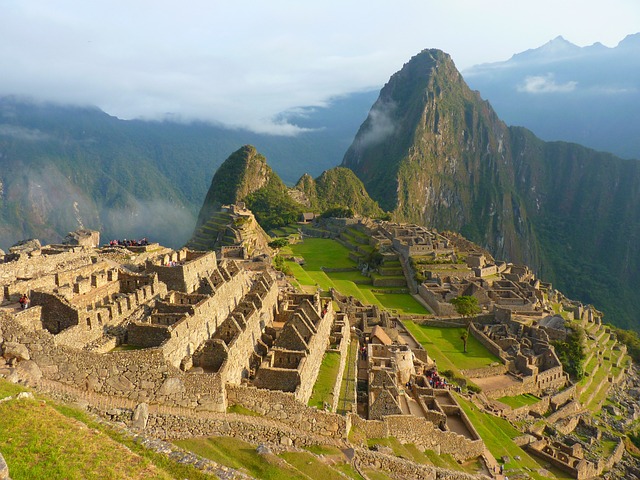
Machu Picchu
Machu Picchu: The Honest Planning Guide
Machu Picchu was built by the Inca state in the mid-15th century, probably as a royal estate for the emperor Pachacuti, and was abandoned about 80 years later when the Inca empire collapsed under Spanish conquest. It was never mentioned in Spanish colonial documents, which is why it was “unknown” to the outside world until Hiram Bingham III of...
read more
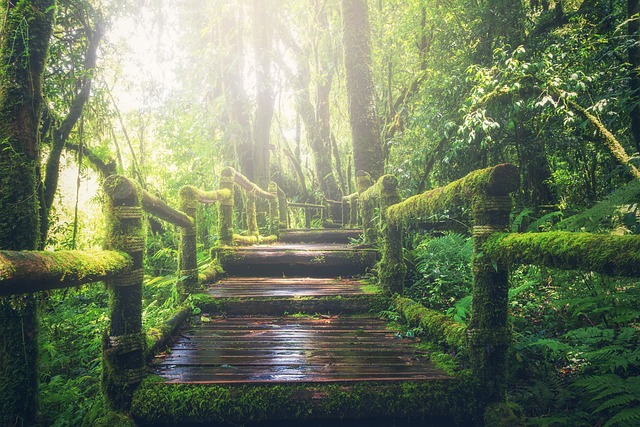
Jungles of Borneo
Borneo: Orangutans, Proboscis Monkeys, and One of the World’s Oldest Rainforests
The rainforest on Borneo has been continuously forested for approximately 130 million years, having persisted through the ice ages that stripped the forests of other regions. This antiquity produces the biodiversity: species evolved in isolation over longer timescales, with nowhere else to go, produce the...
read more

French Quarter
New Orleans French Quarter: How to Get Past Bourbon Street The muffuletta sandwich was invented at Central Grocery on Decatur Street in 1906. The Sazerac cocktail, rye whiskey, Peychaud’s bitters, absinthe rinse, was invented at a pharmacy a few blocks away in the 1850s. Café du Monde opened in 1862 and has served the same beignets and chicory café au lait every day since, 24 hours a day....
read more
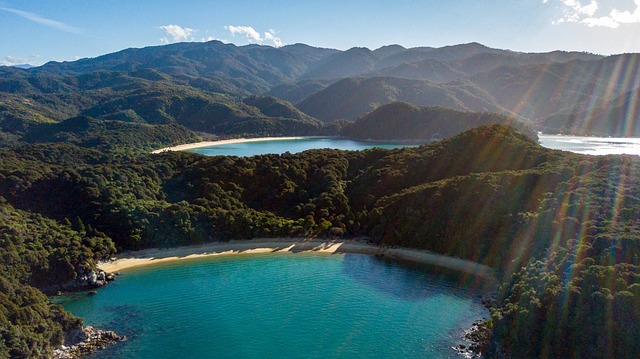
Abel Tasman National Park
New Zealand’s smallest national park has the best coastline ratio of any of them
Abel Tasman is 225 square kilometres – compact, accessible, and almost unfairly beautiful. The park sits at the top of the South Island where the Tasman Bay meets the golden granite coastline, and the combination of tidal bays, clear water, bush-covered headlands, and small offshore islands makes it the...
read more
Pentagon
The Pentagon: What You Can Actually See, and Why the Memorial Is the Real Reason to Come
Most tourists arrive expecting to tour the Pentagon and leave disappointed when they find out how the access works. Let’s get this out of the way immediately: you cannot walk in off the street. Guided interior tours are available only to US citizens and permanent residents, must be requested through a...
read more
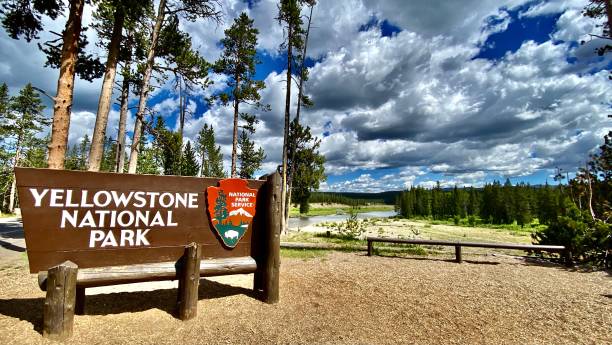
Yellowstone National Park Wyoming
Yellowstone in Depth: Beyond Old Faithful and the Grand Loop
Most visitors do the Grand Loop, stop at the major geothermal areas, and leave thinking they’ve seen the park. The Grand Loop is useful but it produces a specific kind of Yellowstone experience: crowded at the major sites, rushed between them, and missing the most interesting wildlife watching. With proper planning you get...
read more
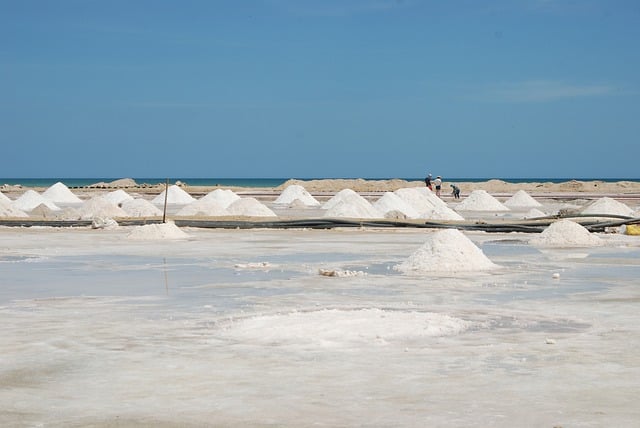
Malecon De Riohacha
Riohacha and the Malecón: Gateway to the Wayúu Territory Riohacha is a coastal city of around 300,000 people on Colombia’s Caribbean shore, the capital of La Guajira Department. It is the largest city in one of Colombia’s most distinctive regions: a hot, semi-arid peninsula that extends into the Caribbean and borders Venezuela, inhabited largely by the Wayúu indigenous people. Tourism...
read more
Chesil Beach
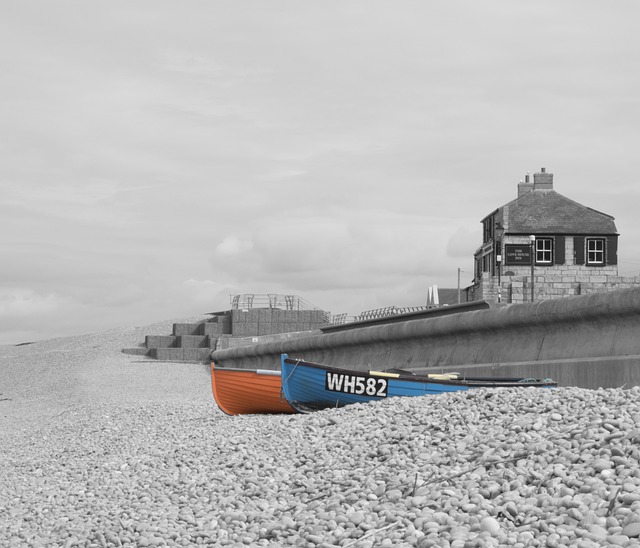
Chesil Beach
Fishermen who grew up along this stretch of the Dorset coast can tell, in the dark and in fog, exactly where they are on the beach just by picking up a handful of stones. The pebbles graduate precisely from pea-sized gravel at West Bay to fist-sized cobbles at Portland Bill, 29 kilometres to the east. The gradient is consistent enough that local knowledge of the pebble size was, for...
read more
. Alhambra
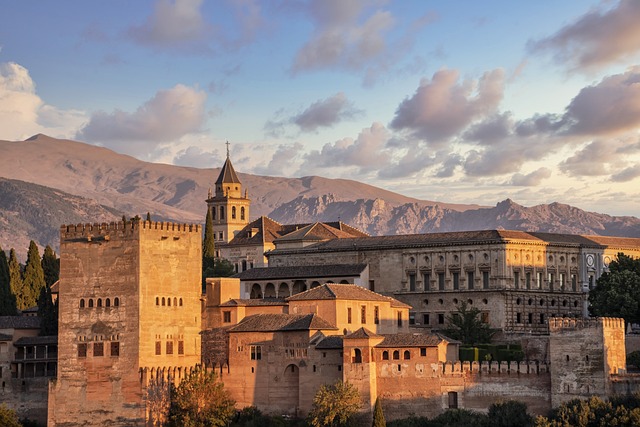
The Alhambra: Granada’s Medieval Palace and What It Takes to Get Inside
Ticket availability is the first thing you need to understand about the Alhambra. The complex limits entry to around 6,600 visitors per day, and the Nasrid Palaces - the sequence of ornate reception halls that constitutes the architectural heart of the site - allow only 300 people per 30-minute time slot. Tickets go on...
read more
Notre Dame Cathedral
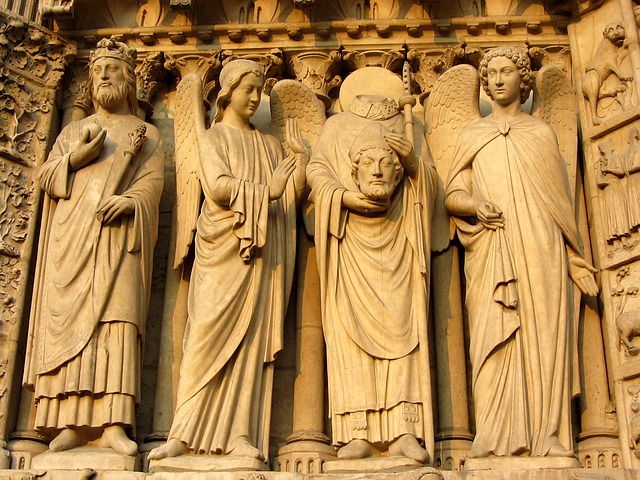
Notre Dame Cathedral: Reopened in December 2024 Notre Dame de Paris was built between 1163 and approximately 1345, which means the cathedral that burned on 15 April 2019 had been standing for roughly 680 years. The fire destroyed the medieval wooden roof structure (the “forest”), the 19th-century spire designed by Viollet-le-Duc, and caused significant damage to the upper interior....
read more
Bel M Tower
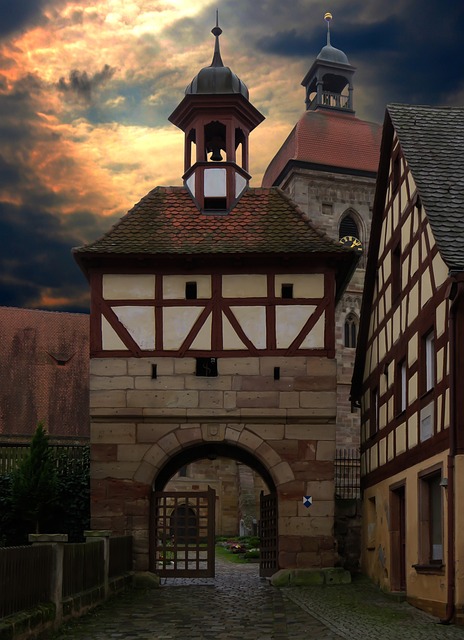
Belém Tower: A 500-Year-Old Fortress Worth More Than a Photo Stop
The Torre de Belém sits in the Tagus estuary about 200 metres from the north bank, built between 1516 and 1521 as a ceremonial gateway and defensive fortification for Lisbon’s harbour. For centuries it stood on a true island reached by boat; the 1755 Lisbon earthquake altered the river’s silting patterns and it’s...
read more
Valpara So Chile
Valparaiso: Chile’s Port City With the Funiculars and the Murals
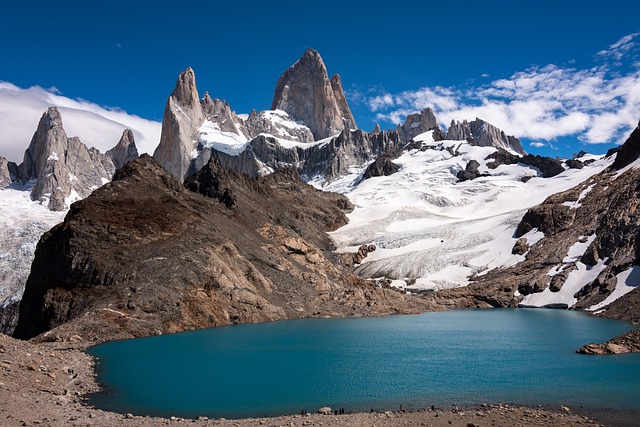
Valparaiso is where Chilean sailors and cargo handlers have been living since the 16th century, before that, Indigenous Chango fishermen worked the same bay. The funicular elevators connecting the flat port district to the hillside neighbourhoods were installed from 1883 onward, when the city was one of South America’s...
read more
Jaisalmer Rajasthan India
Jaisalmer: The Living Fort and Why November Through February Is the Only Sensible Time
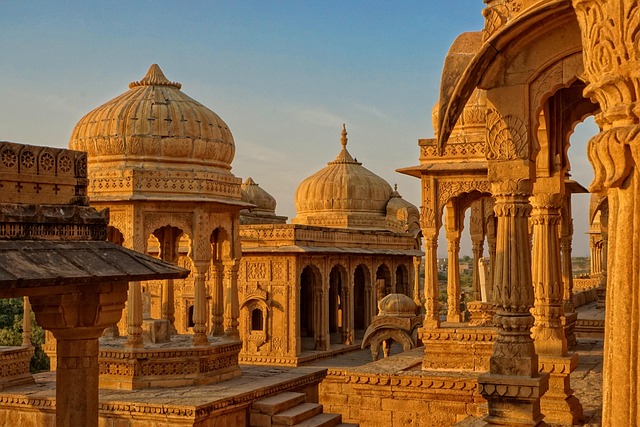
Jaisalmer is 575km west of Jaipur, deep in the Thar Desert, and it contains something unusual among Indian forts: people still live inside it. Around 3,000 residents occupy the lanes within Jaisalmer Fort’s walls, which means the fort is not a museum but a functioning neighbourhood. Descending from the...
read more
Stingray City, Grand Cayman
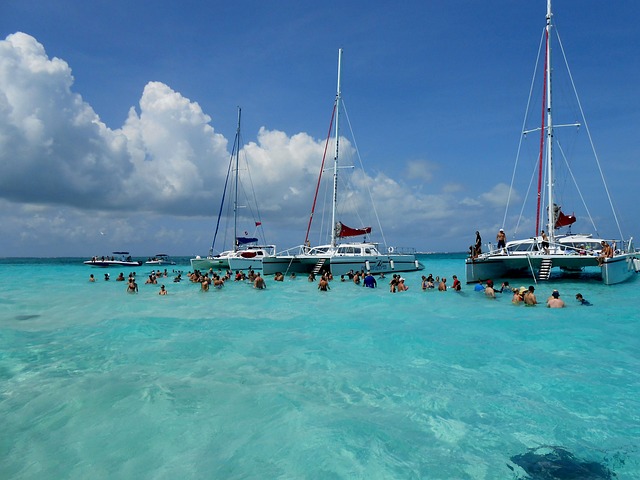
Stingray City, Grand Cayman: The Sandbar, the Rays, and the Rest of the Island The southern stingrays at Grand Cayman’s Stingray City started congregating here in the 1980s when local fishermen began cleaning their catch at this sandbar and tossing scraps overboard. The rays learned that boat engines meant food. Snorkellers followed. Then dive boats. Now there are 50 to 100 rays at the...
read more
Arnhem Land Australia
Arnhem Land, Australia: The Permit Requirement Is Not a Bureaucratic Hurdle
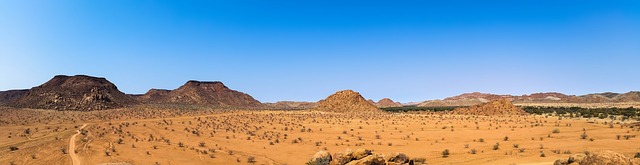
Arnhem Land covers roughly 97,000 square kilometres of the Northern Territory – roughly the size of Iceland – and entry requires a permit from the Northern Land Council. This is not incidental. Arnhem Land is Aboriginal land, has been formally designated as such since 1976 under the Aboriginal Land Rights Act,...
read more
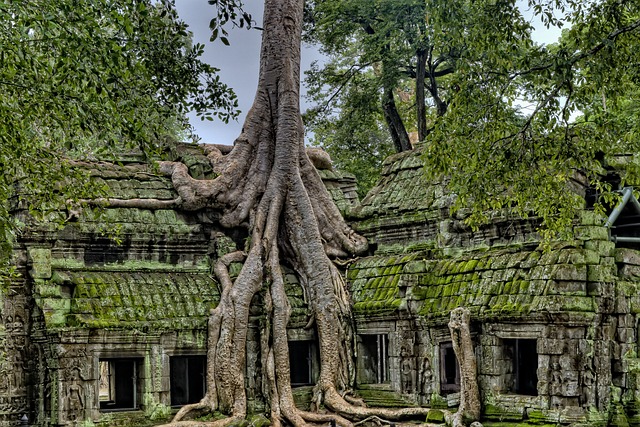
Angkor Wat Cambodia
Discovering the Ancient Wonders of Angkor Wat, Cambodia
Introduction Angkor Wat, one of the world’s most impressive archaeological sites, is a must-visit destination for any traveler. Located in Siem Reap, Cambodia, this ancient temple complex is a testament to the rich history and culture of the Khmer Empire. Built in the 12th century during the reign of King Suryavarman II, Angkor Wat...
read more
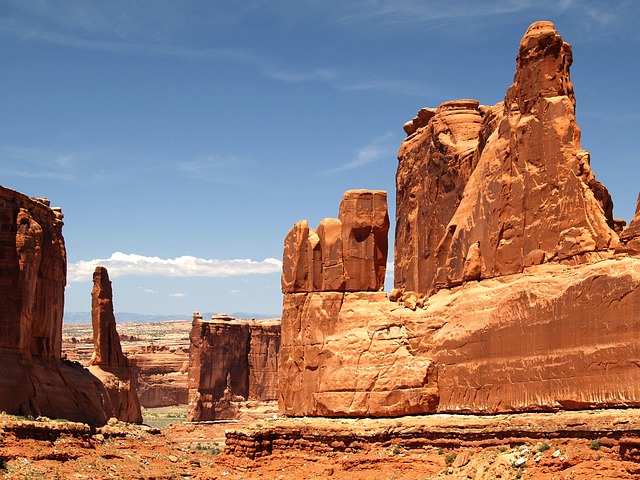
Bryce Canyon National Park, Utah
Bryce Canyon: The Hoodoos Are Nowhere Near a Canyon, and That’s Fine
Bryce Canyon is not technically a canyon. It is a series of natural amphitheatres carved into the edge of the Paunsaugunt Plateau by frost, rain, and dissolving limestone. The formations – hoodoos – are the largest concentration anywhere on earth. Standing on the rim of the Bryce Amphitheatre at sunrise, with 60...
read more
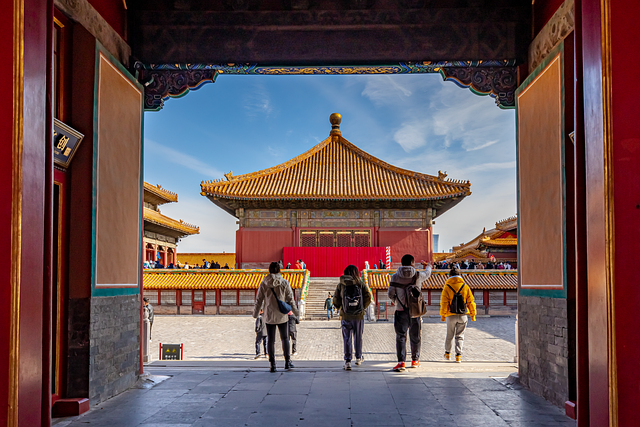
Ancient Maya City and Protected Tropical Forests of Calakmul, Campeche
Calakmul: The Rival of Tikal That Most Tourists Miss
During the Maya Classic Period, Calakmul and Tikal fought a decades-long political and military rivalry that shaped the entire Maya world. Calakmul won more of those battles than it lost, and at its peak controlled a network of allied city-states stretching across what is now Mexico, Guatemala, and Belize. Yet today Tikal gets international...
read more
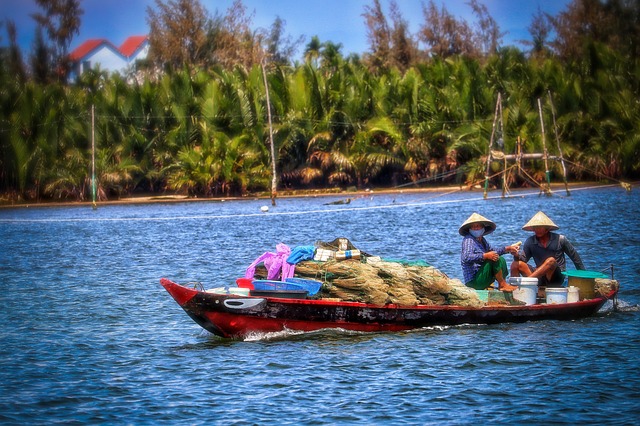
Mekong Delta
The Mekong Delta: How to See It Without the Tour Bus Version
The Mekong splits into nine distributaries before reaching the South China Sea, which is why Vietnam calls the delta region Song Cuu Long, the Nine Dragons River. The delta covers 40,500 square kilometres of southern Vietnam, produces roughly half the country’s rice and over 70% of its fruit, and supports a population of around 17...
read more
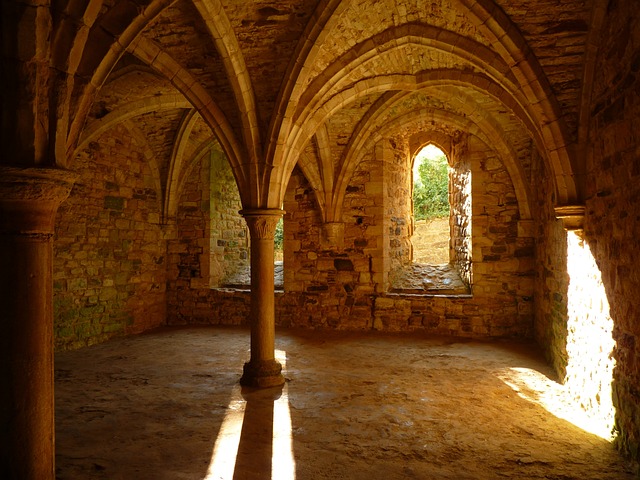
Battle Abbey and Battlefield
Battle Abbey and Battlefield: Where English Changed
Everything in English that looks French, beef instead of cow, pork instead of pig, venison instead of deer, sovereign instead of king, is the linguistic legacy of what happened on 14 October 1066 on the hill above the town of Battle. Norman French became the language of power and administration; Anglo-Saxon remained the language of working...
read more
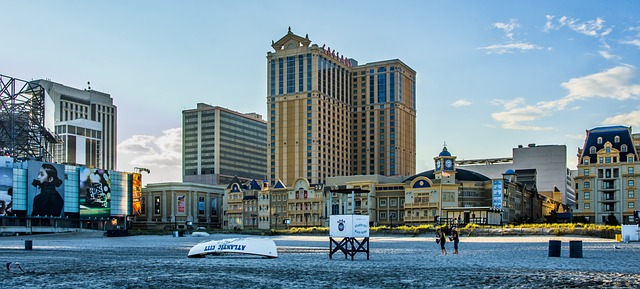
Atlantic City Boardwalk
Atlantic City Boardwalk
Atlantic City Boardwalk opened on June 26, 1870, and was the first boardwalk built in the United States. The original purpose was purely practical: hotel owners wanted a way to keep sand out of their lobbies after guests came up from the beach. That modest ambition produced something that became the template for American leisure culture on a seaside promenade, and...
read more

Scottish Cafe Lviv
The Scottish Cafe in Lviv: Mathematics, History, and a City Worth Knowing The Scottish Cafe (Kawiarnia Szkocka in Polish, Кав’ярня «Шотландська» in Ukrainian) on Rynok Square in Lviv is one of the more historically significant coffee houses in Central Europe, though its importance has nothing to do with Scotland. In the interwar period, when Lviv was the Polish city of Lwów, the café served...
read more
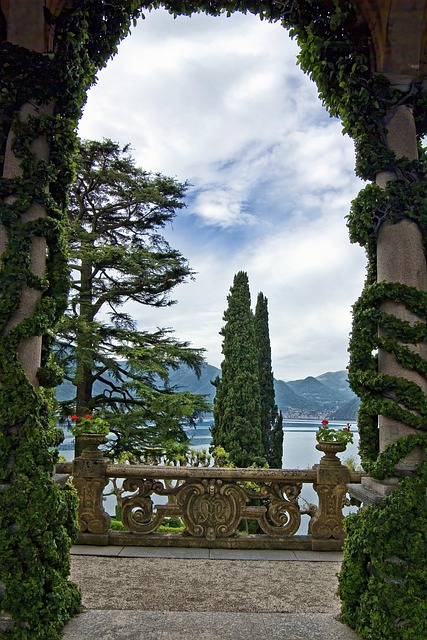
Villa Del Balbianello, Lake Como
Balbianello has appeared in two Bond films and the Star Wars prequels, which is a lot of screen work for a loggia that seats twelve people
Villa del Balbianello sits on a narrow promontory at Lenno on the western shore of Lake Como’s southwest arm. It appeared as the convalescent villa in Casino Royale (2006), as the Naboo lakeside retreat in Attack of the Clones (2002), and has been...
read more
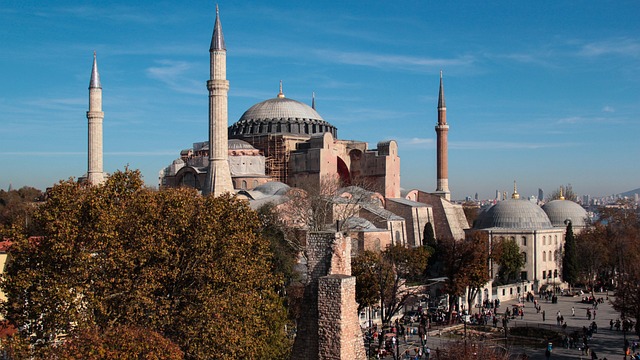
Aya Sofya Hagia Sophia
Aya Sofya: 1,500 Years of Contested Space
Since May 2026, the entrance fee for Hagia Sophia is €25 for foreign visitors. This is a significant change from the years immediately following the 2020 reconversion to a mosque, when entry was free; the price increase has been met with mixed reactions, but the site remains one of the most extraordinary buildings on earth and worth the admission...
read more