Recent Places
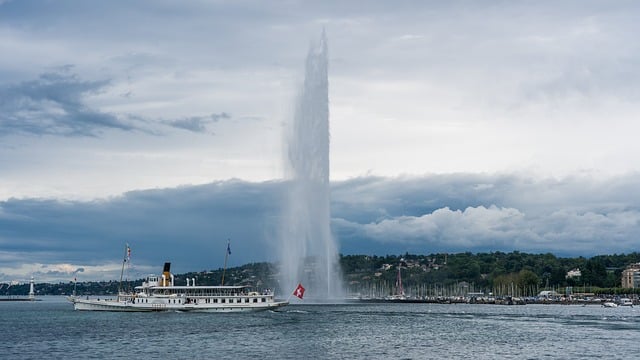
Lake Geneva
The wine terraces lining the north shore of Lake Geneva between Lausanne and Montreux have been cultivated continuously since the eleventh century, when Cistercian monks began carving the hillside into what is now 450 kilometers of interlocking stone walls. The system earns its UNESCO World Heritage status not just for age but for ingenuity: the walls trap daytime heat and release it overnight,...
read more
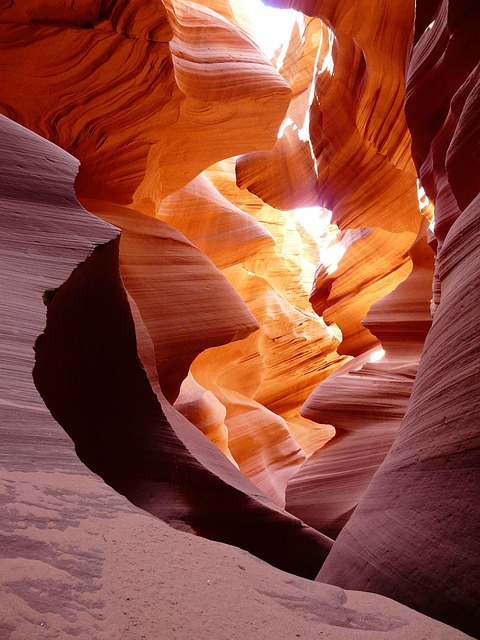
Antelope Canyon
Antelope Canyon The photograph you’ve seen ten thousand times, the one with a single column of light cutting through a swirling amber corridor, was almost certainly taken at a specific two-hour window on a cloudless summer morning. The canyon itself is real, the light genuinely does that, and you can stand inside it yourself. What the photograph does not prepare you for is the crowd standing...
read more
Northern Lights
The northern lights look nothing like they do in photographs. In person, with moderate activity, what you see is a pale green shimmer that you might initially mistake for thin cloud. The camera, set to ISO 3200 with a 10-second exposure, picks up saturated green columns and faint pink fringing that your eyes, with their limited sensitivity in low light, largely cannot detect. Most first-time...
read more
Fjords of Norway
Norway has around 1,200 fjords, but almost everyone ends up at the same three. That concentration is understandable: Sognefjord, Geirangerfjord, and Nærøyfjord are genuinely exceptional. It does mean, however, that a large portion of visitors to western Norway spend considerable time in places that look spectacular but feel crowded, while quieter fjords an hour away see almost no traffic. This...
read more
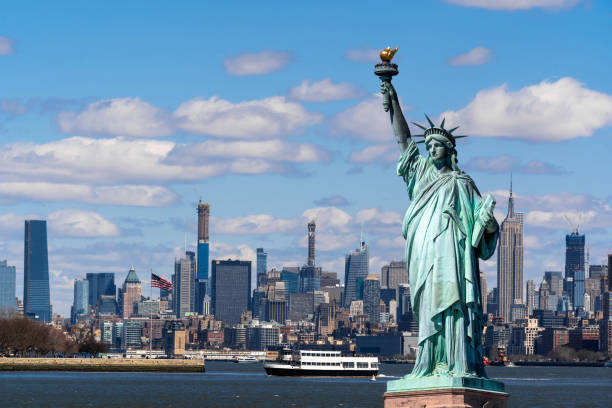
Statue of Liberty
Statue of Liberty The torch at the top of the Statue of Liberty has been locked shut since July 30, 1916. That night, German saboteurs detonated a munitions depot on Black Tom Island in New York Harbor. The shockwave was equivalent to a 5.5-magnitude earthquake. Shrapnel tore into the statue’s right side, and the blast pushed the arm against the crown, damaging the internal framework. The...
read more
Ayers Rock, Australia
Ayers Rock: The Heart of Australia’s Red Center
The Anangu have a word, Tjukurpa, that refers to the law, creation stories, and spiritual framework that governs their relationship with the land. You cannot understand Uluru without it. Rising 348 meters above the surrounding plain and measuring more than 9 kilometers at its base, the sandstone monolith that most of the world still calls Ayers...
read more
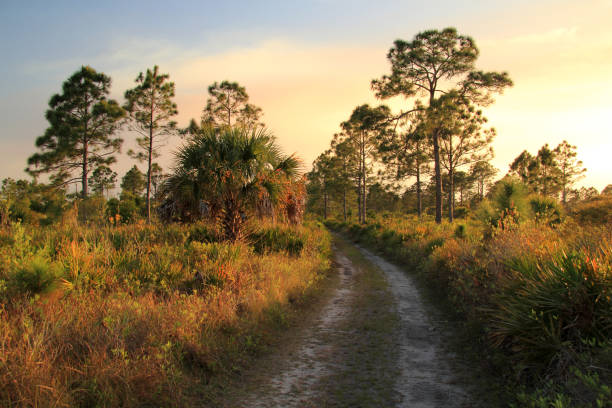
Everglades National Park
The Everglades is not a swamp. This correction matters more than it might seem, because the word “swamp” implies stagnant water and rot, and the Everglades is something closer to the opposite: a slow-moving river, barely two feet deep and up to 60 miles wide, flowing south from Lake Okeechobee to Florida Bay. Marjory Stoneman Douglas named it the River of Grass in 1947, and her phrase...
read more
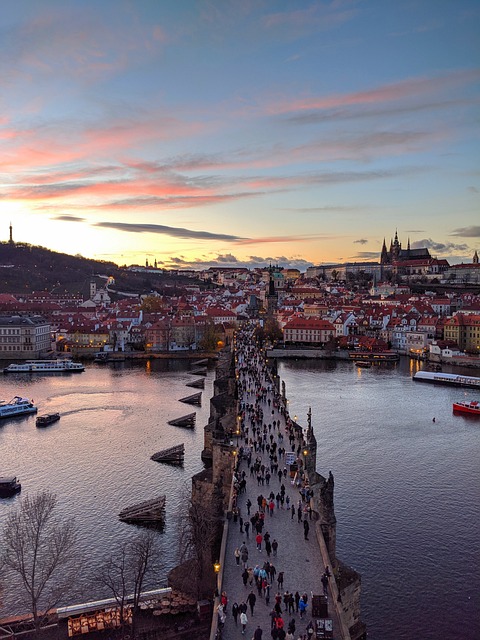
Charles Bridge
Charles Bridge At 5:31 on the morning of 9 July 1357, somebody with a hammer and a chisel lowered the foundation stone of a new bridge into the Vltava. The time was not chosen for practical reasons. Emperor Charles IV and his court astrologers had calculated that the moment formed a numerical palindrome: 1-3-5-7-9-7-5-3-1, reading identically forwards and backwards. They believed the symmetry...
read more
St. Lucia
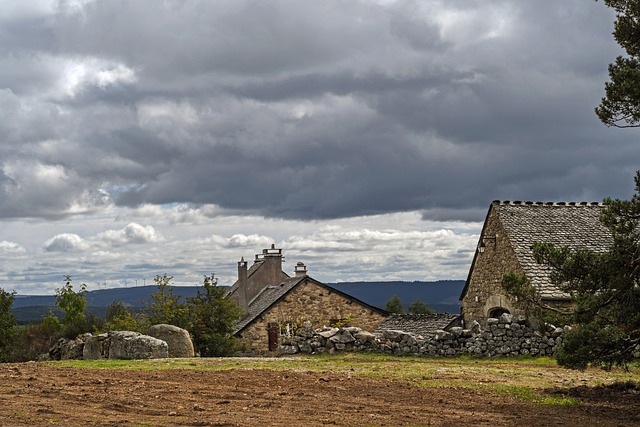
St. Lucia has been ranked the best place to visit in the Caribbean by U.S. News and World Report for 2026, and for the third consecutive year it topped the same publication’s honeymoon destination rankings. That kind of recognition tends to accelerate the very overcrowding it rewards, which is worth knowing before you decide how and where to position yourself on the island.
The honest answer...
read more
Hanois Old Quarter
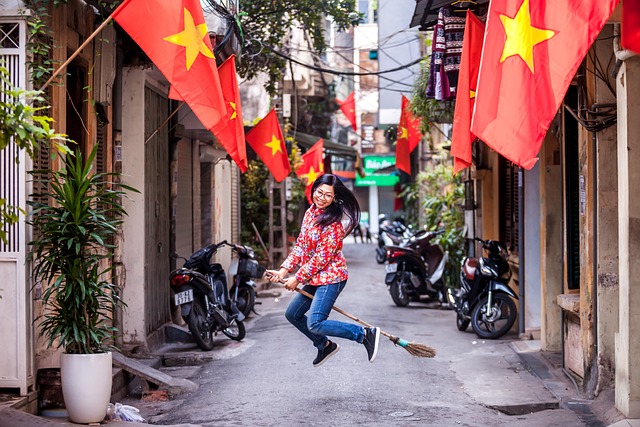
The Street Names in Hanoi’s Old Quarter Are Not History. They Are a Working Trade Directory from the 15th Century.
Most of the 70-plus streets that make up Hanoi’s Old Quarter take their names from the goods sold or crafted on them. Hang Tre means bamboo wares. Hang Dong means copper wares. Hang Bac (silver wares) is where the Dong Cac guild of jewellers settled during the Le dynasty...
read more
Big Sur California
Big Sur, California
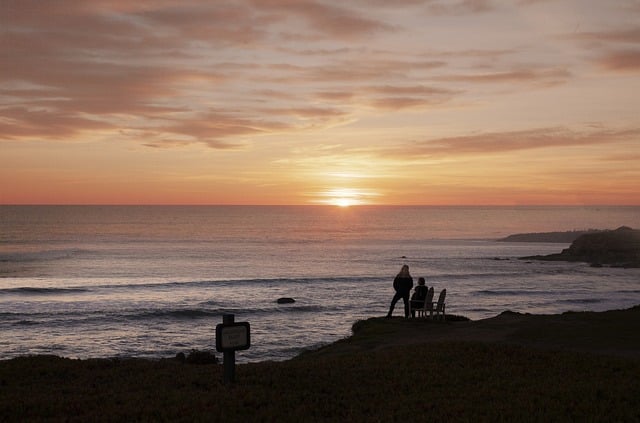
Before you drive Highway 1 through Big Sur, check the Caltrans road conditions site. This is not optional advice: as of mid-2026, the highway is closed to all traffic south of Julia Pfeiffer Burns State Park due to the Regents Slide, with no anticipated reopening date. This follows a separate three-year closure that only ended in January 2026. Big Sur is one of the most...
read more
Lake Wanaka
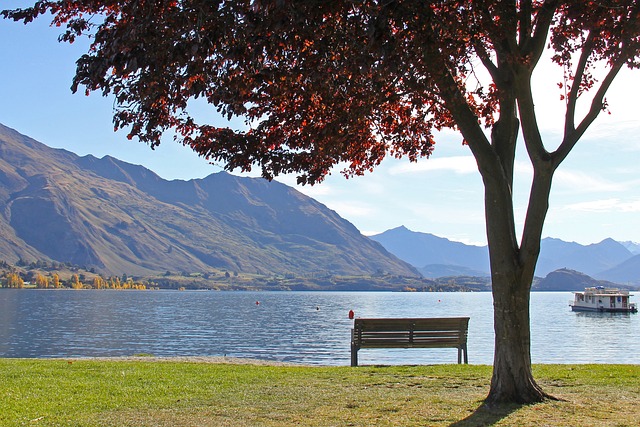
That Wanaka Tree began as a fence post. Tim Scur planted a willow cutting on the stony shoreline of Lake Wanaka sometime in the 1990s, expecting it to do exactly what fence posts do. It grew instead, standing alone in the shallows with the Southern Alps behind it, and eventually became one of the most photographed trees in New Zealand. It was vandalized in 2020, multiple limbs sawn off and left on...
read more
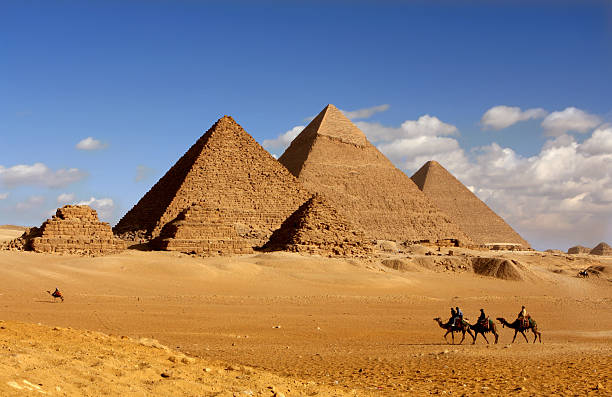
Pyramids of Giza
In 2013, archaeologists found the diary of a man named Merer, an official who supervised the transport of limestone blocks from the quarries at Tura to Giza by boat along a now-dry branch of the Nile. The logbook is over 4,500 years old and gives a precise administrative picture of the pyramid-building operation: scheduled shifts, rations issued, distances covered. The workforce was not enslaved,...
read more
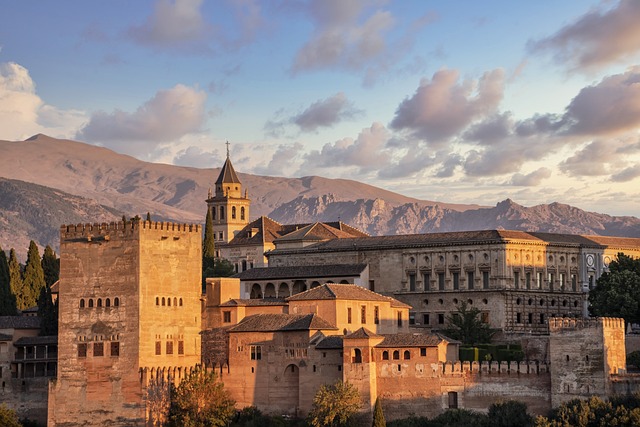
Alhambra
Alhambra The ticket confirmation email arrives with a warning printed in bold: bring your original passport or national identity card, not a photo on your phone, not a photocopy. At the gate, a guard checks it against the name on your booking. This is not a formality. The Alhambra has had enough scalpers and fraudulent resales that its administration enforces personal-ticket rules the way border...
read more
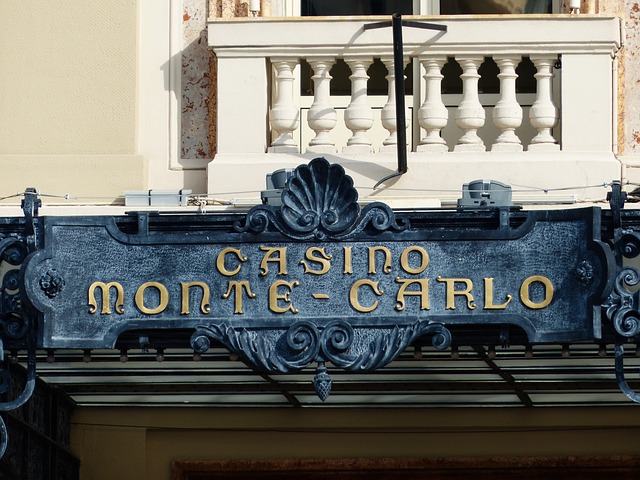
Monte Carlo Casino
Prince Charles III of Monaco built the original casino in 1865 because the principality was facing bankruptcy. Within four years the venture was profitable enough that he abolished taxation for his subjects entirely. That calculation, trading the presence of gamblers for the freedom of citizens from tax, is the founding logic of modern Monaco, and it has not changed in 160 years. The Casino de...
read more
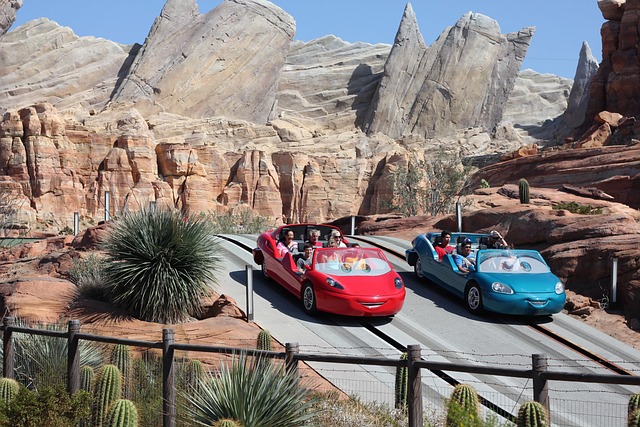
Disneyland Park, California
What Walt’s Original Actually Gets Right
The popular line is that Walt Disney World in Florida is bigger, newer and more impressive, which is largely true. Disneyland in Anaheim, California, the original park Walt himself walked through in 1955, has a different claim. It is smaller, which means it is more walkable. The theming is denser and the park sits in a tighter radius, so you can cross...
read more
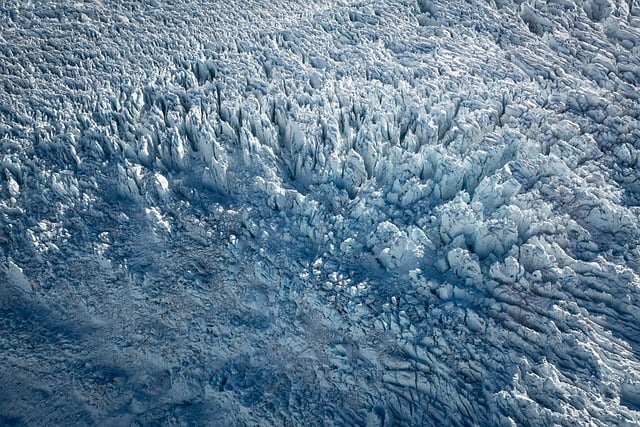
Fiordland National Park, New Zealand
Milford Sound is technically not a sound. It was carved by glaciers over millions of years, which makes it a fiord. Early European explorers misnamed it and the error stuck. The same mislabeling does not detract from the visual fact of it: sheer rock walls rising 1,200 metres directly out of dark water, waterfalls dropping the full height in wet weather, the permanent fog that settles at mid-cliff...
read more
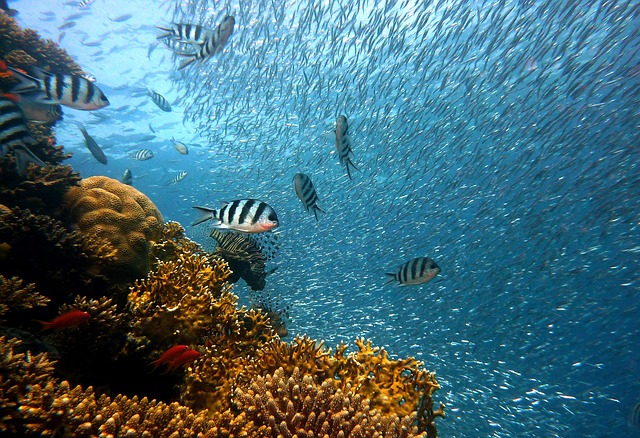
Glover's Reef
Glover’s Reef Atoll takes its name from an eighteenth-century pirate. John Glover, along with his brother Rodger, used the remote cayes as a base for raiding Spanish merchant ships heading to and from the Bay Islands of Honduras. It was an ideal choice: the atoll sits 27 miles off the coast of southern Belize, surrounded on all sides by sheer drop-offs that plunge from 25 feet to over 2,700...
read more
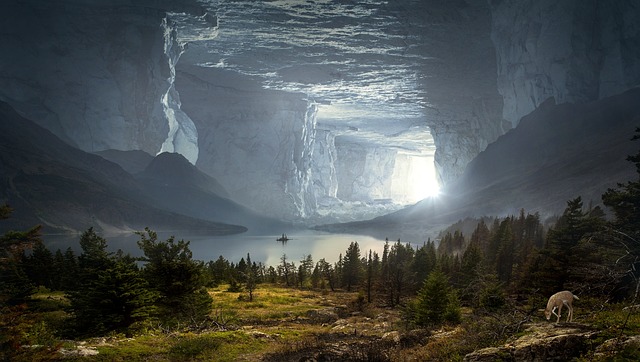
Cave of Altamira and Paleolithic Cave Art of Northern Spain
Fourteen Thousand Years Ago, Someone Painted a Bison
In 1879, Marcelino Sanz de Sautuola was excavating at Altamira with his eight-year-old daughter Maria. She wandered into a side chamber, looked up, and said “Papa, look, oxen.” What she had found was a ceiling covered in bison, horses and deer, painted so skillfully that the academic establishment initially refused to believe they...
read more
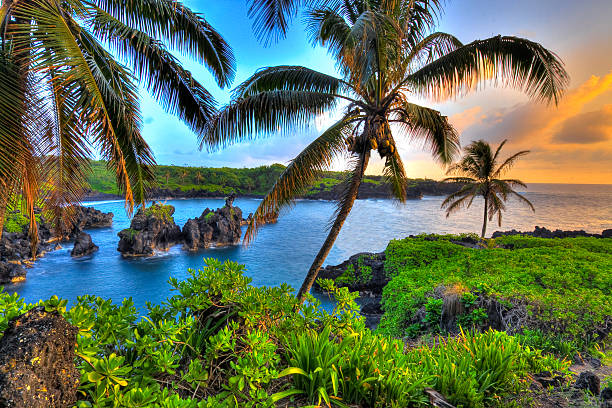
Hawaii
Standing at the edge of Halemaʻumaʻu crater on the Big Island at 5 a.m., watching Episode 50 of Kilauea’s ongoing eruption paint the clouds orange from below, you understand something that no beach photograph communicates: Hawaii is a place that is still being made. The lava fountaining that began on June 27, 2026 is now part of the most episodically active eruption sequence ever recorded at...
read more
Bay Islands, Honduras
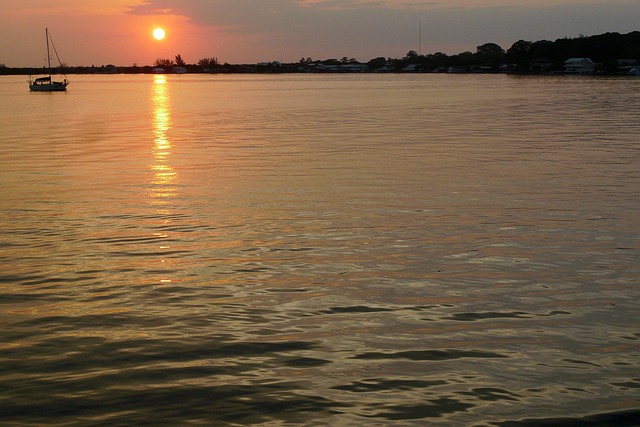
The Bay Islands, Honduras: A Caribbean Reef You Won’t Have to Share Much
The Mesoamerican Barrier Reef wraps around the Bay Islands like a moat nobody warned you about. It is the second largest coral reef system in the world, and instead of the crowds you’d find at the Great Barrier Reef or Mexico’s Riviera Maya, you will mostly find yourself with a turtle and a wall dropping 100...
read more
Boundary Waters Canoe Area Wilderness
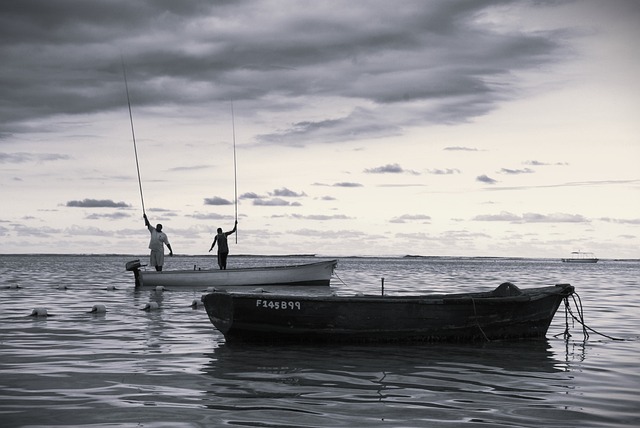
The permit reservations for the 2026 season sold out within hours of going live on January 28. That tells you something important about the Boundary Waters Canoe Area Wilderness: it is, despite covering more than one million acres of northern Minnesota, genuinely limited in what it can absorb. That scarcity is not a flaw. It is the reason the water is clean, the portage trails are quiet by...
read more
Hong Kong Disneyland
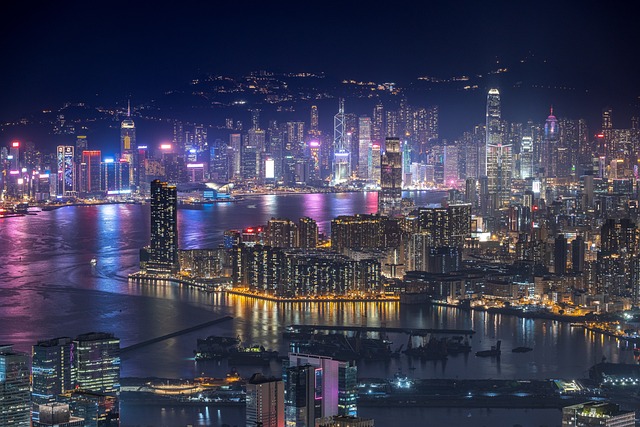
Hong Kong Disneyland contains an attraction that exists nowhere else on Earth, and most visitors walk past it after queuing for Frozen Ever After. Mystic Manor, which opened in Mystic Point in 2013, is a trackless dark ride with no ghosts, no haunting, no references to death or the afterlife (those themes don’t translate well across Chinese cultural sensibilities), and a musical score...
read more
Golden Gate Park, San Francisco
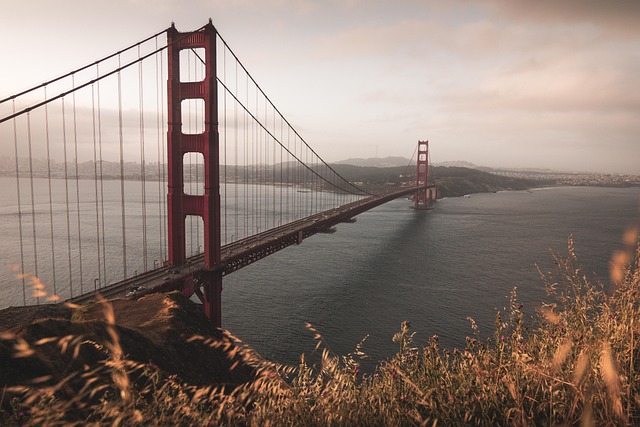
There is a small herd of American bison living in Golden Gate Park. They have been there since 1891, when the first bull, named Ben Harrison after the sitting US president, was shipped from a Kansas ranch for $350. Most visitors to San Francisco have no idea the bison exist, which makes the far western end of the park near the Dutch windmills one of the quietly rewarding detours in the city.
read more
Group of Monuments at Hampi
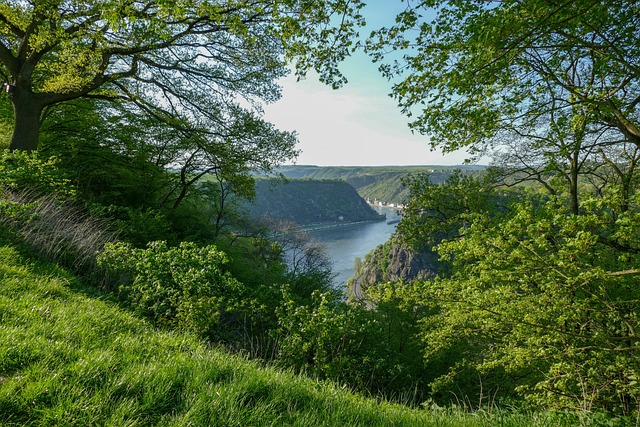
In 1565, the Deccan Sultanates sacked Hampi after the Battle of Talikota and spent six months methodically destroying what had been one of the largest cities on Earth. Contemporary travellers, including the Portuguese merchant Domingo Paes, had described Hampi as rivalling Rome in size and wealth. Today, across 41 square kilometres of boulder-strewn landscape on the Tungabhadra River in Karnataka,...
read more
Iona
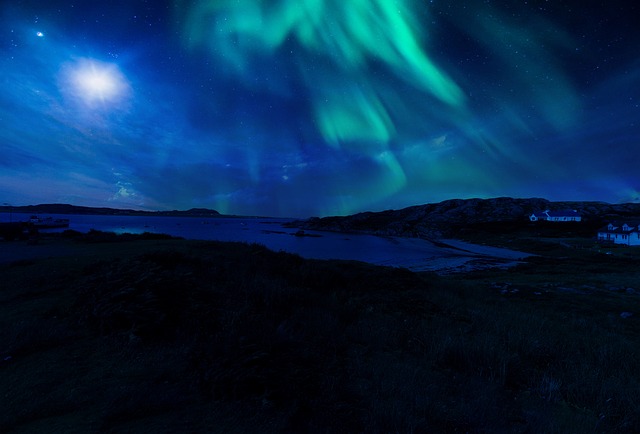
A single Viking raid in 806 AD killed 68 monks on Iona, and within a few years the surviving community had fled to Kells in Ireland, taking with them an unfinished illuminated gospel that would eventually become the Book of Kells. Most visitors to Iona’s abbey do not know they are standing at the place where that manuscript was started. The island’s fame rests mainly on St Columba, who...
read more
Pokhara
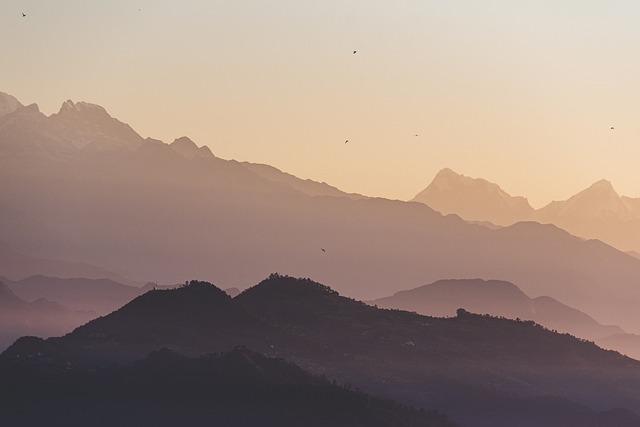
Standing water at 742 metres altitude reflects a mountain face that rises to 7,219 metres less than 30 kilometres away. That ratio, Phewa Lake to Machhapuchhre (Fishtail Mountain), is the geographic fact that makes Pokhara unlike any other city in Nepal. Kathmandu has monuments and density; Pokhara has that view. On a clear morning before the valley haze builds, you can sit at a lakeside cafe with...
read more
Bazaruto Archipelago Mozambique
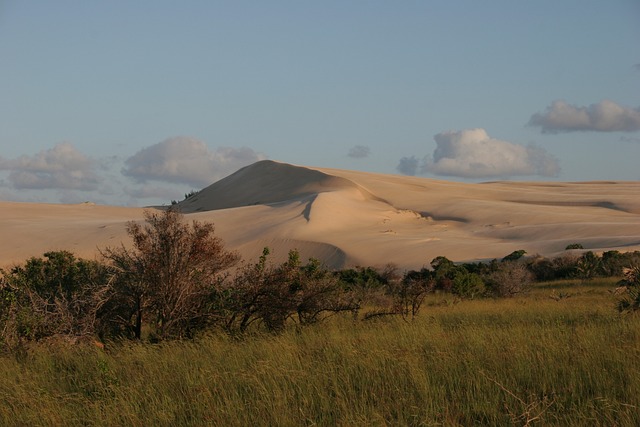
Bazaruto Archipelago: Five Islands and the Last Dugong Stronghold Fewer than a thousand dugongs survive in the entire western Indian Ocean. A significant portion of them feed on the seagrass beds off Bazaruto Island in Mozambique. That fact alone tells you more about this place than any superlative about turquoise water.
The Bazaruto Archipelago sits about 25 kilometres offshore from the mainland...
read more
Hallstatt
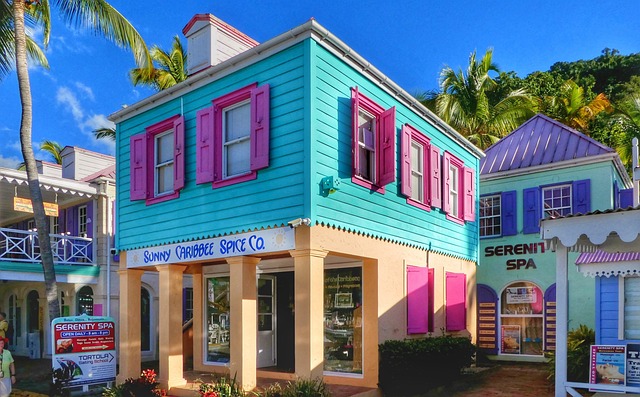
Hallstatt has 760 permanent residents and, in a peak summer week, more than 10,000 day visitors passing through its streets in a single day. The village sits on a narrow shelf between a steep mountain and the Hallstatter See, in a valley that limits expansion in every direction. The residents have been asking for a digital reservation system and a daily visitor cap for years. As of 2026, that...
read more
Gasp Peninsula Canada
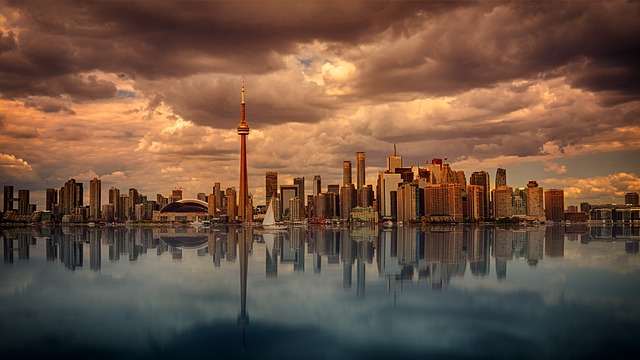
Roughly 300 tonnes of Percé Rock fall into the Gulf of St. Lawrence every single year. The great arch is slowly losing the fight against the sea, which makes standing on the shore at low tide and watching it glow copper in the morning light feel genuinely urgent. The Gaspé Peninsula, jutting into the St. Lawrence estuary from eastern Quebec, is the kind of place that rewards the long drive with...
read more
Grossglockner Hochalpenstrasse
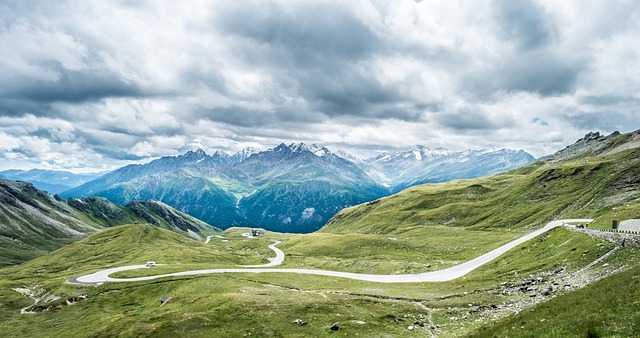
The Grossglockner Hochalpenstrasse was built between 1930 and 1935 as a Depression-era jobs programme. Three thousand workers blasted and carved 48 kilometres of road through the central Alps at a time when Austria was struggling to stay solvent. The economic logic was straightforward: the government needed to keep people employed, and a mountain road could be a tourist attraction the moment it...
read more
Blue Lagoon
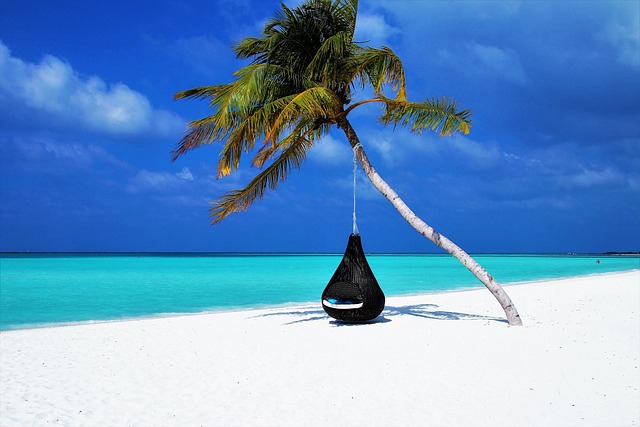
The Enchanting Blue Lagoon: A Natural Wonder of Iceland Nobody planned the Blue Lagoon. In 1976, the Svartsengi geothermal power plant began pumping superheated seawater up from over two kilometres below the Reykjanes Peninsula to generate electricity and heat homes. The leftover water, stripped of its energy but still laden with silica, sulphur, and minerals, pooled in the surrounding lava...
read more
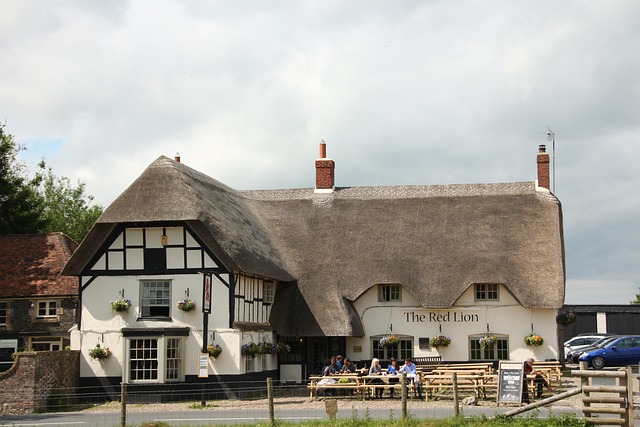
Avebury
Avebury: The Stone Circle You Can Actually Walk Through What Makes This Place Different Stonehenge gets the postcards, but Avebury is the more interesting monument by almost every archaeological measure. It is the largest prehistoric stone circle in the world, enclosing an entire working village, with a ditch and bank so substantial that you can stand on top of the bank and look down at the...
read more
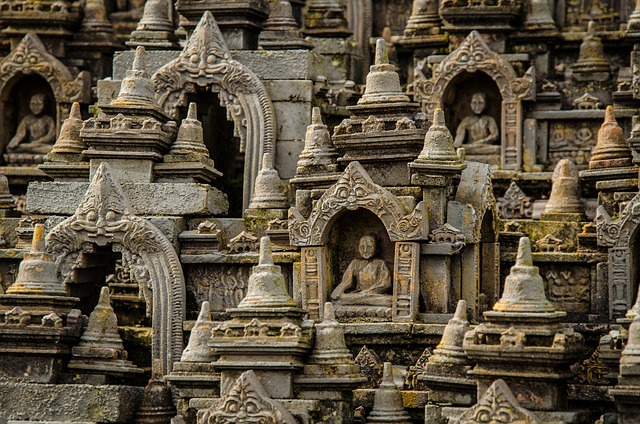
Borobodur
The base of Borobudur hides a secret that took archaeologists decades to uncover: 160 carved relief panels depicting worldly desires, deliberately buried under a massive stone encasement when the builders expanded the foundation. Nobody agreed on why. The temple itself offers no explanation, because there are no inscriptions, no dedication dates, and no records naming its architect. Two million...
read more
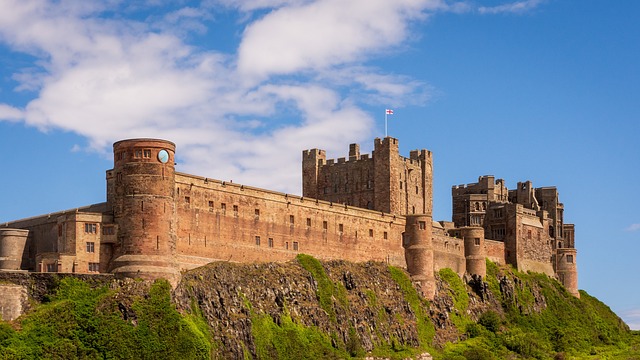
Bamburgh Castle
A seventh-century sword found at Bamburgh Castle in 1960 is so technically extraordinary that archaeologists have speculated it could only have belonged to a king. Six strands of iron, pattern-welded into a single blade, it sits in the castle’s museum alongside a gold mount called the Bamburgh Beast, and together they make the case that this windswept Northumberland outcrop was not merely a...
read more
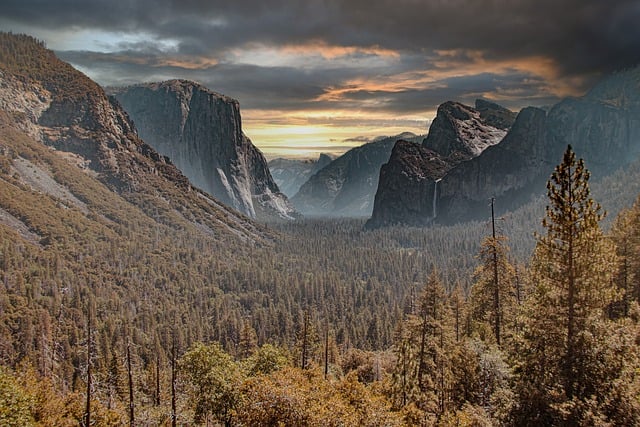
Bialowieza National Park - Poland
The last wild European bison in Białowieża was shot dead in 1921, leaving the species teetering at 54 individuals worldwide. Today, roughly 1,000 free-roaming bison move through the same forest, making it the single largest wild population on Earth. That recovery story alone justifies the journey to this corner of northeastern Poland, but the forest itself is the real draw: 600-year-old oaks,...
read more
Chand Baori
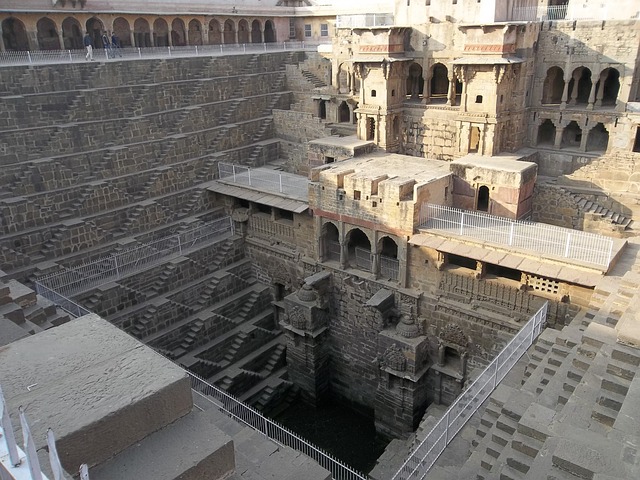
Chand Baori gets used as a film set precisely because its geometry looks impossible: 3,500 narrow steps arranged in near-perfect symmetry cascade thirteen stories into the earth, forming an inverted pyramid that somehow remains cooler at its waterline than at street level by around 5-6 degrees Celsius. That temperature differential was the point. Built in the 8th or 9th century by Raja Chanda of...
read more
Balboa Park San Diego
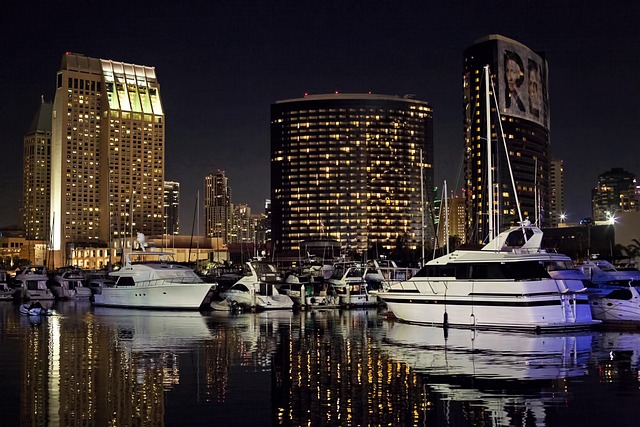
On New Year’s Eve 1914, more than 30,000 people gathered in Balboa Park to hear the first notes from a brand-new pipe organ donated by sugar magnate John Spreckels. The instrument has played almost every Sunday since, survived two world wars, and outlasted three serious proposals to demolish it for a parking lot. That kind of stubborn, eccentric continuity is what makes Balboa Park unlike...
read more
White House
The White House’s cornerstone was laid on 13 October 1792 and no one has seen it since. During the major Truman-era reconstruction in 1949, Army Engineers dug through the walls looking for it and found nothing. On the 200th anniversary of construction in 1992, x-ray equipment was brought in to image the sandstone walls and again found nothing. The building is therefore more uncertain at its...
read more
Faneuil Hall Marketplace (Boston, MA)
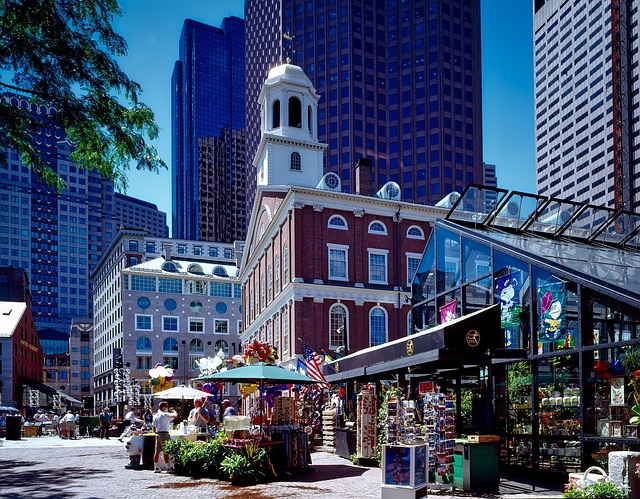
The vote to accept Peter Faneuil’s offer to build Boston a public market was 367 to 360. It passed in July 1740, with citizens immediately questioning whether the vote was even legitimate. Faneuil was a wealthy merchant whose fortune was built substantially on the slave trade, and plenty of Bostonians wanted nothing to do with either the man or his money. That grudging, contested beginning...
read more
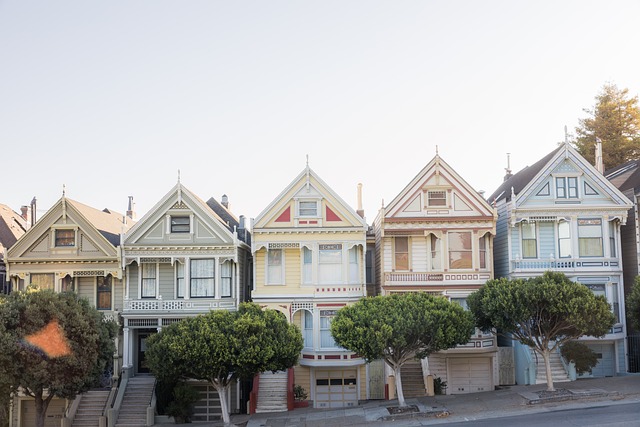
Pier 39, San Francisco
In late 1989, a few California sea lions began hauling out on the floating docks of Pier 39’s K-Dock marina. By February 1990, there were more than 300. Popular accounts attribute the arrival to the Loma Prieta earthquake, but the first sea lions appeared at the pier in September 1989, a month before the earthquake struck in October. The actual draw was a large herring run in San Francisco...
read more
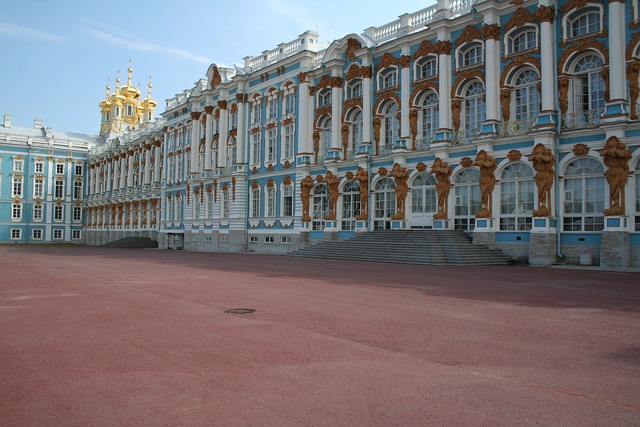
Tsarskoye Selo (Catherine Palace), St Petersburg, Russia
Travel advisory: Both the US and UK governments maintain “Do Not Travel” advisories for Russia as of June 2026, citing the ongoing war in Ukraine, risk of arbitrary detention of foreign nationals, drone attacks on cities including St. Petersburg, and monitoring of all electronic communications. The information below covers Tsarskoye Selo and Catherine Palace for reference and future...
read more
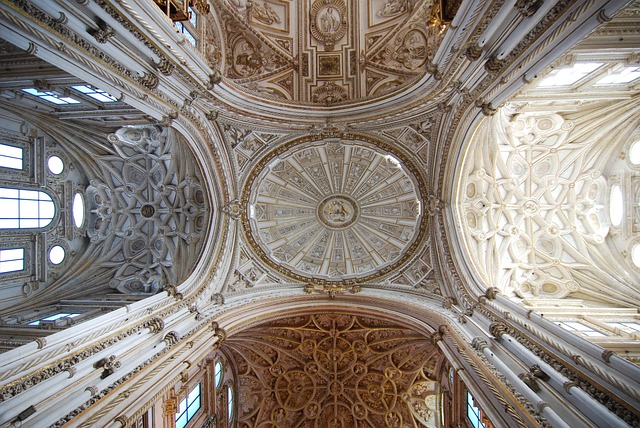
Great Mosque of Cordoba
When Charles V saw the cathedral nave his architects had inserted into the Great Mosque of Cordoba in the 16th century, he reportedly told them: “You have destroyed something unique to build something ordinary.” The story may be apocryphal, but it captures something accurate about the building. The Renaissance nave that rises from the middle of the prayer hall is a competent piece of...
read more
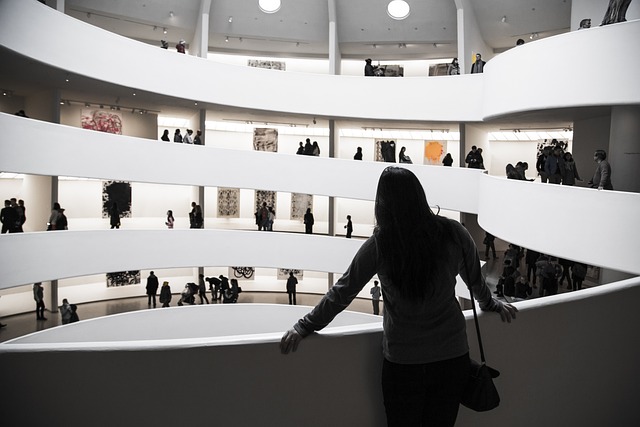
Louisiana Museum of Modern Art
The Louisiana Museum of Modern Art sits in Humlebaek, 35 kilometres north of Copenhagen on the coast of the Oresund strait, and it got its name from a coincidence about wives. The estate on which it stands was named by its first owner, Alexander Brun, in the 1850s, after all three of his successive wives, each of whom was called Louise. When Knud W. Jensen, a Danish cheese wholesaler with an...
read more
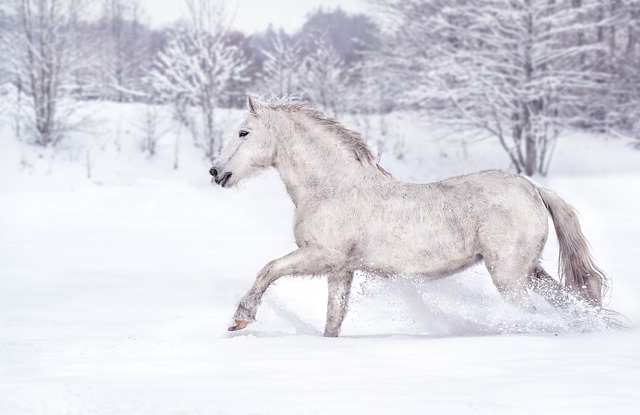
The Kilburn White Horse at Sutton Bank
The Kilburn White Horse is the most northerly hill figure in England, and it was created by a man who got the idea at a party. Thomas Taylor, a provision merchant’s buyer who had grown up in the village of Kilburn, attended celebrations at the Uffington White Horse in Berkshire in 1857 and returned to Yorkshire determined to give his home village something equivalent. He organised a team of...
read more
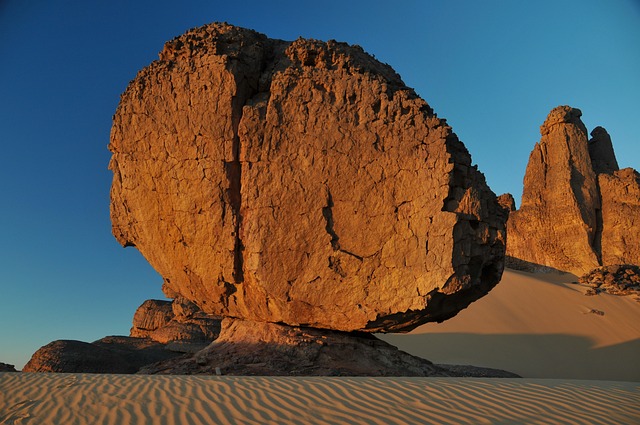
Grand Erg Occidental Desert Algeria
The Grand Erg Occidental is not a place most Western tourists end up by accident. It takes a visa that most nationalities have to apply for weeks in advance, a flight to Algiers, onward travel south, and a tolerance for infrastructure that ranges from excellent to nonexistent depending on the day. That friction has kept the erg, which covers roughly 78,000 square kilometres of northwestern...
read more
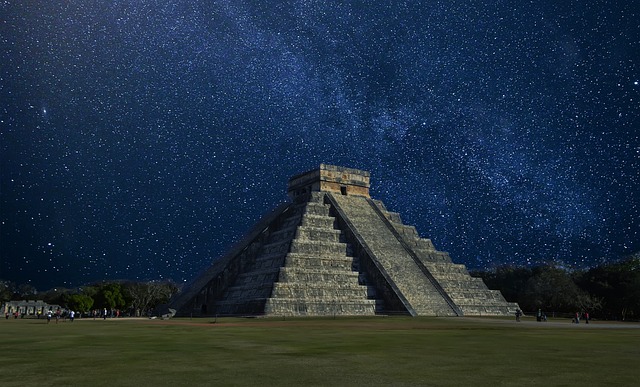
Chichen Itza Mexico
Chichen Itza Just Reopened After Two Weeks of Protests. Here Is What You Need to Know Before You Go.
In May 2026, Chichen Itza shut down entirely for nearly two weeks after local Maya artisans and vendors staged protests over their forced relocation from the site. The closure was the most significant interruption to visitor access in decades. The site reopened on June 1, 2026, but with a changed...
read more
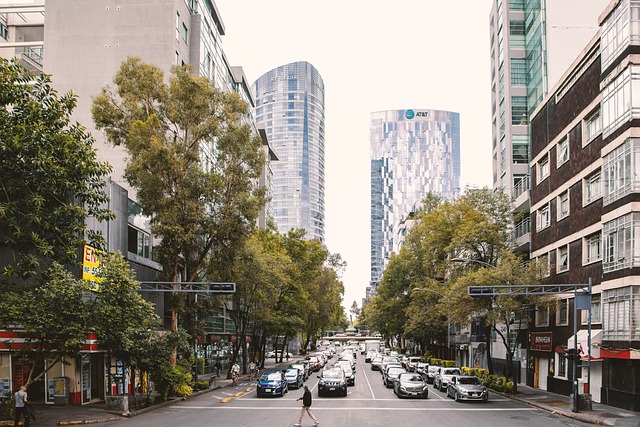
Basilica Of Our Lady Of Guadalupe, Mexico City
The Basilica of Our Lady of Guadalupe: A Spiritual Journey in Mexico City
On the morning of November 14, 1921, a bomb was detonated at the foot of the tilma inside the Basilica of Guadalupe. The explosion shattered marble, bent a heavy bronze crucifix, and was heard a kilometer away. The cloth carrying the image of the Virgin, hanging unprotected meters away, was untouched. That story is not...
read more
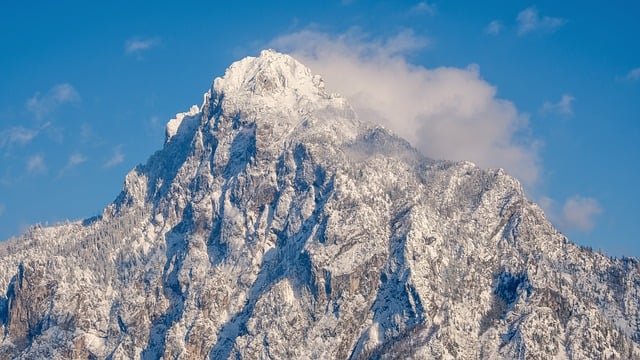
Blue Mountains
Blue Mountains, NSW: Two Hours from Sydney, Decades Worth of Return Visits The Mountains That Aren’t A geological pedant will tell you that the Blue Mountains of New South Wales are not mountains at all but a deeply eroded sandstone plateau. The “mountains” are the edges where the plateau has collapsed, exposing cliff faces, gorges, and valleys that drop 300 metres from the level...
read more
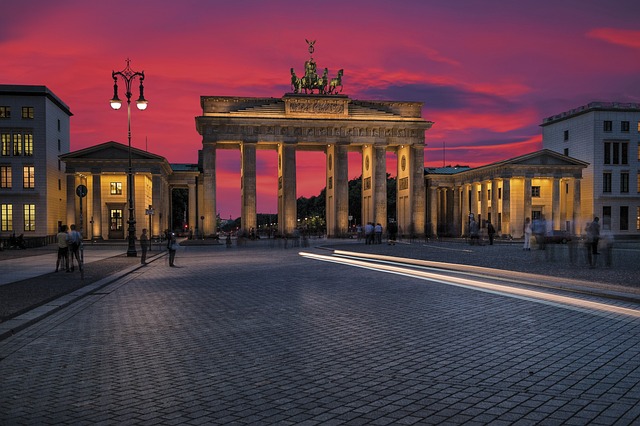
Brandenburg Gate
Brandenburg Gate The Two Minutes Nobody Mentions Here is the detail almost every visitor skips: from 1961 to 1989, the Brandenburg Gate was not in West Berlin or even really in East Berlin. It sat marooned in the death strip, the no-man’s-land between the two walls, behind a belt of floodlights, tripwires, and guard dogs. The Wall didn’t slice past it. It curved around it. East German...
read more