Recent Places
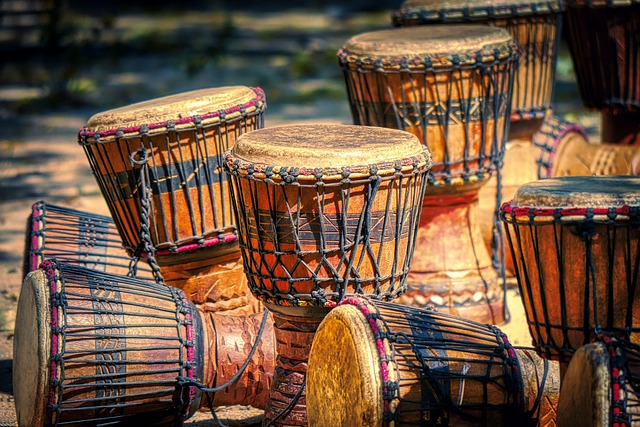
Zimbabwe: How to Visit and Get Around
Zimbabwe is not a country you land in and start wandering. It is a fly-in, operator-led safari and Victoria Falls trip, and the trip goes better the sooner you plan around that. Land at Victoria Falls (VFA), Harare (HRE) or Bulawayo (BUQ), expect light-aircraft transfers to reach the camps beyond, and carry US dollar cash, since the local ZiG has been unstable since it launched in 2024. Distances...
read more
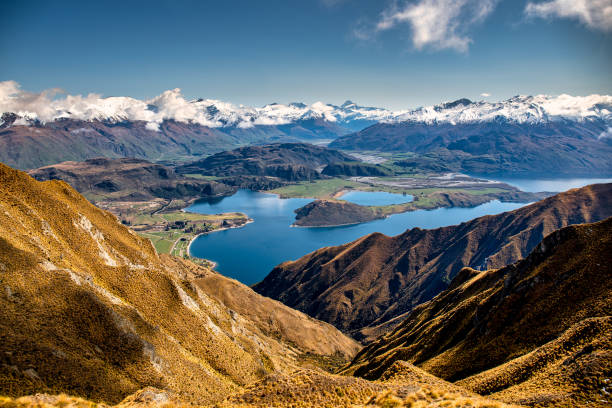
New Zealand: Tickets, Hours and How to Visit
New Zealand is not one destination, it is two: a warmer, geothermal North Island and a bigger, wilder, alpine South Island, joined only by a Cook Strait ferry or a short flight. Before you book anything, get the boring admin sorted, an NZeTA plus the NZD 100 International Visitor Levy, both arranged through immigration.govt.nz before you fly. Pack for winter in July and summer in January, the...
read more
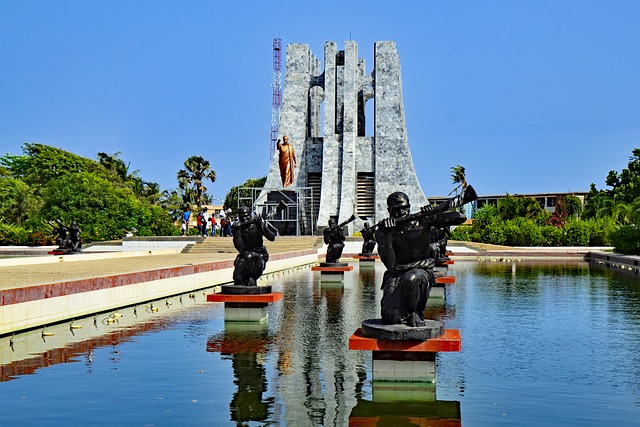
Accra: Tickets, Hours and How to Visit
Accra rewards travelers who show up prepared. A yellow fever certificate is required for entry, malaria prophylaxis is standard advice for the whole trip, and the local currency is the cedi (GHS), not CFA francs or US dollars. The good news: Accra’s core city sights, Jamestown, Independence Square, the Kwame Nkrumah Mausoleum, Makola Market and Osu, fit into a genuinely full 2 days, with...
read more
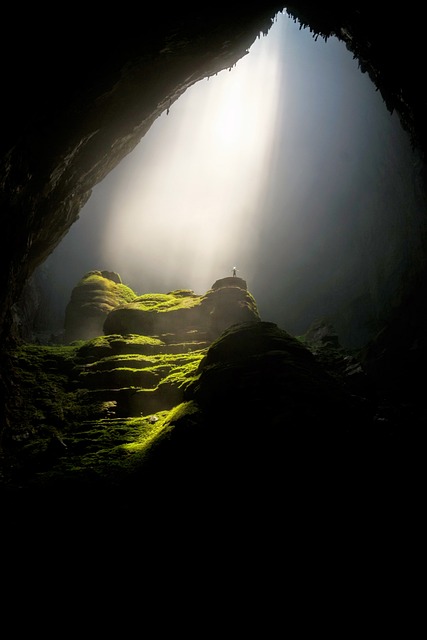
Cave of the Crystals: Can You Visit?
Can you visit the Cave of the Crystals? No, and it is not a “maybe with the right permit” no. The Naica mine flooded shut in October 2015, and nobody, not a tourist, not a scientist, has set foot in that chamber since. Here is why that is still one of the wildest things you can read about this year: three hundred meters under the Chihuahuan desert sits a room lined with selenite beams...
read more
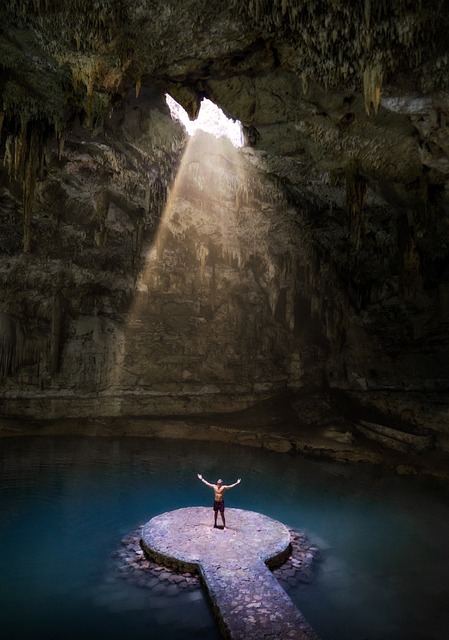
Cave of the Crystals: How to Actually Visit
Here is the honest answer up front: you cannot visit the Cave of the Crystals , and no travel hack changes that. The chamber sits roughly 300m down inside the Naica mine in Chihuahua state, Mexico, packed with selenite beams up to 11-12m long, some of the largest natural crystals ever documented. Industrias Peñoles , the company that owns Naica, stopped pumping water out of the mine in October...
read more
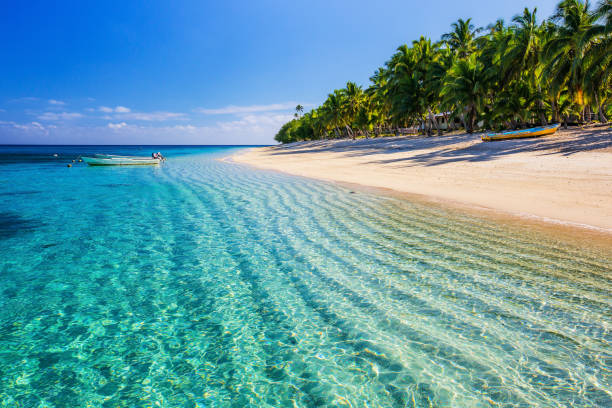
Fiji: Tickets, Hours and How to Visit
Fiji isn’t one destination, it’s more than 300 of them, and the single fact that decides how good your trip is: almost none of them connect by road. You land at Nadi, and every island group beyond Viti Levu is a boat or plane ride away, anywhere from a lazy 25 minutes to the better part of a day. Get that logistics puzzle right and Fiji is one of the easiest tropical trips you’ll...
read more
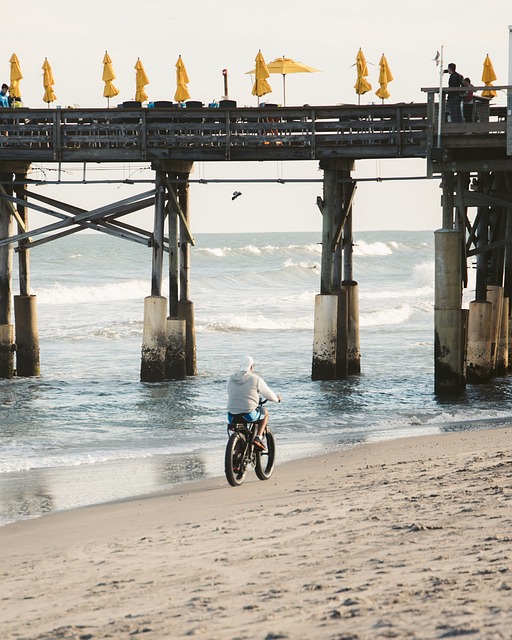
Orlando: Tickets, Hours and How to Visit
Orlando is not one theme park, it is five separate areas strung along Interstate 4, and treating it like a single day out is how a trip gets wasted. Walt Disney World’s four gates, Universal’s three (Epic Universe is real, it opened in 2025, and it is enormous), a genuinely walkable downtown, and the antique-shop calm of Winter Park sit 15 to 45 minutes apart by car. You need a rental...
read more
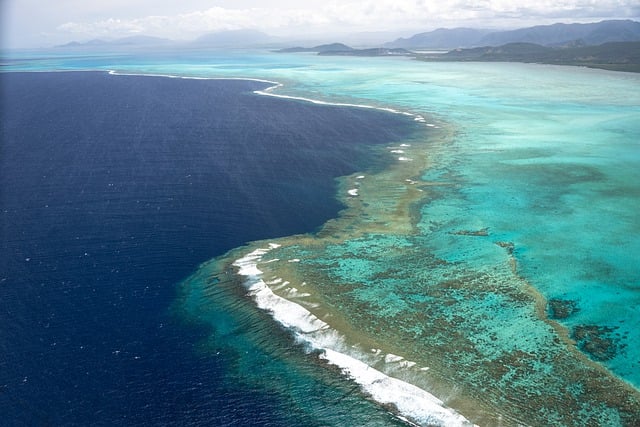
New Caledonia: Tickets, Hours, How to Visit
New Caledonia isn’t one destination, it’s four: Nouméa and its lagoon, Grande Terre’s Grand Sud and North Province, the Isle of Pines, and the Loyalty Islands, and no single trip does all four justice. The verdict up front: budget at least 4-5 days to pair Nouméa with one outer island, and treat even a full week as a pick-2-of-3 exercise (the lagoon, one outer-island group, or a...
read more
Sri Lanka Regions: How to Get Around
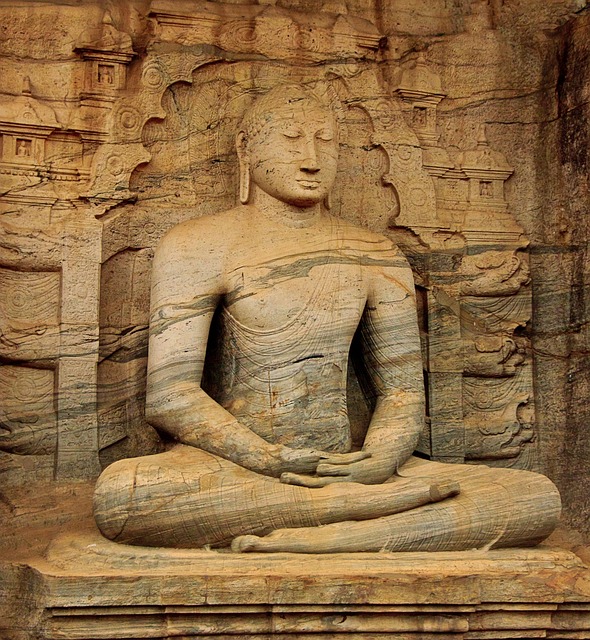
Sri Lanka looks compact on a map and drives like a country twice its size. Colombo to Kandy runs about three hours, Kandy to the hill country adds five or six more, and the coast is its own separate leg entirely. So here’s the honest verdict up front: a car and driver is the real backbone for moving between these regions, buses and the hill-country train fill in around it, and even seven...
read more
Lima: Tickets, Hours and How to Visit
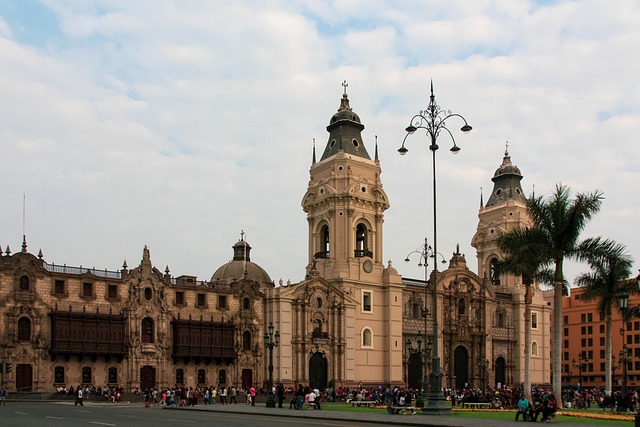
Lima, Peru, is not one place to visit but six neighborhoods worth knowing before you land, each with its own reason to base there and its own way to reach it: Miraflores, Barranco, San Isidro, Centro Historico, Callao Monumental, and Chorrillos. The sol (PEN) trades at roughly 3.38-3.41 to the US dollar in 2026, and Lima sits at sea level, so there’s no altitude to plan around here, that...
read more
Santiago Chile: How to Visit and Get Around
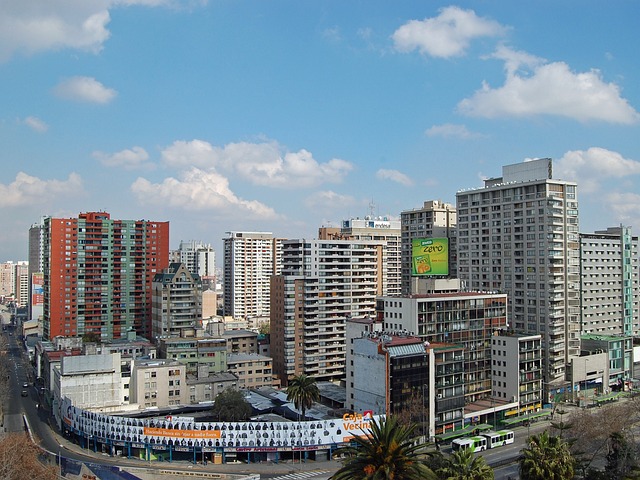
Santiago Chile means the Chilean capital, not Compostela in Spain, sitting a flat 520 meters above sea level in a valley ringed by the Andes, so skip the altitude talk that belongs to Cusco or La Paz. Getting around comes down to two systems: the Metro plus a bip! card inside the city, and Turbus or Pullman Bus once you leave it for wine country, the Andes, or the coast. Pay in Chilean pesos...
read more

Varanasi Beyond the Ghats: Tickets and Hours
Varanasi (Banaras, Kashi, one city, three names) sits on the Ganges in Uttar Pradesh, not a capital, and its holiest sights, the ghats and the cremation grounds, are sacred ritual sites, not photo ops; never point a camera at Manikarnika or Harishchandra. This is a ranked rundown of what to see once you’ve given the riverfront its one respectful evening, Sarnath’s Buddhist calm,...
read more
Cartagena Beaches: Prices and How to Visit
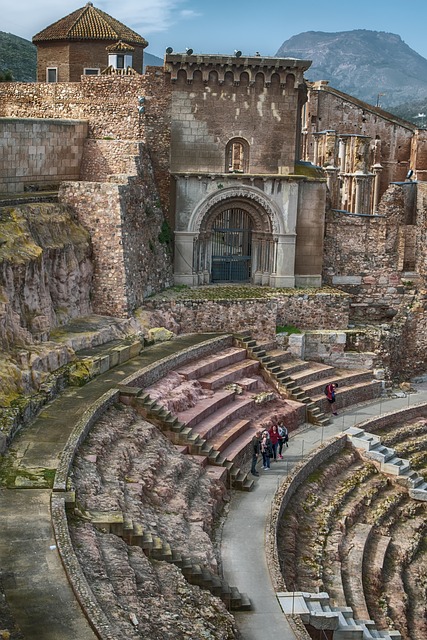
Ranked by what actually earns your time and pesos, here is Cartagena’s marquee sight list, led by the water, not the walls. The Rosario Islands sit at the top, a genuine Caribbean-postcard day for roughly 159,000 COP plus a separate dock tax most tours skip mentioning. Volcan del Totumo and Bocagrande fill out the rest of the beach-and-water tier, with the Old City’s walls and fortress...
read more

Madagascar: Tickets, Hours and How to Visit
Madagascar’s marquee draws split into three shapes: an easy paved-road park an hour’s flight from Tana, a full RN7 road trip’s worth of rainforest and canyon parks, and two logistically separate flight-only branches for baobabs and beach. Every one of them charges a park fee plus a mandatory MNP guide, cash only at the gate, nothing here is a casual walk-up-and-wander stop....
read more
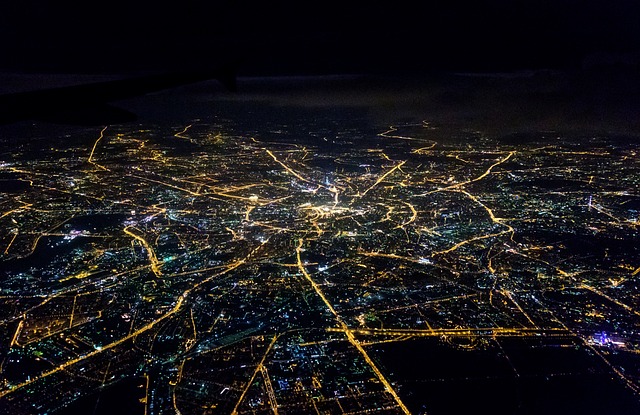
Red Square: Tickets, Hours and How to Visit
Red Square is free to walk into and open 24 hours, but nearly everything around its edges is a separate paid ticket, on a separate schedule, and that’s the part first-time visitors get wrong. Here’s the quick version before the sight-by-sight breakdown: Russia runs on the ruble, foreign Visa and Mastercard cards have not worked here since 2022 (bring cash), a visa is required for most...
read more
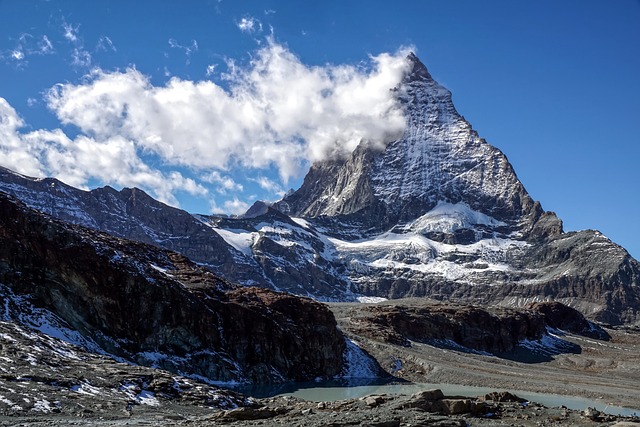
Zermatt: Tickets, Hours and How to Visit
Zermatt packs three lift systems, a free bridge with the best view in the Alps, and a CHF 5.50 gorge walk into one car-free village, and the cost spread between them is enormous: from free to well over CHF 130 for a single return ticket. Here’s every sight and lift ranked by altitude and cost, so you can decide what actually earns your francs before you book anything. If you’d rather...
read more

Santorini: Tickets, Hours and How to Visit
Santorini earns its reputation on exactly three things, and they are all as good as advertised: the caldera views, the Akrotiri ruins, and the volcanic-soil wine, everything else on the island is worth ranking against those three rather than treating as equally essential. Here’s what to actually book time for, what it costs in 2026, and which famous stop (looking at you, Oia at sunset) is...
read more

Saigon: Tickets, Hours and How to Visit
Rank Saigon’s sights by how much they actually reward your time, not by default tourist-trail order, and the War Remnants Museum comes out on top, followed closely by the Reunification Palace and a sunset skyline deck. Notre-Dame Cathedral only gets an exterior visit, it’s been closed for restoration since 2017. Everything below is walkable from District 1, ticketed clearly, and worth...
read more

Reunion Island: Tickets and How to Visit
Reunion Island is a French overseas department in the Indian Ocean, not part of Mauritius, not a country of its own, currency is the euro, and it packs one of the most active volcanoes on Earth, a roadless cirque reachable only by foot or helicopter, and the highest point in the Indian Ocean into roughly 2,512 square kilometers. Here’s every sight ranked by how much of your trip it deserves,...
read more
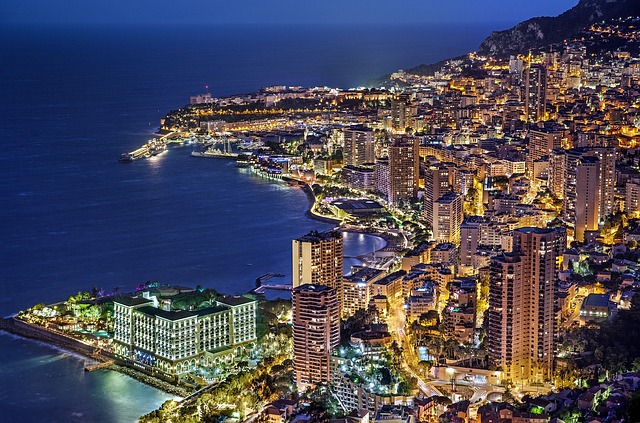
Monaco: Tickets, Hours and How to Visit
Six sights carry Monaco, and none of them need more than half a day each. The Oceanographic Museum earns top billing, the Palace and the Casino split the postcard duty between them, and the free stuff, the Changing of the Guard, the Casino Atrium, Larvotto Beach, is genuinely as good as some of the paid tickets. Here’s the full lineup ranked, with what each one actually costs in 2026 and how...
read more

Bagan: Tickets, Hours and How to Visit
Bagan is a plain in central Myanmar covered with thousands of Buddhist temples and pagodas, and seeing a fraction of them still beats almost anything else on a Southeast Asia itinerary. Here’s the honest version: entry means a 30,000 MMK zone pass, you can’t climb any of them for sunrise anymore, and Myanmar’s under a 2026 Level 4 do-not-travel advisory that’s worth reading...
read more

Fiji: Tickets, Hours and How to Visit
Fiji is roughly 330 islands and only a handful of them matter for a first trip: the Mamanucas for the easiest, most electric island day out there is, the Yasawas for the Blue Lagoon scenery worth the longer boat ride, the Coral Coast for the drive-through highlights between Nadi and Suva, and Suva itself for the country’s actual history once you’re done with the beach. Here’s how...
read more
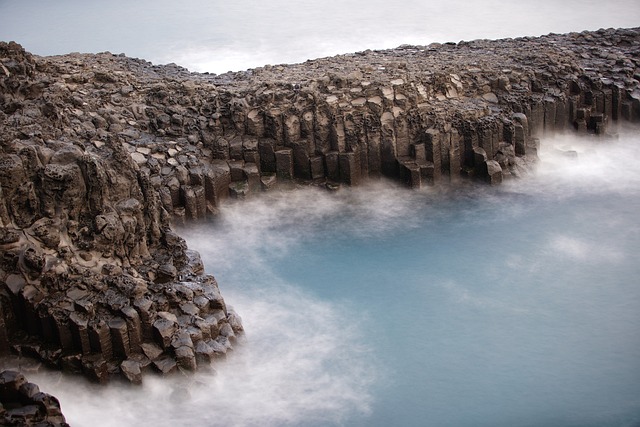
Jeju Island: Tickets, Hours and How to Visit
Jeju’s marquee sights are the actual reason to book this island over a mainland Korea trip: a UNESCO tuff cone you climb before breakfast, a lava tube stretching into the dark, and a dormant volcano with its own reservation system. Skip the theme-park glut around Jungmun (Loveland, the Teddy Bear Museum, and a dozen similar novelty stops), the real draw here is volcanic and coastal, not...
read more
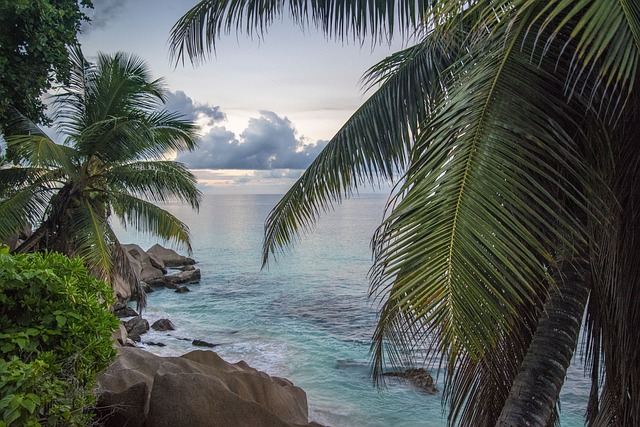
Seychelles: Tickets, Hours and How to Visit
Seychelles’ marquee sights split cleanly into three kinds: free beaches, paid national parks with real ticket logistics, and one gated resort beach that needs advance permission. Anse Source d’Argent and Anse Lazio are the two names worth building a trip around, but the SPGA-run parks (Ste Anne, Curieuse, Morne Seychellois) all take cards only on-site, not cash, and the Vallee de...
read more

New York: Tickets, Hours and How to Visit
Nine sights make a genuine New York trip, and half of them get mispriced in every rundown you’ve already read. Rank them by cost and booking lead time as much as by fame: the free Staten Island Ferry and the $25.50 Statue City Cruises ferry are not interchangeable, and the Met’s mandatory fee only spares actual New York State residents. Here’s what each sight really costs, how...
read more
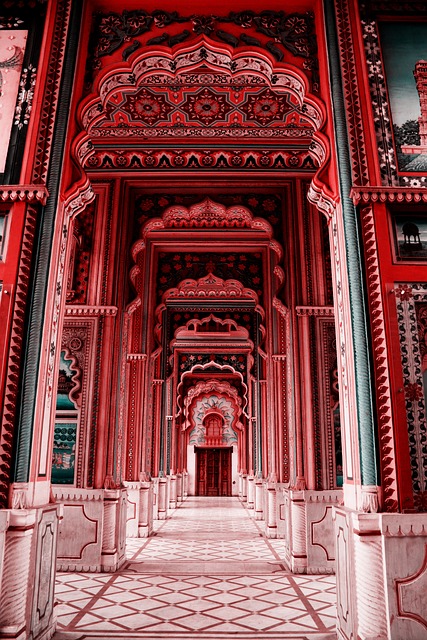
Jaipur: Tickets, Hours and How to Visit
Jaipur packs six major ticketed sights, Amber Fort, Jaigarh Fort, the City Palace, Hawa Mahal, Jantar Mantar, and Nahargarh, into a core you can properly cover in 3 days, or comfortably stretch to 5. Buy the Composite Ticket first, it bundles five of them into one pass valid two days, and expect dual pricing at every gate: foreigners pay several times what Indian nationals pay, officially, not a...
read more
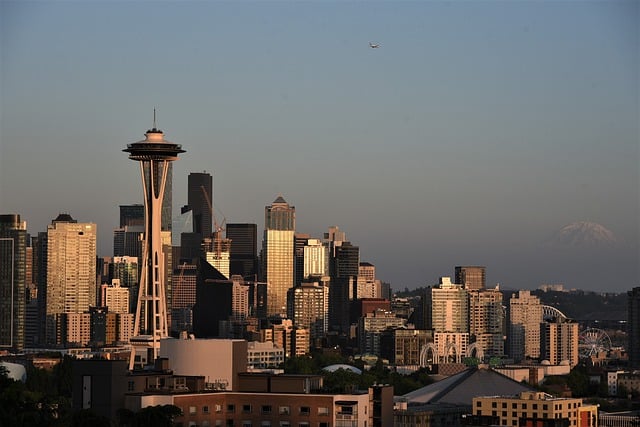
Seattle: How to Visit and What to Know
Seattle is a two-day city at minimum, Pike Place Market, the Space Needle and Chihuly combo, and the rebuilt waterfront cover the essentials, and a five-day city if you want Fremont, Ballard and the Museum of Flight too. Either way, aim for July through September: it is the driest, sunniest stretch of the year here, not the rainy reputation the city cannot shake. Full itineraries: 2-day , 3-day ,...
read more
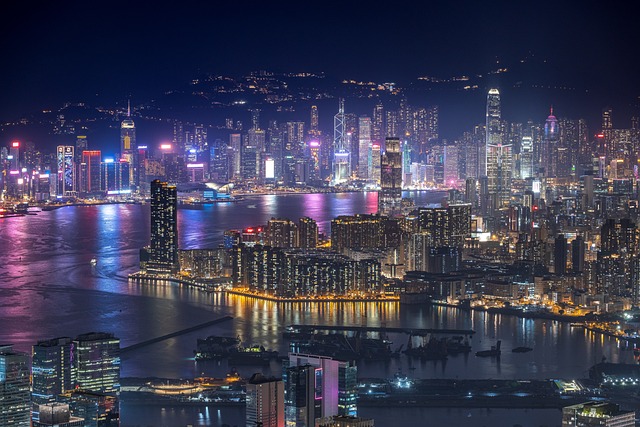
Hong Kong: How to Visit and What to Know
Hong Kong is a Special Administrative Region, not just another Chinese city, and that distinction changes how you should actually plan a visit: its own currency (HKD, pegged near 7.84 to the US dollar, not the yuan), its own immigration, and its own internet, Google and WhatsApp both work here with zero VPN, a status that flips the second you cross into Shenzhen.
Hong Kong at a glance Best time to...
read more
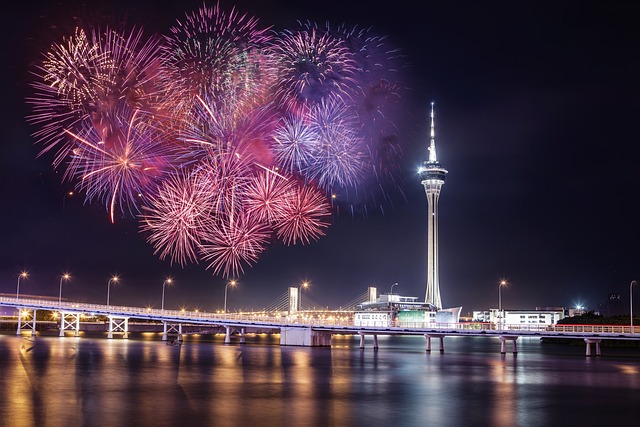
Macau: Tickets, Hours and How to Visit
Macau is the single best day trip Hong Kong sits next to, a former Portuguese colony turned casino capital, reachable in about an hour by ferry or 45 minutes on the cheaper HZMB bridge bus. It’s not a Hong Kong neighborhood, it’s a separate Special Administrative Region with its own immigration control and its own currency, the pataca, though Hong Kong dollars spend freely there. Bring...
read more
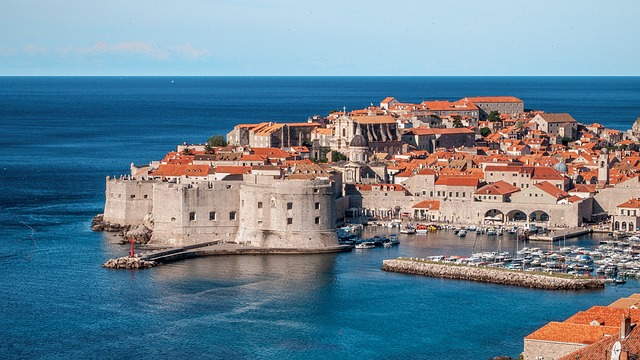
Dubrovnik: Tickets, Hours and How to Visit
Dubrovnik’s Old Town is a walled peninsula you can cross end to end in about fifteen minutes, and almost everything worth doing sits inside or a short ferry ride from those walls. The City Walls walk is the marquee ticket at EUR 40 in peak season; the Dubrovnik City Pass matches that price for one day and adds ten museums plus unlimited buses, which makes it the better buy for most visitors.
read more
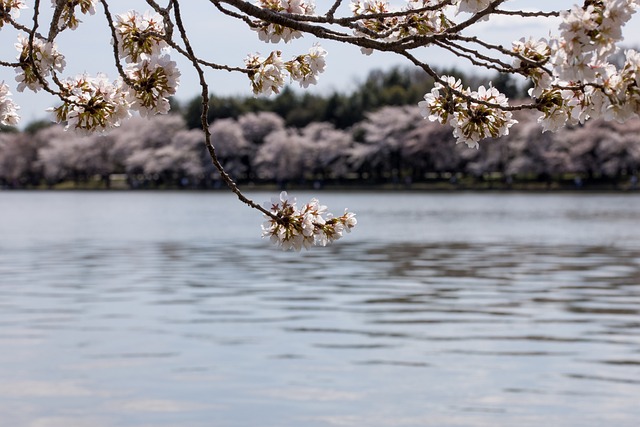
Washington DC: How to Visit and What to Know
Washington DC runs on a genuinely rare deal: nineteen Smithsonian museums and the National Zoo, free, no ticket, no gate. The catch, and it’s a real one in 2026, is that three of the best, the African American history museum, the Air and Space Museum’s Mall building, and the Zoo itself, now require a free timed-entry pass booked ahead. Skip the pass and you skip the museum,...
read more
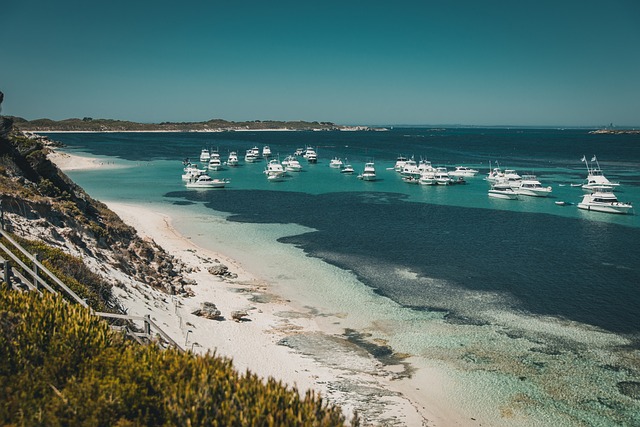
Perth: Tickets, Hours and How to Visit
Perth is the reward for flying an extra few hours past Sydney or Melbourne: a free 400-hectare park bigger than Central Park, beaches you reach by public transport, and a stadium that seats more people than most of the country’s arenas, all inside a city genuinely isolated enough that few tourists bother making the trip. Here’s how to actually visit it.
Perth at a glance Kings Park...
read more
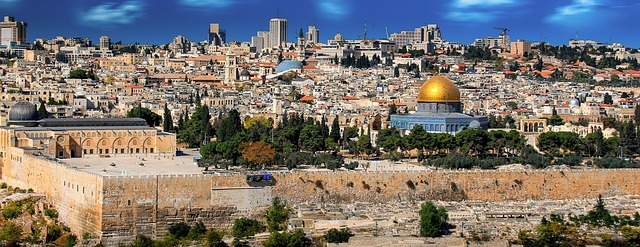
Dead Sea and Masada: Tickets, Hours, Visit
Float in the lowest point on earth in the morning, stand on Herod’s clifftop fortress by midday, and be back in Jerusalem in time for dinner. The Dead Sea and Masada, paired together, are the single day trip that earns a spot on every Jerusalem itinerary, gateway family or not, and this page covers what it actually costs and how to time it.
Key facts Distance from Jerusalem ~90 minutes by...
read more
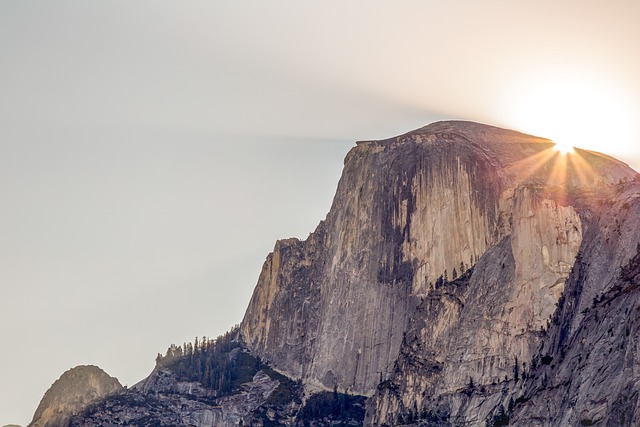
Dome of the Rock: Entry Hours and Rules
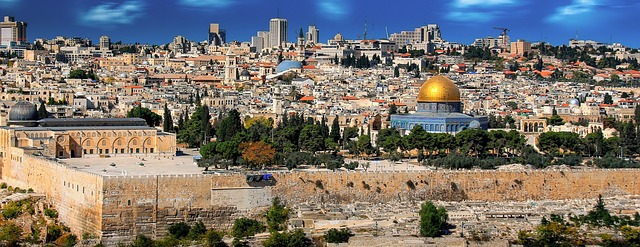
The golden dome you see from the Mount of Olives sits on the Temple Mount, and non-Muslim visitors can walk the esplanade around it but cannot step inside the Dome of the Rock or Al-Aqsa Mosque under any circumstance. Get the entry window right and it’s a free, remarkable half hour. Get it wrong and you’re stuck outside a closed gate.
Temple Mount key facts Detail Info Price Free...
read more
Jerusalem Old City: Hours and How to Visit
One square kilometer of walled limestone holds four distinct quarters, the Western Wall, the Church of the Holy Sepulchre, and the entry point for the Temple Mount, and a determined walker can cross the whole thing in under twenty minutes. Slow down instead: give it a full day minimum, two if the Western Wall Tunnels and a ramparts walk both make the list.
Old City key facts Site Price Hours...
read more
Warsaw: Tickets, Hours and How to Visit
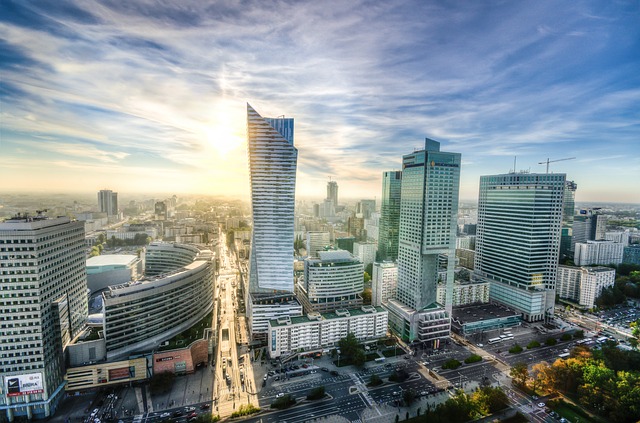
Warsaw’s Old Town looks like a survivor. It’s actually a rebuild: over 85% of the historic center was destroyed by German forces in 1944, and what stands today went up afterward using pre-war photos and 18th-century Bellotto paintings as the reference, a reconstruction UNESCO listed in 1980 for the achievement itself. Wander the Market Square and city walls for free, then budget 25-45...
read more

Duomo Milan: Tickets, Hours and How to Visit
The Duomo rooftop is the single best-value ticket in Milan: EUR 16 to walk up 251 stairs, EUR 18 to ride the lift, and either way you end up standing among the spires with the Madonnina overhead and, on a clear day, the Alps on the horizon. This page covers the rooftop tiers and the logistics of getting up there; for the cathedral’s Gothic history and interior, see our Milan Cathedral guide...
read more

Milan Cathedral: History and How to Visit
Milan Cathedral, the Duomo di Milano, took nearly 600 years to finish: construction started in 1386 and the last bronze doors were not installed until 1965. That timeline explains the building itself, Gothic spires and flying buttresses standing alongside Renaissance and Baroque additions layered in over centuries. This page covers the cathedral as a building, its history, interior, and museum....
read more
Milan: Tickets, Hours and How to Visit
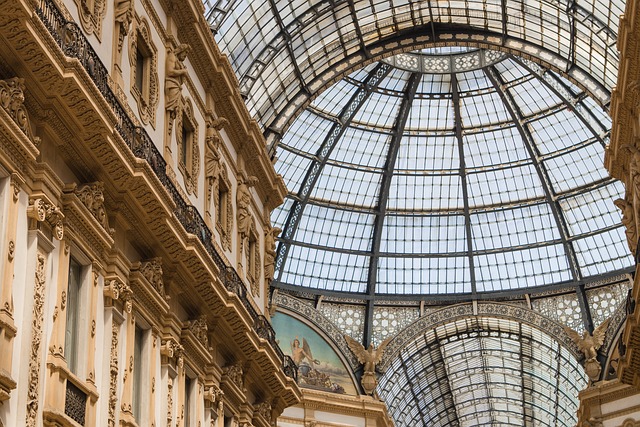
Milan packs six genuinely separate paid or timed experiences into one walkable center: the Duomo cathedral, the Duomo rooftop, the Last Supper, Castello Sforzesco’s museums, San Siro, and La Scala. None of them are included with each other, and one of them, the Last Supper, has to be booked months out. Here is what each actually costs, how long to allow, and where the booking traps are....
read more
Dublin: Tickets, Hours and How to Visit
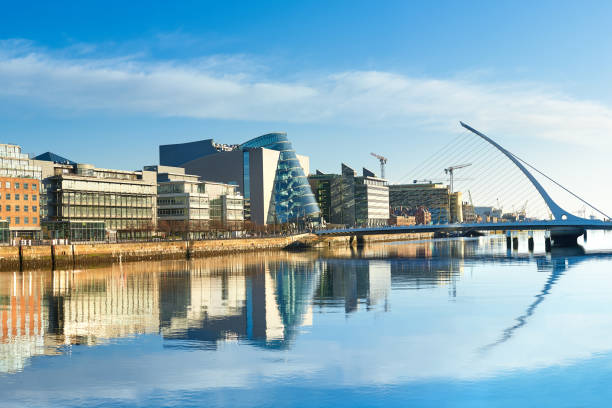
Dublin in 2026 comes down to three tickets and one big closure. Book Kilmainham Gaol (EUR 8, sells out in minutes), the Guinness Storehouse (EUR 22-36, dynamic pricing) and the Book of Kells (EUR 21.50-25) before you land, and know going in that Dublin Castle’s State Apartments are shut to tours all year for Ireland’s EU Council Presidency. Get those four facts right and the rest of...
read more
Glendalough: Tickets, Hours and How to Visit
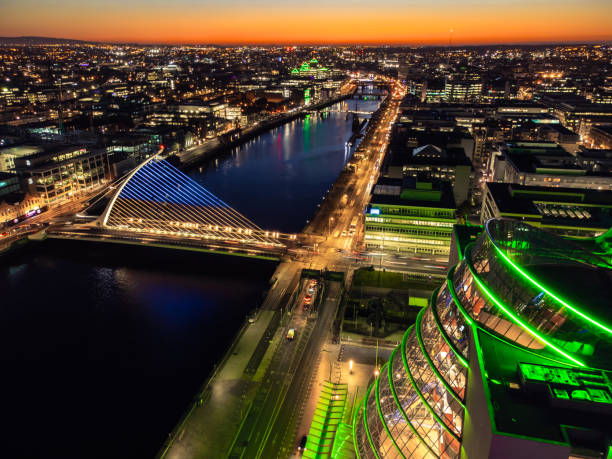
Glendalough is the easiest genuine nature day trip out of Dublin: a 6th-century monastic settlement wrapped around two lakes in the Wicklow Mountains, about 1 hour 20 minutes away by bus and free to walk once you get there. This page covers Glendalough itself as the flagship stop; the wider Dublin-as-a-base network, Howth, Newgrange, Galway, the Cliffs of Moher and Belfast, gets its own Dublin Day...
read more
Temple Bar: Tickets, Hours and How to Visit
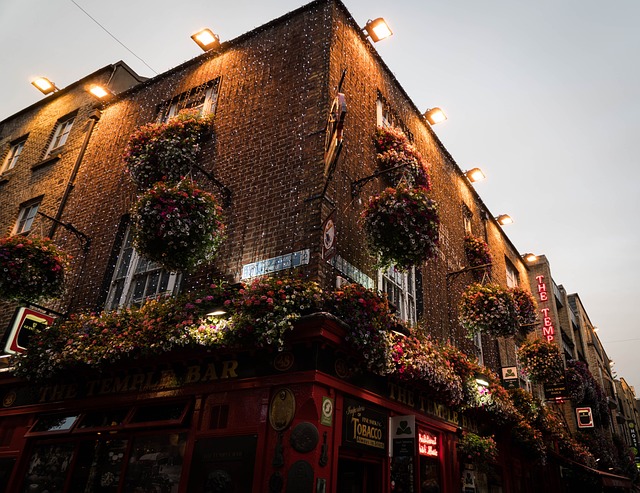
Temple Bar is a genuine historic riverside quarter, cobbled streets dating back centuries, and it is also, flat out, the most expensive place in Dublin for a pint. Both facts are true at the same time, so here is how to visit it properly: come for the streets, the trad music, and the atmosphere, and walk one block back before you order your third round.
Key facts at a glance What Detail Cost to...
read more

Old Town Square Prague: Tickets and Hours
Old Town Square Prague: Tickets and Hours Old Town Square costs nothing to enjoy at its best. The Astronomical Clock’s hourly parade of apostles runs free, every hour, all year, and just standing in the square soaking up six centuries of stacked architecture does not need a ticket either. The only line item here is climbing the Old Town Hall tower itself, which runs about CZK 350 for adults...
read more
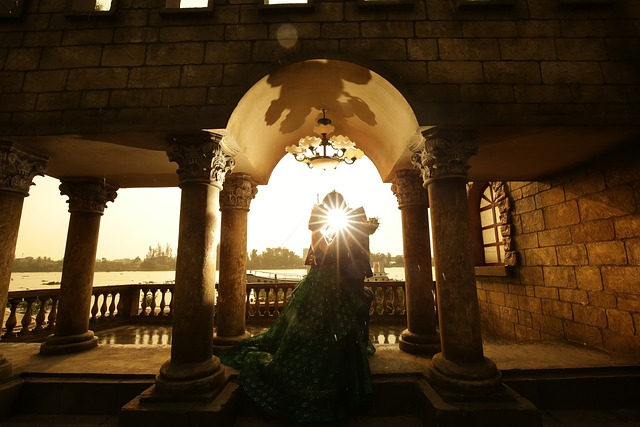
Prague Castle: Tickets and How to Visit
Prague Castle: Tickets and How to Visit Prague Castle is free until the moment it is not, and knowing exactly where that line falls is the whole trick to visiting well. The courtyards, gardens, and viewpoints inside the largest ancient castle complex on Earth cost nothing and open every day of the year. Step into St Vitus Cathedral’s nave, the Old Royal Palace, or Golden Lane, and you need a...
read more
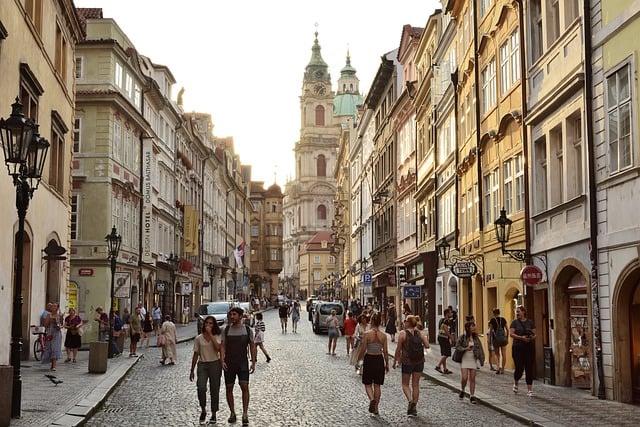
Prague: How to Visit, Hours and Costs
Prague: How to Visit, Hours and Costs Prague splits cleanly into what costs nothing and what costs a ticket, and once that split clicks, the whole city gets easier. Walking Charles Bridge, standing in Old Town Square for the Astronomical Clock, and wandering the free courtyards of Prague Castle: all of it is free, every day. The paid side is narrow and specific: Castle interior circuits, museum...
read more
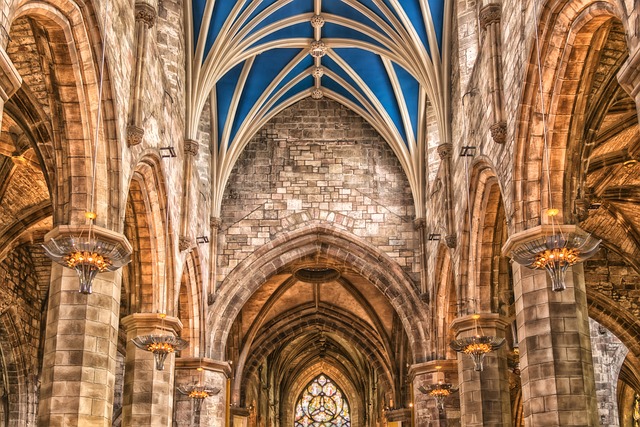
Edinburgh Castle: Tickets and Hours
Book the 30-minute slot before you do anything else in Edinburgh. Edinburgh Castle is run by Historic Environment Scotland (HES), a public heritage body, not a private operator squeezing extra pounds out of tourists, and the ticket price is flat: locals and visitors pay exactly the same, GBP 23.50 online or GBP 26 at the gate. July and August slots go fast, so buy online, pick your half-hour...
read more

Edinburgh Festivals: Tickets and Dates
Stop calling it “the festival,” singular. Every August, Edinburgh runs four separate events at once: the Edinburgh Festival Fringe (open-access, no jury, anyone can rent a room and perform), the Royal Edinburgh Military Tattoo (fixed seating on the Castle esplanade, run by a completely different company), the Edinburgh International Festival (curated opera, theatre and orchestral...
read more
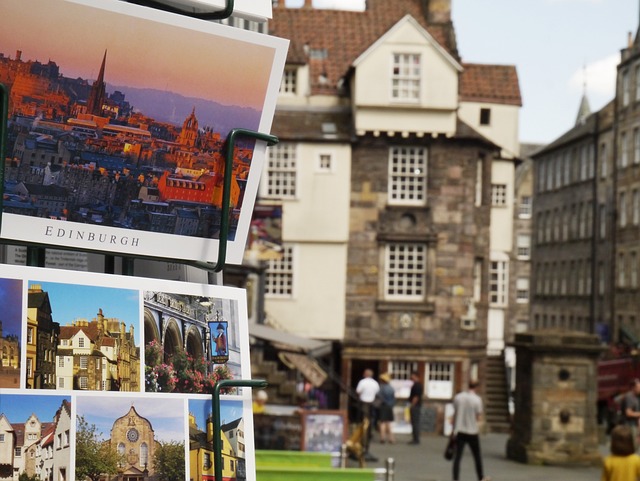
Edinburgh Royal Mile: What to See First
The Royal Mile is completely free to walk, one mile downhill from Edinburgh Castle to the Palace of Holyroodhouse, and it is also built to separate you from your money the entire way down. The trick is knowing which stops are genuine and which are tourist-tat: St Giles’ Cathedral is free, the closes running off either side are free, and the one paid stop that earns its ticket is the Real...
read more
Edinburgh: Tickets, Hours and How to Visit
Edinburgh is Scotland’s capital, split cleanly into the medieval Old Town and the Georgian New Town, and it rewards a visit that treats those two halves as genuinely different cities stitched together. The practical version: book the Castle’s timed slot first, because it anchors everything else; the three best things after it, Arthur’s Seat, Calton Hill and the National Museum of...
read more
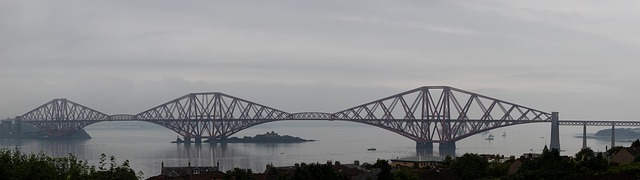
Forth Bridge Edinburgh: How to Visit
This bridge earned its UNESCO badge in 2015 for good reason: it’s a 2,528-metre, three-tower cantilever railway bridge finished in 1890, still carrying trains today, and you can see the whole thing for free from South Queensferry’s harbour, roughly 30 minutes from central Edinburgh by train or bus. No ticket needed for the view that actually matters, and the three bridges standing side...
read more