Recent Places
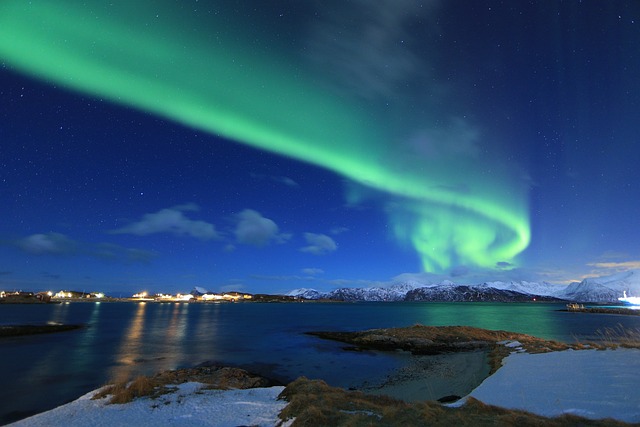
Polaria Arctic Museum, Tromso
Polaria in Tromsø: A Compact Arctic Museum Worth Your Time Tromsø calls itself the “Gateway to the Arctic” and this is accurate in a functional sense, Roald Amundsen’s expedition to the South Pole in 1910-1912 departed from here, and the city has been a polar expedition base since the 19th century. Polaria, the waterfront museum, preserves this context in exhibits on polar...
read more
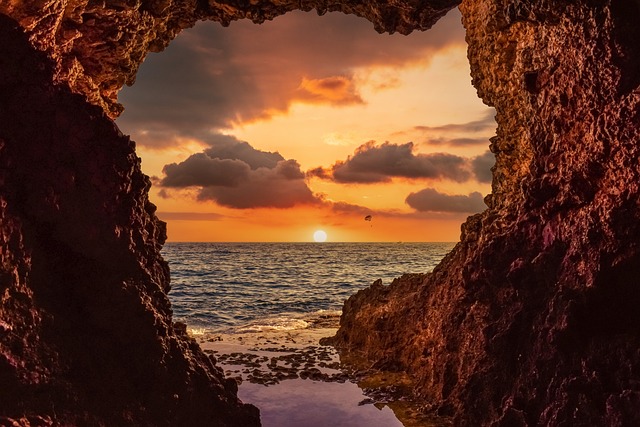
Blue Grotto Sea Cave, Capri
The Blue Grotto (Grotta Azzurra), Capri
The physics of the Blue Grotto is worth understanding before you go. Sunlight enters through an underwater opening about 1.5 metres wide and refracts through the water column, reflecting off the white limestone floor. The cave itself is dark; the water is lit from below. The result is an intense, luminescent blue that is not ambient light but light coming up...
read more
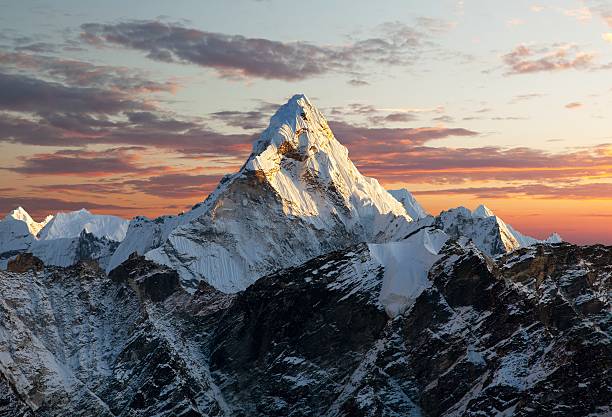
Mount Everest
The height of Everest was revised in 2020 – 8,849 metres, not the 8,848 that appeared in every textbook for seventy years
A joint Nepal-China survey published in December 2020 established a new official height for Everest: 8,849.86 metres. The previous figure of 8,848 metres had been in use since 1954. The difference is less than two metres, attributable to GPS precision and a more accurate...
read more
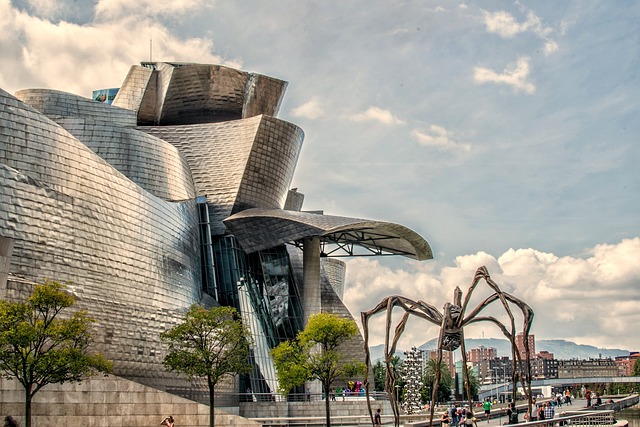
Museo Guggenheim Bilbao
Guggenheim Bilbao: The Building, the Art, and the City Around It The Guggenheim Bilbao opened in 1997 and is credited with a level of urban economic transformation that has its own term: the Bilbao Effect. Frank Gehry’s building – 33,000 titanium panels, flowing curves, glass, and limestone on the bank of the Nervion river – changed the trajectory of a city that had been defined...
read more
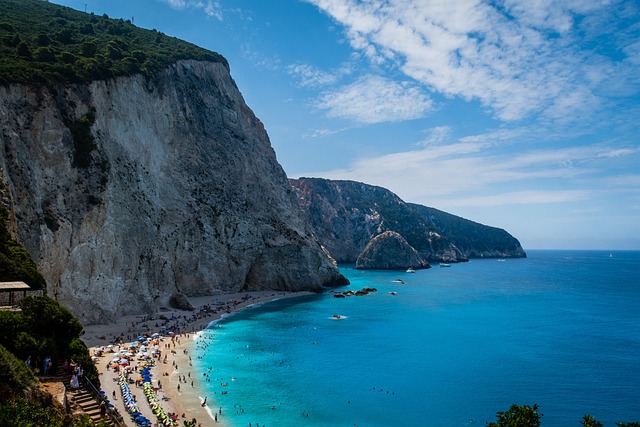
Greek Islands, Greece
Greek Islands: Which One You Pick Matters More Than People Admit
Greece imposed a daily visitor cap at Akrotiri on Santorini starting in 2024, 8,000 people per day at the famous blue-dome churches and caldera viewpoint, down from the 17,000 who were arriving in peak periods. The change was driven by resident complaints and genuine infrastructure strain. This is not the first Greek island to face...
read more
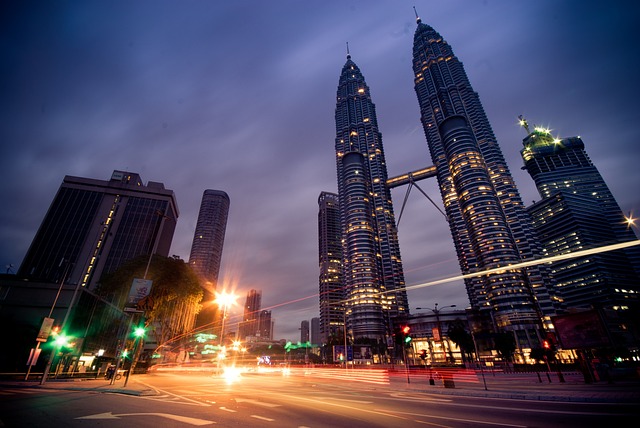
Petronas Twin Towers
Petronas Twin Towers: Taller Than Expected, Cheaper Than You Think
The Petronas Twin Towers were designed by César Pelli to incorporate Islamic geometric patterns at the structural level, the floor plan is based on two interlocking squares rotated 45 degrees, creating the 8-pointed star form that appears on each level. This wasn’t a cosmetic decision but a fundamental structural one, which...
read more
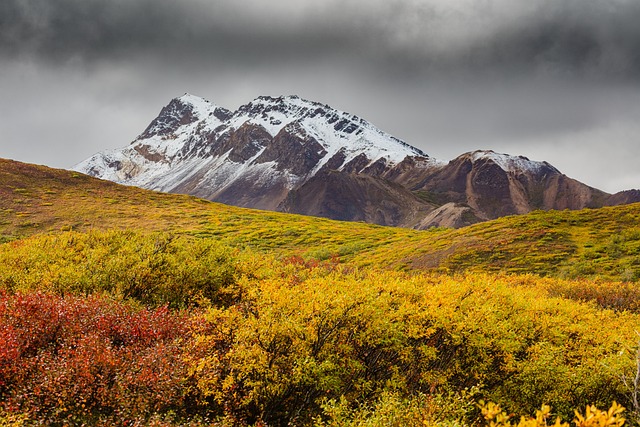
Mt. McKinley, Alaska
Denali: Getting Close to North America’s Highest Point Denali, officially renamed from Mt. McKinley in 2015, stands at 6,190 metres and is the tallest peak on the North American continent. It dominates central Alaska in a way that photographs consistently fail to convey - the mountain creates its own weather systems and is visible from Anchorage on clear days, 240 kilometres away. The...
read more
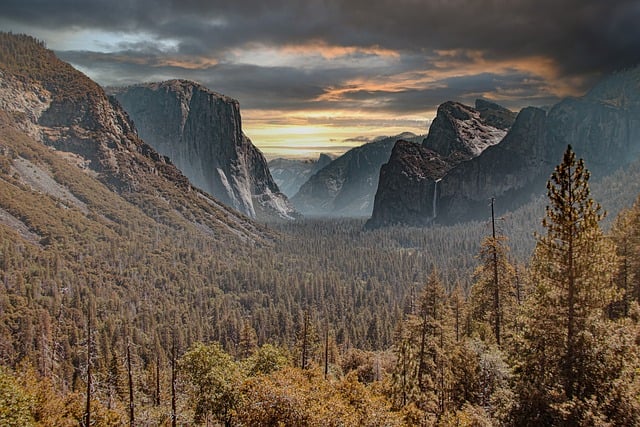
Ningaloo Marine National Park Wa
Ningaloo: Australia’s Reef That You Can Walk Into from the Beach
The Great Barrier Reef is the most famous coral system in Australia and the one you need a boat, a 45-minute to 2-hour journey, and a tour operator to access. Ningaloo is the other one: 260 kilometres of fringing coral reef along the mid-coast of Western Australia, where the reef runs to within 200 metres of the beach in places...
read more
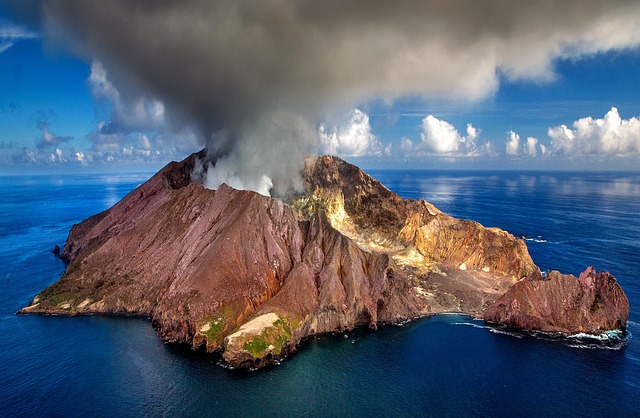
Bay of Islands New Zealand
Bay of Islands, New Zealand
The Treaty of Waitangi was signed here in February 1840 – a document between Maori chiefs and British Crown representatives that is formally New Zealand’s founding document and remains among the most contested pieces of paper in the country’s history. The Treaty Grounds at Waitangi, on a headland above the Waitangi River, hold Te Whare Runanga (a...
read more
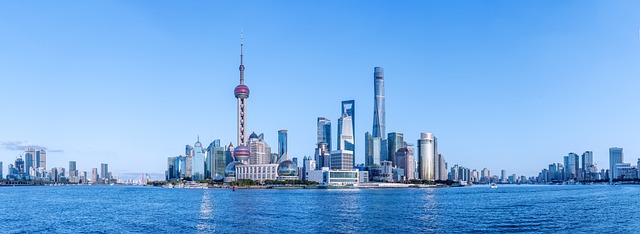
Oriental Pearl Tower
Oriental Pearl Tower: Old Skyline King in a Changed City
When the Oriental Pearl Tower opened in 1994, its two spheres at 259m and 350m made it the tallest structure in China and a symbol of Shanghai’s ambitions. Those ambitions have since been exceeded several times over. The Shanghai Tower beside it is now 632 metres. The Pearl is no longer the dominant presence in Pudong’s skyline,...
read more
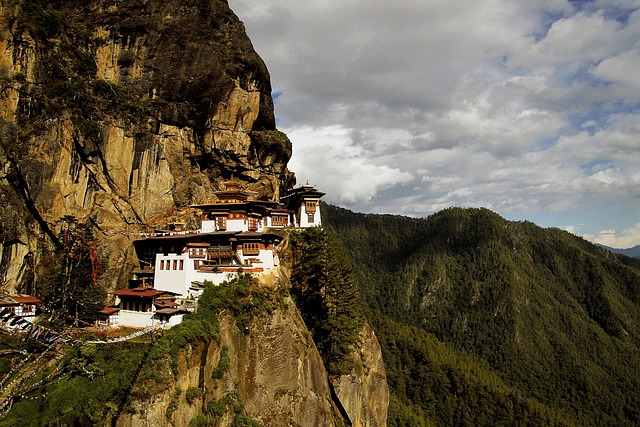
Bhutan
Bhutan: The Country That Charges You to Visit and Is Correct to Do So
Bhutan’s Sustainable Development Fee (SDF) was restructured in 2022 from a daily all-inclusive rate of USD 250 to a daily fee of USD 100, separate from accommodation and tour costs. This has made independent-style travel more accessible in theory, though you still need to book through a licensed Bhutanese operator and the...
read more
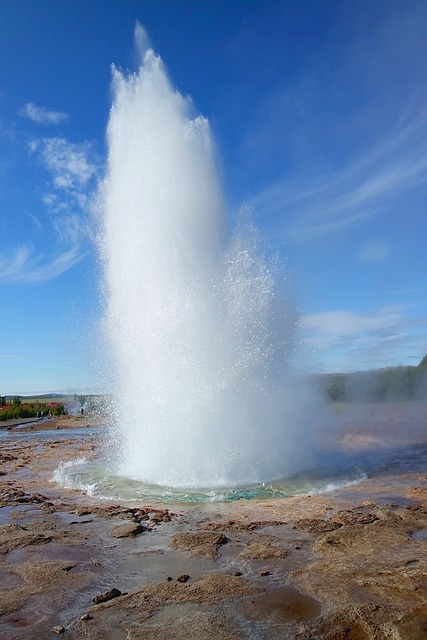
Great Geysir Iceland
Great Geysir: The Original (and Its More Reliable Neighbour) The English word “geyser” comes from Geysir, the Icelandic hot spring in the Haukadalur valley that was known across Europe by the 18th century as the world’s most famous intermittent fountain. Geysir was documented in European scientific literature as early as 1647 and drew visitors from across the continent before any...
read more
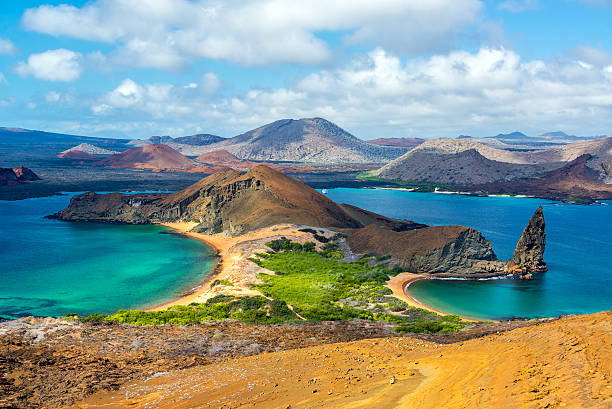
Galapagos Islands
Galapagos Islands, Ecuador
The entry fee to the Galapagos National Park was increased to $200 per person in 2024, up from $100, and the debate about whether this is appropriate is genuinely interesting. Critics argue it prices out lower-income travellers and creates a two-tier conservation site. The counterargument is that the islands receive 330,000 visitors per year and that high-cost,...
read more
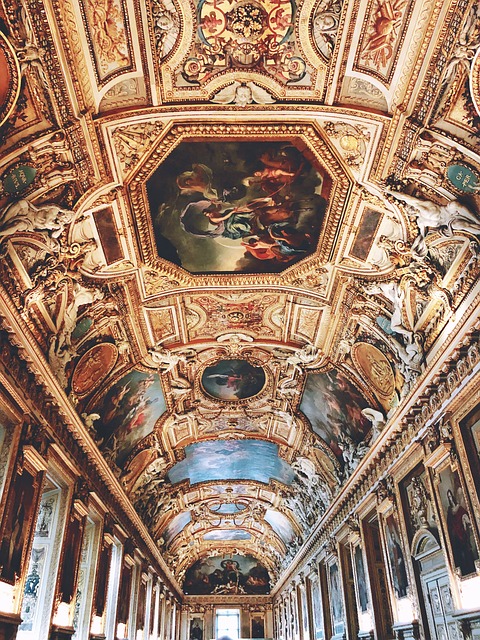
Palace of Versailles
Versailles: Don’t Miss the Queen’s Hamlet The Treaty of Versailles that ended World War I was signed in the Hall of Mirrors in 1919. The same room where Louis XIV held his court from 1682, where Wilhelm I of Prussia was proclaimed the first German Emperor in 1871 after the defeat of France, the French chose it for the 1919 signing specifically because of that 1871 humiliation. History...
read more
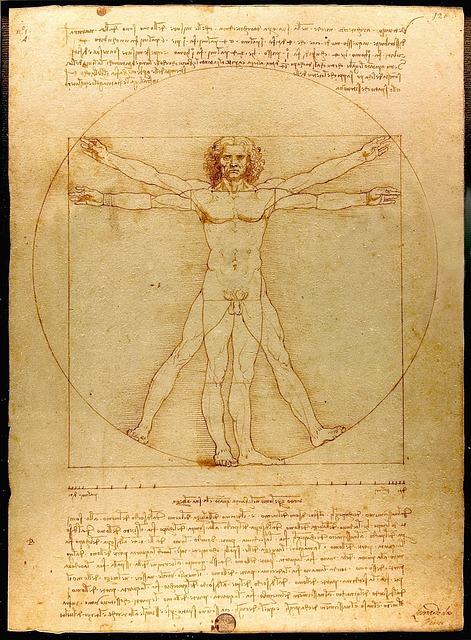
Encontro Das Aguas
Encontro das Águas: Two Rivers, One Strange Sight About 6 kilometres downstream from Manaus, the dark water of the Rio Negro runs alongside the pale, sandy-brown water of the Solimões for several kilometres without mixing. The boundary between the two rivers on a clear day is sharp enough to look drawn with a ruler. The dark colour comes from decomposed plant material leaching out of the Rio...
read more
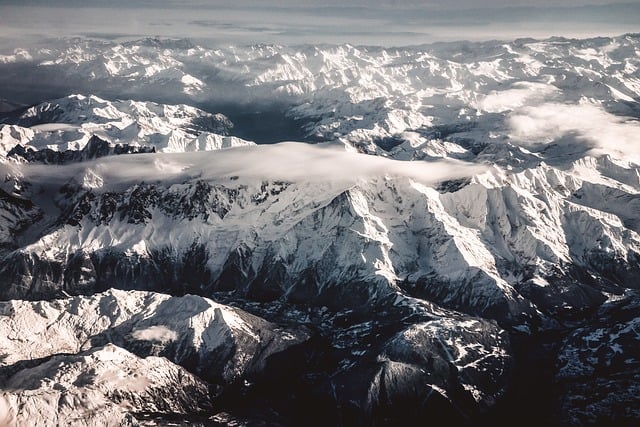
The Alps
The Alps
The Mer de Glace glacier above Chamonix, which Romantic-era painters visited as a pilgrimage to nature’s sublime power, has retreated 2.5km since 1820 and lost around 150 metres of thickness. The steps leading down to the ice surface have been extended repeatedly as the glacier descends further, the markers at each step show the ice level in 1990, 2000, 2010, 2020, each one...
read more
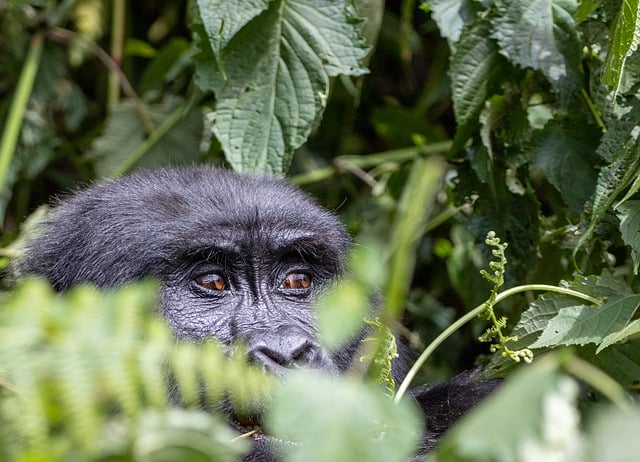
Bwindi Impenetrable National Park Uganda
Bwindi Impenetrable National Park, Uganda
The mountain gorilla population has grown from around 620 individuals in the 1980s to over 1,000 today. Conservation funding was the decisive factor – ranger salaries, anti-poaching operations, community programmes that gave local residents a financial stake in the gorillas’ survival rather than against it. The permit system that prices out...
read more
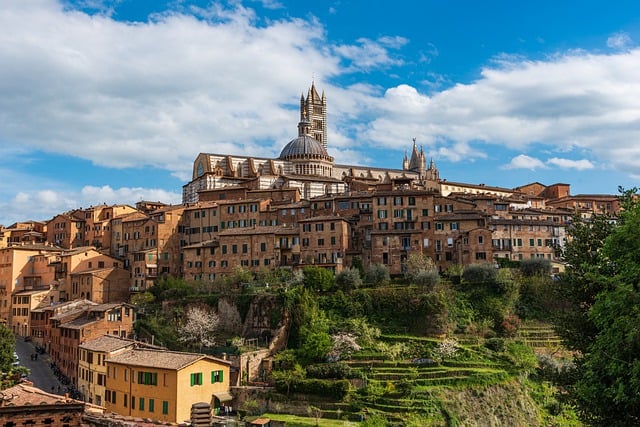
Siena Cathedral
Siena Cathedral was in the middle of an expansion that would have made it the largest Gothic church in the world when the Black Death killed half the city in 1348 and stopped everything
The unfinished nave of that expansion still stands as an open-air shell on the north side of the existing building – three walls and no roof, never completed, now called the Facciatone. You can climb it and...
read more
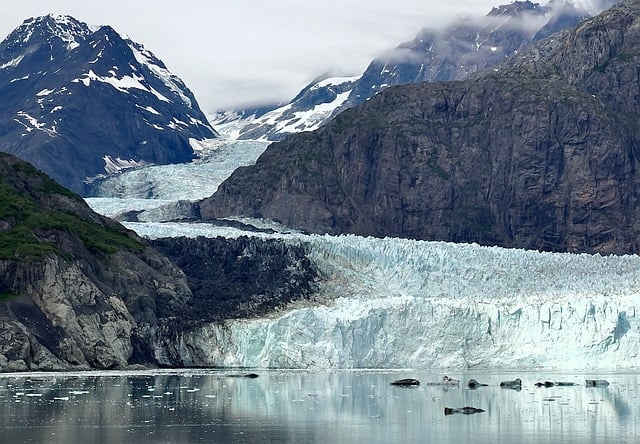
Glacier Bay National Park Alaska
Glacier Bay National Park, Alaska
In 1750, the entirety of Glacier Bay was covered by a single glacier up to 1,200 metres thick. By 1880, when naturalist John Muir first visited, the bay had retreated 75km and was open water. Today, that retreat has extended to over 100km from the original glacier face. Glacier Bay is perhaps the most dramatic visible evidence of post-Ice Age climate dynamics...
read more
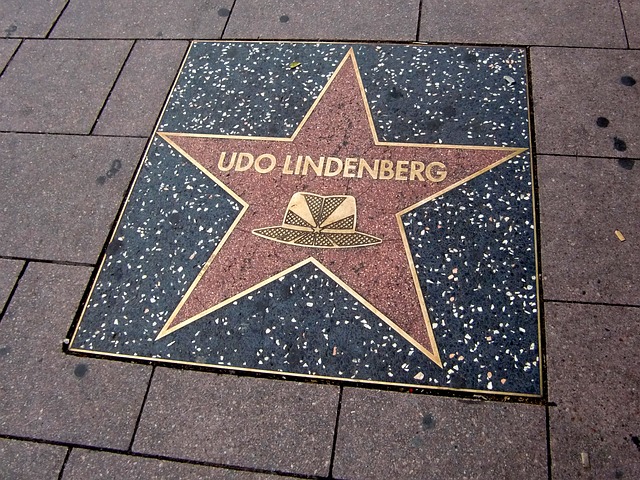
Hollywood Boulevard
Hollywood Boulevard: What’s Worth Your Time (and What Isn’t) Honest assessment first: the boulevard between La Brea and Vine is grittier and more chaotic than first-time visitors expect. The Walk of Fame is a sidewalk through a dense commercial strip packed with costumed characters who work for tips. The souvenir shops sell the same merchandise found in any tourist district. None of...
read more
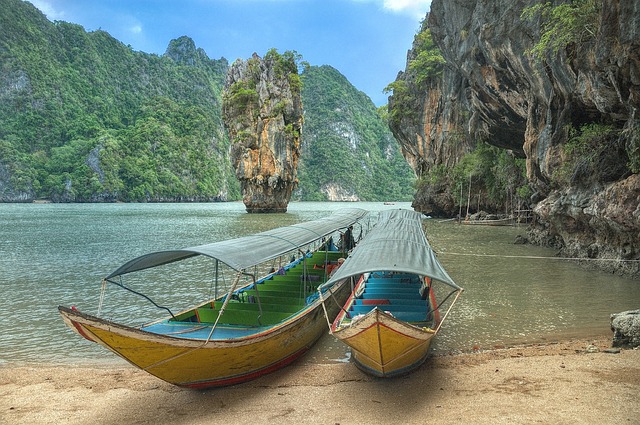
Phang Nga Bay, Thailand
Phang Nga Bay: Limestone Karsts, Floating Villages, and How to See It Phang Nga Bay is a 400-square-kilometre body of water between Phuket and the Malay Peninsula in southern Thailand. Around 40 limestone karst islands rise from shallow green water, some barely wider than the towers themselves, others large enough for fishing villages and national park forest. The bay is a marine national park (Ao...
read more
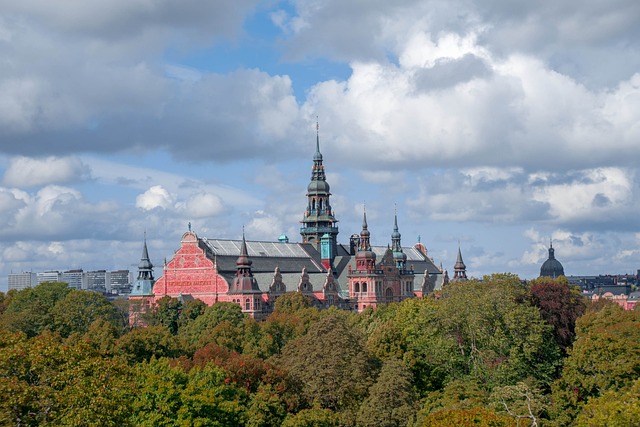
Gamla Stan, Stockholm
Gamla Stan, Stockholm
In 1520, the Danish king Christian II executed 80 to 90 Swedish nobles and clergy in Stortorget square over three days – an event known as the Stockholm Bloodbath. The executions followed a siege and were presented as a legal proceeding. The response was the Swedish independence movement that ended Danish control of Sweden and led, eventually, to the current Kingdom of...
read more
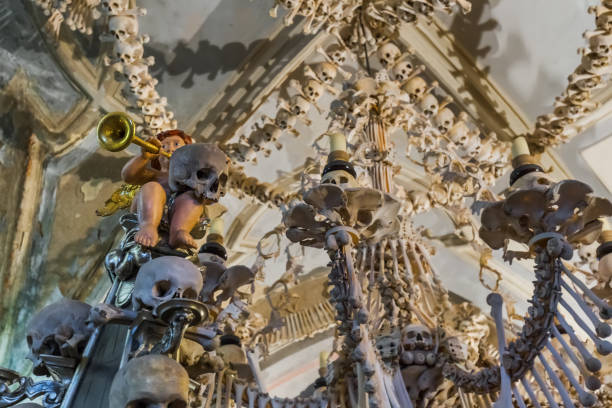
Sedlec Ossuary
Sedlec Ossuary, Kutná Hora
František Rint, the woodcarver hired in 1870 to organise the Sedlec Ossuary’s accumulated bones, signed his name above the entrance, in bones. Whether this was professional pride, dark humour, or both is not recorded. What he created in the small Gothic chapel in Kutná Hora remains one of the more extraordinary objects in Central Europe: a chandelier containing at...
read more
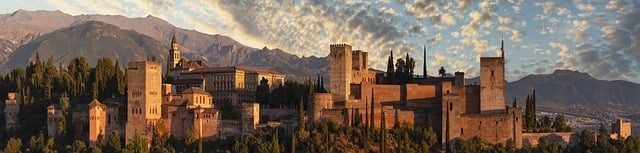
Alhambra De Granada
The Alhambra, Granada
The Nasrid Palaces inside the Alhambra were built in the 14th century by rulers who knew their empire was in decline. The Reconquista had been pushing south for centuries; the Nasrid dynasty was the last remaining Moorish kingdom in the Iberian Peninsula. The result was a palace built not as a military statement but as the most sophisticated pleasure architecture in medieval...
read more
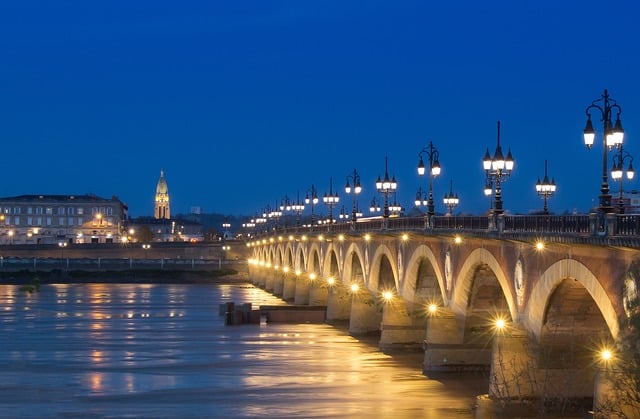
Millau Bridge France
Viaduc de Millau, France
The tallest mast of the Millau Viaduct reaches 343 metres, which is 19 metres higher than the Eiffel Tower. For a road bridge to be taller than the most famous structure in France took until 2004, and even then it slipped through without much national controversy, possibly because the engineering is so obviously beautiful. Norman Foster designed it; Michel Virlogeux...
read more
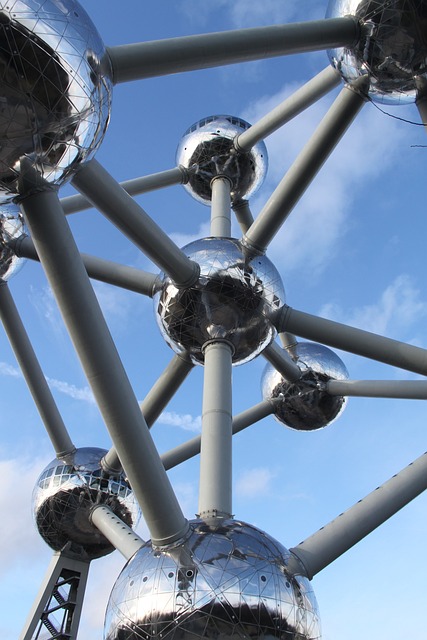
Atomium Brussels
The Atomium: A Monument That Was Supposed to Be Temporary and Became Permanent Because Brussels Is Like That
The Atomium was built for the 1958 World’s Fair as a demonstration piece: iron crystal structure magnified 165 billion times, nine steel spheres connected by tubes, 102 metres tall, meant to celebrate atomic-age science and be dismantled when the fair ended. Public sentiment prevented...
read more
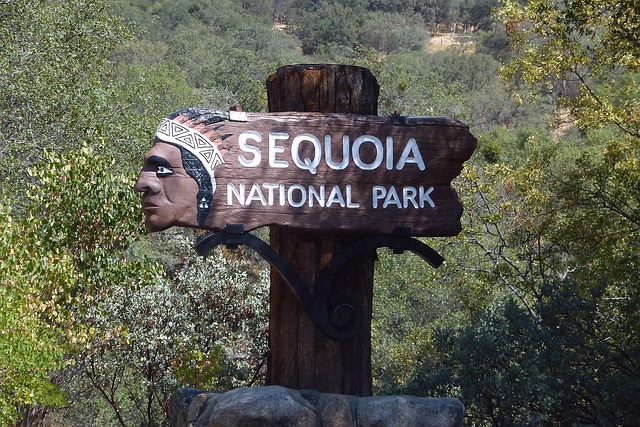
Sequoia National Park
Sequoia National Park: The Trees Are Even Bigger Than You’ve Heard
Giant sequoias are not the tallest trees on earth, that’s the coastal redwoods of Northern California. They’re not the widest, that’s the Montezuma cypress in Mexico. What they are is the largest living things on earth by volume, and the General Sherman Tree at 84 metres tall and 11 metres in diameter at the...
read more
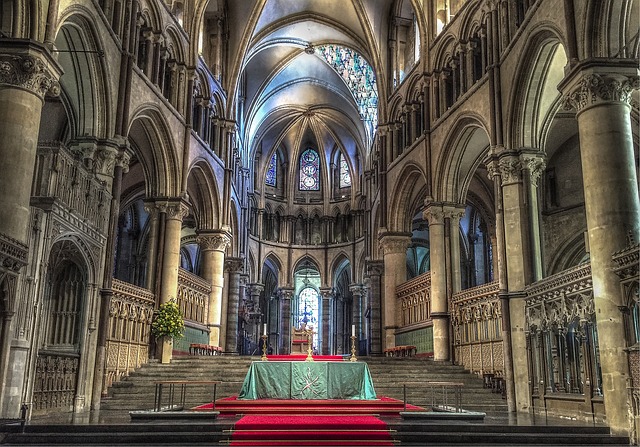
Canterbury Cathedral
Thomas Becket was murdered inside Canterbury Cathedral on a December evening in 1170, and for the next 350 years it was one of the most visited pilgrimage sites in Europe
Four knights killed the Archbishop of Canterbury in his own cathedral on the orders of Henry II, who had apparently said “Will no one rid me of this turbulent priest?” as an expression of frustration rather than a...
read more
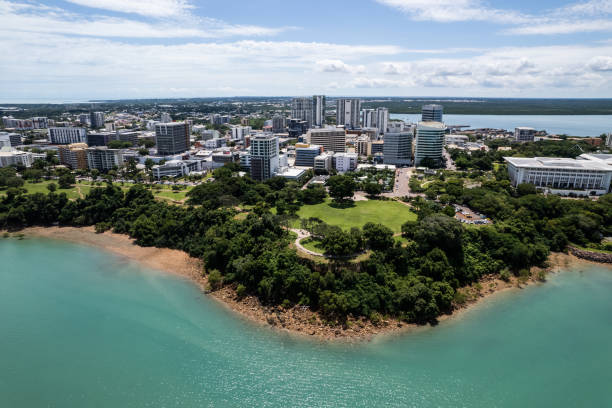
Darwin
Darwin, Northern Territory
Darwin was bombed 64 times by Japanese forces between February 1942 and November 1943, more attacks than Pearl Harbor, though with somewhat lower casualties due to prior evacuation of civilians. The first raid on 19 February 1942 involved 188 aircraft and killed 235 people. This history was suppressed by the Australian government for decades to avoid affecting civilian...
read more
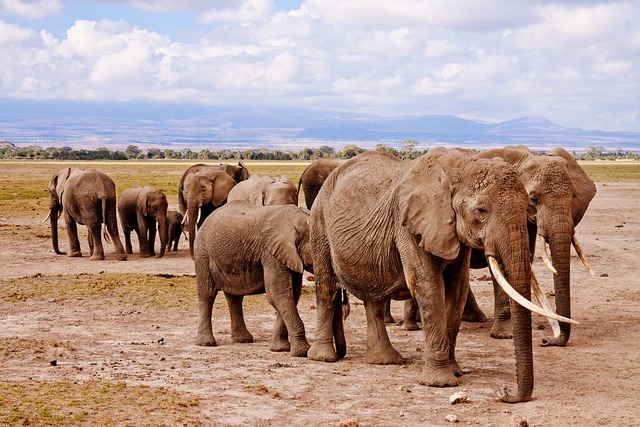
Amboseli Nationa Park Kenya
Amboseli National Park, Kenya
Amboseli is where you go to photograph elephants with Mount Kilimanjaro behind them. That combination – the largest land animal on earth framed against the highest free-standing mountain on the planet, the mountain’s snowy peak visible across an international border from Kenya – is one of the most recognisable wildlife images in the world and is...
read more
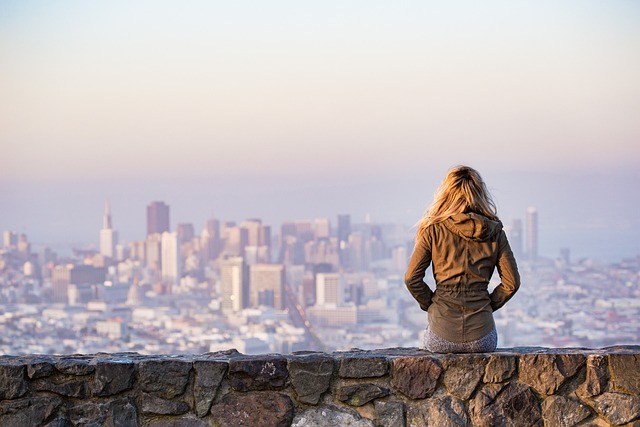
Ancient City Walls Dubrovnik
Dubrovnik’s City Walls: Walk Them at Dawn or Don’t Bother
The Dubrovnik city walls were designed to be intimidating. The Republic of Ragusa, which governed this city-state from 1358 to 1808, spent centuries and enormous sums building walls up to 6 metres thick and 25 metres high, with towers positioned to provide overlapping fields of fire. The walls were never actually breached by...
read more
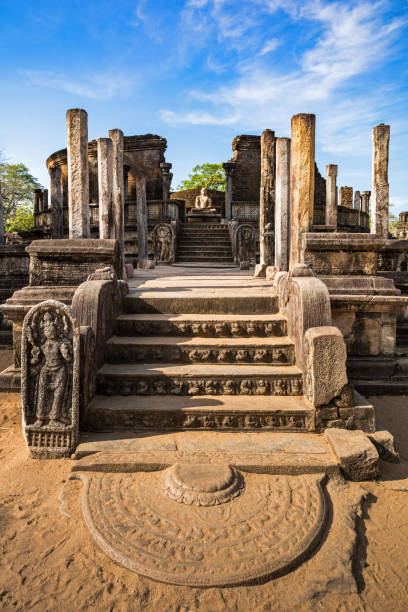
Ancient City of Polonnaruwa
Polonnaruwa: Sri Lanka’s Best Archaeological Site, and the One Fewer People Visit
King Parakramabahu I, who ruled Polonnaruwa from 1153 to 1186, is credited with building a reservoir so large, the Parakrama Samudra, covering over 6,000 hectares, that he declared “not a single drop of rain water that falls on this island should be allowed to flow into the sea without first being made...
read more
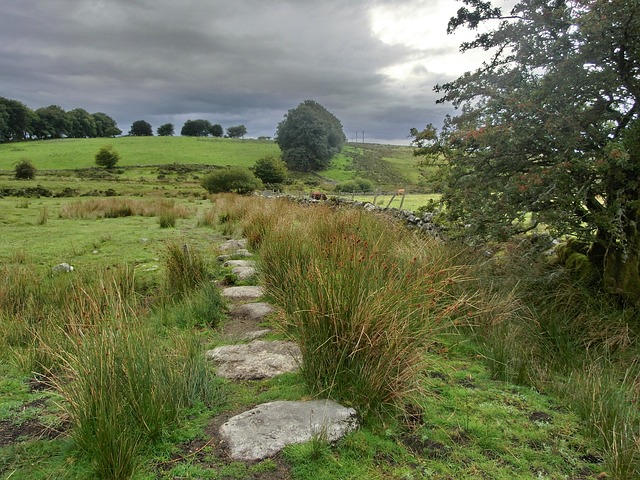
Dartmoor
Dartmoor, Devon
Dartmoor Letterboxing started in 1854 when a naturalist named James Perrott placed a jar with a visiting card at Cranmere Pool, a remote bog at the northern edge of the moor, and invited visitors to leave their own cards. The practice has evolved over 170 years into a form of orienteering-scavenger-hunt specific to Dartmoor: there are now tens of thousands of...
read more
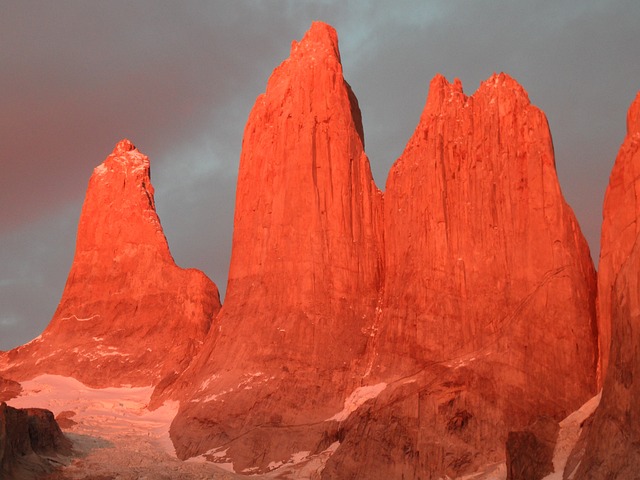
Torres Del Paine
Torres del Paine: Planning the W Trek Without the Amateur Mistakes
Walk-up entry to Torres del Paine is no longer possible. CONAF moved to mandatory advance purchase for all visitors in 2024, and by the 2025-2026 season the rules had tightened further. Daily capacity limits on the most popular sectors fill weeks ahead during December through February. Book before you book flights, or you...
read more
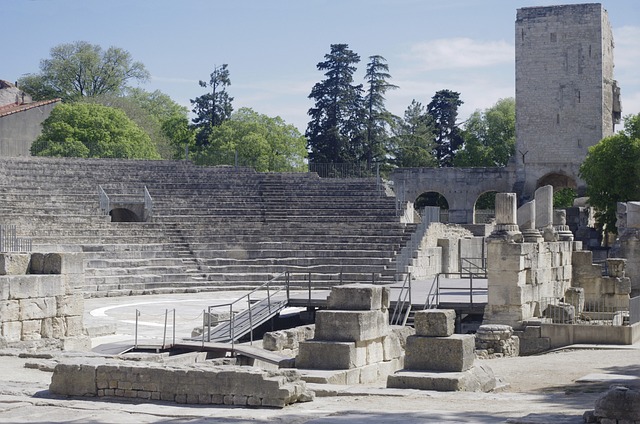
Arles, Roman and Romanesque Monuments
Arles: The City Where Van Gogh Painted 300 Works in Fifteen Months and Then Cut Off His Ear
Van Gogh arrived in Arles in February 1888 and left in May 1889, involuntarily. In the intervening fifteen months, despite the breakdown that led to the famous December ear incident and his voluntary admission to a psychiatric facility in nearby Saint-Rémy, he produced over 300 paintings and drawings. The...
read more
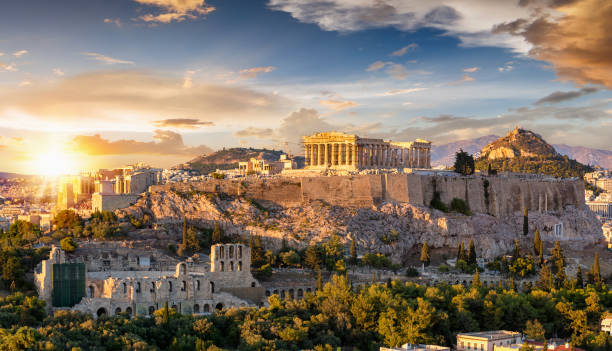
Acropolis, Greece
The Acropolis of Athens: A Second Entry for the Same Site, With More Context
The Acropolis hill was a religious and political centre of Athens for over a thousand years before the Parthenon was built. The site had Bronze Age Mycenaean fortifications, archaic temples, and votive deposits going back to the 7th century BCE. What you see now, the Parthenon, the Propylaea, the Erechtheion, the Temple...
read more
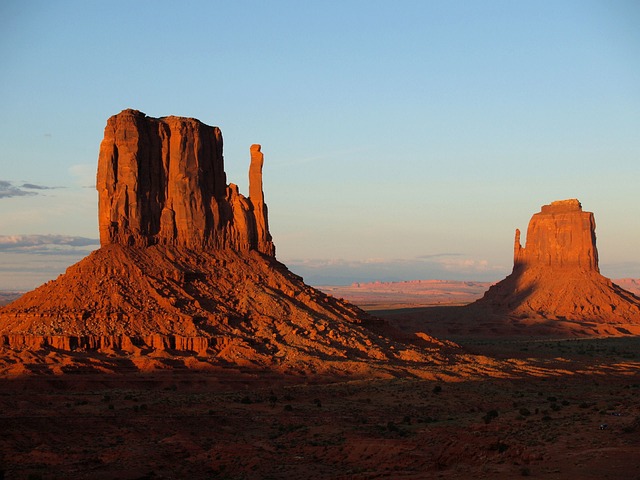
Monument Valley
John Wayne’s office, as the Navajo never called it
The most recognizable landscape in American cinema has a problem: everyone arrives thinking they know it already. John Ford shot six westerns in Monument Valley starting with Stagecoach in 1939, and those frames burrowed so deep into collective memory that the West Mitten, East Mitten, and Merrick Butte now feel like sets rather than the...
read more
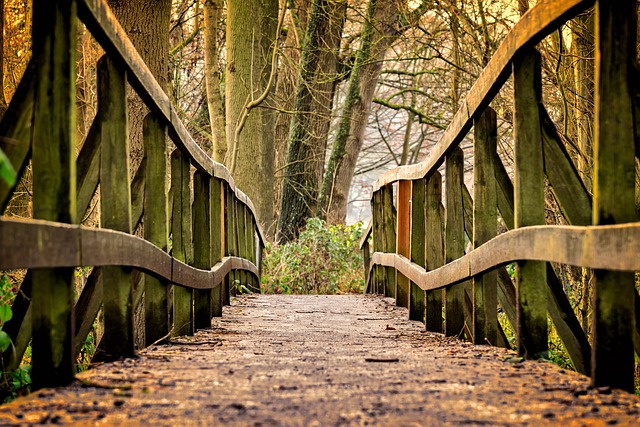
Pooh Bridge Ashdown Forest
Pooh Bridge, Ashdown Forest: What It Is and What to Actually Do There
Let’s be clear upfront: Pooh Bridge is a small wooden footbridge over a small stream in a large heathland in East Sussex. It is not a theme park, not a grand monument, and not a full day out on its own. It is, however, genuinely charming, surprisingly moving if you grew up with A.A. Milne’s stories, and well worth...
read more
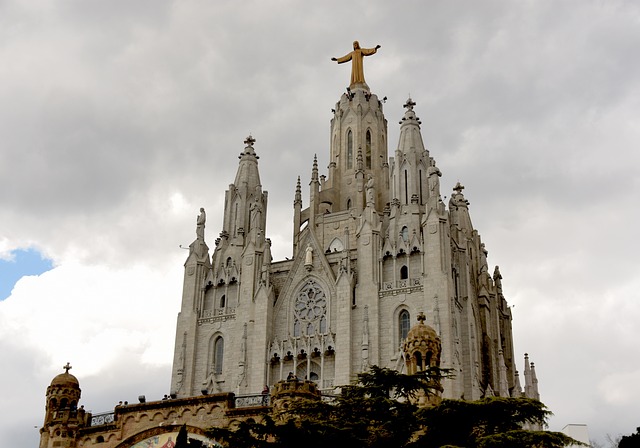
Tibidabo
Tibidabo: Barcelona’s Hilltop Amusement Park and What Surrounds It The Museu d’Autòmats at Tibidabo’s lower terrace contains one of the best collections of antique mechanical arcade machines in Europe, 19th and early 20th century coin-operated figures and games, most still working on old-format coins dispensed at the entrance. It sits quietly at the edge of the park and most...
read more
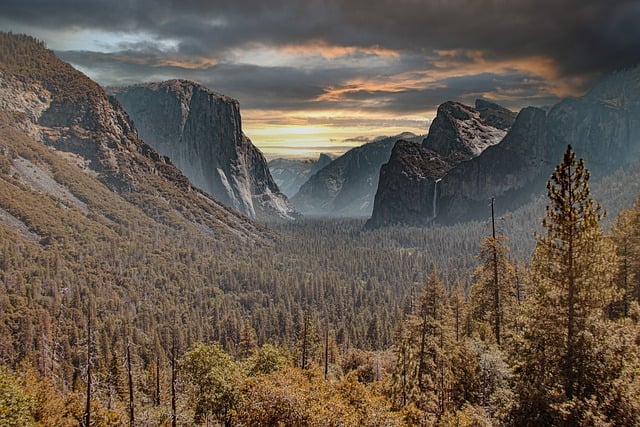
Madidi National Park, Bolivia
Madidi National Park, Bolivia
A 2018 scientific survey counted over 1,000 bird species within Madidi National Park’s boundaries, more than in any comparable area anywhere on earth, and more bird species than exist in the entire continental United States. The park’s exceptional diversity comes from its altitudinal range: it descends from Andean snowfields at 5,000 metres through cloud...
read more
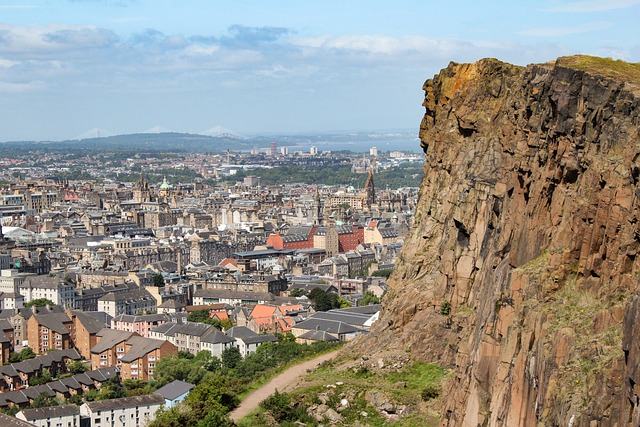
Arthur's Seat Edinburgh
Arthur’s Seat: The Volcano in Edinburgh That Helped Invent Geology
Arthur’s Seat is a 350-million-year-old extinct volcanic plug rising 251 metres above Edinburgh in Holyrood Park, 10 minutes’ walk from the Royal Mile. It is also, in a specific historical sense, where the scientific understanding of geology was born. In 1788, James Hutton stood on the Salisbury Crags below...
read more
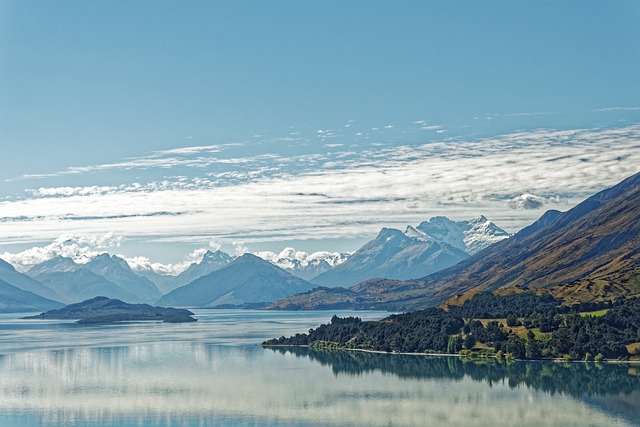
Lake Wakatipu
Lake Wakatipu: 80km of Glacial Water Surrounded by Serrated Peaks
Lake Wakatipu has a documented oscillation, rising and falling 8 to 10 centimetres roughly every five minutes due to atmospheric pressure changes. The Maori explanation is more interesting: the lake is the heartbeat of a sleeping giant named Matau, whose body is curled below the water. This explanation works on the evidence –...
read more
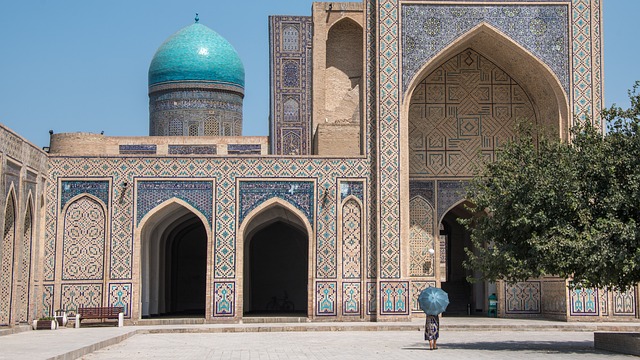
Samarkand and Bukhara, Uzbekistan
Samarkand and Bukhara: The Silk Road Cities That Actually Deserve the Description
In 1220, Genghis Khan arrived at Bukhara, then one of the wealthiest cities in the Islamic world. He rode his horse into the main mosque, declared it a stable, and used the Quran cases as feed troughs. The city was sacked, burned, and its population scattered or enslaved. An estimated three-quarters of the urban...
read more
The Leaning Tower of Pisa
The Leaning Tower of Pisa: The Field of Miracles and What Else to See Most people who visit the Leaning Tower of Pisa spend 90 minutes, take the pushing photo, climb the tower, and leave without seeing the rest of the Piazza dei Miracoli (Field of Miracles). The other buildings in the square are the reason the site is UNESCO-listed, and they receive far less attention than they deserve.
The Piazza...
read more
Ben Nevis
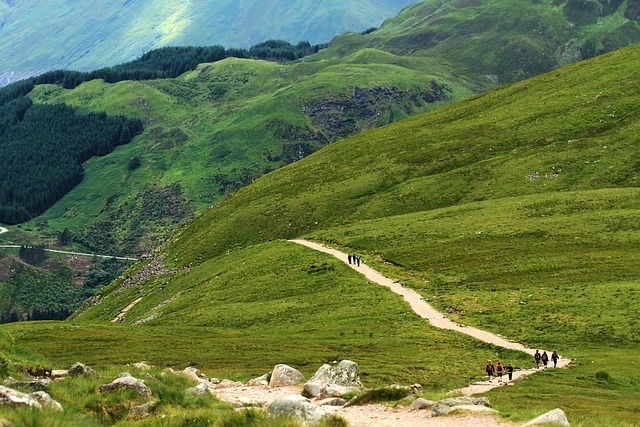
Ben Nevis had a weather observatory at its summit from 1883 to 1904, and the data it collected about Scottish mountain weather was so extreme that scientists initially doubted it
Ben Nevis is 1,345 metres, the highest point in Britain and Ireland, and it is in the West Highlands above Fort William. The summit is below the cloud line for roughly 80% of the year. The observatory that operated there...
read more
Mount Etna
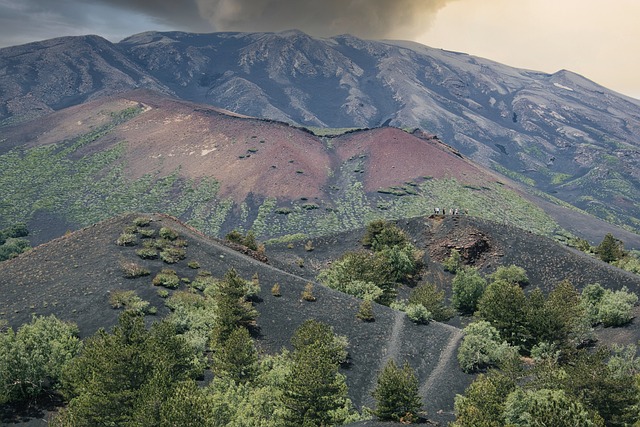
Etna: Europe’s Most Active Volcano and the Wines Grown on Its Slopes
Mount Etna changes altitude after every major eruption, the figure of 3,329 metres on most maps is typically 10-30 metres out of date. The summit’s shape shifts as the central craters collapse or fill with new lava. In 2021, a series of paroxysmal eruptions sent ash 10km into the atmosphere and deposited lava on the...
read more
Attend a Cherry Blossom Festival in Japan
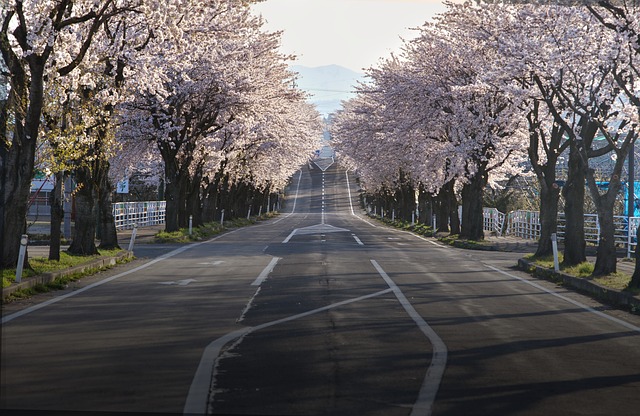
Attend a Cherry Blossom Festival in Japan: A Guide for Tourists
The rowboat queue at Chidorigafuchi moat in Tokyo starts forming before 7am during peak bloom. By 9am, the wait for a boat is over an hour. This is because the experience of drifting through the fallen petals with the Imperial Palace walls on one side and cherry trees arching overhead is worth the queue, and everyone who has been told...
read more
Cristo Redentor
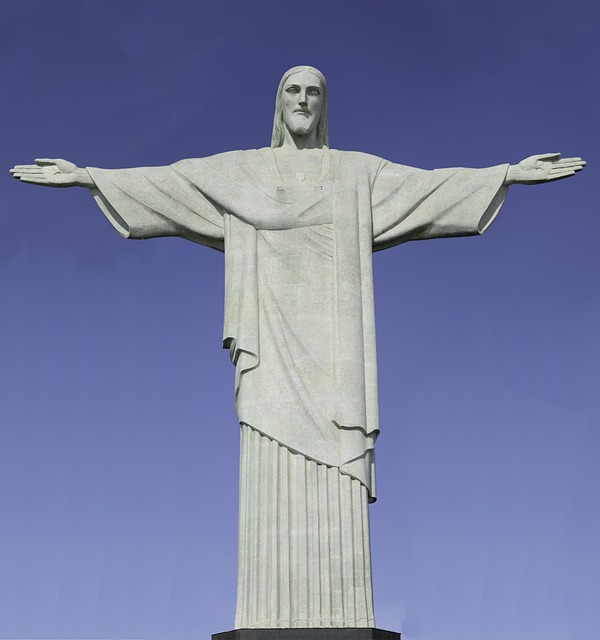
Cristo Redentor: The Queue, the Cloud, and Why 7am Works
Cristo Redentor stands on the summit of Corcovado, a 710-metre granite peak in the Tijuca Forest above Rio de Janeiro. The statue itself is 30 metres tall, made from reinforced concrete with an exterior of soapstone tiles, and was completed in 1931. It is visible from most of coastal Rio on clear days. The arms span 28 metres. These facts...
read more
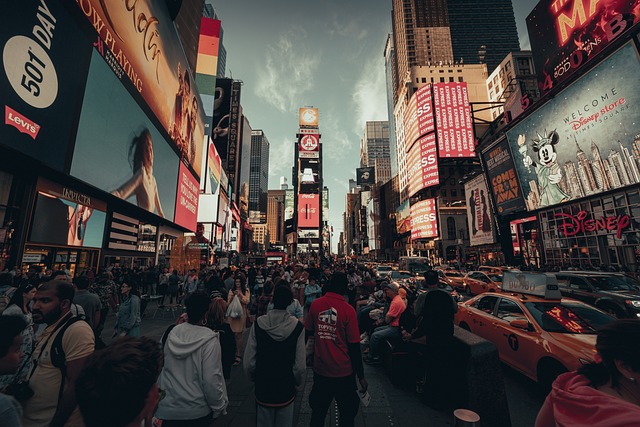
Registan Square
Registan Square, Samarkand
The Sher-Dor Madrasah has tigers on its portal arch. This is unusual for an Islamic building: traditional Islamic iconography avoids human and animal representations, and the 1636 building’s architect included them anyway – tigers pursuing deer, with a sun-face rising behind each tiger. The name means “bearing lions” in Persian. The reason for...
read more
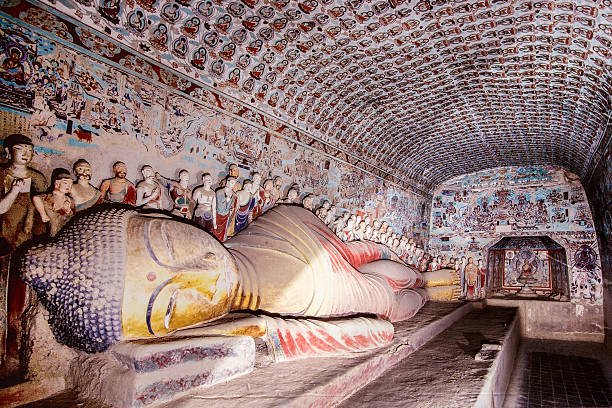
Mogao Caves
Mogao Caves: 1,600 Years of Buddhist Art in the Gobi Desert
In 1900, a Taoist monk named Wang Yuanlu was clearing sand from a cave at Mogao when he found a bricked-up chamber he had not known was there. Behind the wall were approximately 40,000 documents and textiles, stacked floor to ceiling, sealed since around 1,000 CE. Among them was a printed scroll of the Diamond Sutra dated 868 CE, the...
read more