Recent Places
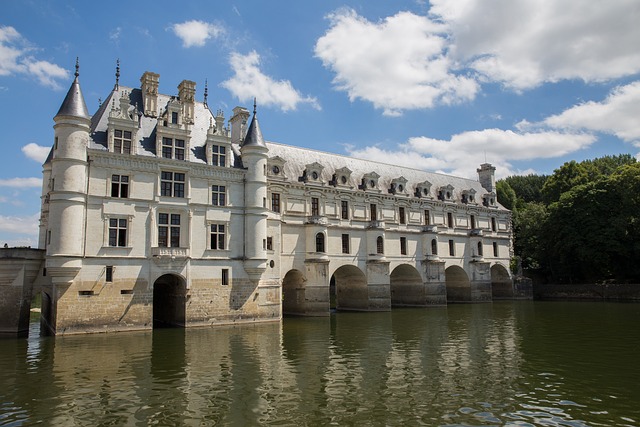
The Loire Valley
The Loire Valley: Which Châteaux to Visit and Which to Skip
The Loire Valley contains over 300 châteaux, which is both the region’s appeal and its problem. You cannot see them all and most guidebooks don’t tell you which ones to sacrifice. The honest answer is that the most famous châteaux are not always the most interesting, and some mid-tier ones that draw smaller crowds are worth...
read more
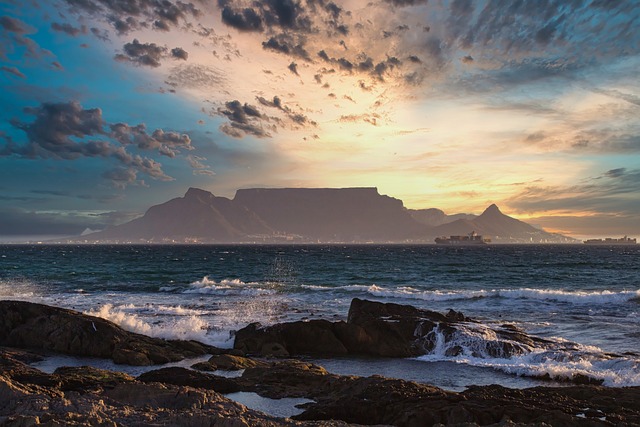
Cape Tribulation
Cape Tribulation: Where the Oldest Rainforest Meets the Reef
Captain Cook named Cape Tribulation in 1770 when his ship ran aground on the Great Barrier Reef nearby and he wrote in his journal that “here began all our troubles.” The troubles were geological, not existential, the Endeavour needed six weeks of repairs, but the name stuck on the headland. He would have had no way of...
read more
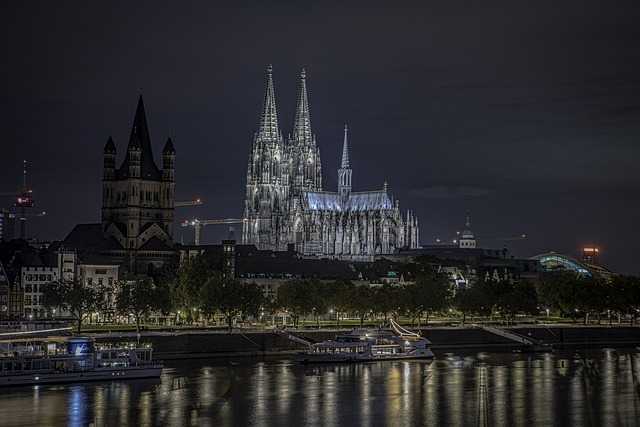
Cologne Cathedral
Cologne Cathedral
The Cologne Cathedral (Kölner Dom) was begun in 1248 and completed in 1880 – a gap of 632 years during which construction essentially stopped for most of the medieval and early modern periods before resuming in the 19th century. The result is the largest Gothic cathedral in northern Europe, with twin spires rising to 157 metres that make it the most recognisable element of...
read more
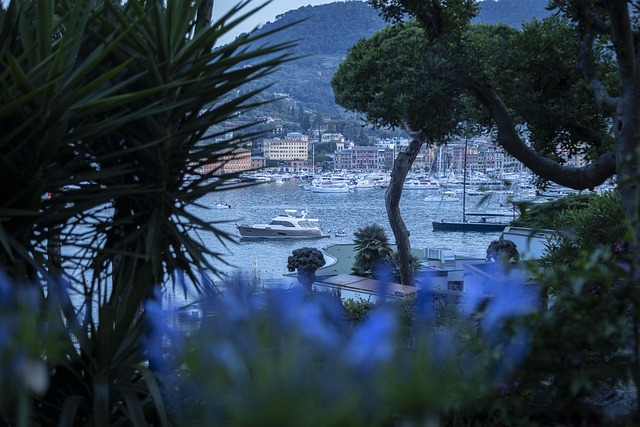
Portofino
Portofino: Small Village, Large Prices, and Why It Is Still Worth It
Portofino got its distinctive coloured facades in the 18th and 19th centuries when fishing families painted them in distinct colours so they could identify their houses from the water while returning from sea. The practice was functional and became tradition, and now produces the effect that makes the harbour appear designed for...
read more
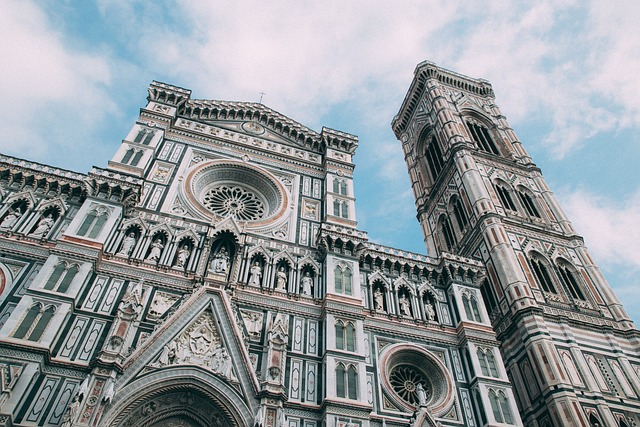
Santa Maria Del Fiore (Duomo Di Firenze / Florence Cathedral)
The Florence Cathedral (Santa Maria del Fiore)
Brunelleschi solved a problem that had defeated European builders for 130 years: how to cover a 42-metre-wide octagonal crossing with a masonry dome without temporary wooden scaffolding to support the structure during construction. He built the dome between 1420 and 1436 using an interlocking herringbone brickwork pattern he invented and largely kept...
read more
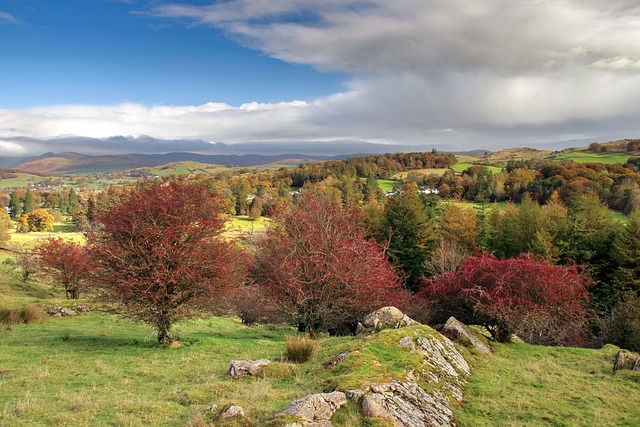
Lake Windermere
Alfred Wainwright’s first Lake District walk was up Orrest Head, in 1930, and the view of Windermere from the top changed the direction of his life
Wainwright had come from Blackburn for a holiday, climbed the modest hill above Windermere town, and looked north to see the full length of the lake with the Langdale Pikes behind it. He described the experience as a revelation. He subsequently...
read more
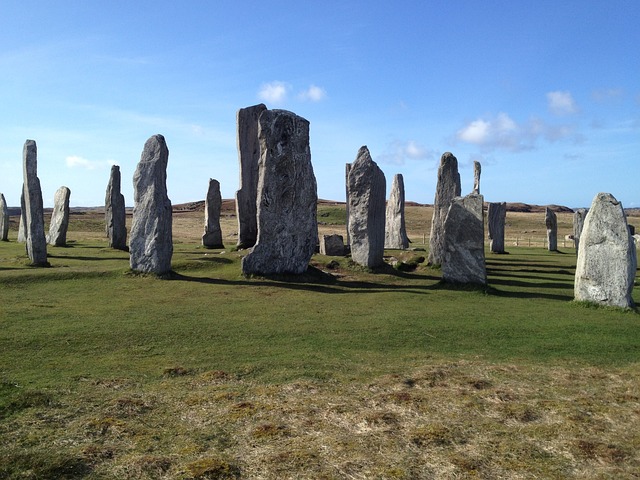
Callanish Standing Stones Lewis Scotland
Callanish at Midsummer: Why Scotland’s Best Stone Circle Isn’t Stonehenge
On the Isle of Lewis, the Callanish standing stones have been free to approach at any hour, in any weather, with no tickets and no barriers, for the five thousand years since people erected them. Stonehenge charges £30 entry and puts a rope around the stones. The argument that Stonehenge is the more significant...
read more
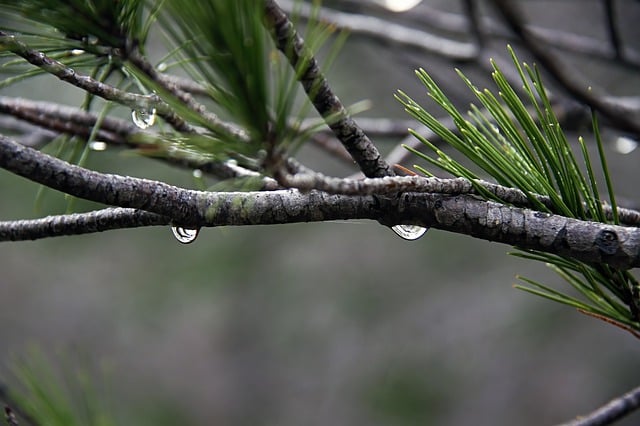
Amazon Rain Forest
The Amazon: What the Photographs Don’t Show
The Amazon lost roughly 11,000 square kilometres of forest in 2023, one of the lower figures in the last decade after a peak of over 29,000 square kilometres per year in the early 2000s. The deforestation is mostly in the Brazilian arc of the Amazon, concentrated in Pará, Mato Grosso, and Amazonas states. This is worth knowing before visiting,...
read more
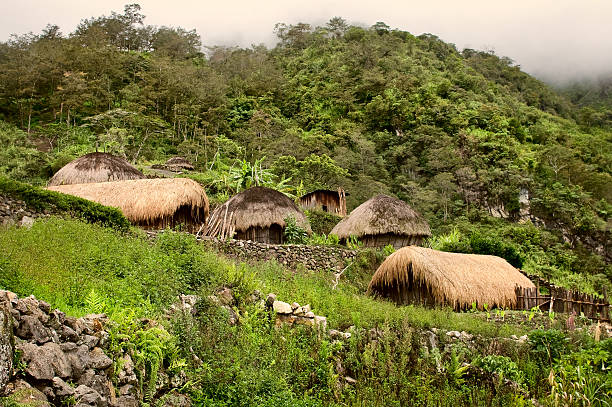
Papua New Guinea
Papua New Guinea: Not for Every Traveller, Ideal for the Right One
Papua New Guinea has more languages than any other country, over 800 distinct languages, nearly a third of the world’s total, spoken across a population of about 9 million people. That linguistic diversity reflects the island’s geography: mountains and valleys and island chains that kept communities isolated from each...
read more
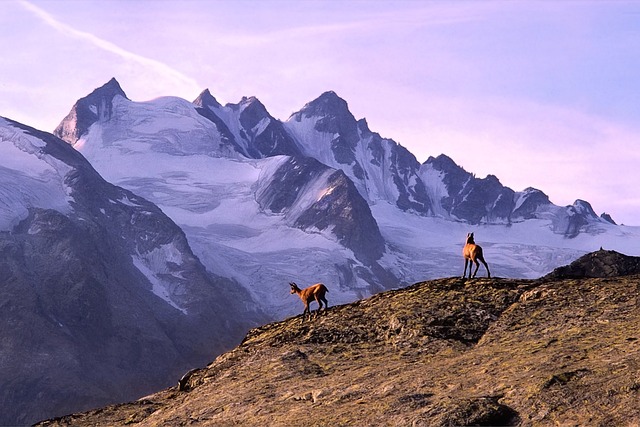
Parc National D´Andringitra
Andringitra National Park, Madagascar: Getting There Is the First Challenge
The Tsaranoro Valley in Andringitra National Park has granite walls up to 800 metres high that French climbers in the 1990s compared directly to Yosemite. That comparison, from serious technical climbers who had been to Yosemite, says something about the scale of what is here. Andringitra is the most scenically dramatic...
read more
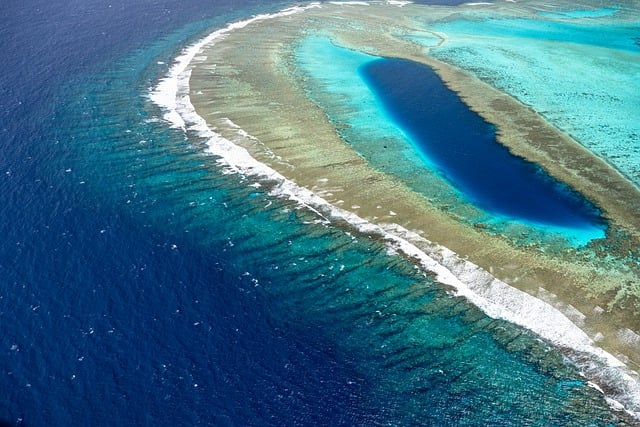
Blue Hole
Belize’s Great Blue Hole: The Dive That Requires Honesty About What You’ll See
The Great Blue Hole appears on Belize’s flag and is frequently listed among the world’s top dive sites. Jacques Cousteau brought his research vessel Calypso here in 1971, dropped into the blue circle from the air, and called it one of the finest dive sites on earth. That endorsement has driven...
read more
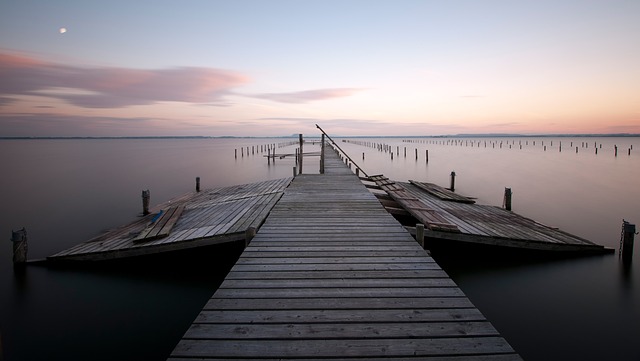
Albert Docks
Discover the Charms of Albert Dock: A Comprehensive Guide for Tourists
Albert Dock, opened in 1846 as a revolutionary dock system designed by engineer Jesse Hartley, stands as Liverpool’s most iconic waterfront destination. This stunning complex of Georgian dock buildings and warehouses has been beautifully restored to their former glory, creating a vibrant hub of culture, entertainment, and...
read more
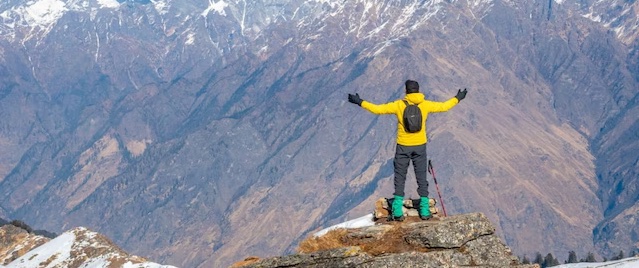
Centrul Vechi
Bucharest’s Old Town: Two Very Different Daytimes
Centrul Vechi, Bucharest’s old town, occupies roughly 10 blocks south of Calea Victoriei. It is a compact area of 18th and 19th-century buildings, most of them now converted to restaurants, bars, and clubs. During the day it is a place of some architectural interest with relatively low visitor pressure; after 10pm on Thursday through...
read more
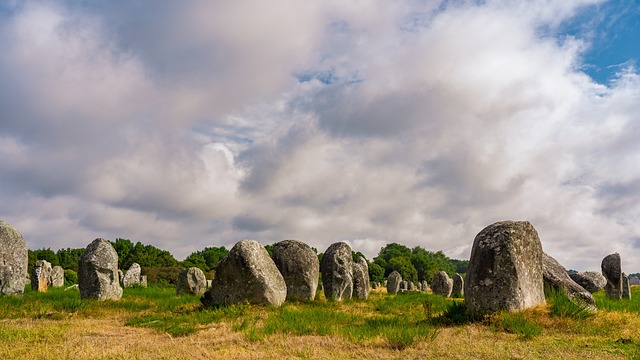
Carnac
Carnac, Brittany: 3,000 Standing Stones and Nobody Knows Why
Nobody knows why the stones are there. This is the important thing about Carnac that the tourist materials tend to soften. The alignements at Carnac comprise over 3,000 standing stones arranged in parallel rows across more than 20 kilometres of Breton landscape, constructed between approximately 3000 and 2000 BCE. They are the largest...
read more
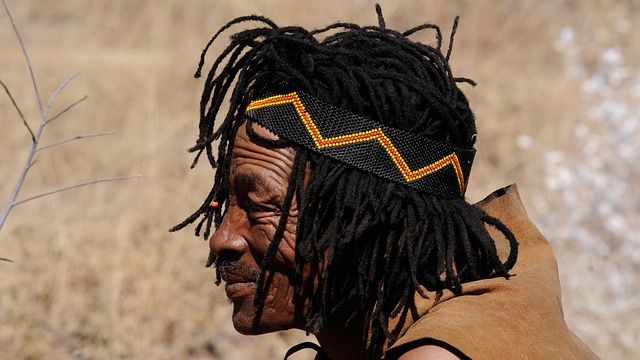
Chobe National Park Botswana
Chobe National Park, Botswana
Chobe has the highest concentration of African elephants on earth. Current estimates put the Chobe elephant population at over 120,000 – a number that has created its own conservation debate, since the elephants strip the riverfront woodland and reshape the landscape faster than it can recover. Watching 200 elephants move through the afternoon light to drink at...
read more
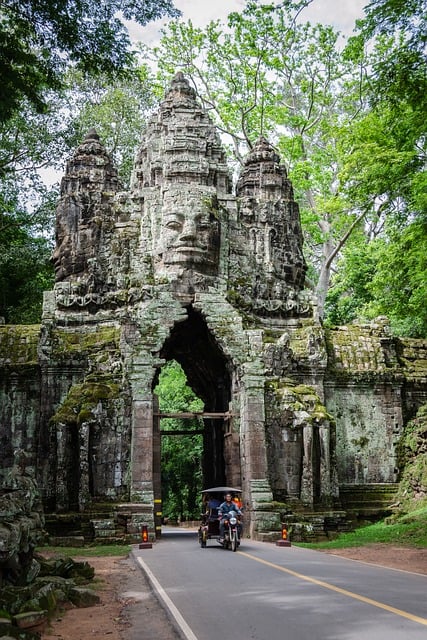
Angkor Cambodia
Angkor, Cambodia: The Largest Pre-Industrial City on Earth
At its peak in the 12th century, Angkor was the largest pre-industrial urban agglomeration on earth, housing an estimated one million people. The hydraulic infrastructure that sustained that population – a system of reservoirs, canals, and distribution channels covering hundreds of square kilometres – was more sophisticated...
read more
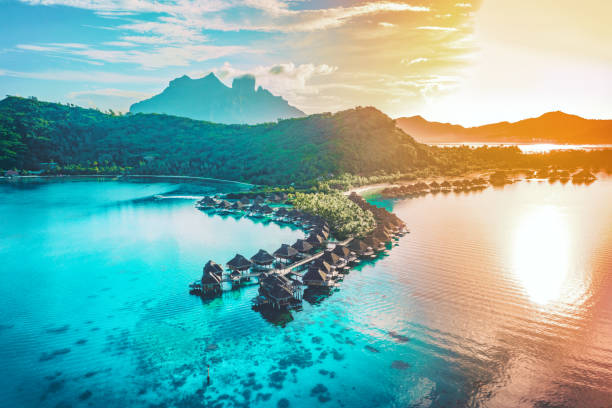
Bora Bora
Bora Bora
The overwater bungalow was invented in French Polynesia. The first ones were built on Moorea in the late 1960s by a small hotel that was running out of land on which to build. The concept spread to Bora Bora, which had the lagoon for it: a sheltered turquoise expanse protected by a coral barrier reef, with a volcanic peak in the centre of the motus (islets) that ring the lagoon’s...
read more
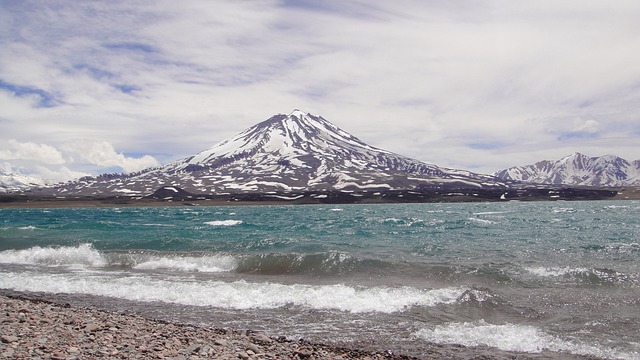
Mendoza, Argentina
Mendoza: Argentina’s Wine Capital Done Properly Mendoza sits at 750 metres elevation at the foot of the Andes, about 1,000km west of Buenos Aires. It produces roughly 70% of Argentina’s wine, mostly Malbec. Malbec is not an Argentine invention – it originated in France’s Cahors region – but Argentina took a grape that had largely fallen out of favour in its homeland...
read more
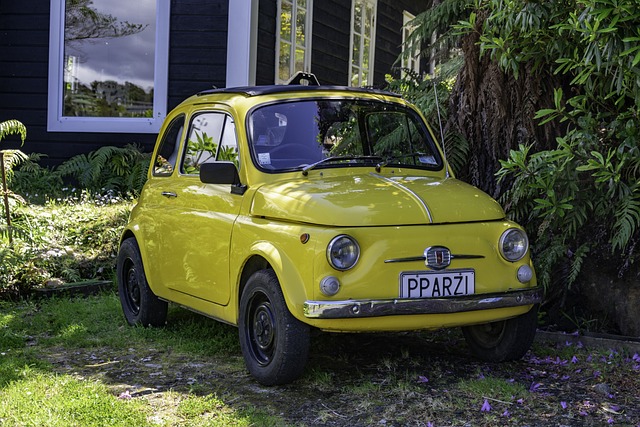
Stewart Island
Stewart Island (Rakiura), New Zealand
The kiwi here do something unusual: they forage on beaches in daylight. The Southern Tokoeka, the subspecies native to Stewart Island, is larger than mainland kiwi and notably less strictly nocturnal. Walk a beach at dusk on Mason Bay and you can, with reasonable luck, watch one work the sand for invertebrates without a red torch, without a hide, and without...
read more
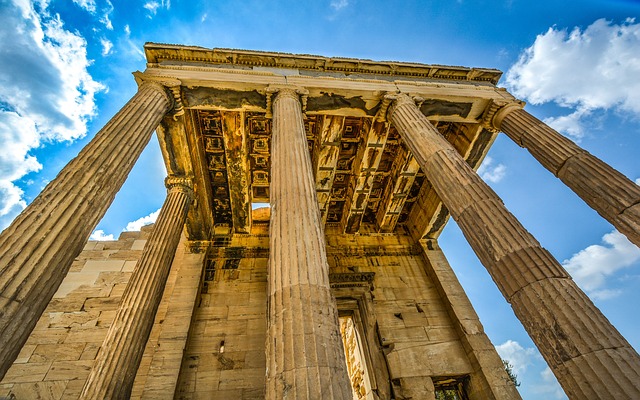
Ruins of Athens
Athens Beyond the Acropolis: The Ruins That Don’t Make the Headlines
Most visitors come to Athens for the Acropolis. Having done the Acropolis, a significant number feel they’ve done Athens and leave. This misses the Ancient Agora, the Kerameikos cemetery, the National Archaeological Museum, and the Roman Agora, which are collectively as rewarding as the Acropolis and see a fraction of...
read more
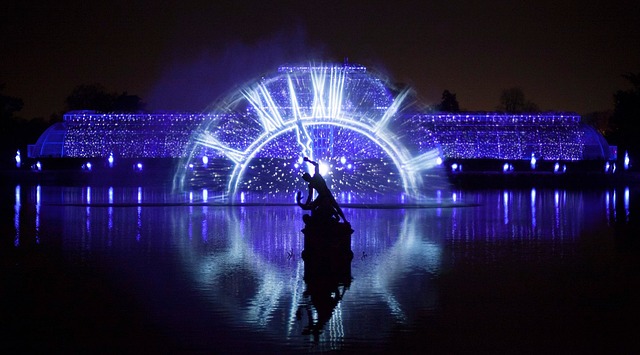
Kew Gardens
Kew Gardens: The Serious Botanical Collection Behind the Day-Out Experience
The Royal Botanic Gardens at Kew holds over 30,000 living species and eight million preserved specimens – the world’s largest plant collection – yet most visitors walk around taking pictures of the glasshouses and leave without realising the science going on beneath the surface. That is not a criticism;...
read more
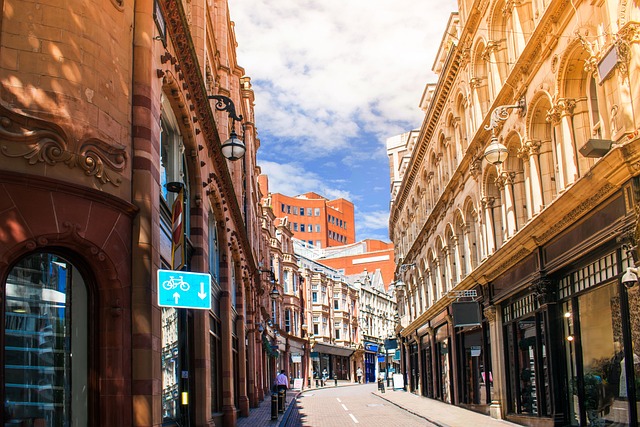
Birmingham
Birmingham: The Second City That’s Stopped Apologising
The Birmingham Museum and Art Gallery holds the largest collection of Pre-Raphaelite paintings in the world. Edward Burne-Jones was born in the city; Dante Gabriel Rossetti, William Holman Hunt, and John Everett Millais all had connections to Birmingham patrons and collectors who bought their work when London was still uncertain about...
read more
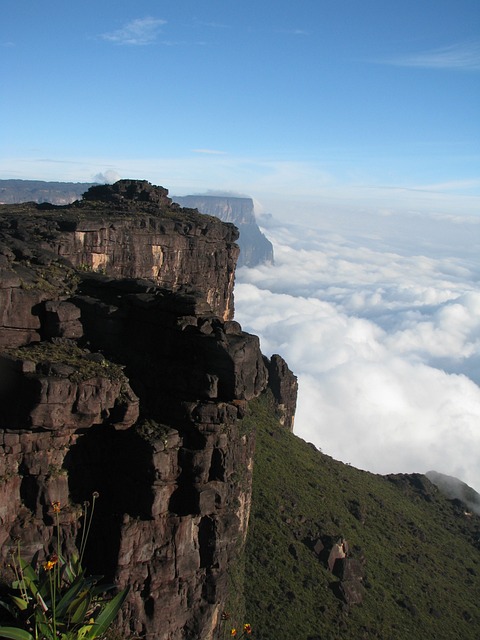
Roraima
Mount Roraima, Venezuela/Brazil/Guyana
Arthur Conan Doyle set his 1912 novel “The Lost World” on a South American plateau after learning about the tepuis from the explorer Everard Im Thurn, who made the first recorded ascent of Roraima in 1884. Im Thurn described a landscape of carnivorous plants, strange geology, and total isolation that Doyle turned into a habitat for dinosaurs. The...
read more
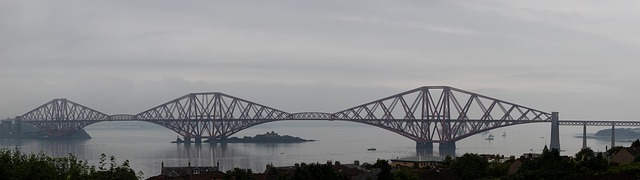
Forth Rail Bridge, Edinburgh
Rwanda Gorilla Trekking: Volcanoes National Park
The gorilla permit in Rwanda costs $1,500 per person. That price was introduced in 2017, has not changed, and covers one hour with a habituated mountain gorilla family in Volcanoes National Park. The park caps daily visitors at 96 – 12 habituated gorilla groups, 8 guests per group per day. You are paying for a scarce resource and a...
read more
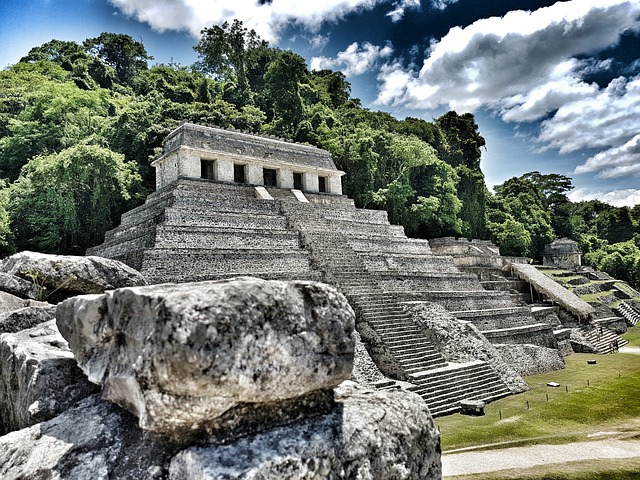
Palenque Mexico
Palenque, Chiapas, Mexico
The carved stone lid of Pakal the Great’s sarcophagus, created around 683 AD, was long misread by early 20th-century archaeologists as depicting an astronaut at the controls of a rocket – a misinterpretation that became a popular theory and sold many books. What it actually shows, as Maya epigraphy confirmed once the glyphic system was properly decoded in the...
read more
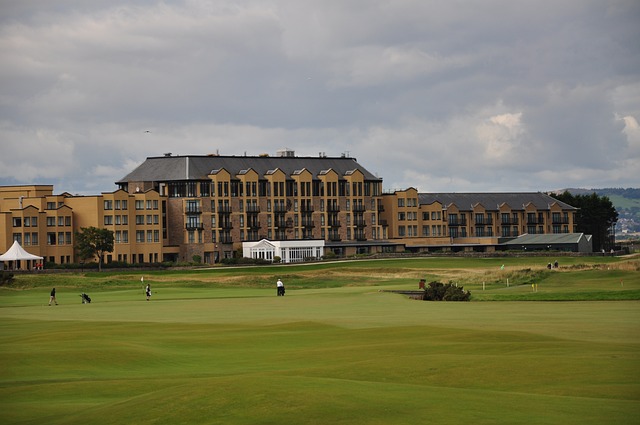
St. Andrews Old Course Scotland
St. Andrews: What Golfers Already Know and What Everyone Else Is Missing
St. Andrews is a small university town on the east coast of Fife, facing the cold grey North Sea, with one of the oldest universities in the English-speaking world (founded 1413) and the most famous golf course on earth. Most visitors come for the golf. A significant number leave without realising that the cathedral ruins,...
read more
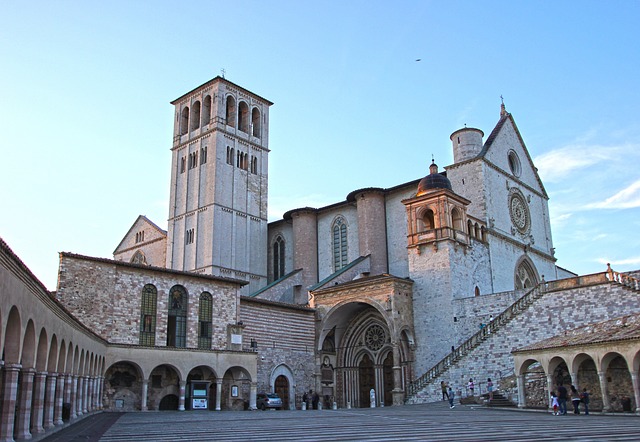
Basilica in Assisi
The Basilica di San Francesco, Assisi: Giotto’s Frescoes and What Surrounds Them
On September 26, 1997, an earthquake struck central Italy and part of the vault of the Upper Church collapsed. Two Franciscan friars and two restoration workers died in the rubble. The frescoes of Cimabue’s Four Doctors of the Church shattered into 300,000 fragments that took years to reassemble....
read more
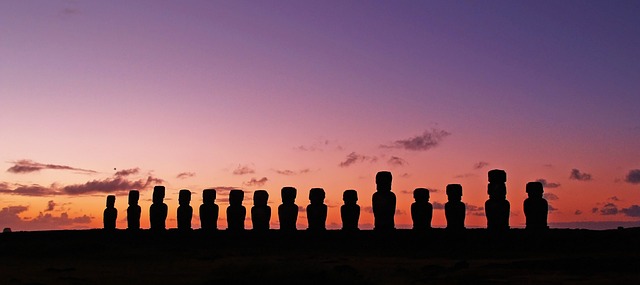
Easter Island Chile
Rapa Nui (Easter Island): The Landscape of the Moai and Why It’s More Than Just Statues
The quarry at Rano Raraku, on the slopes of an extinct volcanic crater in the island’s eastern sector, still contains about 400 moai in various states of completion, some buried to their shoulders in accumulated soil, others still attached to the bedrock from which they were carved. One moai, El...
read more
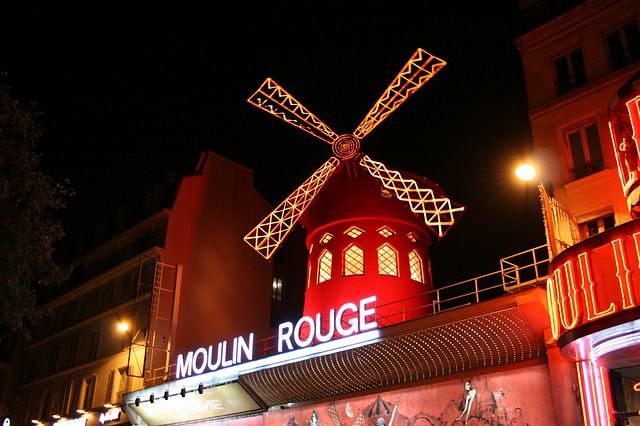
Moulin Rouge
Moulin Rouge, Paris
The Moulin Rouge opened in 1889 – the same year as the Eiffel Tower – in the Pigalle neighbourhood at the foot of Montmartre. It invented the French cancan as a stage spectacle, drawing a mix of Parisian bourgeoisie and working artists (Toulouse-Lautrec, who documented the early performances in the lithographs that remain the most recognisable images associated with...
read more
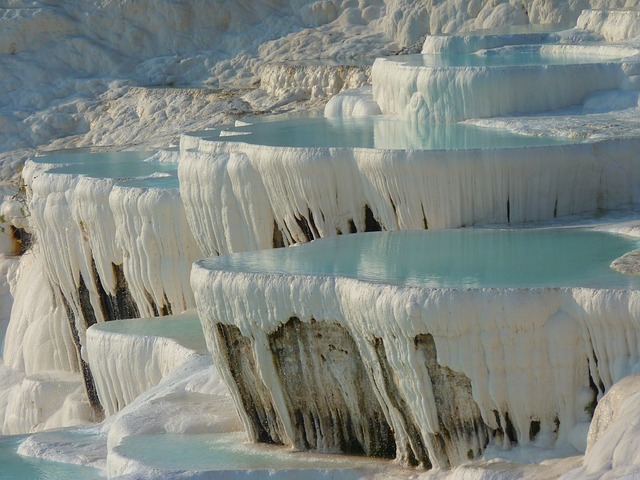
Pamukkale
Pamukkale: The Travertine Terraces That Require Footwear Rules
Pamukkale means “Cotton Castle” in Turkish, which describes what the calcium carbonate terraces look like from a distance: white formations cascading down a hillside like frozen waterfalls. The terraces are formed by water from 17 thermal springs flowing at 35°C and depositing calcium bicarbonate as it cools. They’ve...
read more
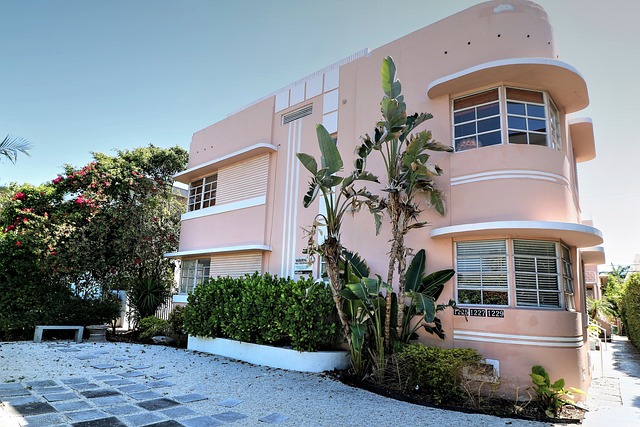
Art Deco Architecture in South Beach Miami
Art Deco South Beach, Miami
The South Beach Art Deco Historic District was not always considered worth saving. By the early 1970s, many of the 1930s and 1940s hotels along Ocean Drive were deteriorating, occupied by elderly residents on fixed incomes, and eyed by developers for demolition. It was Barbara Baer Capitman who organised the Miami Design Preservation League in 1976 and spent the...
read more
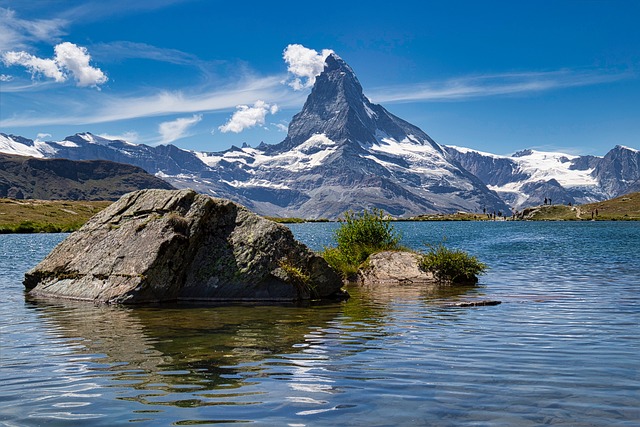
Matterhorn
The Matterhorn: What Makes It Different and What to Expect in Zermatt
The Matterhorn at 4,478 metres is not the highest peak in the Alps (that’s Mont Blanc at 4,808 metres), not the most difficult to climb (there are more technical routes elsewhere), and not the most remote. What makes it recognisable worldwide is its shape: a near-perfect four-sided pyramid that stands in isolation above...
read more
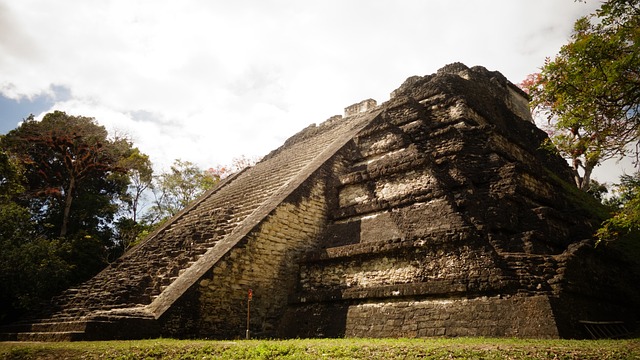
Altun Ha, Maya Site
Altun Ha, Belize
The largest carved jade object ever found in the Maya world was discovered at this site in 1968 by archaeologist David Pendergast. The head of Kinich Ahau, the Maya sun god, weighs 4.4 kilograms and stands 14.9 centimetres tall. It was found in a tomb inside the Temple of the Masonry Altars, wrapped in textiles, alongside jade and obsidian ornaments. The head now lives in the...
read more
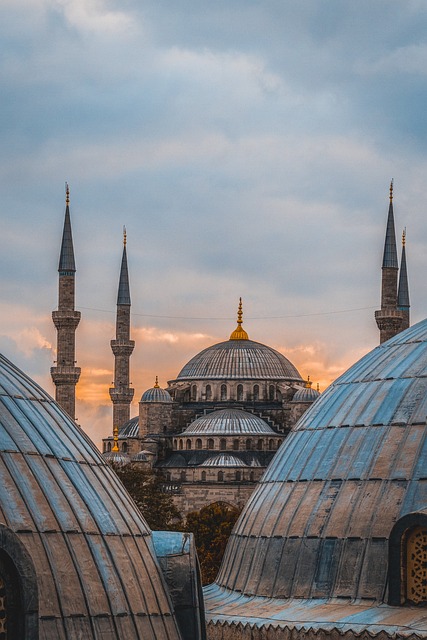
Blue Mosque, Istanbul
The Blue Mosque, Istanbul
The Sultan Ahmed Mosque was completed in 1616, and it was audacious from the beginning. Sultan Ahmed I, who commissioned it when he was 19, gave it six minarets – a number that until then had only been used at the mosque in Mecca. The resulting scandal required the construction of a seventh minaret in Mecca to restore that mosque’s uniqueness. The Blue...
read more
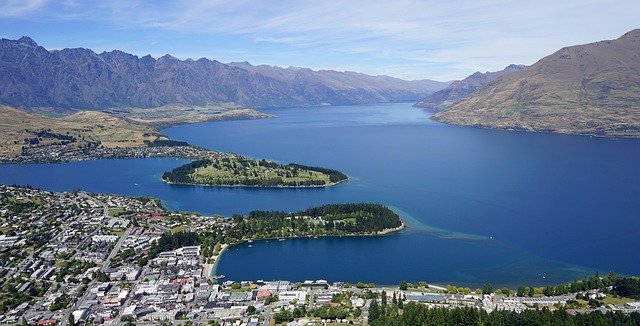
Queenstown
Queenstown: Where the Views Are Free and Everything Else Isn’t
Queenstown sits at the edge of Lake Wakatipu surrounded by the Remarkables mountain range, and the scenery is genuinely extraordinary. The town has built a robust tourism industry around that scenery, which means prices are high for New Zealand, services are excellent, and the place can feel theme-park-ish in peak summer...
read more
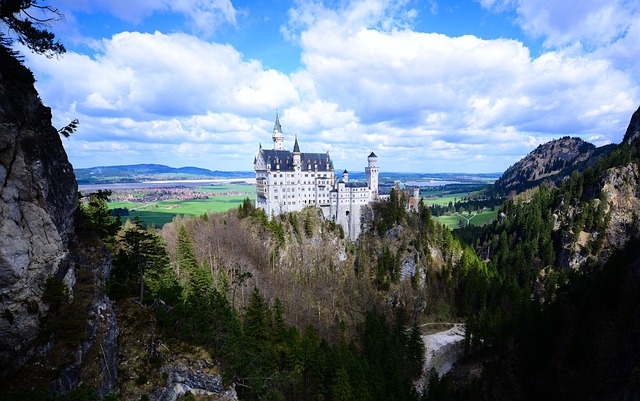
Schloss Neuschwanstein
Neuschwanstein: The Mad King’s Unfinished Fantasy
The Walt Disney Company used Neuschwanstein as the direct model for the Sleeping Beauty Castle at Disneyland – which is fine, except that Neuschwanstein itself was a fantasy castle built by a real king to recreate an imaginary medieval world, making the Disney castle a copy of a copy. King Ludwig II of Bavaria began construction in...
read more
Leeds Castle
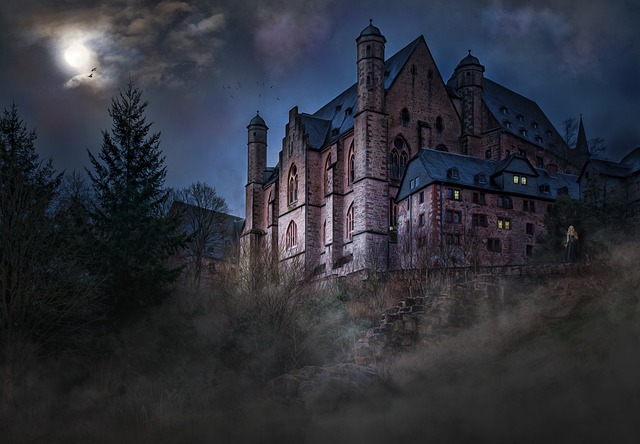
Leeds Castle: The One That Actually Looks Like a Postcard
Leeds Castle has nothing to do with Leeds. It’s in Kent, about 7 kilometres from Maidstone, and the name comes from Led, a 9th-century chief who built the first fortification here. The castle sits on two islands in a lake fed by the River Len, and the combination of medieval stone rising from the water with a parkland backdrop is one...
read more
Carcassonne
Carcassonne
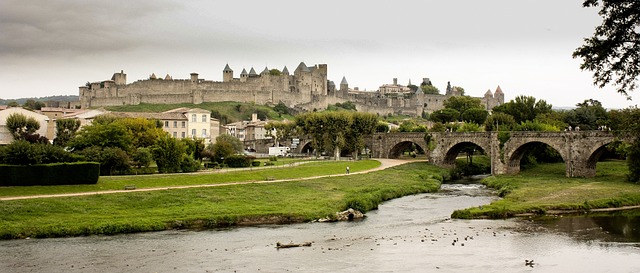
Most of what you see when you approach the Cite de Carcassonne – the double walls, the pointed towers, the uniform grey stone – is a 19th-century restoration by Eugene Viollet-le-Duc, the architect who renovated it between 1853 and 1879. Viollet-le-Duc’s work is controversial among medieval historians because his vision of what a medieval fortress should look like was...
read more
Victoria Falls
Victoria Falls: Zimbabwe, Zambia, and the Practical Decisions Between Them
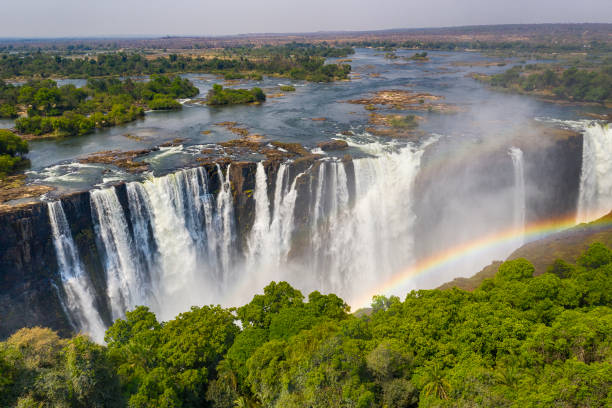
Victoria Falls is the largest waterfall in the world by the combined measure of width and height: 1,708 metres wide and up to 108 metres tall. The Zambezi River, which forms the border between Zimbabwe and Zambia, drops over the basalt cliff in a curtain that produces a permanent mist cloud visible from 50 kilometres away....
read more
Temple of the Emerald Buddha
Wat Phra Kaew (Temple of the Emerald Buddha), Bangkok
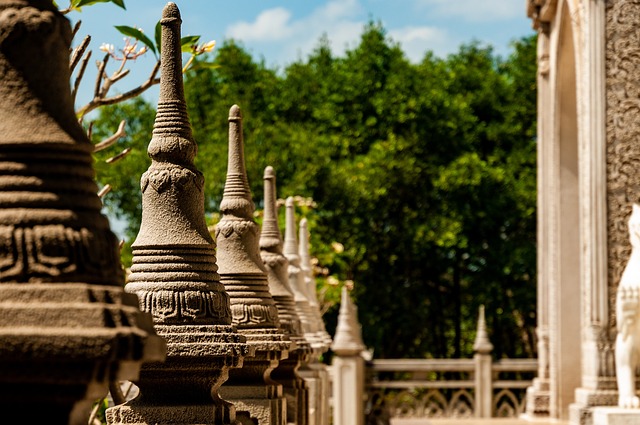
The Emerald Buddha is not emerald – it is carved from a single block of jade, approximately 66cm tall, and nobody agrees on exactly when it was made. The most credible scholarly estimates suggest the 14th or 15th century. What is documented is that the statue was discovered in Chiang Rai in 1434, moved several times during periods of...
read more
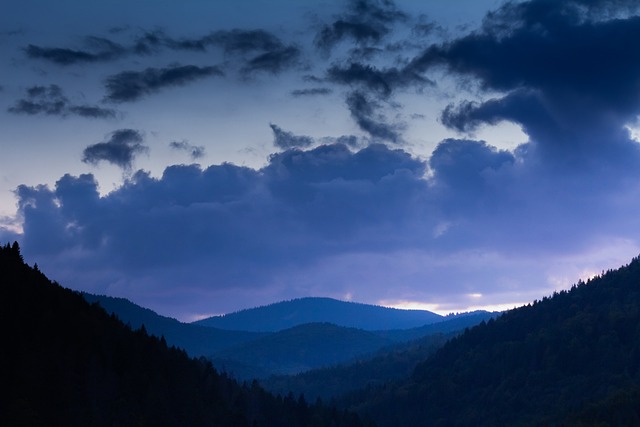
Carpathian Forest
Discover the Magic of the Carpathian Forest
Tucked away in Eastern Europe, the Carpathian Forest is a hidden gem waiting to be explored. Stretching across Romania, Ukraine, Poland, and Slovakia, this majestic range offers a unique blend of natural beauty, rich culture, and adventure opportunities. Home to the largest primeval beech forests in Europe and a thriving population of iconic European...
read more
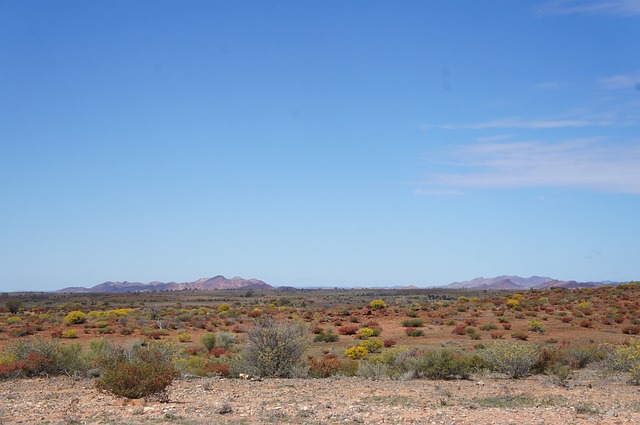
Australian Outback
The Australian Outback: Red Dirt, Sacred Country, and What You Actually Need to Know
Since October 2019, you cannot climb Uluru. The ban is permanent, voted unanimously by the national park management board in 2017, and it reflects something the Anangu traditional owners had been asking for since tourism to the rock started decades before that. The climbing track left a visible scar on the...
read more
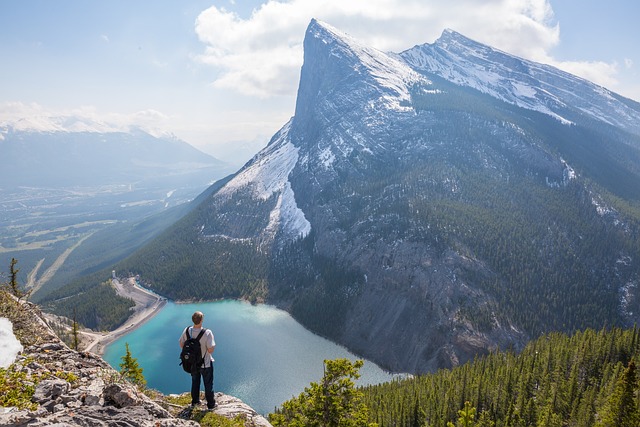
Canadian Rockies
Canadian Rockies: The Icefields Parkway Has One Gas Station in 232 Kilometres
That’s not a problem if you know it; it’s a serious problem if you don’t. Fill up in Lake Louise or Jasper before you drive the Icefields Parkway. Cell service is sparse for most of the route. Services are available only June through September. The parkway itself – 232 kilometres linking Banff...
read more
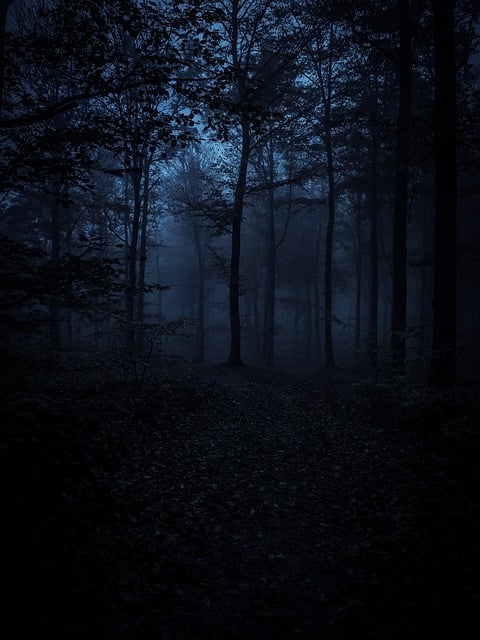
Black Forest
The Black Forest (Schwarzwald)
Baden-Baden was where Napoleon III took the waters, where Brahms and Dostoyevsky came to write, and where Kaiser Wilhelm I maintained a summer residence. The thermal springs that created the town’s reputation were discovered by Roman soldiers from the local garrison around 75 CE, and the Romans named the place Aquae Aureliae. The spa culture here is...
read more
Worlds End
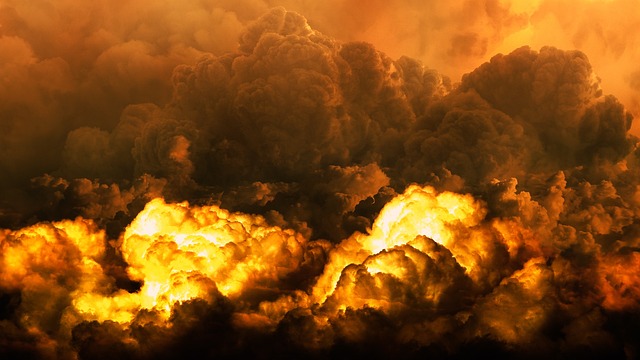
World’s End, Horton Plains, Sri Lanka
World’s End is a sheer escarpment in Horton Plains National Park in Sri Lanka’s central highlands, dropping roughly 880 metres to the lowland plains below. On a clear morning, with the mist below the ridge, the view extends to the south coast. On most mornings after about 09:30, the cloud has rolled in from the sea and covered everything....
read more
Jungfraujoch Top Of Europe
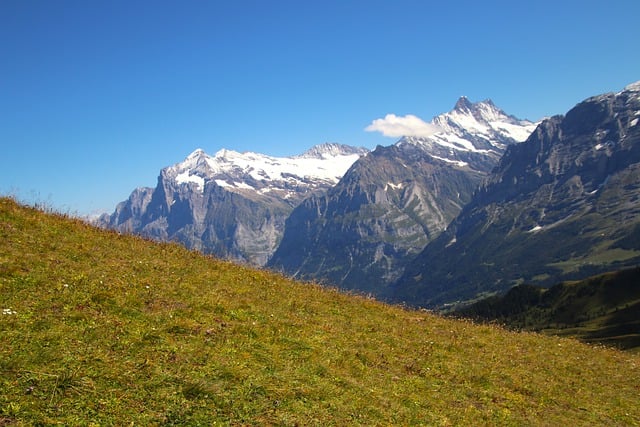
Jungfraujoch, Switzerland
At 3,454 metres, Jungfraujoch holds the highest railway station in Europe. The Jungfrau Railway, built between 1896 and 1912, drills through the Eiger and Mönch in a 9km rack-railway tunnel and emerges at the col between the two peaks. The construction took 16 years, cost the lives of dozens of workers, and was considered impossible until it was done. The view from the...
read more
Cheddar Gorge
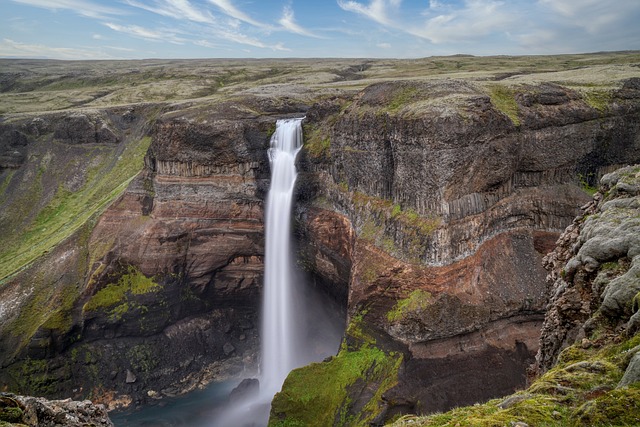
Cheddar Gorge: Britain’s Largest Gorge and the Bones Beneath It
The oldest complete human skeleton found in Britain was discovered in Gough’s Cave in 1903. Cheddar Man, as he was named, died around 9,000 years ago and his remains, now held at the Natural History Museum, were DNA-tested in 2018: he had dark skin, blue or green eyes, and dark curly hair. He also had a living descendant...
read more
Chenonceau
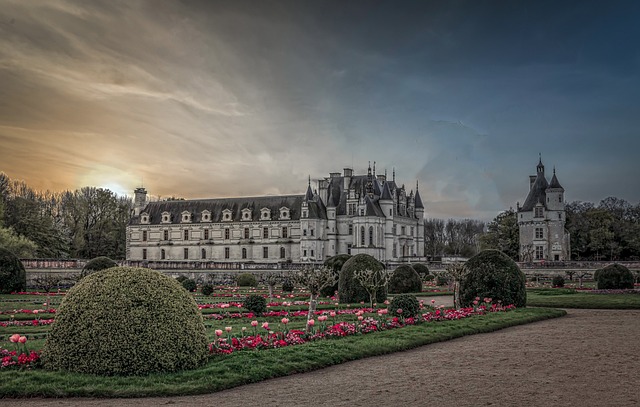
Chateau de Chenonceau
The gallery bridge that spans the Cher River at Chenonceau was not built for the same woman who designed the garden below it. Diane de Poitiers, mistress of King Henry II, received the chateau as a gift and built the bridge piers into the river between 1556 and 1559. She never got to build the gallery across them. When Henry died, his widow Catherine de Medici forced Diane to...
read more
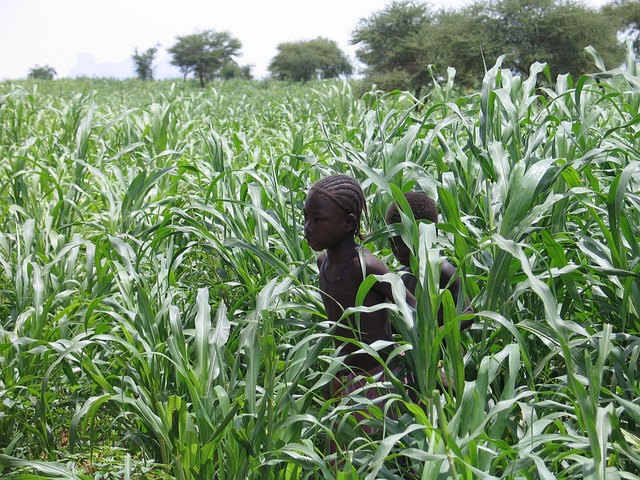
Timbuktu, Mali
Timbuktu, Mali: The City That Exists and the One You Imagined
The name Timbuktu has spent centuries operating as shorthand for the ends of the earth. The actual city is somewhere rather different: a dusty, flat, deeply historic town in the Saharan fringe of northern Mali, with a population of around 55,000, temperatures that push 45°C in summer, and a reputation for scholarship that the phrase...
read more
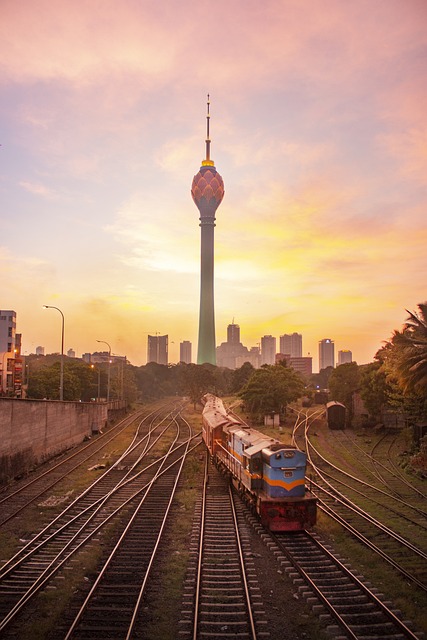
Sigiriya - Sri Lanka
Sigiriya: 200 Metres Straight Up and Worth Every Step
King Kashyapa built his palace on top of a 200-metre granite rock in the 5th century AD. Why he chose a near-vertical outcrop rising from flat jungle in the Matale District as his royal residence is one of those historical questions that admits competing theories – strategic defence, conspicuous power, the paranoid logic of someone who...
read more