Recent Traveler Mania

Hanoi Vietnam Travel Guide 2026
Stop treating Hanoi as a one-city stop. Base yourself here for four to seven nights and three genuinely different trips open up within a few hours of the Old Quarter: Halong Bay’s limestone karsts, Ninh Binh’s cave-riddled rivers, and Sapa’s rice terraces climbing into the mountains. The move that actually pays off: skip the rushed Halong day trip, book the overnight cruise...
read more

Ho Chi Minh Mausoleum: Tickets, Hours, Tips
Show up in shorts and you’ll be turned away at the door. That’s the first thing to know about the Ho Chi Minh Mausoleum: it’s free or close to it, but it runs on rules, not convenience, and the rules catch more visitors out than the price ever could. Get the hours and the dress code right and this is a half-day well spent on Ba Dinh Square; get them wrong and you’re...
read more

2 Days in Budapest: First-Timer Itinerary
Two days is enough for Budapest’s two headline halves: Pest’s Parliament-and-Basilica core on day one, Buda’s Castle Hill and a Rudas soak on day two. It is a sprint, not a deep dive, so skip nothing essential and move fast. Going longer? See the 3-day through 7-day versions for the fuller trip this one nests inside.
Book these before you go
Hotel: compare District V rates on...
read more

2 Days in Budapest: The Day-Trip Base
Two days from Budapest is enough for exactly one real day trip. Day one gets you oriented in Pest and up to the Castle District; day two puts you on the HEV train out to Szentendre and the Danube Bend. Need room for Eger or Lake Balaton too? Jump to the 3 day , 4 day , 5 day , 6 day , or 7 day version of this plan.
read more
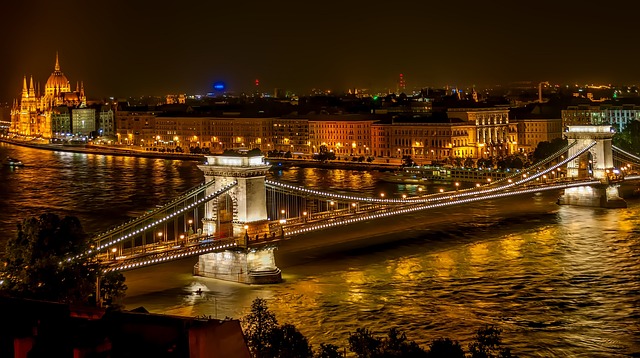
3 Days in Budapest: First-Timer Itinerary
Three days adds Budapest’s other headline bath and its liveliest evening scene to the 2-day core: Szechenyi’s yellow palace and Heroes’ Square by day, Szimpla Kert’s ruin-bar sprawl by night. Shorter trip? See the 2-day version. Going longer? Check 4 through 7 days .
Book these before you go
Hotel: compare District V rates on Booking.com Hungarian Parliament guided tour:...
read more
3 Days in Budapest: The Day-Trip Base
Three days is the sweet spot for a first Budapest-as-a-base trip: one day to land and get oriented, one day out to the Danube Bend, one day out to Eger’s wine country. Want to slow down or add Lake Balaton and Vienna? See the 2 day , 4 day , 5 day , 6 day , or 7 day version instead.
Book these before you go:
Check hotel rates near Nyugati or Keleti station , the departure points for both day...
read more

4 Days in Budapest: First-Timer Itinerary
Four days folds in the Great Market Hall, a stroll down UNESCO-listed Andrassy Avenue and a slow afternoon on car-free Margaret Island, on top of the 3-day core of Parliament, both baths and the ruin bars. Shorter trip? See 2 or 3 days . Going longer? Check 5 through 7 days .
Book these before you go
Hotel: compare District V rates on Booking.com Hungarian Parliament guided tour: book ahead on...
read more
4 Days in Budapest: The Day-Trip Base
Four days puts two real day trips inside a Budapest base and still leaves a slower day to recover in the city itself. Land and orient on day one, the Danube Bend on day two, Eger’s wine country on day three, then a Castle District and thermal bath day four before you fly out. Want Lake Balaton or an international hop too? See the 2 day , 3 day , 5 day , 6 day , or 7 day version instead.
read more
5 Days in Budapest: First-Timer Itinerary
Five days adds a proper Jewish Quarter deep dive, the Great Synagogue and the New York Cafe’s gilded interior, plus a second bath session and a Danube dinner cruise, to the 4-day Budapest core. Shorter trip? See 3 or 4 days . Going longer? Check 6 or 7 days .
Book these before you go
Hotel: compare District V rates on Booking.com Hungarian Parliament guided tour: book ahead on GetYourGuide...
read more
5 Days in Budapest: The Day-Trip Base
Five days from a Budapest base fits three real day trips and a recovery day between them: the Danube Bend, Eger’s wine country, a slow day in the city, then Lake Balaton for a proper summer swim. Want fewer trips, or an international hop added instead? See the 2 day , 3 day , 4 day , 6 day , or 7 day version instead.
Book these before you go:
read more
6 Days in Budapest: First-Timer Itinerary
Six days adds a genuine flex day, a deeper museum stop at City Park or the Castle District, and a free-after-dark return to Fisherman’s Bastion once the tour groups are gone, on top of the 5-day core. Shorter trip? See 4 or 5 days . Going longer? Check the 7-day version.
Book these before you go
Hotel: compare District V rates on Booking.com Hungarian Parliament guided tour: book ahead on...
read more
6 Days in Budapest: The Day-Trip Base
Six days from a Budapest base fits four real day trips and a recovery day: the Danube Bend, Eger, a slow day in the city, Lake Balaton, then a full day trip across the border to Vienna. Want a lighter pace, or a full week that adds Godollo Palace too? See the 2 day , 3 day , 4 day , 5 day , or 7 day version instead.
Book these before you go:
read more
7 Days in Budapest: First-Timer Itinerary
Seven days is a full, unhurried week: everything from the 6-day core plus a slower final day, one more bath session or a return to Margaret Island, and a clean departure via the 100E bus. Shorter trip? See 5 or 6 days .
Book these before you go
Hotel: compare District V rates on Booking.com Hungarian Parliament guided tour: book ahead on GetYourGuide Szechenyi day ticket: skip the window queue on...
read more
7 Days in Budapest: The Day-Trip Base
A full week from a Budapest base fits five real day trips: the Danube Bend, Eger, a slow city day, Lake Balaton, Vienna, and a last-morning stop at Godollo Palace before you fly home. Want fewer trips, or just the Danube Bend and Eger? See the 2 day , 3 day , 4 day , 5 day , or 6 day version instead.
Book these before you go:
Check hotel rates near Nyugati or Keleti station , the departure points...
read more
Buda Castle: Tickets, Hours and How to Visit
Buda Castle’s courtyards and ramparts are free to wander any time of day, but “free” does not mean “empty”: get here before 9am if you want the Fisherman’s Bastion terrace without three tour buses’ worth of company. The hill packs a working funicular, two major museums, a UNESCO-listed backdrop and a genuine climb into one visit, so know which pieces cost...
read more
Budapest and Hungary: Day Trip Guide
Budapest is not just a city break, it is a launchpad. Base yourself here for four or five nights and you unlock a riverside artist town 40 minutes out, a wine region under two hours away, an entire lake, a Habsburg palace, and two foreign capitals, all without renting a car or repacking a suitcase. The trains do the work. This guide covers the real day trips from Budapest: what they cost in...
read more
Budapest Travel Guide 2026
Budapest runs on forints, not euros, and that trips up more visitors than any single attraction does. Gellert Baths, the bath every older guidebook still sends you to, closed in October 2025 and stays shut until at least 2028, so the real thermal choice now is Szechenyi against Rudas. Three to four days covers Buda Castle, the Parliament, the baths and the Jewish Quarter at a pace that still...
read more
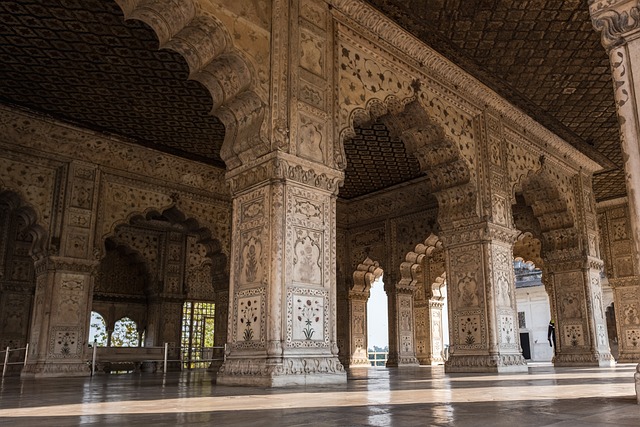
2 Days in Delhi: The First-Timer Itinerary
Two days is a sprint, not a stroll, but it works: one day for Old Delhi’s chaos, one day for New Delhi’s monuments. You’ll cover Red Fort, Chandni Chowk, Humayun’s Tomb, and Qutub Minar without ever backtracking across the city. If you can stretch to a 3-day trip or a 4-day trip , do it, this pace leaves zero slack for a slow lunch.
Book these before you go
A hotel near...
read more
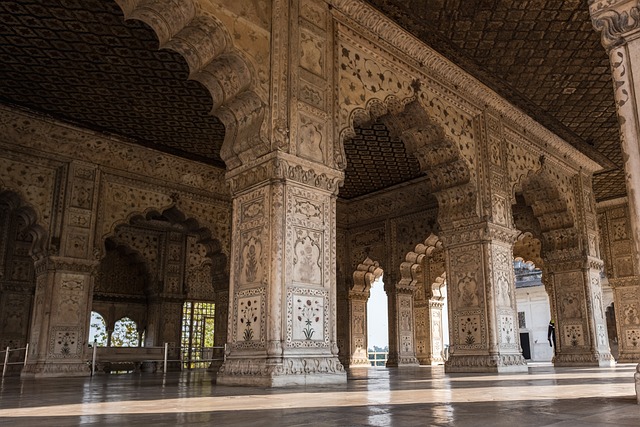
2 Days: Delhi and the Golden Triangle
Two days from a Delhi base covers the two closest Golden Triangle legs as express-train day trips: Agra’s Taj Mahal in the morning, Jaipur’s forts and bazaars the next, no overnight bags required. Want the extended loop with Fatehpur Sikri, Rishikesh and Amritsar? See the 3-day through 7-day versions of this same plan.
Book these before you go
A skip-the-line Taj Mahal and Agra day...
read more
3 Days in Delhi: The First-Timer Itinerary
Three days is the first length where Delhi stops feeling rushed. One day each for Old Delhi, New Delhi, and the Qutub Minar/Hauz Khas side of the city, with actual breathing room between stops. Shorter on time? The 2-day version compresses this hard. Got a fourth day spare? The 4-day itinerary adds the Lotus Temple and Akshardham.
Book these before you go
Hotel dates near Connaught Place or South...
read more
3 Days: Delhi and the Golden Triangle
Three days extends the Agra-and-Jaipur day-trip sprint with a third day back toward Agra, this time for Fatehpur Sikri and the sites the first sprint skipped, all still running from a single Delhi base, no packing up and moving on. Need less time? See the 2-day version; need more, the 4-day through 7-day plans add Jaipur depth, Rishikesh and Amritsar.
Book these before you go
A private car for the...
read more
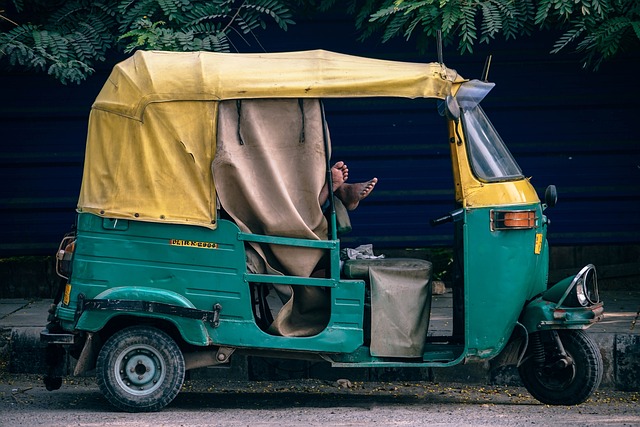
4 Days in Delhi: The First-Timer Itinerary
Four days is where Delhi starts to feel complete rather than sampled. Old Delhi, New Delhi, the Qutub Minar/Hauz Khas side of town, and a full day for the Lotus Temple and Akshardham, Delhi’s two free (mostly) modern landmarks. Doing this with a fifth day free? The 5-day itinerary adds a market-and-food day. Tighter schedule? Drop back to 3 days .
Book these before you go
Hotel dates,...
read more
4 Days: Delhi and the Golden Triangle
Four days keeps the Agra-then-Jaipur spine but slows the Jaipur leg down to two days instead of a rushed one, adding Nahargarh Fort and real bazaar time on top of the express-train sprint. Coming from the 3-day version? This just adds Day 4. Want Rishikesh or Amritsar too? See the 5-day through 7-day plans.
Book these before you go
A Golden Triangle private driver package for the Agra-Jaipur loop:...
read more
5 Days in Delhi: The First-Timer Itinerary
Five days gives Delhi room for a full market-and-food day on top of the standard monument circuit, which is where the city genuinely starts to open up. Old Delhi, New Delhi, Qutub Minar’s side of town, the Lotus Temple and Akshardham, and a day built around Khari Baoli, Dilli Haat and Nizamuddin. Shorter trip? The 4-day itinerary drops the market day. More time? The 6-day and 7-day versions...
read more
5 Days: Delhi and the Golden Triangle
Five days keeps the full Agra-Jaipur-Fatehpur Sikri spine from the shorter versions and adds a genuine change of pace: a day out to Haridwar and Rishikesh for the Ganga aarti instead of another fort. Coming from the 4-day plan, this just adds Day 5. Want Amritsar too? See the 6-day and 7-day versions.
Book these before you go
A private driver for the whole Golden Triangle loop plus Rishikesh:...
read more
6 Days in Delhi: The First-Timer Itinerary
Six days lets you add a full South Delhi day on top of the five-day route: Greater Kailash’s calmer shopping streets, Select Citywalk mall, and the genuinely hidden Agrasen ki Baoli stepwell. Nothing here is filler, it’s the contrast day that shows you Delhi isn’t only monuments and markets. Building toward a full week? The 7-day itinerary adds a flexible last day. Tighter on...
read more
6 Days: Delhi and the Golden Triangle
Six days takes the full Agra-Jaipur-Rishikesh spine from the shorter versions and adds Amritsar as a flight day trip, the only realistic way to fit the Golden Temple and the Wagah Border ceremony into a loop this size. Coming from the 5-day plan, this just adds Day 6. One more day free? The 7-day plan adds a rest day and a train-versus-driver recap.
Book these before you go
A private driver for...
read more
7 Days in Delhi: The First-Timer Itinerary
A full week in Delhi covers the entire city at a pace that doesn’t burn you out: Old Delhi, New Delhi, Qutub Minar’s side of town, the Lotus Temple and Akshardham, a market-and-food day, a South Delhi day, and a genuinely flexible seventh day at the end. Coming for less time? The 6-day itinerary drops the flex day; the 5-day drops South Delhi too.
Book these before you go
A full week...
read more
7 Days: Delhi and the Golden Triangle
Seven days runs the complete Golden Triangle spine, Agra, Jaipur, Fatehpur Sikri, Rishikesh and Amritsar, then closes with a rest day back in Delhi instead of racing straight to the airport. Coming from the 6-day plan, this just adds Day 7; for shorter versions of the same spine, see the 2-day through 5-day plans.
Book these before you go
A private driver for the Agra-Jaipur-Rishikesh legs: browse...
read more
Delhi Travel Guide 2026: Know Before You Go
Delhi is not the trip, it is the launchpad. From here the Taj Mahal is a 230km, 1h40min express-train ride away, Jaipur adds another 3.5 hours by rail, and Amritsar’s Golden Temple sits far enough out (450km) that it wants a flight, not a train. The single fact that wrecks the most itineraries: the Taj Mahal is closed every Friday, no exceptions, so build your Agra day around that before you...
read more
Delhi Travel Guide 2026: Know Before You Go
Delhi will overwhelm you inside the first ten minutes, and that is exactly the point. This is eight cities stacked on top of each other: a 17th-century walled city a twenty-minute Metro ride from a planned British-built government district, both a world away from the malls and rooftop bars of South Delhi. Give it 3-4 days minimum and skip the one-day speed-run past Red Fort and Qutub Minar that...
read more
Red Fort: Tickets, Hours and How to Visit
Red Fort is the single easiest monument in Delhi to visit wrong, and once you know the mechanics, it stops being a queue-and-guess exercise and starts being a genuinely great morning. Here’s exactly how tickets, hours and the layout actually work, so you spend your time inside the walls instead of figuring out the gate.
Red Fort key facts Price (foreigner) ~₹500-600 (Indian nationals ₹35,...
read more
Taj Mahal: Tickets, Hours and How to Visit
The Taj Mahal is not in Delhi, it’s 230km away in Agra, and the fact that wrecks the most schedules is that it’s closed every Friday for mosque prayers, no exceptions. From a Delhi base, the Gatimaan Express gets you there in 1h40min; budget ₹1,300 for full foreigner access (₹1,100 for the main complex plus ₹200 for the mausoleum interior), and go in the first hour after opening or the...
read more
2 Days in Sydney: The Day-Trip Itinerary
With only 2 days, split the trip cleanly: one day gets you oriented in Sydney itself, the second is a full day trip to the Blue Mountains and back. That is the highest-value 48 hours you can build around this city, because the Blue Mountains alone justify the whole side trip and everything else here, Hunter Valley, Port Stephens, the wider country, needs more time than a weekend gives you. Here is...
read more

2 Days in Sydney: The First-Timer Itinerary
2 Days in Sydney: The First-Timer Itinerary Two days is just enough to nail Sydney’s two headline icons without feeling rushed: an Opera House tour and a proper look at the Harbour Bridge on day one, Bondi Beach and its coastal walk on day two. This is the tight, no-wasted-hours version built for a stopover or a long weekend. Got more time on the ground? The 3 day and 7 day itineraries build...
read more
3 Days in Sydney: The Day-Trip Itinerary
Three days is enough to base yourself in Sydney and knock out two real day trips without either one feeling rushed. This plan nests the 2-day version, a Sydney orientation day plus the Blue Mountains, then adds a third day to Royal National Park, the cheapest and easiest of all the gateway trips. No rental car required for any of it.
Day Focus Distance / travel time from Sydney 1 Sydney base:...
read more
3 Days in Sydney: The First-Timer Itinerary
3 Days in Sydney: The First-Timer Itinerary Three days is the sweet spot for a first Sydney trip: the Opera House and Harbour Bridge on day one, Bondi and the coastal walk on day two, then Darling Harbour and the Royal Botanic Garden on day three to round it out. This builds directly on the 2 day itinerary ; if you’ve got a few more days on the ground, the 4 day plan adds Manly and Taronga...
read more
4 Days in Sydney: The Day-Trip Itinerary
Four days is where this itinerary starts feeling like a genuine Australia trip rather than a single city break. It keeps the same spine as the 3-day plan, Sydney base, Blue Mountains, Royal National Park, and adds a fourth day out to Hunter Valley wine country, the one day trip on this list where a car or a tour matters more than a train timetable.
Day Focus Distance / travel time from Sydney 1...
read more
4 Days in Sydney: The First-Timer Itinerary
4 Days in Sydney: The First-Timer Itinerary Four days lets you add a full harbour-ferry day to the core Sydney loop: Opera House and Bridge on day one, Bondi and the coastal walk on day two, Darling Harbour and the Botanic Garden on day three, then Manly and Taronga Zoo on day four. This nests inside the 3 day itinerary ; with a fifth day free, the 5 day plan adds a Newtown and Surry Hills food...
read more
5 Days in Sydney: The Day-Trip Itinerary
Five days keeps the same base-plus-day-trips spine as the 4-day plan and adds a fifth run down the coast to the Grand Pacific Drive, a scenic-driving day rather than a hiking or wine-tasting one, a good change of pace after four fairly active days. Sydney stays home base the entire time, you are never packing a bag to sleep somewhere else.
Day Focus Distance / travel time from Sydney 1 Sydney...
read more
5 Days in Sydney: The First-Timer Itinerary
5 Days in Sydney: The First-Timer Itinerary Five days is where Sydney stops feeling like a checklist and starts feeling like a city you actually know: the two icons, Bondi and its coastal walk, a full harbour-ferry day, then a fifth day eating your way through Newtown and Surry Hills. This builds on the 4 day itinerary ; with two more days, the 6 day plan adds a museums and markets day on top.
read more
6 Days in Sydney: The Day-Trip Itinerary
Six days is the full gateway lineup minus the flex day. This plan keeps the exact spine of the 5-day version, Sydney base, Blue Mountains, Royal National Park, Hunter Valley, Grand Pacific Drive, and adds a sixth day north to Port Stephens for dolphins on the water instead of wine or hiking.
Day Focus Distance / travel time from Sydney 1 Sydney base: harbour orientation in the city 2 Blue...
read more
6 Days in Sydney: The First-Timer Itinerary
6 Days in Sydney: The First-Timer Itinerary Six days adds a proper museums-and-markets day to the core Sydney loop: both icons, Bondi and the coastal walk, a harbour-ferry day, a Newtown and Surry Hills food day, then a sixth day for the Art Gallery of NSW and Paddy’s Markets. This nests inside the 5 day itinerary ; with one more day, the 7 day plan finishes with a Watsons Bay and Cockatoo...
read more
7 Days in Sydney: The Day-Trip Itinerary
Seven days is the full gateway lineup, all five day trips, plus a flexible closing day. It carries the same spine through Blue Mountains, Royal National Park, Hunter Valley, the Grand Pacific Drive, and Port Stephens, then leaves day 7 open for whichever of those you want a second look at, or for catching an onward flight. Melbourne, Uluru, and the Great Barrier Reef are flights from here, not day...
read more
7 Days in Sydney: The First-Timer Itinerary
7 Days in Sydney: The First-Timer Itinerary A full week means you can slow down and still see everything: both icons, Bondi and its coastal walk, a harbour-ferry day, a food day in Newtown and Surry Hills, a museums-and-markets day, then a final day of harbour corners most first-timers skip, Watsons Bay and Cockatoo Island. This is the complete version of the 6 day itinerary ; short on time...
read more
Blue Mountains: Tickets and How to Visit
The Blue Mountains are Sydney’s single best day trip, full stop, and the reason is the train: one line, an hourly service, about two hours from Central Station to Katoomba, no rental car and no tour bus required. You are looking at a full day out for well under 100 AUD a person once Scenic World is added in, and the Three Sisters lookout at Echo Point costs nothing at all.
read more
Sydney Day Trips Guide 2026: Where to Go
Skip the idea that Sydney is only a city to tick off. Sydney is the best base camp in the country, and the payoff is a full run of day trips you can do without ever checking a bag. The Blue Mountains are two hours away by train. Hunter Valley wine country is two and a half hours by car. Royal National Park is ninety minutes door to door on a train-then-ferry combo.
read more
Sydney Opera House: Tickets and How to Visit
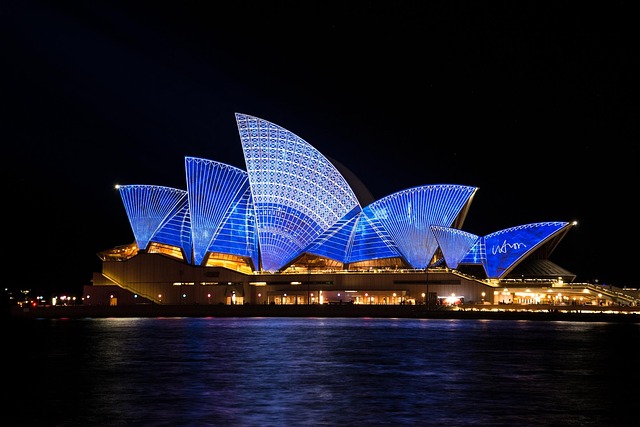
Sydney Opera House: Tickets and How to Visit The forecourt and the sail-shaped exterior are free to photograph from every angle, all day, but the inside of the Sydney Opera House is not a walk-in attraction. You get in one of two ways: a paid guided tour, about $48 adult pre-booked, or a ticket to an actual performance. There’s no third option, so decide which one you want before you plan...
read more
Sydney Travel Guide 2026: Know Before You Go
Sydney Travel Guide 2026: Know Before You Go Sydney rewards a plan more than a wish list. Give it 3 to 4 days and you’ll do the Opera House, the Bridge, Circular Quay and Bondi properly. Give it a week and you’ll add Manly, Darling Harbour, Taronga Zoo and the Newtown food scene without sprinting. Fix one thing before you land: the Opera House interior is not walk-in, it’s a paid...
read more
2 Days in Vienna: The First-Timer Itinerary
Two days is enough to nail the Innere Stadt core and Schonbrunn Palace, nothing else, and that’s the honest scope for a first Vienna trip this short. This route skips the day-trip temptation entirely: Bratislava and the Wachau Valley belong to a longer stay covered in our Vienna, Austria guide . Need more time? See the 3-day , 4-day , or full week version of this same route.
Book these...
read more